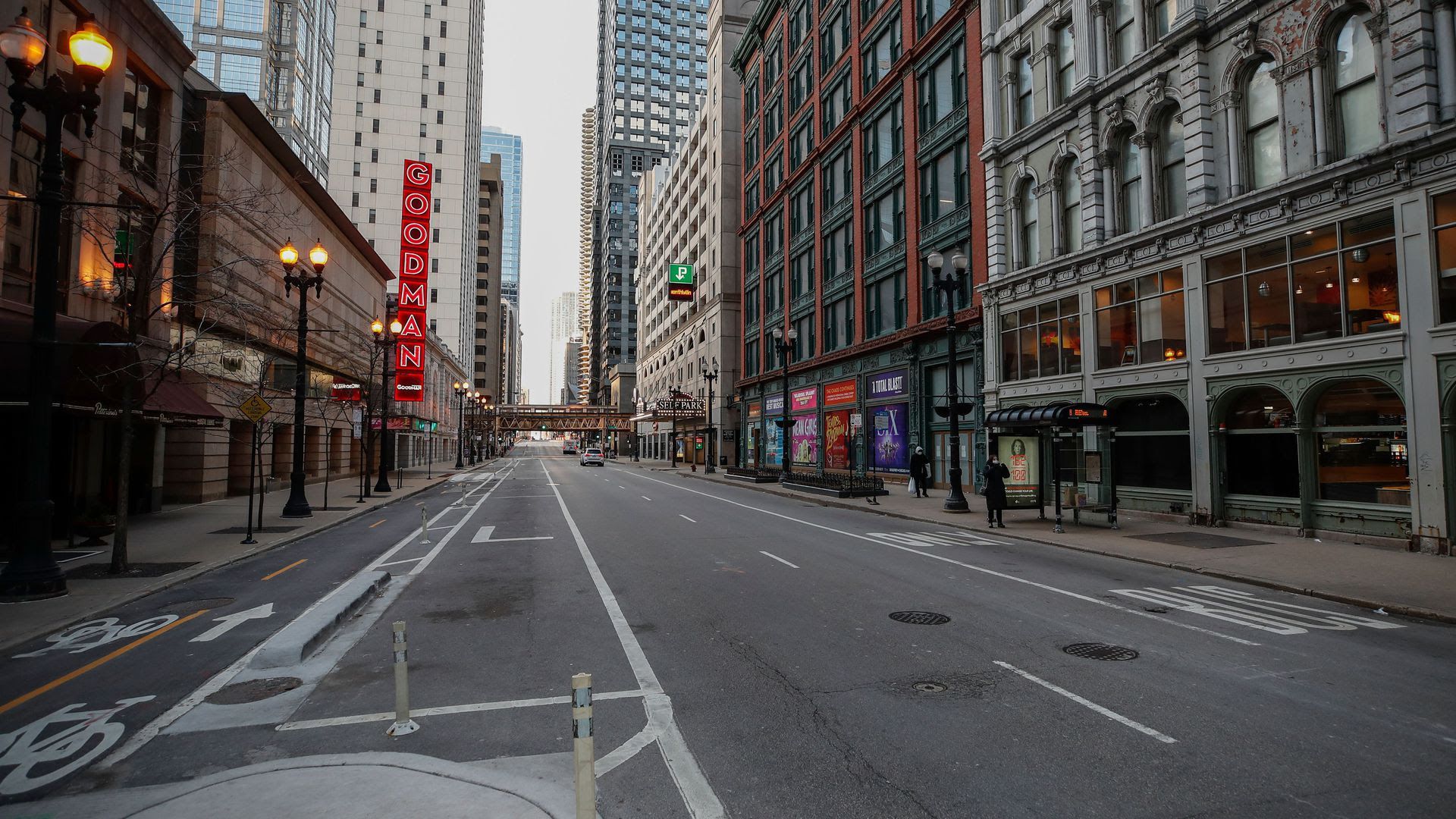
It’s not just mass transit: Car travel has also declined sharply amid the coronavirus lockdown.
By the numbers: Almost every major U.S. city last month saw a steep reduction in the number of miles traveled by car, compared to a benchmark in January, according to StreetsBlog.
As many as one-third of U.S. jobs may be vulnerable as a result of the coronavirus pandemic, and it will disproportionately displace low-income workers that do not have the financial cushion to absorb the economic blow.
Why it matters: The dire economic ramifications of the national shut-down stand to devastate those that can least afford it. Nearly 10 million Americans have filed for unemployment claims in recent weeks.
Air travel — and the jet fuel powering it — are plummeting alongside most other parts of our modern economy as vast swaths of the world shut down to fight the coronavirus.
The big picture: Data that has newly become available shows the dramatic impact of global shutdowns, which will reverberate across the livelihoods of people working in these sectors.
The Federal Reserve said Wednesday it will temporarily lift Wells Fargo’s growth restriction put in place following the bank’s customer abuse scandals.
Why it matters: One of the nation's biggest lenders said the Fed's asset cap prevented it from lending more to struggling small businesses as part of the government's aid package. Now Wells Fargo says it will reopen its application process and lend to a broader set of business owners.
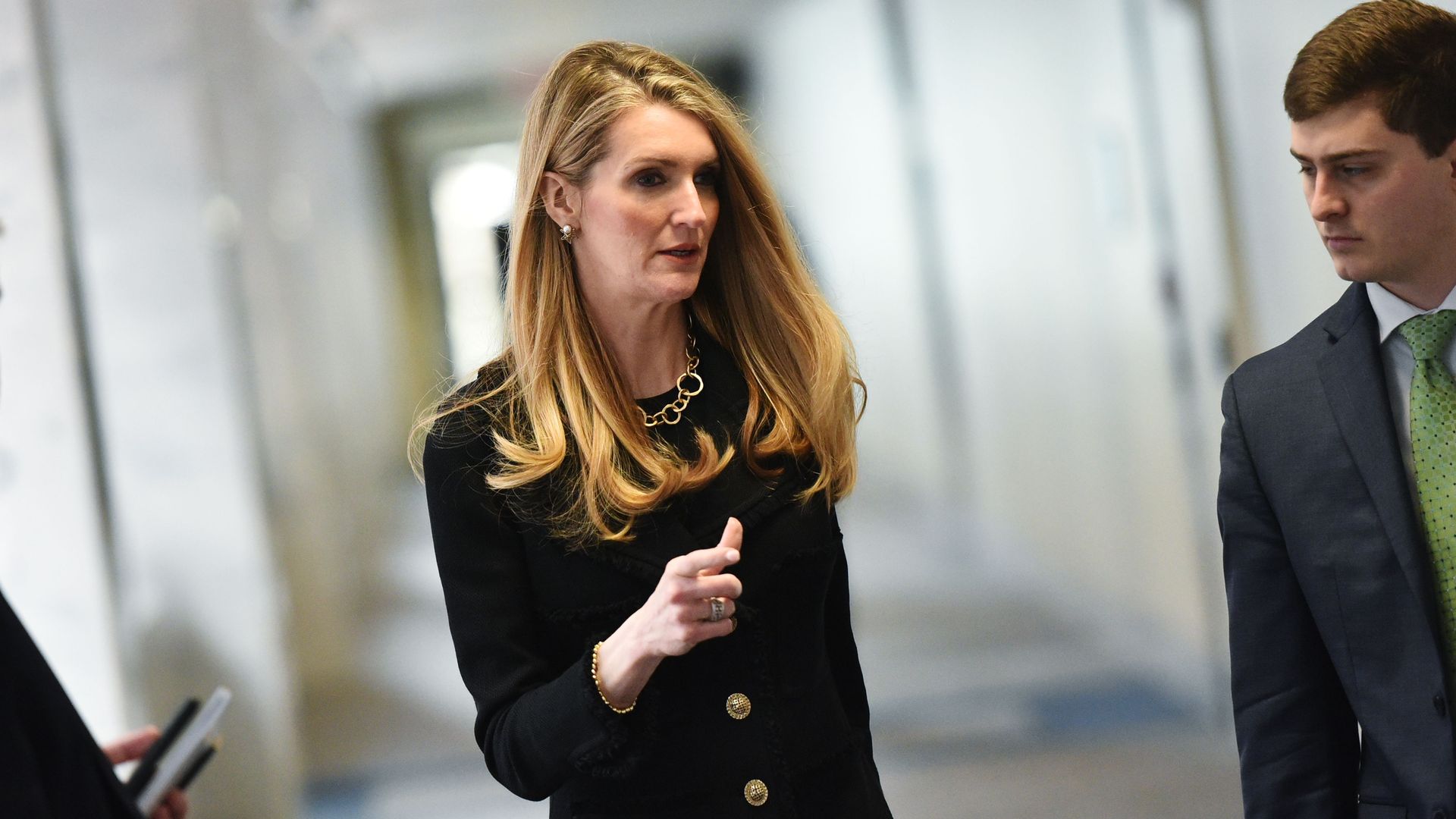
Sen. Kelly Loeffler (R-Ga.) and her husband Jeffrey Sprecher are liquidating their stock portfolio and moving holdings into exchange traded funds (ETFs) after coming under fire for purchasing and selling roughly $1.4 million in stock just before the market crashed in response to the coronavirus pandemic.
Why it matters: Loeffler, who faces a competitive reelection fight in November, is one of several senators under fire for selling shares shortly after a private briefing on the coronavirus — sparking accusations of insider trading.
Jack Dorsey, Bill Gates and other billionaires are pledging big money to address the coronavirus crisis. But as billionaires do good, do they become too powerful? Dan digs in with Recode reporter Teddy Schleifer.
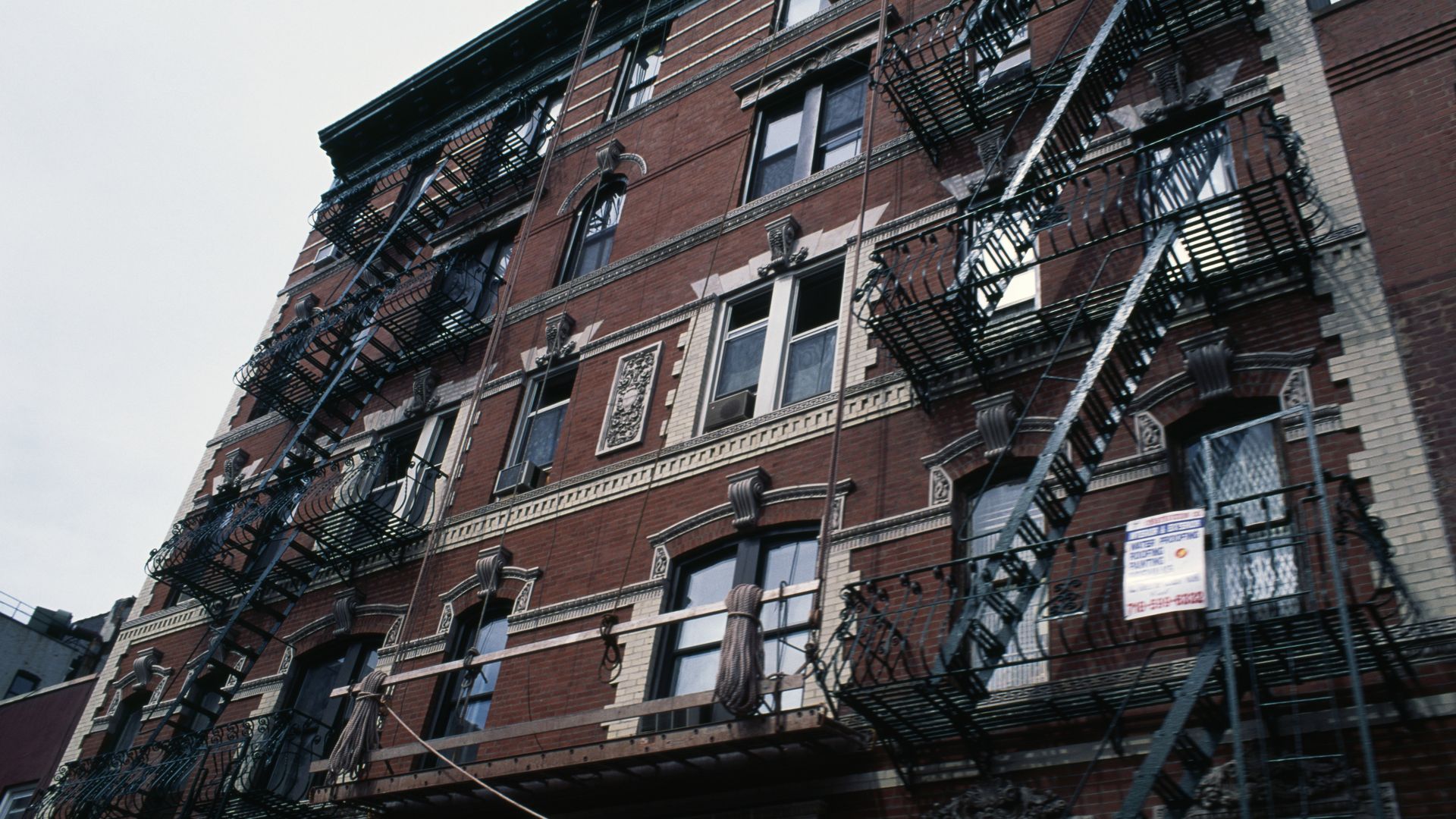
Amid the coronavirus pandemic, nearly one-third of apartment renters in the U.S. didn't make their April payments, according to numbers from the National Multifamily Housing Council and a group of real-estate data providers.
By the numbers: 69% of tenants paid some rent between April 1-5, down from 81% in the first week of March and 82% in April 2019.
SoFi, a personal finance company most recently valued at $4.8 billion, agreed to buy Galileo, a Salt Lake City-based financial services API and payments platform, for $1.2 billion in stock and cash.
Why it matters: This reflects how SoFi has expanded far beyond its student loan refinancing roots, and also how fintech remains relatively immune to the pandemic's economic impact.
Samsung is announcing a host of new smartphones in its mid-tier "A" series, including two models that support 5G cellular networks.
Why it matters: Adding 5G into mid-tier devices ensures that more people who buy a new smartphone this year will be ready to access such networks. As we reported in yesterday's Login, AT&T, Verizon and T-Mobile say they are moving full speed ahead on 5G deployment.
Staples recently informed landlords that it will not pay April rents for its U.S. stores, even though the locations remain open, Axios has learned.
Why it matters: Commercial landlords are stuck in a tightening vise, forgiving or deferring payments from shuttered tenants while still needing to meet their own mortgage obligations.
Global sales of electric vehicles are projected to drop by 43% this year as the technology faces a series of overlapping problems, the consultancy Wood Mackenzie finds in an analysis.
Driving the news: "The coronavirus outbreak, potential delays to fleet purchasing due to lower oil price and a wait-and-see approach to buying new models have all contributed to this decrease in projected sales," they write.
After largely ignoring the coronavirus outbreak in January, news about the pandemic has been just about the only thing that has mattered to investors since the market's initial fall from record highs on Feb. 23.
Why it matters: Stock prices have bounced back since hitting a low on March 23, but analysts warn the gains are likely "bear market rallies" not backed by data.
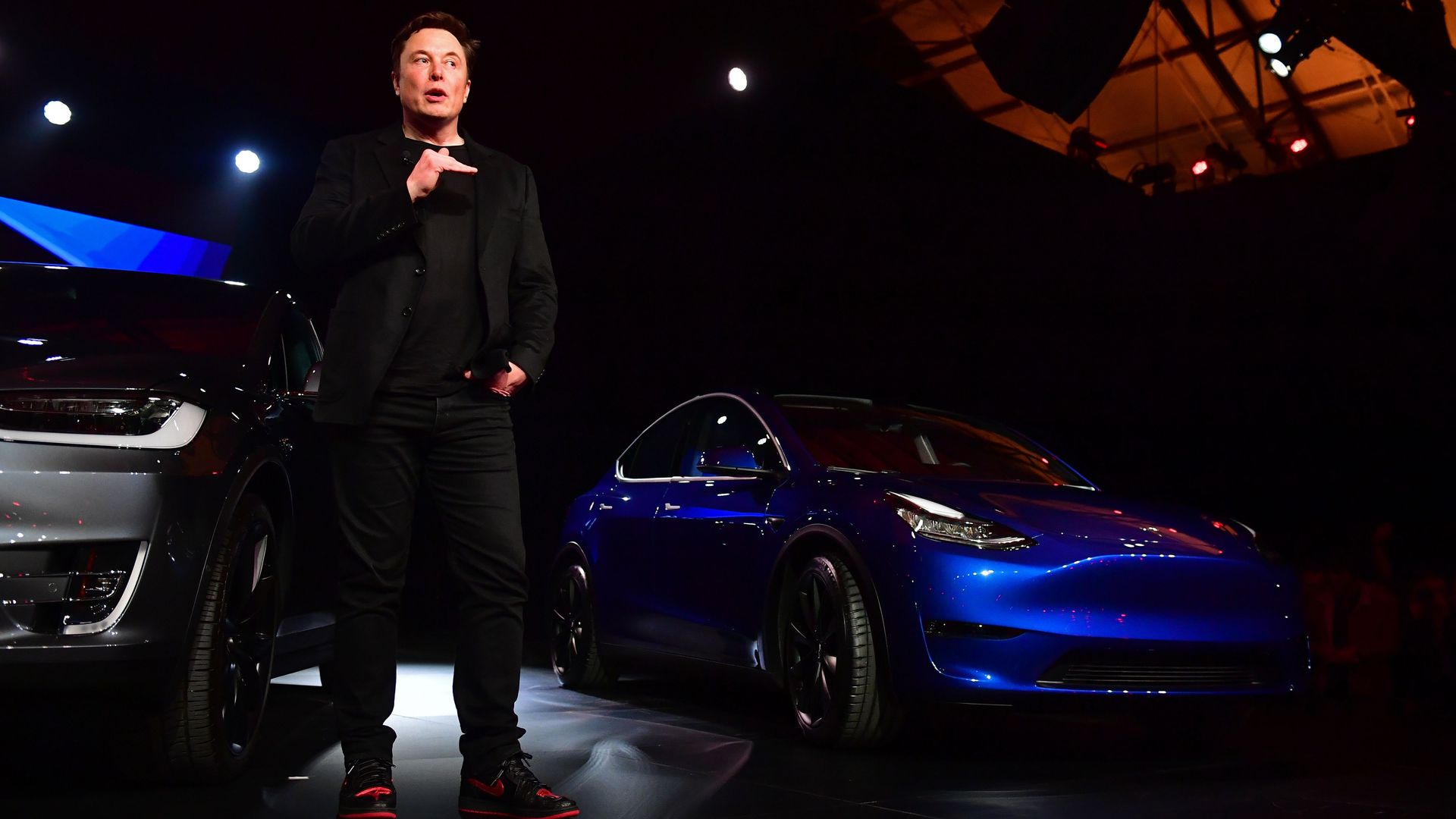
Tesla will cut salaried employees' pay and furlough non-essential workers until May 4, when it expects to resume production at its Bay Area plant, several news outlets reported late Tuesday, citing an internal company memo.
The big picture: Higher-ranked officials will see a 30% pay cut, directors' pay will be reduced by 20% and all others' pay will drop 10%, per Bloomberg. Telsa suspended production last month at the Bay Area plant after authorities ordered all nonessential businesses to close in response to the novel coronavirus outbreak. Axios has contacted Tesla for comment.
Concern about President Trump's tariffs on U.S imports grew to record high levels among Americans last month, particularly as more lost their jobs and concern about the novel coronavirus increased.
Driving the news: About seven in 10 people said they were at least somewhat concerned about tariffs in March, according to the latest survey from CivicScience provided first to Axios.