For many traditional retailers, 2018 was another tough year. Sears and Toys "R" Us went bankrupt, and the market punished Macy's and Target for sales that were strong, but not strong enough.
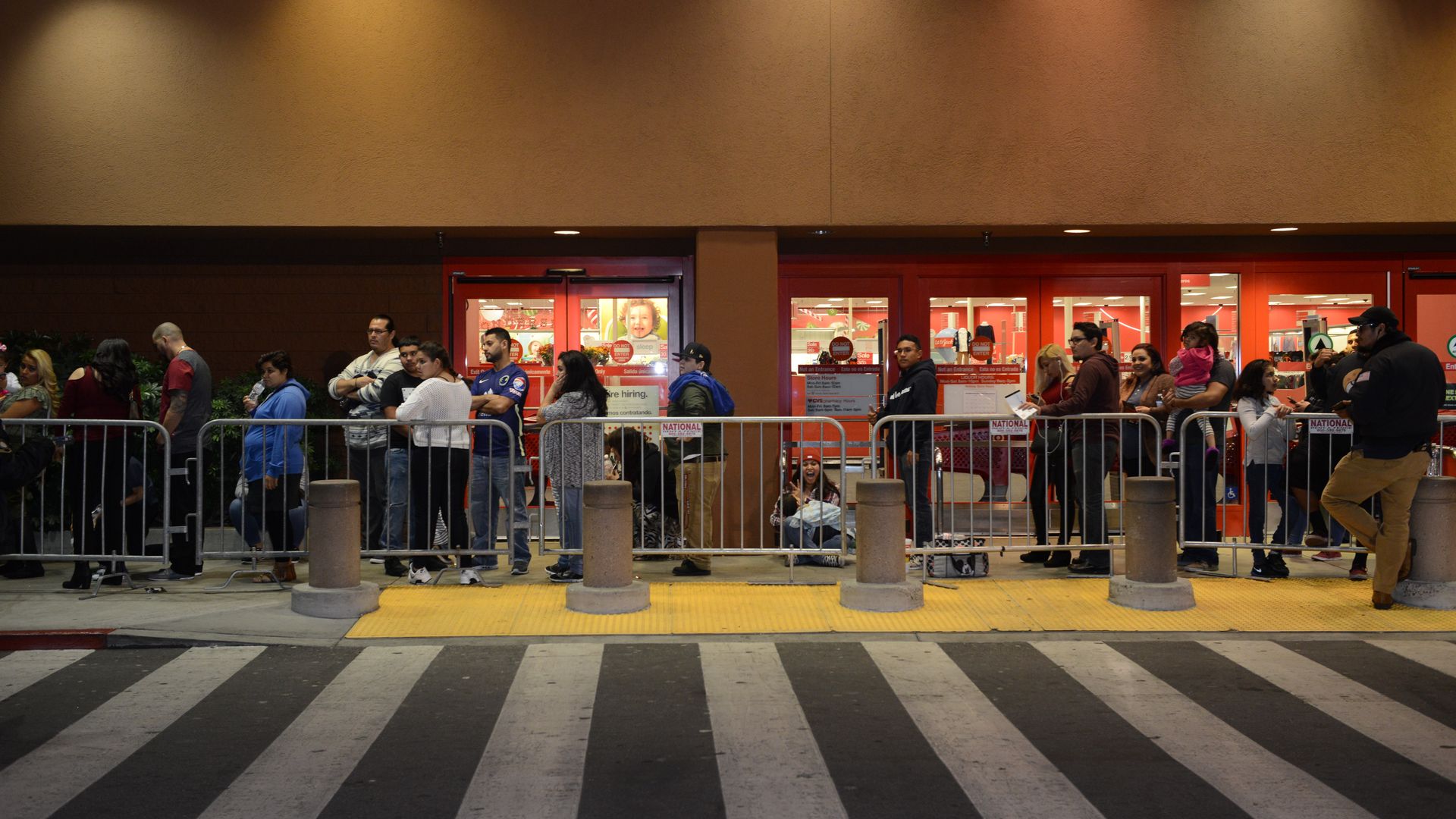
But two days from now, Black Friday will kick off the holiday shopping season — a nationwide, monthlong spending spree that analysts say may pull some of the companies out of hot water. As the day closes in, online and brick-and-mortar retailers are preparing for war on the battlegrounds of shipping prices and holiday deals.
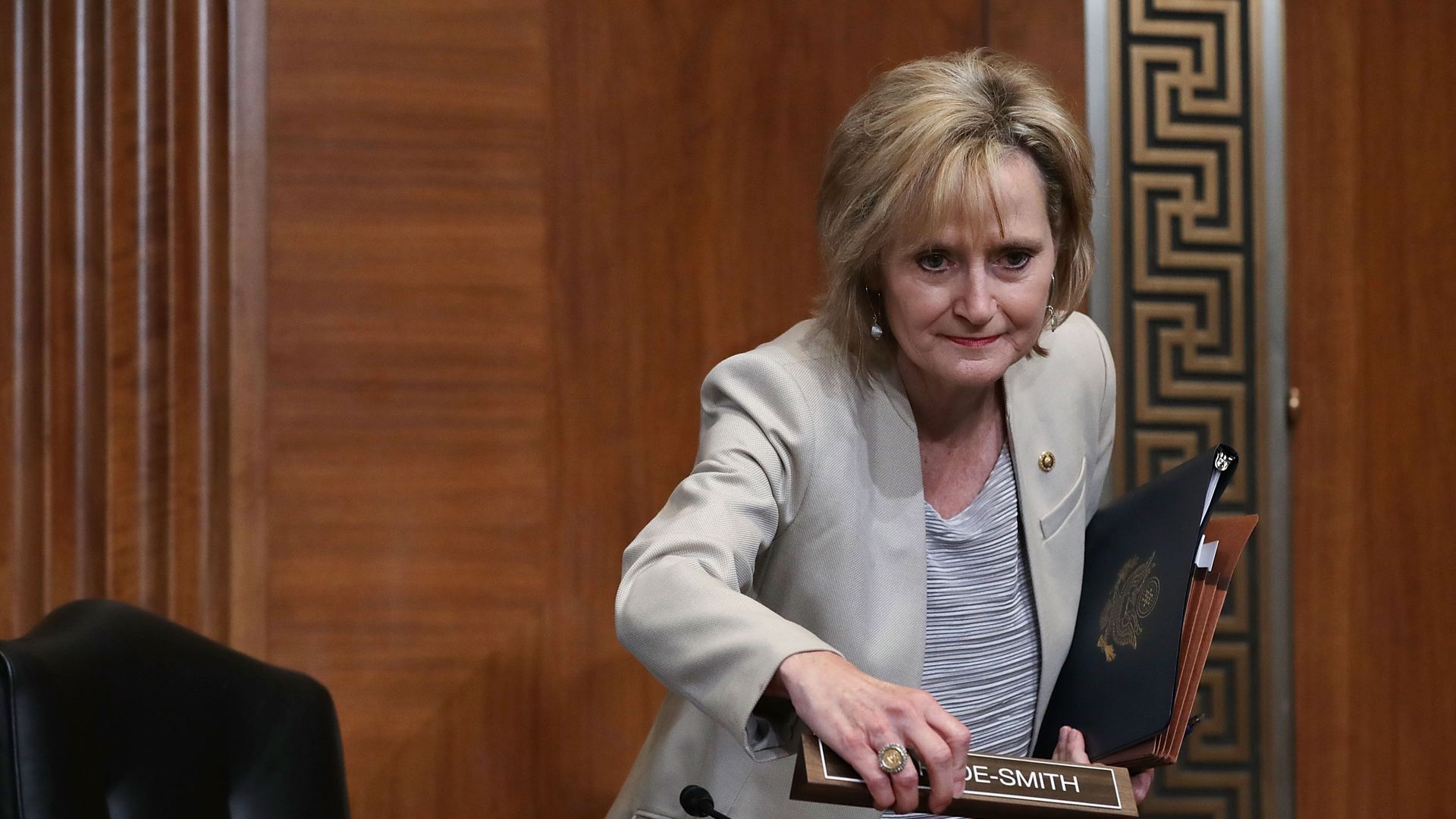
Pfizer has joined Walmart in announcing they will withdraw campaign donations to Sen. Cindy Hyde-Smith, who is currently running in Mississippi's special Senate race, over her remarks about attending a public hanging, ABC News reports. Companies including AT&T, Leidos and Boston Scientific, have requested their donations be refunded.
The backdrop: At a campaign event this month, Hyde-Smith told a supporter that if he invited her to a public hanging, she would be "on the front row." Following public backlash, Hyde-Smith in a statement that it was "an exaggerated expression of regard, and any attempt to turn this into a negative connotation is ridiculous," Roll Call reports.
Editor's note: This story has been updated to include the latest company withdrawals.
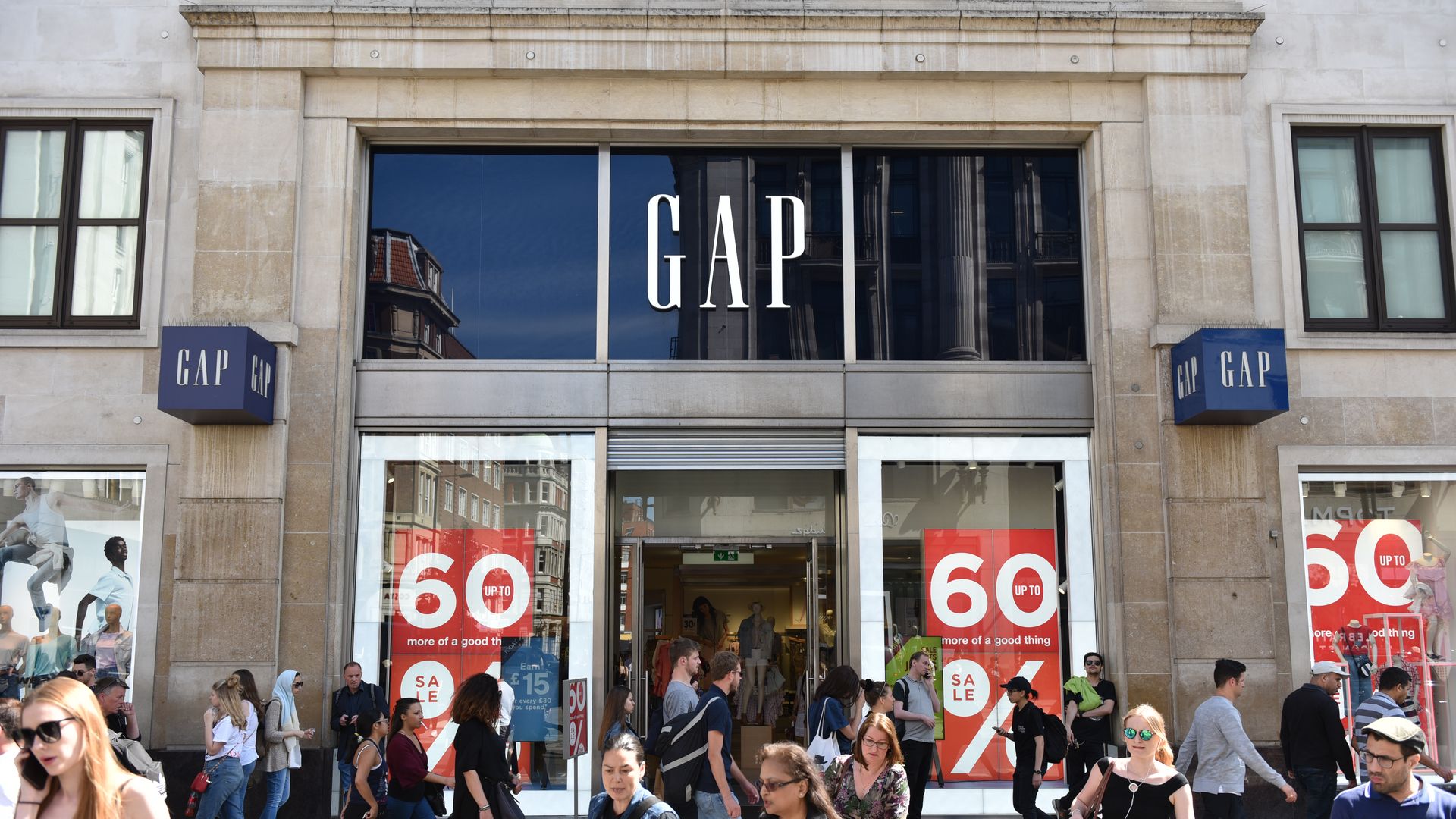
Gap — which saw a 7% drop in sales at stores that have been open for a year or longer — is considering closing hundreds of its mall locations as well as some of its flagship stores, CEO Art Peck told analysts in a call Tuesday evening.
The big picture: There are 775 Gap-branded stores worldwide, per CNBC. Declining sales come amid a retail shakeout that has plagued iconic brands like J. Crew, J.C. Penney and Neiman Marcus. Gap's own brand has the weakest sales numbers among the collection of labels it owns, which includes Banana Republic, Old Navy and Athleta, CNBC reports.
Companies' orders for long-lasting, pricier goods — think: cars, aircraft or large appliances — fell 4.4% in October, the Commerce Department said on Wednesday, more than the 2.5% economists were expecting.
Why it matters: It's the biggest decline in durable goods orders since July of last year, thanks to a drop in orders of military and commercial jets. Excluding jets and other transportation items, orders were flat in October after falling the last two months — a signal of slowing business investment.
As more electric and autonomous vehicles take to the streets, consumers may soon be able to skip the mundane task of stopping for gas. The disruption of other types of retail, like big department stores,suggests this transition could push the multi-billion-dollar market of gas stations and convenience stores toward collapse.
The big picture: Roughly 150,000 stores sell 80% of the fuel consumed in the United States, as well as $200 billion worth of food and merchandise, according to the National Association of Convenience Stores. Yet most stores have invested little in alternative methods to deliver goods or fuel to their customers, especially as cars shift from gas to electricity or even hydrogen fuel cells.
COLUMBUS, Ohio — In a surprising twist on the manufactured downtowns that have spread across suburbia, a developer in this central Ohio city — looking to survive amid a retail apocalypse — is doubling down on the much-derided mall.
Why it matters: Turkish developer Yaromir Steiner plans on expanding a mall into a bona fide town at a time when thousands are downsizing. Columbus has long been known as a test market, as its population is a near-perfect microcosm of the country. If a new model for malls as towns works in Columbus, it'll work across America, experts say.
After an epic 2017, the three major U.S. stock market indices are trending toward a negative year in 2018, with a return to volatility and puzzling sell-offs after strong — but not astronomical — earnings numbers in formerly stalwart U.S. stock sectors.
Data: Money.Net; Chart: Harry Stevens/Axios
Between the lines: Maybe the valuations were a little too hot, or investors were spoiled by double digit returns.
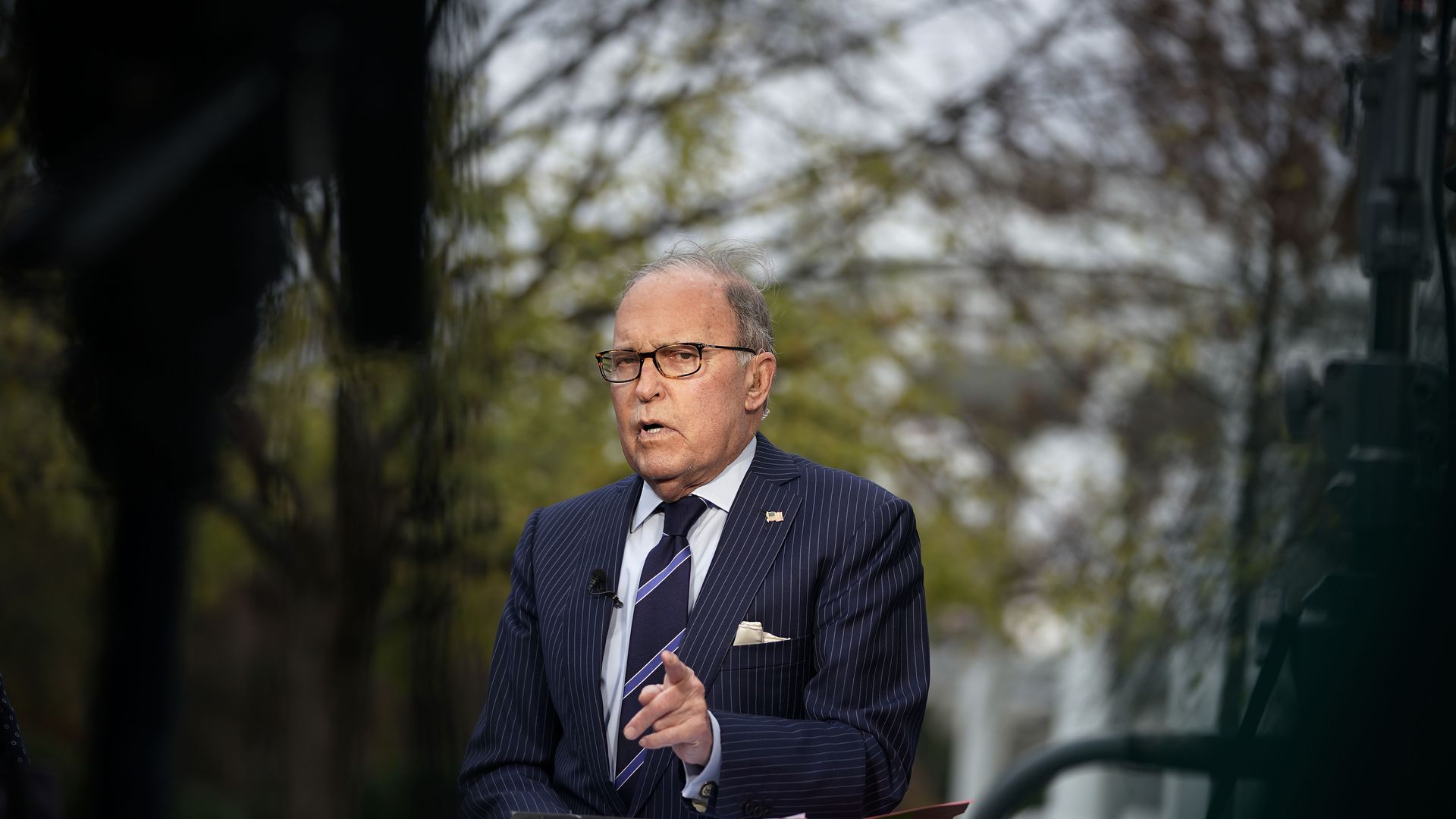
President Trump's top economic adviser Larry Kudlow said Tuesday that stock market corrections "come and go" and that the economy is on solid footing:
"My personal view, our administration's view, recession is so far in the distance I can't see it."
— Larry Kudlow, director of the National Economic Council, to reporters at the White House
The backdrop: Kudlow's comments came as stocks continued to drop sharply on Wall Street. And while the economy has been strong under Trump, Goldman Sachs and the Atlanta Fed are among those forecasting slower economic growth in coming quarters.
Target shares fell as much as 11% this morning after it narrowly missed analyst expectations for the quarter, as massive selling took all three major U.S. stock indices underwater for the year.
The big picture: In trading this morning, the Dow, the S&P and Nasdaq all wiped out their gains for the year. Retail stocks were hit hard just three days before Black Friday, the biggest brick-and-mortar shopping event of the year.
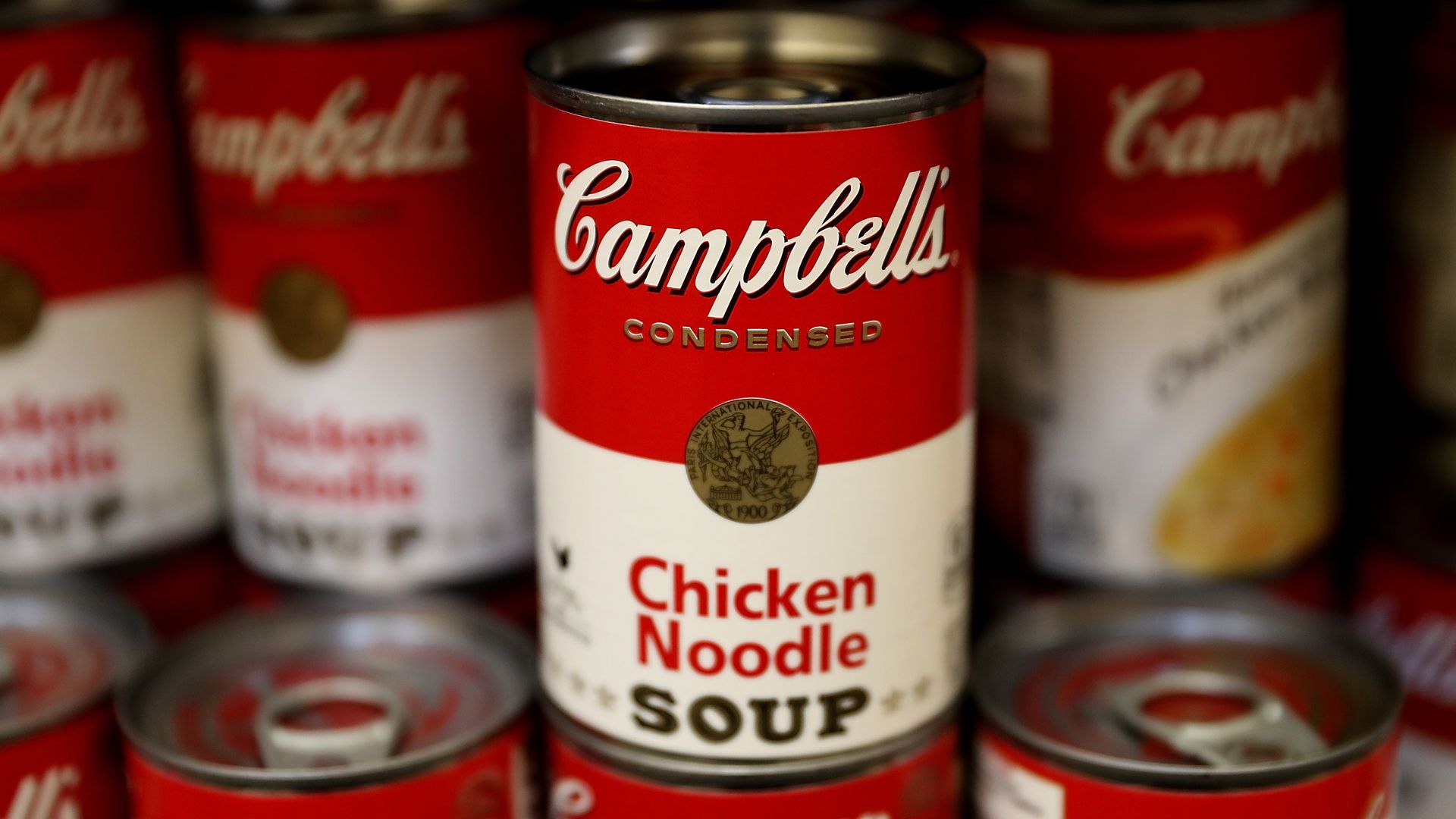
Campbell Soup got a rare win in its battle with activist investor Dan Loeb's firm Third Point, after the company reported strong sales in its snacks business and an improvement in its soup business in its latest quarter on Tuesday.
Why it matters: Campbell's proxy fight will face a key development next week when shareholders vote on Third Point's proposal to overhaul its board. Loeb has been calling for a breakup of the company after a string of disappointing quarters, and there's no guarantee that this quarter's results will be enough to prove to shareholders that the turnaround plan is working.
Economic and regulatory hurdles are forcing every media, ad and tech company to reposition themselves in Washington.
Why it matters: As a result, top media industry trade groups are in an intense battle over who will represent legacy brands, ad tech companies and direct-to-consumer upstarts.
PhRMA, the pharmaceutical industry's main lobbying group, considerably bolstered its political and financial position during President Trump's first year in office, new federal tax filings show.
The bottom line: PhRMA directed tens of millions of dollars toward conservative think tanks, political groups of all stripes and patient advocates with the hope of convincing the public that the industry isn't "getting away with murder," as Trump put it, and that others are to blame for the country's drug pricing maze.
Victoria's Secret CEO Jan Singer has resigned following three consecutive years of declining profits and sluggish sales, the company announced on an earnings call Monday. The WSJ first reported her departure last week.
What's next: John Mehas, the president of Tory Burch, will take over as CEO early next year, Victoria Secret's parent company, L Brands (LB) said Monday. The shakeup comes as Victoria's Secret continues to struggle competing with online companies like ThirdLove and True & Co., which have focused on women's comfort and have capitalized on technology to customize their bras and lingerie lines. Victoria's Secret chief marketing officer Ed Razek has also come under fire in recent days for comments he made in Vogue about deciding against casting transgender and plus-size models in the company's annual fashion show.
COLUMBUS, Ohio — Struggling with declining foot traffic, traditional mall retailers are debuting gimmicks and side businesses to get shoppers through their doors.
What's going on: Columbus' Easton Town Center, a massive outdoor mall, has become a testing ground to see if these ideas work. There's a nail and hair salon is inside of a DSW shoe store, and an ice box in Eddie Bauer, allowing customers to see if the brand's jackets will really keep them warm.
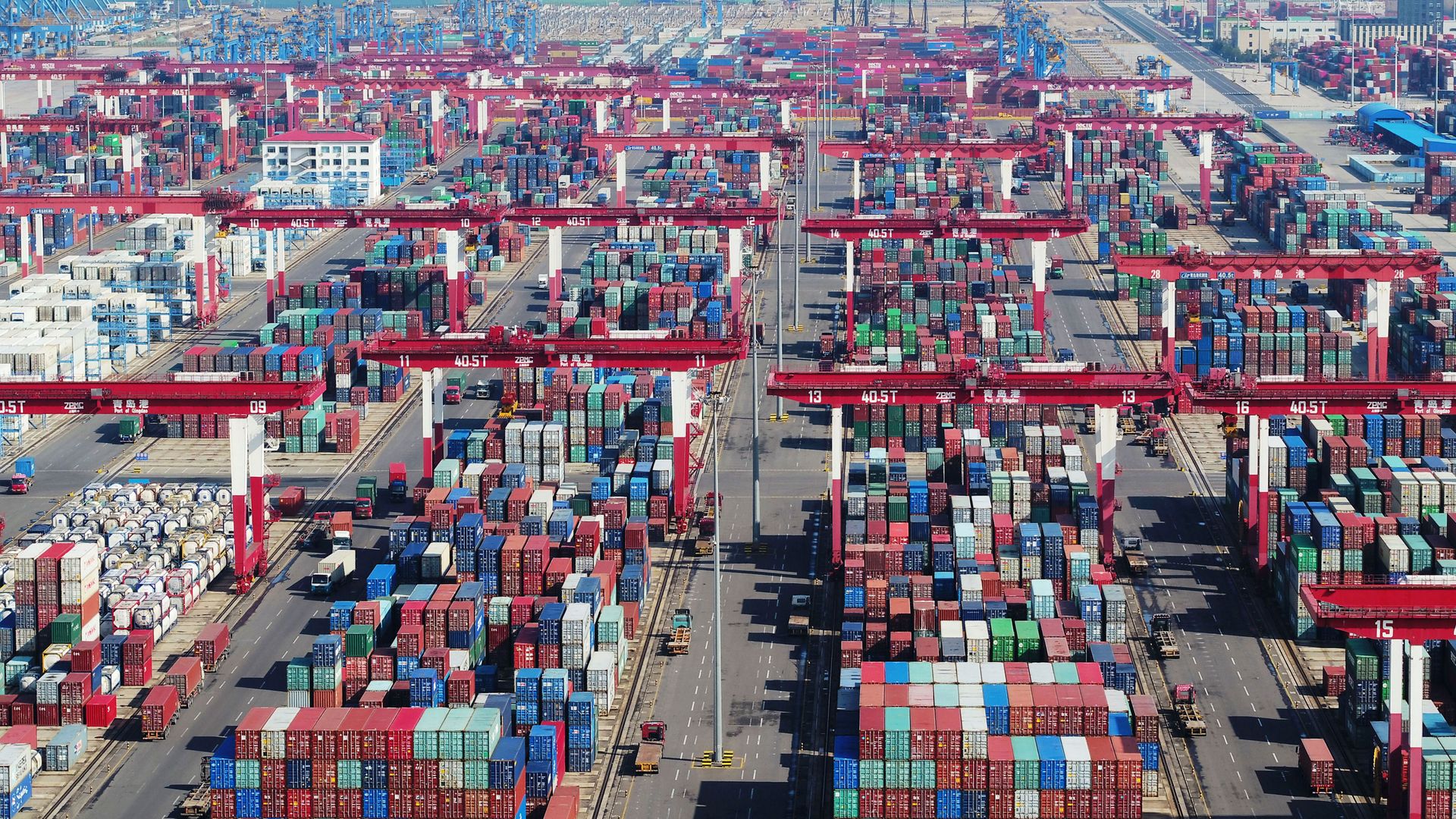
The case that the U.S. and China are entering an era defined by hostility and competition was bolstered this weekend when an annual gathering of Pacific Rim countries turned into a standoff between Washington and Beijing.
Why it matters: So deep do the distrust and divisions run that the 30th Asia-Pacific Economic Cooperation (APEC) summit was the first to end without a joint statement from the 21 participants. If economic barricades go up, and stay up, countries could be forced to choose between the globe’s two economic giants. “The entire world is worried," the summit's host, Prime Minister Peter O’Neill of Papua New Guinea said, per the NYT.
















/2018/11/20/1542672470885.gif?w=3840)