Shoppers using smartphones spent more than $1 billion in a day for the first time on Thanksgiving, CNBC reports citing data from Adobe Analytics. Overall online spending was $3.7 billion, up 28 percent from a year ago. More than $6.4 billion was forecast to be spent today.
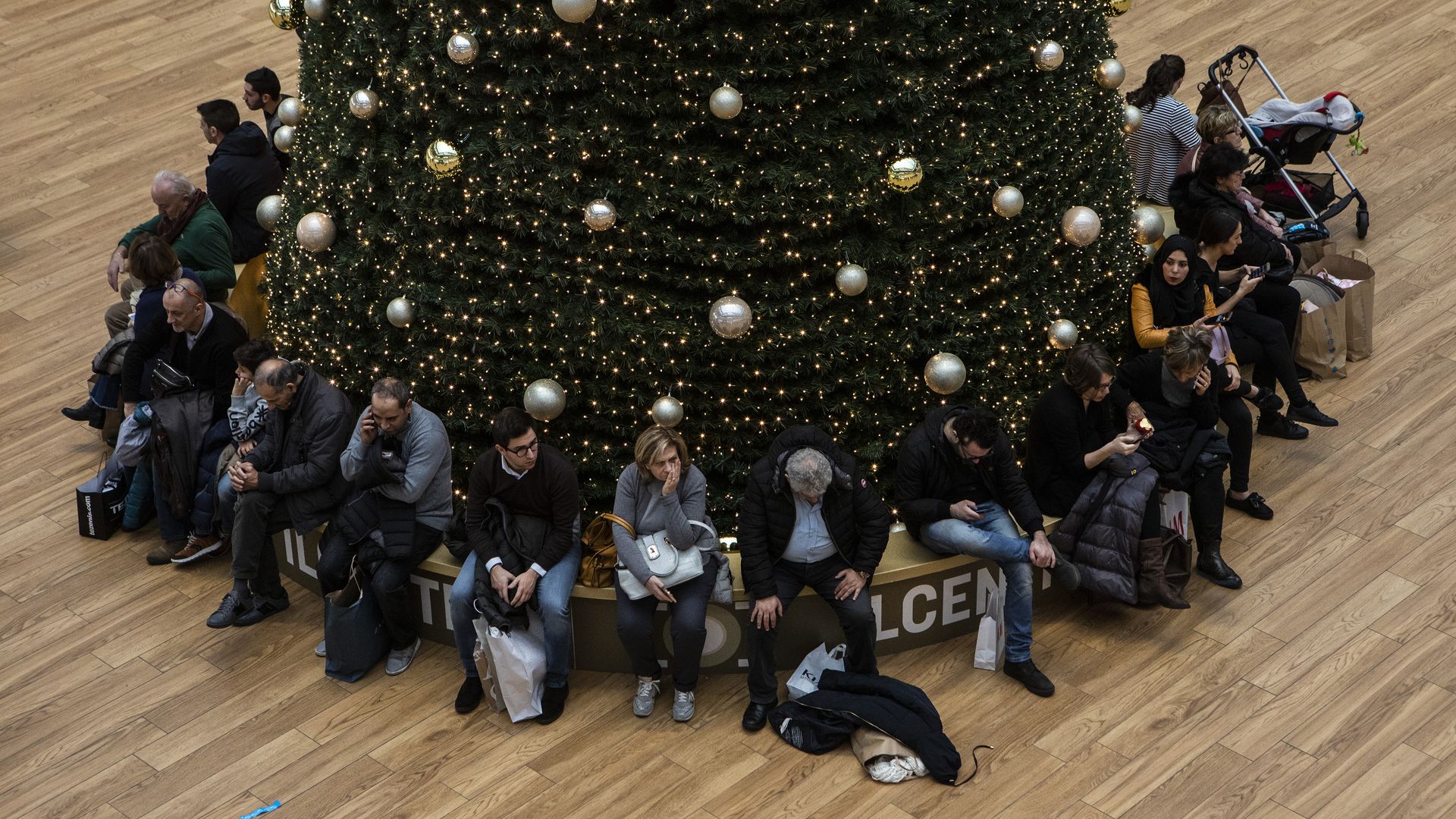
Why it matters: Like most activities that move online, shopping is becoming a mobile experience as well. And it comes at the expense of traditional retailers. "Black Friday doesn't have the sense of urgency as in the past," according to an analyst note cited by CNBC, and survey data showed most mall operators saying traffic was the same or down from the year before.
U.S. shoppers spent $1.75 billion online on Thanksgiving as of 5 p.m.. and were predicted to spend a record $3.7 billion by midnight, up 29% from 2017, according to Adobe Analytics figures cited by Business Insider.
Why it matters: "The skyrocketing sales represent an increase in online shopping more generally, as well as a Black Friday sales 'day' that is shifting earlier and earlier," per BI.
Even in a smartphone-driven world in which content is individually personalized, media and tech companies are still trying to figure out how to win over households.
Why it matters: People who live together share media habits, devices, connections and budgets. Creating products that satisfy an entire household's needs may prove to be more marketable and affordable than some individualized services.
Shoppers this holiday season might be pleasantly surprised that big box retailers are working to ease the long waits in the checkout line.
Why it matters: "Barbara Kahn, a marketing professor at the Wharton School at the University of Pennsylvania, says shoppers know the technology is out there for faster shopping. 'That makes them even more impatient,'" she tells the AP.
China has all but stopped buying American soybeans, which — in a circuitous new global legume market — are now going to South America, when they are not being thrown into storage in wait of an end to the trade war.
What's happening: U.S. soybean exports to China are now down 98% in 2018, the result of the escalating U.S.-Chinese tension.
On Dec. 1, Mexico’s leftist president-elect, Andres Manuel López Obrador, will be inaugurated in Mexico City. It's likely to be just hours after Mexico's outgoing president, Enrique Peña Nieto, joins with President Trump and Canadian prime minister Justin Trudeau to sign the NAFTA replacement deal in Buenos Aires.
Why it matters: Trump has insulted, threatened and scapegoated Mexico since the day he announced his presidential campaign. The signing ceremony will underscore Peña Nieto's decision to, as Mexico’s ambassador to the U.S. Gerónimo Gutiérrez puts it, “remove political rhetoric from negotiations.” But López Obrador’s arrival signals a new, unpredictable era for the crucial relationship.
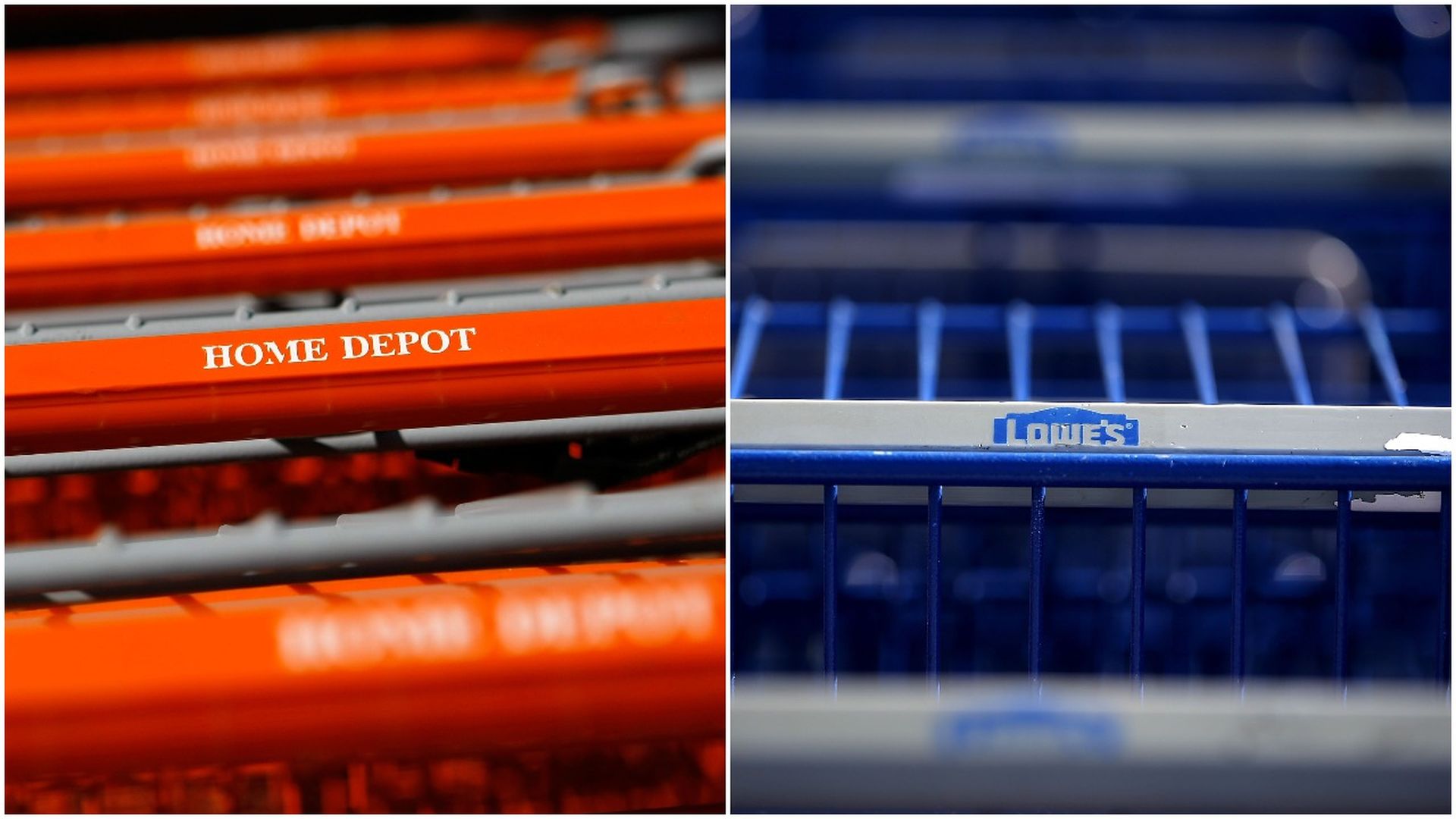
Executives at home improvement retailers say they're not worried about the slowdown in home sales — because they think customers that are staying in their houses longer will need to buy supplies to patch them up.
Yes, but: While Home Depot and Lowe's are banking on consumers reinvesting in the homes they already have, some experts sayit's not clear that boom in remodeling will actually happen.
Disney revealed in its annual report released Thanksgiving eve that ESPN continues to lose its subscriber base, as 2 million subscribers have left over the past 12 months.
Why it matters: ESPN will need to regain those subscriptions through its digital platform, ESPN+. But the margins are unlikely to add up for them, for those add-on subscriptions are $4.99 a month, roughly half of what the average pay-TV consumer pays for the channel. Subscriptions are now at 86 million compared to 88 million as reported in Disney’s fiscal 2017 report.



/2018/11/21/1542822408106.gif?w=3840)