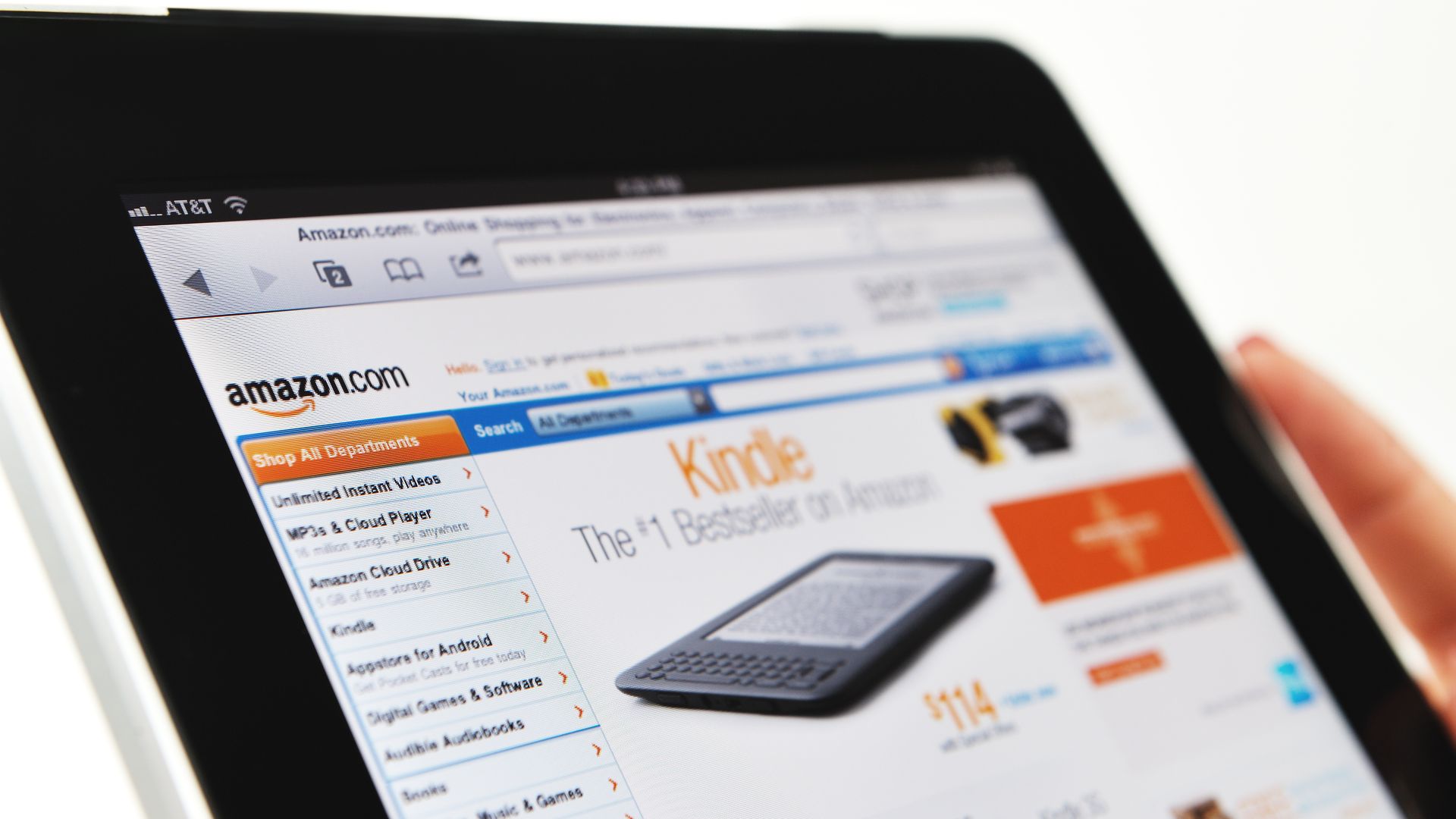
Online shoppers spent $6.22 billion during this year’s Black Friday alone — a record high and a 23.6% jump from last year, CNBC reports. It cited Adobe Analytics, which tracks transactions at 80 of the top 100 U.S. internet retailers like Amazon.
The details: The sales are being driven by the purchasing of big-ticket items from shoppers’ smartphones, including appliances, electronics and furnitures. Meanwhile, retailers like Target, Kohl's and Walmart are allowing customers to purchase items online and hoping that when they arrive to pick up their items, they'll buy more at the stores.
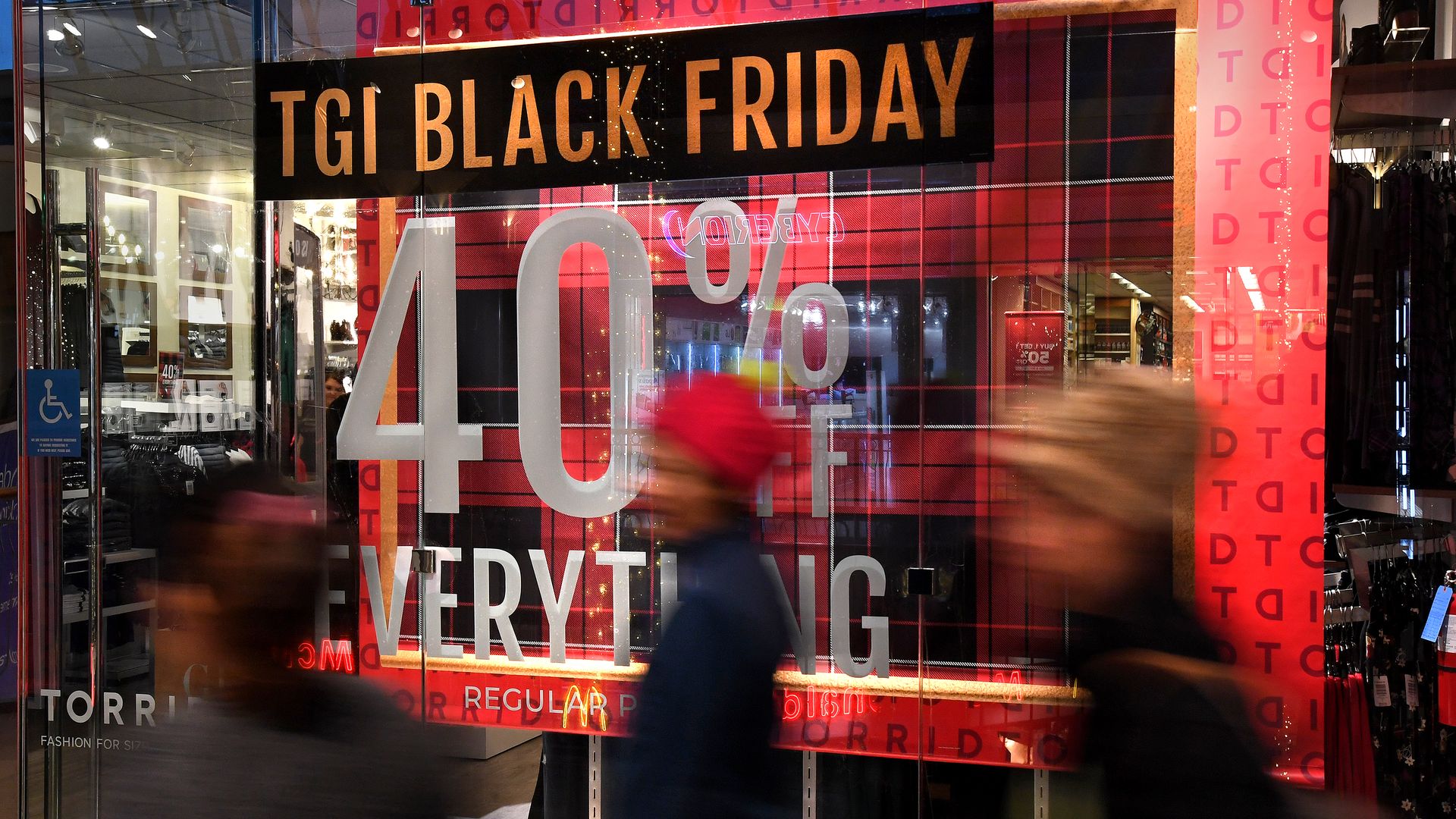
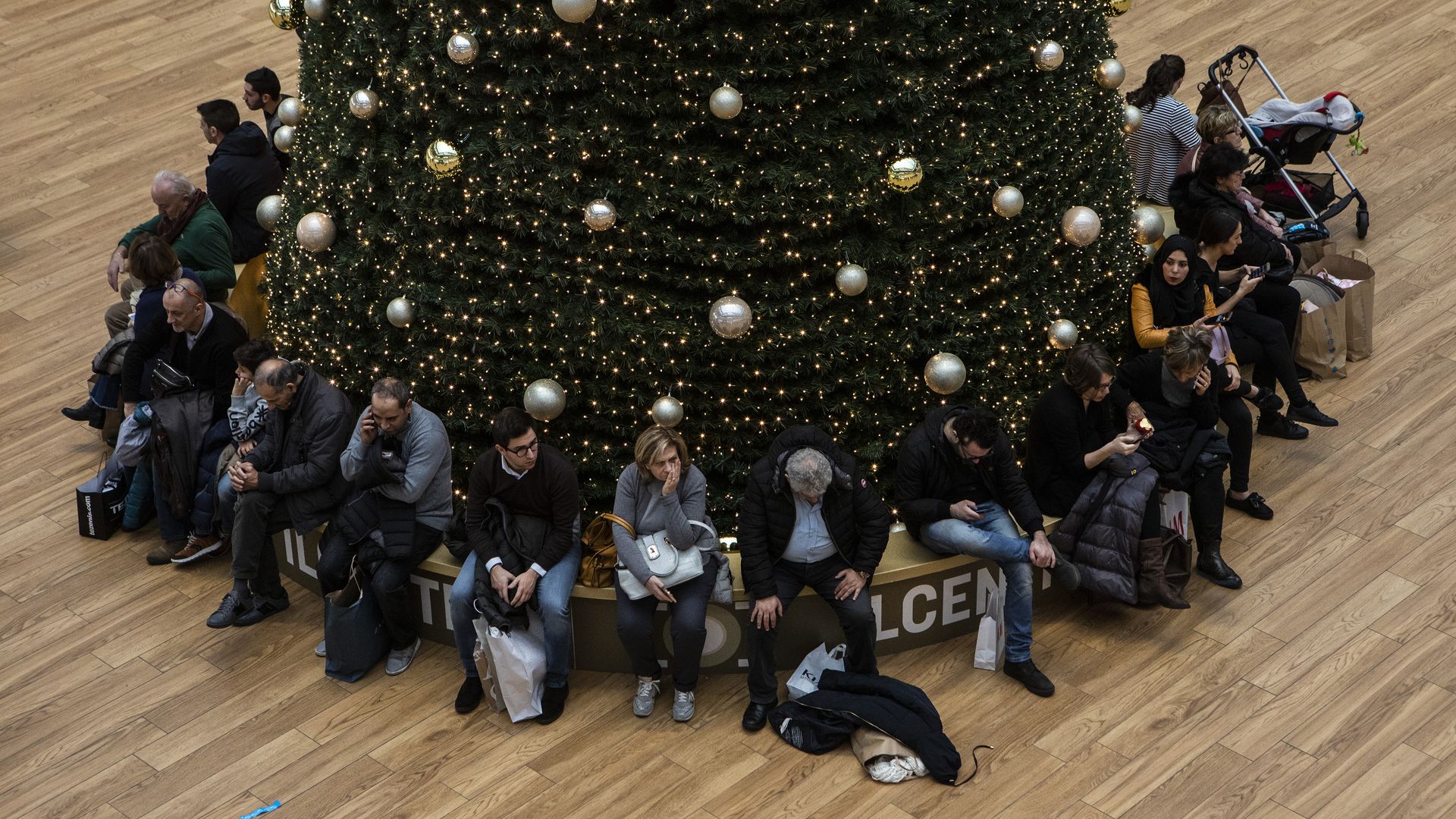
The cultural phenomenon of Black Friday is radically changing as brick-and-mortar department store giants die off and online shopping becomes increasingly convenient and popular, the New York Times' Tiffany Hsu reports.
Why it matters: "The retail bonanza is increasingly met with indifference or disapproval by Americans who want to spend time with their families, sleep in and give underpaid retail employees a break," Hsu writes.
About three-quarters of the burden of President Trump’s tariffs imposed on $250 billion worth of Chinese goods will fall on Chinese exporters while U.S. consumers and companies will only see an average 4.5% price increase on the affected goods, according to a new analysis by EconPol Europe.
Why it matters: The paper indicates that Trump's trade war against China might be working, in that some calibrations indicate the bilateral trade deficit between the U.S. and China may fall by 17% and Trump's efforts could reduce American imports of certain Chinese goods.
Editor's note: This piece was clarified to add further information from the brief and to show more clearly how the tariff burden may be distributed.
Shoppers using smartphones spent more than $1 billion in a day for the first time on Thanksgiving, CNBC reports citing data from Adobe Analytics. Overall online spending was $3.7 billion, up 28 percent from a year ago. More than $6.4 billion was forecast to be spent today.
Why it matters: Like most activities that move online, shopping is becoming a mobile experience as well. And it comes at the expense of traditional retailers. "Black Friday doesn't have the sense of urgency as in the past," according to an analyst note cited by CNBC, and survey data showed most mall operators saying traffic was the same or down from the year before.
U.S. shoppers spent $1.75 billion online on Thanksgiving as of 5 p.m.. and were predicted to spend a record $3.7 billion by midnight, up 29% from 2017, according to Adobe Analytics figures cited by Business Insider.
Why it matters: "The skyrocketing sales represent an increase in online shopping more generally, as well as a Black Friday sales 'day' that is shifting earlier and earlier," per BI.
Even in a smartphone-driven world in which content is individually personalized, media and tech companies are still trying to figure out how to win over households.
Why it matters: People who live together share media habits, devices, connections and budgets. Creating products that satisfy an entire household's needs may prove to be more marketable and affordable than some individualized services.





/2018/11/21/1542822408106.gif?w=3840)