Shoppers this holiday season might be pleasantly surprised that big box retailers are working to ease the long waits in the checkout line.
Why it matters: "Barbara Kahn, a marketing professor at the Wharton School at the University of Pennsylvania, says shoppers know the technology is out there for faster shopping. 'That makes them even more impatient,'" she tells the AP.
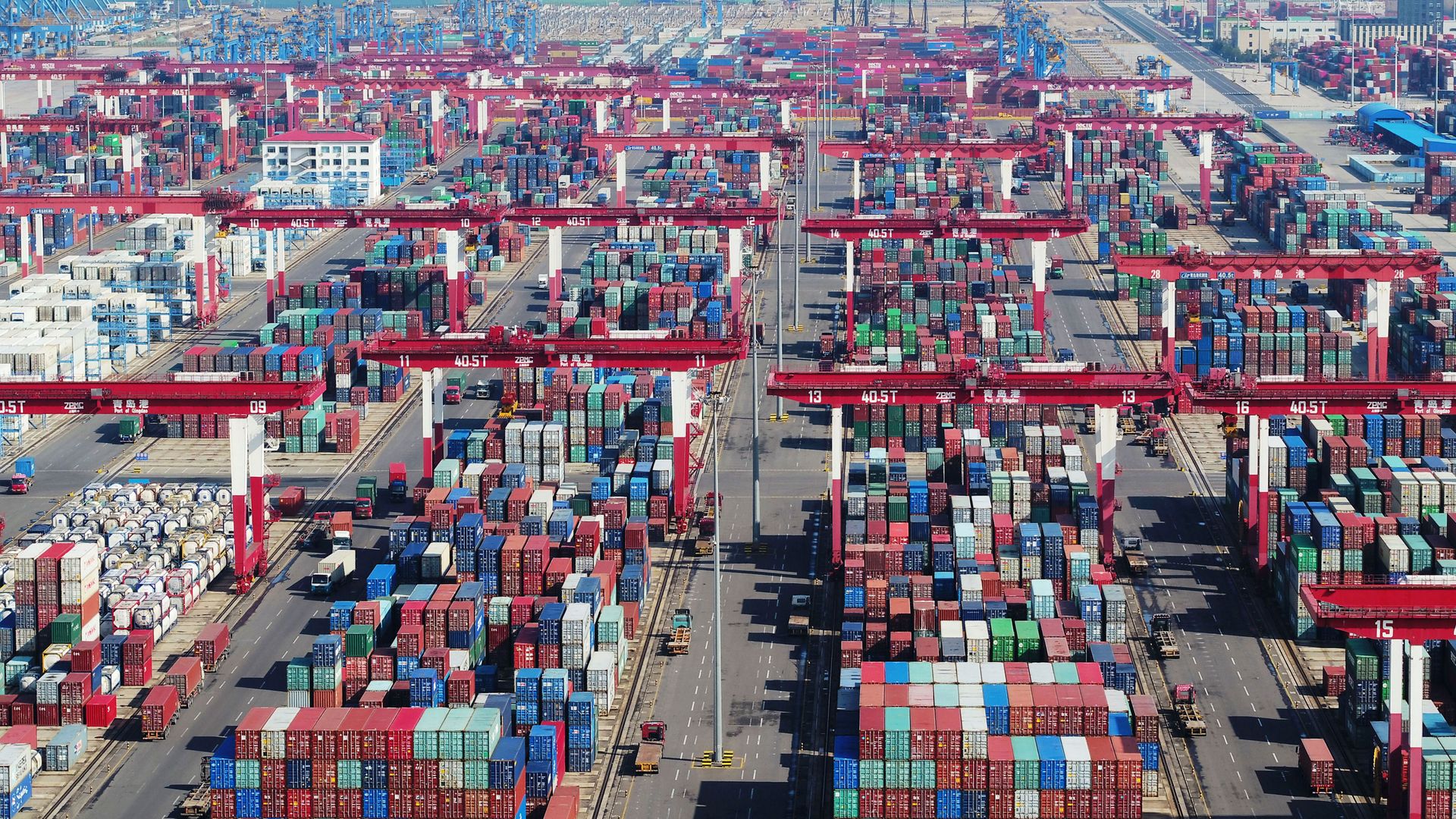
China has all but stopped buying American soybeans, which — in a circuitous new global legume market — are now going to South America, when they are not being thrown into storage in wait of an end to the trade war.
What's happening: U.S. soybean exports to China are now down 98% in 2018, the result of the escalating U.S.-Chinese tension.
On Dec. 1, Mexico’s leftist president-elect, Andres Manuel López Obrador, will be inaugurated in Mexico City. It's likely to be just hours after Mexico's outgoing president, Enrique Peña Nieto, joins with President Trump and Canadian prime minister Justin Trudeau to sign the NAFTA replacement deal in Buenos Aires.
Why it matters: Trump has insulted, threatened and scapegoated Mexico since the day he announced his presidential campaign. The signing ceremony will underscore Peña Nieto's decision to, as Mexico’s ambassador to the U.S. Gerónimo Gutiérrez puts it, “remove political rhetoric from negotiations.” But López Obrador’s arrival signals a new, unpredictable era for the crucial relationship.
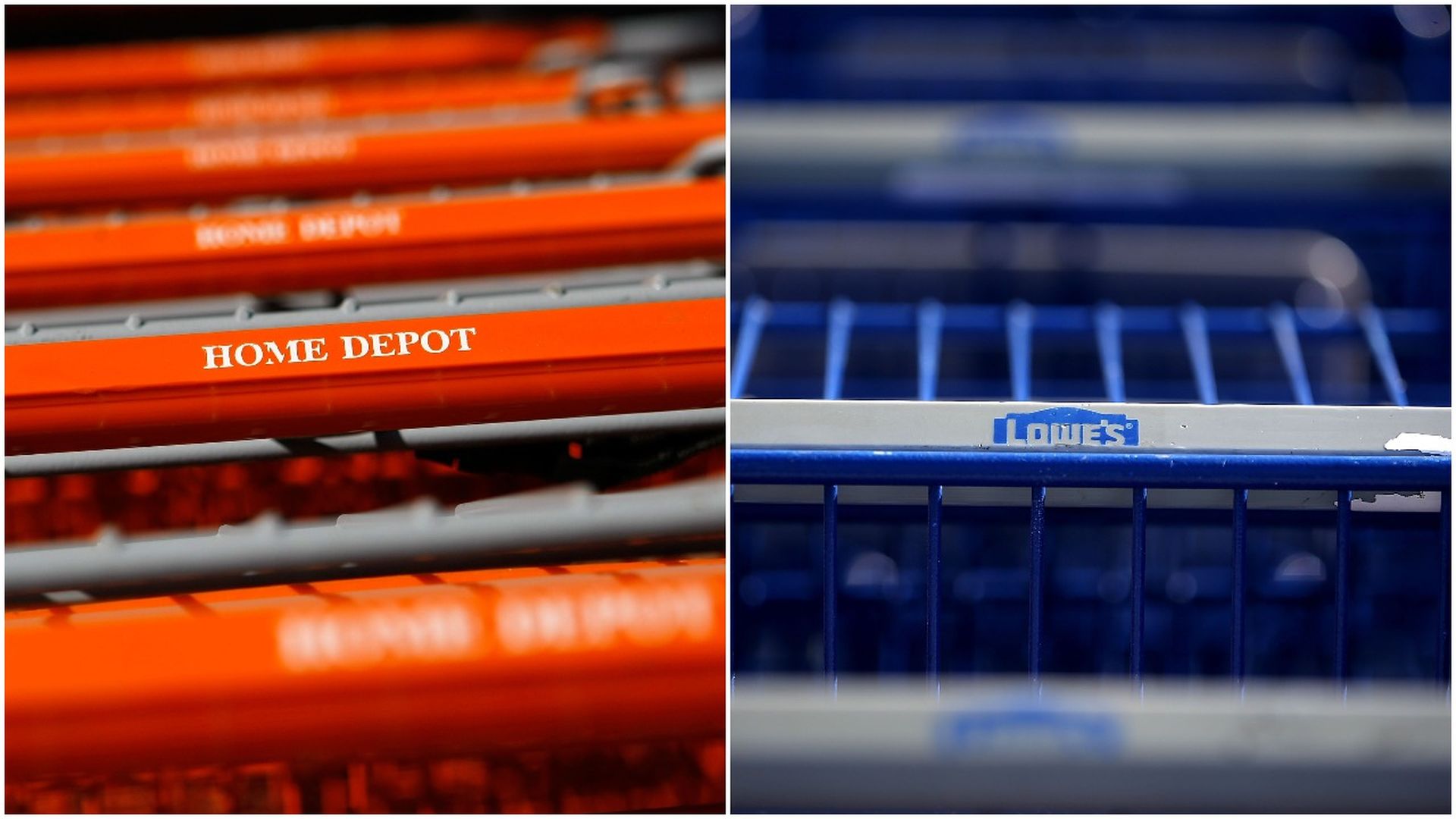
Executives at home improvement retailers say they're not worried about the slowdown in home sales — because they think customers that are staying in their houses longer will need to buy supplies to patch them up.
Yes, but: While Home Depot and Lowe's are banking on consumers reinvesting in the homes they already have, some experts sayit's not clear that boom in remodeling will actually happen.
Disney revealed in its annual report released Thanksgiving eve that ESPN continues to lose its subscriber base, as 2 million subscribers have left over the past 12 months.
Why it matters: ESPN will need to regain those subscriptions through its digital platform, ESPN+. But the margins are unlikely to add up for them, for those add-on subscriptions are $4.99 a month, roughly half of what the average pay-TV consumer pays for the channel. Subscriptions are now at 86 million compared to 88 million as reported in Disney’s fiscal 2017 report.
For many traditional retailers, 2018 was another tough year. Sears and Toys "R" Us went bankrupt, and the market punished Macy's and Target for sales that were strong, but not strong enough.
But two days from now, Black Friday will kick off the holiday shopping season — a nationwide, monthlong spending spree that analysts say may pull some of the companies out of hot water. As the day closes in, online and brick-and-mortar retailers are preparing for war on the battlegrounds of shipping prices and holiday deals.
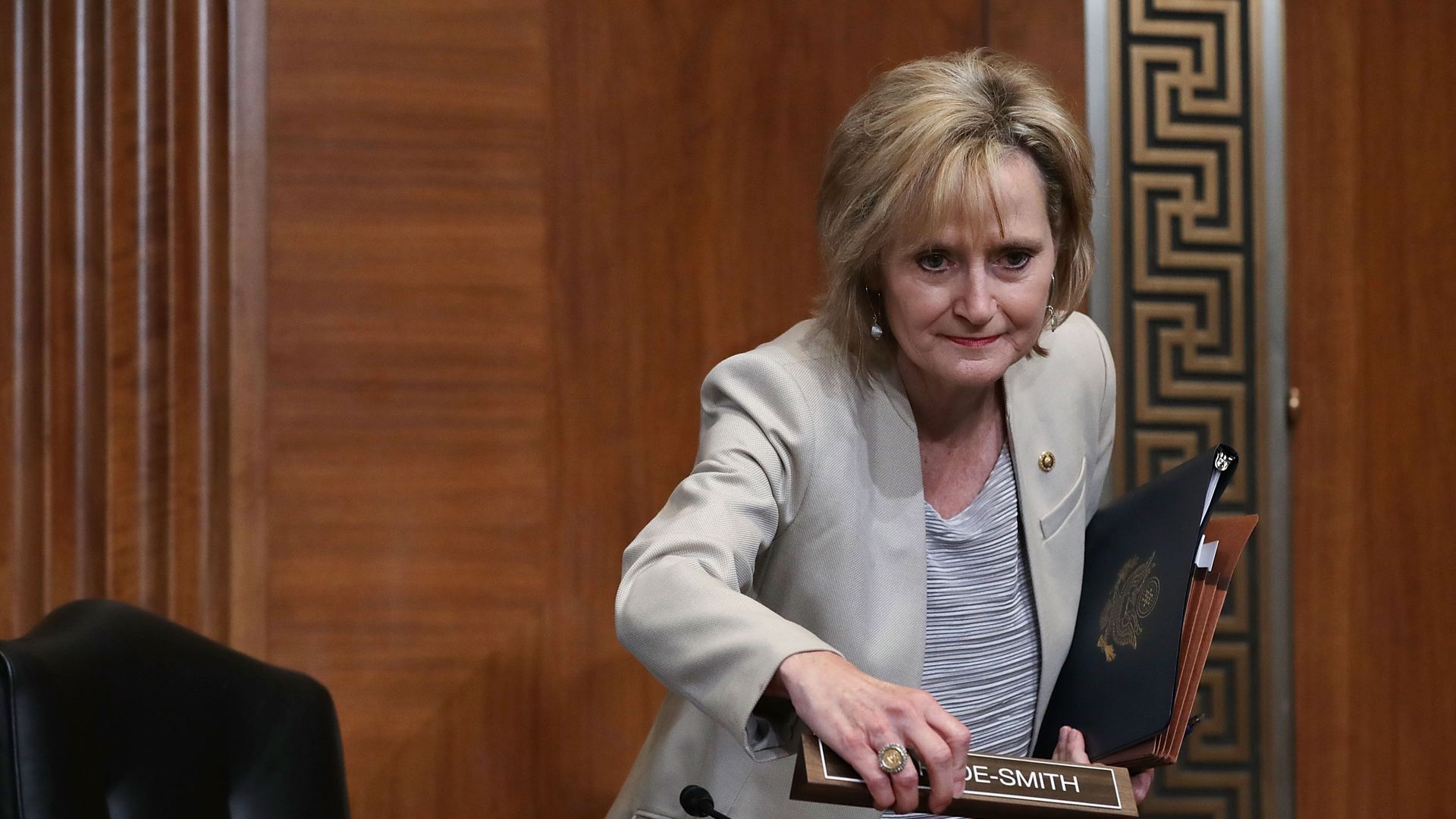
Pfizer has joined Walmart in announcing they will withdraw campaign donations to Sen. Cindy Hyde-Smith, who is currently running in Mississippi's special Senate race, over her remarks about attending a public hanging, ABC News reports. Companies including AT&T, Leidos and Boston Scientific, have requested their donations be refunded.
The backdrop: At a campaign event this month, Hyde-Smith told a supporter that if he invited her to a public hanging, she would be "on the front row." Following public backlash, Hyde-Smith in a statement that it was "an exaggerated expression of regard, and any attempt to turn this into a negative connotation is ridiculous," Roll Call reports.
Editor's note: This story has been updated to include the latest company withdrawals.
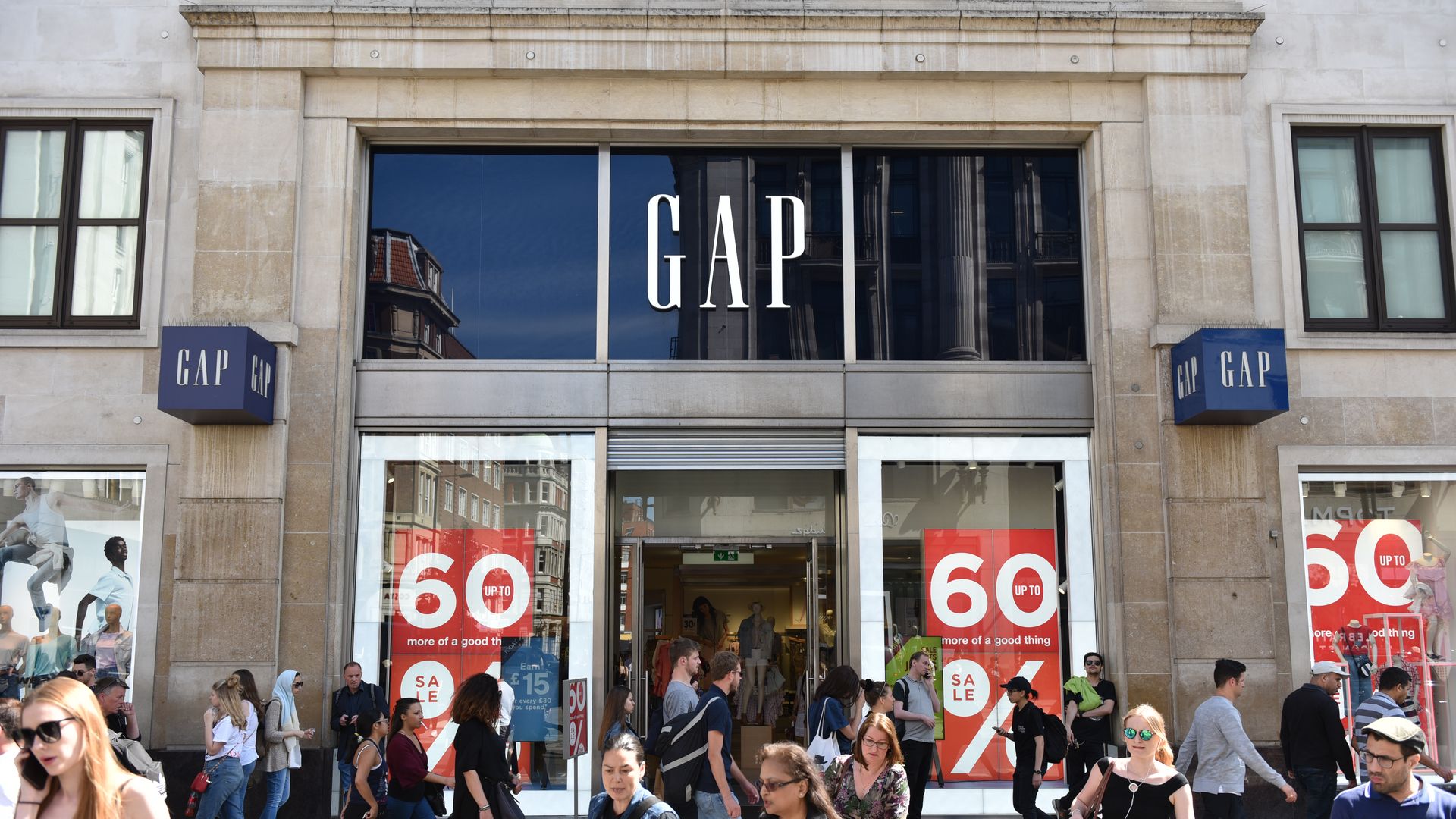
Gap — which saw a 7% drop in sales at stores that have been open for a year or longer — is considering closing hundreds of its mall locations as well as some of its flagship stores, CEO Art Peck told analysts in a call Tuesday evening.
The big picture: There are 775 Gap-branded stores worldwide, per CNBC. Declining sales come amid a retail shakeout that has plagued iconic brands like J. Crew, J.C. Penney and Neiman Marcus. Gap's own brand has the weakest sales numbers among the collection of labels it owns, which includes Banana Republic, Old Navy and Athleta, CNBC reports.
Companies' orders for long-lasting, pricier goods — think: cars, aircraft or large appliances — fell 4.4% in October, the Commerce Department said on Wednesday, more than the 2.5% economists were expecting.
Why it matters: It's the biggest decline in durable goods orders since July of last year, thanks to a drop in orders of military and commercial jets. Excluding jets and other transportation items, orders were flat in October after falling the last two months — a signal of slowing business investment.
As more electric and autonomous vehicles take to the streets, consumers may soon be able to skip the mundane task of stopping for gas. The disruption of other types of retail, like big department stores,suggests this transition could push the multi-billion-dollar market of gas stations and convenience stores toward collapse.
The big picture: Roughly 150,000 stores sell 80% of the fuel consumed in the United States, as well as $200 billion worth of food and merchandise, according to the National Association of Convenience Stores. Yet most stores have invested little in alternative methods to deliver goods or fuel to their customers, especially as cars shift from gas to electricity or even hydrogen fuel cells.
COLUMBUS, Ohio — In a surprising twist on the manufactured downtowns that have spread across suburbia, a developer in this central Ohio city — looking to survive amid a retail apocalypse — is doubling down on the much-derided mall.
Why it matters: Turkish developer Yaromir Steiner plans on expanding a mall into a bona fide town at a time when thousands are downsizing. Columbus has long been known as a test market, as its population is a near-perfect microcosm of the country. If a new model for malls as towns works in Columbus, it'll work across America, experts say.