President Donald Trump told the Wall Street Journal that he will likely move forward with his plan to increase tariffs on $200 billion worth of Chinese imports to 25% from the current 10% on Jan. 1 if negotiations fail.
Details: The president’s remarks come just four days before he’s expected to meet with Chinese President Xi Jinping on the sidelines of the G20 summit in Argentina. Trump also suggested that the U.S. may slap additional tariffs on Chinese imported iPhones and laptops, even though administration officials have expressed concern about consumer reaction to such a move.
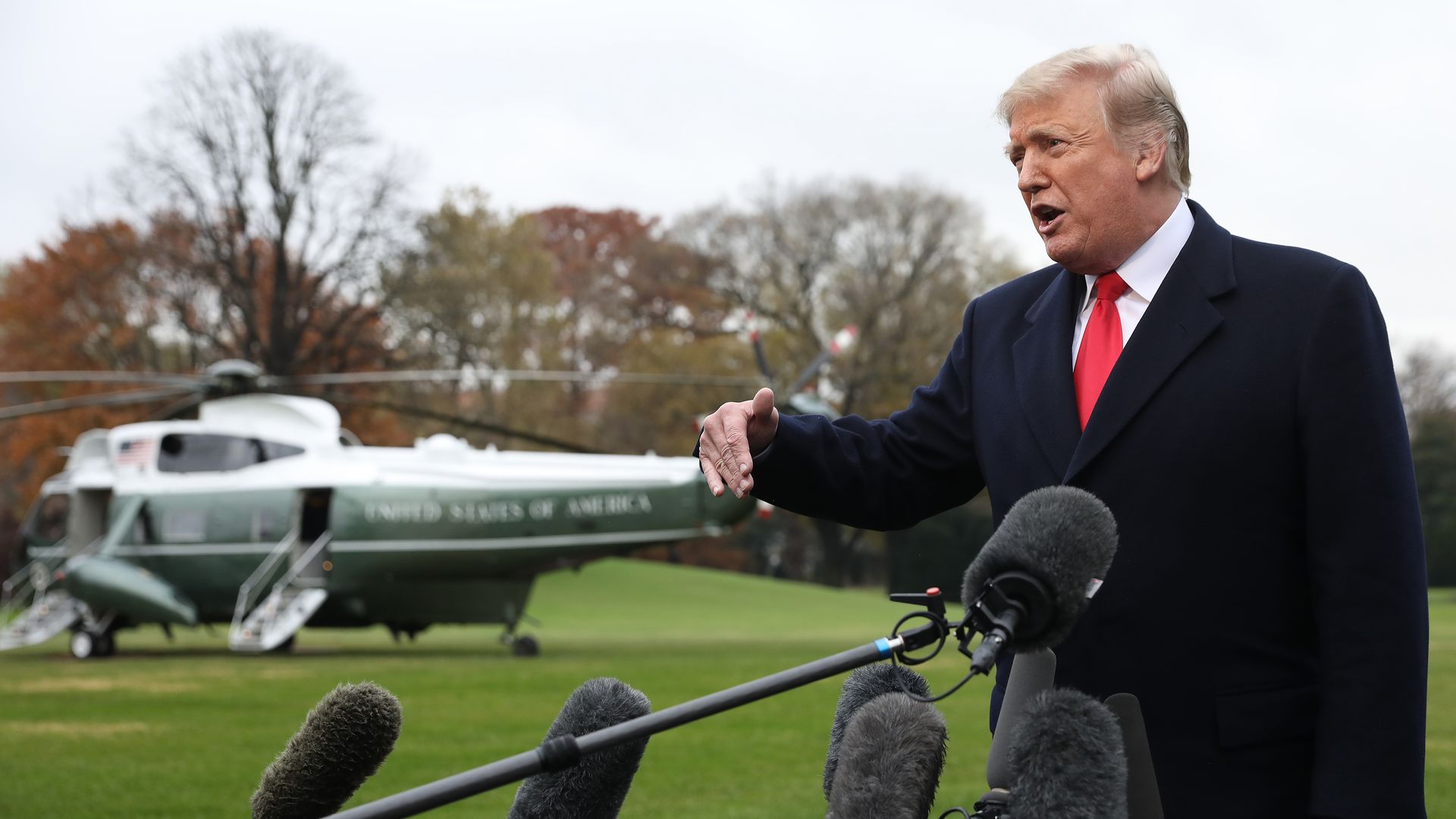
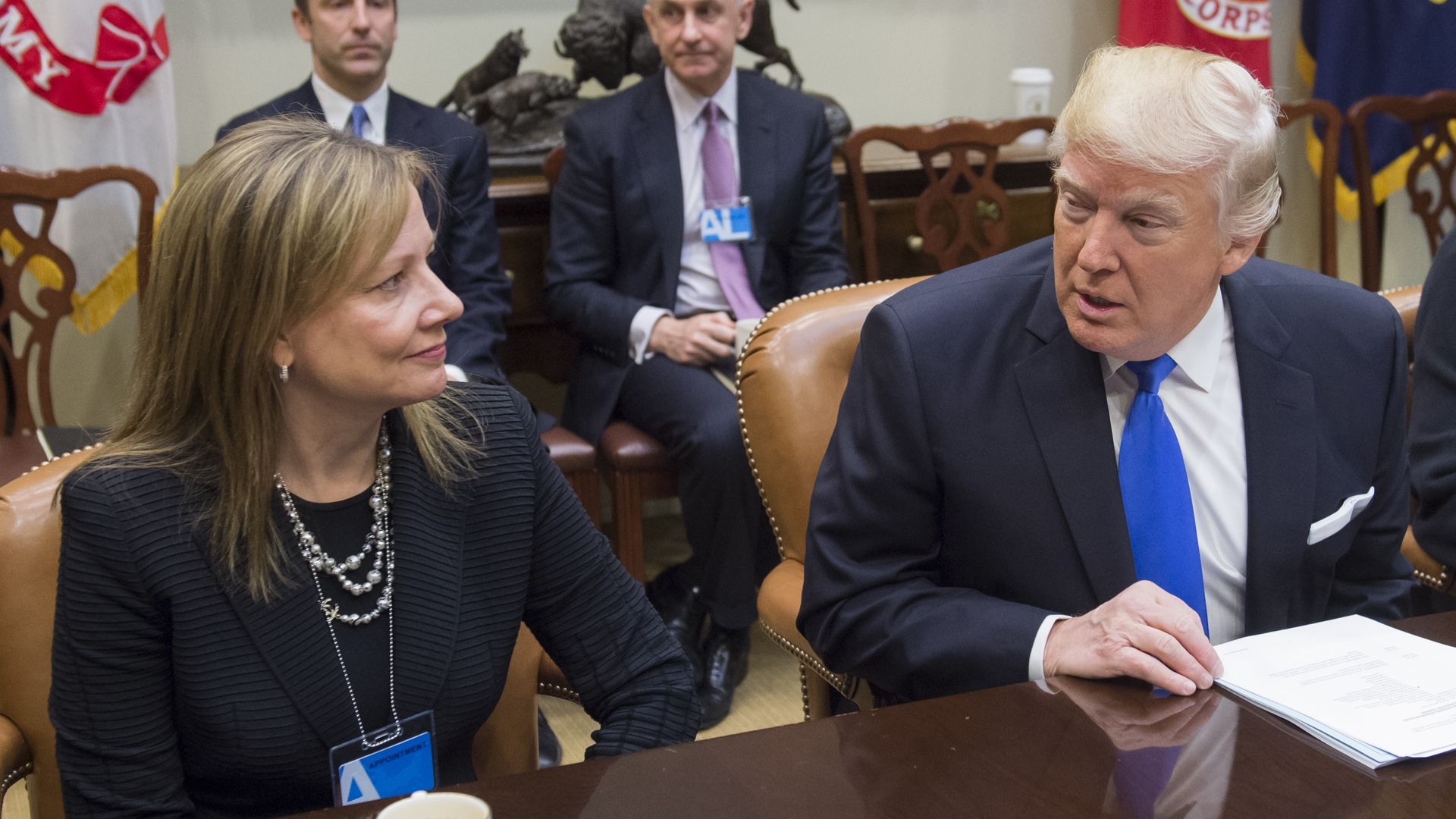
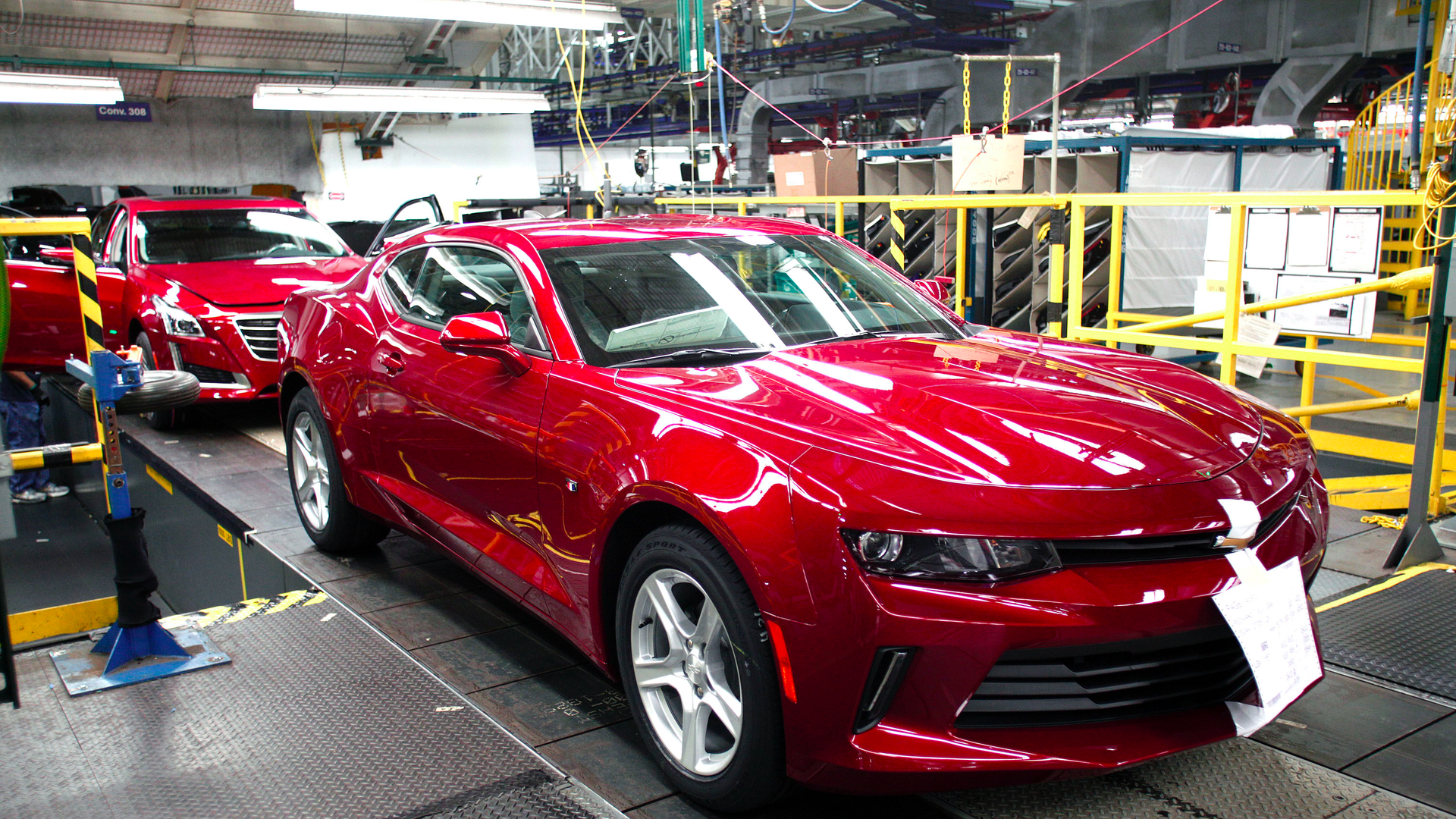
President Trump told the Wall Street Journal that he urged General Motors to stop making cars in China and open a new plant in Ohio to replace the one the company is planning to close. Trump later echoed those remarks while speaking with reporters on his way to a Mississippi rally:
"I was very tough. I spoke with [GM's CEO Mary Barra] when I heard they were closing and I said, 'This country has done a lot for General Motors and you better get back [to Ohio] soon.' ... I have no doubt in a not-too-distant future [GM] will put something else in."
— President Trump speaking with reporters on Monday
Why it matters: At a 2017 Ohio rally, Trump promised residents that manufacturing jobs would be returning to the state, telling the crowd: "Don't move. Don't sell your house." But on Monday, GM announced that it plans to cut 15% of its salaried workforce (roughly 14,700 people) in North America and idle factories in Michigan, Ohio, Maryland and Canada.
General Motors announced Monday that it will cut 15% of its salaried workforce — about 14,000 employees — and "unallocate" multiple North American plants in 2019.
The big picture: The move prompted immediate outrage from local politicians who believe the company has failed to invest in American workers, even after receiving a bailout during the recession and reaping benefits from last year's GOP tax bill.
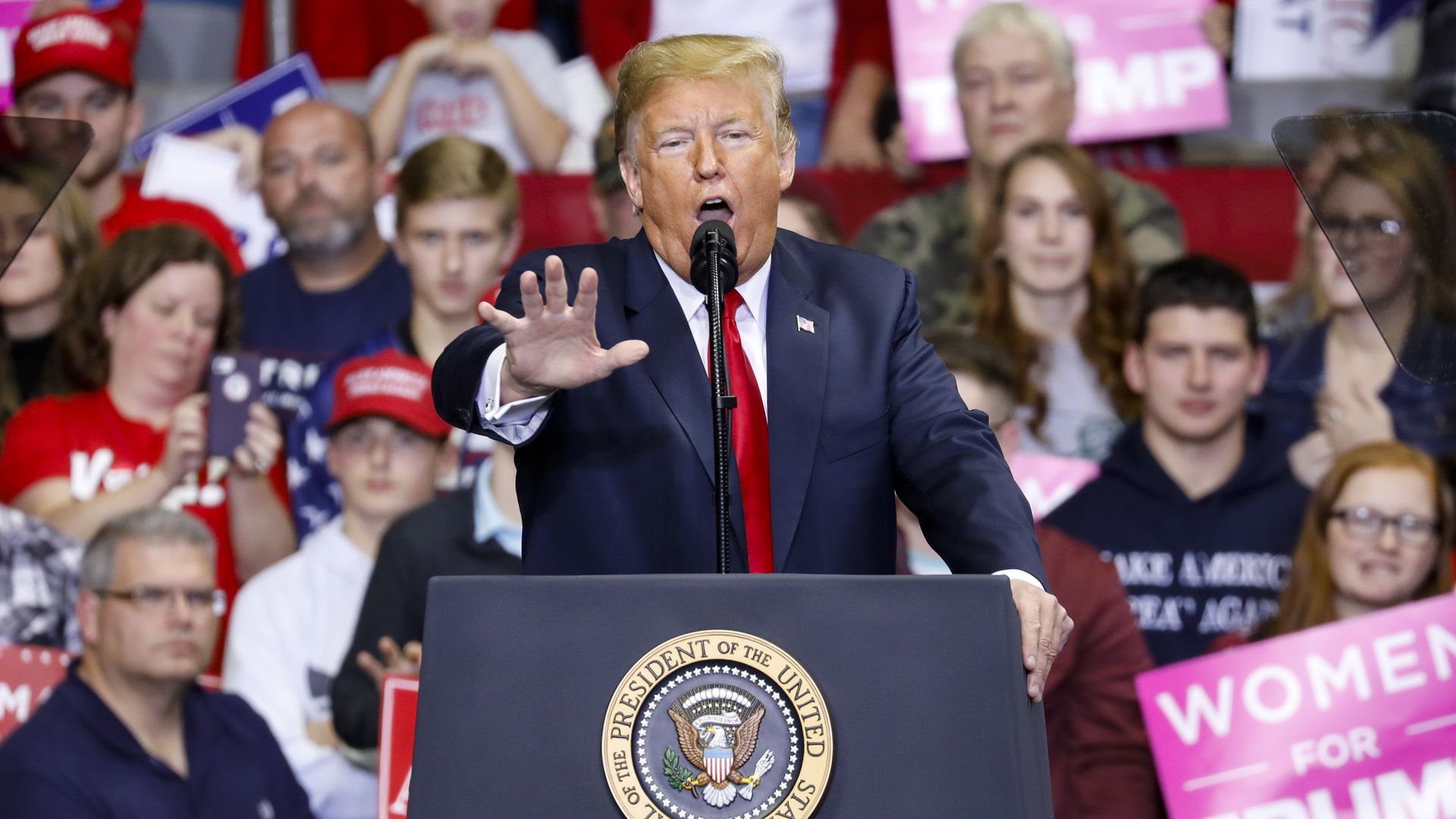
At a 2017 rally in Youngstown, Ohio, President Trump promised residents that manufacturing jobs would be returning to the state, telling the crowd: "Don't move. Don't sell your house."
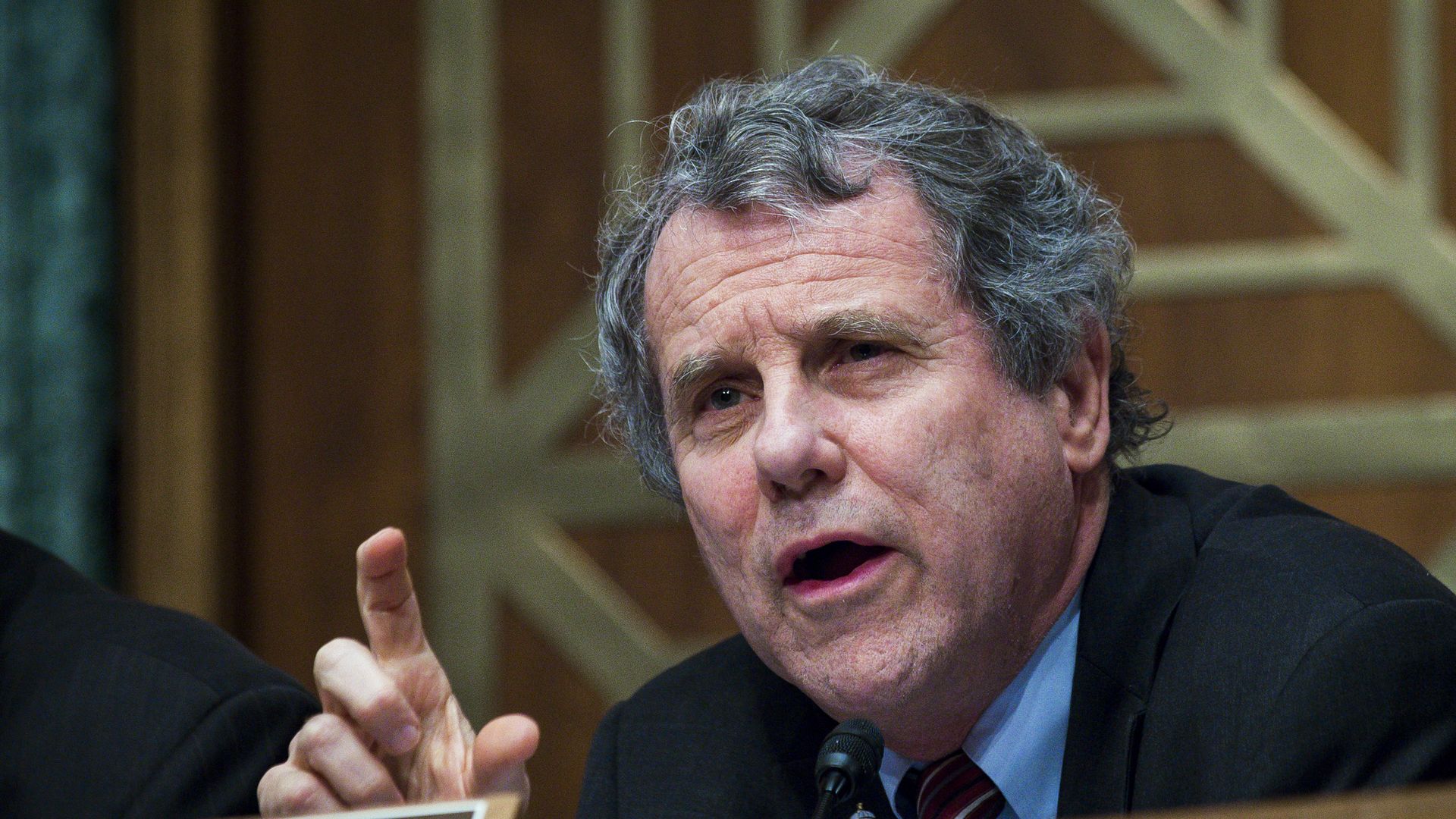
Why it matters: General Motors announced Monday that it will "unallocate" multiple North American plants in 2019, including Lordstown Assembly in Warren, Ohio. Rep. Tim Ryan (D-Ohio), whose constituency includes Youngstown and Warren, called on Trump to "keep his word," claiming the president "has been asleep at the switch and owes this community an explanation."
It is too early to know if we're in the midst of a public equities correction, or if the bears have finally arrived. Either way, private markets tend to follow the public lead.
Why it matters: For private equity that likely means a decrease in traditional fundraising, but also new deal-making opportunities and newfound interest in special situations and distressed debt funds.
General Motors said Monday that it will cut 15% of its salaried workforce, estimated to be around 14,700 people in North America, and that it will idle factories in Michigan, Ohio, Maryland and Canada.
The bottom line: GM said when it emerged from bankruptcy that it must be profitable in both good times and bad, and today's moves suggest that it is preparing for an economic downturn.
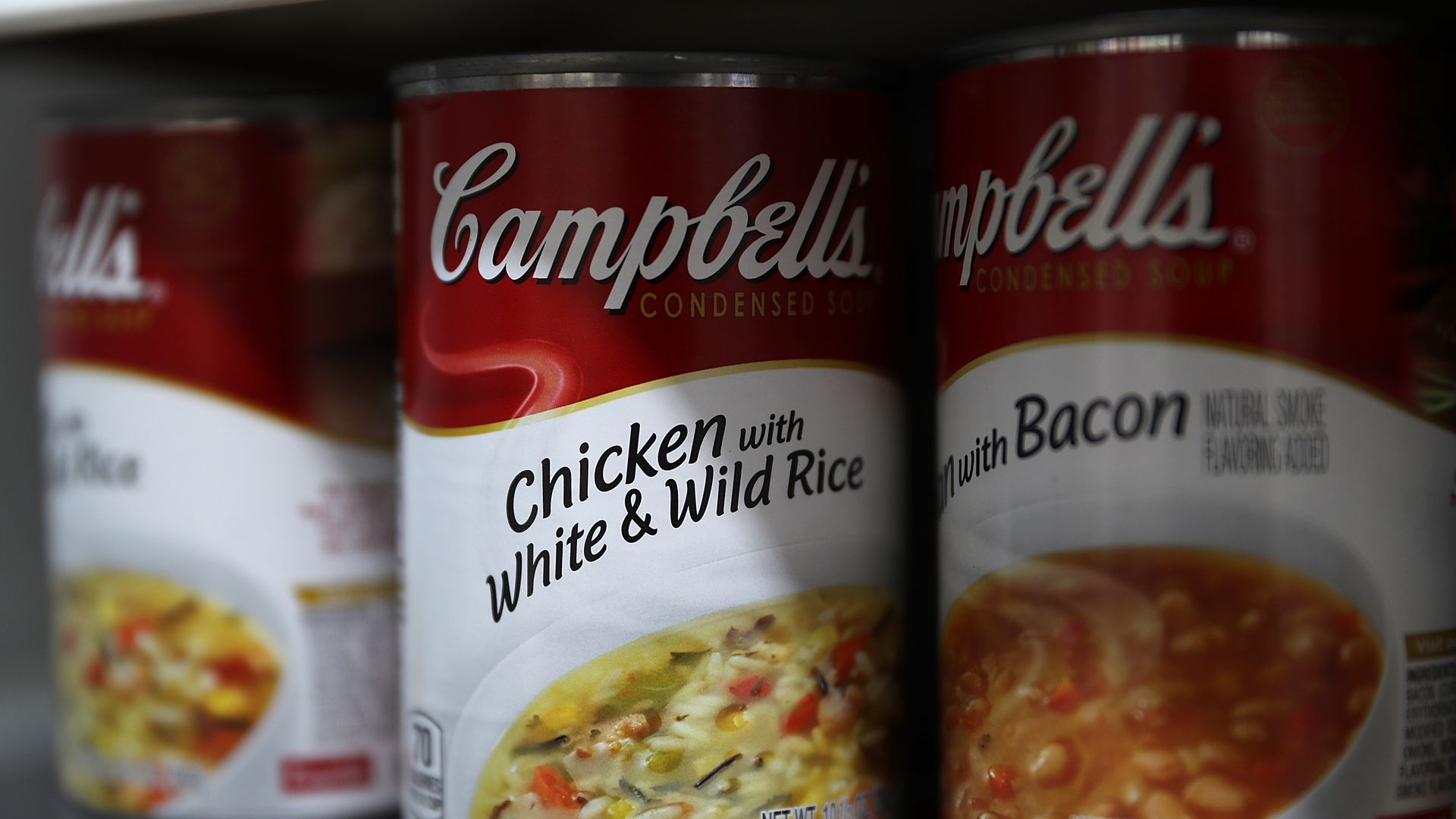
Campbell Soup is reportedly near a deal with Dan Loeb's Third Point to add two directors nominated by Loeb to its board and give the activist investor input on picking the company's new chief executive, four days before a key shareholder vote on a board shakeup, Wall Street Journal reports.
Why it matters: The deal — the terms of which Loeb largely rejected months ago per WSJ — would seemingly bring the battle between Third Point and Campbell to an end. However, it falls short of Loeb's activist campaign demands, which called for a slate of five board members handpicked by Third Point. The timing of the news is important too: either Loeb realized the likelihood of Campbell shareholders backing him was slim, per WSJ, or Campbell knew that a close vote would not have been enough to fend off Third Point.
Axios told you on Tuesday that 2018 has been "brutal" for the stock market, and Bloomberg's Stephen Gandel followed up on Wednesday by saying that it's even worse than that. Above is a chart of one key valuation metric: the stock market's price-to-earnings ratio.
For the first year of the Trump presidency, valuations rose steadily. But in his second year, they've imploded and are now well below their level when he took office. The S&P 500 now trades at 17.5 times its earnings over the past 12 months. That's down 25% from the peak of 23.4 in January.