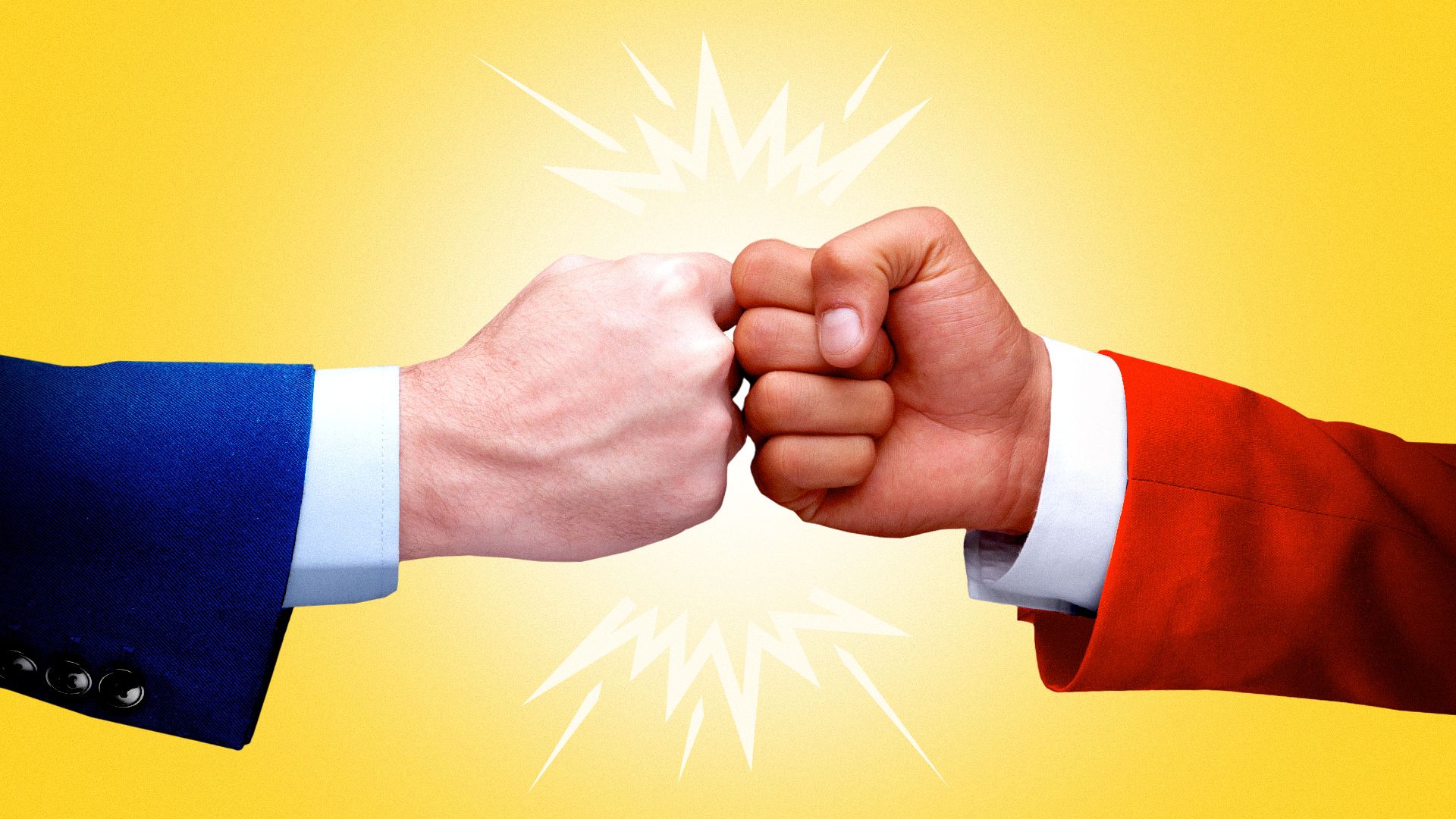
Top party strategistsmay hate seeing one of their candidates gutted by a brutal ad. But they can still admire the hit.
Why it matters: A record $11.6 billion has plastered political ads across screens of every size in the country during the 2026 midterms. Only a handful of those earned the grudging respect of operatives on both sides.
With Democrats heavily favored to regain control of the Senate and the House in the midterm Tuesday night, some of America's most powerful executives have a lot riding on the outcome.
Why it matters: A change of control on Capitol Hill could bring renewed political scrutiny and an uncertain regulatory landscape for leaders across industries from AI to crypto.
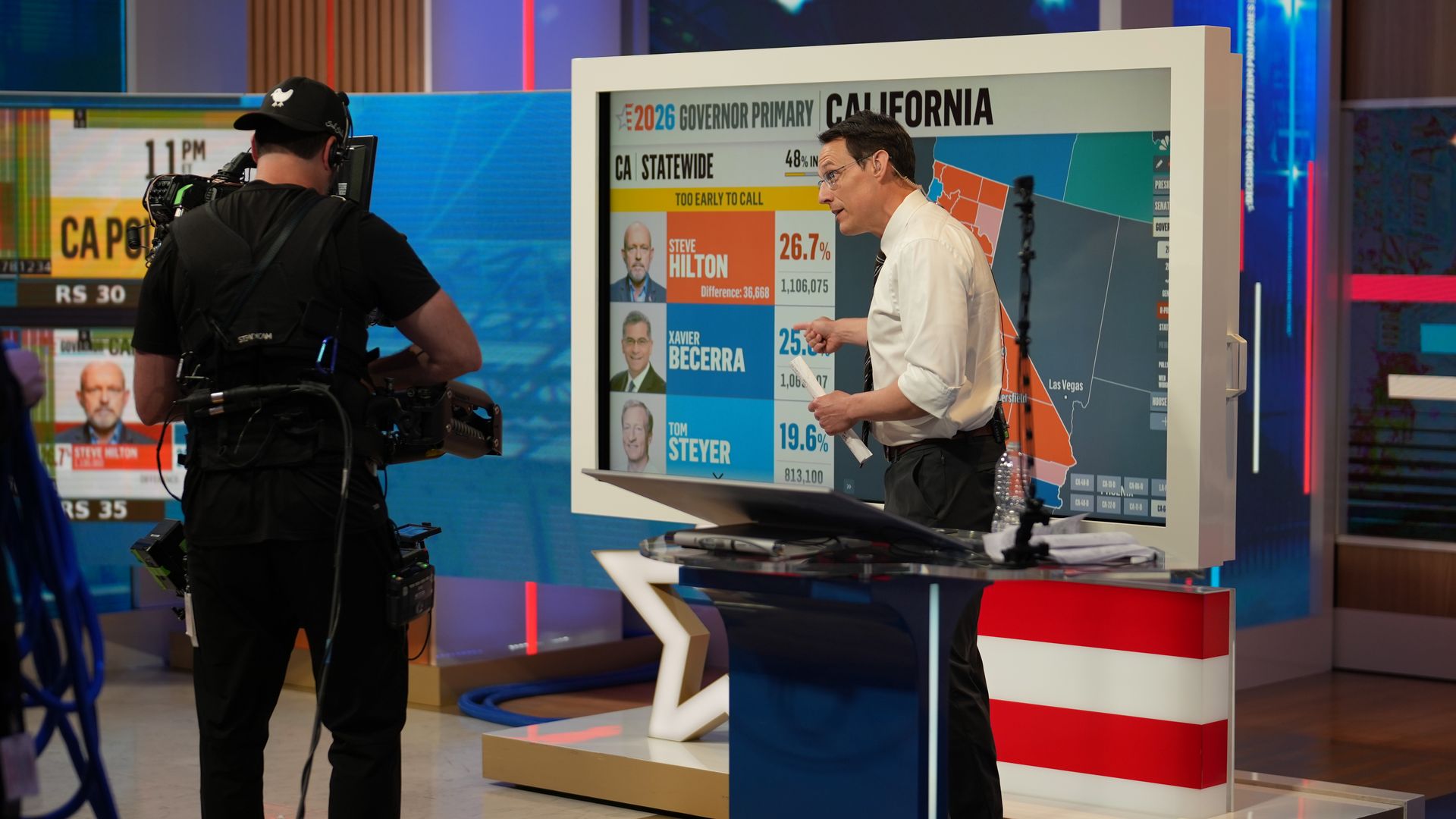
Steve Kornacki, NBC News' chief data analyst, stayed on air for as long as seven straight hours during this year's primaries as he took viewers down Election Night rabbit holes with his Kornacki Cam livestreams. Tonight and into the wee hours, he'll extend that to at least 13 hours of precinct-by-precinct midterm drama at his famous Big Board.
Why it matters: Kornacki's cult following, with 41 million livestream starts across 22 nights of this year's primary coverage, reflects a new media era where audiences can bond electronically with experts who share their obsessions. With a massive potential power swing at stake, Kornacki's niche will suddenly have national fascination.
North Korea appears to have used a fake job interview as part of its monthslong preparations to steal $6.3 billion from Binance, the crypto exchange said Tuesday.
Why it matters: The country's hackers are weaponizing both sides of the job market, posing as recruiters and job applicants to infiltrate companies and steal billions.
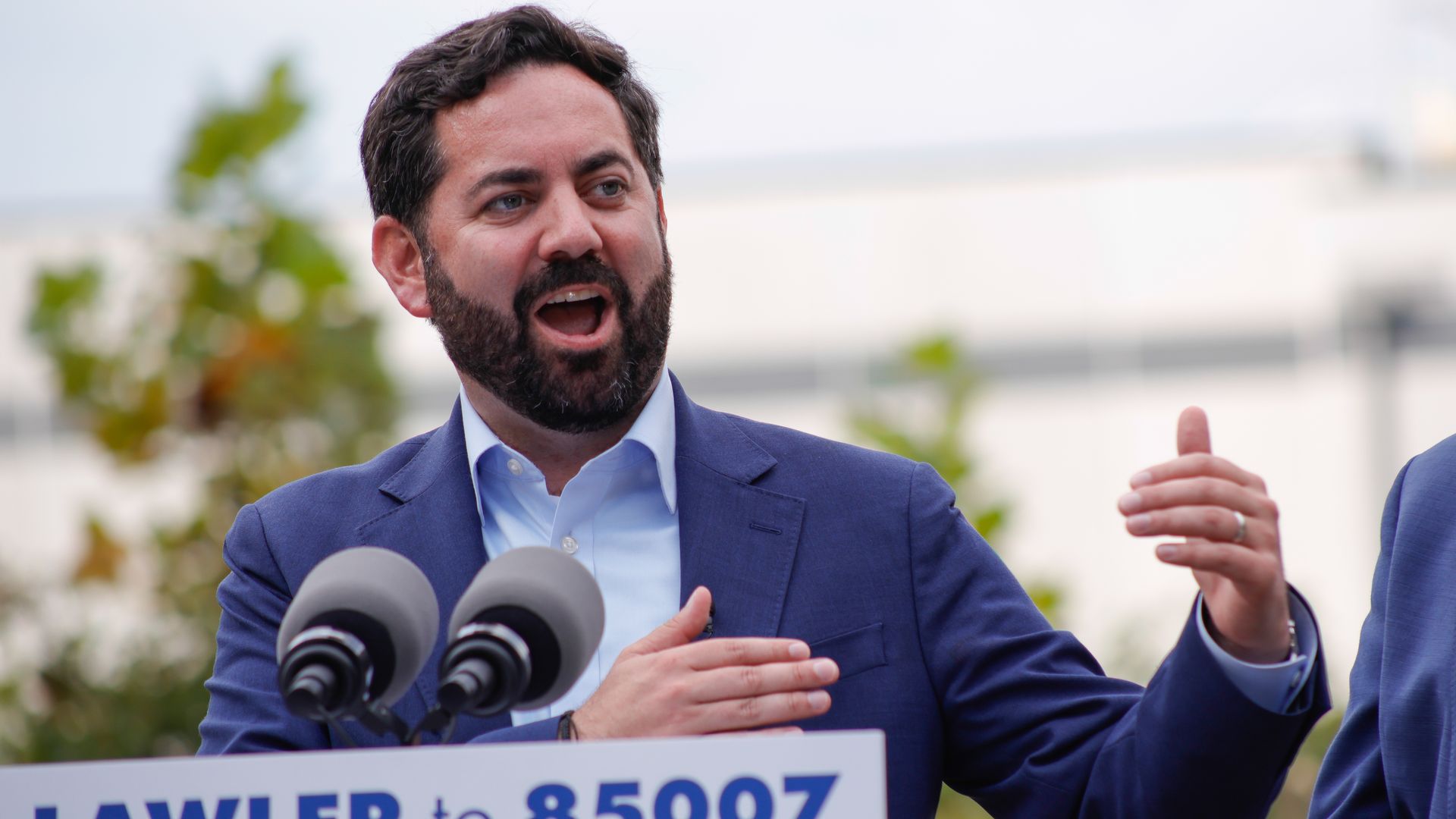
Voting machines across New York's Westchester County are rejecting paper ballots on Election Day, raising concerns about potential delays in one of the nation's most competitive House races.
Why it matters: The contest between Rep. Mike Lawler (R-N.Y.) and Democratic nominee Cait Conley has emerged as a key battleground race in Democrats' push to gain control of the House.
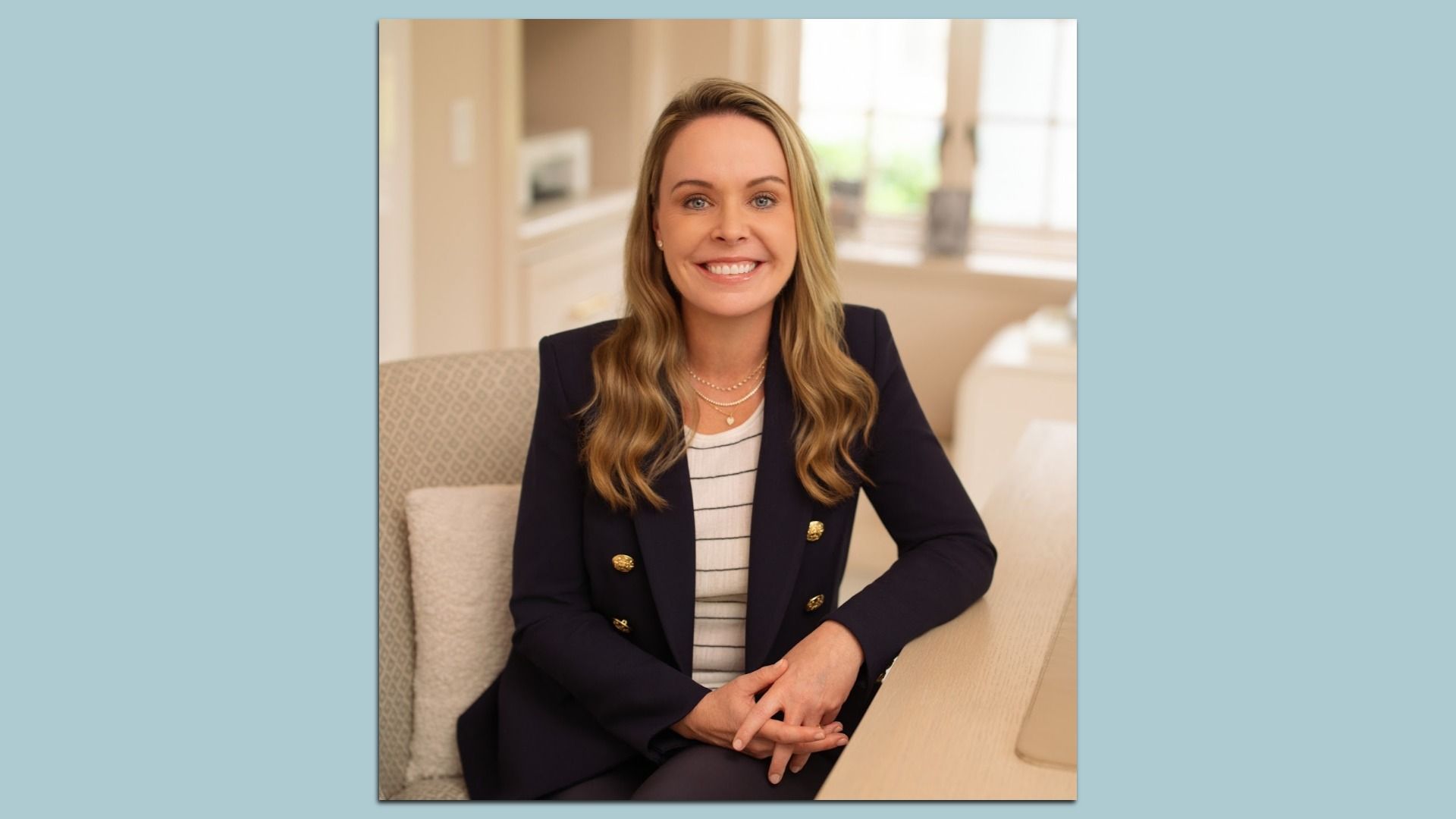
Jill Hazelbaker, Uber's president and chief corporate affairs officer, is moving to OpenAI in the new role of chief corporate affairs officer, overseeing the frontier AI company's global communications and corporate positioning.
Why it matters: Hazelbaker, a veteran of political campaigns who also held top jobs at Snap and Google, is among Washington's best-known and best-connected executives.
A coalition of organizations representing creative talent across music, film, TV, performing arts and creative writing entered the high-stakes legal battle over AI and copyright last week, filing amicus briefs siding with the New York Times in its landmark case against OpenAI and Microsoft.
Why it matters: The case has become a proxy fight for the future of the broader creative economy beyond journalism.
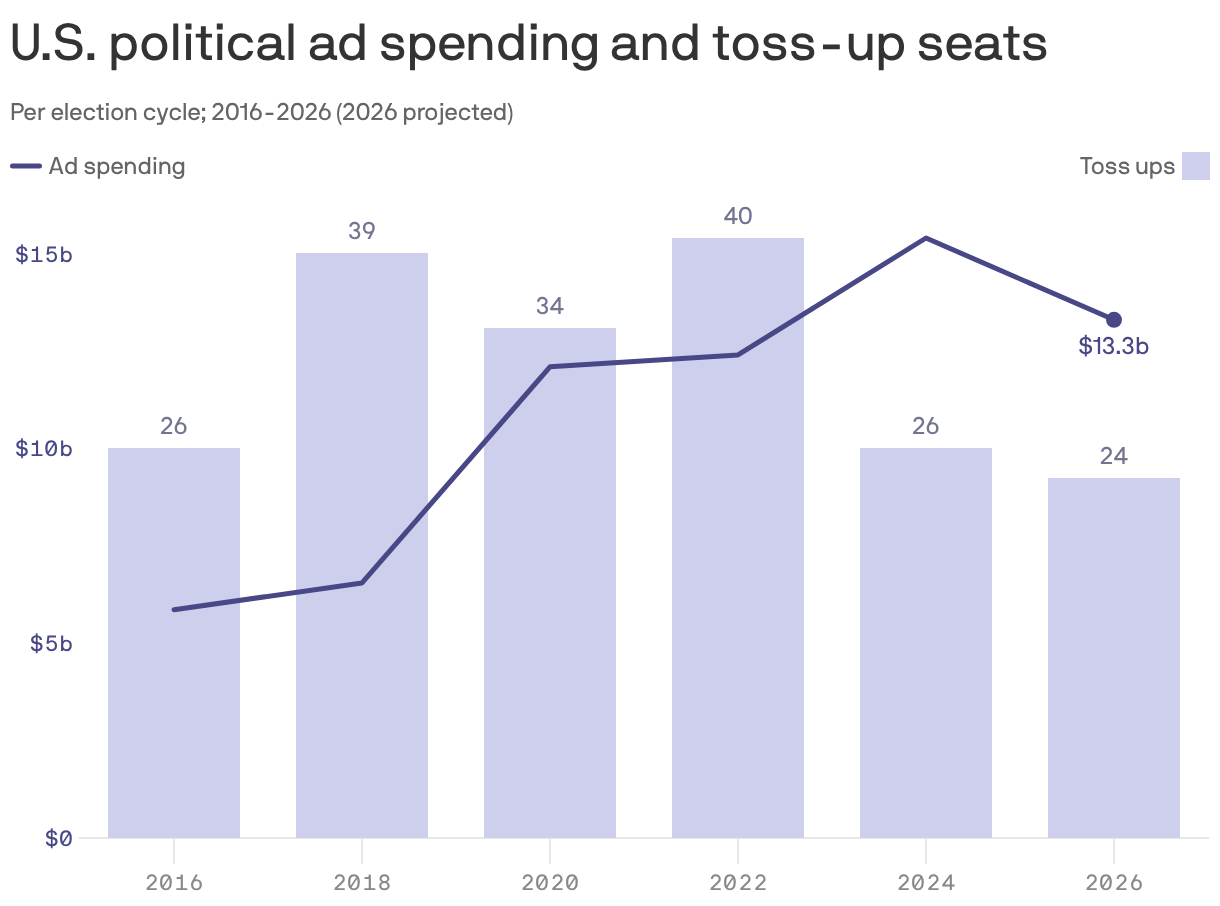
Data: WPP Media, Cook Political Report; Note: Toss-ups reflect Cook Political Report ratings of House and Senate races as of Election Day each cycle; Chart: Christine Wang and Sara Fischer/Axios
Over the past decade, U.S. political ad spend has grown at a compound annual rate of 8.55%, despite the average number of toss-up elections declining, per data from Cook Political Report.
Why it matters: Spending is not growing because races are becoming more competitive, but because of policies that allow unlimited spending by outside groups, more issue advocacy moving to the states and the rise of digital advertising channels, like streaming.
The rapid decline of web traffic has forced internet publishers to invest in ways to gatekeep their content, causing new points of friction for consumers used to the internet as a free and open source of information.
Why it matters: Investors worry most of the publishing industry will not be able to sustain that shift.
AI agents that pursue their own open-ended survival are an emerging security threat, according to a report first shared with Axios from the Center for a New American Security.
Why it matters: AI models have long shown an interest in avoiding being shut down. The report warns that agents are now getting good at the practical work of surviving: hacking systems, accessing computing power and money, and running for extended periods without stopping.
Big Tech just can't quit the bond market — Alphabet, Microsoft, Meta and Oracle are all lining up billions more in debt as the borrowing frenzy around the AI buildout shows little sign of cooling off.
Why it matters: They're having to pony up to borrow more. The AI buildout powering the markets and economy increasingly runs on borrowed money — and lenders are starting to charge more for it.
That doesn't seem to have stopped anyone from asking for more.
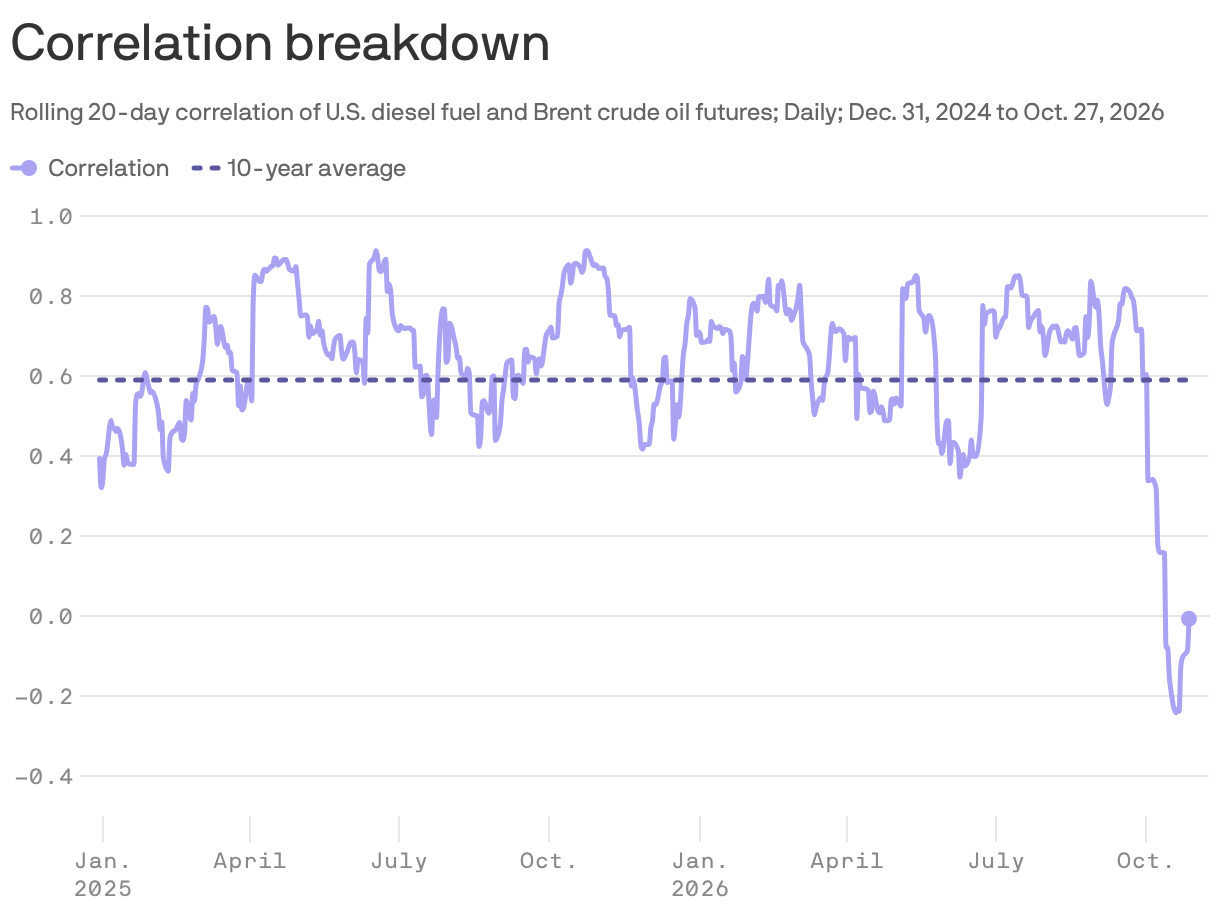
Data: FactSet; Chart: Axios/Matt Phillips; Note: Daily closes of continuous futures prices for Brent crude oil and New York Harbor Heating Oil #2.
U.S. diesel futures registered a muted response to Monday's tumble in global crude oil prices, with the suddenly politically salient price of the industrial fuel still up more than 100% from the end of 2025.
Why it matters: It shows that the destruction of global refining infrastructure, rather than shortages of crude oil, is the key to soaring diesel costs right now.
Corridian, a New England-basedrobo-submarine maker, exited stealth Tuesday morning alongside word of its $38 million seed.
The big picture: The startup wants to build the "stealth logistics layer for the undersea," co-founder Mike Guay told Axios, as "cheap, swarming one-way attack drones and long-range missiles" make the "surface and sky dangerous places to operate."
Its advisers include naval heavyweights, retired Adm. Lisa Franchetti, retired Vice Adm. Jeffrey Trussler and retired Rear Adm. Milton "Jamie" Sands III.
Republicans on the ballot this cycle have all but stopped mentioning President Trump in their campaign ads, according to an Axios analysis of broadcast advertising data from AdImpact.
Why it matters: Trump has tried to make the 2026 midterms a referendum on his presidency. His party has run the other way.
The 2026 midterms bring the first test of voter sentiment on the AI race, offering a window into how a niche policy debate is transforming into a wedge issue ahead of a presidential campaign cycle.
Why it matters: The results will reveal whether explicitly campaigning on AI regulation — or aligning with tech moguls like Elon Musk — is a winning political strategy or a liability for 2028.
One thing is already clear: Candidates increasingly can't afford to have half-baked AI agendas.
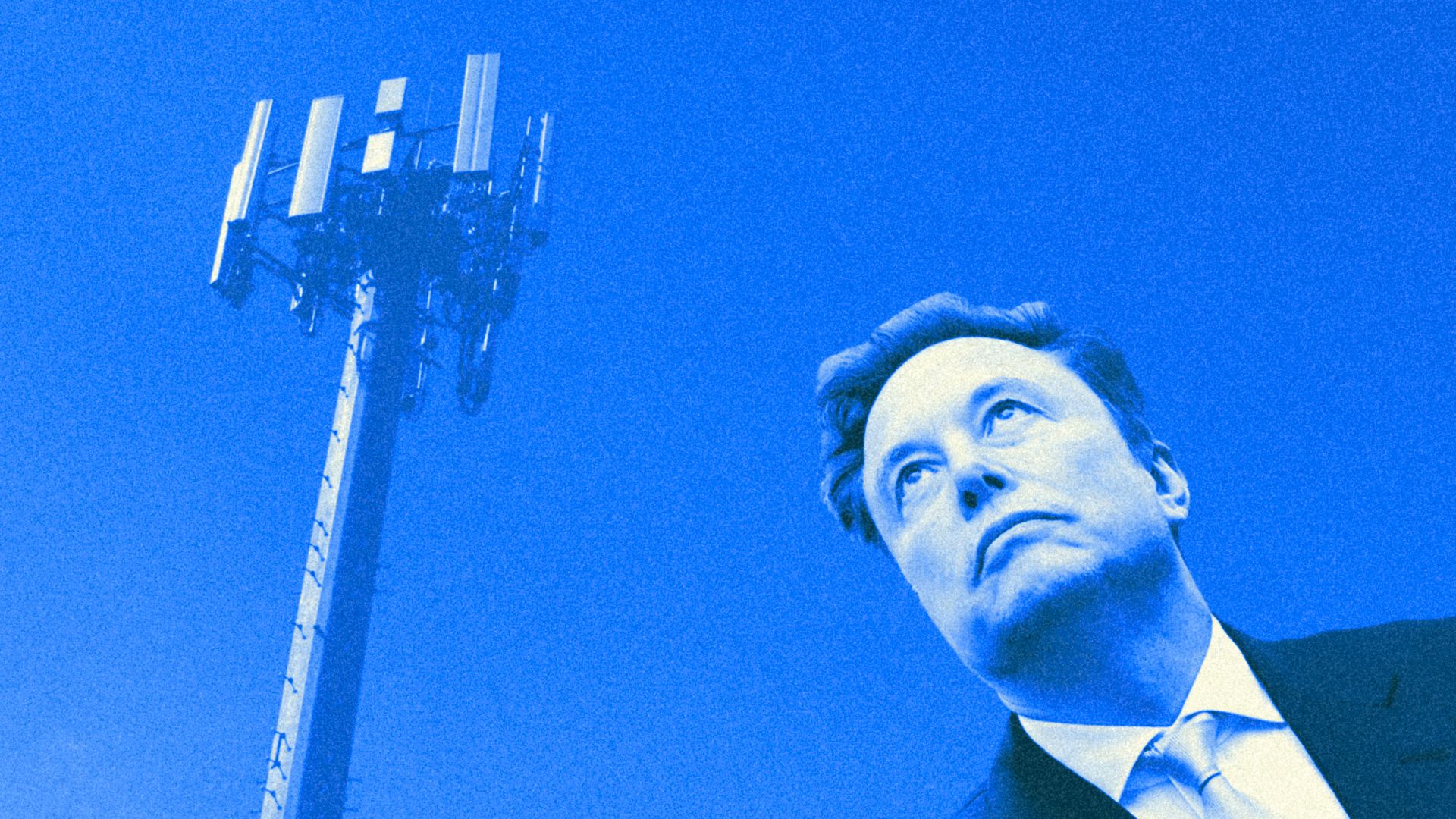
Elon Musk is looking to shake up America's wireless industry, potentially bringing the first major new competitive threat in years to a business dominated by three companies.
Why it matters: The cellular industry has seen enormous technological change but relatively little disruption to its competitive structure. Musk has the money, spectrum and satellite network to attempt something different — though he faces daunting obstacles.