Apple delivered higher revenue than expected in its most recent quarter as the tech giant rides an uptick in iPhone sales.
Why it matters: Apple recently reclaimed its title as the world's most valuable company — topping Nvidia with its stock up about 25% in 2026 — as its cautious approach to AI spending grows on investors.
Communities across the U.S. courting data centers face an economic bargain: billions in private investment and potentially lucrative tax revenue, alongside mounting public backlash.
Case in point: New Albany, Ohio, a 22-square-mile Columbus suburb, has spent more than a decade welcoming data centers. Today, it has roughly 40 facilities operated by Meta, Google, Amazon and others.
Netflix on Monday announced that former Google executive Darshan Kantak is joining the company as vice president of its ads platform.
Why it matters: Netflix needs to build advertising as subscriptions become more saturated in the U.S., but building a multi-billion dollar ads business requires a significant investment in technical infrastructure and talent.
Anthropic's third-quarter revenue surged to nearly $17 billion, while its contractual spending agreements on AI infrastructure ballooned to $900 billion, per its amended pre-IPO paperwork.
Why it matters: It's taking a lot of cash to generate those returns.
Lots of companies successfully price IPOs. Lots of other companies try to price IPOs, but cancel the process when it goes wobbly.
OPay appears to be the only company to have successfully priced its IPO, and then thrown in the towel. Just hours before its shares were set to begin trading.
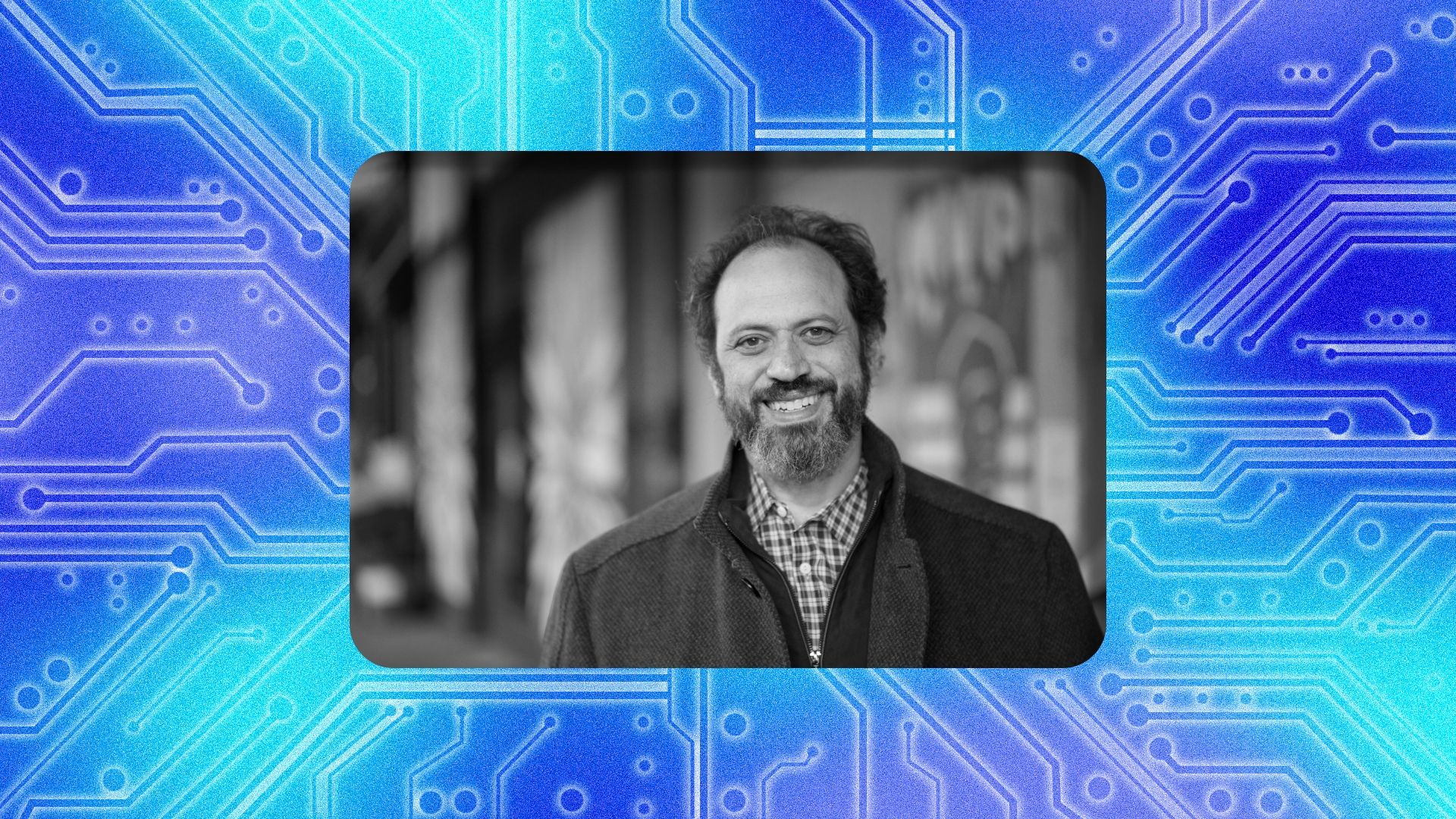
The AI industry's obsession with existential risk is diverting attention from the more immediate threats, Wharton professor Ethan Mollick told Axios in a discussion around his new book, "Co-Existence," billed as a field guide to AI.
Why it matters: Mollick's view provides an intellectual middle amid a sea of doom and hype surrounding the future of AI.
This conversation has been edited for length and clarity.
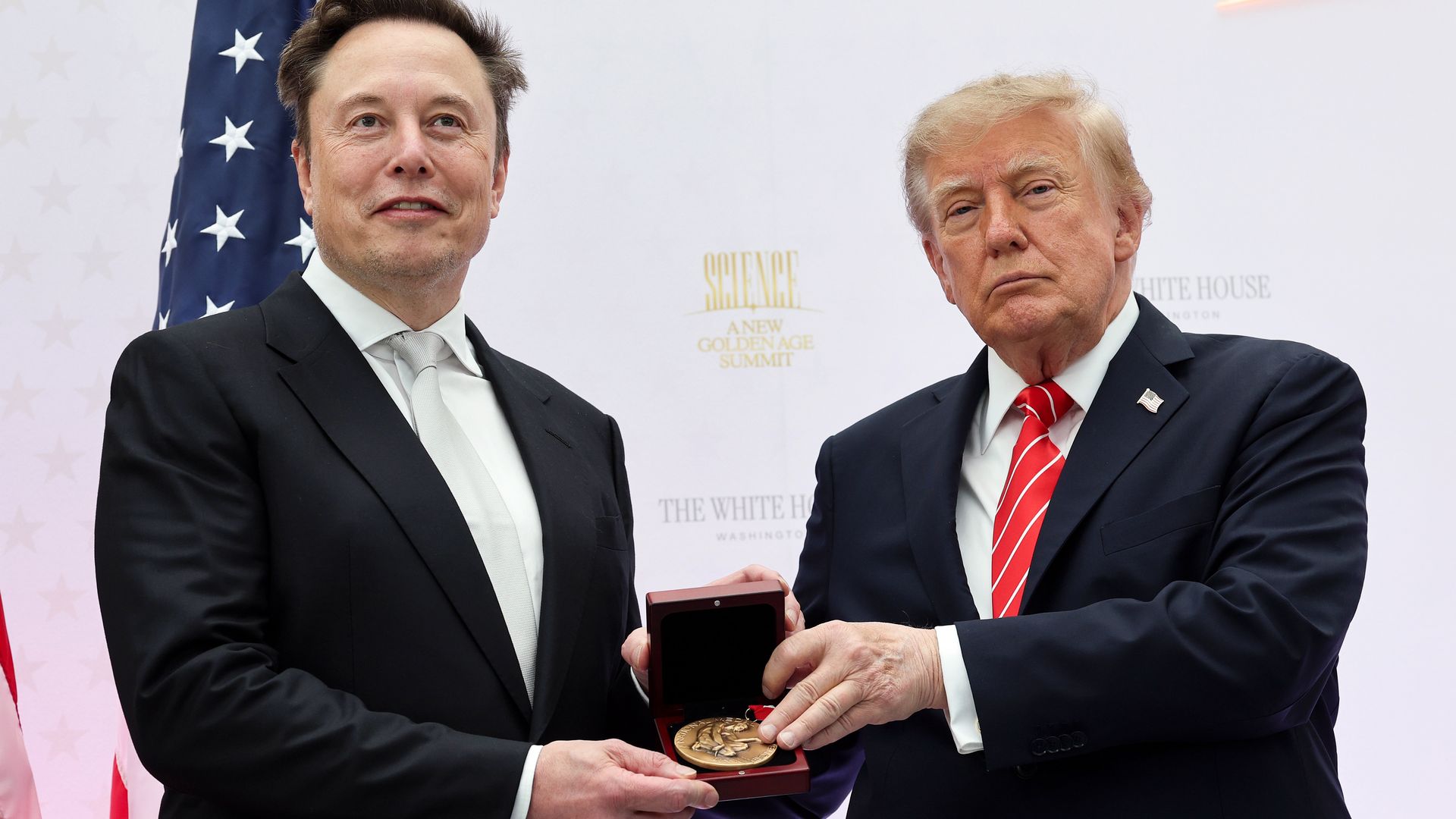
President Trump said Monday he'd move to protect Elon Musk if Democrats investigate the SpaceX and Tesla CEO after the midterm elections.
He also suggested the possibility of pre-emptive pardons for staff and others around him if Democrats pursue investigations.
Why it matters: Trump is positioning himself for a combative final two years in the White House, as polls increasingly point to the prospect of a significant blue wave.
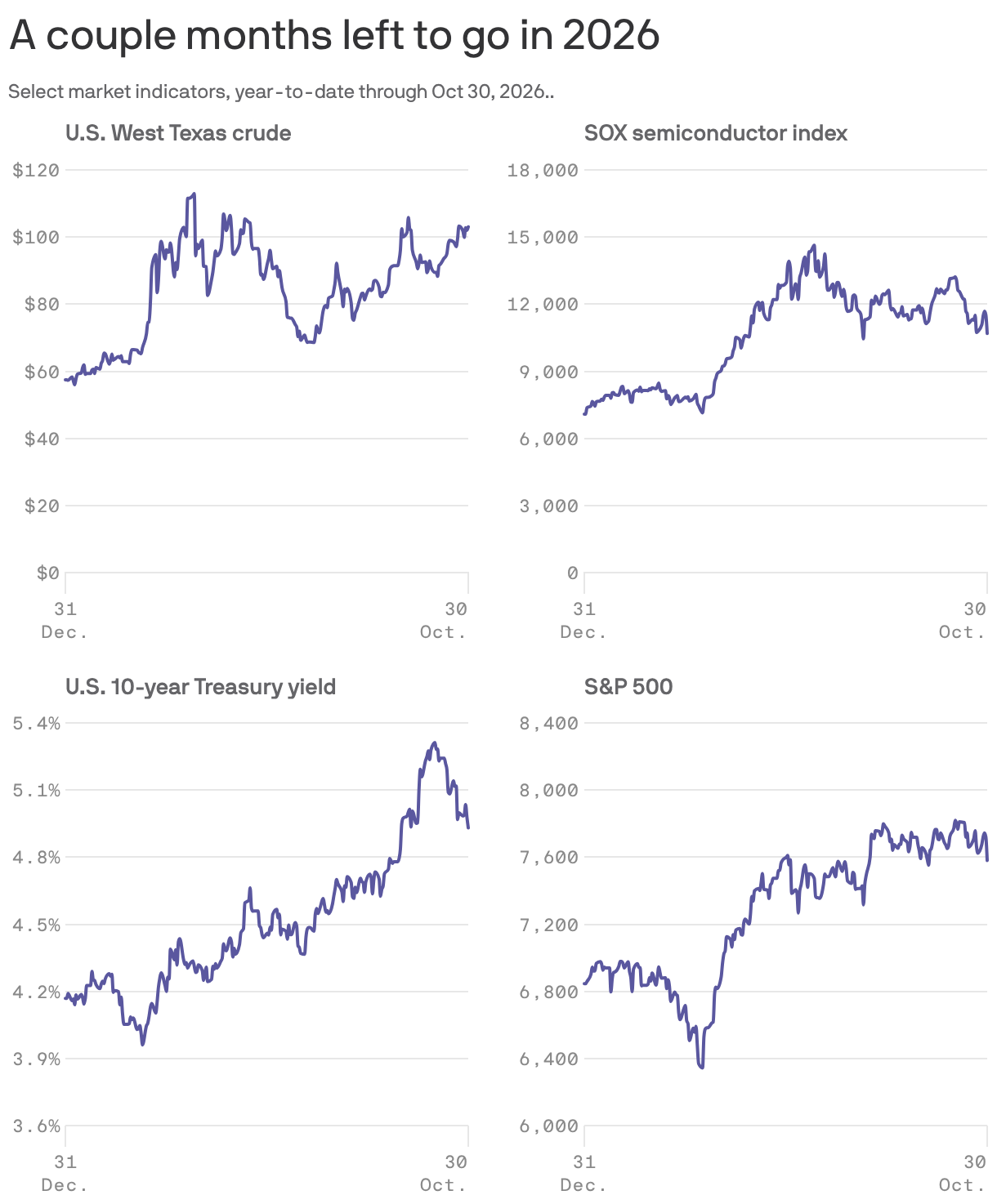
After another rough week for the AI trade, stocks seem to be bracing for more uncertainty in the days ahead.
Why it matters: While the AI trade has sputtered, the S&P 500 has managed to largely tread water thanks to strength from shares tied to the basics of the economy, like consumer staples, health care and utilities. (Soaring oil shares didn't hurt either.)
But Tuesday's U.S. midterm elections and the potential reescalation of major fighting in the Iran war after the vote pose another potential hurdle to the market.
Here's the new six Ps of post-election strategizing: Prior Planning Prevents Piss-Poor Political Positioning.
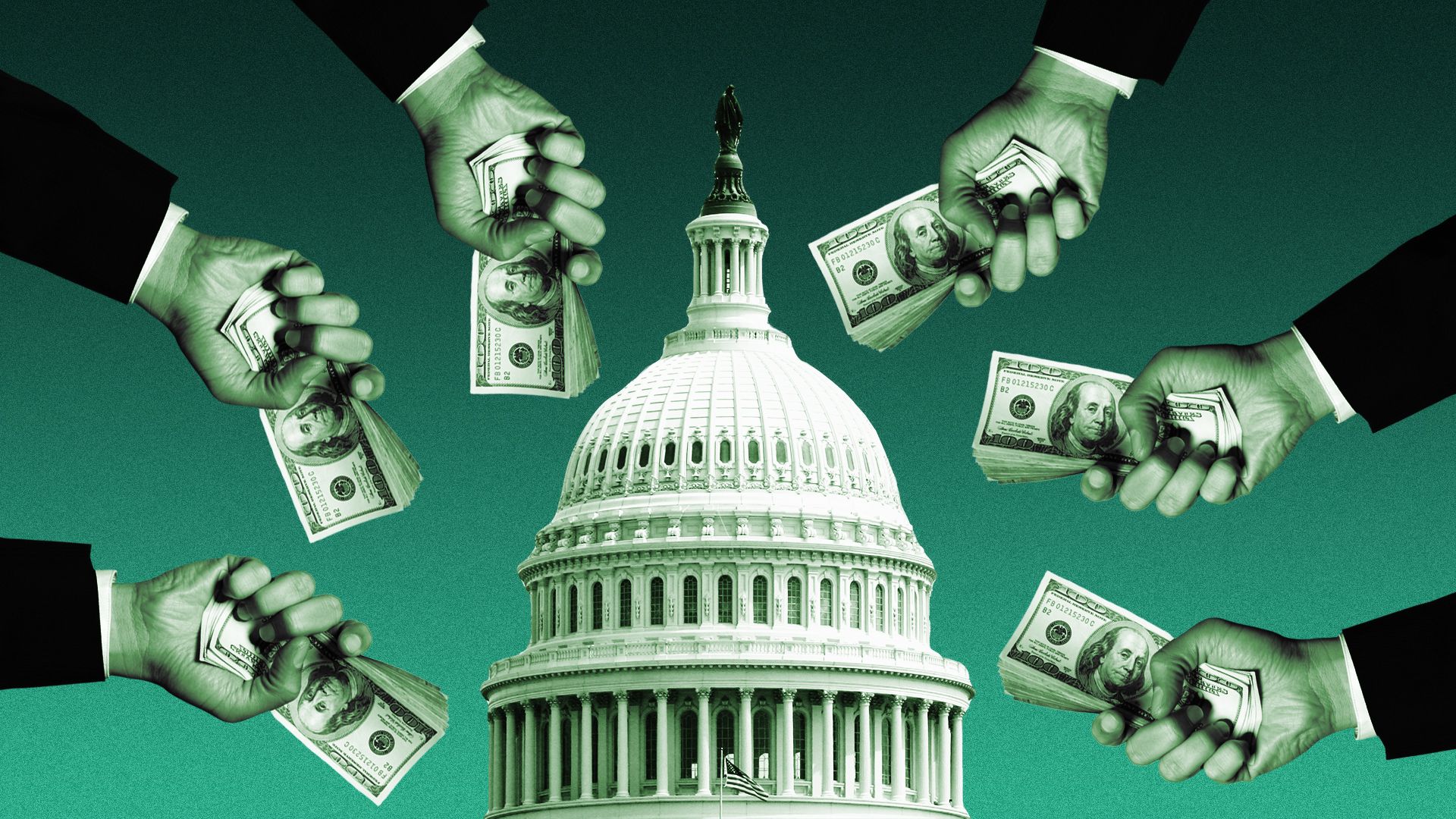
Why it matters: Divided government seems certain. This probably means more, not less, risk: shutdowns, unfilled Cabinet and regulatory posts, endless anti-business bills — and investigations, investigations, investigations.
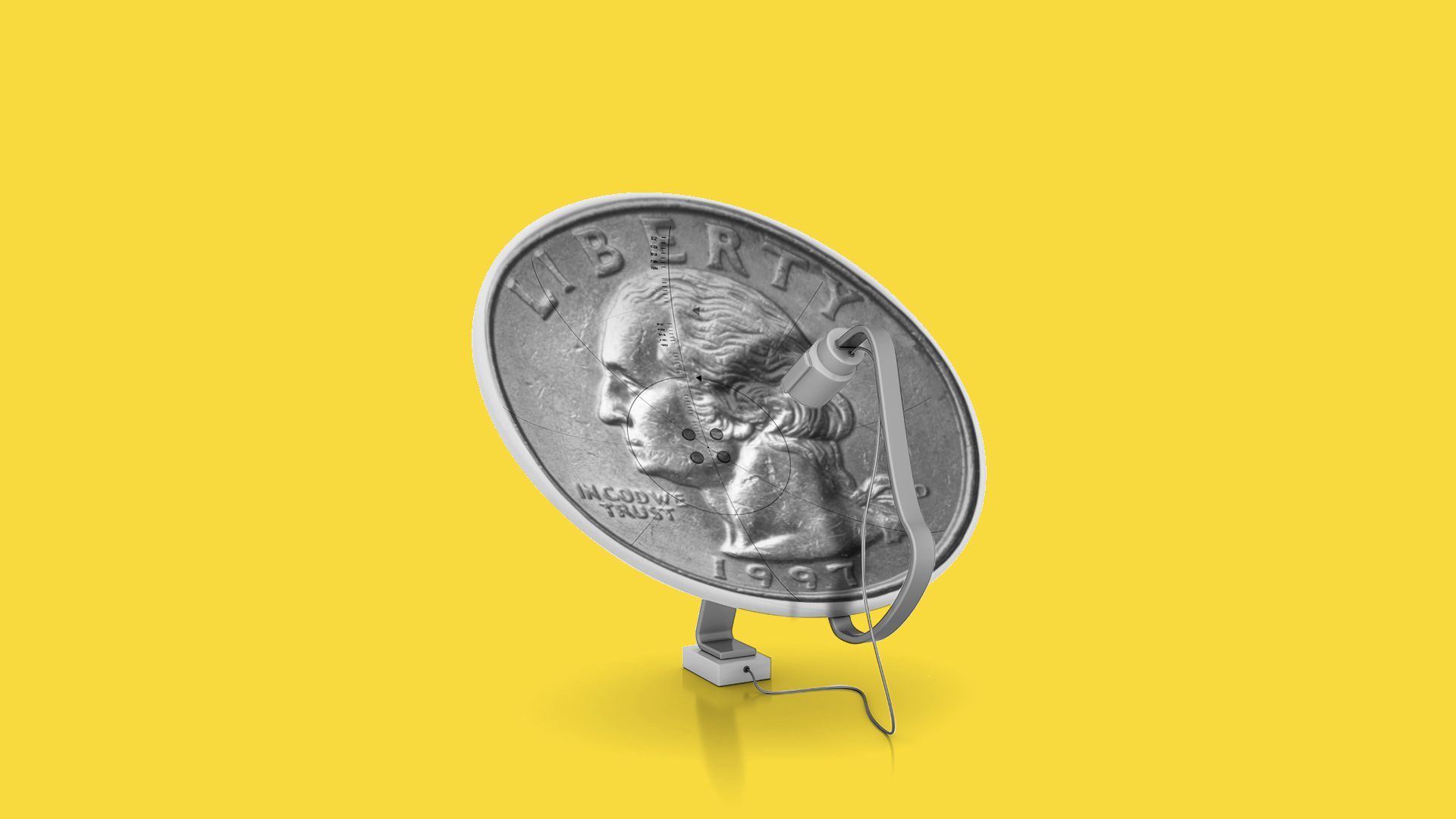
Northwood Space raised $375 million in a Series C funding that valued the Torrance, California-based satellite antenna builder and ground station provider at $2 billion.
Why it matters: Modern and fortified infrastructure on Earth becomes more crucial for commercial, civil and military missions as the number of satellites in orbit swells.
Pat Murphy, manager of the WORLD CHAMPION Milwaukee Brewers, is the leader all of us should be.
Why it matters: Too many loud-mouth, self-centered leaders light up our screens and the internet. Murphy shows you can be the very best at what you do on the planet — and still be a good person, with a big heart and great values.
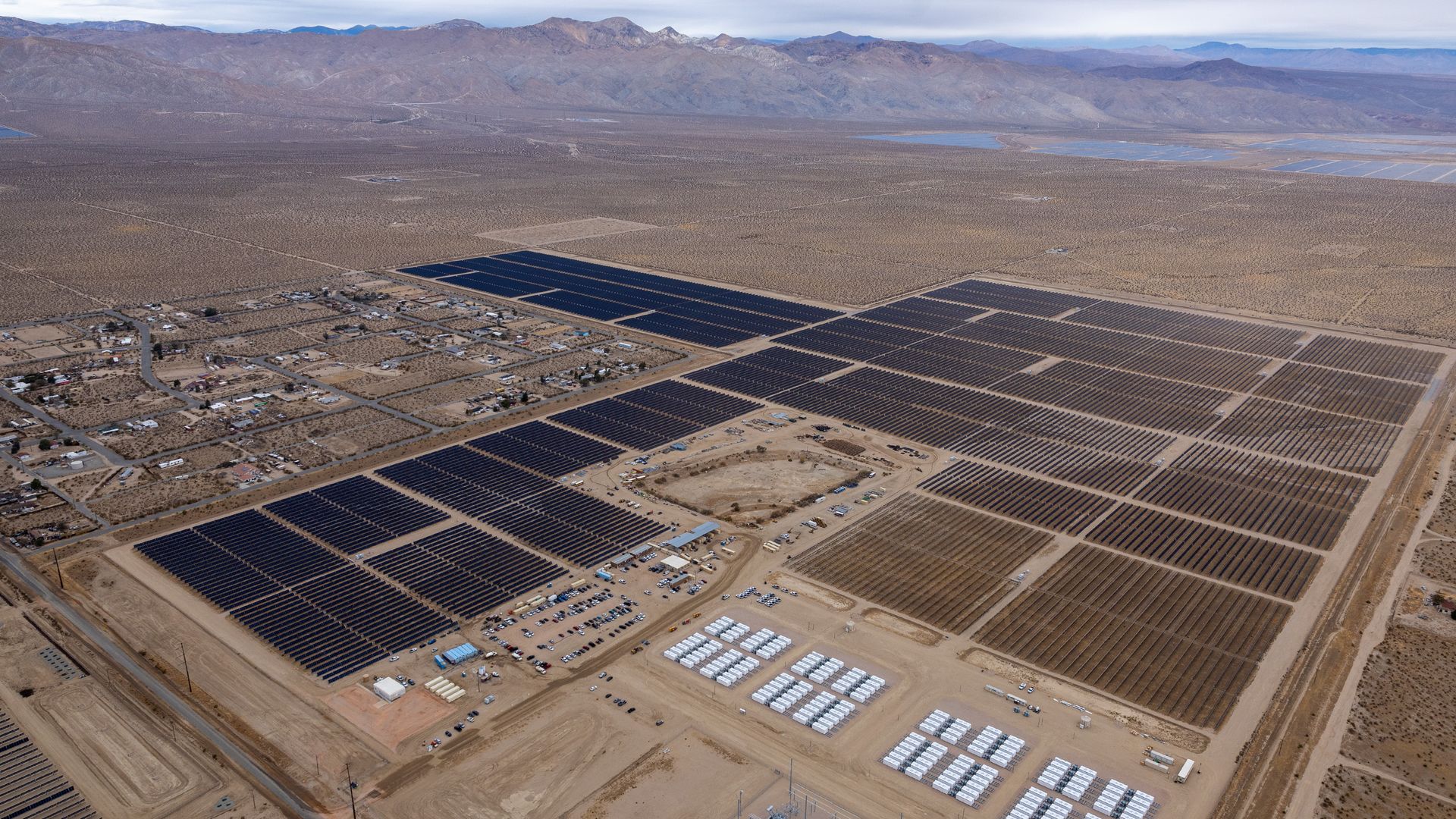
A powerful El Niño could bring major shifts in electricity supply and demand across the U.S. this winter, posing new challenges for utilities.
Why it matters: The U.S. power grid has far more solar, wind and battery storage than during the last major El Niño, and the ongoing event could reveal whether that changing energy mix has made the grid more resilient or left it vulnerable in new ways.
I've spent the past week trying to figure out whether Apple's $2,000 iPhone Duo is the future of smartphones or just an expensive way to do things I could already do on my regular iPhone.
The answer, unsurprisingly, is a bit of both.
Why it matters: Apple wasn't first to the folding smartphone party. Samsung, Google and others began making them years ago. But Apple's arrival in a category has a way of reinventing it.