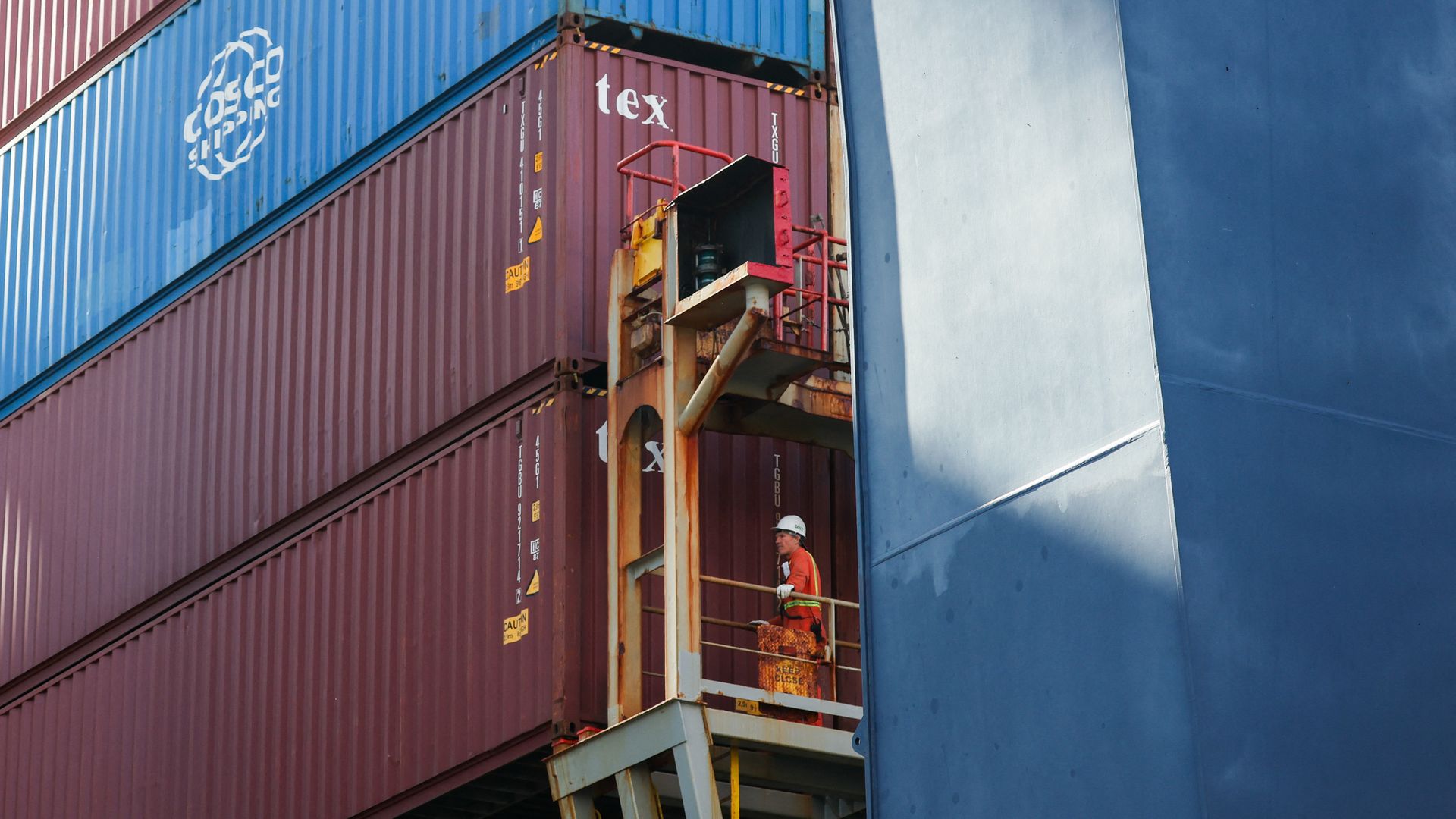
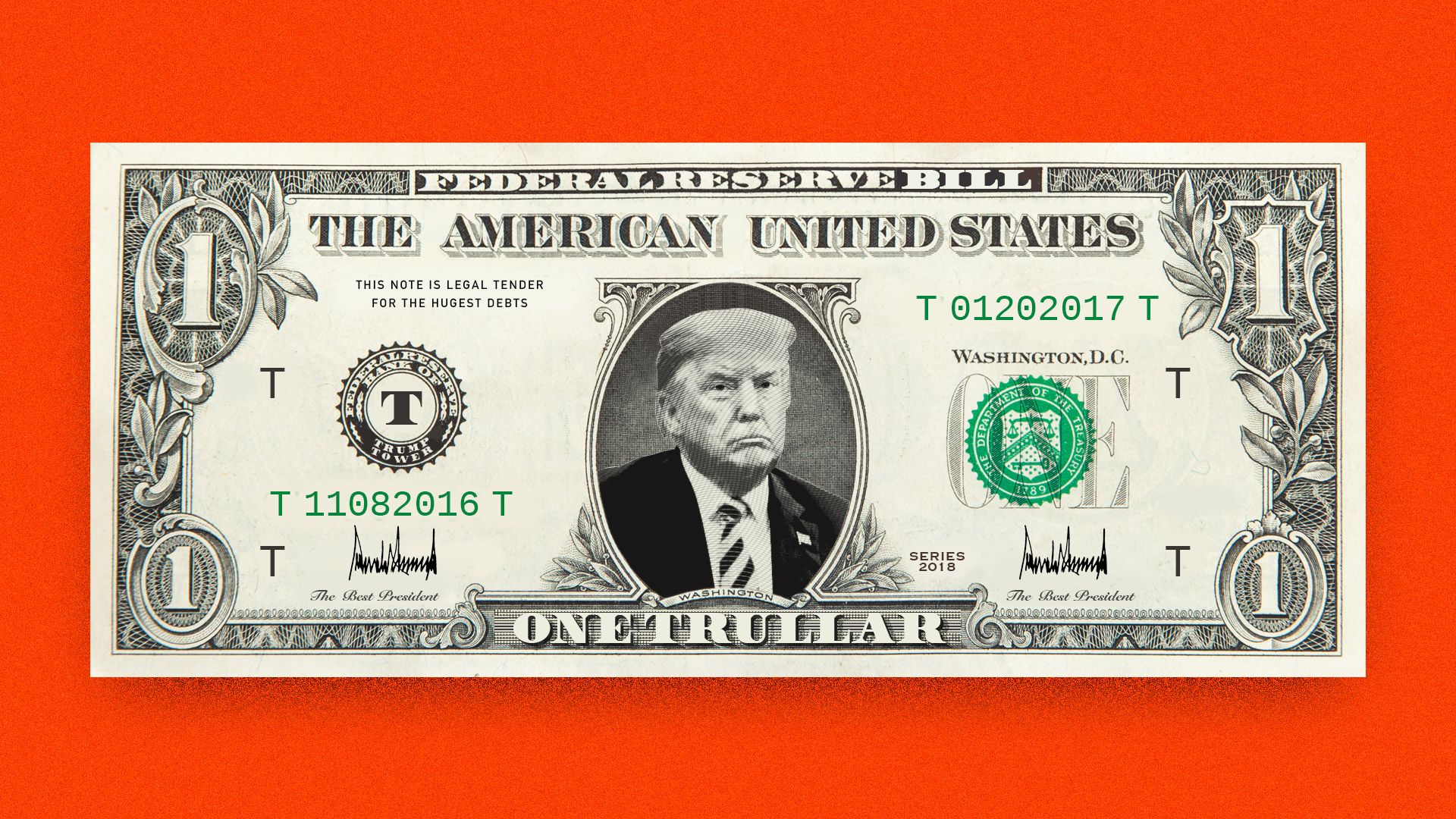
The Trump administration said on Friday that it could not immediately start issuing tariff refunds, casting new doubt about when U.S. businesses will get the hundreds of billions of dollars owed to them.
Why it matters: Trump officials say the process is too sprawling and complex, likely dragging out repayment.
Axel Springer, the German parent to Politico and Business Insider, on Friday announced a £575 million cash deal to acquire the Telegraph.
The announcement scuttles a proposed offer for the conservative British broadsheet from Daily Mail and General Trust, which is owned by British billionaire Lord Rothermere.
Why it matters: The deal ends a long, drawn-out process to find the Telegraph a permanent home.
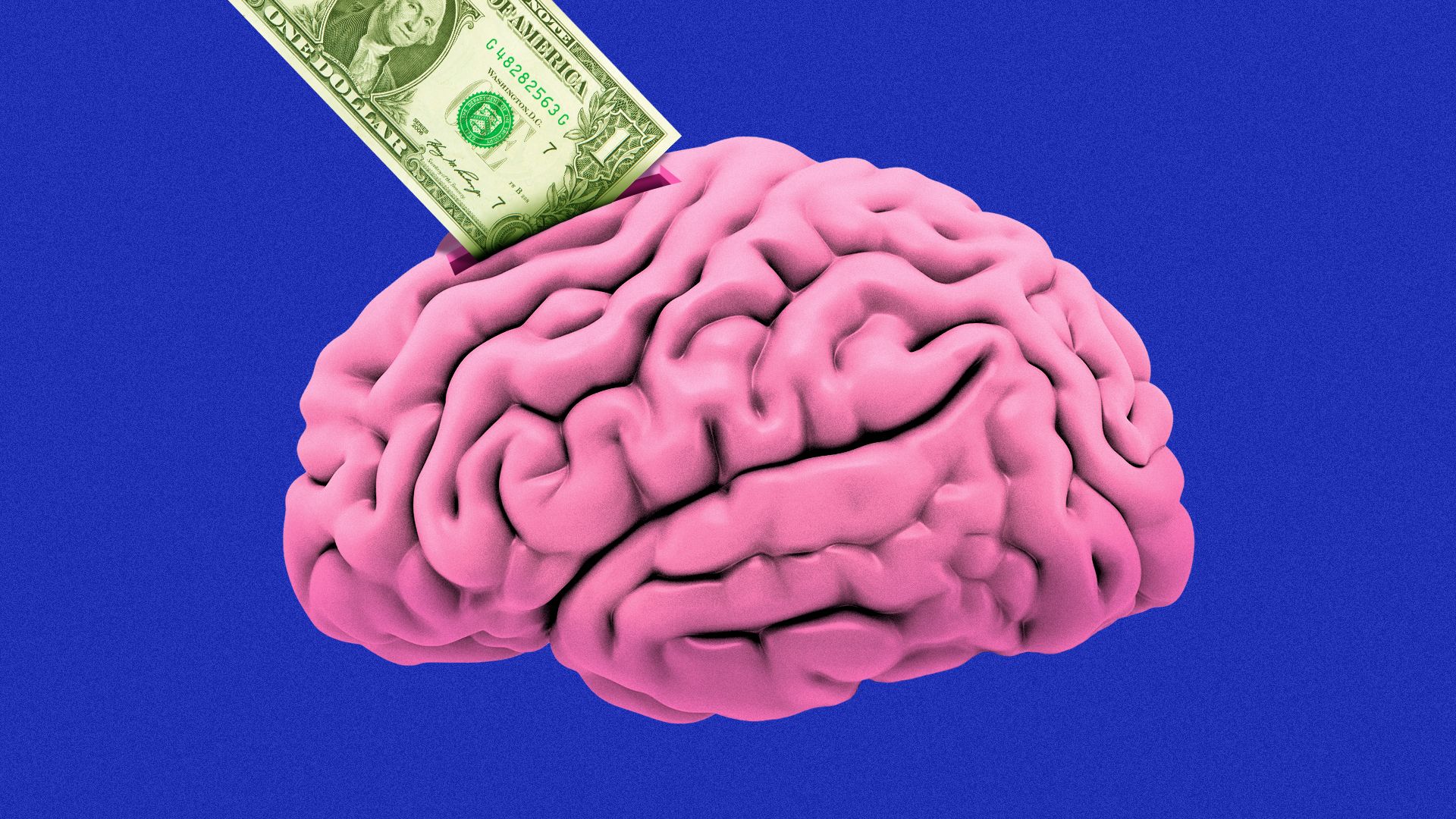
Science Corp., a brain implant startup led by Neuralink co-founder Max Hodak, raised $230 million in Series C funding at a $1.5 billion valuation.
Why it matters: Science Corp. appears likely to bring the world's first computer-brain interface to market, initially in Europe, ahead of Neuralink or other rivals.
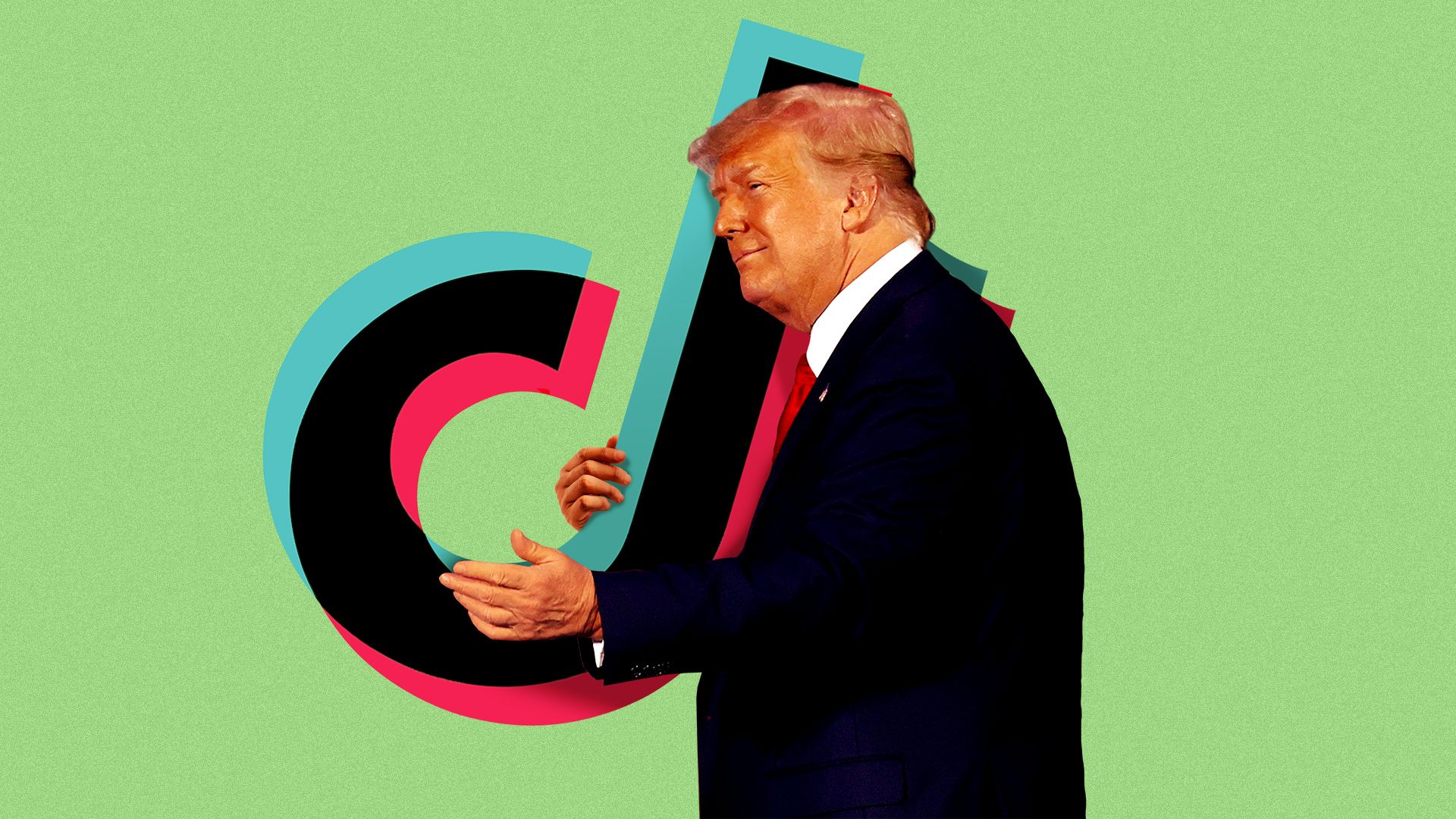
One of President Trump's first actions upon retaking office was to postpone enforcement of a law that required TikTok to be banned in the U.S. if still controlled by China's ByteDance.
Driving the news: That decision, and several that sprang from it, are the crux of a lawsuit that theoretically could cost TikTok U.S. — now under new ownership — billions of dollars. And possibly lead to renegotiation of the sale itself.
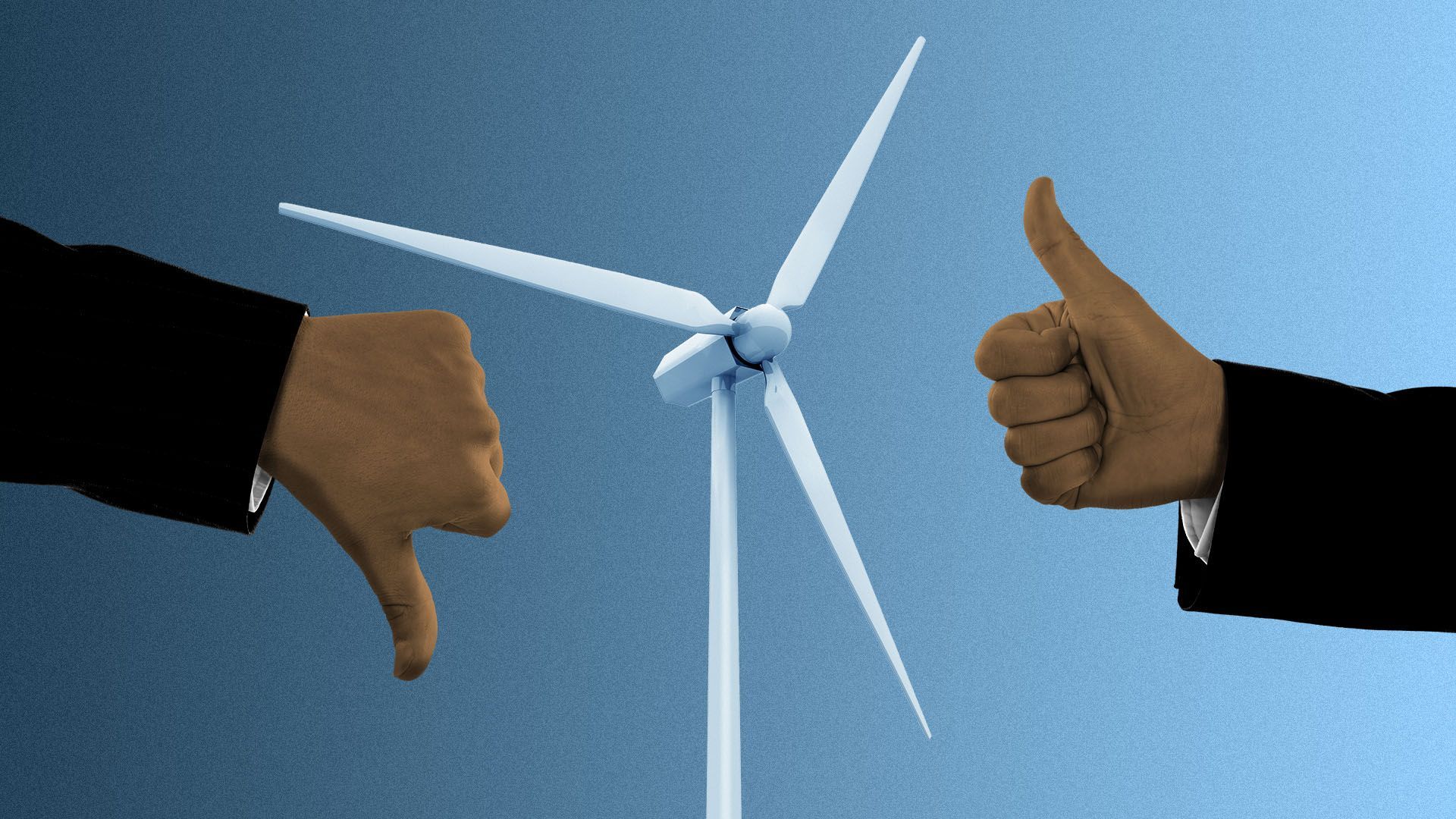
In theory, an emergency that's blocking petro-flows and spiking prices should boost the case for clean energy. But in practice, it's way more complicated.
Why it matters: The Iran war is the biggest energy crisis since Russia's 2022 invasion of Ukraine, if not longer.
Banks had a bad day on Thursday. One of the main reasons: private credit.
Driving the news: After a report that BlackRock slashed a private loan in its portfolio to zero, bank stocks fell, as investors get increasingly twitchy over exposure to the murky private credit business. (Those cockroaches that JPMorgan Chase CEO Jamie Dimon had warned about.)
The yield on the 10-year Treasury note rose this week, as worries mount that a prolonged war in the Middle East could fuel inflation.
Why it matters: The 10-year note influences borrowing costs across the economy — from mortgages to business loans — and a sustained rise can make financing more expensive for households and businesses.
It's also a bit of whiplash. Yields had just dipped below 4% last week, raising hopes of unlocking the frozen housing market and giving the White House a nifty talking point. They were above 4.1% yesterday.
The big picture: The culprit is mostly energy prices. The Iran war is causing a surge in oil and gas prices rippling through economies around the world.
The U.S. is more protected from energy shocks, but it's not immune.
By the numbers: Just the recent price increase of Brent crude, the global oil benchmark, to around $80 a barrel, will boost inflation and slow growth for most countries, economists at Goldman Sachs wrote in a note yesterday.
If the Strait of Hormuz closes for an extended period, and oil prices move to $100 a barrel, then inflation could rise even further.
Central banks have historically not responded to oil price shocks, per Goldman, but they modestly tighten when either inflation is high or oil price shocks are large. (Or both, to those old enough to remember 2022.)
Zoom out: This is a global phenomenon. "The shock in oil and gas prices is changing the inflation arithmetic around the world," Rebecca Patterson, a senior fellow at the Council for Foreign Relations, tells Axios.
"Central banks around the world who weren't planning on raising rates this year may find themselves in a very awkward position."
Zoom in: Three European Central Bank policymakers warned yesterday that euro-zone inflation would likely rise, and growth sag, if the war in Iran became drawn out, Reuters reported.
"European short‑term bonds are now pricing in the chance of a rate hike — not a cut — showing just how quickly inflation fears have escalated," Christian Raute, head of markets trading strategy at Citi, tells Axios.
Reality check: The 10-year yield is still lower than even a month ago, and certainly since last year.
And in the U.S., war economics is just one part of the inflation equation, Joseph Brusuelas, chief economist at RSM, tells Axios.
Investors are expecting a hot reading next week on personal consumption expenditures, the preferred inflation measure of the Federal Reserve.
"I know that's not a sexy explanation of pricing dynamics, given what's happening in Iran."
What to watch: Everything hingeson how long this war goes on. The White House has given conflicting timeline estimates.
With inflation expectations rising and an underwhelming job market, talk of "stagflation" is starting to bubble up. Strap in.
A federal court wants businesses to receive tariff refunds swiftly. The Trump administration would rather they wait.
Why it matters: Businesses that quietly ate the tariffs could see an earnings tailwind when refunds come in. But the clock is ticking: The longer refunds drag, the more difficult it becomes to process.
President Trump seethed when the Supreme Court stripped away his unilateral tariff authority, the first real check on his presidency.
Then he set out to impose his will on every remaining vector of American power — smashing norms and shrugging off Congress in a historic, 14-day show of executive force.
Why it matters: Over the past two weeks, Trump launched a massive Middle East war, blacklisted the hottest AI company on the planet, ordered new global tariffs, and presided over the biggest media merger in two decades.
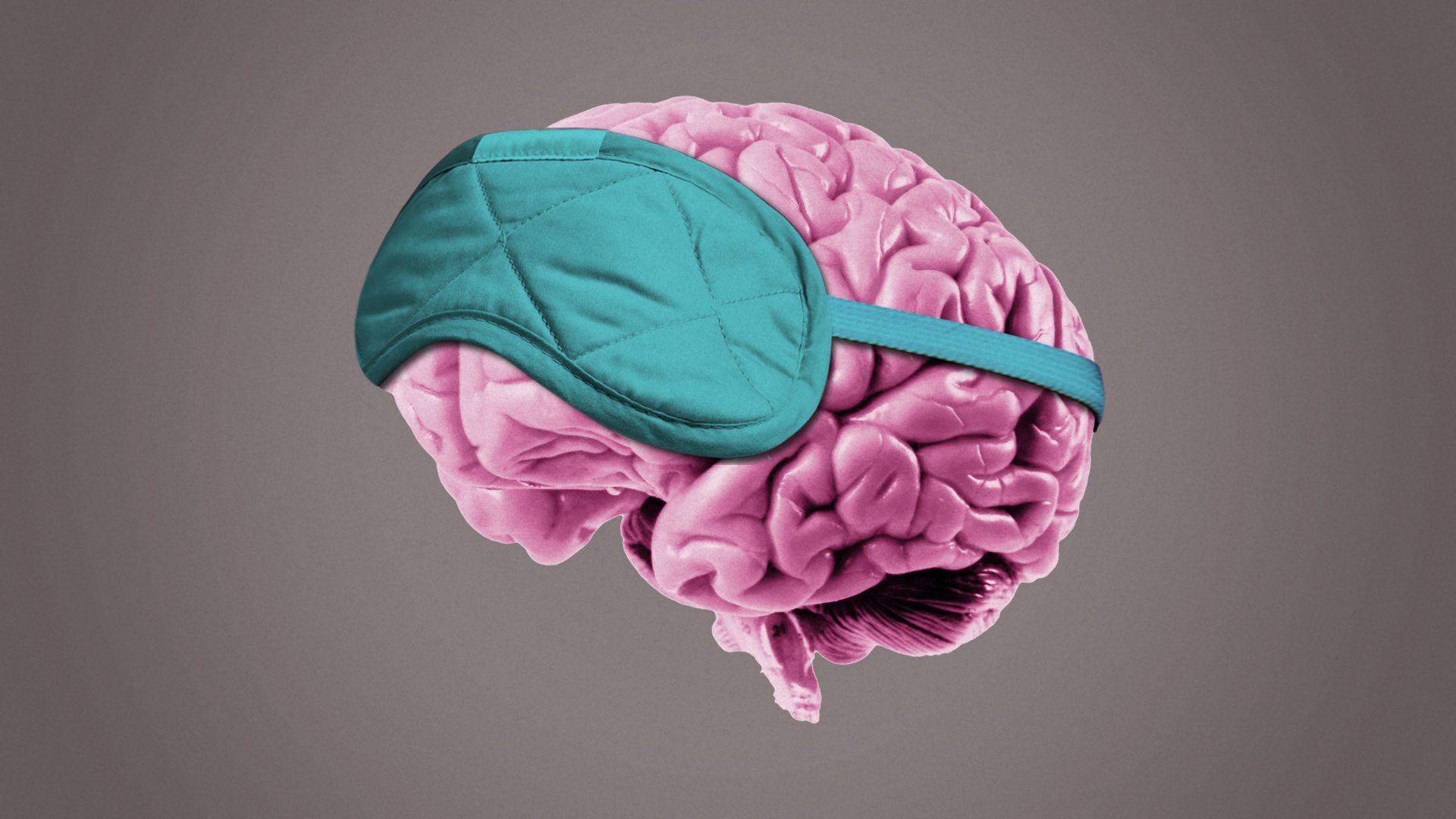
Pink noise — which is often used to mask environmental sound and induce sleep — might actually reduce REM sleep, a new study in the journal Sleep suggests.
Why it matters: Noise machines have become a go-to sleep aid, particularly for babies, but they might interrupt crucial processes for brain health and happiness.
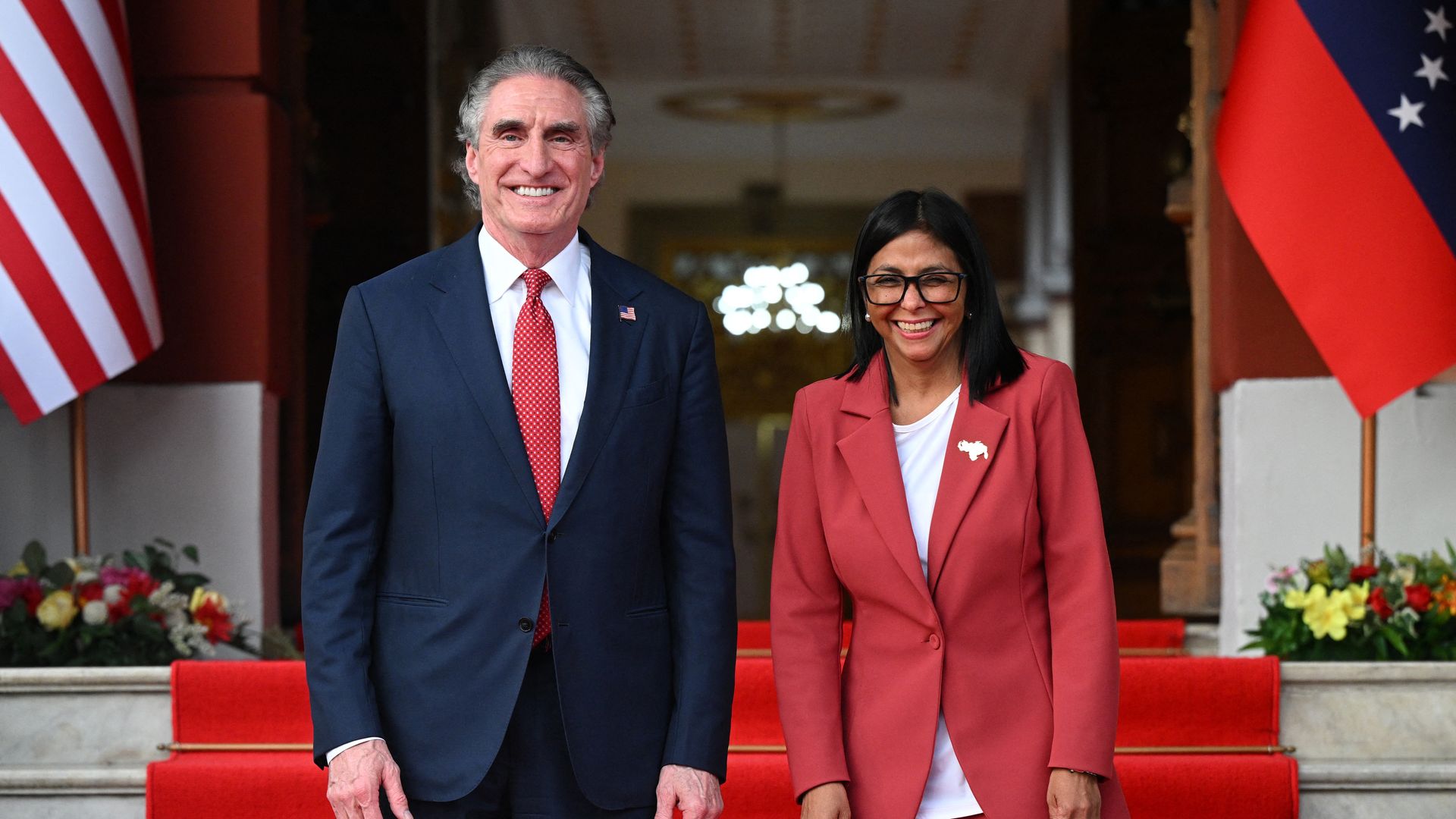
The U.S. and Venezuela "have agreed to re-establish diplomatic and consular relations," the State Department announced Thursday.
Why it matters: The historic deal with a former U.S. foe comes as President Trump pushes to apply his actions in Caracas that led to the capture of former leader Nicolás Maduro to Iran, telling Axios Thursday that he must be involved in picking a successor to assassinated Supreme Leader Ali Khamenei.