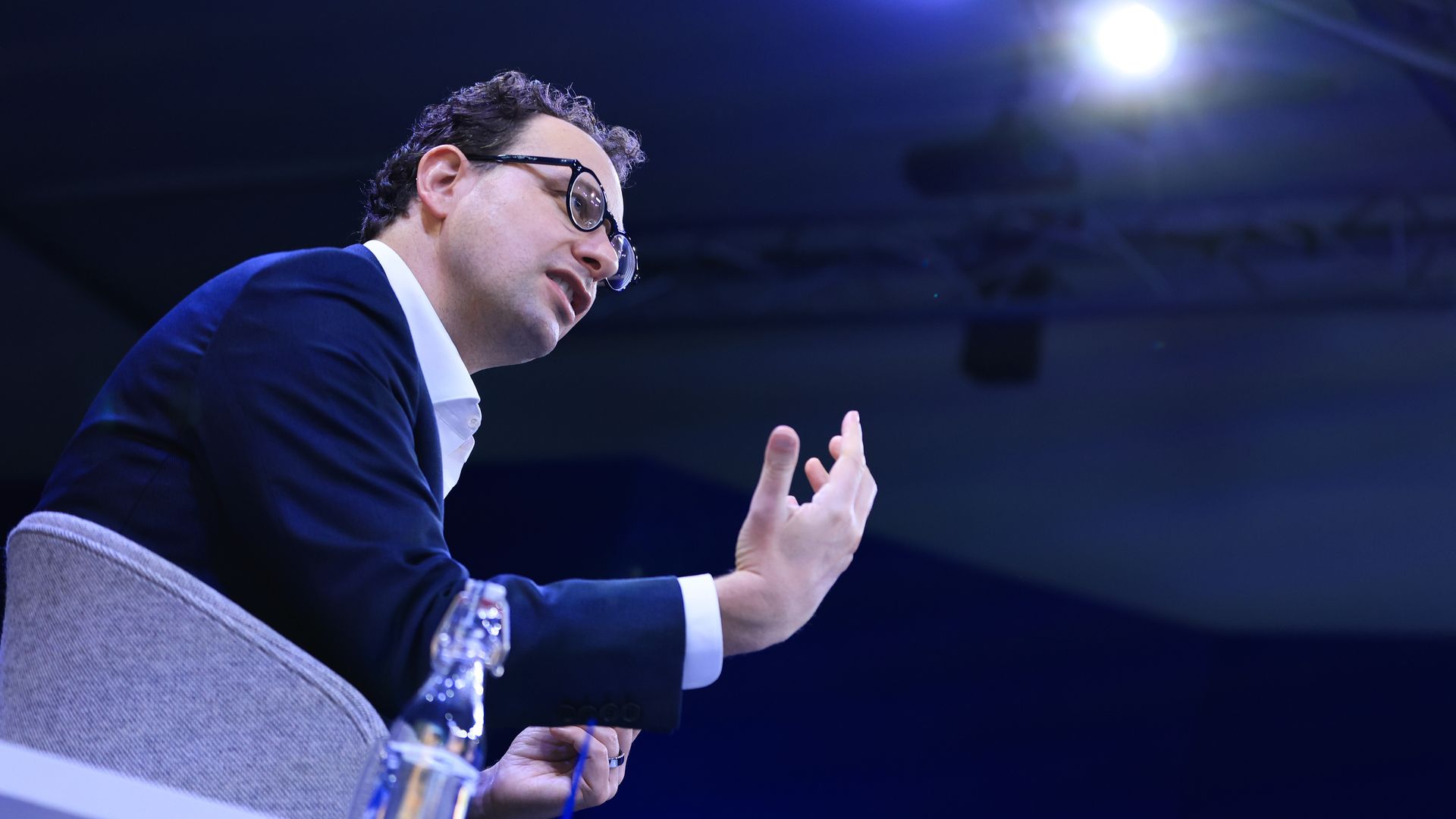
Anthropic CEO Dario Amodei's comments to staff disparaging the Trump administration could blow up chances of a resolution between the AI company and the Pentagon, an administration official tells Axios.
Why it matters: Rival OpenAI — and lawmakers across party lines — are pushing for an agreement, as the Pentagon's threat to designate Anthropic a supply chain risk looms.
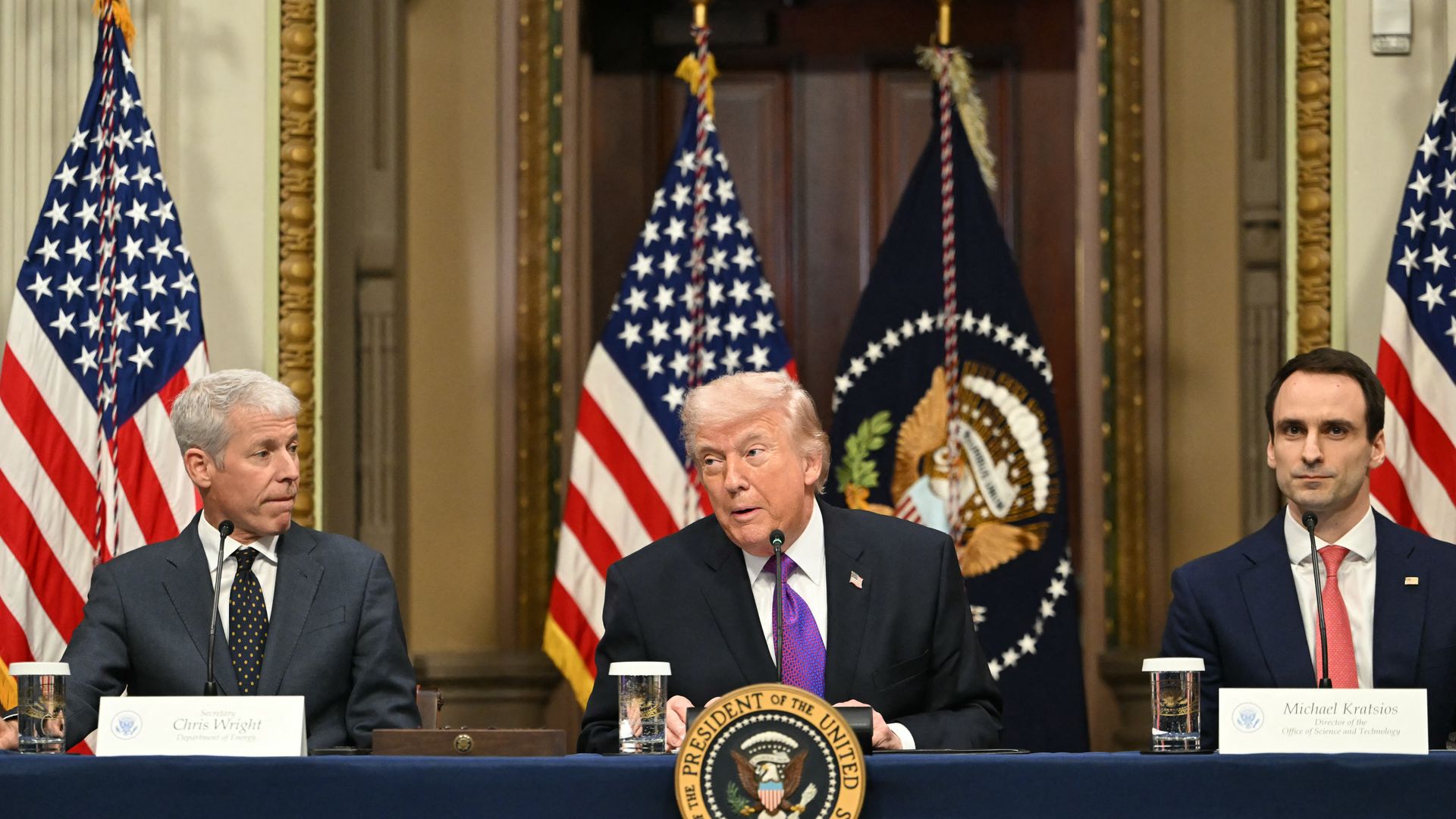
President Trump and tech CEOs expressed confidence Wednesday that they can contain soaring electricity rates with a new data center pledgethat formalizes and expands on what companies already are doing.
Why it matters: With rising power bills turning AI and data centers intoan election-year issue, Trump — who campaigned on a promise to cut costs — is eager to show he's trying to protect consumers.
Apple unveiled its cheapest MacBook ever Wednesday with the MacBook Neo, signaling a shifting laptop market.
The big picture: The memory chip and RAM crisis, ignited by the AI boom, is pushing smartphone and laptop developers to recalibrate their plans for products, with many companies cutting products altogether.
Self-driving car companies could learn a lot by studying the early mistakes of combat drones.
Why it matters: Autonomous vehicles, like military drones, need remote supervisors to support their operations. But managing robots from afar can sometimes be problematic, especially in a crisis.
Two developments this week capture how the world of decentralized finance and cryptocurrency is winning in its efforts to challenge traditional banks.
Driving the news: On Wednesday morning, Kraken Financial, a cryptocurrency-focused bank in Wyoming, announced it has been granted a limited master account from the Federal Reserve.
It's a win for the crypto sector after years of fights, in which banks have sought to keep their unique access to the Fed's payment rails on which trillions of dollars flow.
Separately, in a social media post late Tuesday, President Trump seemingly sided with the stablecoin industry in a lobbying battle with banks over whether stablecoins can offer rewards that resemble interest.
The Genius Act, which established a legal framework for stablecoins, "is being threatened and undermined by the Banks, and that is unacceptable," Trump wrote.
Between the lines: Both developments are signs that the Biden-era deep skepticism of cryptocurrency and its cousins is long gone.
Rather than being walled off from the mainstream financial system, novel decentralized financial products and business models are being embraced, both in the White House and the halls of the Fed.
State of play: Kraken has pushed for access to a Fed master account for years, and another crypto-focused bank, Custodia, sued over the issue.
The Fed has been traditionally reluctant to give companies with unproven business models and unknown risks access to the systems that are the "circulatory system of our $30 trillion economy," as Kansas City Fed president Jeff Schmid put it in a speech this week.
Kraken, a subsidiary of Payward Financial, is being granted a "limited purpose account," the Kansas City Fed said Wednesday morning, for an initial term of one year with "restrictions and limitations tailored for Kraken Financial's business model and risk profile that are appropriate to mitigate risks."
Of note: The banking industry is none too pleased. The Bank Policy Institute said in a statement that it is "deeply concerned" and that the access "was issued with no transparency into the process for approval or the risk mitigants that have been imposed to address the very significant risks it raises."
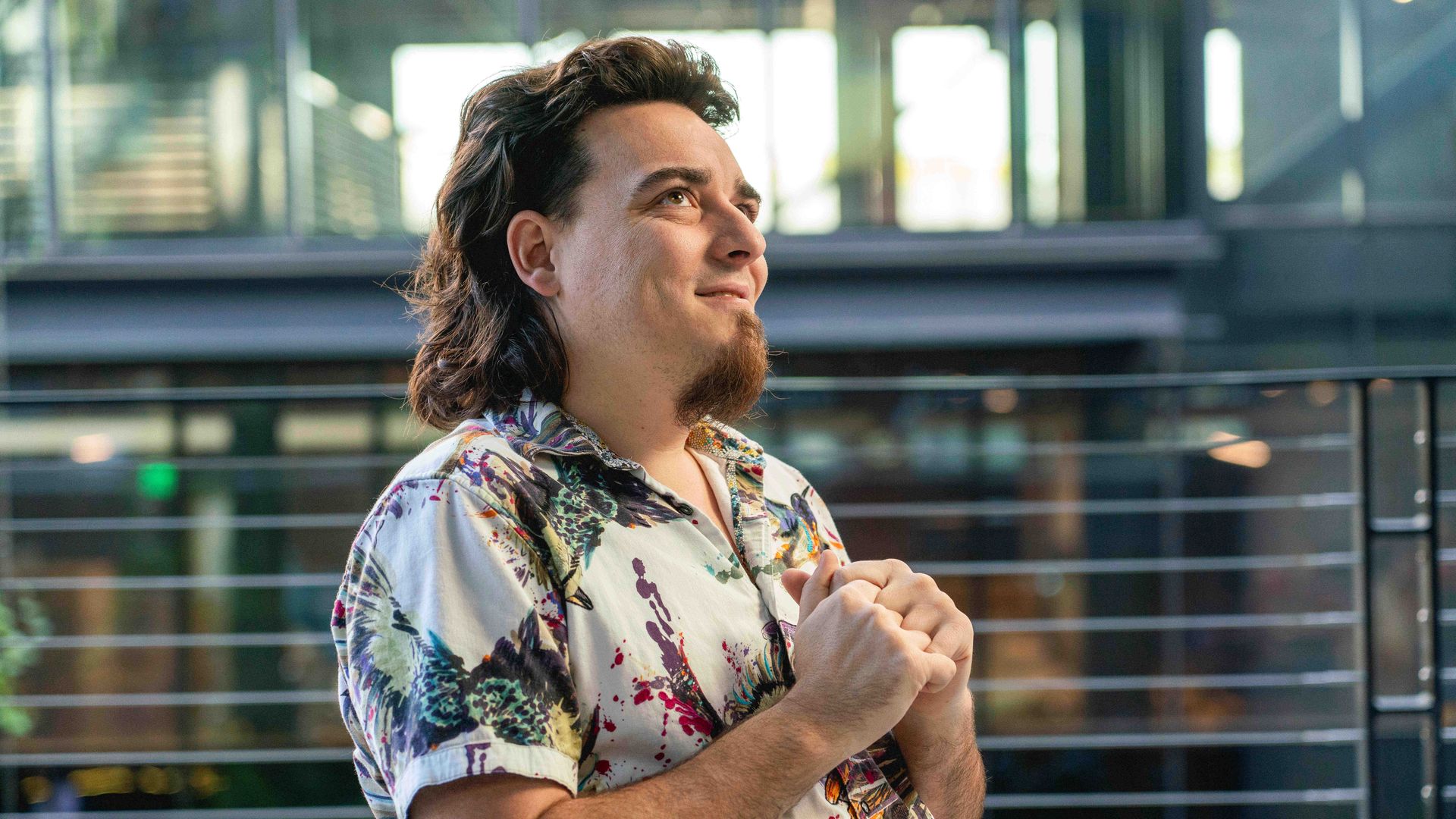
Anduril, the defense tech giant led by Palmer Luckey, is raising around $4 billion at a $60 billion valuation led by a16z and Thrive Capital, Axios has learned from multiple sources.
Why it matters: This comes just days after Luckey criticized Anthropic's asks of the Pentagon, and amidst a new war in which the U.S. military is using autonomous systems.
Researchers have uncovered a network of more than 200 AI slop websites operated by a single group and spun up using basic AI prompts, according to new research shared first with Axios.
Why it matters: The operators left their AI content-generation prompts exposed inside the sites' JavaScript code — giving a rare look into how AI is used to supercharge scams.
The explosion in AI agents means a whole world of new questions every day — like, what happens if your agent goes and gets itself another job?
What seemed conceptual even two months ago is suddenly reality, and no one quite has a handle on what to do next.
Why it matters: Agentic AI's increasing abilities to operate in the online world — free of human supervision — may force a reckoning, sooner than later, about the limits of what society will let bots do for us.
Precision Strategies, co-founded by Democratic strategists Stephanie Cutter and Teddy Goff, is creating a bipartisan public-affairs powerhouse by acquiring Firehouse Strategies, co-founded by Alex Conant and other Republicans.
Why it matters: The deal is a big Beltway success story. Precision was founded in 2013 by leaders of President Obama's 2008 and 2012 campaigns. Firehouse (so named because the founders hoped to put out lots of fires) was built by leaders of Marco Rubio's 2016 presidential run.
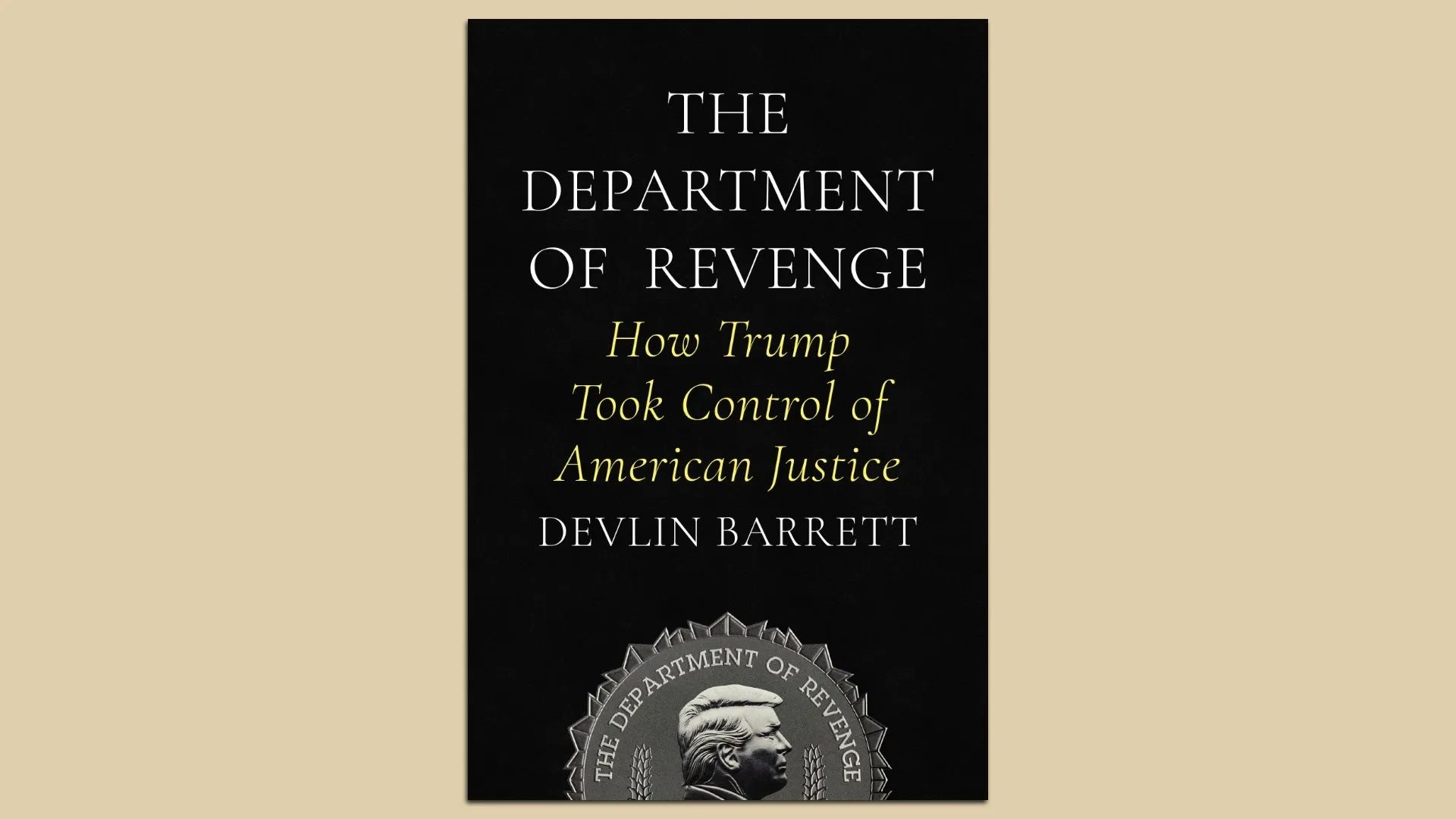
Devlin Barrett — who covers the Justice Department and FBI for the N.Y. Times, and is a three-time Pulitzer winner — will be out July 14 with "The Department of Revenge: How Trump Took Control of American Justice."
Why it matters: Trump has turned the DOJ into one of his most aggressive weapons in his second term — and Barrett delivers the first detailed account of how it happened.
America's natural gas bounty is acting like a moat, largelyshielding the U.S. from price spikes while much of the world reels from escalating unrest in the Middle East.
Why it matters: Natural gas hasn't, historically, drawn the same headlines as the more volatile oil markets. But it's increasingly central to the economy — including powering the AI boom.
U.S. and Ecuadorian forces announced drug-trafficking military crackdown operations in Ecuador on Tuesday.
The big picture: U.S. Southern Command in a Tuesday night statement said the operations targeted "Designated Terrorist Organizations" and hailed the cooperation as "a powerful example of the commitment of partners in Latin America and the Caribbean to combat the scourge of narco-terrorism."