Apple unveils cheapest MacBook. Why laptop prices are in for a wild ride

Add Axios as your preferred source to
see more of our stories on Google.
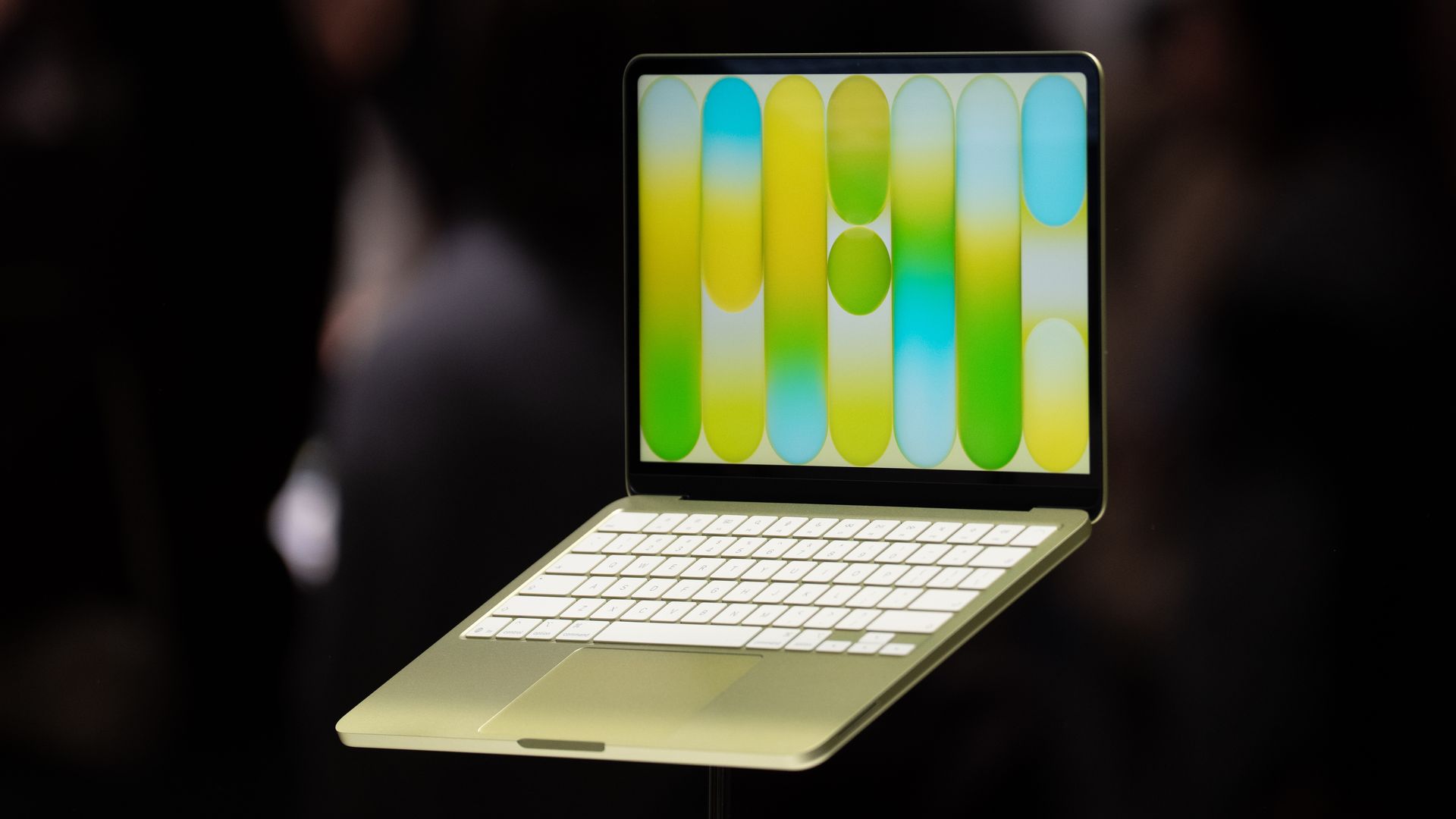
Apple's new $599 MacBook Neo laptop is displayed during an event in New York on March 4, 2026. Photo: Adam Gray/Bloomberg via Getty Images
Apple unveiled its cheapest MacBook ever Wednesday with the MacBook Neo, signaling a shifting laptop market.
The big picture: The memory chip and RAM crisis, ignited by the AI boom, is pushing smartphone and laptop developers to recalibrate their plans for products, with many companies cutting products altogether.
- Apple, experts say, is taking a different approach by lowering the cost of entry into its ecosystem to roughly $2,000 now, filling the vacuum created by the shortage.
Driving the news: The new MacBook Neo debuted Wednesday, featuring a 13-inch screen and sporting four fresh colors — silver, blush, citrus, and indigo.
- The device — which has 8GB of Ram, same as previous iPhones — costs $599 ($499 for educators), becoming what Apple says is the company's "most affordable laptop ever." Preorders began on Wednesday.
- It's powered by the A18 Pro chip, which was last used for the iPhone 16 Pro devices that debuted in September 2024.
Experts see Apple's announcements — and the Neo in particular — as a sign of how the company plans to battle the memory chip and RAM crisis escalated by the AI boom.
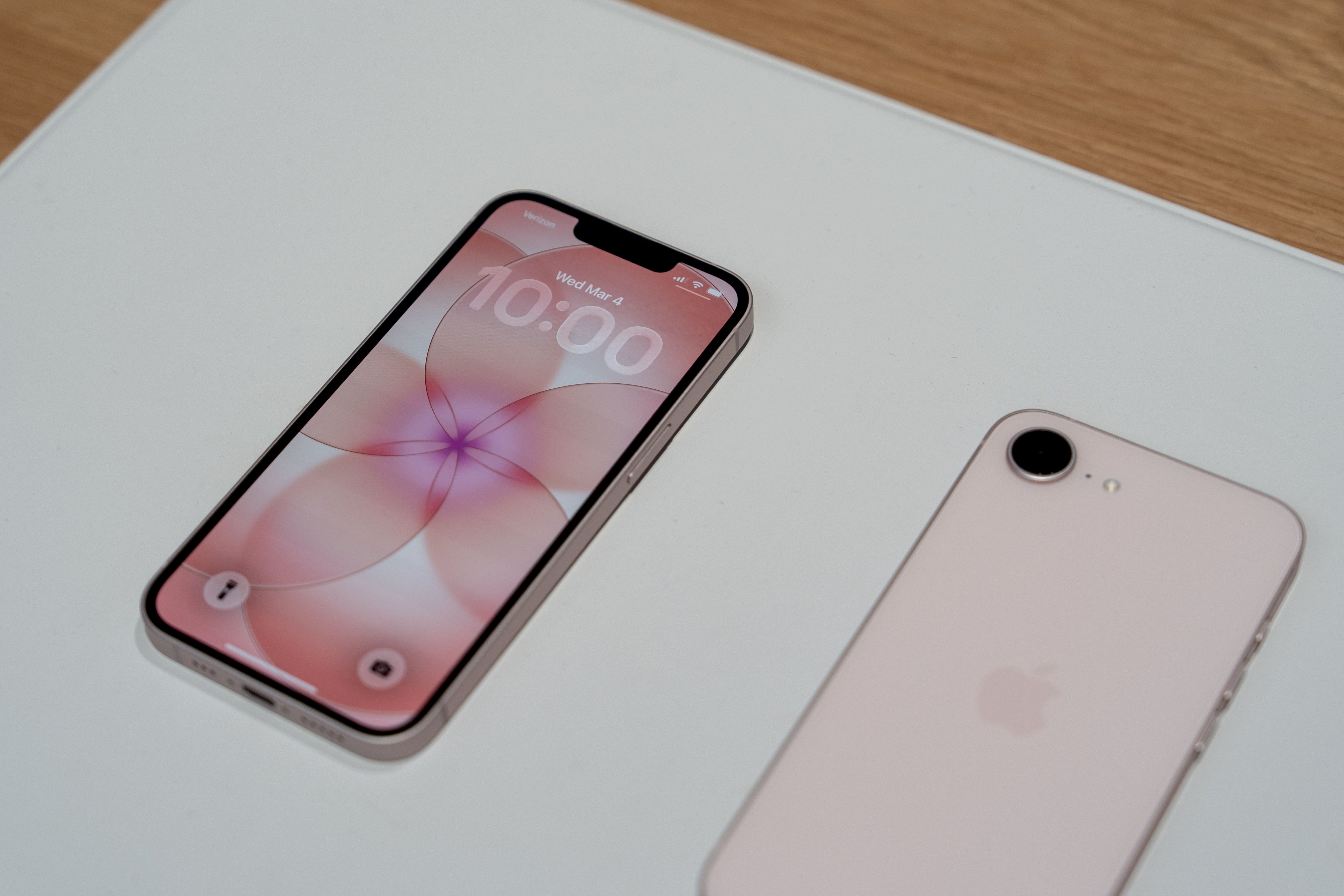
Apple battles the RAM crisis
What they're saying: Apple's budget move aims to reach more people (and keep long-term fans) without cutting back on products because of the RAM and memory shortages, experts said.
- Aakash Gupta, a technology expert who hosts "The Growth Podcast," wrote on X: "Every other laptop maker is raising prices or cutting specs. Apple is absorbing the hit on storage and display upgrades specifically because it needs the product lineup to make sense for the Neo launch."
- Jonathan Brusco, a leader in educational tech, writes: "Apple now has very affordable products. MacBook Neo was the last piece of the puzzle. Now you have no excuse to leave."
Signs of limited RAM and memory affecting Apple have been looming for months.
- In December, a TrendForce research report suggested that the next iPhone after the iPhone 17 Pro Max (which has 12GB of RAM) would have 12GB too, rather than increasing to 16GB as new models typically do, because of the memory shortages.
- The iPhone 17e announced this week has 8GB of RAM.
The intrigue: AI's impact on RAM and memory, experts say, may give Samsung and Apple a chance to grow their markets as smaller vendors are pushed out.
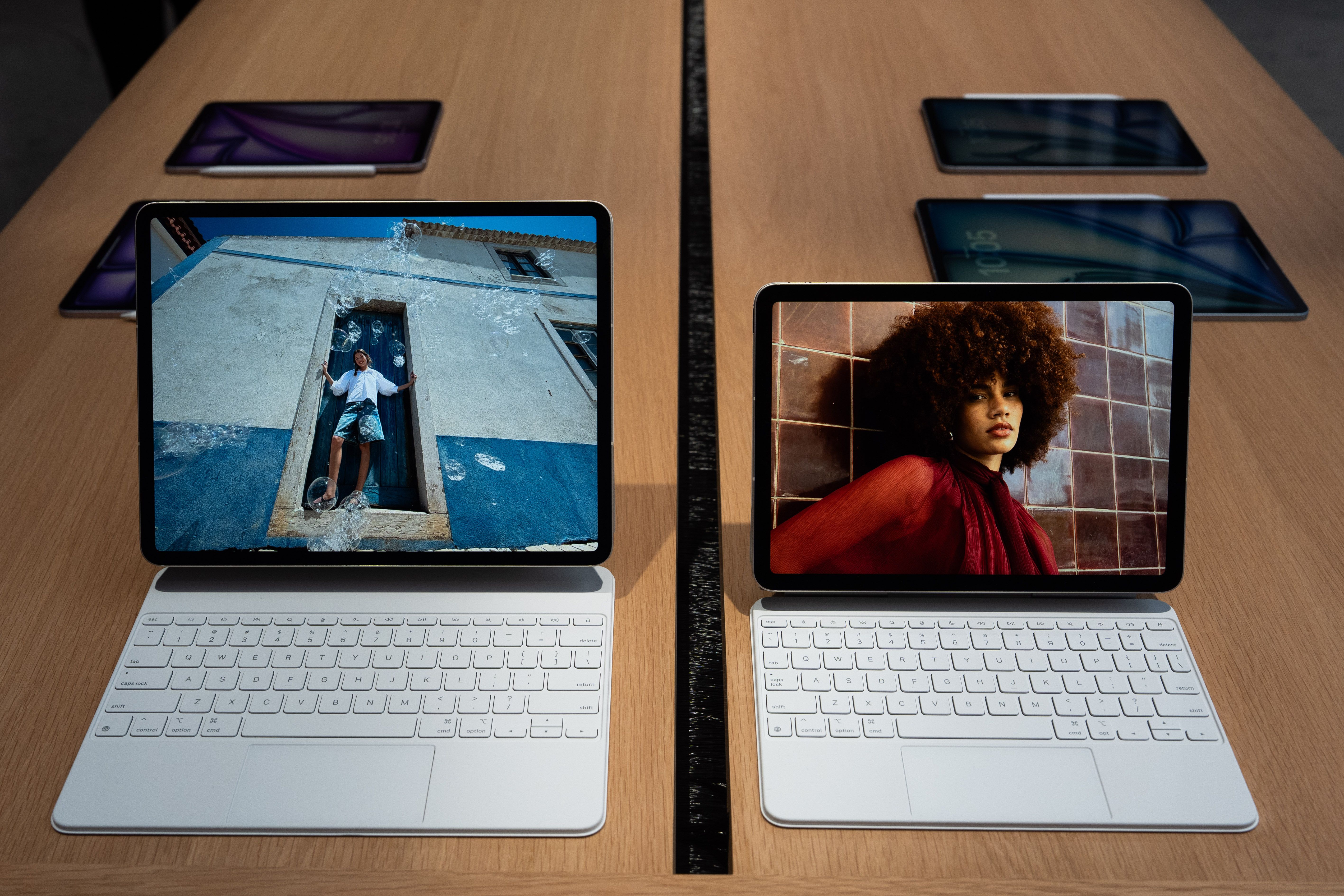
How AI boom changes the laptop market
Zoom out: AI power players like Nvidia, Microsoft and Google are absorbing memory supply at record pace — and are likely to do so as AI's need for power only increases.
- This has effectively made RAM and memory chips pricier and less available, which could make PCs, gaming consoles and televisions more expensive and rarer, too.
Case in point: A February report from Counterpoint Research suggested that prices for DRAM — a crucial memory piece for laptops and desktops — jumped 80% to 90% in the first six weeks of 2026.
- Dell is expected to raise computer prices by 15% to 20%, according to multiple reports.
- The memory crisis is also expected to create the largest decline in phone shipments in history, too, according to IDC data.
Reality check: Americans aren't immune to rising costs due to shortages. Just look at how a global chip shortage upended the auto market in 2021.
- But the type of laptop or desk you see in store might skew more toward the major players rather than the smaller vendors, who can't keep up with the shortage crisis.
The bottom line: AI is eating the world's memory. Apple cooked up a plan to feed the market.
