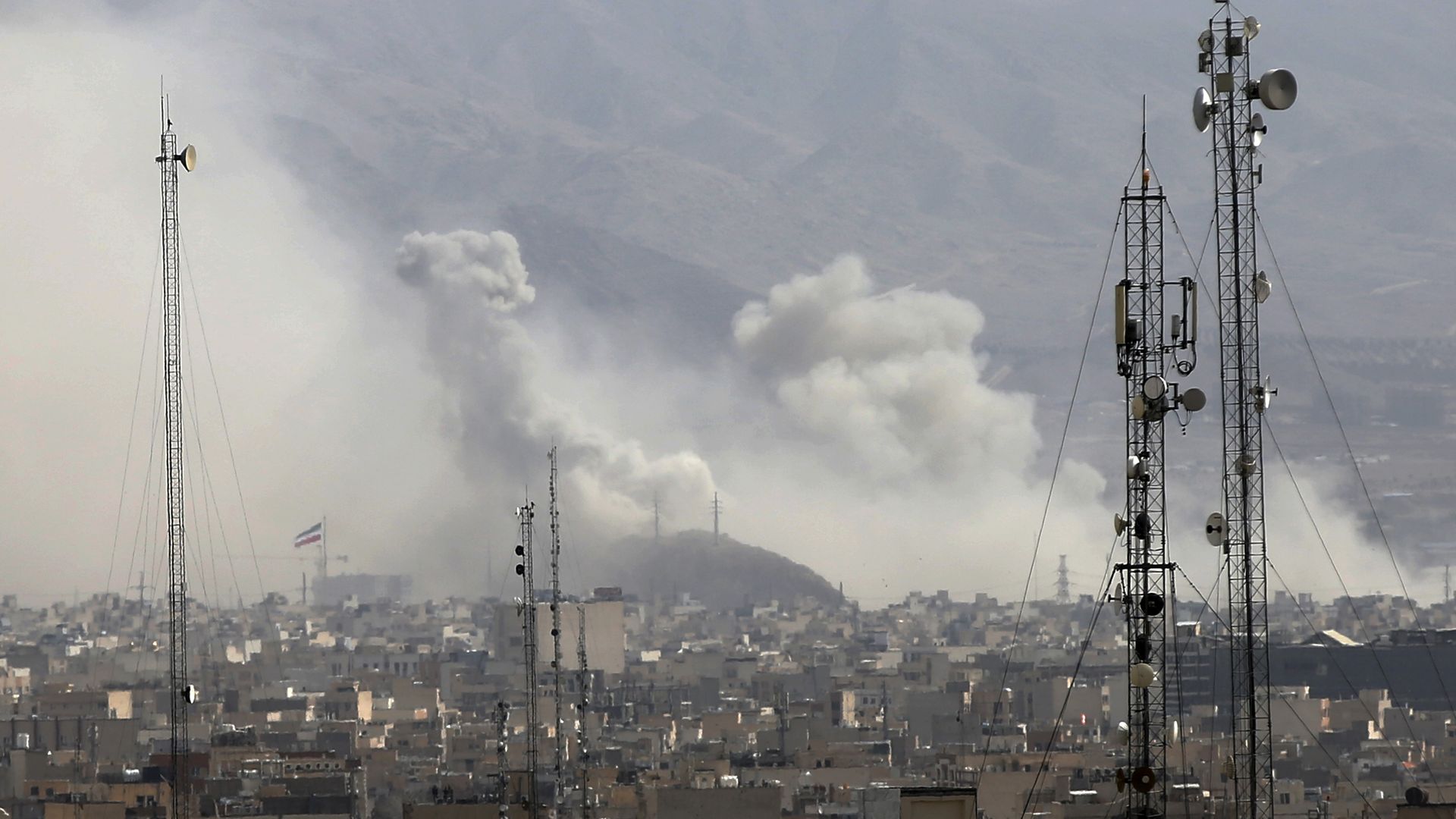
The fallout from U.S. and Israeli strikes on Iran has disrupted air travel and prompted the State Department to issue a worldwide caution for Americans in addition to warnings against visiting several countries in the Middle East.
The big picture: Thousands of flights have been canceled, major airports in the region have shut, and the State Department on Monday urged Americans to "DEPART NOW" from 14 countries and two Palestinian territories via commercial transportation "due to serious safety risks," per a post to X by Mora Namdar, assistant secretary of state for consular affairs.
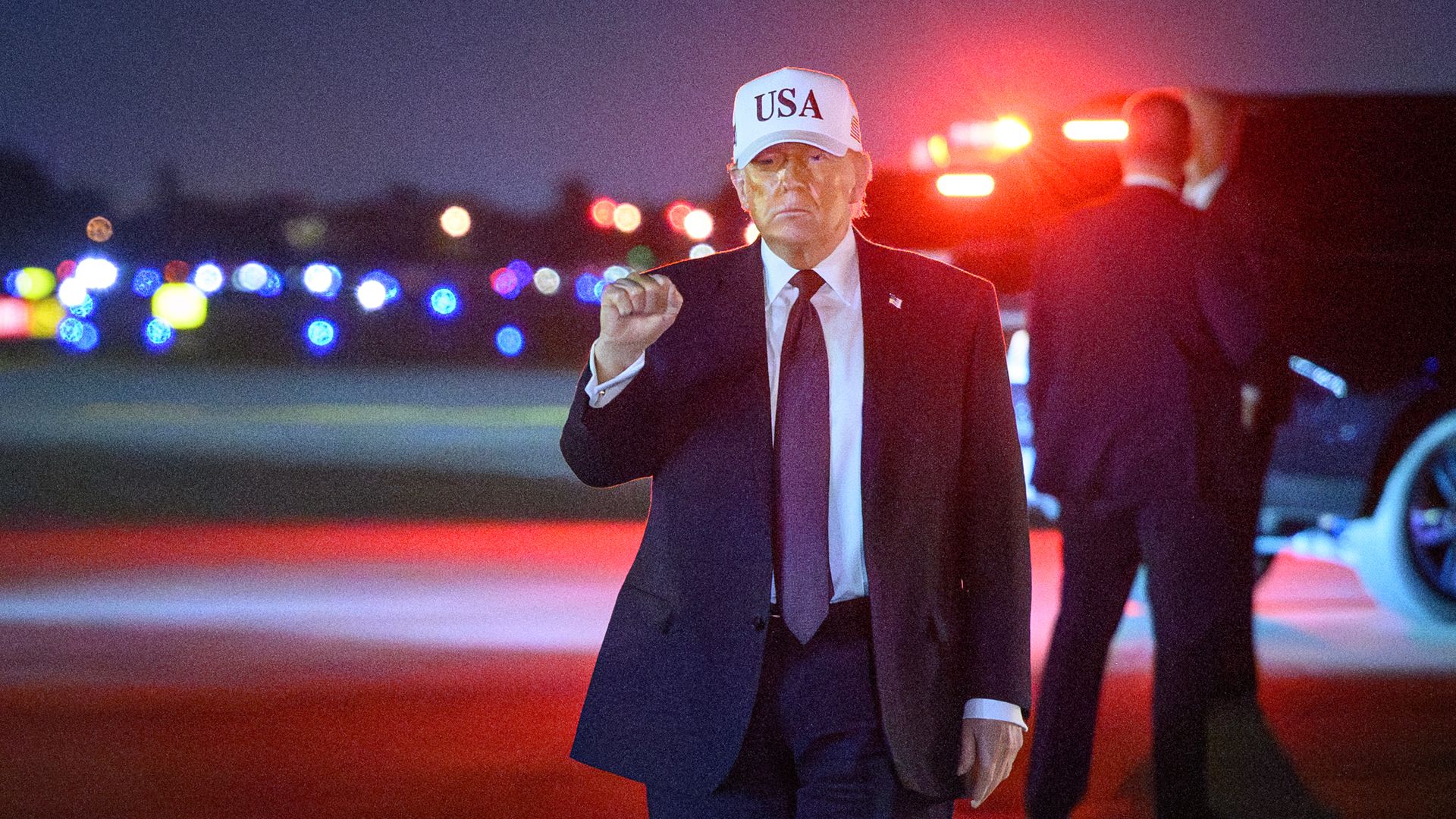
President Trump has made a scattershot case for Israel and America's joint attacks on Iran through a series of one-on-one interviews with various media outlets.
The big picture: The mission's timelines and goals vary depending on when and to whom Trump is speaking as the administration tries to assure the American public the operation will not be another prolonged war in the Middle East.
Paramount Skydance on Monday said it plans to combine its Paramount+ streaming service with Warner Bros. Discovery's HBO Max after the two companies complete their merger.
Why it matters: With over 210 million subscribers, the combined streamer would have better scale to rival Netflix, which has 325 million global paid subscribers.
Corporations are starting to find their backbone: from AI labs resisting military ultimatums to retailers successfully suing the president.
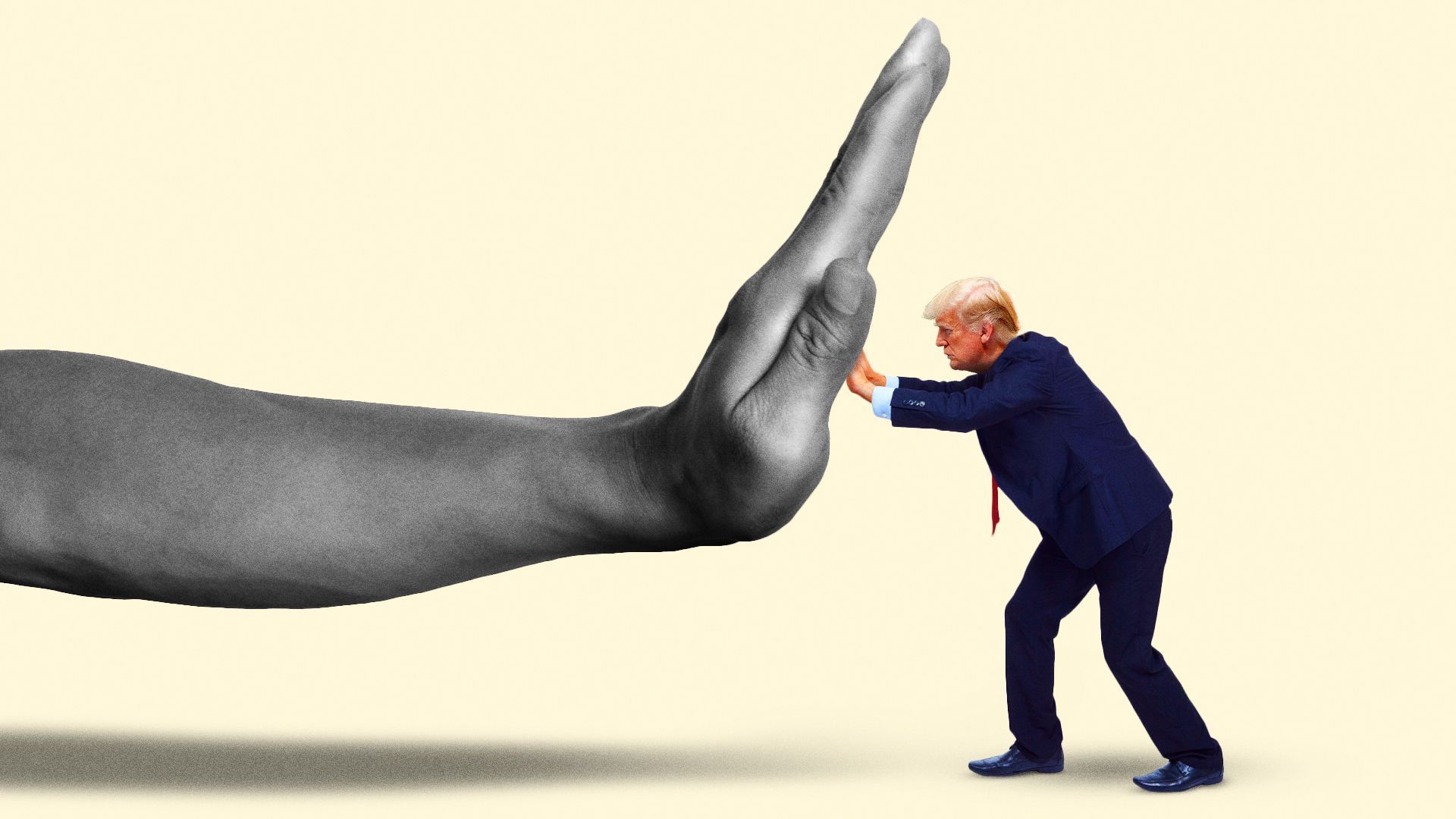
Why it matters: The prevailing corporate strategy has been one of high-profile compliance, particularly with the Trump administration. Now, corporates are pushing back, because the cost of that compliance is existential.
Kalshi, one of the world's largest prediction market companies, struck a deal with the Associated Press to license its elections data starting with the 2026 midterms.
Why it matters: As the popularity of betting booms in the U.S., prediction markets are trying to distinguish themselves with partnerships that boost the credibility of information presented on their platforms.
Anthropic and OpenAI's war over talent, financing, contracts and positive public perception hit a crescendo last month.
It started with Anthropic's Super Bowl ad — which took aim at OpenAI for integrating ads into its chatbots — and continues as the two attempt to distinguish red lines within government contracts.
Why it matters: Both AI labs must make major inroads if they hope to win over the public.
Starbucks is ushering in spring with a seasonal menu refresh built around customization, coconut and eye-catching shades of purple.
Why it matters: The March 3 launch leans into two powerful consumer trends — personalization and social-ready drinks — while modernizing one of Starbucks' longest-running menu staples: chai.
A Saudi oil refinery — one of the world's largest — suffered "limited" damage overnight from an Iranian attack, per the kingdom's press agency and multiple news reports.
Why it matters: "The attack on Saudi Arabia's Ras Tanura refinery marks a significant escalation, with Gulf energy infrastructure now squarely in Iran's sights," Torbjorn Soltvedt, a top analyst with risk intelligence firm Verisk Maplecroft, said in a note.
Jewish people have been eating hamantaschen on Purim for centuries — but now the desserts are getting a modern remix.
Instead of pastries filled with just poppy seed or prune, options now include everything from matcha to Funfetti.
Why it matters: The triangle-shaped pastry has become a creative showcase and a business opportunity, especially as younger customers embrace Purim's playful, costume-filled spirit.
Crude oil prices soared to their highest level in slightly over a yearin early trading in Asian markets Sunday night.
Why it matters: The surge from the Asia markets' opening is an early concrete sign that prices at the pump could go up because of supply disruptions from the strikes against Iran.
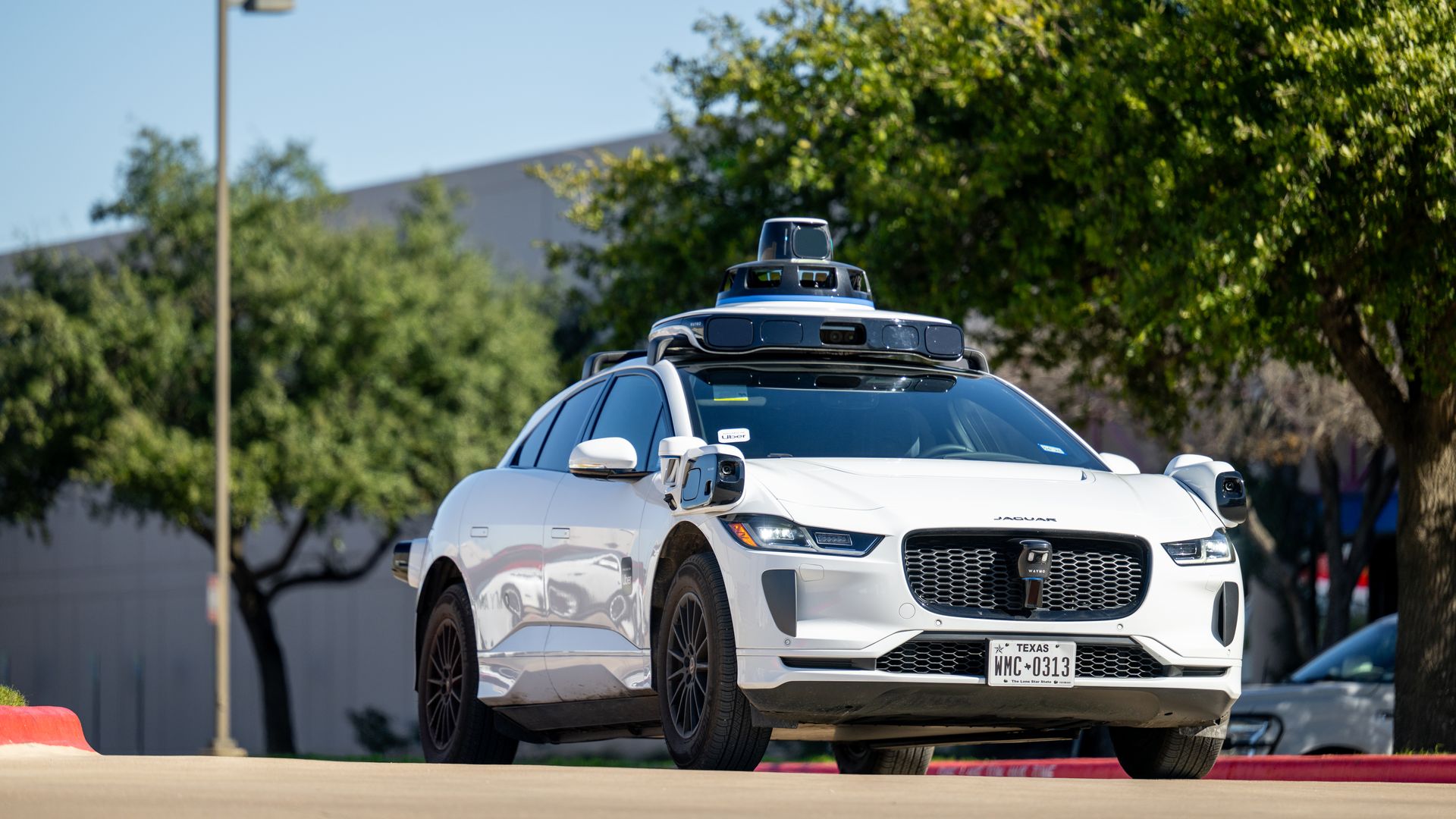
A Waymo robotaxi picking up a passenger near Sunday morning's mass shooting in Austin blocked an ambulance from reaching the scene, according to a bystander video. Waymo and EMS officials confirmed the video shows the company's vehicle blocking the ambulance.
Why it matters: The incident raises fresh questions about how autonomous vehicles operate near chaotic emergency scenes — and whether the technology is fully prepared for unpredictable, high-stakes situations.