Power outage shows the robotaxi risk in emergencies

Add Axios as your preferred source to
see more of our stories on Google.
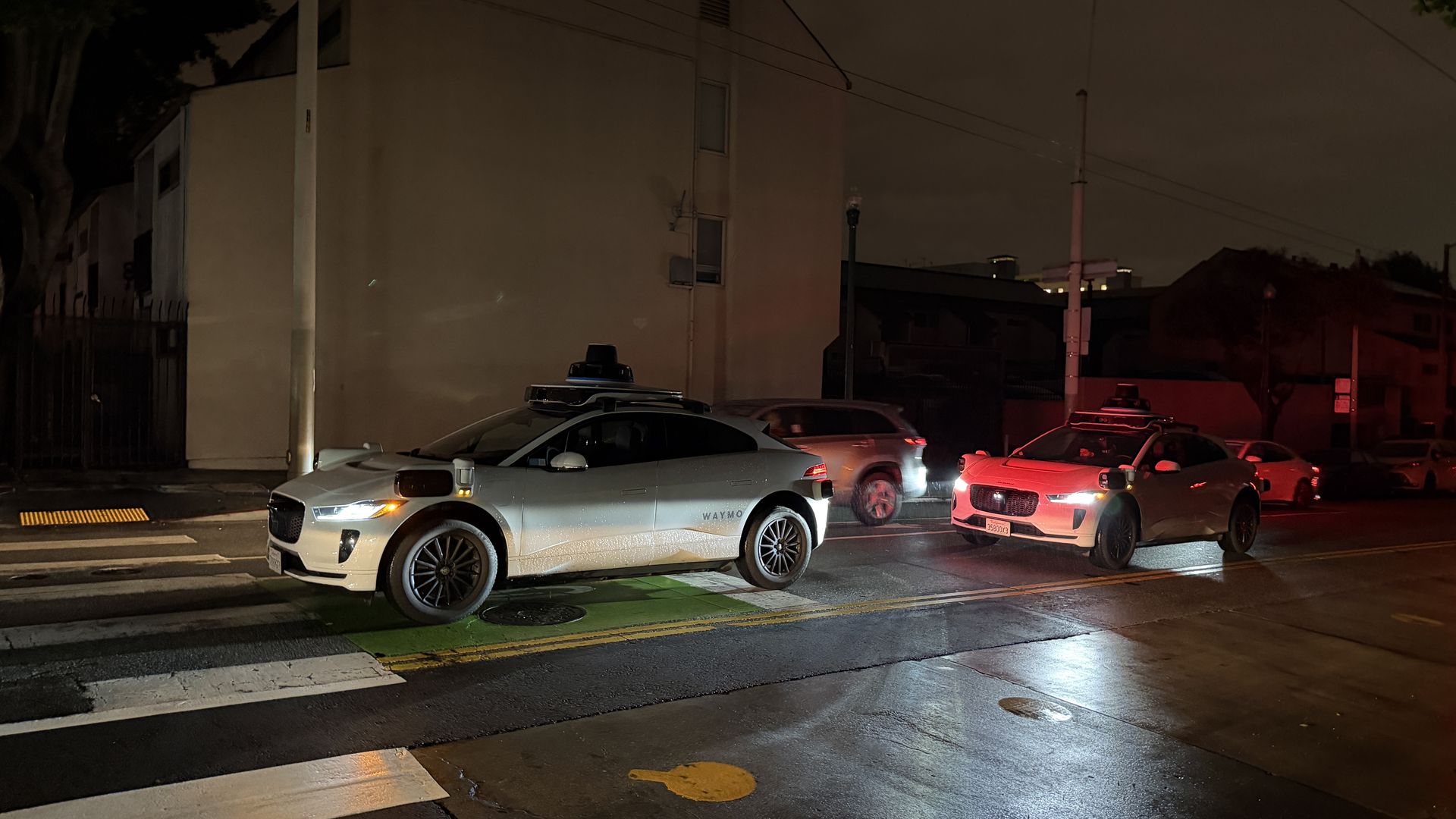
A stalled white Waymo robotaxi blocking traffic during a power outage on Dec. 20, 2025 in San Francisco. Photo: Tayfun Coskun/Anadolu via Getty Images
Waymo is facing mounting questions about why its robotaxis stopped operating and blocked traffic during a chaotic weekend power outage in San Francisco that knocked out traffic signals and cellular networks.
Why it matters: Malfunctioning traffic lights should be a routine problem for self-driving cars, but the incident exposed the potential safety risks when robotaxis lose contact with their remote human overlords.
- In a natural disaster, like an earthquake, flood or fire, hundreds of frozen robotaxis could block emergency responders, putting lives at risk.
Catch up quick: Waymo, which operates about 1,000 robotaxis in San Francisco, suspended service on Saturday evening after many of its vehicles inexplicably stopped at intersections during the power outage, adding to the chaos.
- Tow truck operators said they were towing Waymos for hours before service resumed Sunday afternoon.
- Before then, however, social media was flooded with videos of Waymos at blocked intersections with their hazard lights blinking.
The latest: "We got word of Waymos blocking some emergency vehicles. I made a call to the Waymo CEO and asked them to get the cars off the road immediately. They complied," San Francisco Mayor Daniel Lurie said Monday.
- "What we need from them is them to be in better touch with us and having a direct line of communication with us during events like that. ... they need to do better," he added.
- "We got a good response from them after we informed them of the problems, but we need them to be more proactive."
For the record: The Bay Area Rapid Transit system and the city's Muni light-rail system also had to curtail service during the blackout.
How it works: Waymo vehicles drive autonomously, but in a challenging situation, when they are unsure how to proceed, cars will automatically ping a remote operations team for advice.
- The remote operator does not take control of the vehicle, but can send a signal to the robotaxi about the safest action.
- Armed with that advice, the Waymo Driver typically proceeds.
During the blackout, however, they just stopped in their tracks.
Zoom in: Waymo designs its robotaxis to treat non-functional signals as four-way stops, like any human driver should.
- But the company acknowledged that the scale of the outage led to instances where vehicles remained stationary longer than usual, contributing to the gridlock.
Waymo did not explain why they remained stuck for so long, however.
- "While the failure of the utility infrastructure was significant, we are committed to ensuring our technology adjusts to traffic flow during such events," a Waymo spokeperson said in a statement.
- "Throughout the outage, we closely coordinated with San Francisco city officials.
- "We are focused on rapidly integrating the lessons learned from this event, and are committed to earning and maintaining the trust of the communities we serve every day," the spokesperson said, declining to answer further questions.
What they're saying: Self-driving tech experts said they suspect a loss of cellular service during the blackout interrupted communications with remote operations centers.
- "Remote facilitation may be more critical to safe operation than we know," Matthew Wansley, a professor at the Cardozo School of Law who specializes in emerging automotive technologies, told the New York Times.
- "This is a preview of what will happen when there's an earthquake and it's not good. That's my concern," said AV safety expert and author Philip Koopman, an emeritus professor at Carnegie Mellon University.
- "This should have been so, so obvious," added Missy Cummings, a former senior safety advisor at the National Highway Traffic Safety Administration and now head of the autonomy and robotics center at George Mason University.
- "This is not an edge case," she said. "California loses power all the time."
Waymo's lack of transparency about why its vehicles behaved the way they did does not help build public trust in self-driving technology, said AV policy expert Grayson Brulte, founder and CEO of The Road to Autonomy, a strategic advisory firm.
- Koopman said Waymo should hold mock disaster drills at its testing facilities and invite city officials to participate.
The bottom line: Waymo, as the leader in the emerging robotaxi industry, is under a harsh spotlight as it seeks to build public trust.
Editor's note: This article has been updated with comment from San Francisco Mayor Daniel Lurie.
