Thursday's world stories

Inside Bibi's mystery Trump meeting
White House officials were surprised in recent days to read in the Israeli press that President Trump would host Prime Minister Benjamin Netanyahu on Monday.
- In fact, no meeting has been scheduled.
Why it matters: Netanyahu has visited the Oval Office six times since Trump returned to office a year and a half ago — more than any other world leader. Each of those meetings was scheduled within a matter of hours or days. This time, Netanyahu has been trying to get an appointment for more than two weeks.

Scoop: Russia sanctions bill hits 60 co-sponsors
A bipartisan push to pass the late Sen. Lindsey Graham's (R-S.C.) revised Russia sanctions package has more than 60 co-sponsors — enough to clear a Senate filibuster.
Why it matters: The legislation, which would impose 100% secondary tariffs on countries that continue buying Russian oil and gas, now appears to have the votes it needs to pass the Senate. The biggest remaining hurdle is getting floor time.

Trump's deportation push is rewiring U.S. policing, ACLU report says

President Trump's deportation campaign has expanded far beyond ICE, turning federal agents, state troopers, local police and even wildlife officers into a massive 50,000-person internal enforcement force, a new ACLU report says.
Why it matters: The aggressive expansion is blurring the lines between local public safety and federal immigration enforcement, fundamentally changing U.S. law enforcement — and raising civil rights concerns, the report says.

Fetterman threatens to abandon Democrats

Sen. John Fetterman (D-Pa.) said he'd leave the Democratic Party if it becomes the "anti-Israel party," though he signaled he had no plans to imminently depart the caucus.
Why it matters: Republicans currently hold a narrow Senate majority, but with midterm elections looming, Fetterman's comments could be a blow to Democrats should they flip four seats in November and regain control.

Trump imposes 25% tariffs on Brazilian goods
The Trump administration said Wednesday it will impose an additional 25% tariff on many Brazilian goods, escalating a trade fight it says is rooted in Brazil's treatment of U.S. companies.
Why it matters: The new policy includes exemptions for key consumer staples like coffee and beef, suggesting the White House is trying to minimize the inflationary impact on American shoppers even as it steps up pressure on Brazil over disputes involving U.S. tech firms, ethanol and more.

China surpasses U.S. in global favorability, poll finds
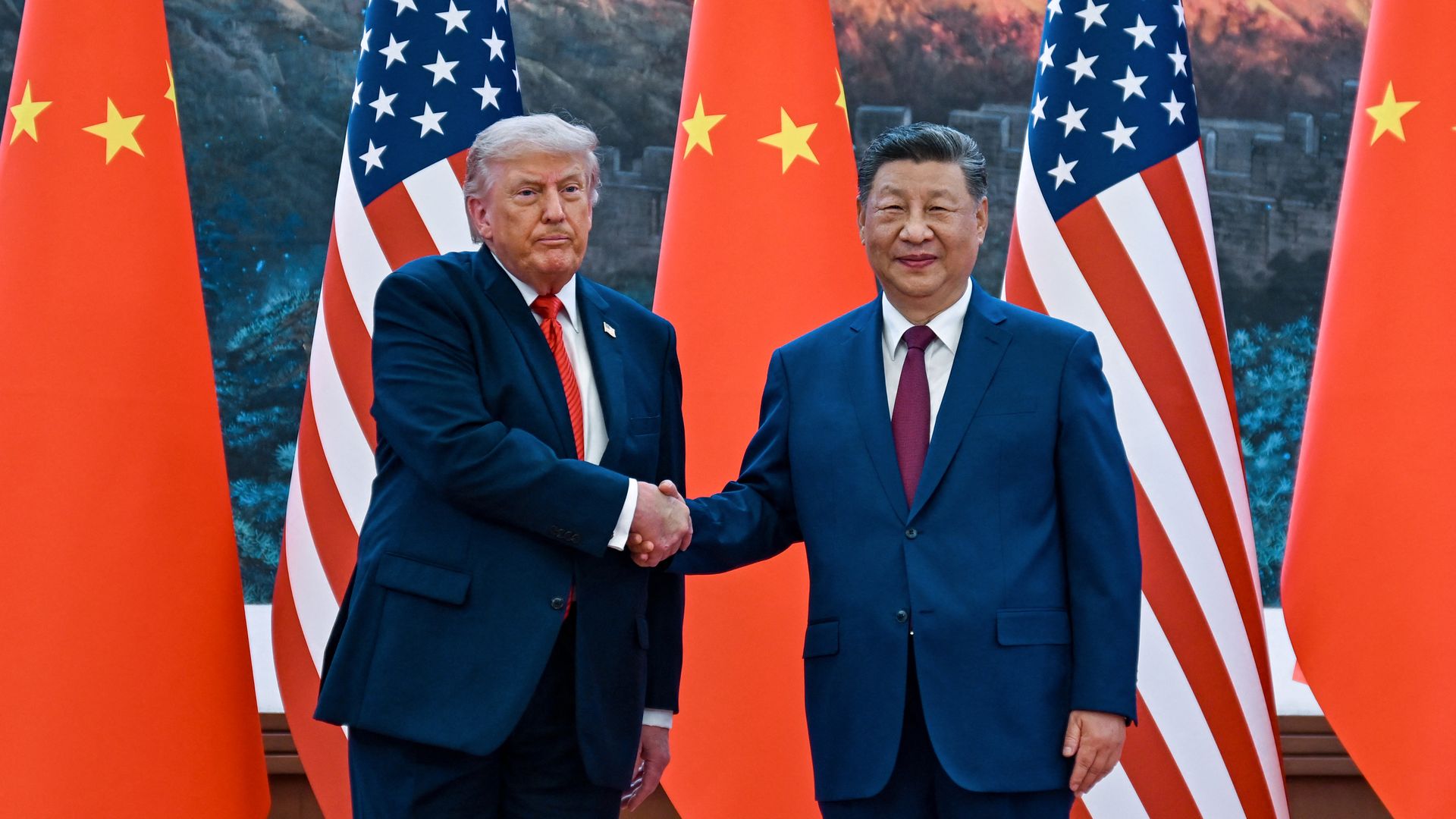
China is now viewed more favorably than the U.S. in most of the 36 countries surveyed by the Pew Research Center, according to a new report spanning six continents.
Why it matters: The findings suggest the global standing of the U.S. has slipped as President Trump advances his "America First" agenda, while China's international image has improved.
Iran releases American detainee, Trump says
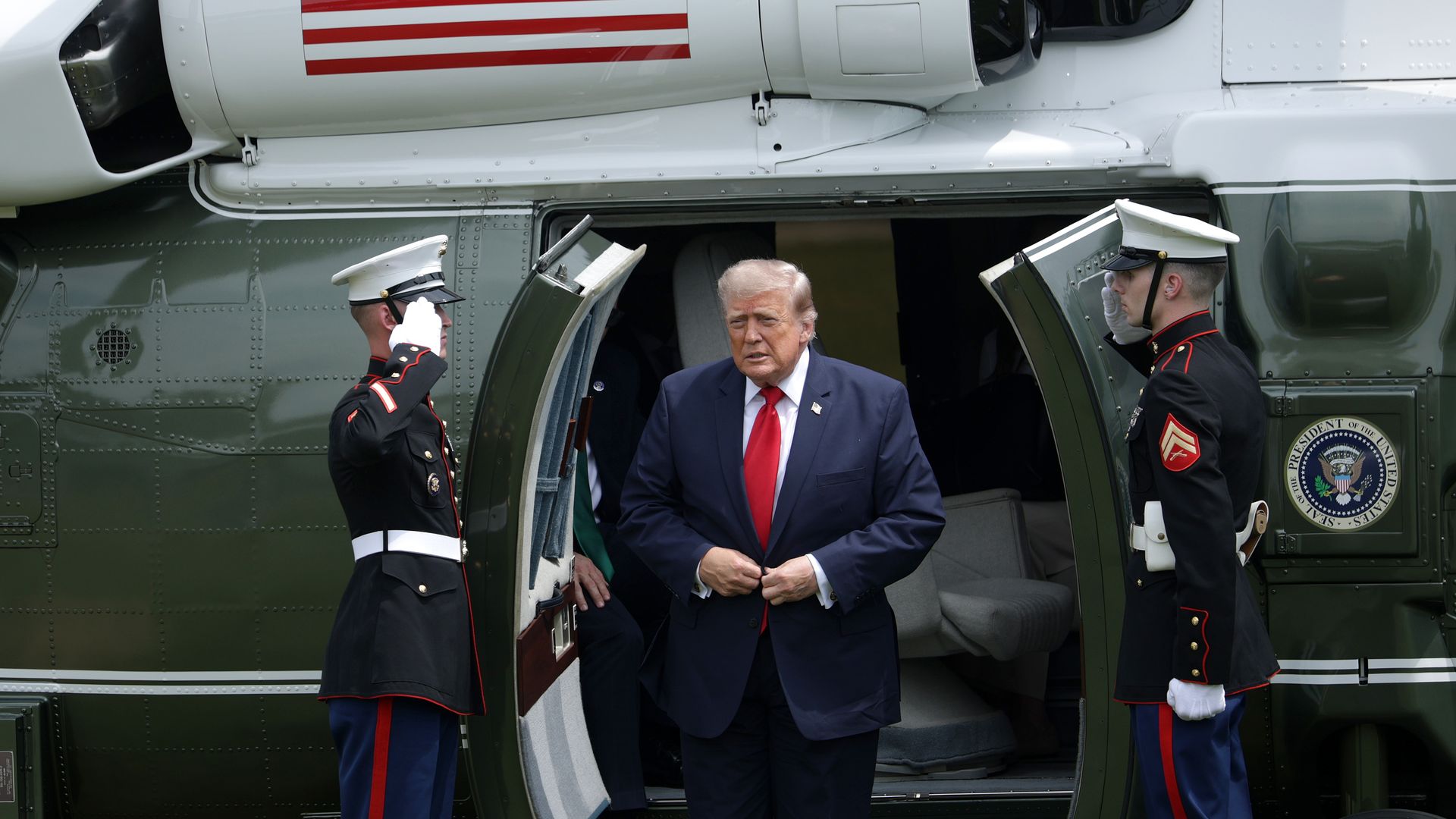
President Trump said Wednesday that Iran released an American woman who had been wrongfully detained since December 2024.
Why it matters: The release comes as Trump weighs expanding U.S. military strikes on Iran. Tehran has taken similar steps in the past as a way to de-escalate tensions with the U.S.
He honored Khamenei. Then he broke bread with Trump.
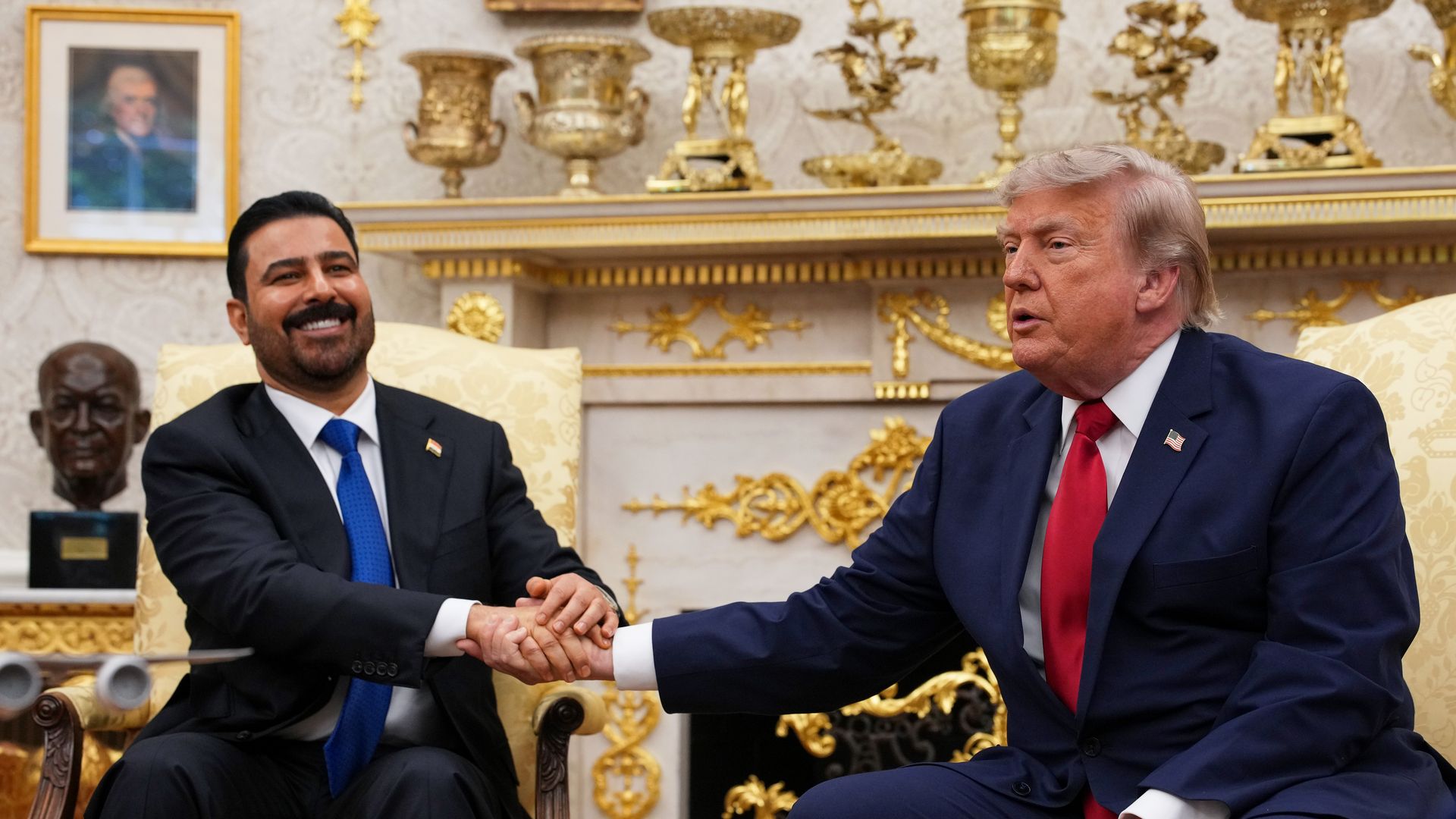
Last week, Iraqi Prime Minister Ali al-Zaidi attended the funeral procession of Iran's supreme leader. This week, he shook hands in the Oval Office with the man who had him killed.
Why it matters: Like every Iraqi prime minister in the last two decades, Zaidi has to conduct a delicate balancing act between strategic relations with Washington and Tehran. When both sides are shooting at each other, it's much harder.

Blanche sidesteps questions on federal agents at polls
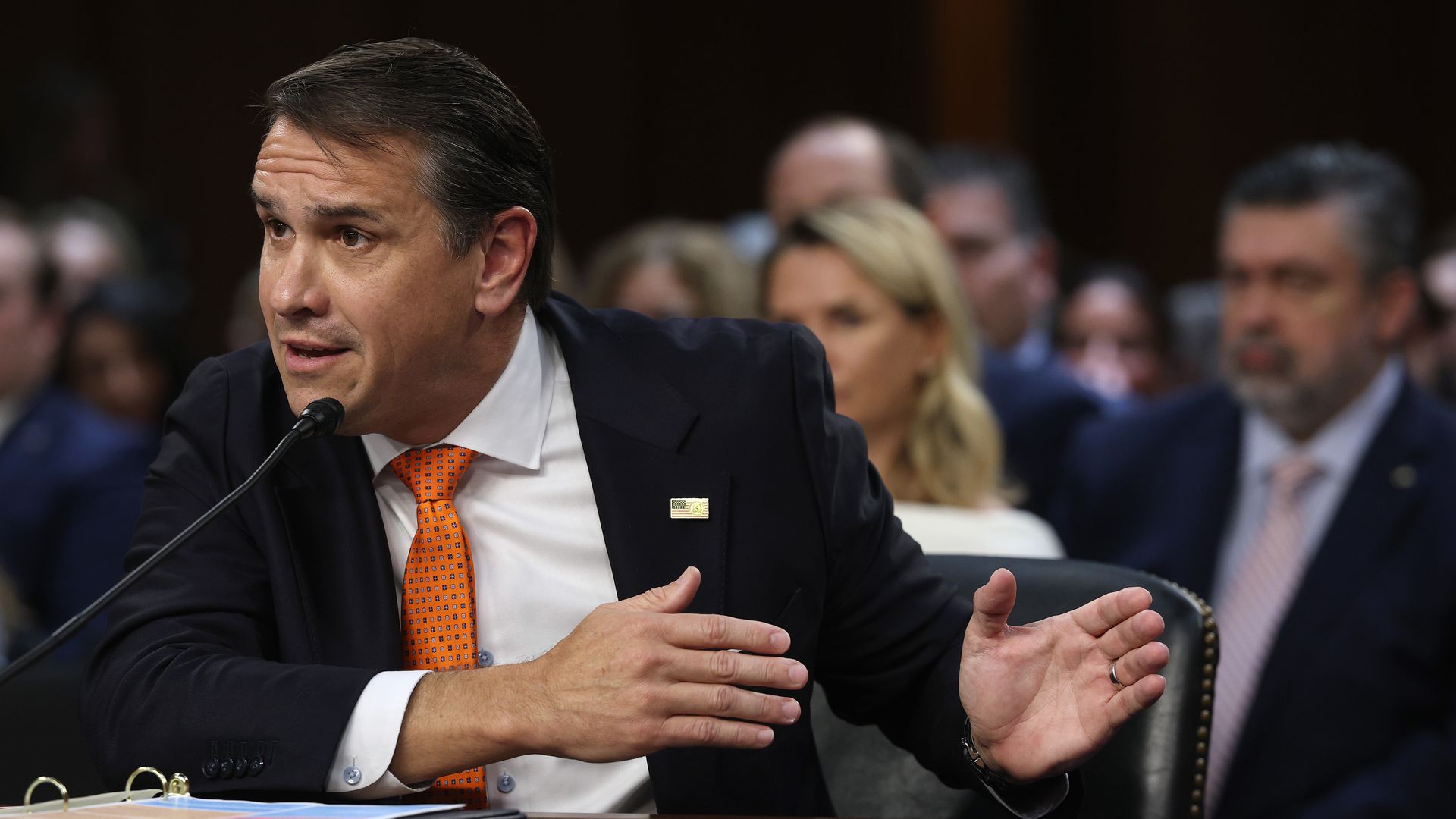
Acting Attorney General Todd Blanche declined Wednesday to explicitly rule out deploying federal agents to polling places, saying only that he would "follow the law."
Why it matters: Lawsuits challenging the Trump administration's use of federal agents near polling places are setting up a legal fight over whether those deployments violate federal protections against voter intimidation.

Measure to cut Israel aid fails in bipartisan House vote

A measure to prevent any State Department funding from going to Israel failed by a decisive margin in a House vote on Wednesday.
Why it matters: The vote exposed deep divisions among House Democrats, with even the party's top two leaders taking divergent positions.
Top House Democrats face rare divide over Israel vote
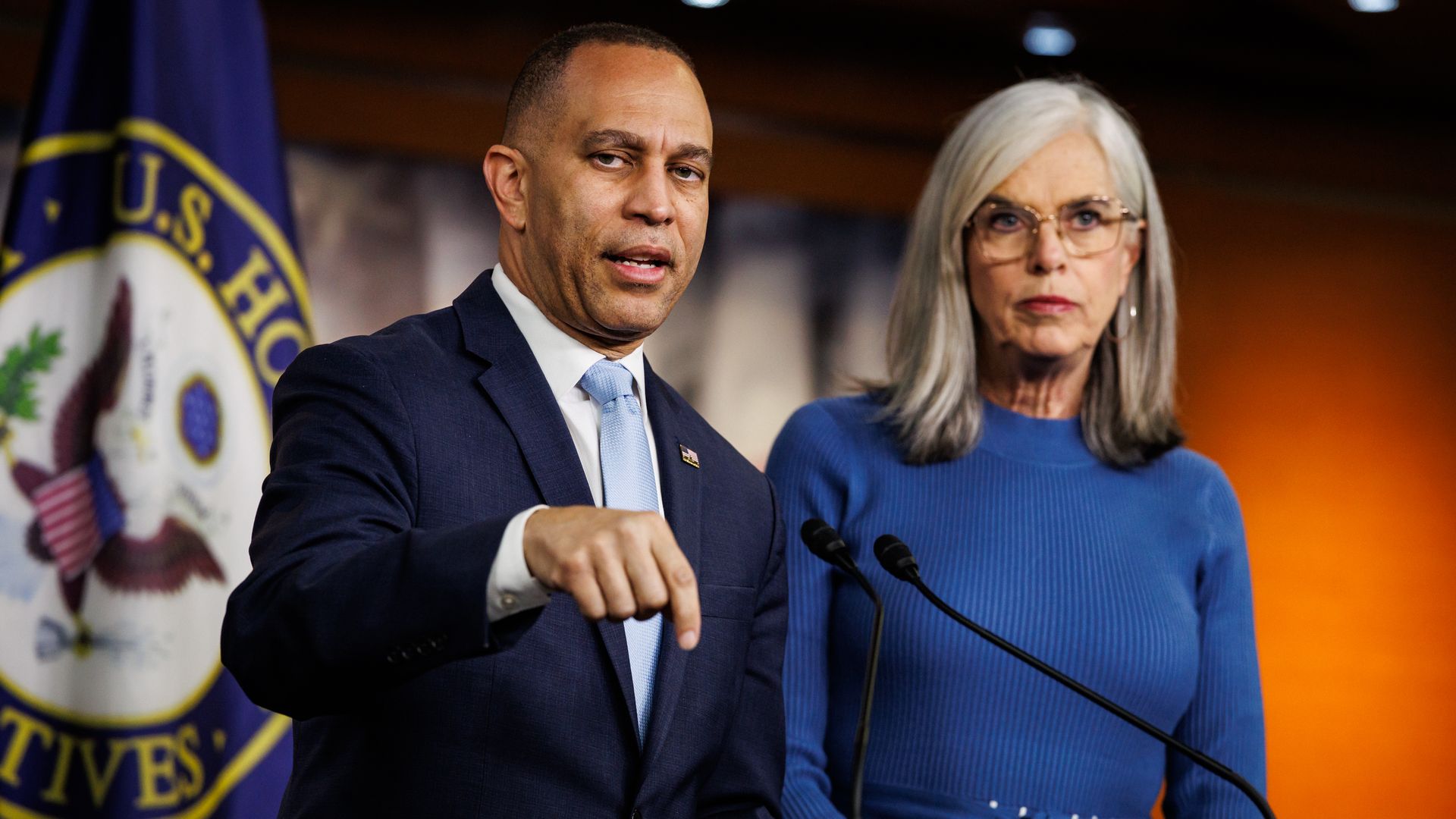
House Democrats' internal split over a vote to cut off U.S. aid to Israel has extended to leadership, with Minority Leader Hakeem Jeffries (D-N.Y.) and Minority Whip Katherine Clark (D-Mass.) planning to vote differently.
Why it matters: Such a divergence between the caucus' top two leaders is exceedingly rare and underscores just how much anxiety this vote is giving some in the party.

Tokyo has gotten really cheap while the U.S. gets pricier


The cost of living in Japan has gotten exceptionally cheap in dollar terms compared with other developed countries, while major U.S. cities have grown ever more pricey, a new report finds.
Why it matters: Inflation, a stronger dollar and a weaker yen, plus larger structural economic shifts, have scrambled the cost-of-living map around the world.
- "The old assumptions about which places are expensive, which are cheap and where wages compensate for living costs no longer always hold," wrote the authors of the new paper from the Deutsche Bank Research Institute.
The latest: Coming into Tuesday's inflation report, the U.S. had the highest rate of inflation among G7 countries, as economist Justin Wolfers noted, citing the latest available readings from the OECD.
- Consumer prices in the U.S. fell 0.4% in June from May, thanks mostly to a big drop in energy prices after the U.S. and Iran signed a ceasefire deal.
- But that deal has since unraveled, and oil prices have since soared — a sign that the inflation reprieve may be short lived.
Catch up quick: Back in 2012, when Deutsche Bank started doing this global cost-of-living report, Tokyo was typically ranked one of the most expensive cities in the world.
Where it stands: Now, Japan is among the cheapest developed economies in the world, and cities in the U.S. like New York and San Francisco are among the priciest.
- Since 2012, the yen has fallen 51% in value against the dollar, but prices in the country are up only about 20% — a bargain for anyone spending greenbacks.
Between the lines: In 2012, as the U.S. was still recovering from a bruising recession and the dollar was weak — there were doubts about the country's economic health. In hindsight, it was a good time for investors to increase their exposure to U.S. assets.
- This year's report arguably makes a similar case for Japan.
- "Today I look at how cheap Japan is, and it's not hard to argue that people should increase their exposure," Jim Reid, head of the Deutsche Bank Research Institute, tells Axios.
How it works: The bank looked at 69 cities across six continents and converted prices into dollars — it compared the costs of housing and dining out, as well as things like the price of a "cheap date" and an iPhone, using data from Numbeo, which maintains a global database of prices.
- Tokyo ranks near the middle or bottom of the bank's tables for many expenses — 57th most expensive for a meal for two, 40th most expensive for renting a three-bedroom apartment.
- A meal for two in New York, Zurich or Geneva now costs around three times as much as it would in Tokyo, in dollar terms, per the report.
- Japan is now the cheapest place in the world to buy an iPhone, after accounting for taxes. A cappuccino in Tokyo is cheaper than in 44 of the 69 cities examined, including many emerging-market locales.
Stunning stat: The average monthly cost of renting a three-bedroom apartment in New York is $8,900 — more than $2,000 more than the next priciest city, Zurich.
- In Tokyo, it's $2,400.
- Yes, but: Averages can skew the numbers a bit, as super pricey rentals get thrown into the mix.
Reality check: More expensive doesn't reflexively mean "bad."
- "Being expensive isn't necessarily an outright negative. It can be just because the economy runs well and attracts a lot of inflows," Reid says.
The bottom line: Time to book a flight to Tokyo?

Exclusive: In Armenia, the "door is open" for AI and weapons diversity

Armenia is pursuing "diversification," seeking to shake up its sources of energy, its future artificial intelligence clientele, its supply chain components and the countries it relies on for weapons, ambassador Narek Mkrtchyan told Axios.
Why it matters: Armenia is wedged between Iran and Russia, two of the most pressing national security hazards juggled by the U.S.
- It's also party to a peace agreement, brokered and touted by the Trump administration, that could reshape the Southern Caucasus.
- "A lot of potential was blocked because of the absence of peace," Mkrtchyan said. "Once we bring the peace agenda, prosperity will come."
Trump held Situation Room meeting on massive new Iran strikes
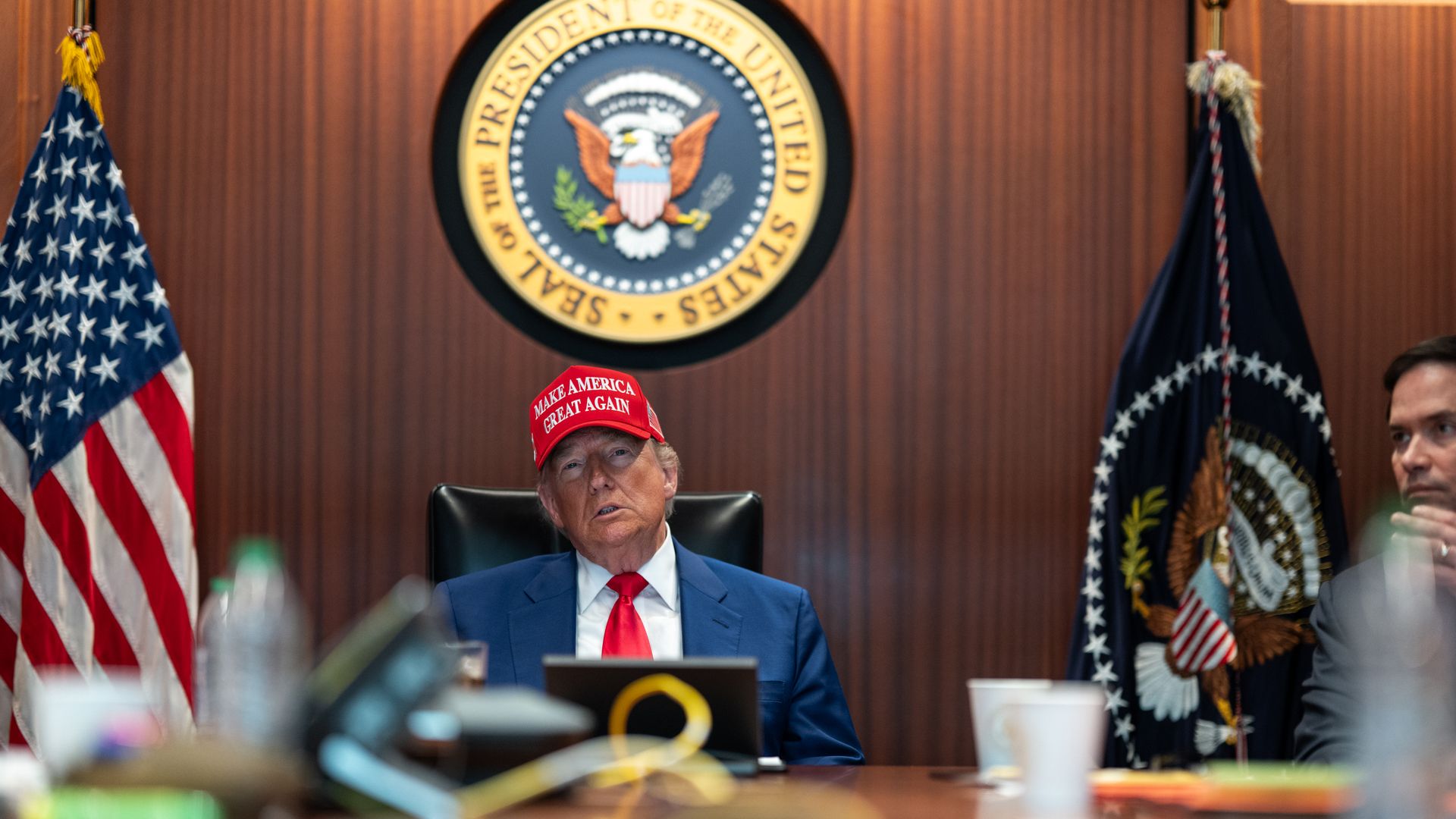
President Trump held a Situation Room meeting Tuesday to discuss a massive offensive in Iran that will be wider in scope than the current strikes around the Strait of Hormuz, three sources with knowledge said.
Why it matters: Trump appears willing to escalate the war to cause enough damage that the Iranian regime will open the Strait of Hormuz and accept Trump's nuclear demands.

UAE's big bet on AI

In Abu Dhabi, the largest emirate in the United Arab Emirates, AI is as much a part of daily life as reporting a pothole or making a doctor's appointment or paying a parking ticket — because AI does all that for you.
- Abu Dhabi, the capital of one of the world's wealthiest and most globalized business hubs, has near-universal adoption of an app that knows when you need to renew your national ID or health insurance or vehicle registration.
- The app's "AutoGov" feature goes a step further: It handles the paperwork and pays what's owed without being asked.
Why it matters: The UAE made a massive bet on AI, spending billions on infrastructure and research, backed by long-term thinking and alignment from top leaders. Before the war with Iran, the bet was paying off massively. "People make money here and bring money here," a UAE resident told Jim VandeHei and me when we visited just before the war.