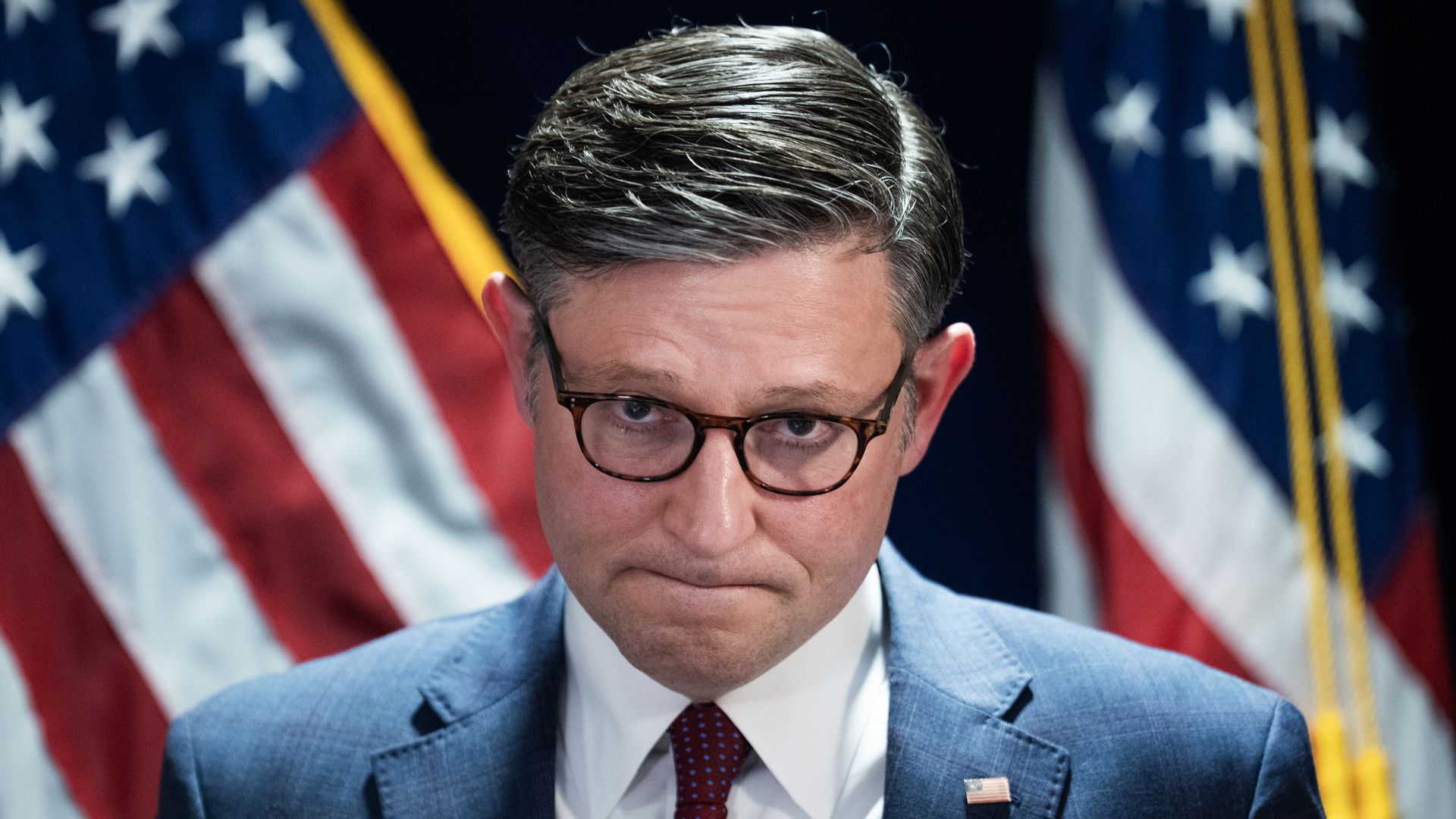
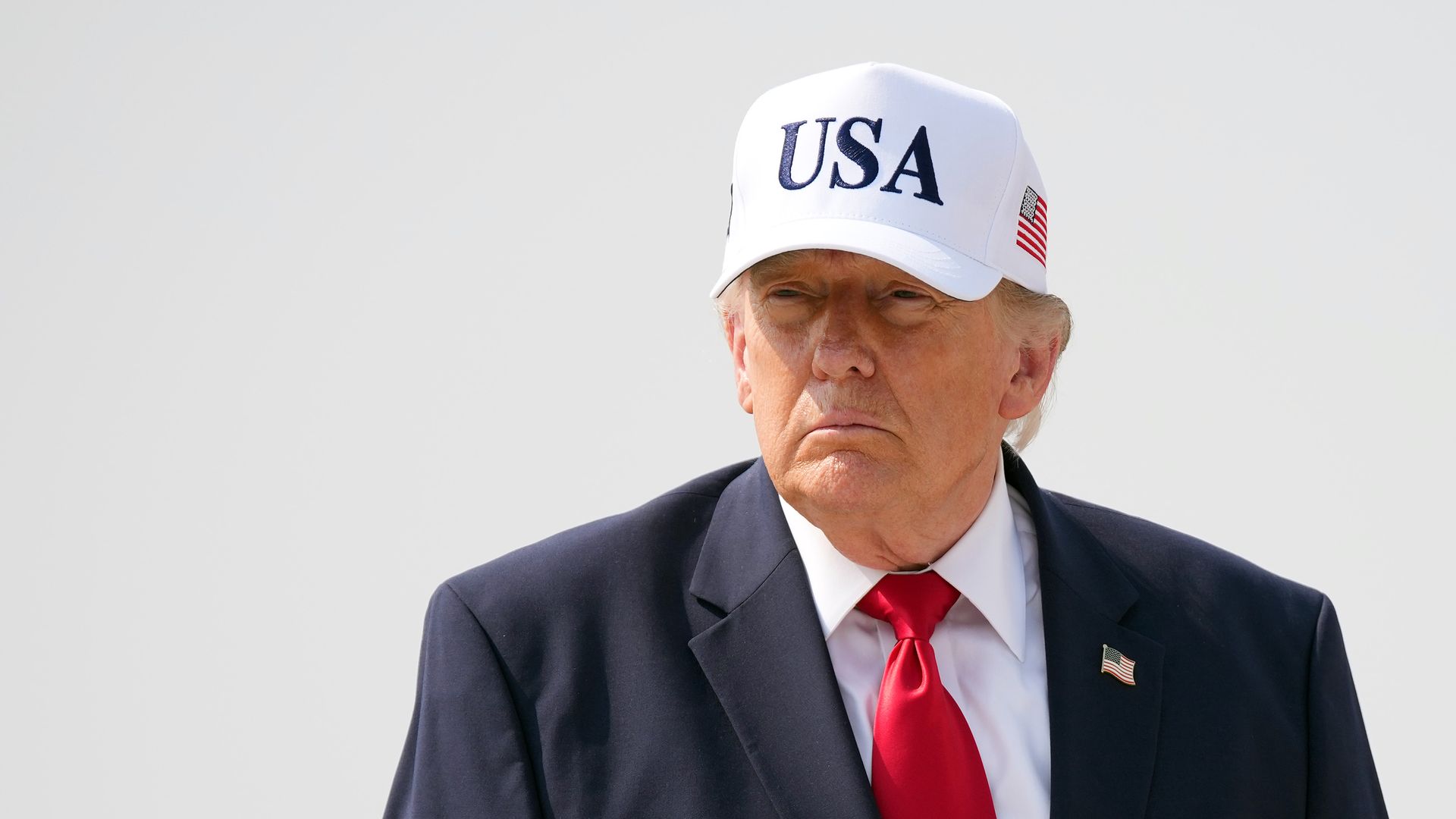
House Speaker Mike Johnson is in an uncomfortably familiar spot: under pressure from President Trump, under fire from members and under the gun to advance a reconciliation bill in just a few days.
Why it matters: Johnson (R-La.) is trying to tee up a final party-line legislative package before the midterms, but Republicans remain divided over the contents of the bill and the strategy behind it.
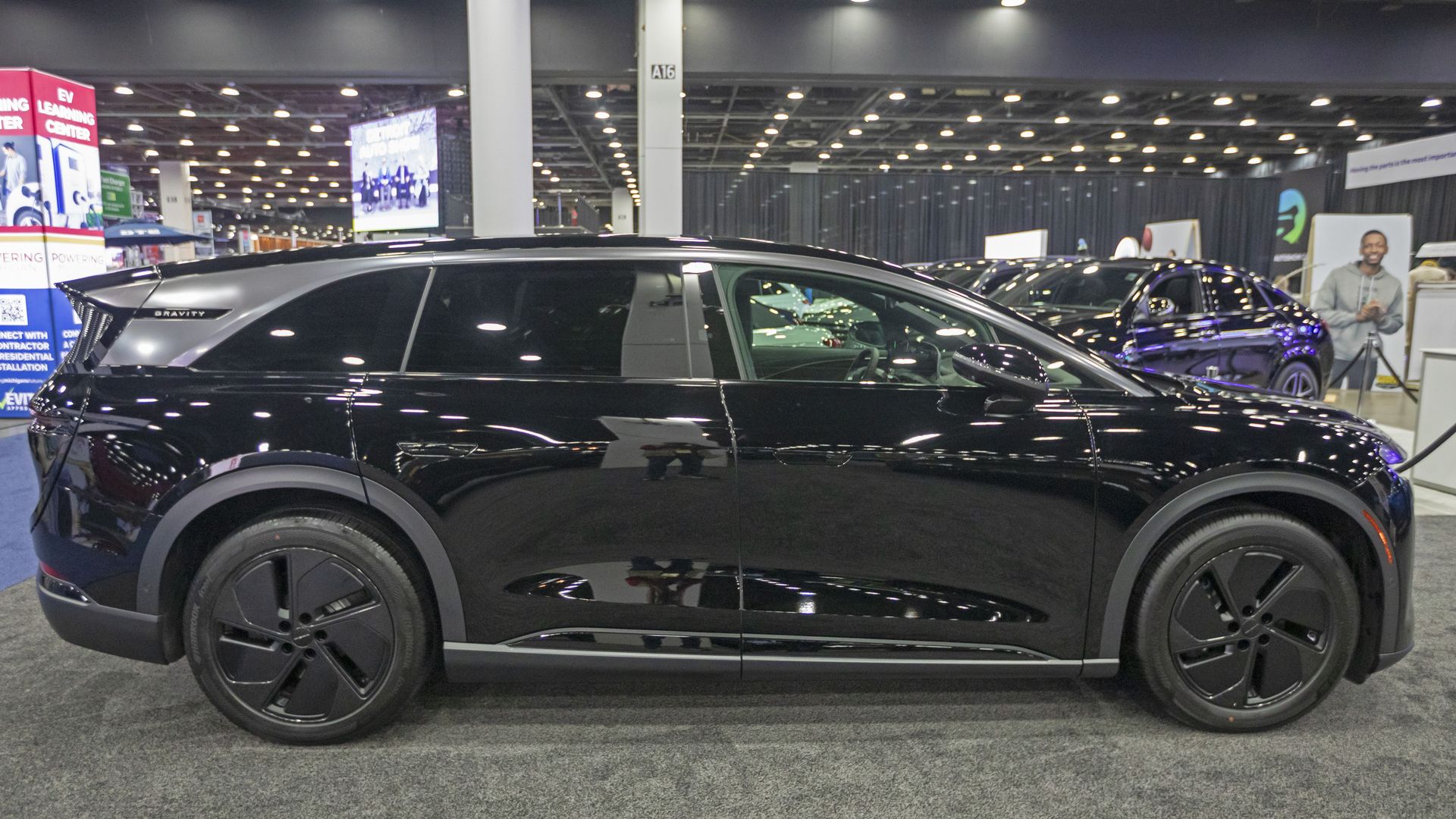
Shares of Lucid Group plummeted Tuesday after a report that the Saudi-backed electric vehicle maker is weighing a bankruptcy filing as part of a possible restructuring.
The company quickly denied the report, saying that "the rumors are completely false," after which its stock recovered some ground.
Why it matters: Lucid has earned rave reviews for its EVs and recently won a self-driving car deal with investor Uber — but the company has never recorded a quarterly profit.
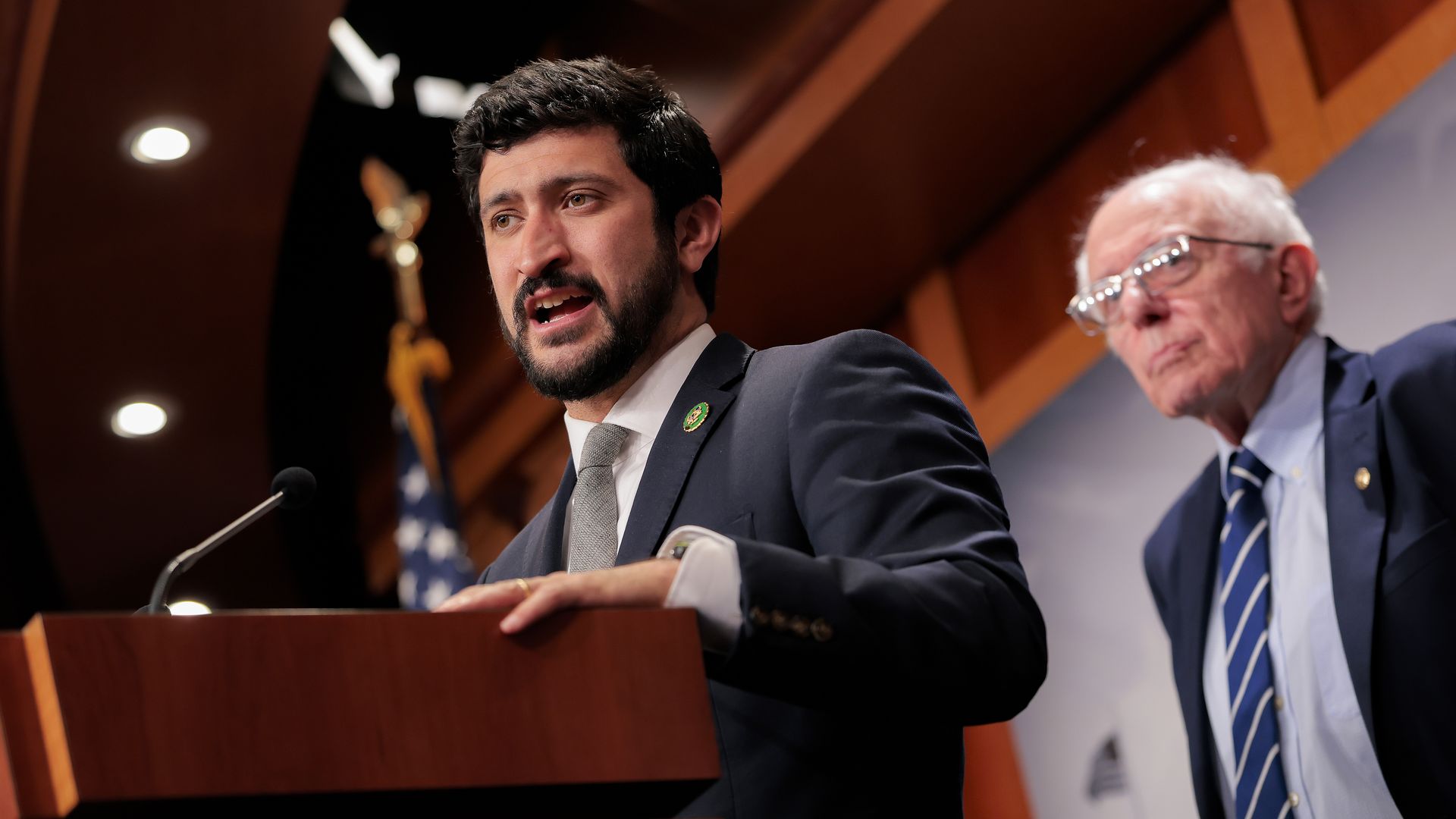
An upcoming House vote on a measure blocking U.S. aid to Israel has Democrats divided over how far they should go to signal displeasure with the Netanyahu government.
Why it matters: The vote is revealing just how much anxiety Democratic lawmakers have about the growing anti-Israel sentiments coming from their grassroots base.
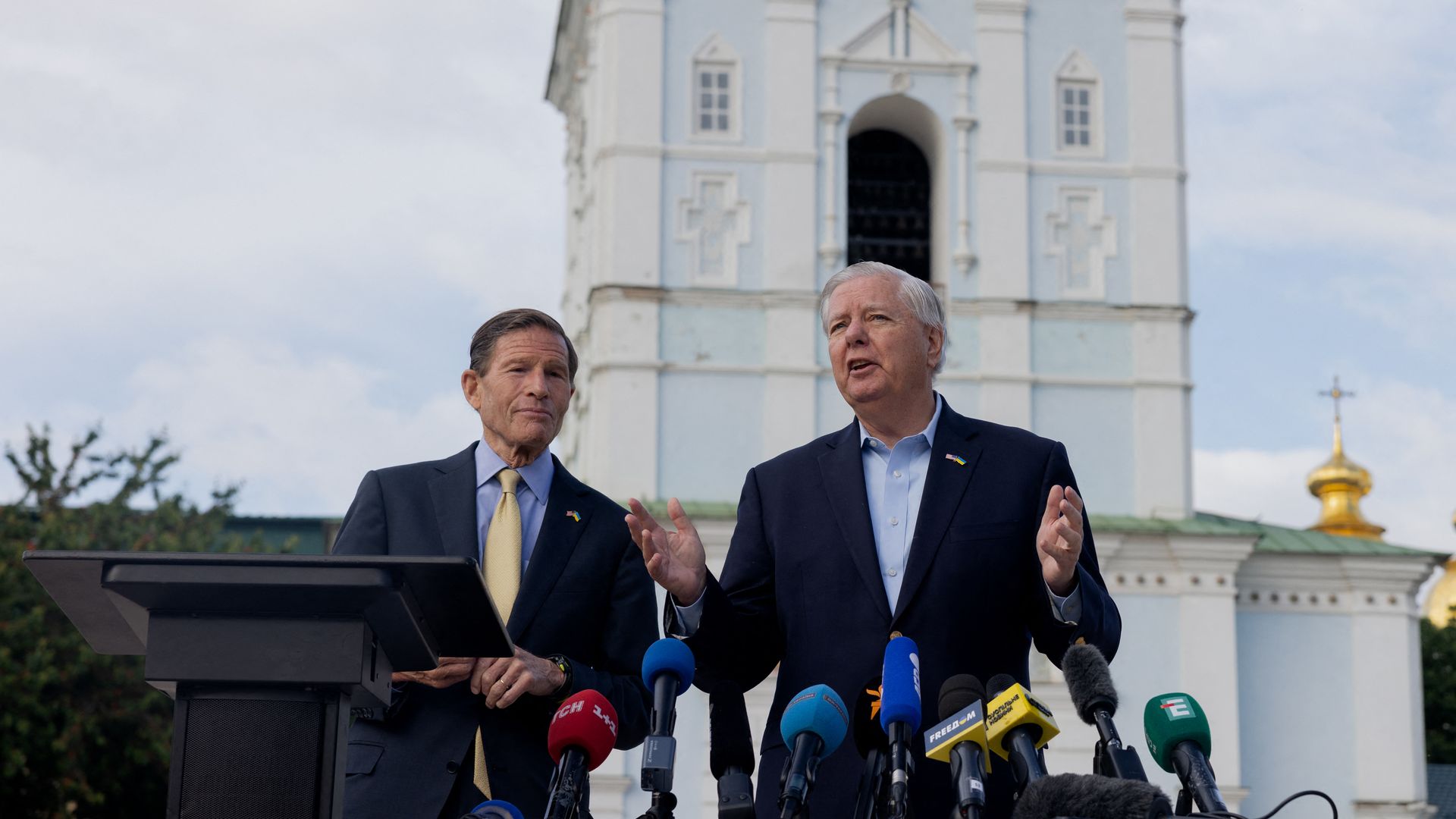
A bipartisan group of senators is unveiling a revised Russia sanctions bill that the late Sen. Lindsey Graham (R-S.C.) helped finalize in one of his last efforts to broker a compromise and end the war in Ukraine.
Why it matters: If enacted, the bill would ratchet up pressure on Vladimir Putin by imposing 100% tariffs on the five largest importers of Russian oil and gas — likely including China and India.
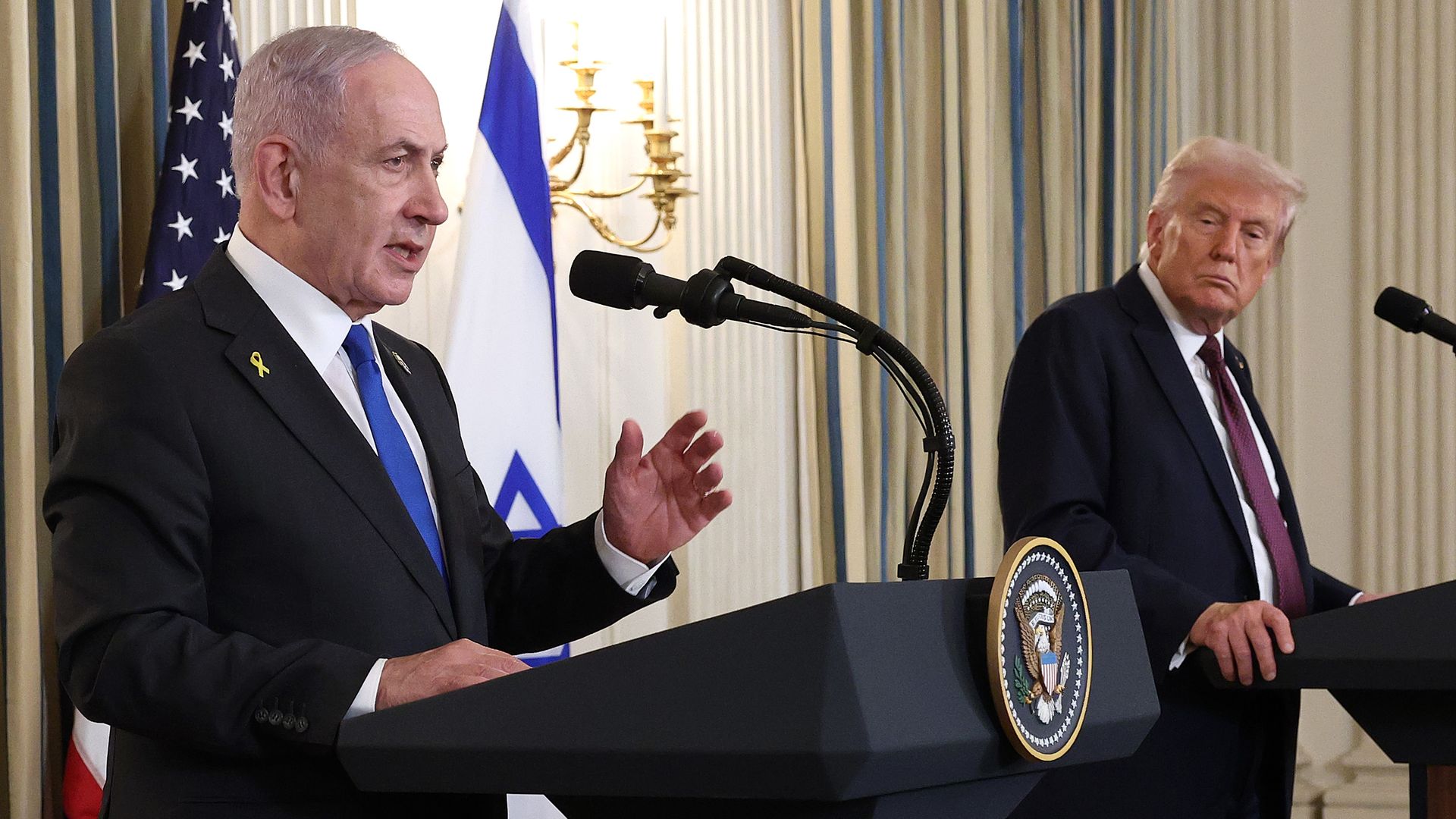
President Trump told Israeli Prime Minister Benjamin Netanyahu during a phone call Thursday that Israel should start redeploying its forces out of Syria and urged him to do the same in Lebanon, according to U.S. and Israeli officials.
Why it matters: Three months ahead of an election that is existential for his political survival and personal freedom, Netanyahu is unlikely to take any significant steps to withdraw Israeli forces from territory it occupies in Syria — or to allow further redeployments in Lebanon beyond the one he's already agreed to.
President Trump on Tuesday walked back his demand for collecting a 20% toll from ships that transit through the Strait of Hormuz — and instead said Gulf states would make major investments in the U.S.
Why it matters: Trump's Hormuz fee announcement on Monday was deemed illegal by the UN maritime agency and shocked many U.S. allies in the Gulf. It also validated the Iranian demand to collect service fees in the strait — something Trump himself rejected until several days ago.
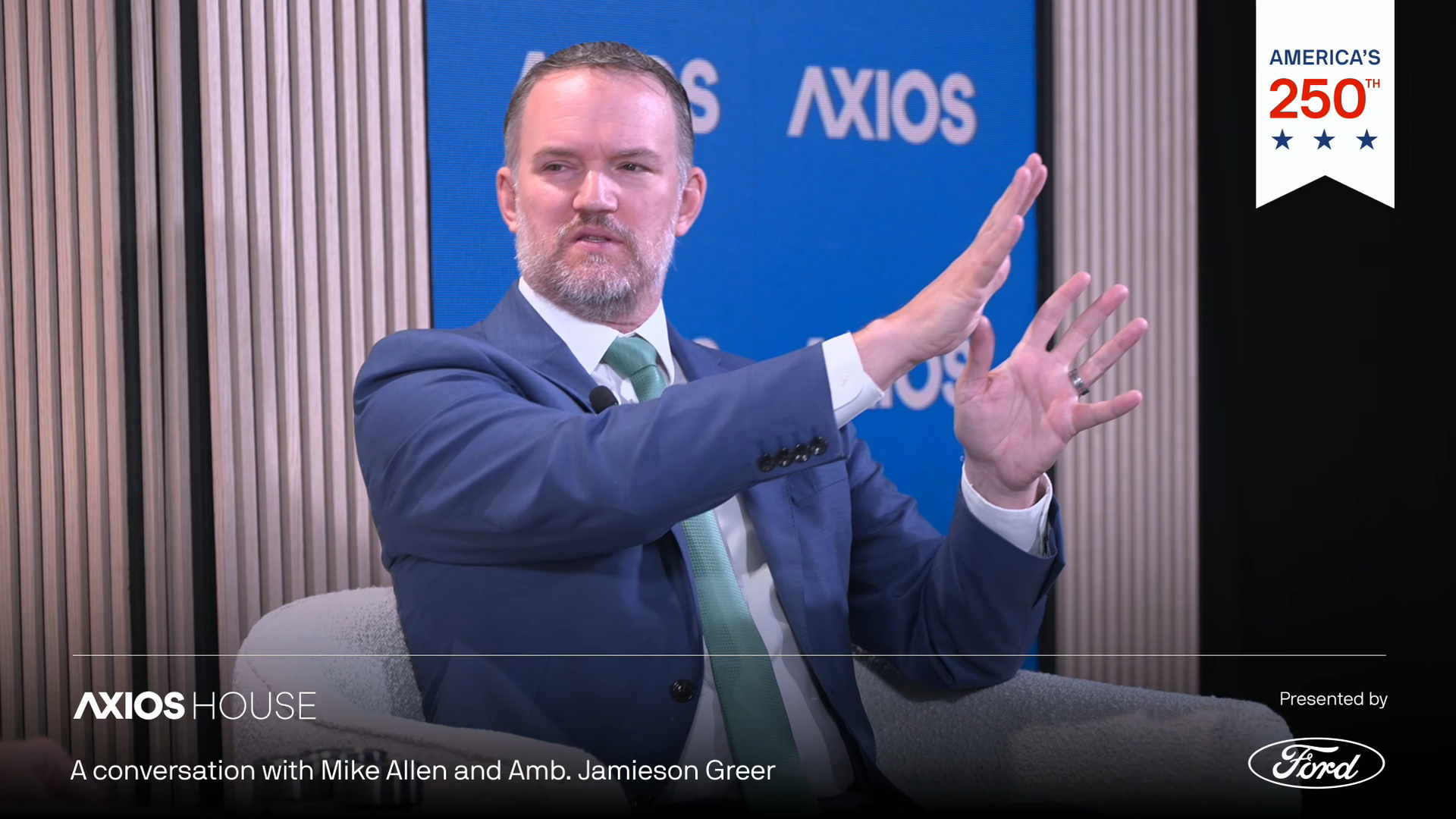
Europe must take "concrete actions" to rein in its enforcement of laws that disproportionately hit American tech companies, U.S. Trade Representative Jamieson Greer said at Axios House D.C. on Tuesday.
Why it matters: At stake is who gets to write the rules for the world's dominant tech companies — Washington or Brussels — and Greer wants America to lead the way on how its companies operate.
Inflation fell in June, on the back of lower energy prices, the government said Tuesday.
Why it matters: It's the largest one-month decrease since April 2020, but it may be a short-lived reprieve — the report doesn't account for the sharp increase in oil prices this month as the Iran war re-ignites.
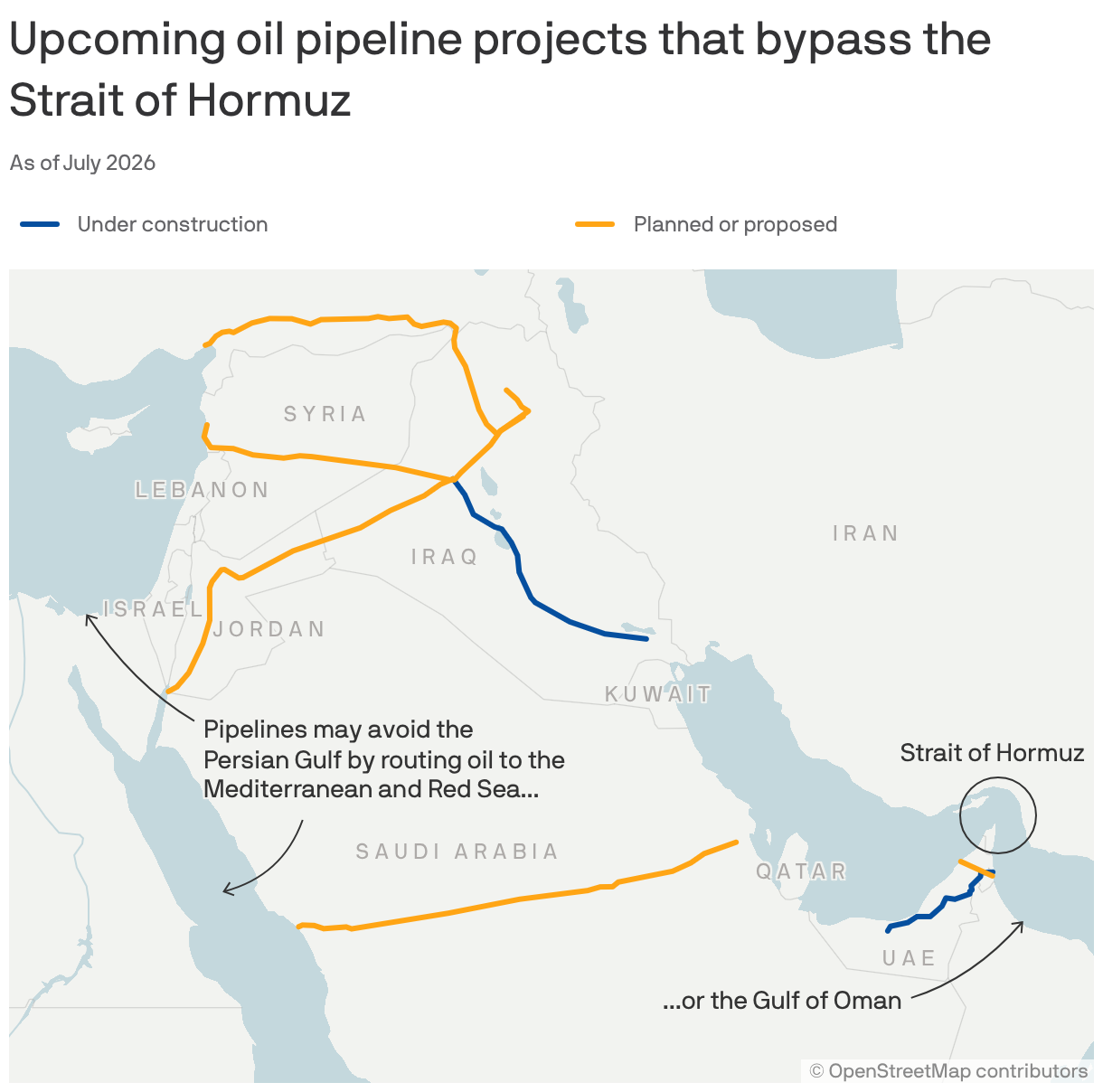
Data: Global Energy Monitor, Axios research; Map: Danielle Alberti/Axios
The oil market's top players aren't waiting around to see who winds up with control over the Strait of Hormuz — countries and companies are scrambling to bypass the waterway.
Why it matters: The Iran war threw a spotlight on the strait as the longtime center of the global energy trade, and the industry now has a huge incentive to reduce its dependence, regardless of the war's outcome.
"The 2026 U.S.-Iran war and Strait of Hormuz disruption may ultimately be remembered less for triggering an immediate oil crisis than for accelerating global efforts to reduce dependence on the world's most important energy chokepoint," Bloomberg Intelligence analysts wrote in a report.
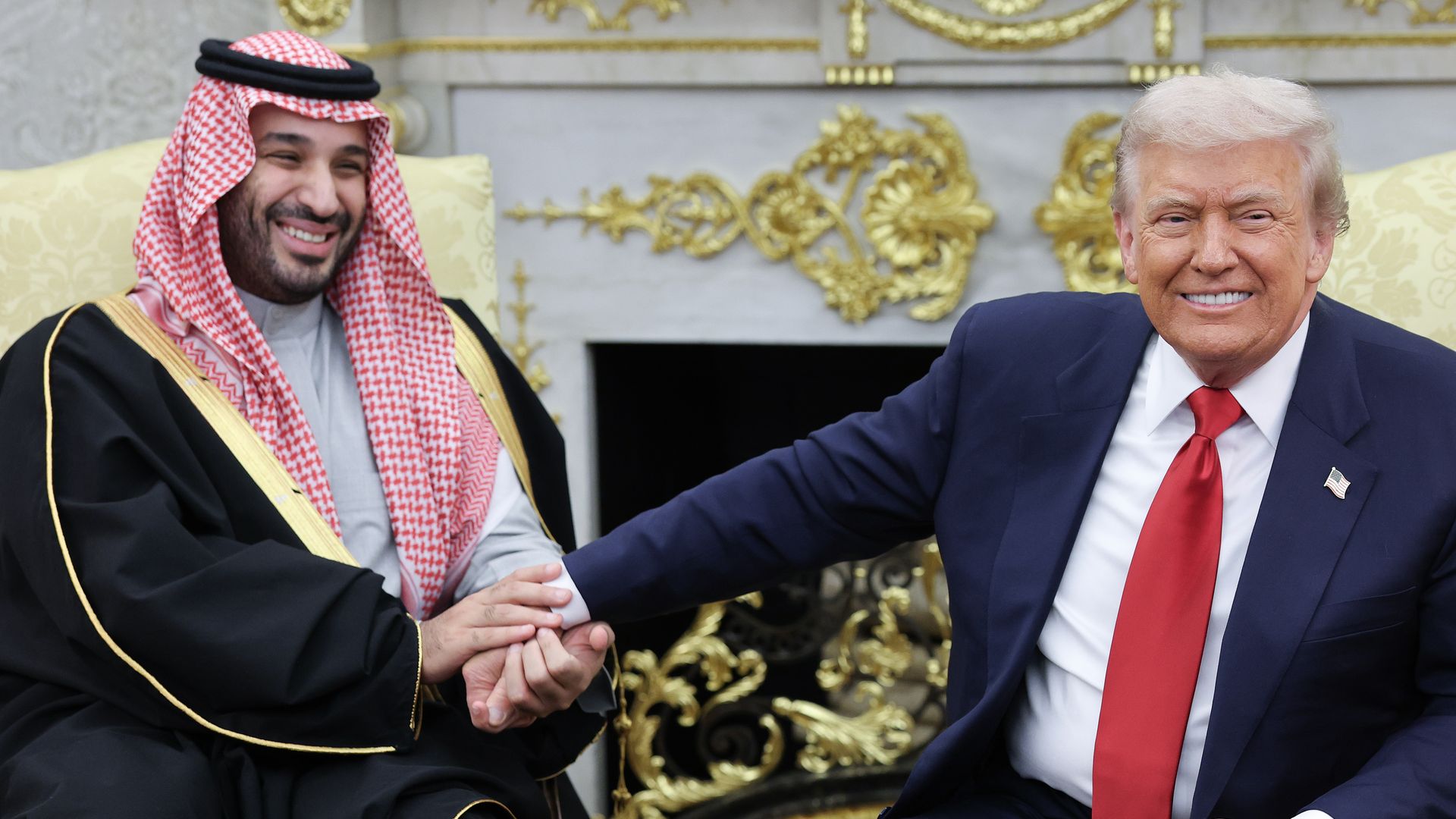
President Trump gave Saudi Crown Prince Mohammed Bin Salman (MBS) his support for a highly unusual military action against the Iran-backed Houthis in Yemen, according to two U.S. officials.
Why it matters: The Saudi strike on the Sanaa airport Monday and Houthi retaliatory missile attacks that followed were the most serious cross-border escalation since 2022. They could signal the collapse of a four-year, unofficial truce between the parties.
Oil prices surged about 9% Monday to roughly $83 per barrel after President Trump claimed the U.S. was reinstating a naval blockade on Iran, adding to gains already driven by renewed hostilities over the weekend.
Why it matters: Higher oil prices typically feed into higher gasoline prices, potentially pushing the national average back toward $4 per gallon.
President Trump announced on Monday that the U.S. is reinstating the naval blockade on Iran and will prevent any ships from leaving or entering Iranian ports. The blockade will go into effect on July 14 at 4pm ET.
Trump also claimed the U.S. would be "reimbursed" at a rate of 20% for securing safe passage for cargo ships, though the details and seriousness of the initiative were not immediately clear.
Why it matters: The blockade — a response to renewed clashes between the U.S. and Iran in recent days — threatens to dramatically escalate tensions in the strait and change the economics of shipping energy and materials in the Middle East.
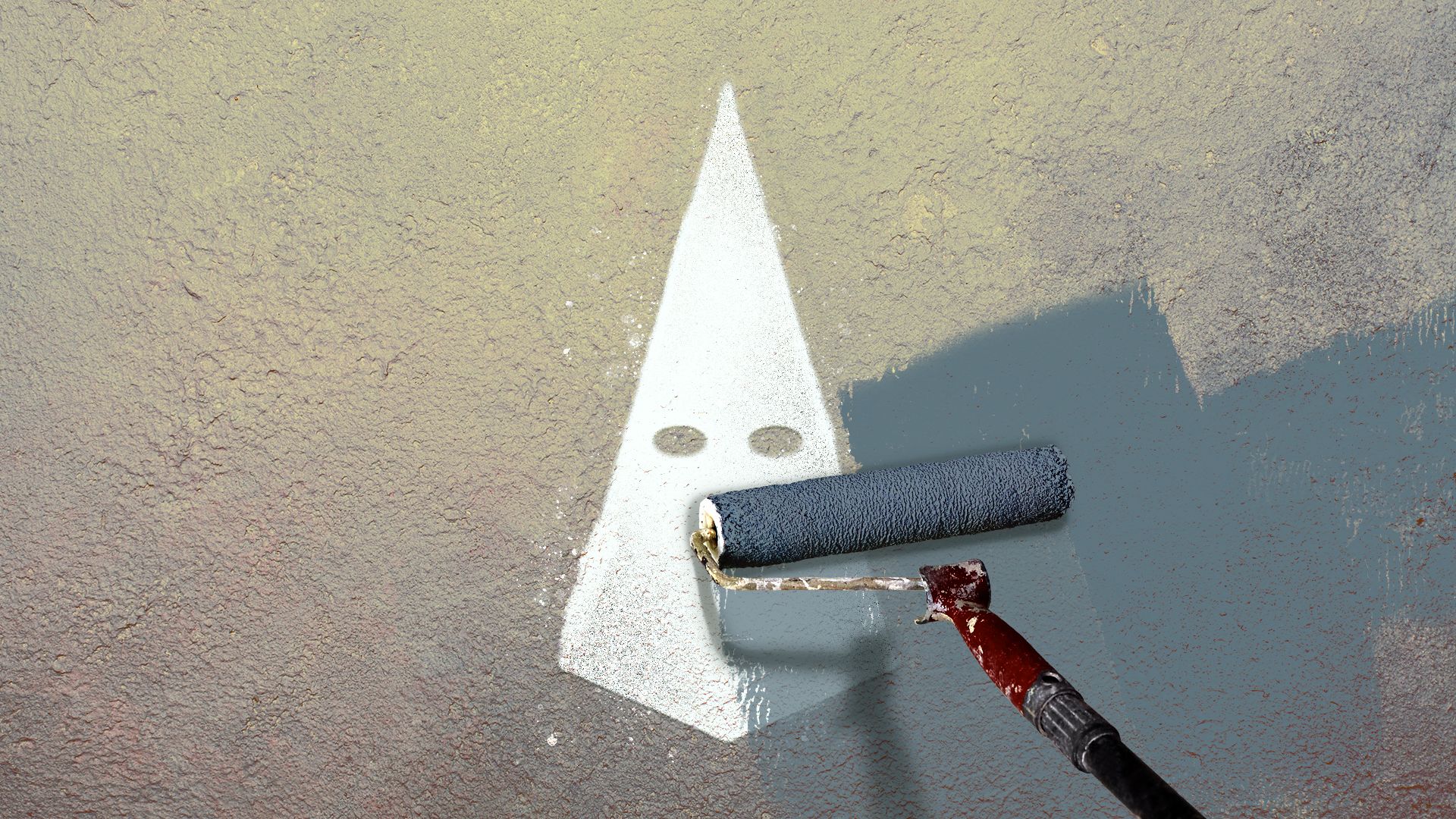
A former Ku Klux Klan hall in Texas is becoming an arts center — one of severalracist landmarks across the U.S. that communities are trying to turn from symbols of terror into sites of reparation.
Why it matters: Years after the backlash against Confederate monuments, new fights have emerged over what to do with remaining physical reminders of particularly hurtful racism — tear them down, preserve them, reinterpret them or return them to communities harmed by them.