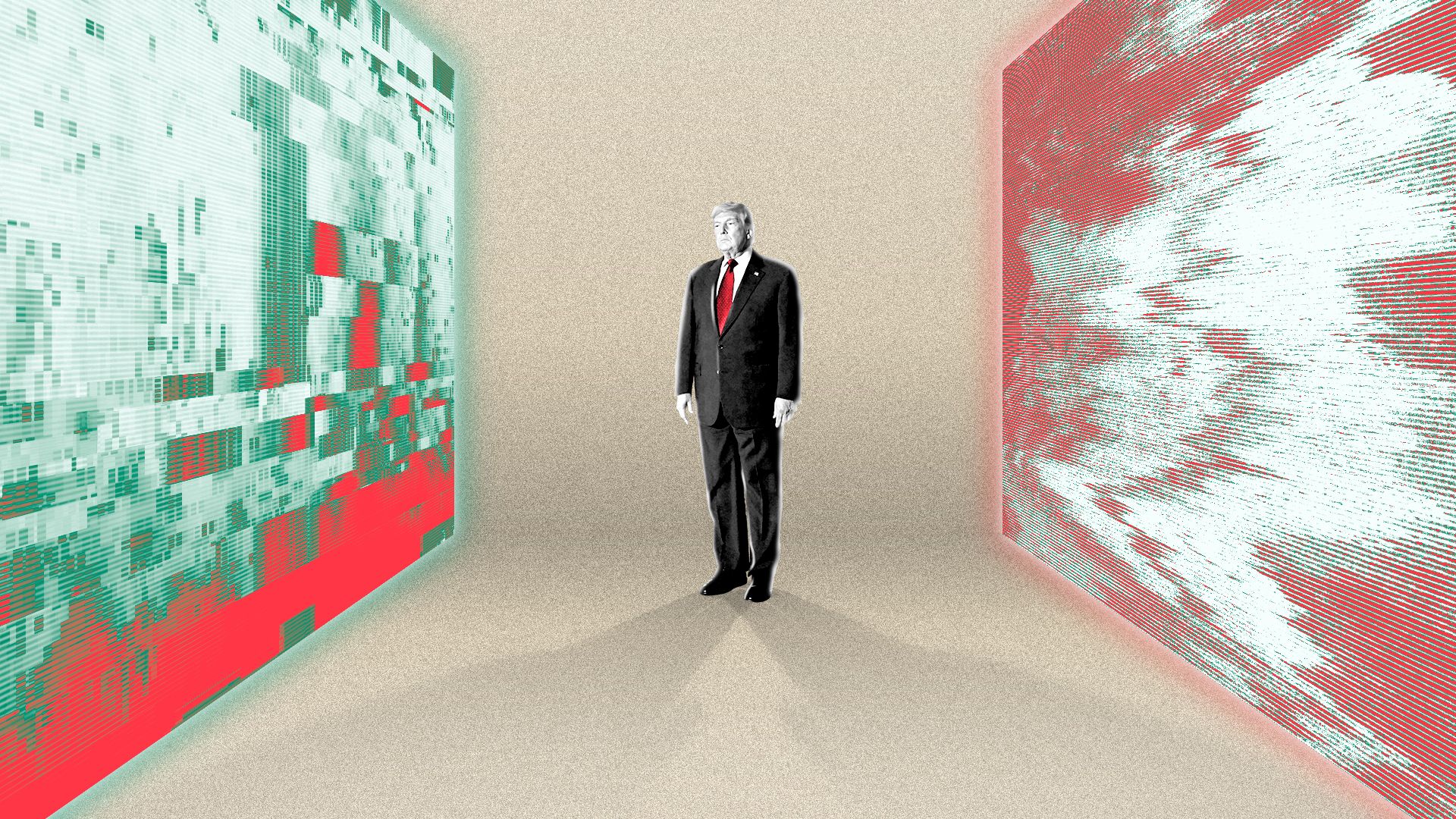
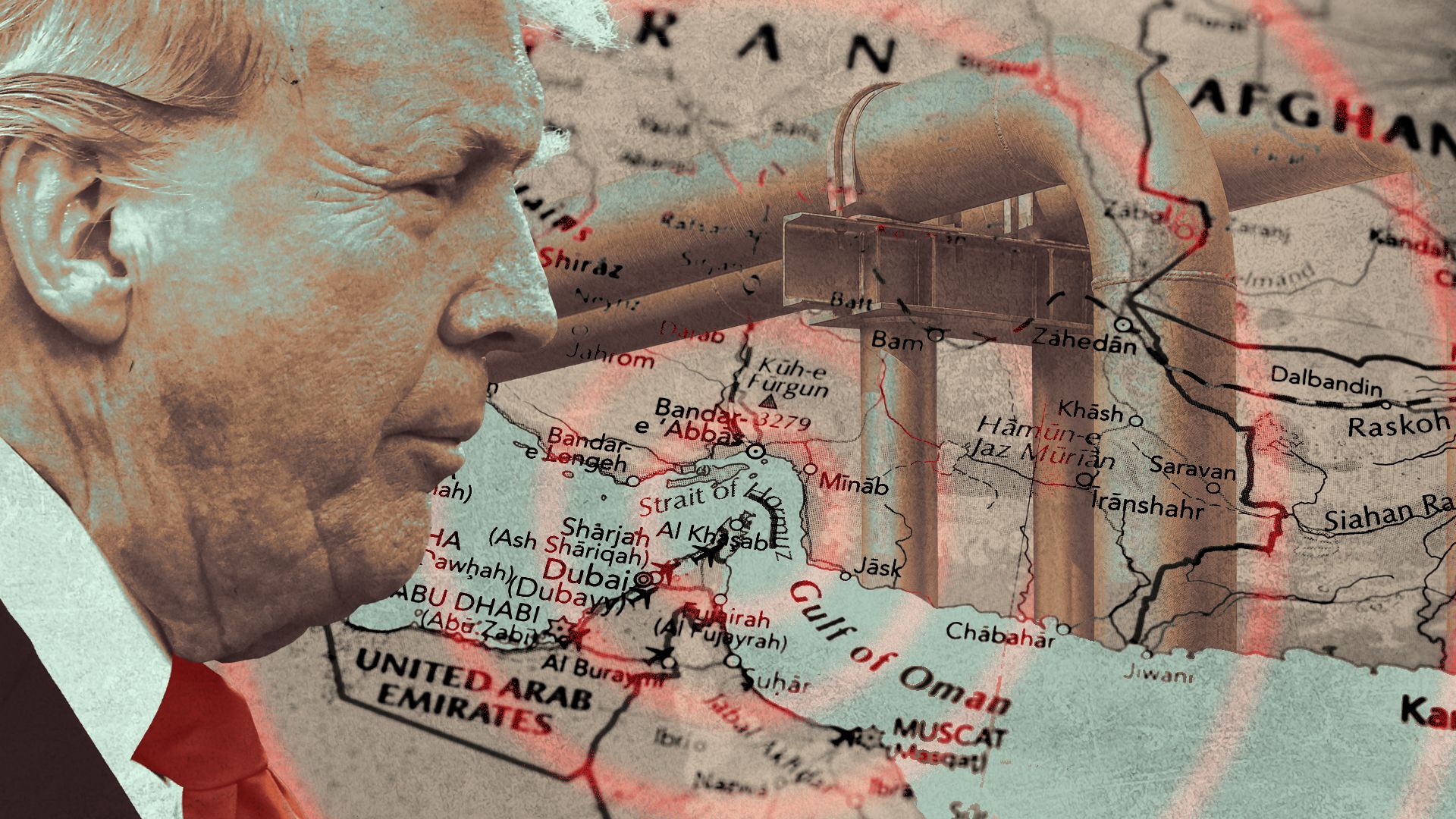
As fresh U.S. strikes hit Iran, President Trump's Truth Social profile became a visual diary of distant violence, distilling the Iran war into shareable clips and memes even as he demanded an end to hostilities.
The big picture: While Trump revels in the video game-like spectacle of raw military power in Iran, Venezuela and the Caribbean on social media, he's also scrambling to find an off-ramp to a war Americansdon'tsupport.
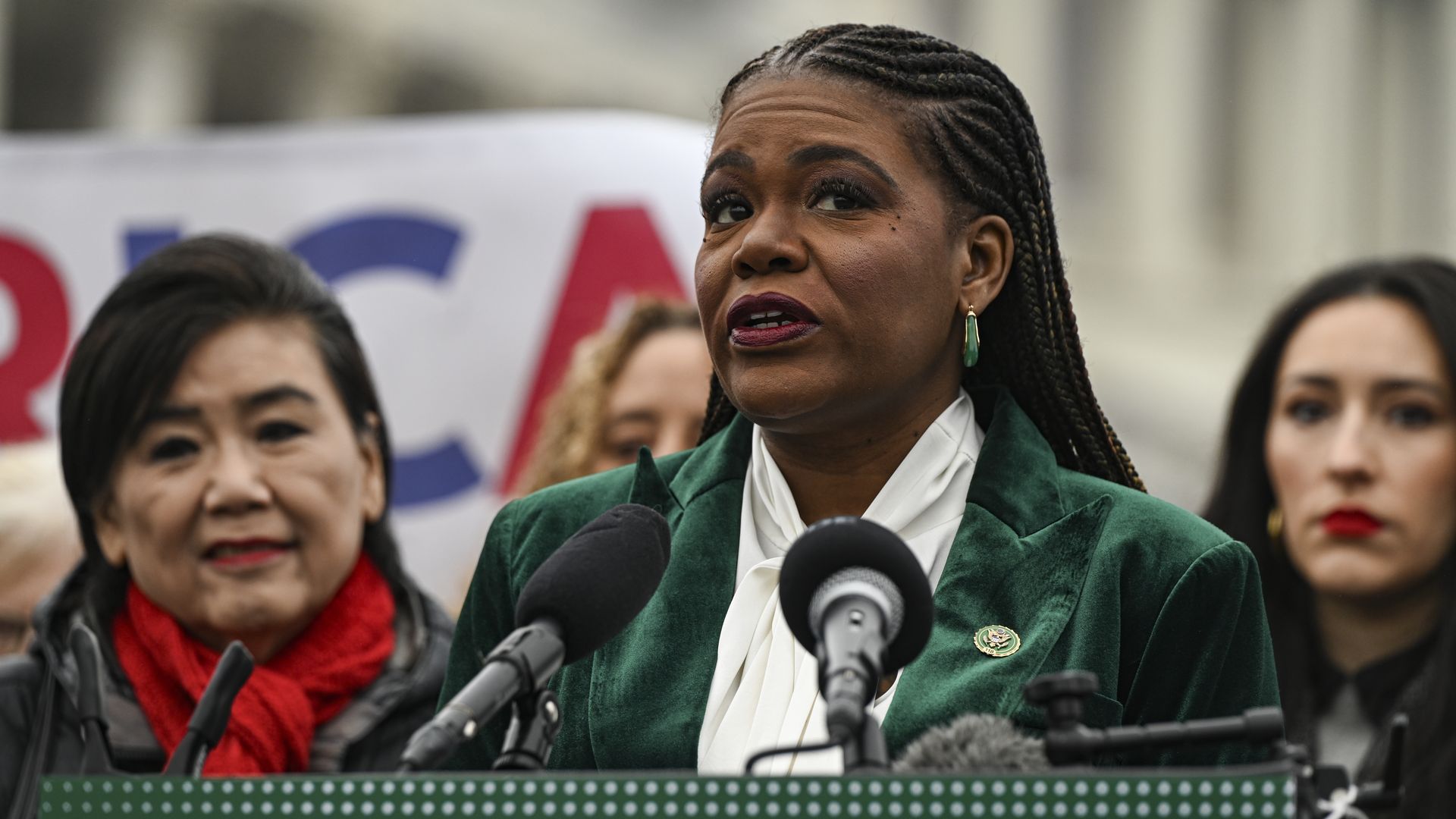
AIPAC hoped it had ended former Rep. Cori Bush's political career for good when it helped oust her two years ago. Now it's spending big to stop her attempted comeback.
Why it matters: The left has high hopes that Bush can prevail in her rematch against Rep. Wesley Bell this cycle by riding the wave of anti-establishment energy coursing through the Democratic primary electorate.
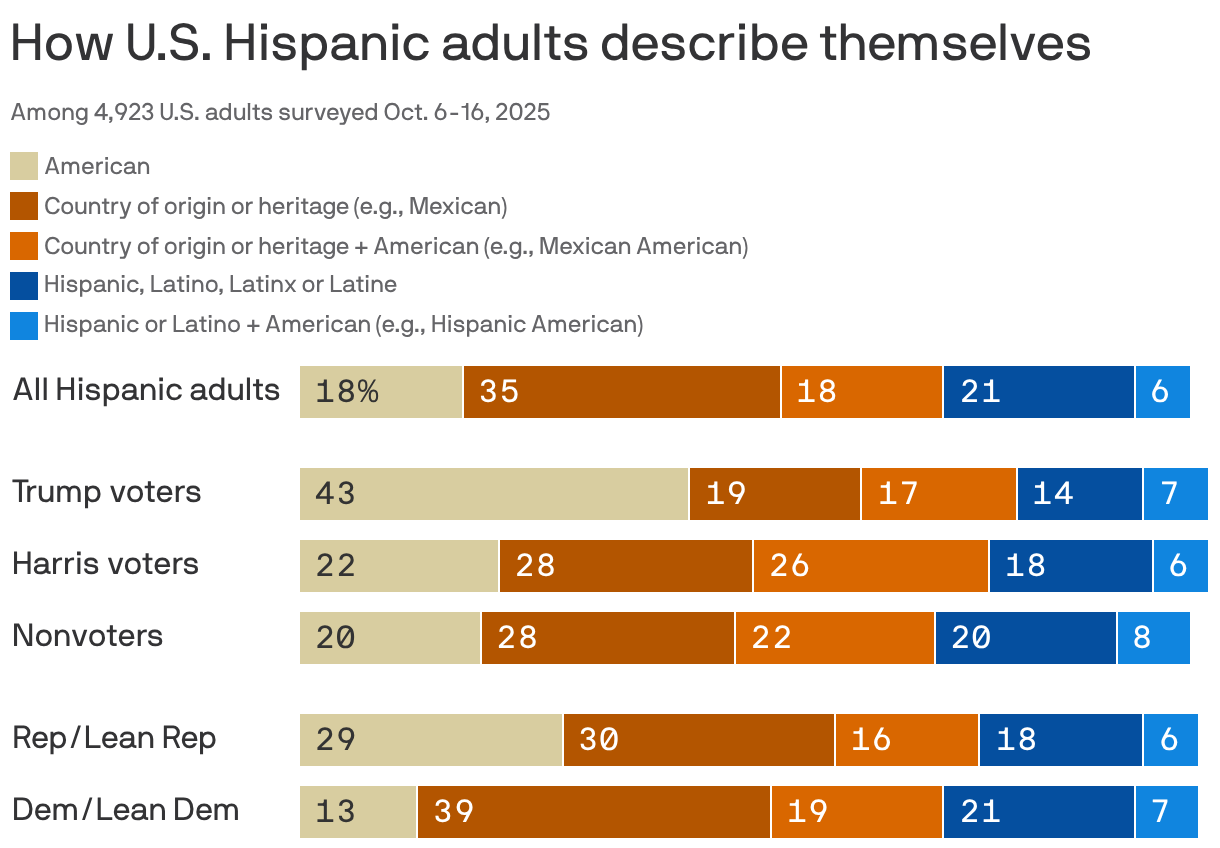
Data: Pew Research Center; Chart: Danielle Alberti/Axios
Latino voters aren't just splitting over President Trump. They're divided over how being Latino shapes their identity in America, according to a new Pew Research Center report.
Why it matters: This is a deeper fracture than a typical partisan divide — Latino voters are splintering over whether their ethnicity feels like a barrier, an asset or is politically irrelevant.
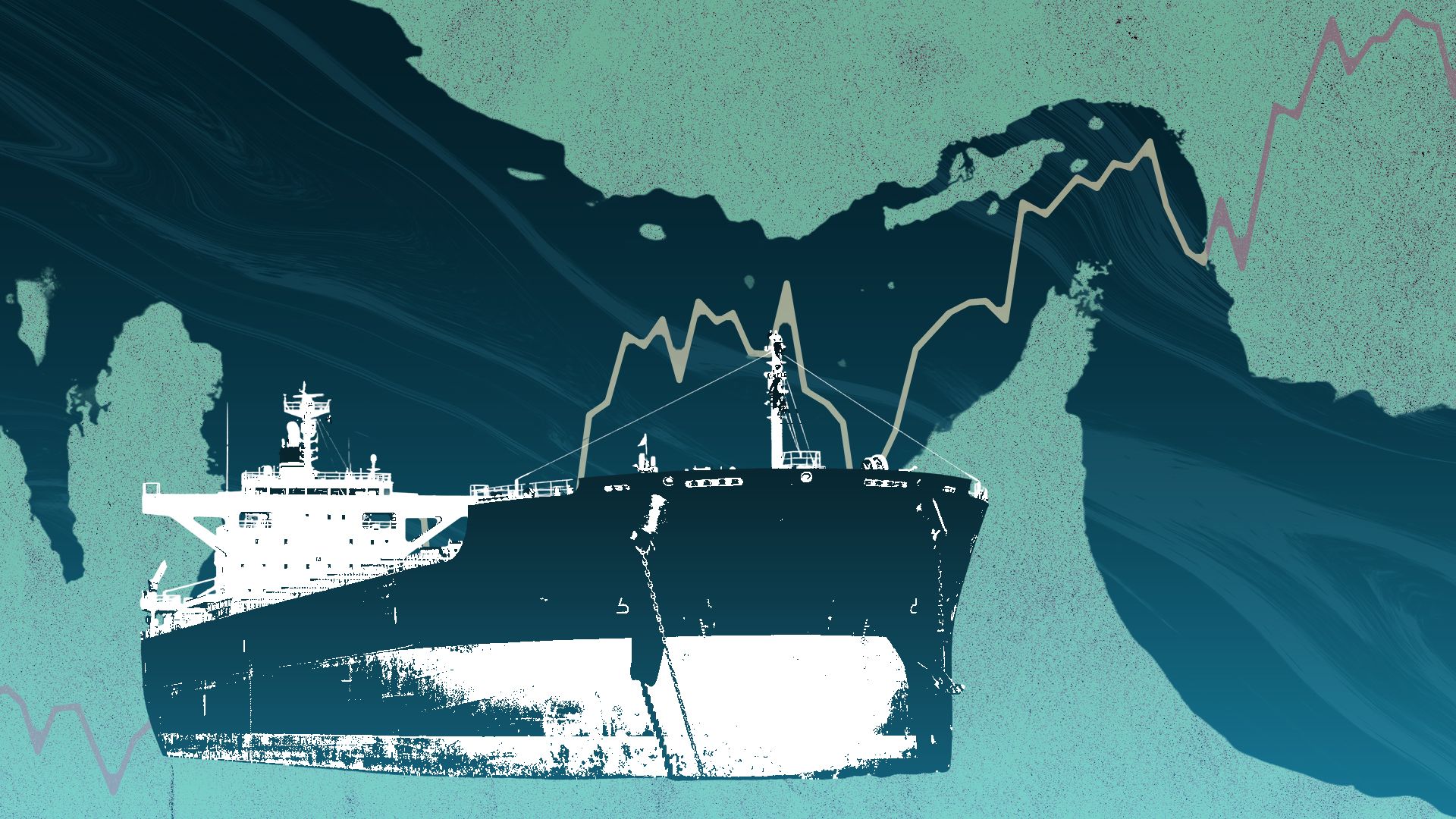
The oil economy's surprising flexibility and countries' plans to cut reliance on the Strait of Hormuz could together limit how much the war boosts the global energy transition.
Why it matters: Energy crises have long-term consequences — like the 1970s oil shocks that brought U.S. gasoline mileage rules for cars, and the country's turn away from burning oil to make electricity.
President Trump's threat to "cut off all trade" with Spain was immediately a market event — at least in Europe.
Why it matters: Well into Trump's second term, foreign investors aren't totally dismissing the president's trade threats, even if the legal authority, the path to implementing them and the ultimate outcome remain unclear.
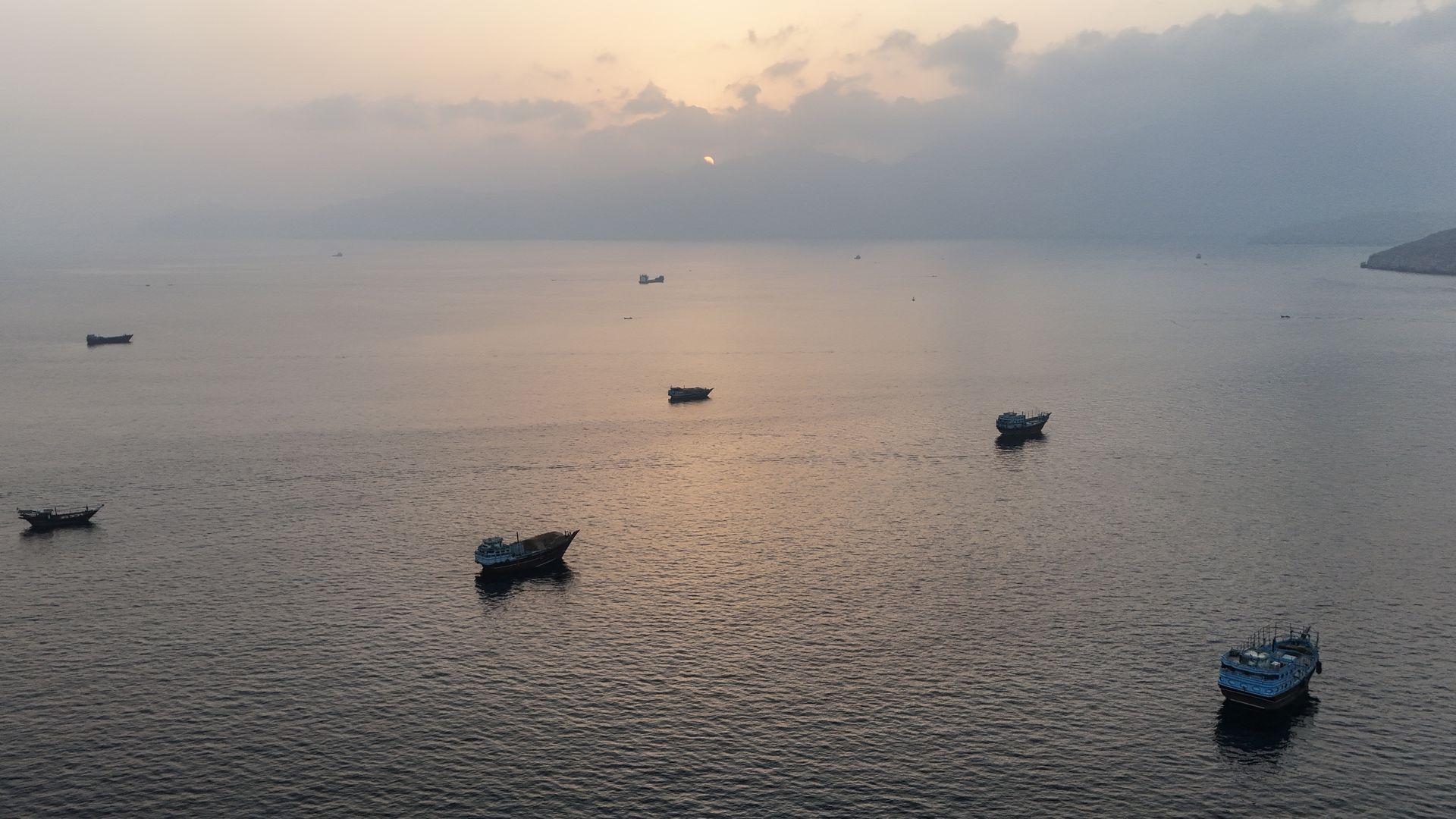
The White House is preparing for what could become a multi-day or even multi-week exchange of fire with Iran over the Strait of Hormuz.
The length and severity of the new campaign hinge entirely on Tehran's next moves, U.S. officials tell Axios.
Why it matters: A war that began with the goal of degrading Iran's missile capabilities and destroying what remained of its nuclear program has evolved into an open-ended fight over the world's most important energy chokepoint.
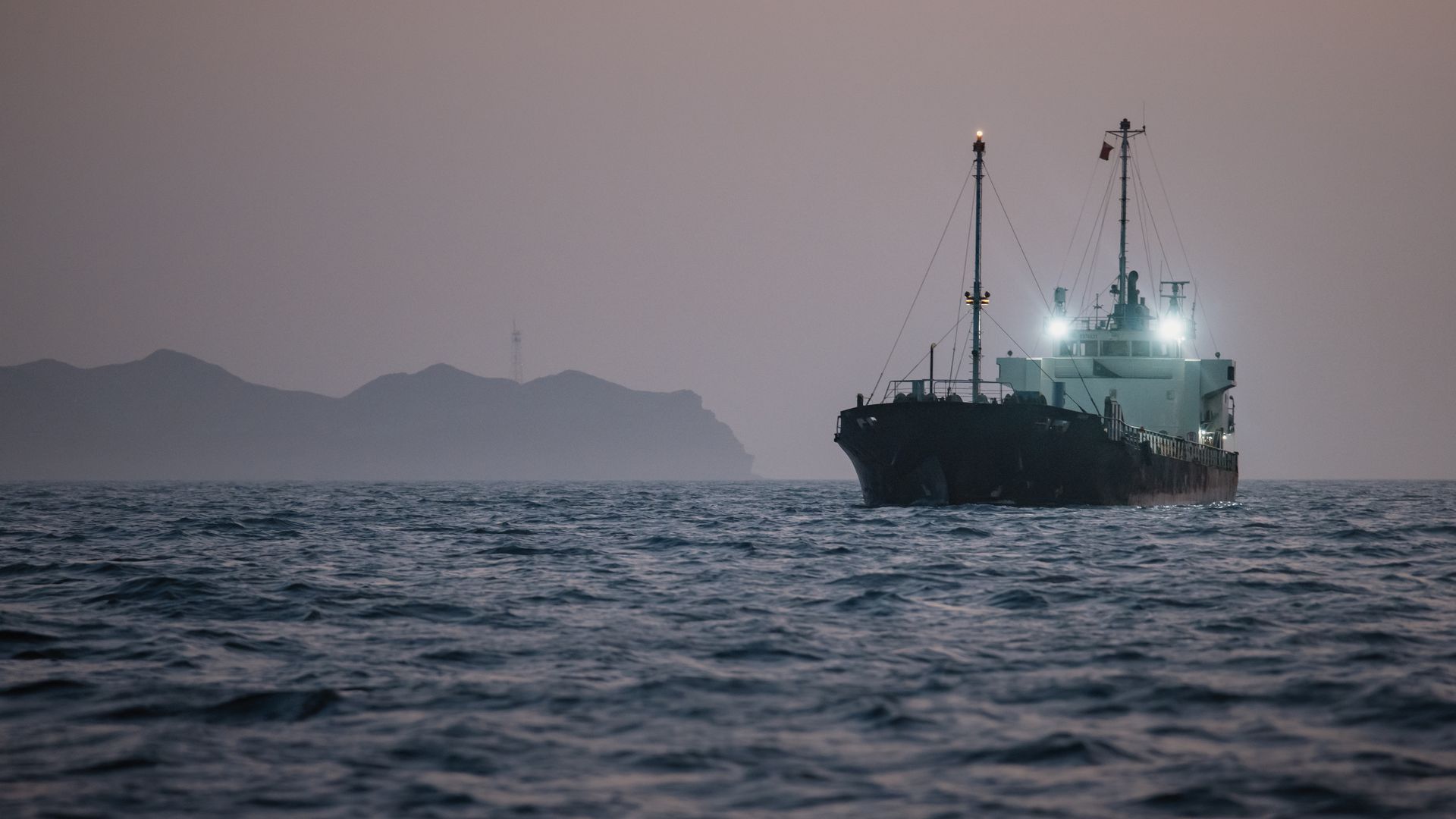
The U.S. military struck Iranian targets near the Strait of Hormuz on Wednesday, a U.S. official said.
Why it matters: This was the second day in a row that the U.S. had attacked Iranian targets in what U.S. officials say is an effort to stop Tehran from striking commercial ships in the Strait of Hormuz.
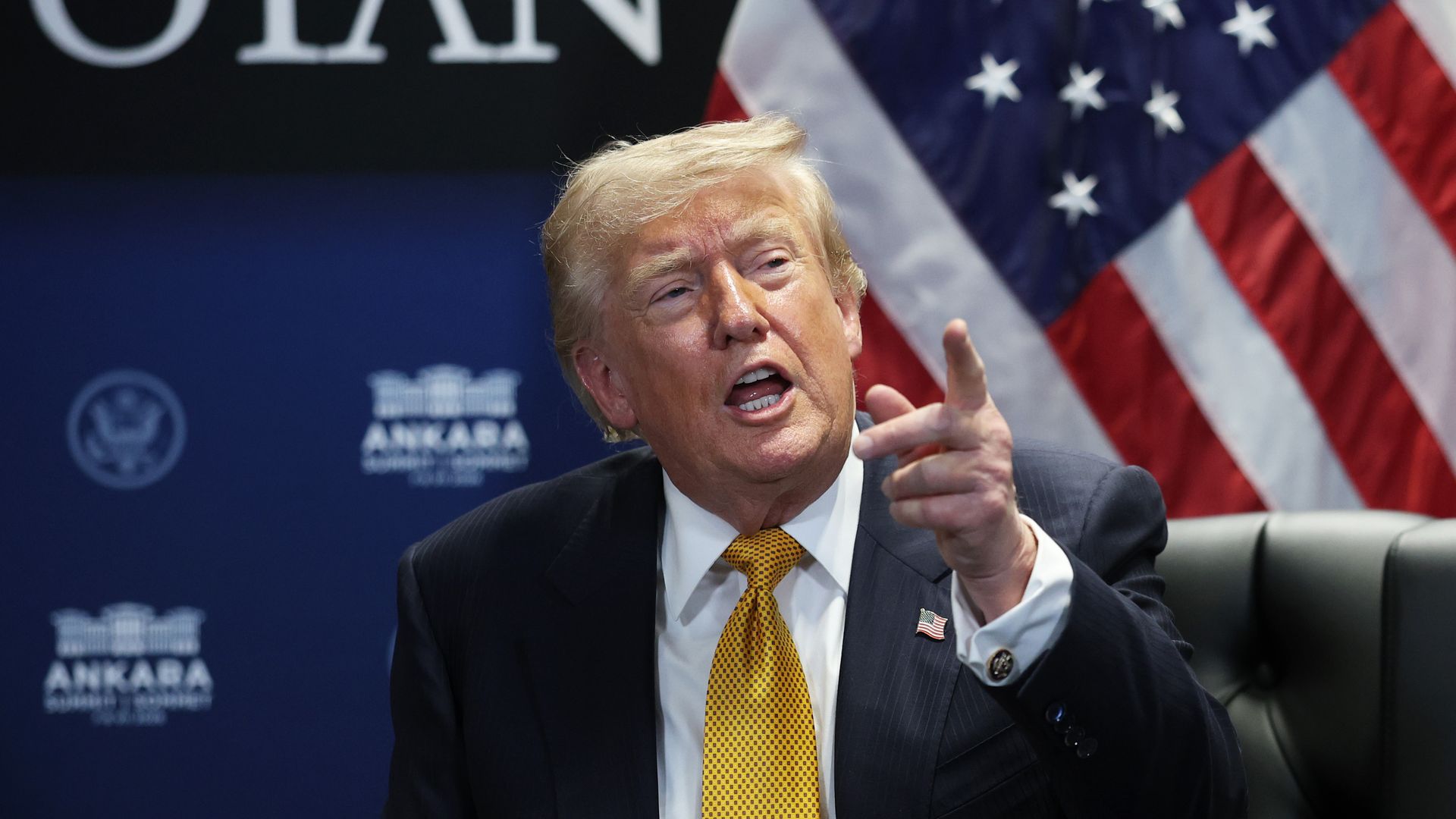
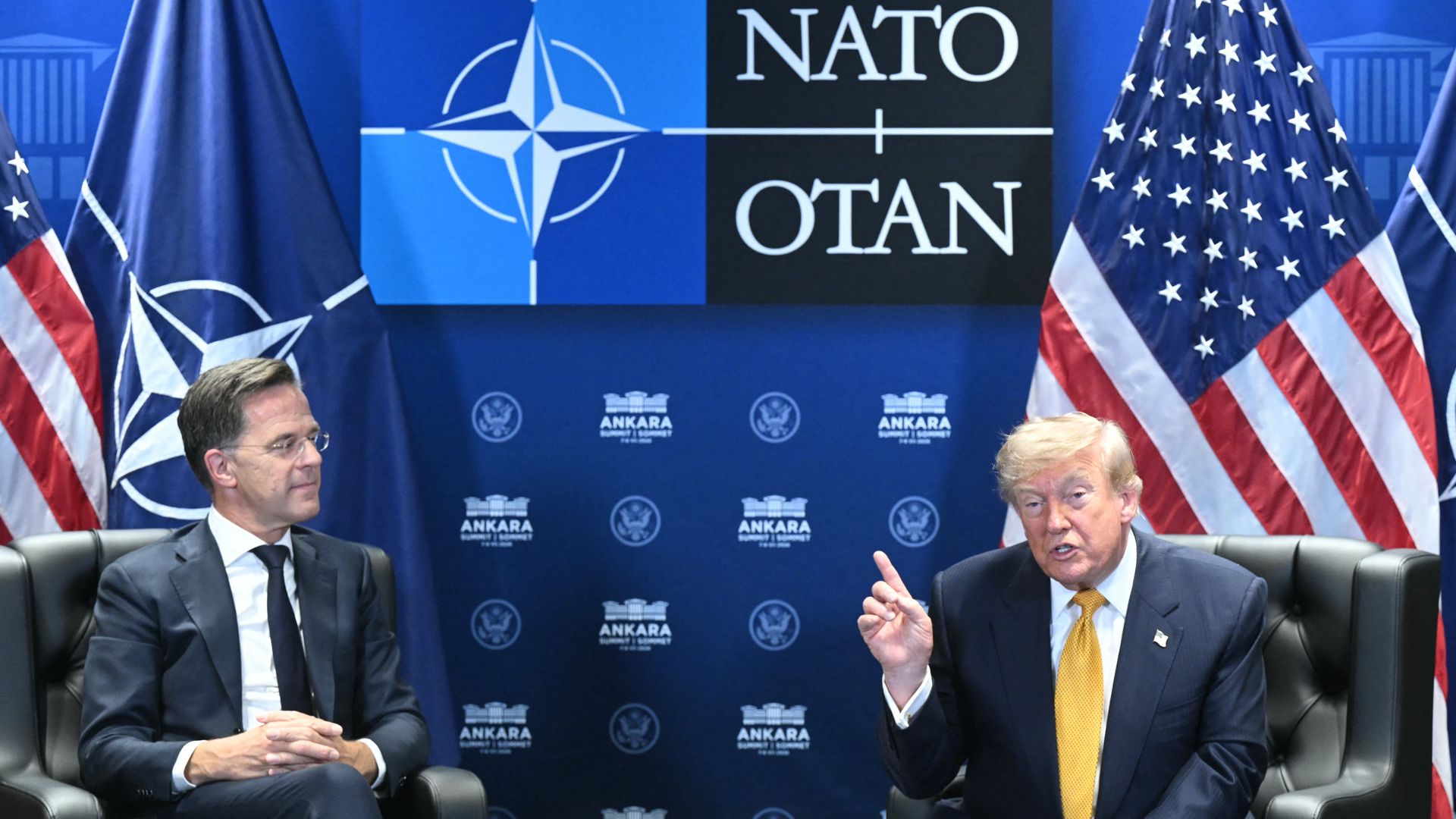
President Trump hijacked NATO's summit within hours of touching down in Turkey, threatening allies and declaring the Iran ceasefire "over" as Washington and Tehran lurched toward renewed war.
The big picture: The carefully choreographed Ankara summit unraveled into the Trump show, with the agenda quickly overtaken by the president's grudge against allies who sat out the Iran war.
The AI boom is creating a new class of shock-resistant economies.
Why it matters: Countries making the chips, servers and infrastructure behind AI are ducking the worst of the energy crises, tariffs and geopolitical turmoil.
For decades, economists looked at income, geography and natural resources to explain which countries pulled ahead.
UniCredit of Italy has increased its stake in German lender Commerzbank to 47.6% of outstanding shares and 49.65% of voting shares, after securing 17.6% via a tender offer.
Why it matters: This gives UniCredit de facto control of Commerzbank's shareholder meetings, ahead of what would be Europe's biggest bank merger in nearly two decades.
South Korea's other massive memory chipmaker, SK Hynix, plans to sell $28 billion in stock in the U.S. later this week, even as waves of volatility batter the chip shares.
Why it matters: The offering will be a major test of whether investors are still gaga for memory chip stocks.
SK Hynix's offering comes just a month after the market absorbed the enormous SpaceX IPO.
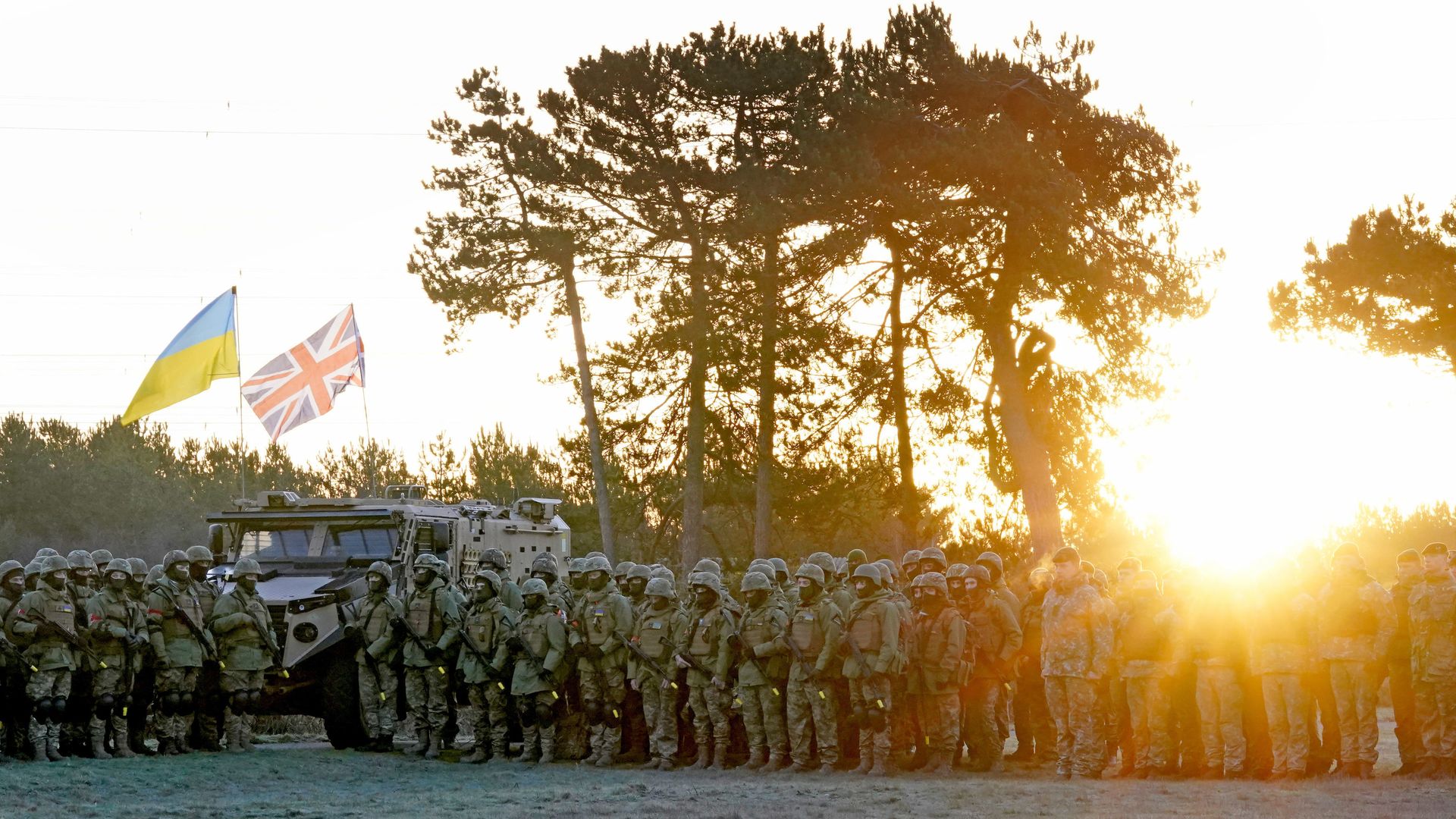
The U.K. published, after some delay,its Defence Investment Plan. It's a thoroughly Ukrainian document.
The big picture: The Russia-Ukraine war — now in its fifth year, with casualties surpassing 1.5 million people — has radically changed how conflicts are thought through, stockpiled for and fought.
Every country is taking notes.
And reporters around the world are asking the same question of generals and admirals: What lessons have you learned?
China this week test-fireda submarine-launched ballistic missile, a rare move.
Why it matters: The test delivered a dummy warhead deep into the Pacific Ocean, according to state media, allowing Beijing to flex its muscles and gauge international reaction.
Criticism quickly poured in from Australia, Japan and the U.S.
Some countries were reportedly warned of the launch ahead of time.
President Trump on Wednesday declared the ceasefire with Iran over and that while negotiations can continue, they are a "waste of time."
Why it matters: Three weeks after the U.S. and Iran signed a peace deal that Trump described as "unconditional surrender," both sides are launching fresh attacks and any sense of calm in the region has evaporated almost entirely.
The U.S. military said it struck Iranian military targets in the area of the Strait of Hormuz on Tuesday in retaliation for renewed Iranian attacks on commercial ships.
Why it matters: The exchange of fire risks plunging the U.S. and Iran into a new cycle of retaliation, threatening the fragile memorandum of understanding signed by President Trump less than three weeks ago.