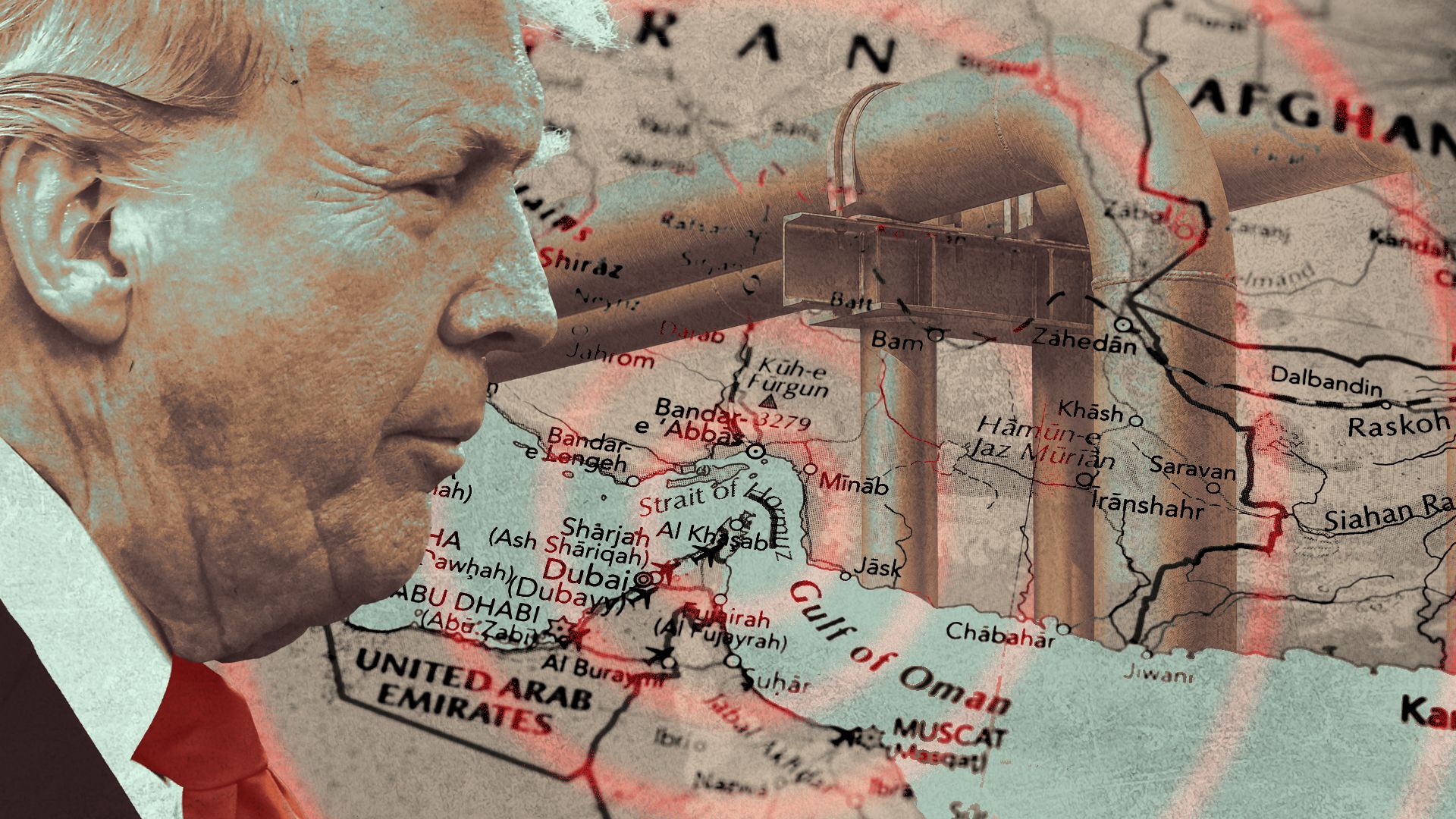
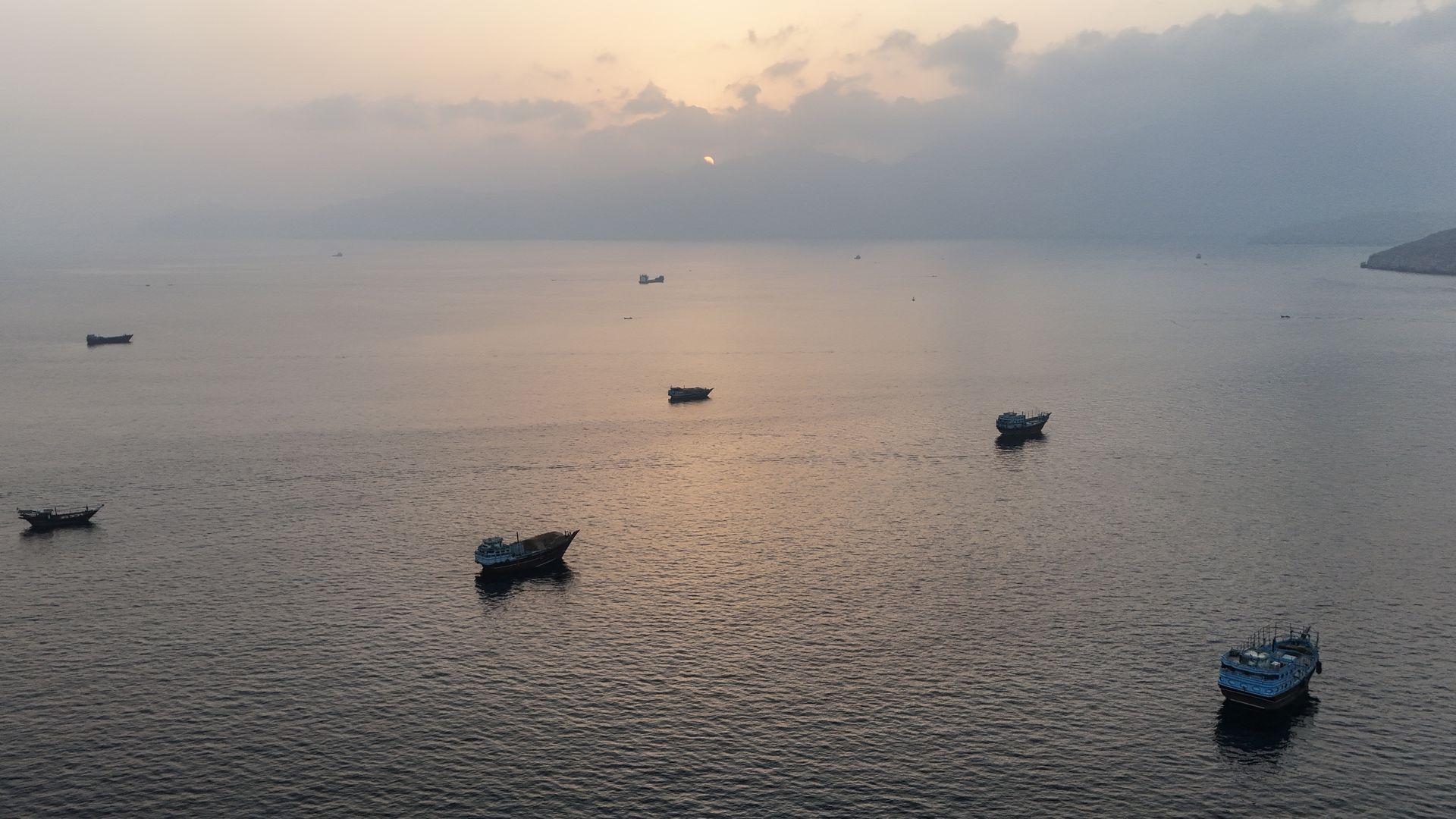
The Trump administration is demanding that Iran publicly acknowledge that the Strait of Hormuz is open and pledge to stop firing on commercial ships.
The message has been conveyed directly and through regional mediators, three U.S. officials said in a briefing with reporters Friday.
Why it matters: The administration says Iran violated the memorandum of understanding it signed with the U.S. three weeks ago by repeatedly firing on commercial vessels in and around the strait.
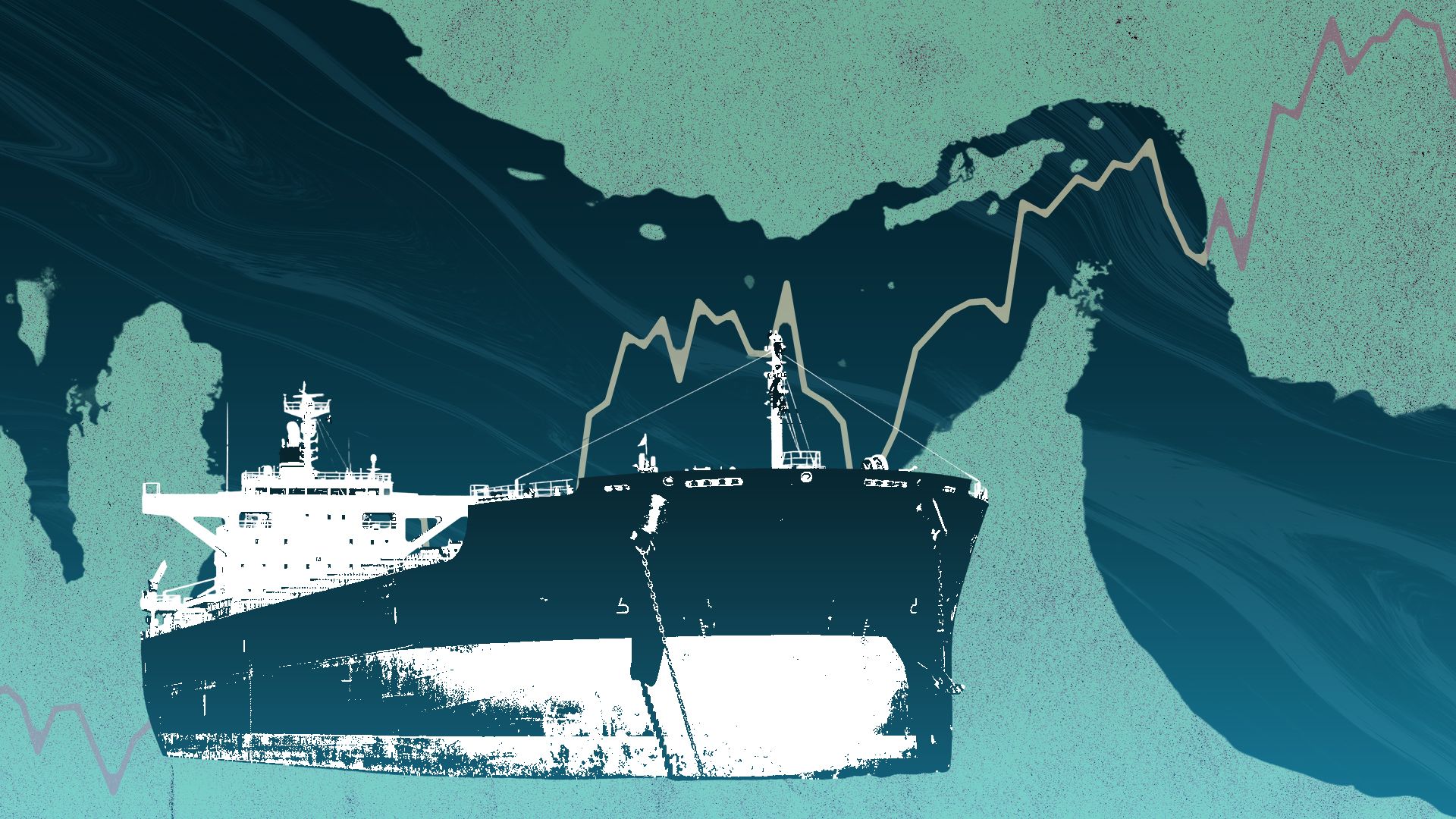
Crack spreads — energy industry measures of the gap between crude prices and refined products like diesel — have soared in recent days as the global fuel picture is increasingly determined by global politics and war.
Why it matters: Crack spreads are basically the profit margin that refiners add on top of the price of a barrel of crude in order to come up with the prices they charge for refined products like diesel.
Because the crack spread for diesel fuel, charted above, is rising, diesel fuel will likely get more expensive.
And because diesel is a key input for industries like trucking and agriculture, higher diesel prices will ultimately be passed along to consumers, at least in part.
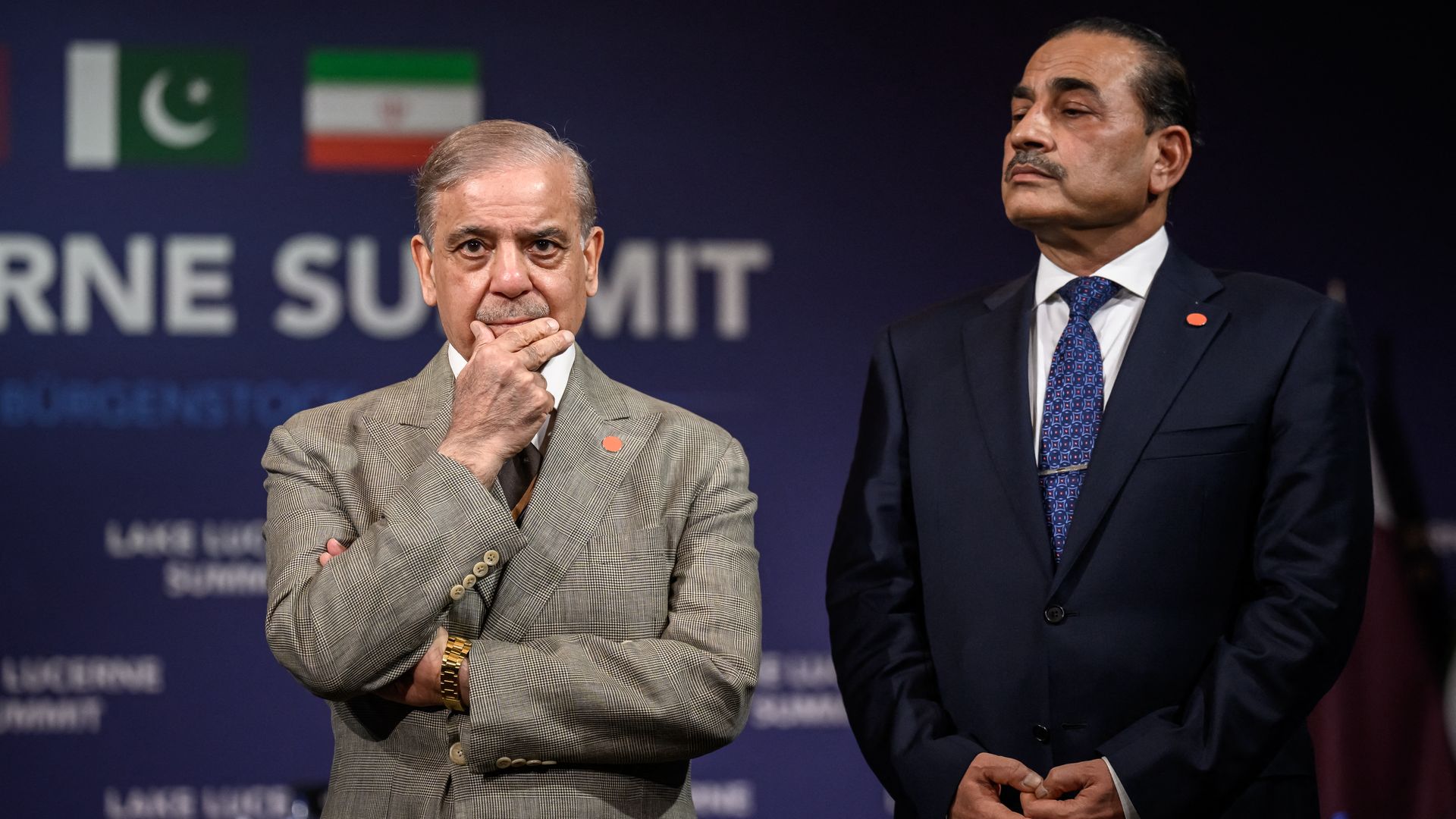
Qatar, Pakistan and other regional mediators are trying to de-escalate tensions between the U.S. and Iran and revive negotiations on a nuclear deal, according to two sources from the mediating countries and a U.S. official.
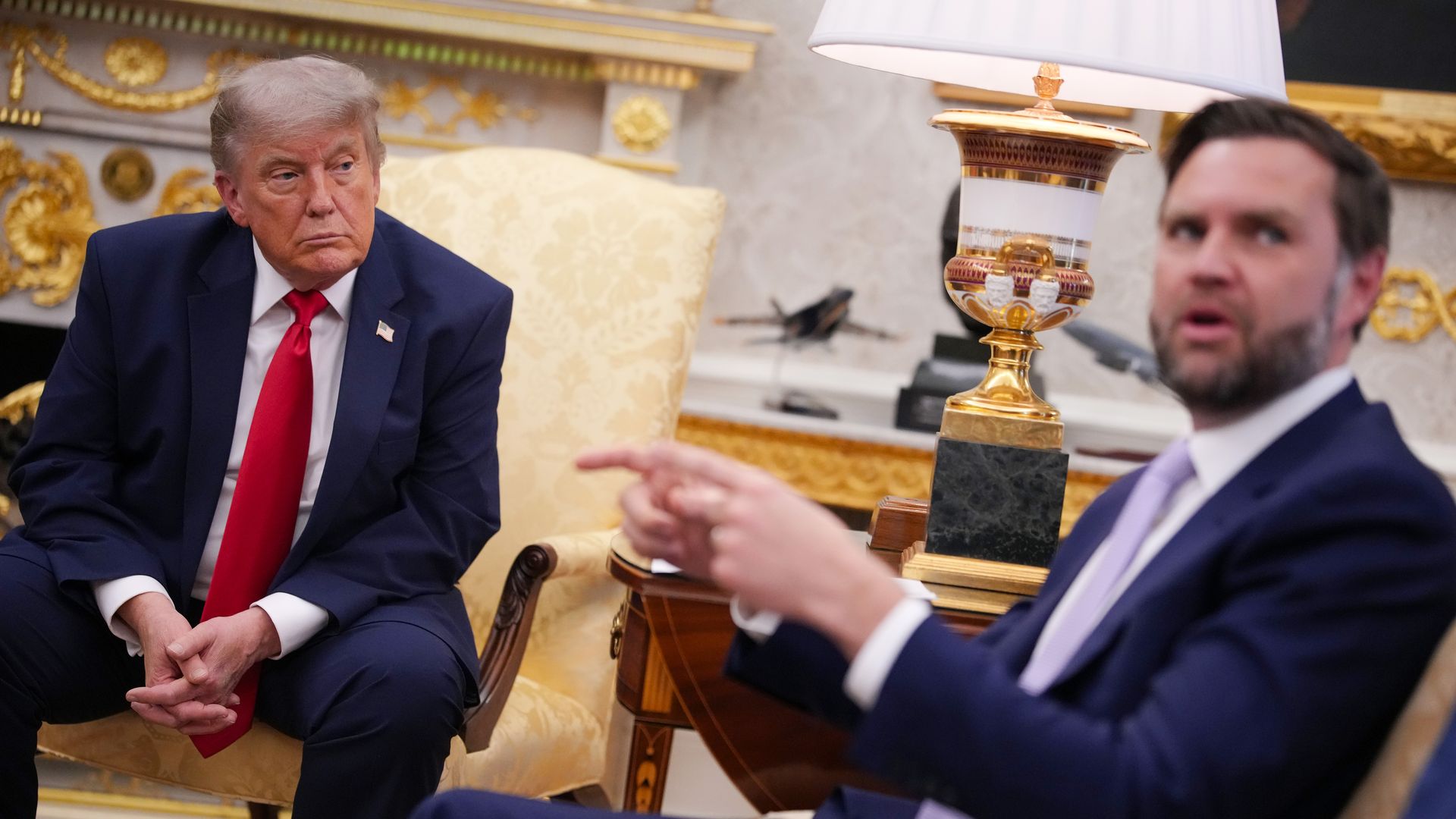
Why it matters: While President Trump announced on Wednesday that the U.S.-Iran memorandum of understanding (MOU) and the ceasefire were "over" and ordered two rounds of airstrikes, he is focused on reopening the Strait of Hormuz and still wants to avoid a return to an all-out war with Iran.
The life sciences community is splintering over how the U.S. should respond to China's rapid biotech advances — specifically over whether more protectionist policies are needed to preserve American dominance.
Why it matters: The debate features a complicated web of national security concerns, high-stakes financial interests and, ultimately, the question of what is best for patients.
As fresh U.S. strikes hit Iran, President Trump's Truth Social profile became a visual diary of distant violence, distilling the Iran war into shareable clips and memes even as he demanded an end to hostilities.
The big picture: While Trump revels in the video game-like spectacle of raw military power in Iran, Venezuela and the Caribbean on social media, he's also scrambling to find an off-ramp to a war Americansdon'tsupport.
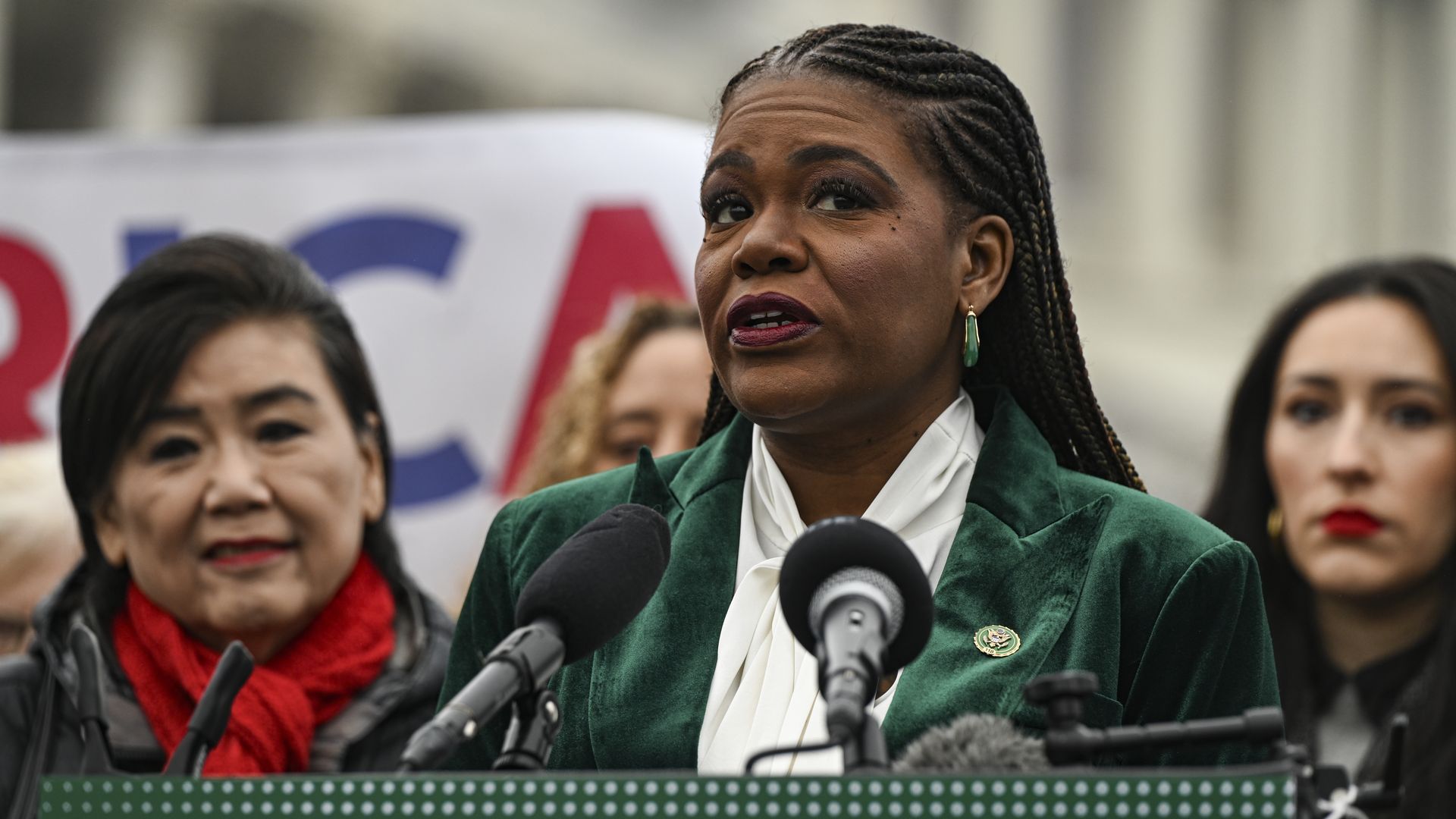
AIPAC hoped it had ended former Rep. Cori Bush's political career for good when it helped oust her two years ago. Now it's spending big to stop her attempted comeback.
Why it matters: The left has high hopes that Bush can prevail in her rematch against Rep. Wesley Bell this cycle by riding the wave of anti-establishment energy coursing through the Democratic primary electorate.
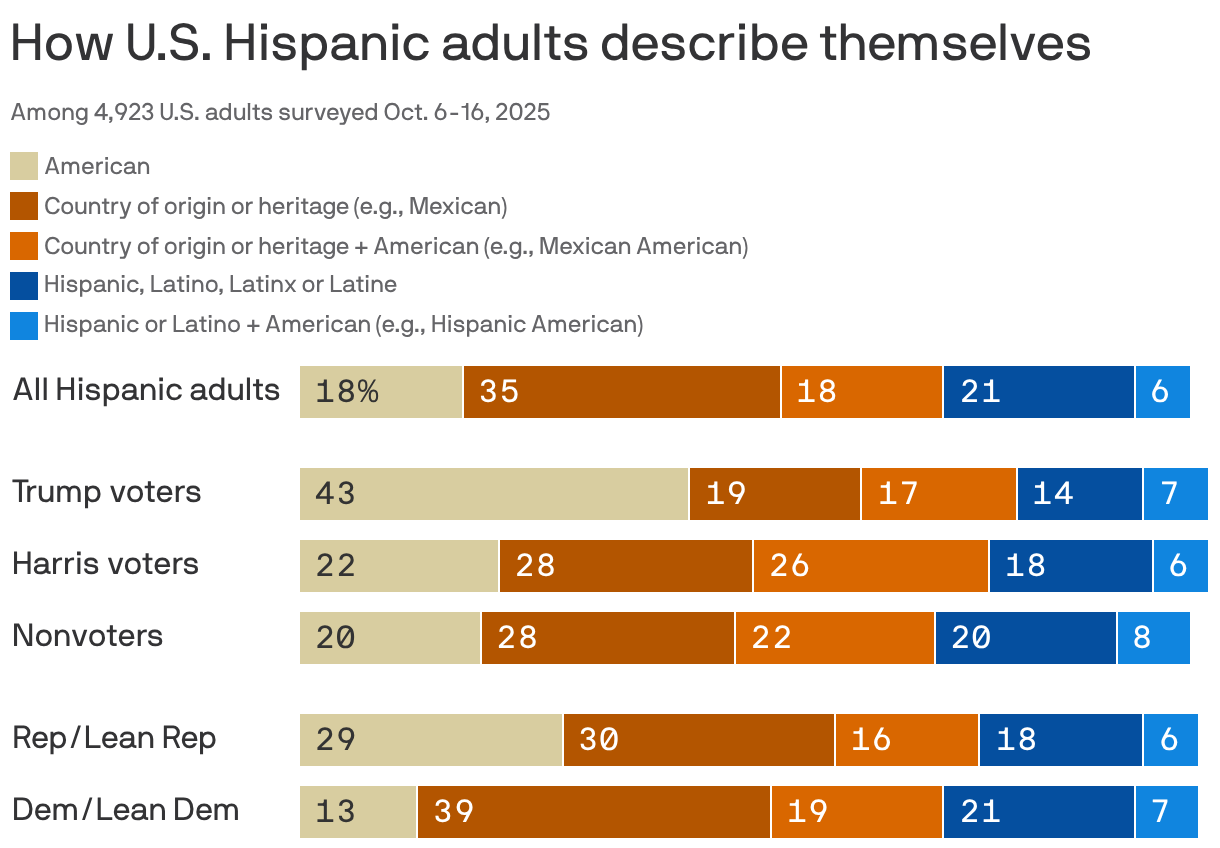
Data: Pew Research Center; Chart: Danielle Alberti/Axios
Latino voters aren't just splitting over President Trump. They're divided over how being Latino shapes their identity in America, according to a new Pew Research Center report.
Why it matters: This is a deeper fracture than a typical partisan divide — Latino voters are splintering over whether their ethnicity feels like a barrier, an asset or is politically irrelevant.
The oil economy's surprising flexibility and countries' plans to cut reliance on the Strait of Hormuz could together limit how much the war boosts the global energy transition.
Why it matters: Energy crises have long-term consequences — like the 1970s oil shocks that brought U.S. gasoline mileage rules for cars, and the country's turn away from burning oil to make electricity.
President Trump's threat to "cut off all trade" with Spain was immediately a market event — at least in Europe.
Why it matters: Well into Trump's second term, foreign investors aren't totally dismissing the president's trade threats, even if the legal authority, the path to implementing them and the ultimate outcome remain unclear.
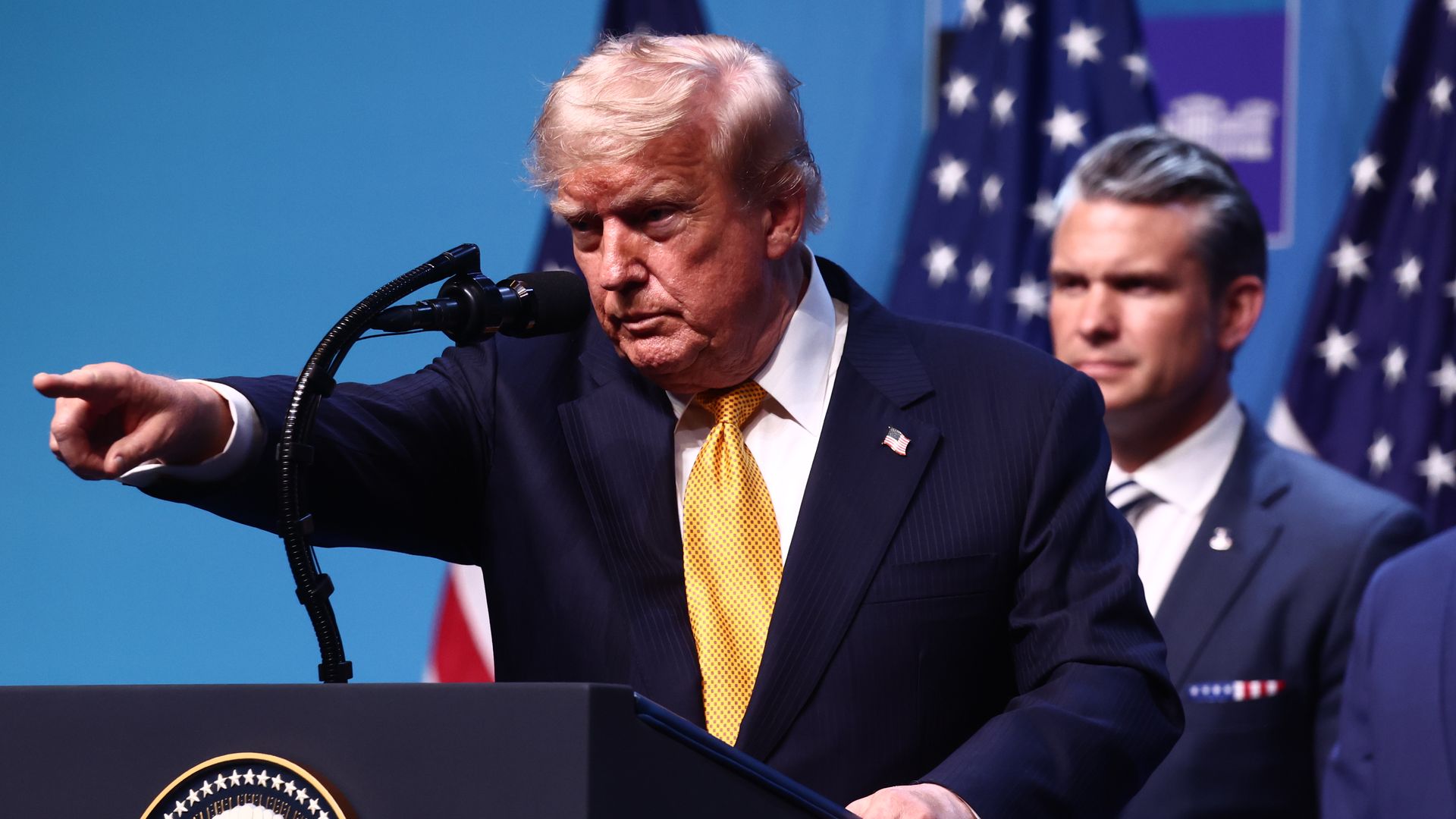
The White House is preparing for what could become a multi-day or even multi-week exchange of fire with Iran over the Strait of Hormuz.
The length and severity of the new campaign hinge entirely on Tehran's next moves, U.S. officials tell Axios.
Why it matters: A war that began with the goal of degrading Iran's missile capabilities and destroying what remained of its nuclear program has evolved into an open-ended fight over the world's most important energy chokepoint.
The U.S. military struck Iranian targets near the Strait of Hormuz on Wednesday, a U.S. official said.
Why it matters: This was the second day in a row that the U.S. had attacked Iranian targets in what U.S. officials say is an effort to stop Tehran from striking commercial ships in the Strait of Hormuz.