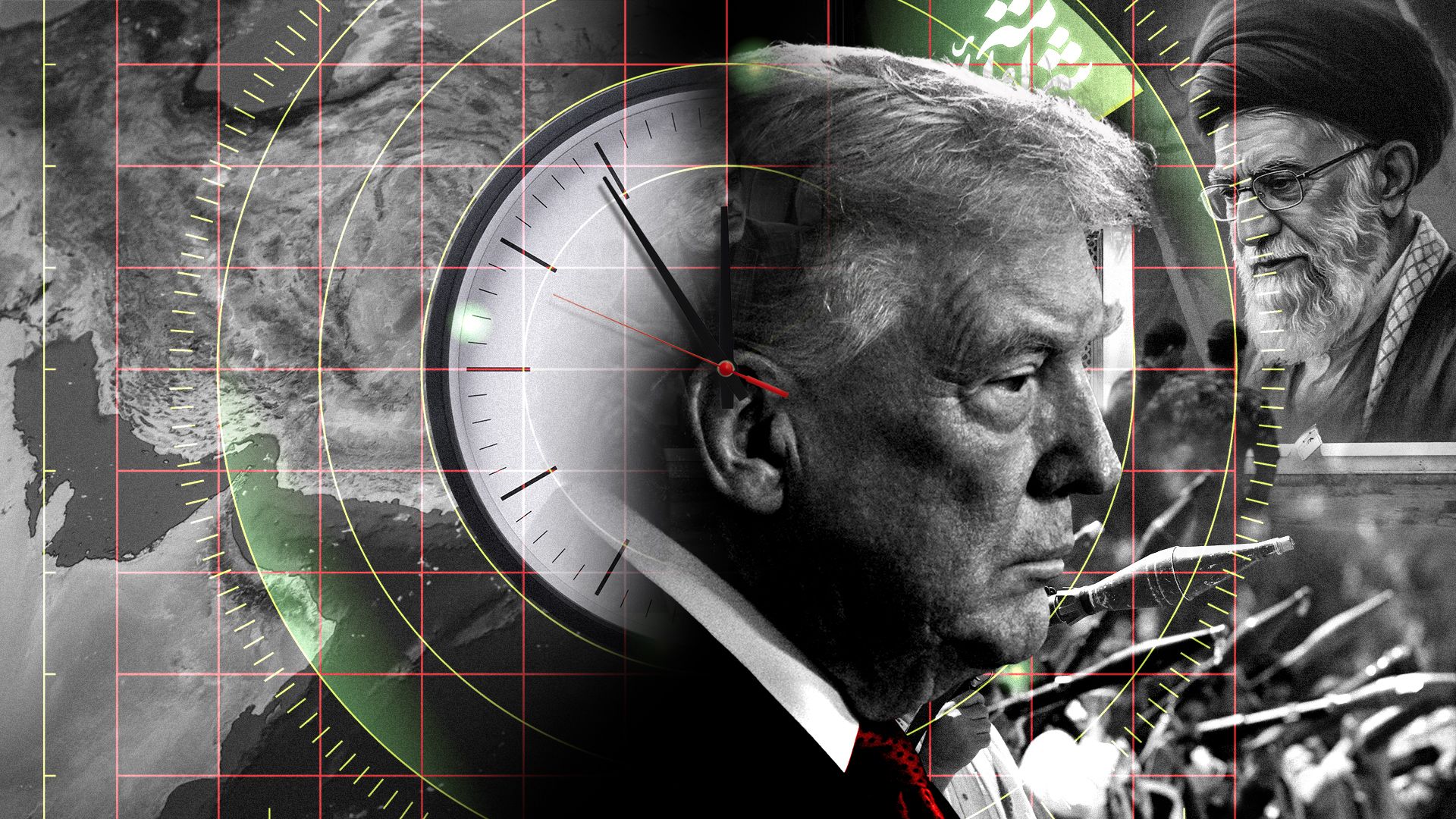
The UN's International Maritime Organization will evacuate more than 11,000 sailors stranded in the Strait of Hormuz during the U.S.-Iran war, the agency said Tuesday.
Why it matters: The operation underscores how the U.S.-Iran war disrupted a critical global shipping route and left thousands of civilian seafarers stuck.
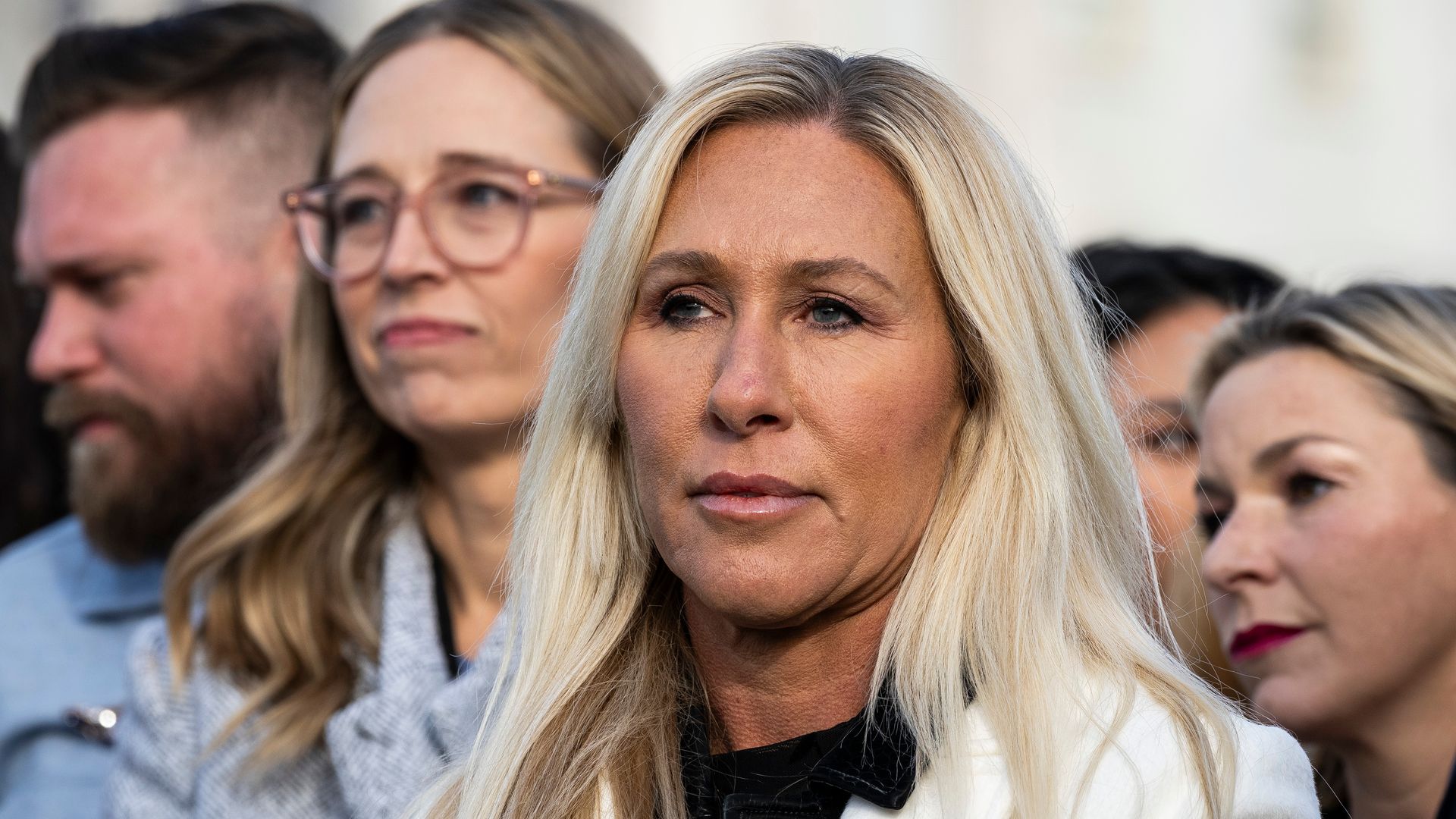
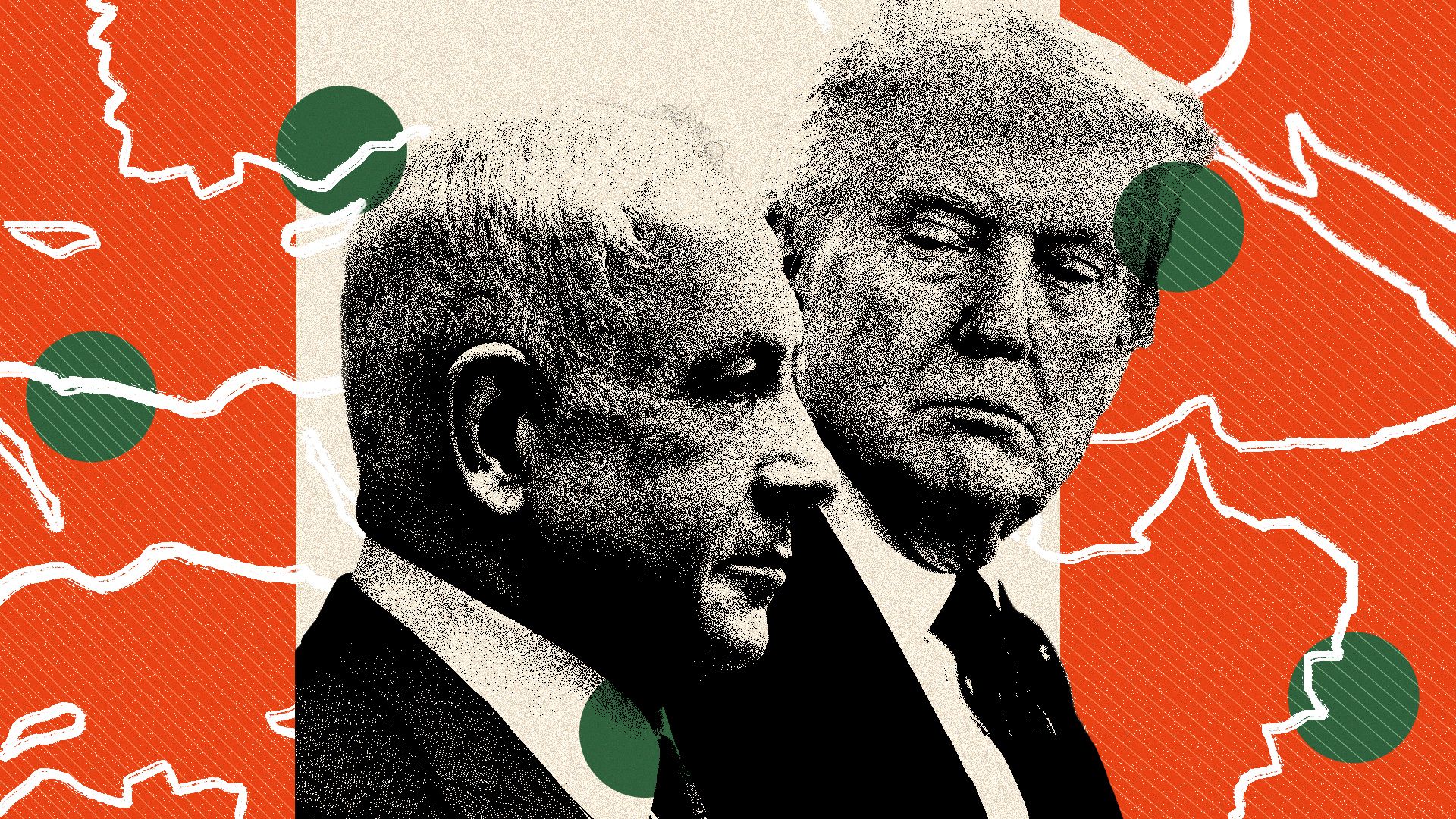
Former Rep. Marjorie Taylor Greene (R-Ga.) announced Monday evening that she's ditching the Republican Party, following conservative commentator Tucker Carlson out the door.
Why it matters: The former Trump loyalist is part of a growing group of conservatives who believe the president's foreign policy has gone astray.
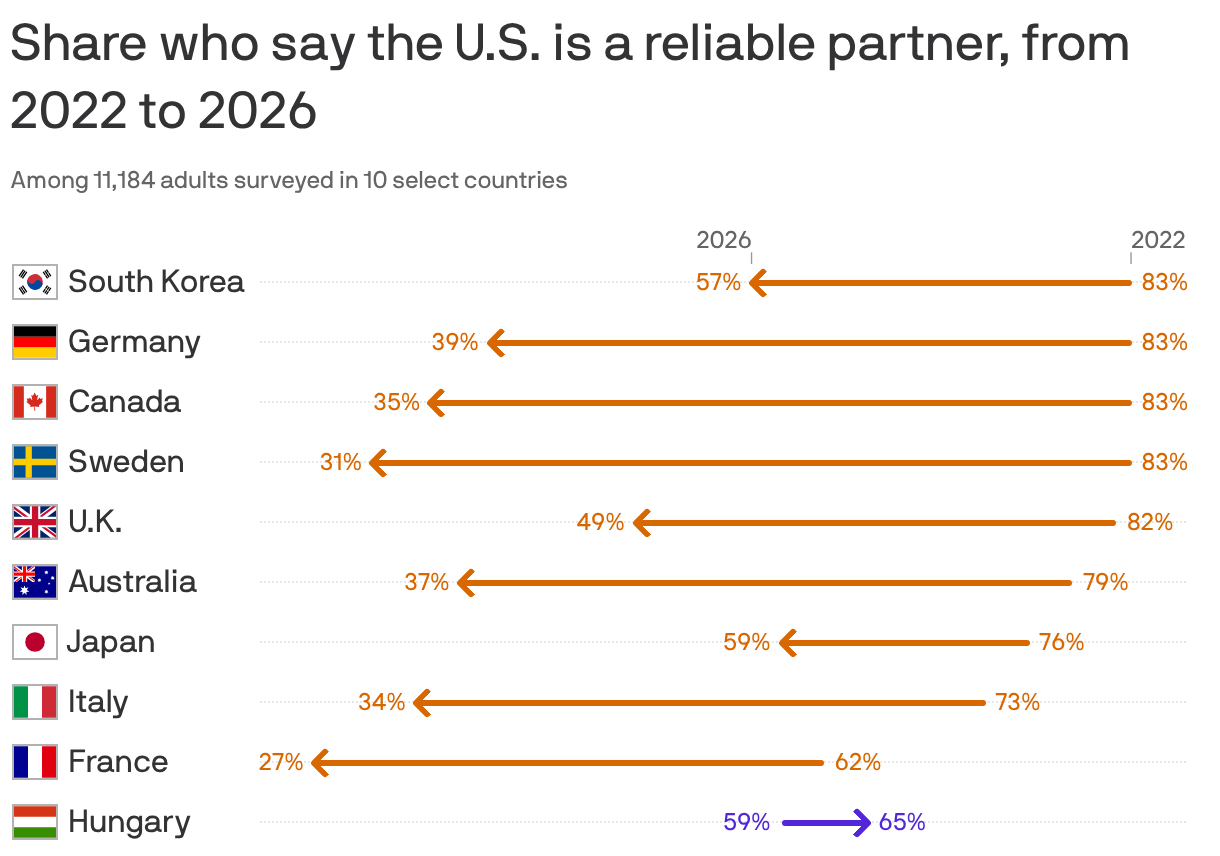
Data: Pew Research Center; Chart: Danielle Alberti/Axios
The U.S. is losing standing abroad as President Trump's foreign policy fuels doubts about whether America can still be counted on, according to new polling.
Why it matters: The Pew Research Center findings capture how Trump's second-term approach is reshaping America's image, with allies and partners increasingly viewing Washington as unreliable, self-interested and less committed to global cooperation.
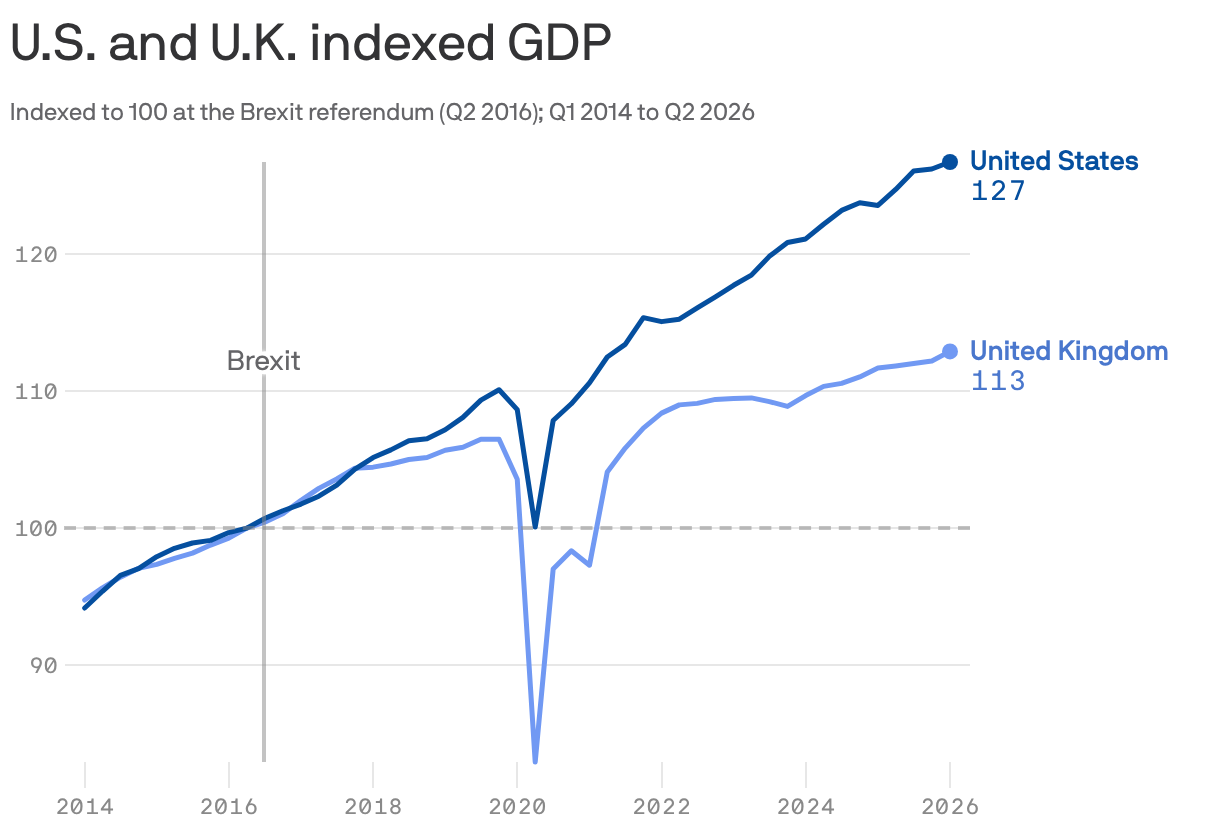
Brexit is the real-world test of what happens when a major economy voluntarily raises trade barriers, restricts the free flow of workers and generates years of policy uncertainty — all at once.
A decade since the vote to leave the European Union, the results are largely in.
Why it matters: The economic drag came from overlapping effects.
Businesses held off on investment as uncertainty dragged on, executives spent years consumed by Brexit logistics, and the firms most integrated with European markets were often the ones hit hardest.
Why it matters: Keir Starmer was elected as a competent, level-headed antidote to 14 years of Conservative rule — a period consumed by austerity, ideological warfare and the chaos of leaving the European Union.
Israel's government is concerned that the U.S. is effectively legitimizing Iran's influence in Lebanon and eroding Israel's freedom of operation there through new understandings reached in Switzerland and the memorandum of understanding signed with Iran last week, two Israeli sources told Axios.
Why it matters:Iran has managed to wrap the situation in Lebanon into its negotiations with the U.S. to support its proxy, Hezbollah. The Trump administration accepts that it must now contain Israel's actions in Lebanon to advance its diplomacy with Iran.
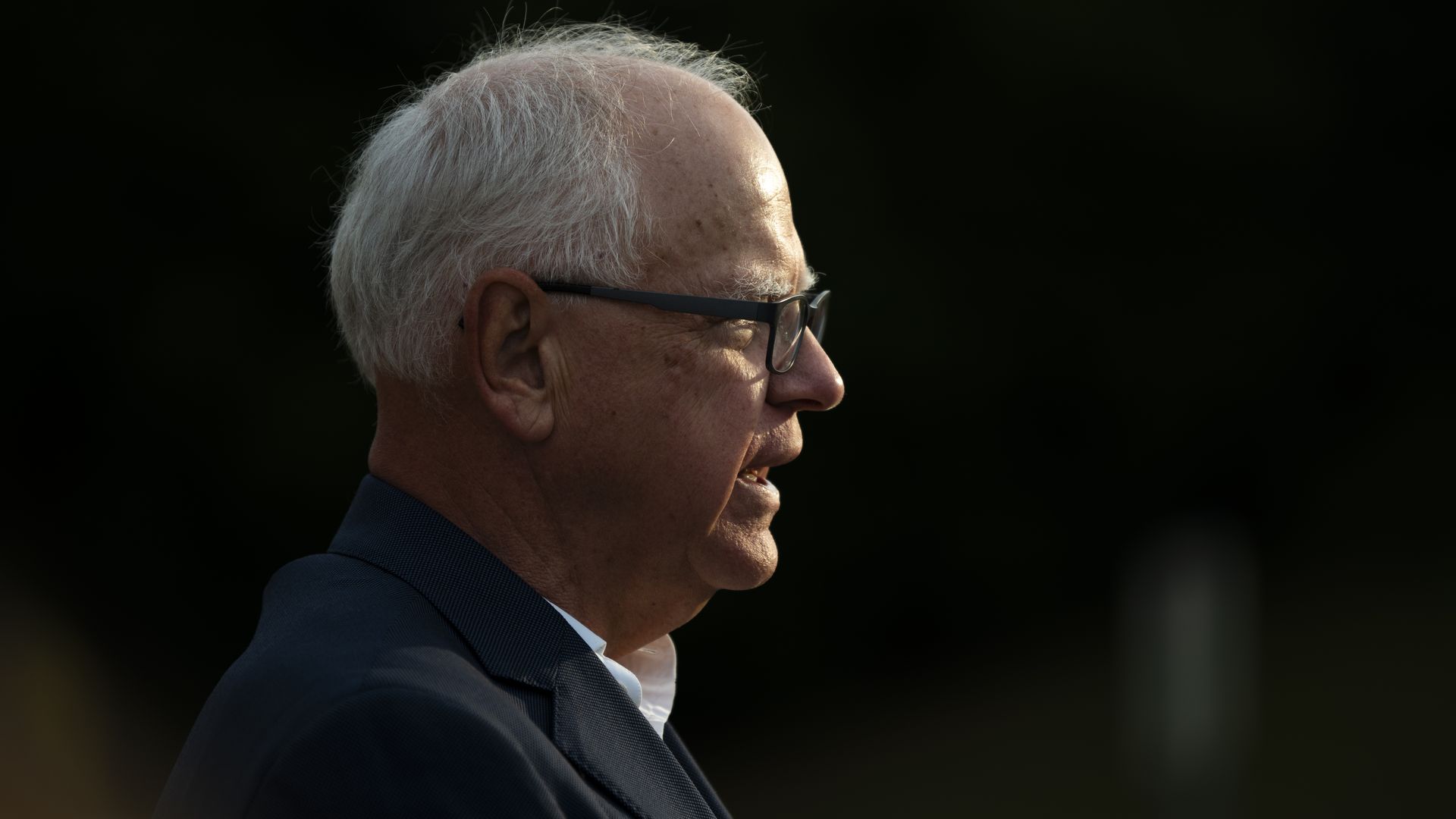
Minnesota's top federal judge on Monday quashed several Trump administration subpoenas for immigration-related records from Gov. Tim Walz (D) and a dozen other state and local officials.
Why it matters: The grand jury subpoenas — issued when Operation Metro Surge was at its height — were clearly meant to "coerce Minnesota officials into assisting the federal government with enforcing civil immigration laws," U.S. District Court Chief Judge Patrick Schiltz concluded.
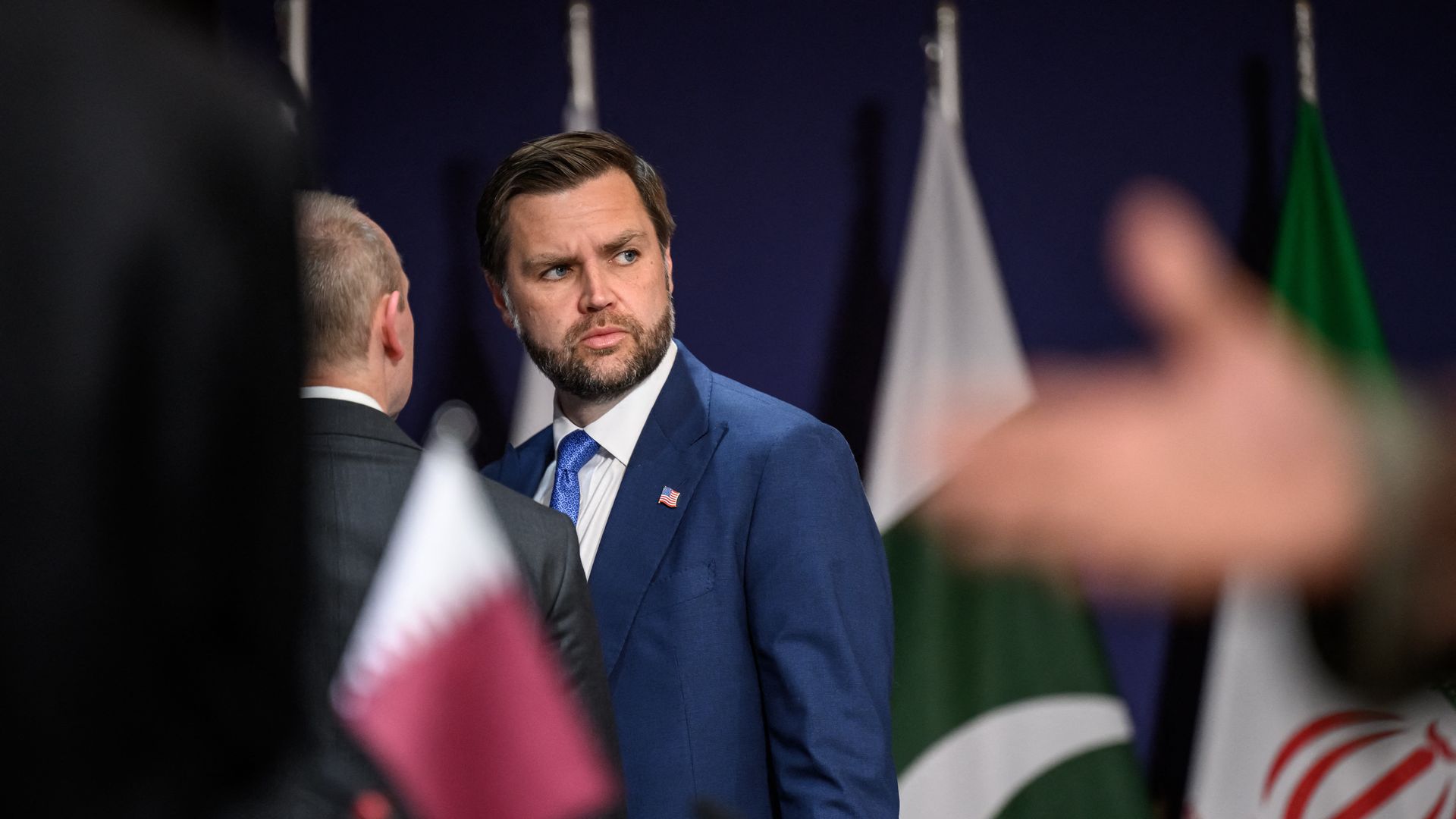
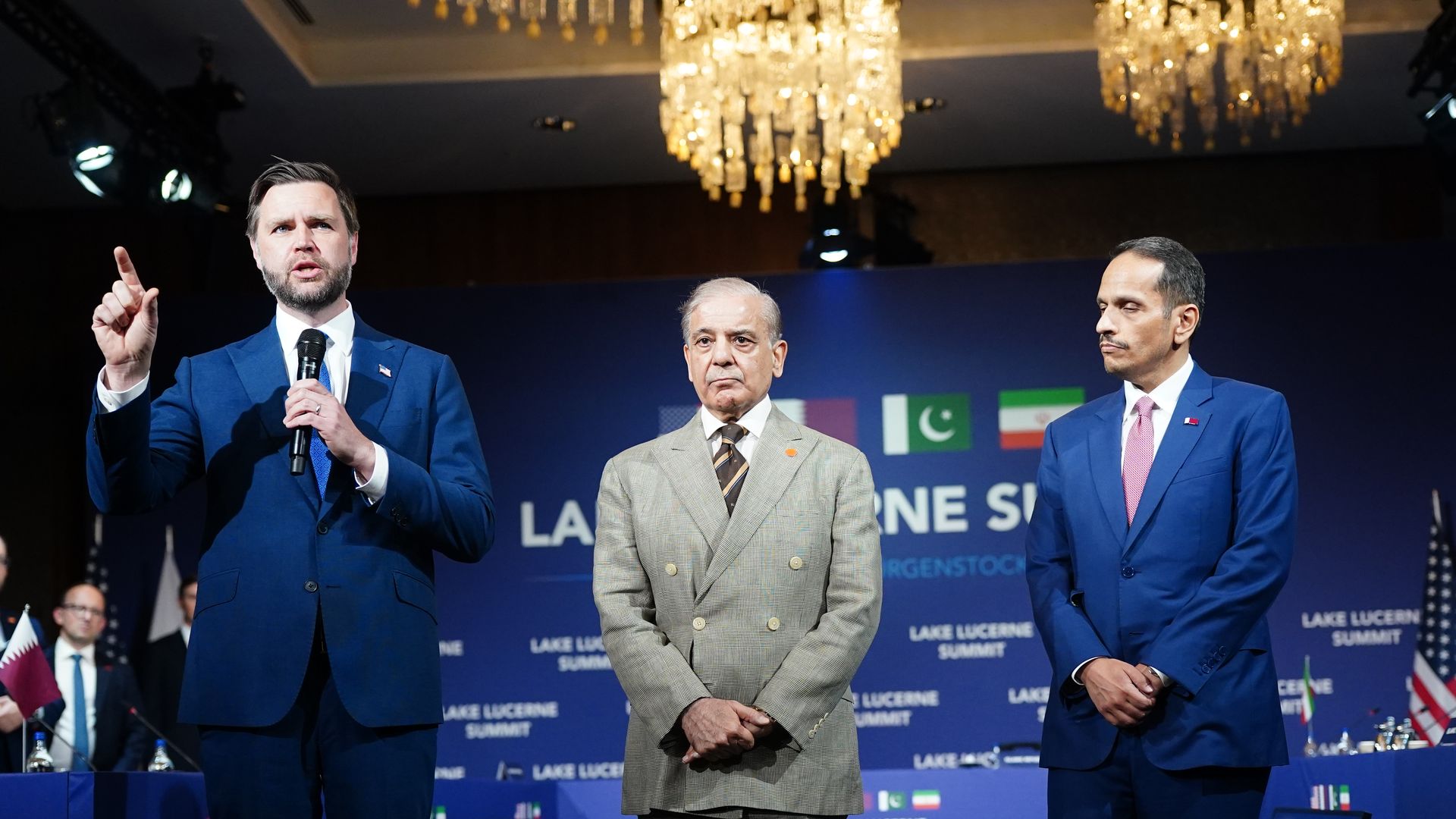
Iran agreed to invite International Atomic Energy Agency inspectors into the country, Vice President JD Vance announced Monday after the first round of U.S.-Iran nuclear talks in Switzerland.
Why it matters: The U.S. had wanted the first round of talks to end with an Iranian invitation for UN inspectors to visit its key nuclear sites, which were bombed by the U.S. and Israel. The last such visit took place before the war in June 2025.
British Prime Minister Keir Starmer resigned Monday after weeks of turmoil within his government, setting the country up to find its seventh leader in the last decade.
Why it matters: The Labour Party, which Starmer currently leads, must quickly choose a new leader as the U.K. faces an economic crisis tied to the war in Iran.
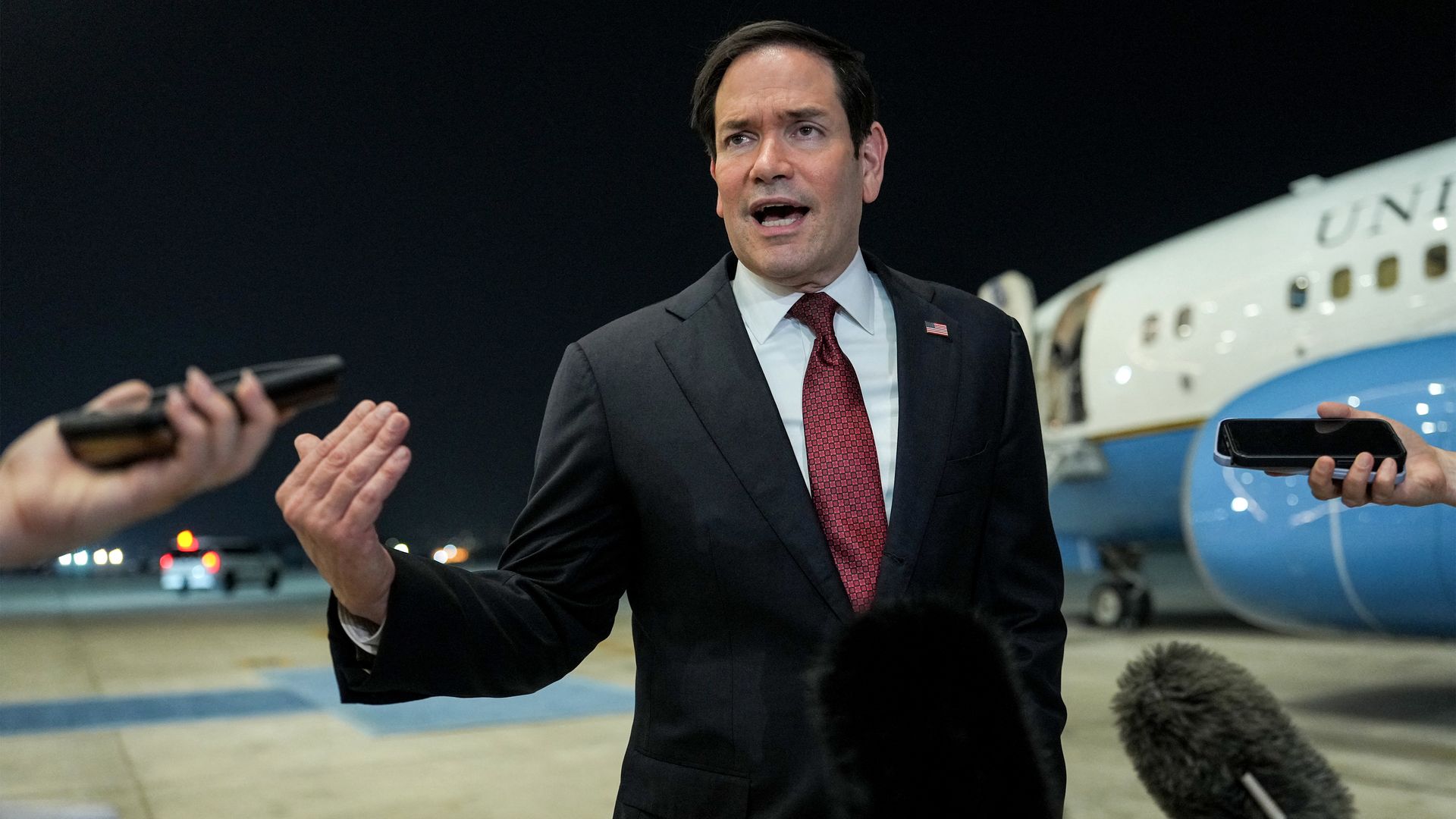
Last Wednesday, the U.S. and Iran signed a deal to end the war.
Since then, Iran said it was closing the Strait of Hormuz again (though it didn't in practice, per U.S. officials), Israel intermittently bombed Lebanon and President Trump threatened to seize and toll the strait, kill Iran's peace negotiators, and send Syria in to fight Hezbollah.
Why it matters: A week after the cease-fire deal was announced, both the U.S. and Iran are pushing it to the limit.
U.S. and Iranian negotiators held marathon talks in Switzerland into Sunday night as they worked to launch a 60-day effort toward a new nuclear agreement.
Why it matters: The nearly nonstop talks at the Lake Lucerne Summit signal both sides remain engaged despite significant differences and may be laying the groundwork for broader discussions on regional security.