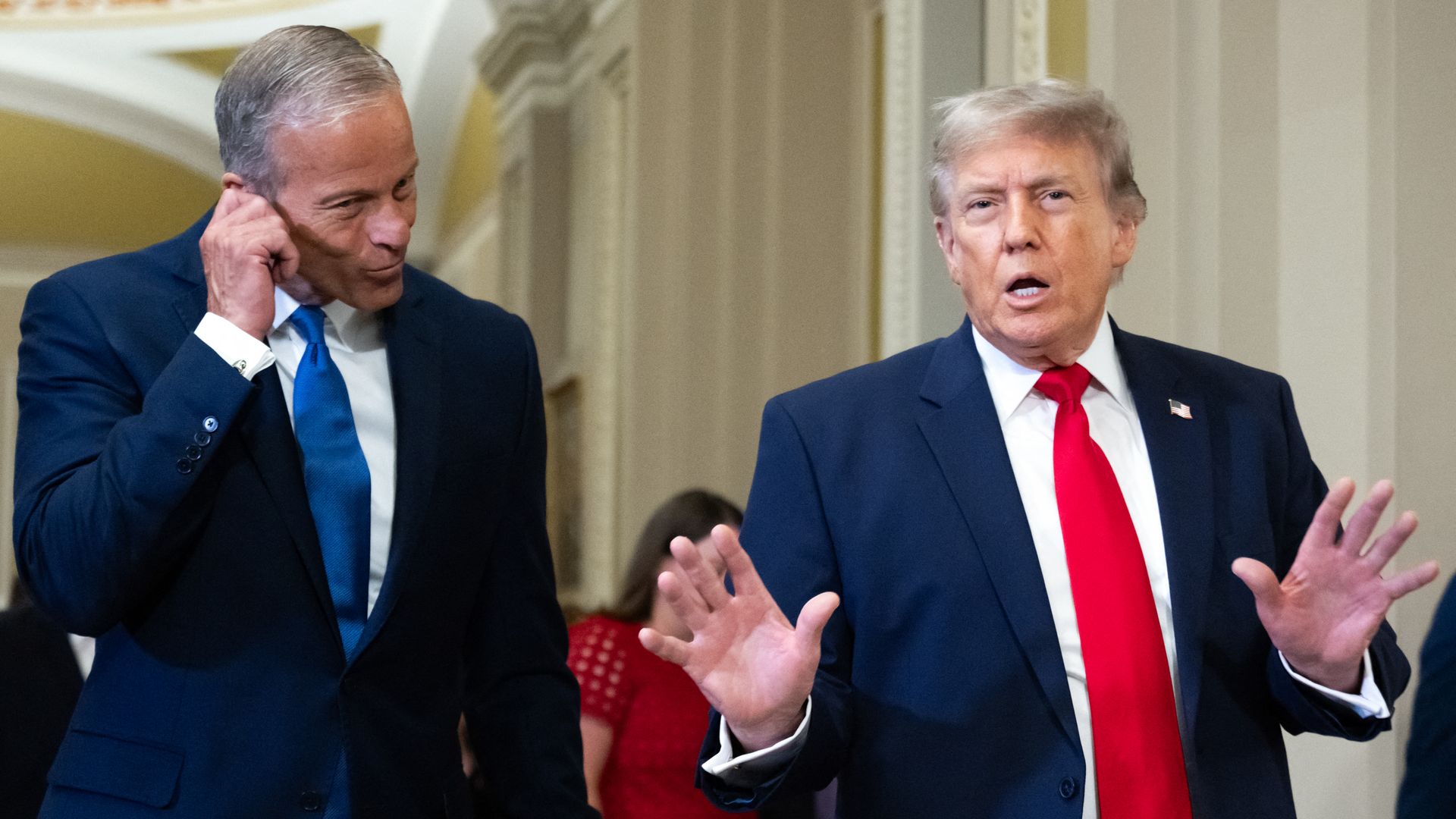
President Trump's lunch with GOP senators devolved into a lengthy shouting match between him and outgoing Sen. Bill Cassidy (R-La.).
Why it matters: Trump's handling of the war in Iran and the Senate's passage of a war powers resolution consumed the conversation, despite Trump's renewed pressure to pass a voter ID bill and kill the filibuster.
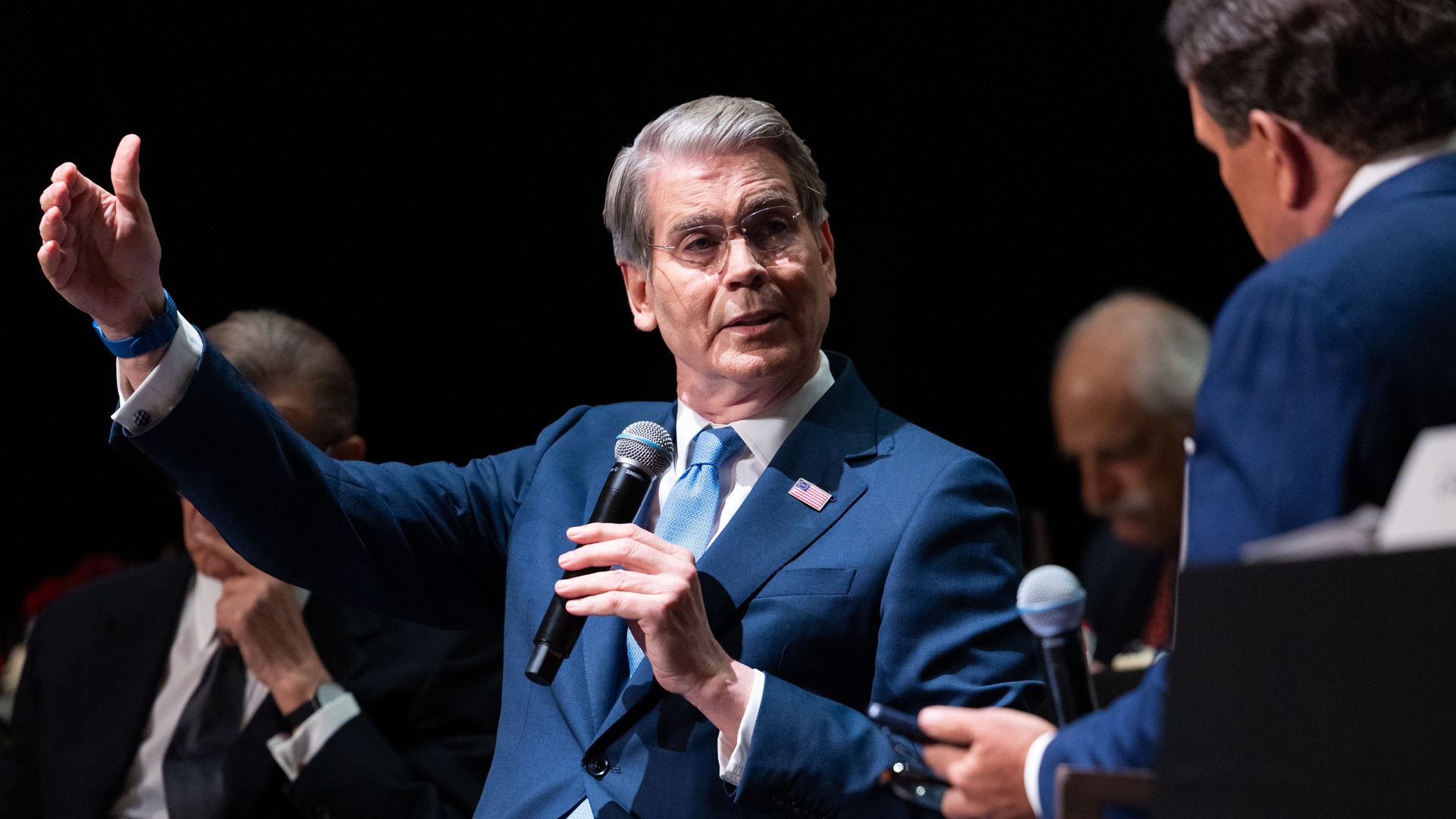
In a speech in New York on Tuesday night, Treasury Secretary Scott Bessent said that a long-running bet on cheaper goods and deeper economic integration making America richer and safer had failed.
Why it matters: The speech set a framework for President Trump's economic policies since his second term, including tariffs and calls for reshoring.
But it also suggests that those policies may be part of a broader rethinking of globalization that extends well beyond one administration.
If that's right, investors betting on a return to the old globalization playbook may be waiting a long time.
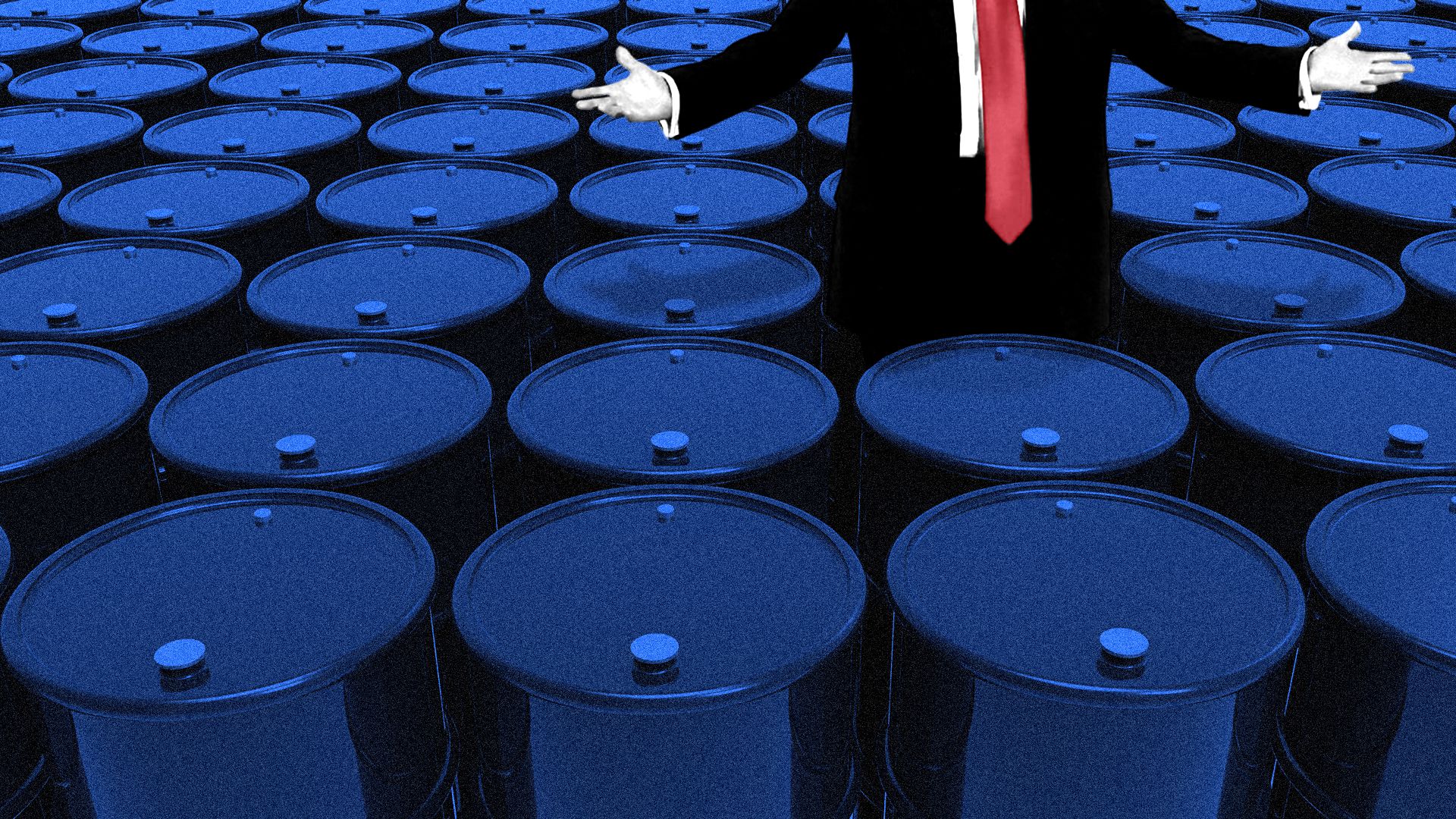
When Iran shutthe Strait of Hormuz in early March, cutting back the global oil supply, it was easy to imagine domestic economic damage along the lines of 1970s oil shocks.
The big picture: It hasn't happened, and that reflects a central shift in how the U.S. fits into global energy markets. Turns out, when you produce your own energy, an oil shock doesn't hurt the way it used to.
That, in a nutshell, is the takeaway of new Dallas Federal Reserve Bank research that quantifies how small the GDP hit has been and how much more severe the pain would have been in decades past.
President Trump says he ordered the Justice Department to probe whether oil companies are gouging consumers.
Why it matters: It shows a new level of Trump's frustration with prices at the pump — and introduces a new wild card for oil companies, depending on what the Justice Department decides to do with the president's overnight Truth Social post.
Memory chip and data storage stocks plunged Tuesday, even though few see explosive, AI-driven demand for such products abating any time soon.
Why it matters: Memory stocks have been key market beneficiaries of the AI boom. But their recent swoon reflects a micro-crisis of confidence in the AI trade.
Driving the news: U.S. memory chipmaker Micron Technology — one of the biggest gainers in the S&P 500 this year — reports results for its fiscal third quarter after the market close Wednesday, following a decline of 13.2% on Tuesday.
It was the second-worst performer in the S&P 500, behind Sandisk (-13.6%), another high-flying data storage stock riding the AI boom.
Stunning stat: Micron shares are up over 250% so far this year, and more than 750% over the last 12 months.
Analysts largely say that remarkable surge is justified by the soaring prices of chips Micron sells, which have supercharged profit margins.
What they're saying: "We expect Micron to report a beat-and-raise as continued pricing increases, broadening AI demand and constrained supply extend the memory upcycle," wrote Kevin Cassidy, an analyst at Rosenblatt Securities. "We believe demand remains strong enough to absorb higher pricing without meaningful demand destruction."
Yes, but: Those expectations of profit didn't prevent the recent tumble.
The drop seems to reflect shifting investor psychology — South Korean memory chip stocks also tumbled during Monday's overnight session — rather than to any changing views on Micron's financial fundamentals.
What we're watching: How Micron trades after the numbers hit the tape Wednesday afternoon after the close of trading.
A selloff after strong results could signal a more significant shift in sentiment among the AI bulls that investors should pay attention to.
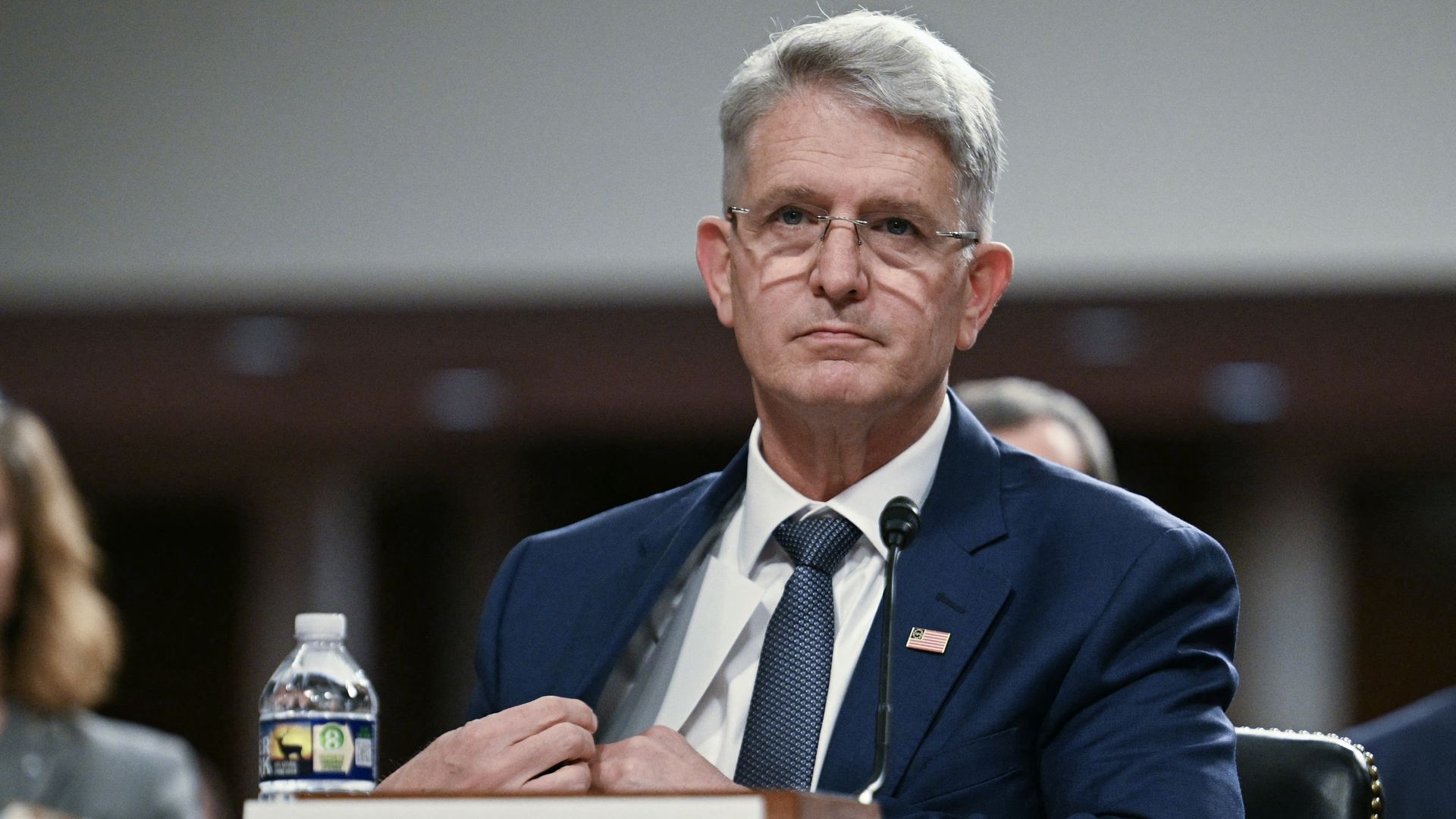
Russian threats to use nuclear weapons during the war in Ukraine are a sign of "weakness" and fail to spook NATO and other nearby countries, the head of the National Nuclear Security Administration said.
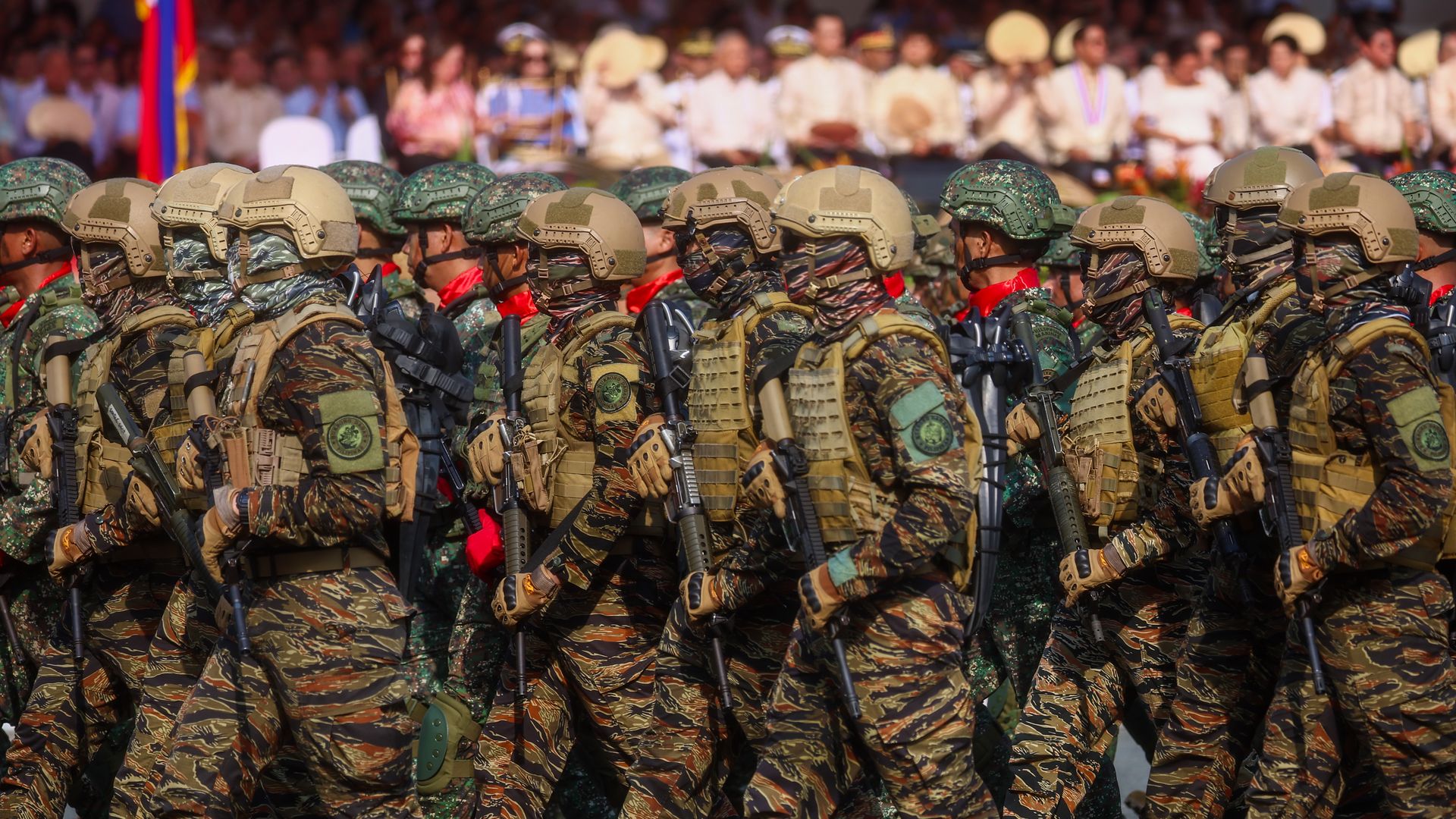
China's extraterritorial aggressionunder Xi Jinping is hardening the resolve of the Philippines and pushes Manila and its neighbors closer together every day, Defense Secretary Gilberto Teodoro told Axios.
Why it matters: It pays to have friends in the Indo-Pacific, a place so big, so complex and so vital to the interests of two nuclear-armed powers.
While Beijing and Washington are playing nice right now, no one in the region is blind to the possibility of the next great conflict kicking off there.
What looked like a typical round of President Trump insulting European leaders last weekend could turn into a wholesale reordering of the trans-Atlantic relationship.
Why it matters: Administration officials are pointing to Europe's reluctance to get involved in Iran to question why the U.S. should continue underwriting its defense.
Against that backdrop, NATO Secretary General Mark Rutte is due in Washington tomorrow for what may be the alliance's most consequential encounter with Trump since his return to office.
The Five Eyes intelligence alliance issued a rare joint warning this week that frontier AI capable of crippling governments and businesses is close. The fast rise of Chinese and Japanese models helps explain the urgency and fear, officials tell us.
Why it matters: Yes, Anthropic's Mythos model is the most cyber-lethal threat in the world. But OpenAI is close here in America. And China and Japan, using much cheaper models, have gotten closer, faster than intelligence agencies anticipated.
"The timeline is not years, it is months," Five Eyes warned.
Investors seem to be hitting pause on the AI run-up. Chip stocks in particular are slumping from their record highs.
Why it matters: We're in a bit of a reality-check moment in the AI buildout — both for the businesses blowing their budgets on compute and for the investors bidding up stock prices for any company engaged in the new technology.
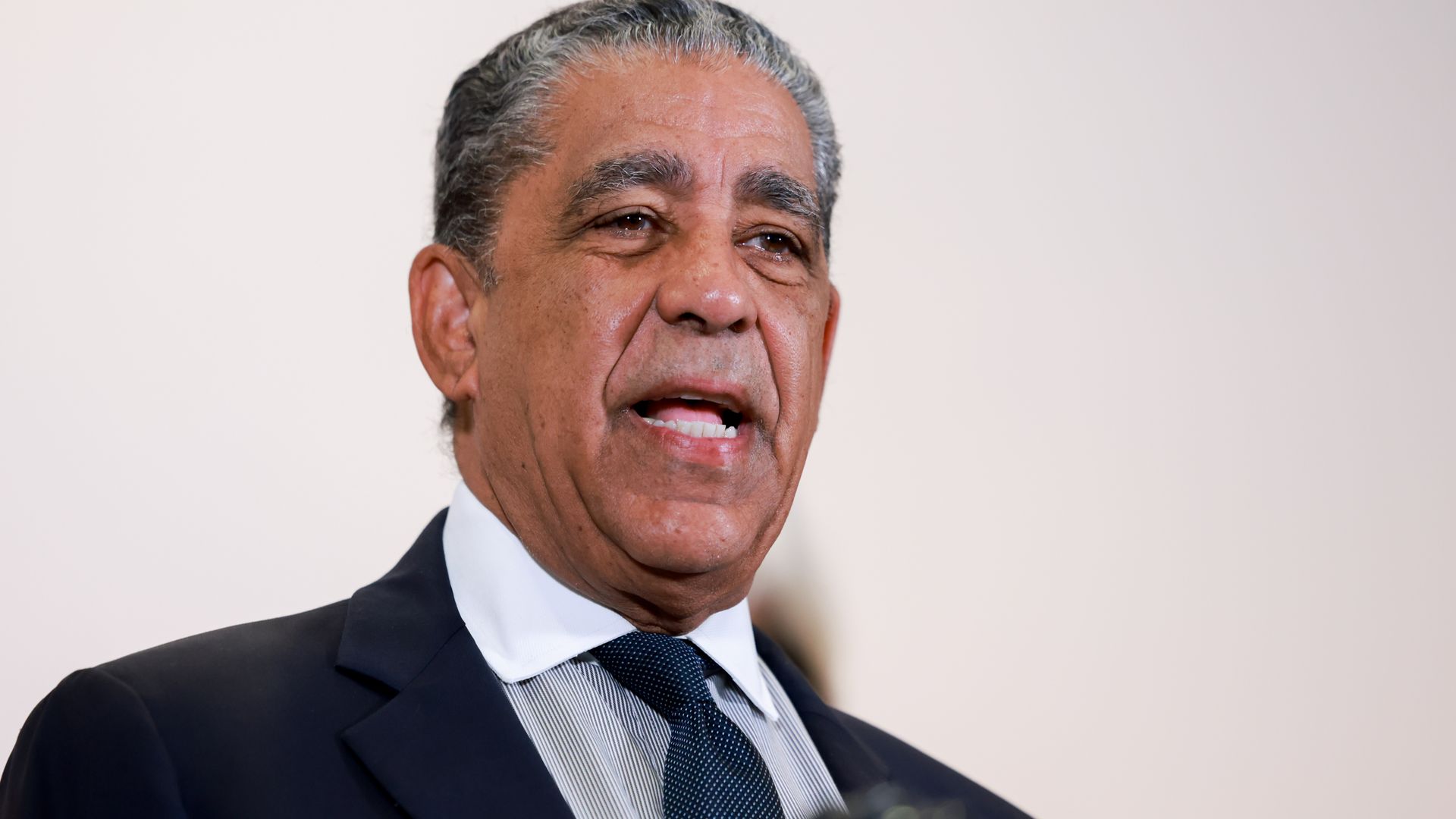
Congressional Hispanic Caucus chair Adriano Espaillat (D-N.Y.) lost his primary Tuesday to democratic socialist challenger Darializa Avila Chevalier, the Associated Press projects.
Why it matters: It's a major blow to the Democratic Party establishment and underscores the liberal grassroots' growing frustration with party leaders.