Iran to allow UN nuclear inspectors back in, Vance says

Add Axios as your preferred source to
see more of our stories on Google.
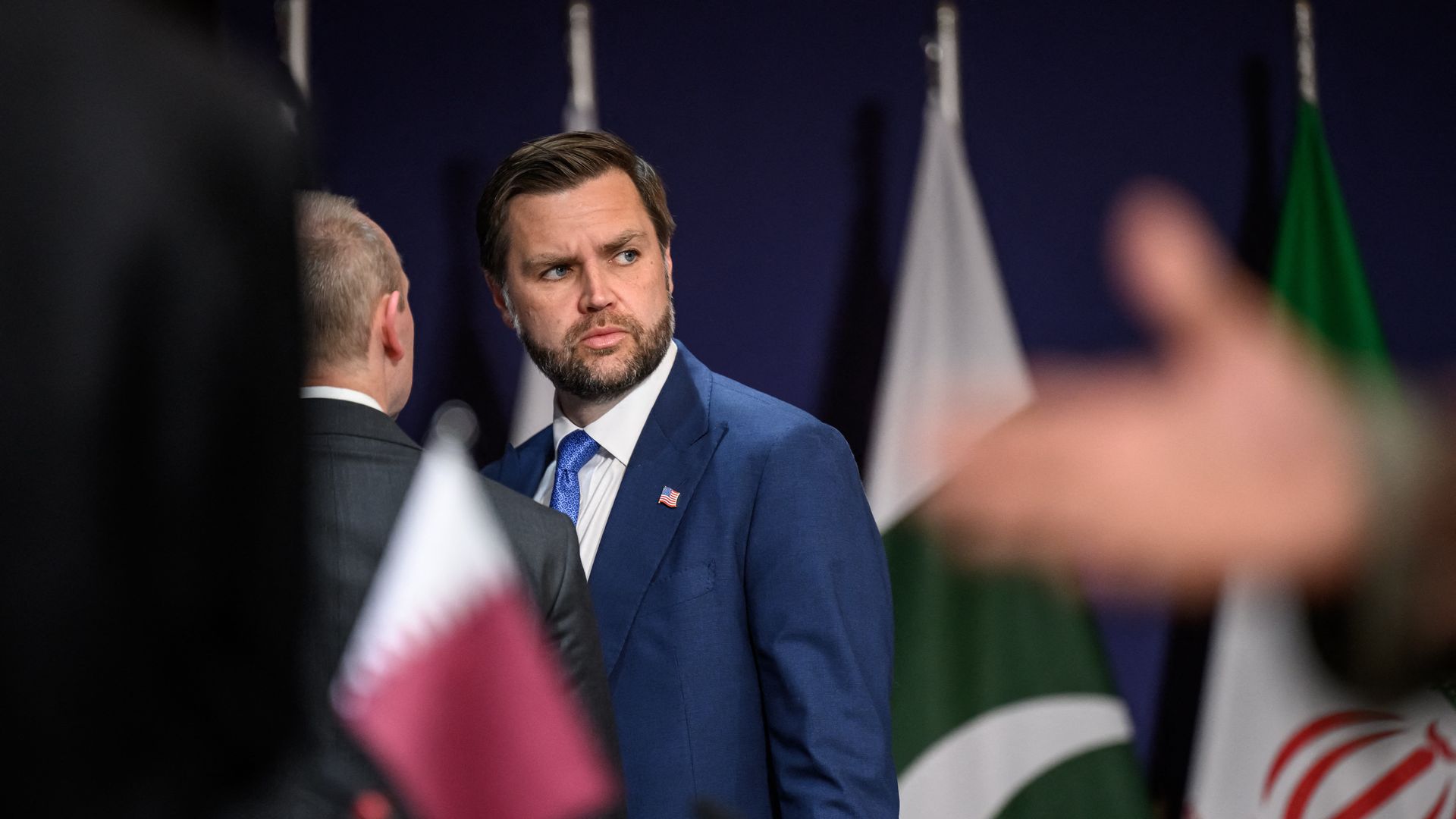
Vice President JD Vance at the talks in Switzerland, June 21. Photo: Fabrice Coffrini/ AFP via Getty
Iran agreed to invite International Atomic Energy Agency inspectors into the country, Vice President JD Vance announced Monday after the first round of U.S.-Iran nuclear talks in Switzerland.
Why it matters: The U.S. had wanted the first round of talks to end with an Iranian invitation for UN inspectors to visit its key nuclear sites, which were bombed by the U.S. and Israel. The last such visit took place before the war in June 2025.
- Vance said coordination between Iran, the U.S. and the IAEA for such a visit will take place "this week, maybe as soon as today." Iran hasn't confirmed that yet.
- Vance did not offer specifics as to what kind of access the inspectors would be granted. "It's a major milestone and a first step in permanently ending a nuclear weapons program in Iran."
- Iranian Foreign Minister Abbas Araghchi said the U.S. and Iran agreed on the release of some Iranian frozen funds, though Vance said that hadn't happened yet. The Iranians also signed an agreement with Qatar about the use of Iranian assets in the country.
The latest: The Treasury Department issued sanctions waivers to allow Iran to sell oil freely, as agreed under the memorandum of understanding.
Behind the scenes: Vance acknowledged in Monday's brief press conference that the Iranian negotiating team had threatened to leave the talks after President Trump's posts on Truth Social threatening to attack Iran, but stressed that never actually happened.
- "We told the Iranians yesterday, 'When you guys engage in what we millennials call trash talk, you can't expect the president of the U.S. not to respond and not to correct the record.' ... So yes, there was a little bit of threatening and a little bit of whining, but at the end of the day, the talks continued and we made great progress."
Driving the news: Sunday's talks, mediated by Qatar and Pakistan, stretched over 18 hours at the Bürgenstock ski resort.
- A joint statement released at the end of the talks said the parties agreed to establish a high-level committee to oversee the negotiations alongside working groups focused on nuclear issues, sanctions and dispute resolution.
- The U.S. and Iran agreed on a road map for reaching a final deal within 60 days, according to the statement.
- The parties agreed to establish a "communication line" on the Strait of Hormuz, which will operate as long as negotiations continue, in order "to avoid incidents and miscommunication and maintain safe passage for commercial vessels."
- The U.S. and Iran also agreed to create a "deconfliction cell" together with Lebanon and the mediators "to ensure adherence" to the ceasefire in Lebanon.
What he's saying: Vance said progress had been made, including on nuclear issues beyond inspections, but much work remained.
- Vance said he and the rest of the U.S. team were "in constant contact" with the Israelis, Saudis, Emiratis and Lebanese throughout the day.
- While Vance said no frozen funds had been released yet, he said the parties had agreed on a mechanism by which such funds would be spent to address the needs of the Iranian people, such as to buy American soybeans.
- "We are not imposing a deal on the region. It's a deal the region asked us to put in place."
Reality check: Given the difficulty of reaching the much less detailed memorandum of understanding — and of even holding Sunday's meeting after delays related to the fighting in Lebanon — a final nuclear deal is far from assured.
What's next: Vance said technical teams would continue the negotiations in Switzerland after he and other high-level officials depart.
This is a breaking news story and will be updated.
