Trump's messy path to peace


Add Axios as your preferred source to
see more of our stories on Google.
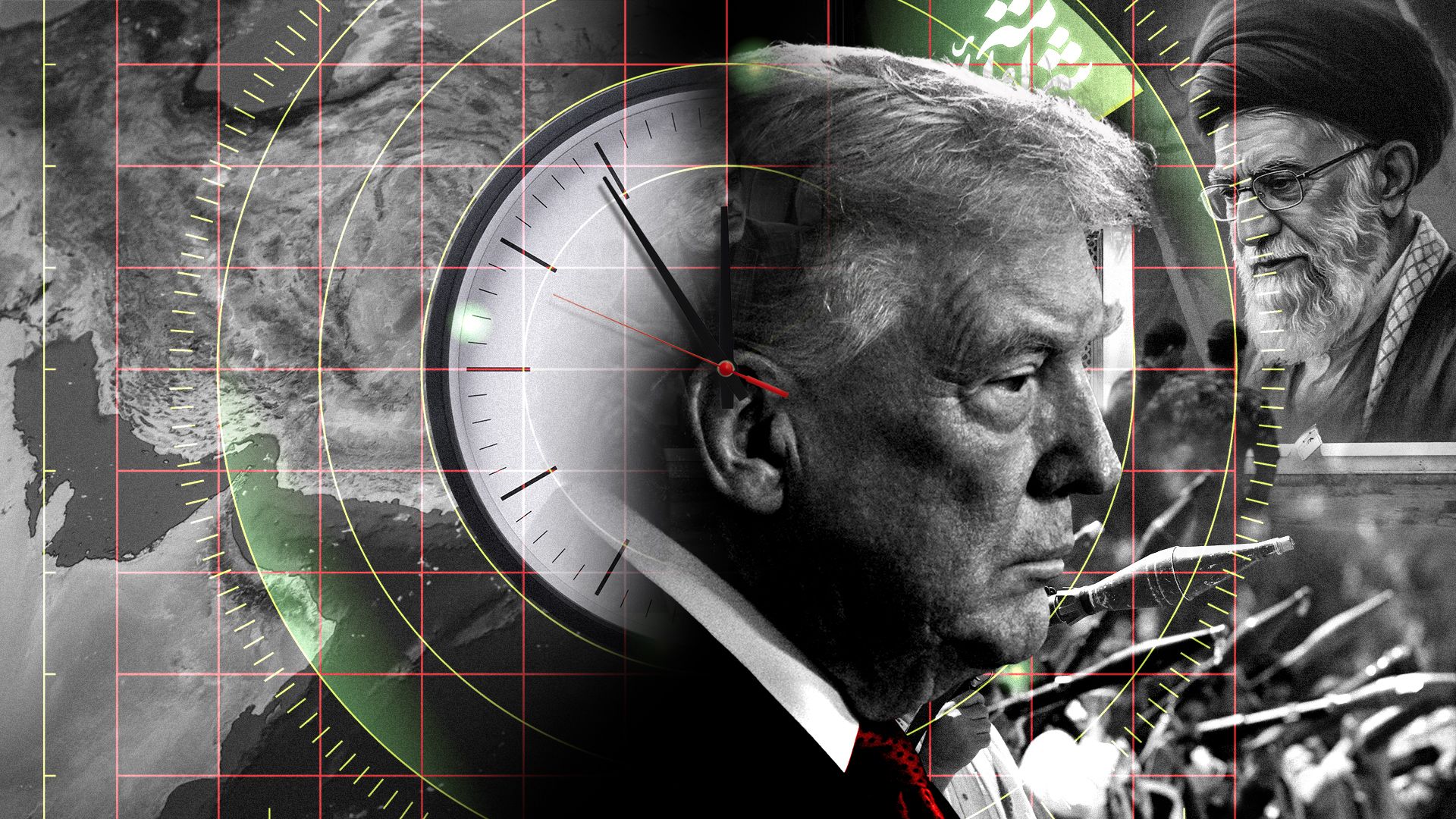
Photo illustration: Sarah Grillo/Axios. Photos: Jim Watson, Ahmad Al-Rubaye, and Mohammed Huwais/AFP via Getty Images
Last Wednesday, the U.S. and Iran signed a deal to end the war.
- Since then, Iran said it was closing the Strait of Hormuz again (though it didn't in practice, per U.S. officials), Israel intermittently bombed Lebanon and President Trump threatened to seize and toll the strait, kill Iran's peace negotiators, and send Syria in to fight Hezbollah.
Why it matters: A week after the cease-fire deal was announced, both the U.S. and Iran are pushing it to the limit.
- At the same time, the two sides are meeting in Switzerland to hammer out a longer-term nuclear agreement — a sign that both sides remain engaged despite significant differences.
Zoom in: High-level talks at the Bürgenstock resort in Switzerland, which concluded early Monday morning local time, are being led for the U.S. by Vice President JD Vance, with envoys Steve Witkoff and Jared Kushner.
- They ran nearly nonstop into the night and went ahead even after Iran said they were closing the strait, a U.S. diplomat said.
- Representatives from the U.S., Iran, Pakistan and Qatar appeared pleased with the talks' progress, according to the diplomat.
In a joint statement, Qatari and Pakistani mediators said "encouraging progress has been made" during the 18 hours of negotiations.
- The U.S. and Iran agreed on a roadmap for reaching a final nuclear deal within 60 days, according to the statement.
Reality check: Talks are moving forward, but U.S. intelligence is skeptical that a full nuclear deal will be finalized.
- Some officials don't believe Iran is willing to make the nuclear concessions the deal requires.
Friction points: To make the deal stick, several things need to happen fast.
- Israel and Hezbollah need to stick with a fragile ceasefire.
- Iran must continue to allow commerce to flow through the Strait of Hormuz.
- Trump himself needs to help bring the temperature down, without the near-daily threats to bomb Iran again and kill its leaders.
What we're watching: Technical teams will remain in Switzerland to continue negotiations for the rest of the week.
- Go deeper: Inside the marathon Switzerland talks.
