Judge blocks Trump subpoenas targeting Minnesota Democrats

Add Axios as your preferred source to
see more of our stories on Google.
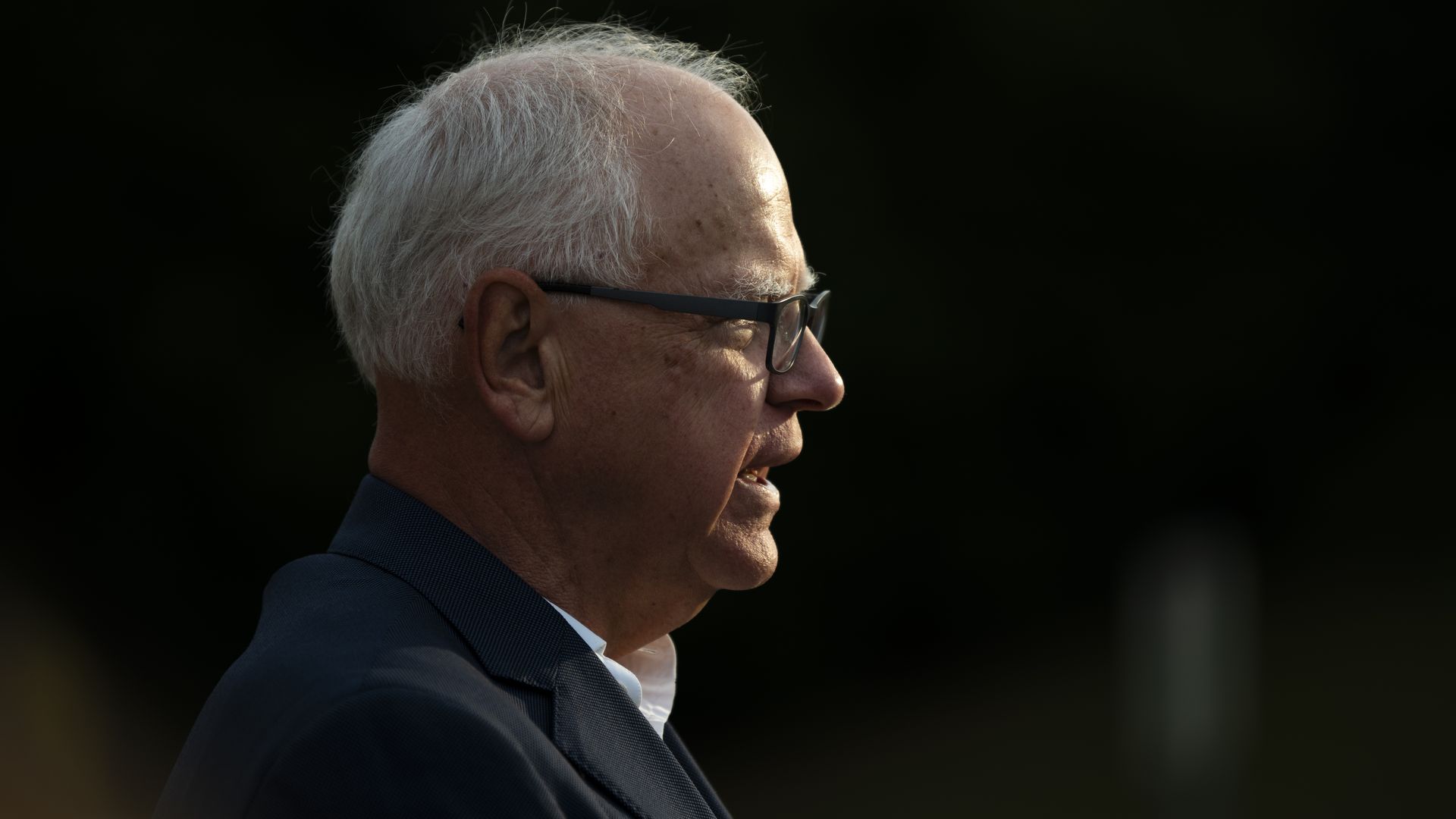
Minnesota Gov. Tim Walz. Photo: Stephen Maturen/Getty Images
Minnesota's top federal judge on Monday quashed several Trump administration subpoenas for immigration-related records from Gov. Tim Walz (D) and a dozen other state and local officials.
Why it matters: The grand jury subpoenas — issued when Operation Metro Surge was at its height — were clearly meant to "coerce Minnesota officials into assisting the federal government with enforcing civil immigration laws," U.S. District Court Chief Judge Patrick Schiltz concluded.
What they're saying: Minneapolis Mayor Jacob Frey — one of the subpoena targets — praised the ruling in a statement, calling the attempted probe an "effort to weaponize [U.S. Department of Justice] power against elected leaders who disagree with the federal administration."
- "The U.S. Justice Department is pursuing criminal investigations into the President's political opponents," added Walz in an X post. "This case was just one example of that."
The other side: "The Department takes the unlawful obstruction of federal law enforcement operations extremely seriously and will continue to act in full compliance with the law to investigate these matters," a Department of Justice spokesperson said in a statement.
- The DOJ did not immediately respond to Axios' request for comment on whether it would appeal.
State of play: The Jan. 20 subpoenas also targeted Minnesota Attorney General Keith Ellison, St. Paul Mayor Kaohly Her and Hennepin County Attorney Mary Moriarity.
- County commissioners in both Ramsey and Hennepin counties also challenged the subpoenas.
Catch up quick: Four days after the subpoenas arrived, then-AG Pam Bondi sent Walz a letter demanding Minnesota repeal its "sanctuary policies" and hand over voter registration, food stamps and Medicaid records.
- "You and your office must restore the rule of law," Bondi's letter read.
Between the lines: Grand juries have broad investigative powers, and it's "extremely rare" for judges to intervene, Ellison said.
- But Schiltz — a George W. Bush appointee — found "overwhelming" evidence the subpoenas were issued "in order to harass political opponents … a blatantly unlawful and unethical use of the grand jury process."
The bottom line: Schiltz's ruling sharply limits the administration's use of grand jury subpoenas against Minnesota officials and raises questions about similar immigration-related investigations elsewhere.
Editor's note: This story has been updated with a statement from the Justice Department.