Sen. Bernie Sanders (I-Vt.) is calling on Washington to collaborate with China on AI, breaking from a bipartisan approach that frames AI development as a race between the two countries.
Why it matters: Sanders, who is writing the progressive playbook on AI, is shifting the focus away from U.S.-China competition and toward international cooperation around AI safety.
The Saudi sovereign wealth fund on Thursday confirmed it's withdrawing support for LIV Golf after the 2026 season.
Why it matters: The move places the tour's future in jeopardy four years after it was launched as a splashy, well-capitalized competitor to the PGA Tour.
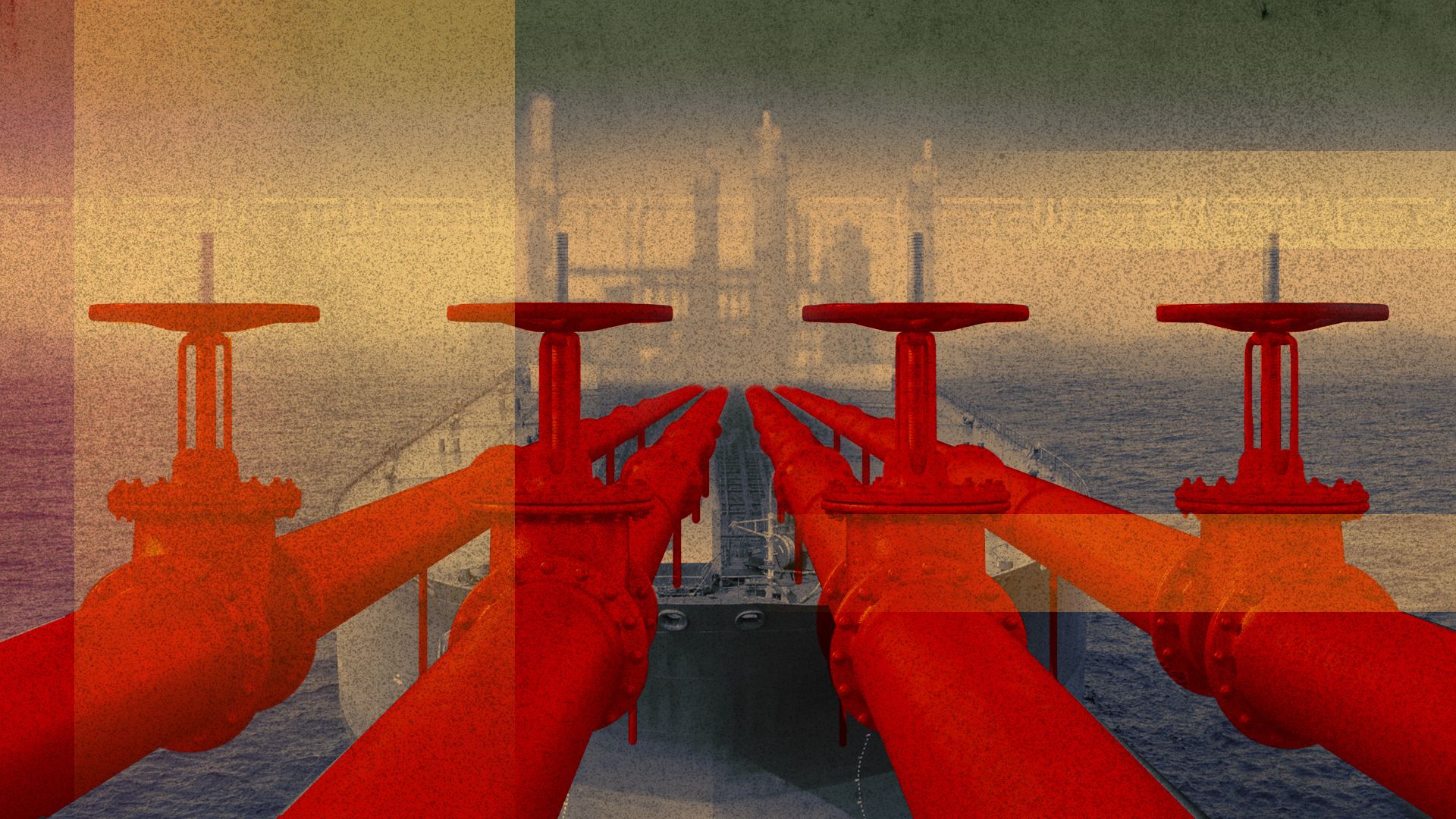
Oil prices reached their highest levels overnight since the Iran war began, with Brent crude topping $126 per barrel before pulling back on Thursday morning.
Why it matters: The jump will keep sending U.S. gasoline prices higher — and shows the market reacting to the possibility of a long stalemate that keeps the Strait of Hormuz throttled.
The U.S. is producing so much natural gas that at one hub in West Texas, drillers have to pay customers to take the stuff — or put another way, prices are negative!
Why it matters: It's surprising given that we're in the middle of the worst energy shock in history.
But unlike oil, which trades in a global market, natural gas still mostly trades at the regional level. And the U.S. produces enough to supply itself.
The big picture: The negative price tag is an indication of just how well-positioned the U.S. is when it comes to coping with the energy shock of the Iran war — particularly in the natural gas market.
The natural gas bounty not only insulates the U.S. from the war shock but actually creates an economic tailwind, Bloomberg reports.
"Cheap supplies of gas — a key manufacturing input and a major player in meeting power demand from artificial intelligence — stand to give the US an edge over countries facing fuel shortages," per Bloomberg.
Between the lines: While prices at the pump get a lot of attention, and rightly so, natural gas is increasingly important. It now accounts for about 40% of all U.S. electricity generation — and is powering the AI boom.
Zoom in: The glut of natural gas in West Texas stems from a surge in production over the past 15 years that has far outpaced the pipelines needed to move it out of the region.
This isn't the first time the price has turned negative.
The gas is a byproduct created during the oil drilling process.
New pipeline capacity is set to come online, but more gluts could be on the way.
What they're saying: That will "provide incremental takeaway capacity for a basin awash in molecules," says Chris Louney, a commodity strategist at RBC Capital Markets.
But "the basin is prolific, and associated gas will continue to be produced, often in excess, alongside crude oil."
How it works: For now, that local oversupply — even as other parts of the world face acute shortages — highlights how fragmented natural gas markets remain.
Prices are still driven largely by regional infrastructure, not just global supply and demand.
By the numbers: U.S. natural gas prices outside of the region are still positive — the benchmark Henry Hub natural gas price is sitting at $2.64 per million BTUs, down about 20% from last year.
That's much lower than for Asia and Europe, both depend on imports through the Strait of Hormuz. The benchmark gas price is up about 47% in the EU and more than 50% in Asia from last year.
Asian countries, outside of China, are grappling with a shortage that's led to rationing and severe measures to deal with shortfalls and high prices.
What to watch: The market has been becoming more global, especially with the U.S. rising as the world's top exporter of liquefied natural gas.
Still, the Iran war is exposing the limits of that interconnected system.
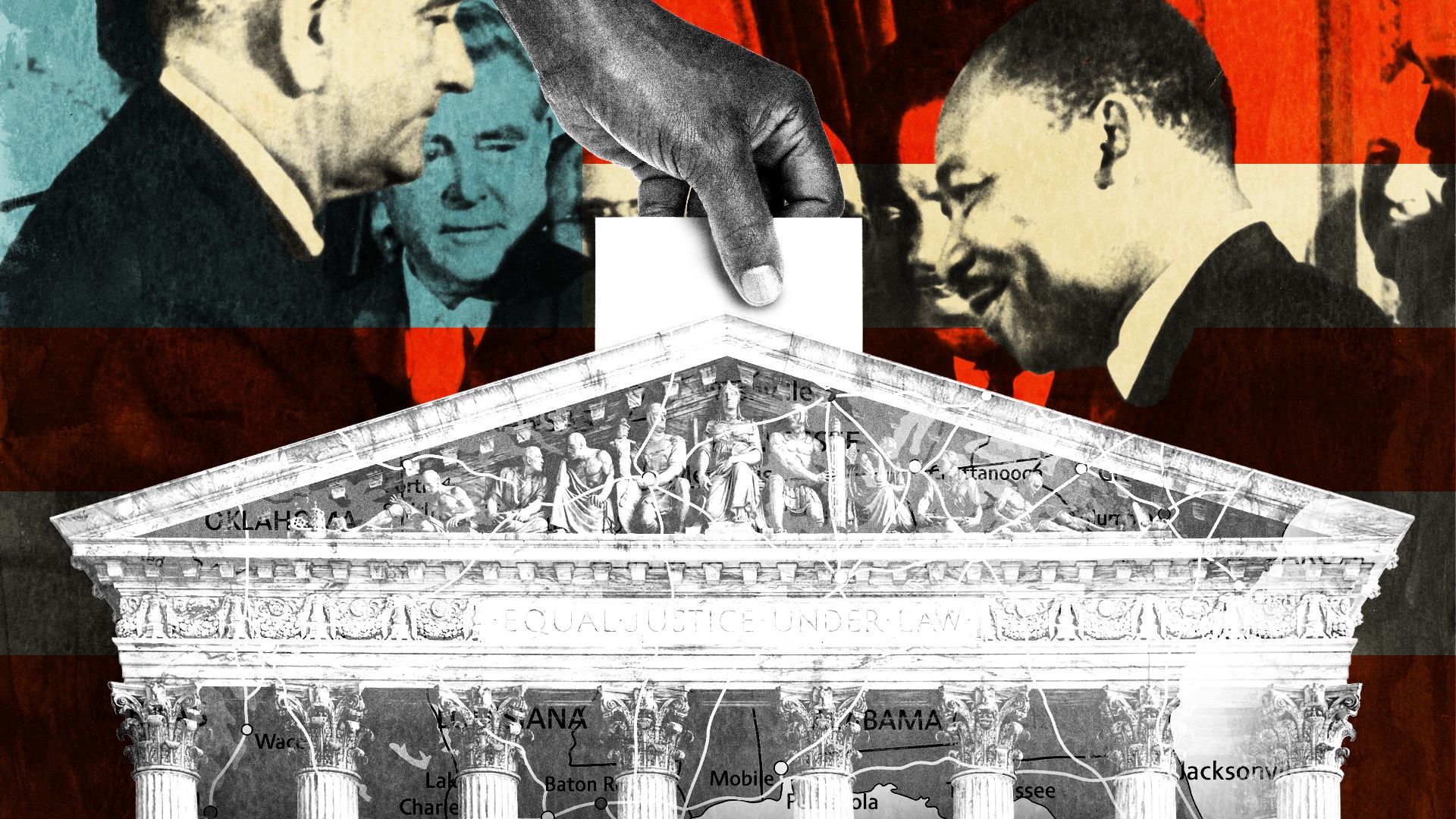
The Supreme Court just narrowed a landmark voting law for a nation that has never been more diverse — or more divided over who gets political power.
Why it matters: The latest ruling lands in a more multiracial, more mobile country that looks nothing like it did in 1965, raising fresh questions about how voting protections apply to a rapidly evolving electorate.
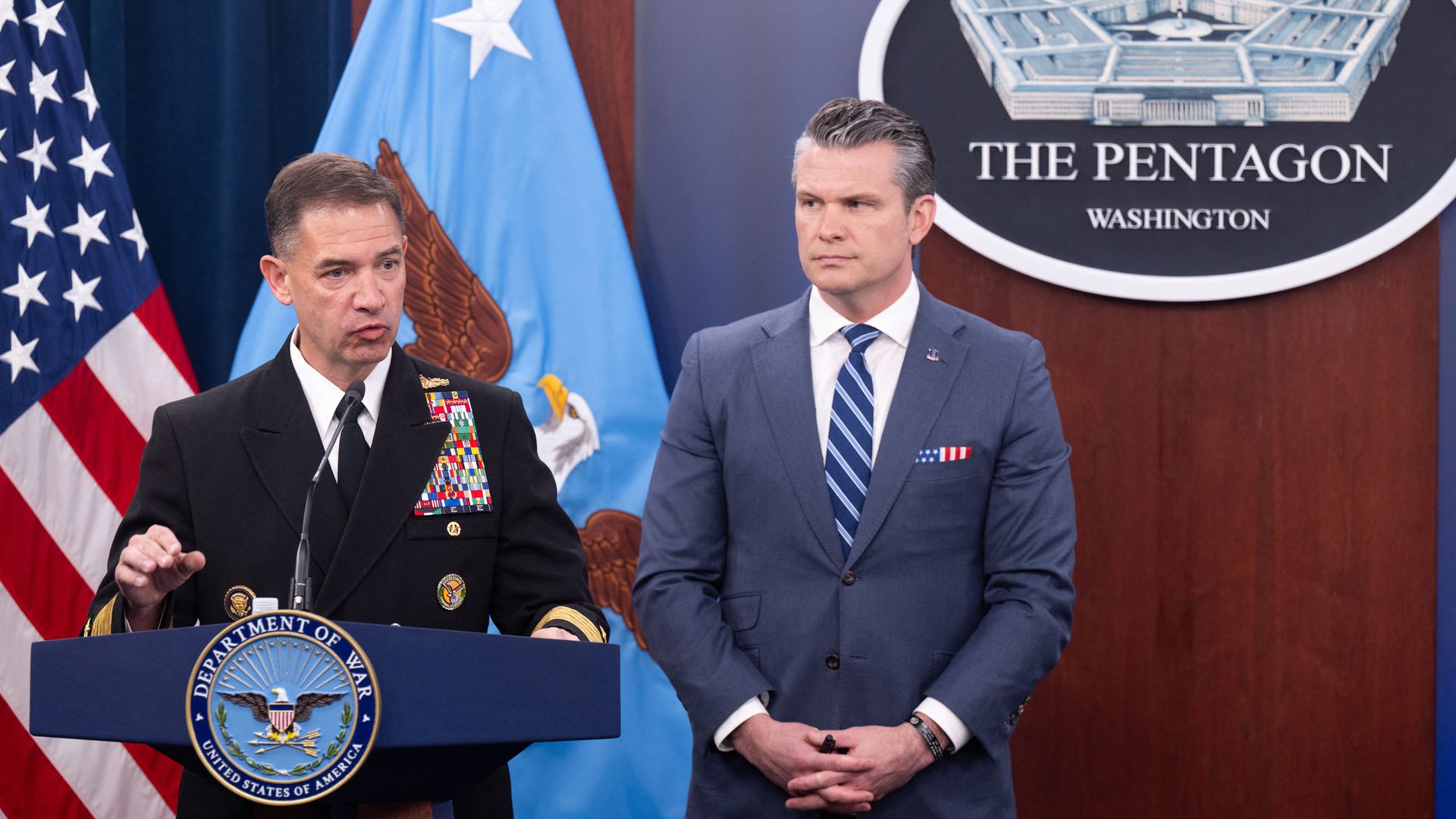
President Trump is slated to receive a briefing on new plans for potential military action in Iran on Thursday from CENTCOM Commander Adm. Brad Cooper, two sources with knowledge tell Axios.
Why it matters: The briefing signals that Trump is seriously considering resuming major combat operations either to try to break the logjam in negotiations or to deliver a final blow before ending the war.
Sens. Chuck Grassley (R-Iowa) and Jim Banks (R-Ind.) are demanding answers from major tech and AI companies over concerns that employees with ties to China could access cutting-edge U.S. AI systems.
Why it matters: Lawmakers are focusing on insider access — not just hacking — as a potential vulnerability, putting pressure on companies to demonstrate stronger safeguards.
The Saudi sovereign wealth fund is ending funding for LIV Golf after this season, according to multiple reports.
Why it matters: The Public Investment Fund's decision places the lucrative golf tour in serious jeopardy of dissolving four years after it launched as a well-capitalized competitor to the PGA Tour.
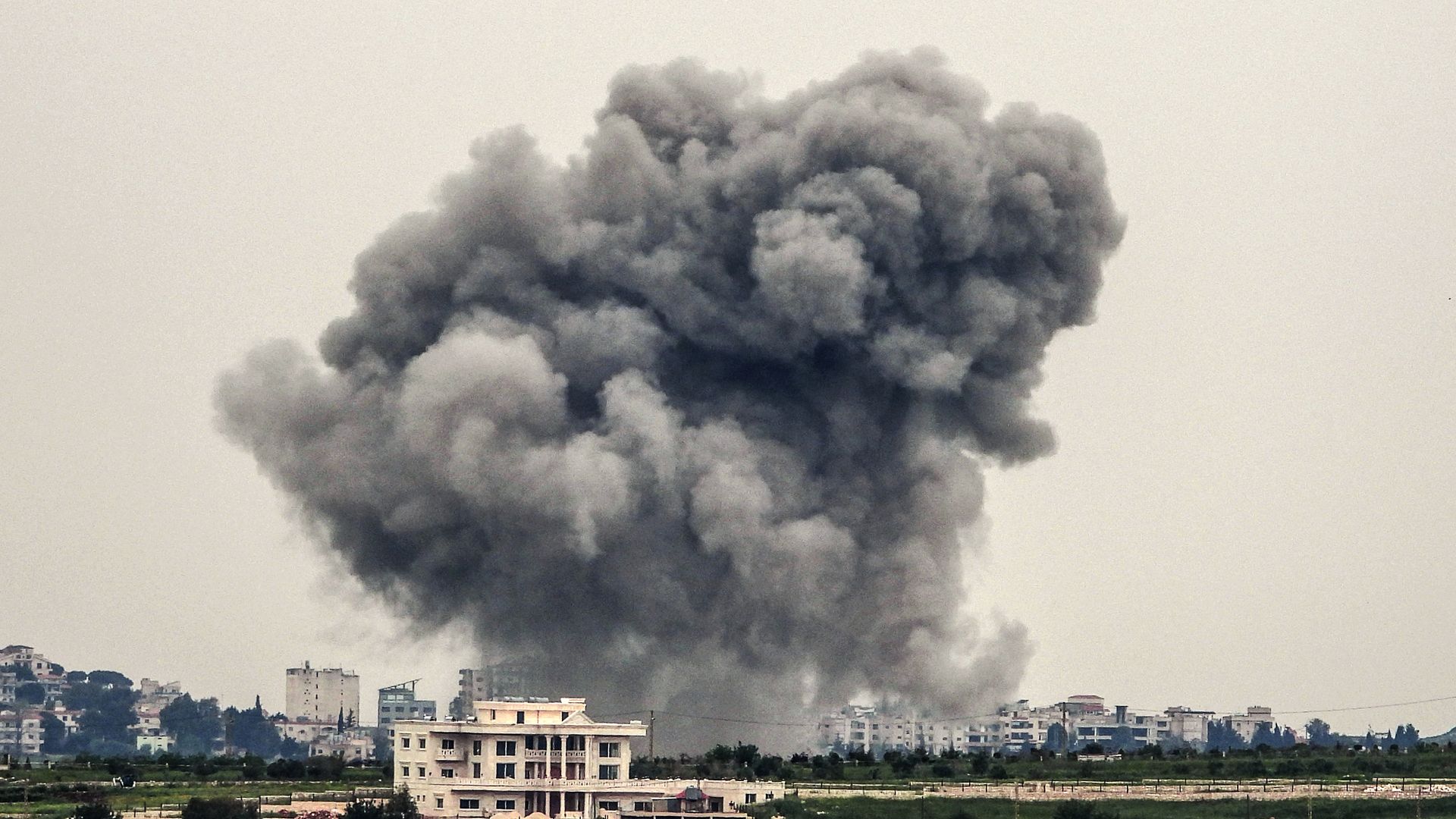
President Trump told Prime Minister Benjamin Netanyahu that Israel should only take "surgical" military action in Lebanon and avoid a full resumption of the war, Trump told Axios in a phone interview.
Why it matters: The ceasefire Trump helped broker in Lebanon is being only partially observed, and officials in both Israel and Lebanon are concerned it will collapse entirely before it's due to expire in mid-May.
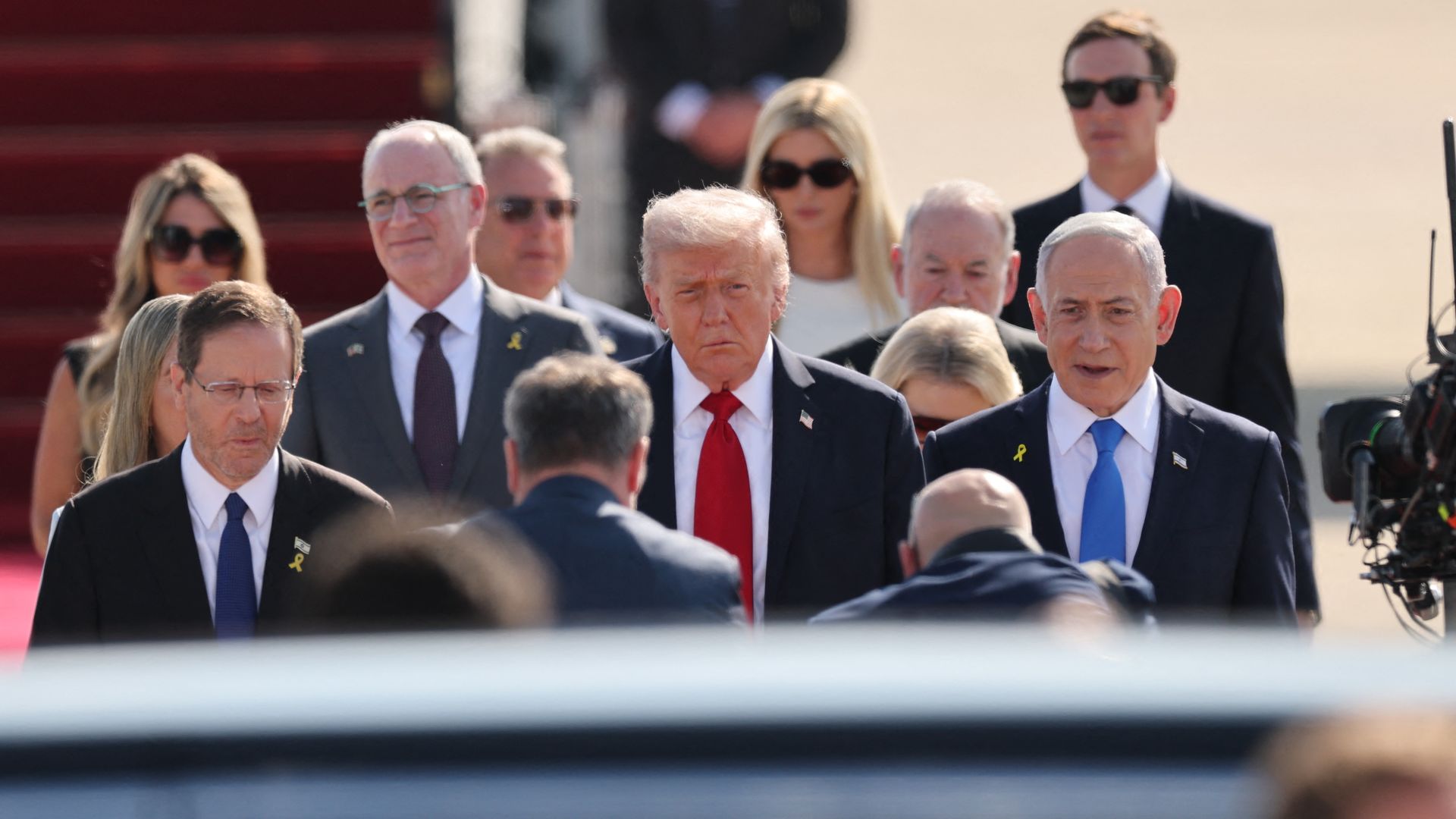
President Trump is renewing his pressure campaign on Israeli President Isaac Herzog to pardon Prime Minister Benjamin Netanyahu, telling Axios in an interview that Herzog could become a "national hero."
Why it matters: Trump said Netanyahu had raised his corruption trial when they spoke on Tuesday night and told him he'd be back in court on Wednesday, instead of focusing on Iran. "In the middle of a war? Give me a break," Trump told Axios.
The trade pactthat binds North America is quietly under the most strain since its inception, risking a break in one of the world's most integrated manufacturing economies.
Why it matters: A joint review of the signature Trump 1.0 trade agreement — the U.S.-Mexico-Canada Agreement, itself an update of the North American Free Trade Agreement — was expected to be a technical exercise. Instead, a war of words between U.S. and Canadian officials is pushing the deal to a potential breaking point.
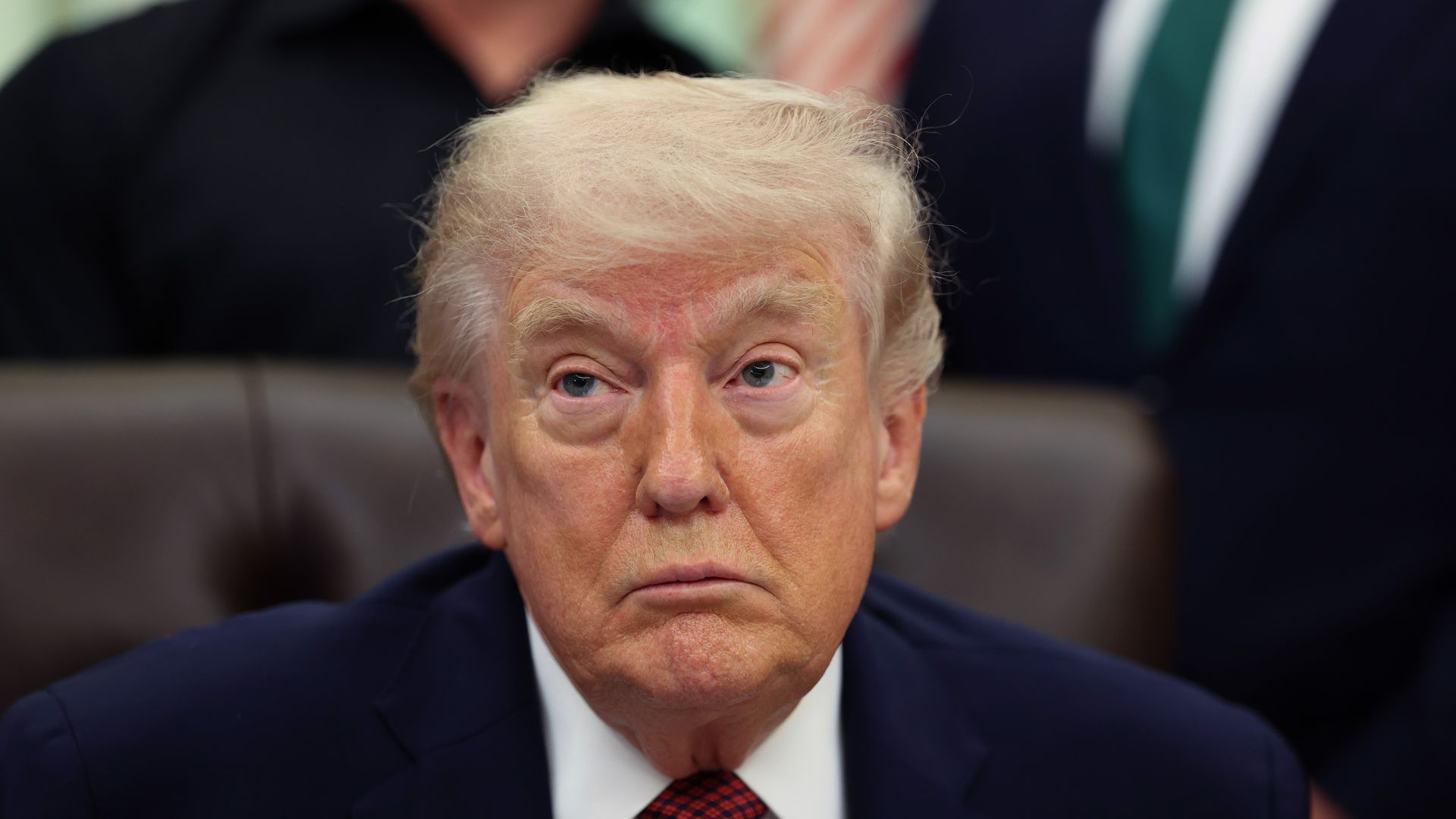
President Trump told Axios he's going to keep Iran under a naval blockade until the regime agrees to a deal that addresses U.S. concerns about its nuclear program.
Why it matters: Trump is rejecting an Iranian proposal to first open the Strait of Hormuz and lift the blockade, while postponing nuclear talks to a later stage.
Airline deal activity may heat up this summer, even if United has ended its pursuit of American Airlines.
The big picture: Global jet fuel prices are skyrocketing, and supply is dwindling, due to an Iran war that feels no closer to resolution today than it was several weeks ago.
As the Iran war drags on, it's increasingly clear that there is likely no going back for the energy market.
Why it matters: Oil and gasprices will be higher for longer than investors expected, and the market dynamics are shifting — as countries and companies look for alternative sources of energy or oil and for new ways to move it around the world.
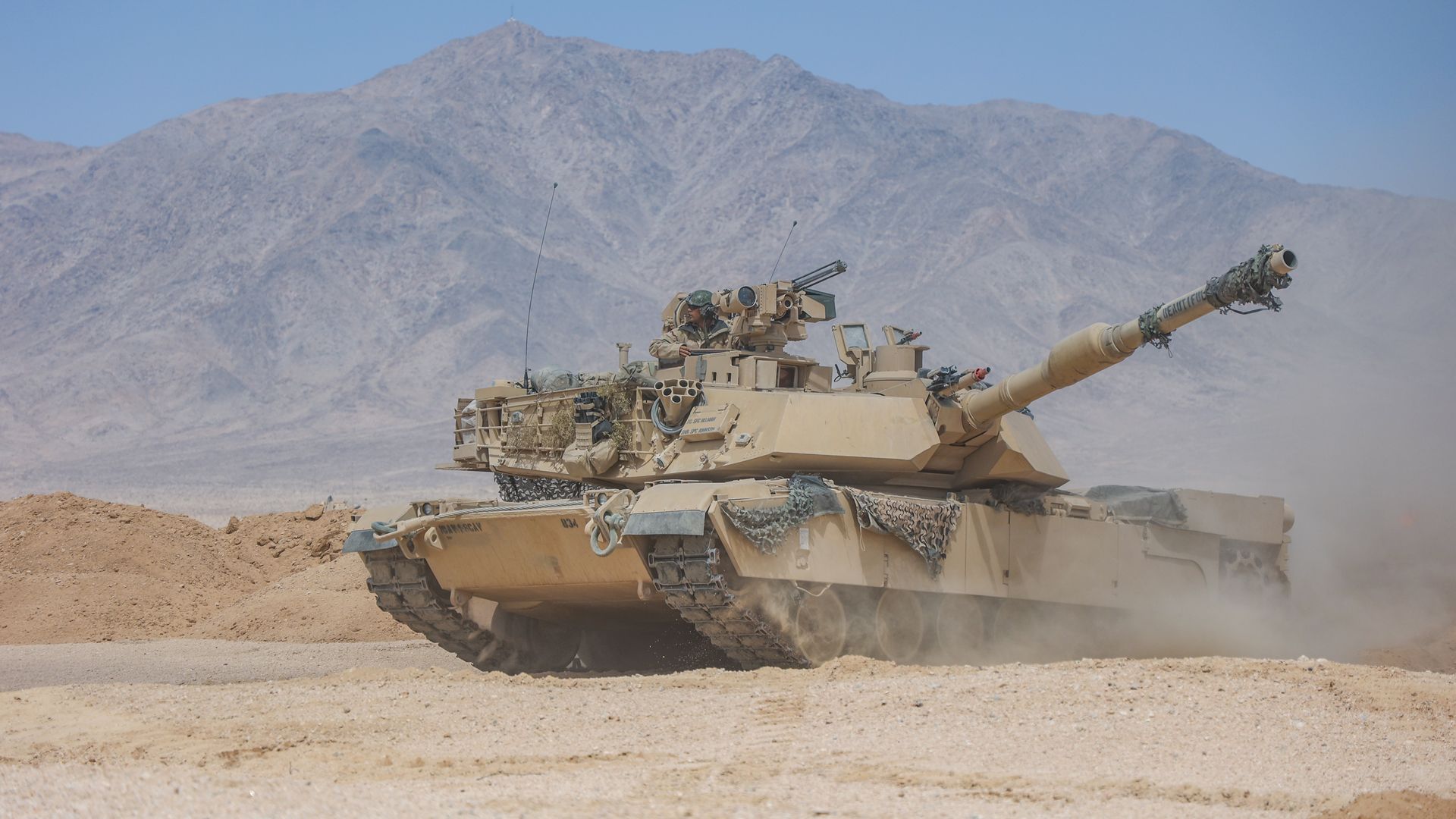
Soldiers with the 1st Cavalry Division will this fall get their hands on two of the U.S. Army's most anticipated machines: the XM30 combat vehicle and the M1E3 Abrams tank.
Why it matters: The Russia-Ukraine conflict has shown the grinding land wars of the tank's heyday are still with us in the 21st century — but also that drones are apex predators.
Both the XM30 and M1E3 are years in the making, with lineages predating today's bloody battles.
The Texas-based 1st Cavalry is helping plot the future of armored warfare amid this industrial and tactical upheaval.
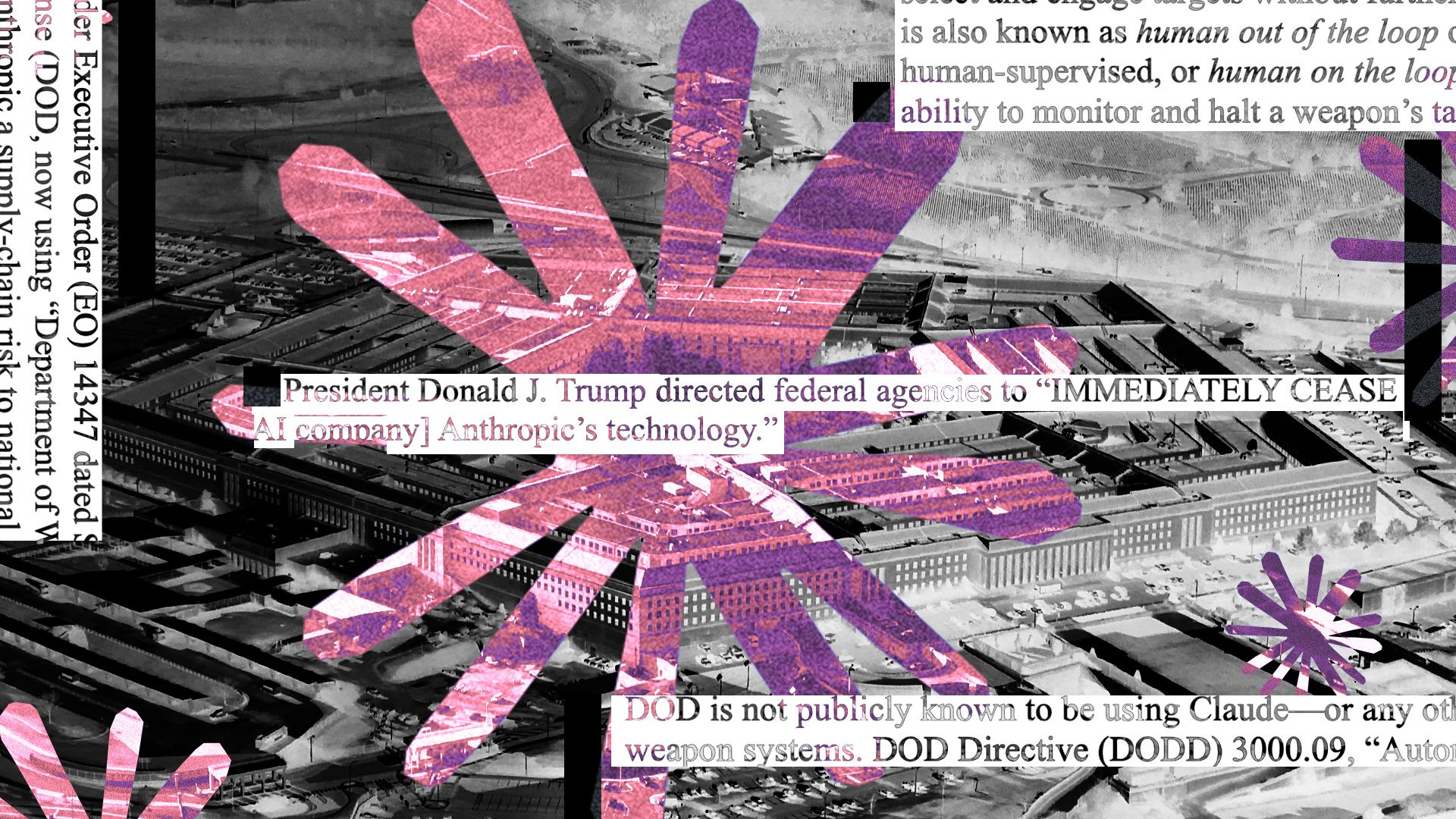
The White House is developing guidance that would allow agencies to get around Anthropic's supply chain risk designation and onboard new models including its most powerful yet, Mythos, according to sourcesfamiliar with the matter.
Why it matters: The Trump administration appears to be performing a 180 on a company it previously claimed was such a grave security risk that it had to be ripped out of the federal government.