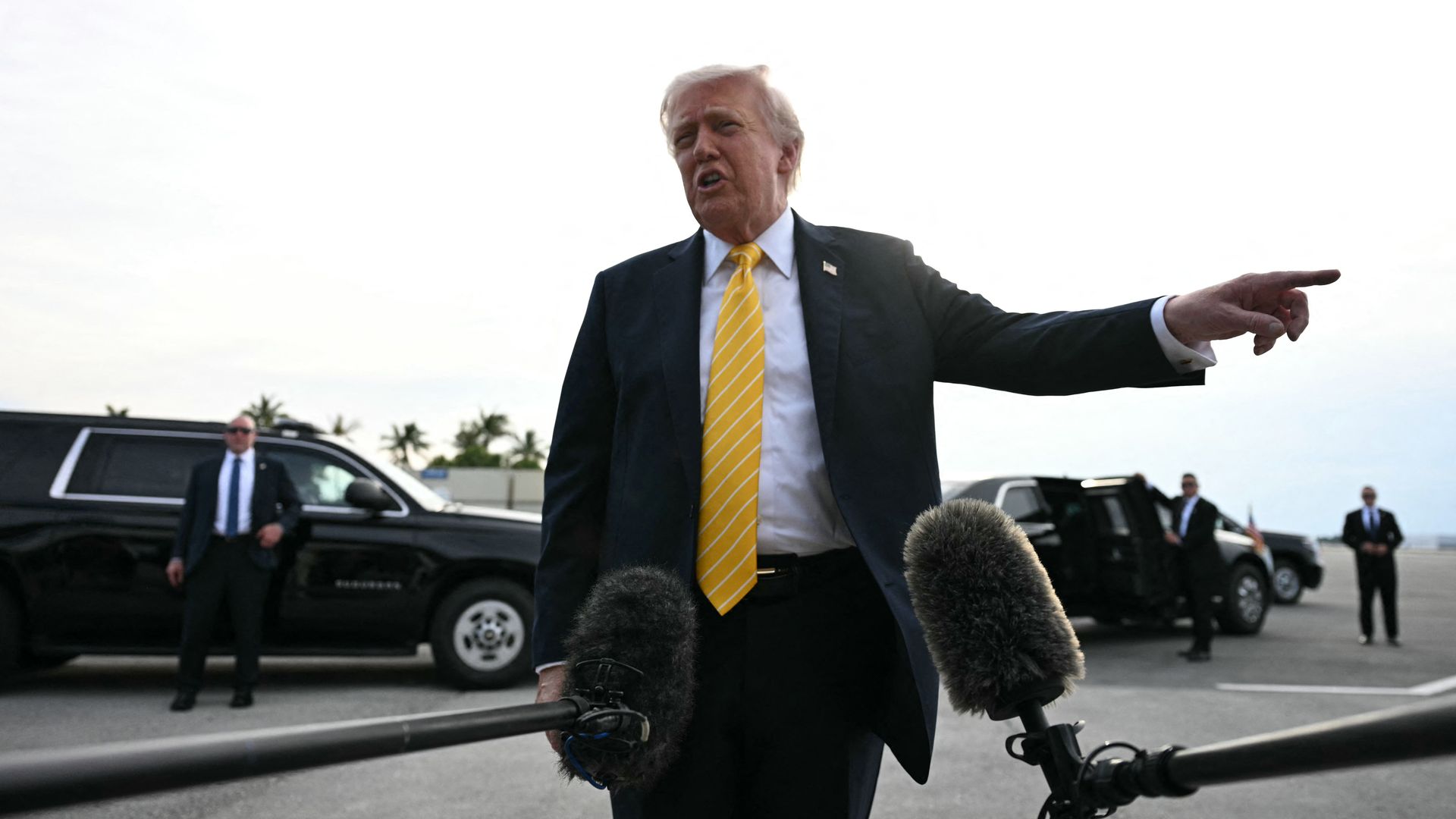
President Trump told reporters on Saturday that he could order renewed military action against Iran if it "misbehaves."
Why it matters: While the U.S. and Iran are still exchanging drafts of a framework agreement to end the war, Trump is also seriously considering ordering new military action against Iran to try and break the current stalemate.
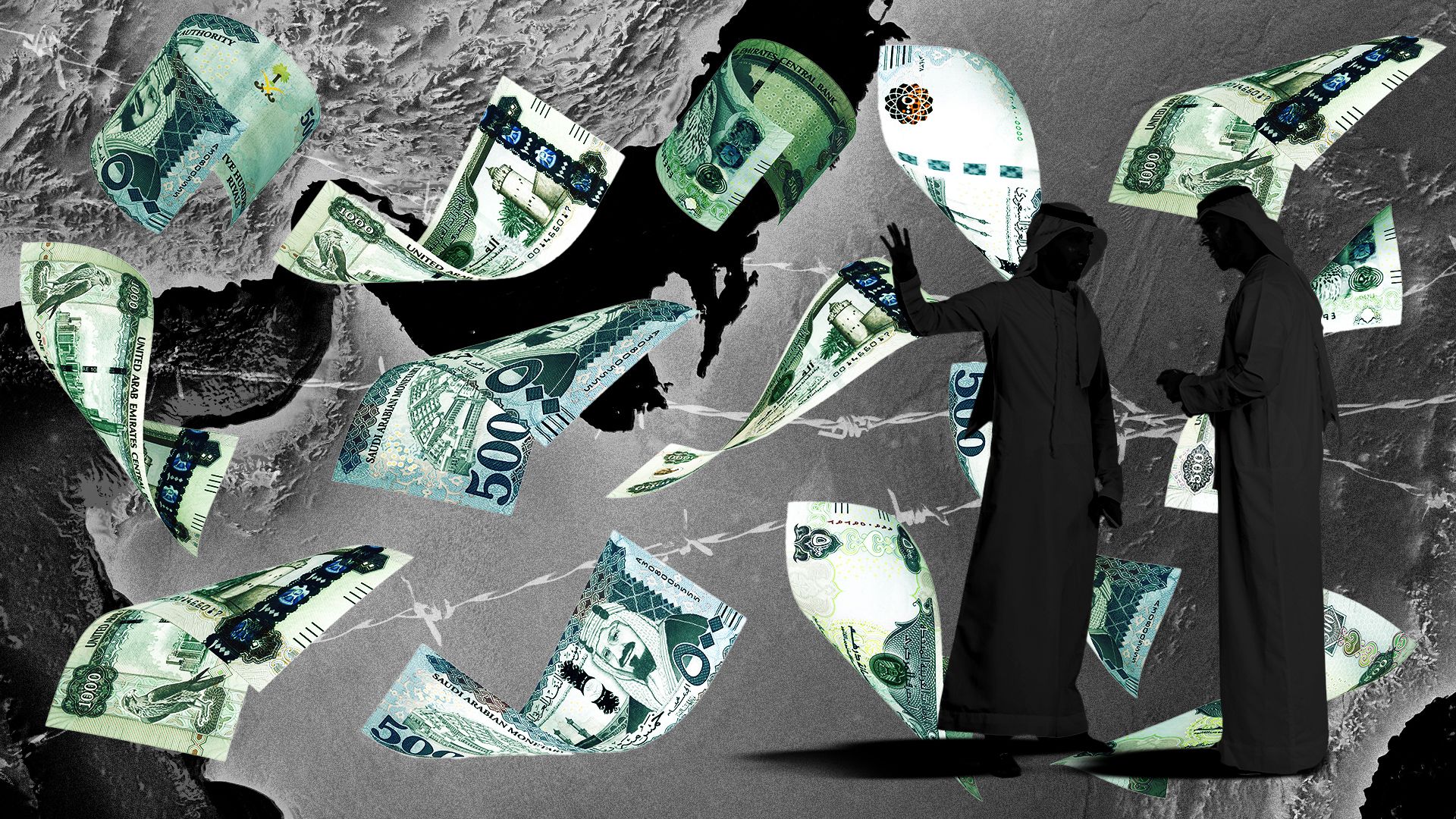
The United Arab Emirates is leaving OPEC. Saudi Arabia is ending its splashiest foreign sports venture. The two U.S. allies are in the midst of a messy divorce, even as both face fire from Iran.
Why it matters: One year after President Trump's grand tour of the Gulf, the region's vision of a geopolitically stable post-oil future — powered by tourism, AI and American capital — has taken a major blow.
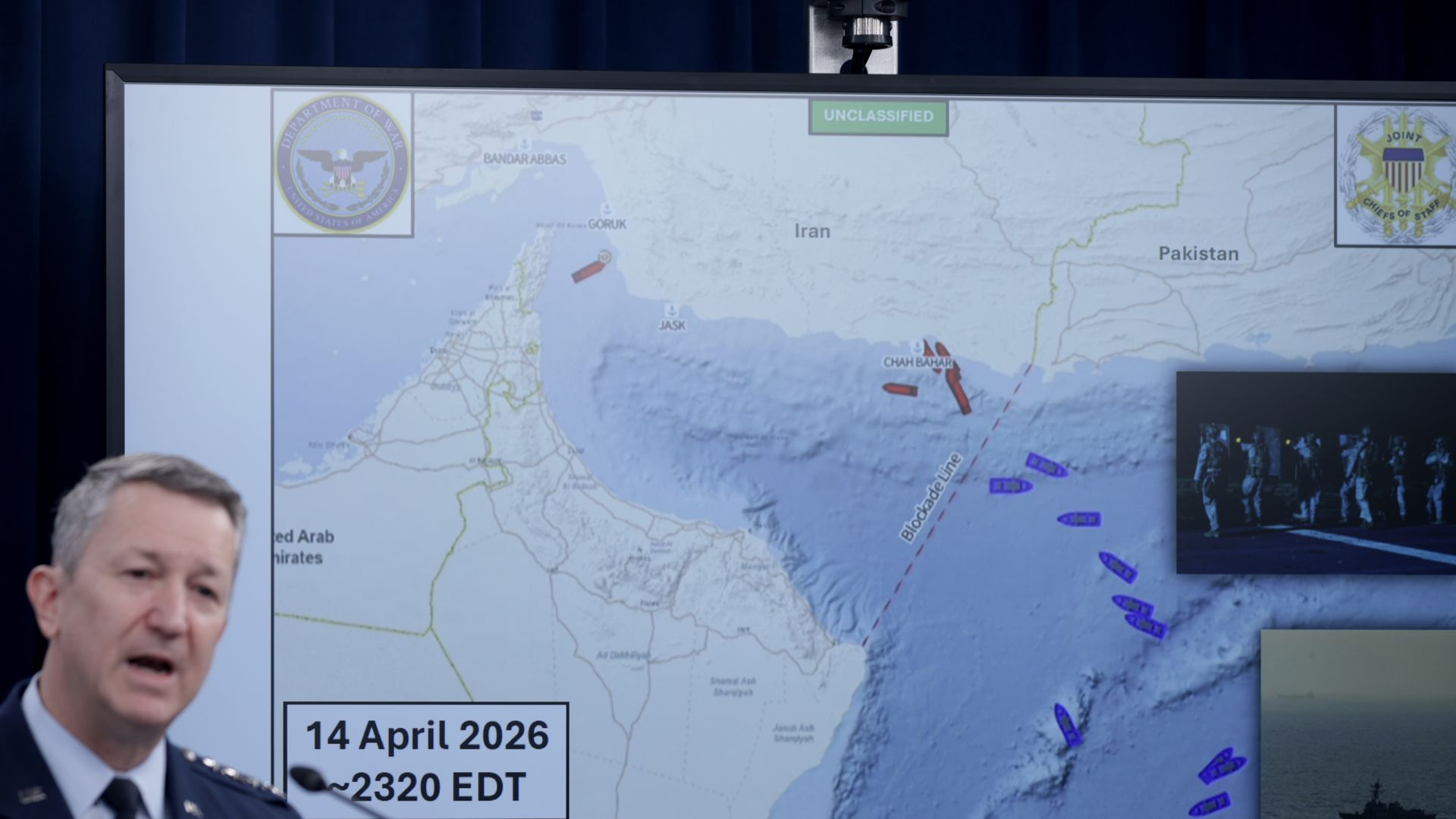
The Defense Department estimates Iran has been denied nearly $5 billion in oil revenue because of the U.S. blockade in the Gulf of Oman, causing unprecedented pressure on Tehran's government.
Why it matters: The blockade is President Trump's most significant leverage tool to negotiate ending the war with Iran, and the Pentagon wants to emphasize its impact as peace talks stop and start.
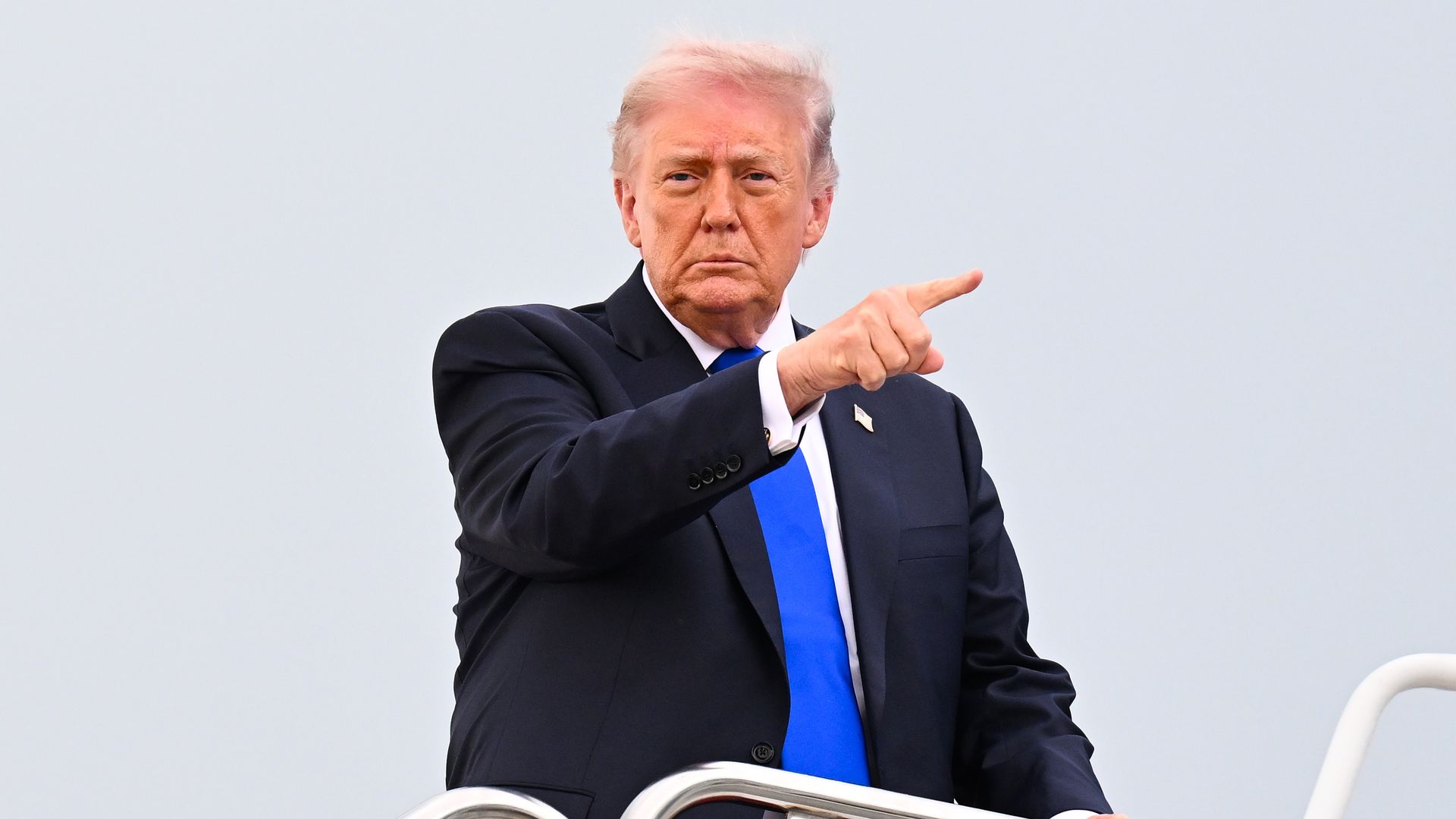
President Trump has notified Congress that the hostilities the United States initiated against Iran on Feb. 28 have been "terminated," though he did not rule out future military action.
Why it matters: Under the War Powers Act, the president must seek congressional approval for military hostilities that last longer than 60 days.
Iran delivered its response to the latest U.S. amendments to a draft plan to end the war, but President Trump told reporters he was "not satisfied with what they are offering."
The big picture: The Iranian response signals diplomacy isn't entirely frozen. It comes as Trump maintains a U.S. naval blockade and considers new military action against Iran.
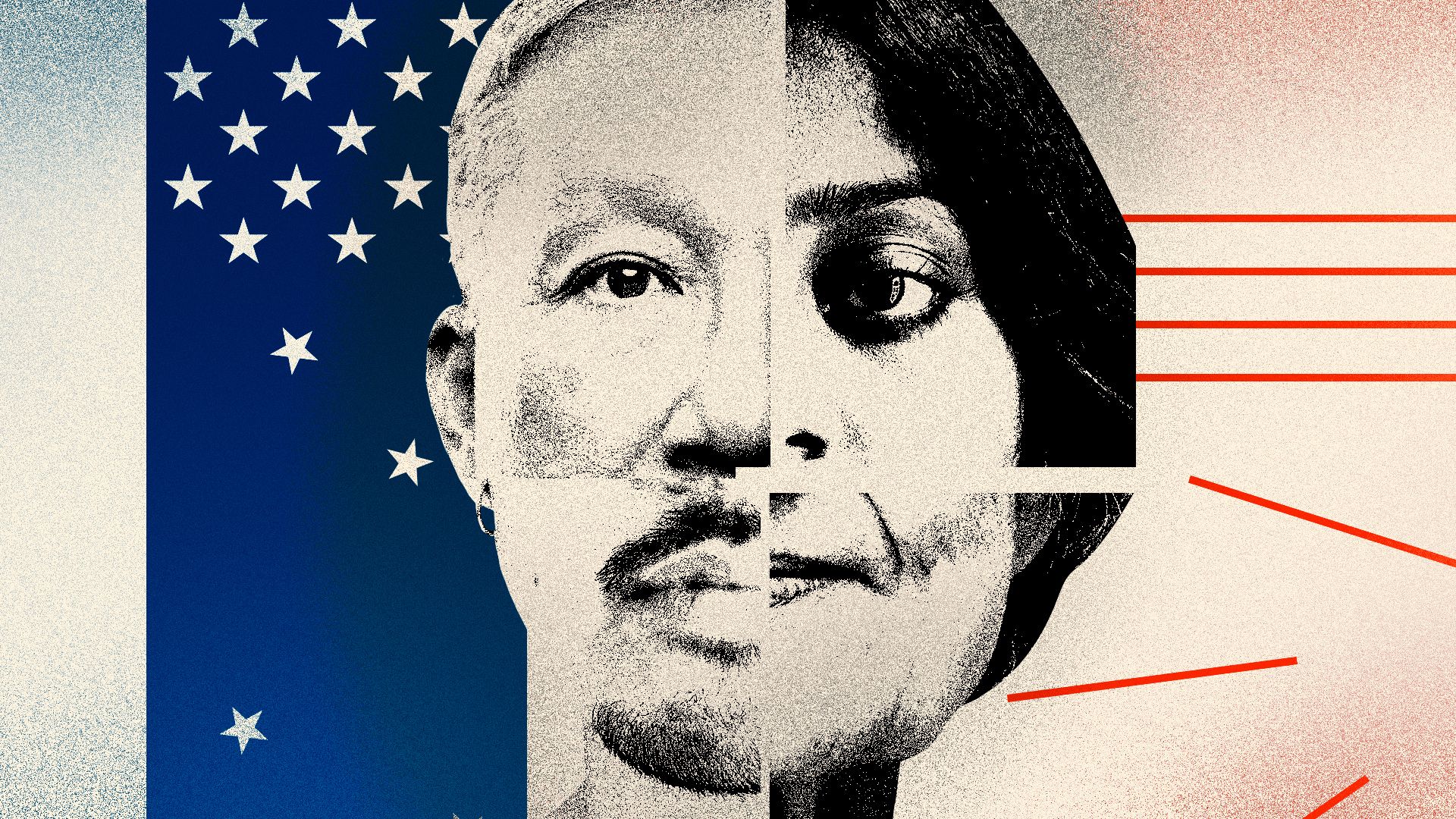
Asian Americans report higher levels of anxiety than any other racial group in the U.S., a new survey finds.
Why it matters: As Washington hardens its policies on immigration, citizenship and its relationship with China, public attitudes toward Asian Americans are shifting in parallel.
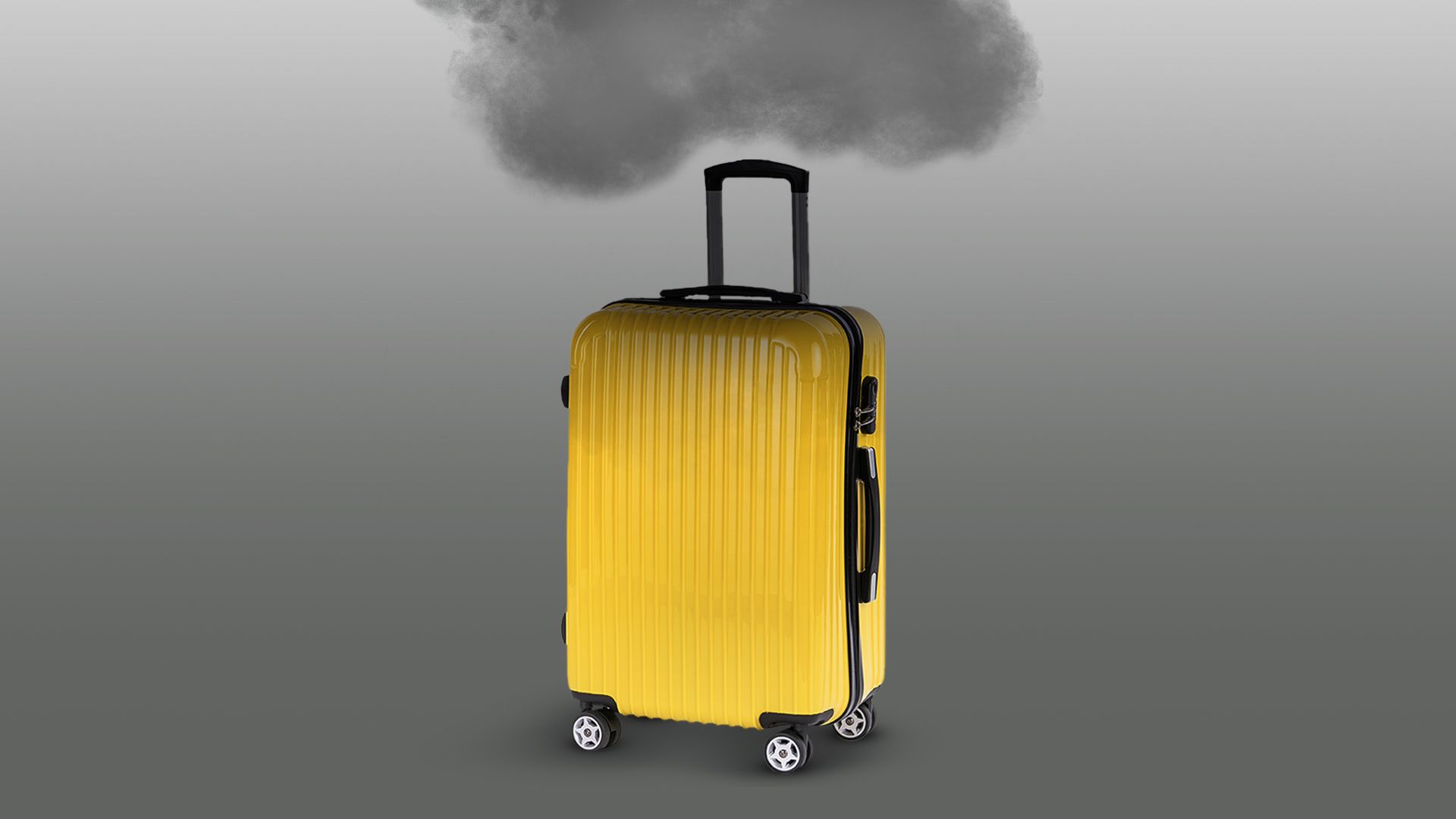
The Iran war threatens to disrupt summer travel as it sends oil prices surging — and flight and hotel bookings are already dipping, industry experts warn.
You thought Americans were bummed out? The British are among the most pessimistic in the world, according to a ranking of surveys across 139 countries from Gallup out Friday.
Why it matters: The low number speaks to the "depth of the economic malaise in the U.K.," writes Benedict Vigers, Gallup's senior global news writer.