The Iran war is trapping the world's central banks with an energy shock that simultaneously undermines growth and stokes inflation, with no good policy response to either.
Each of the world's most important central banks faces that dilemma in policy meetings this week.
Why it matters: From Tokyo to Washington, central banks that were on track to normalize policy are now paralyzed, unsure whether the energy price shock will prove more consequential in causing sustained inflation or in sapping growth.
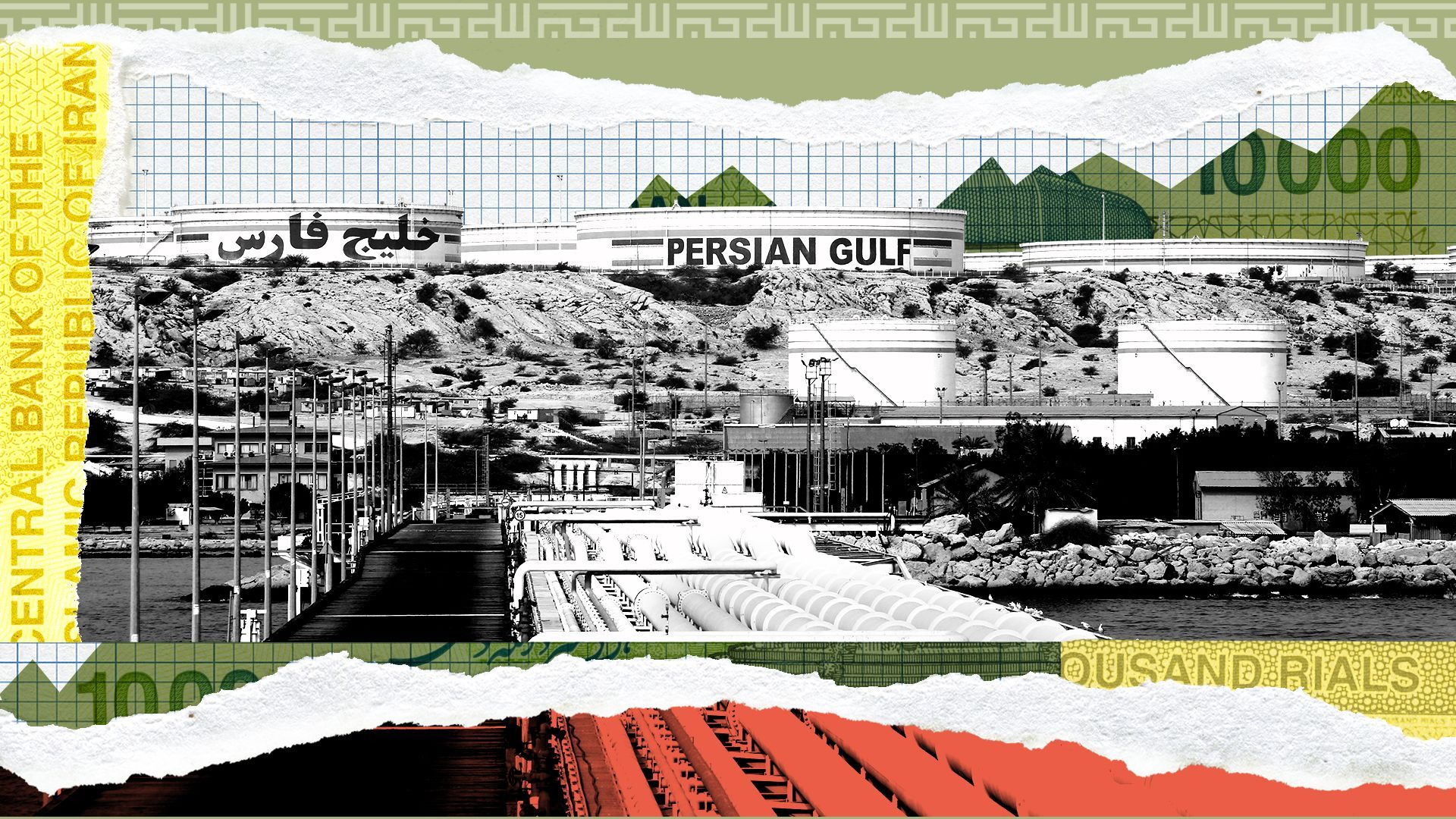
Iran has more cards to play to avoid the U.S. blockade halting its oil output — at least for now, analysts say.
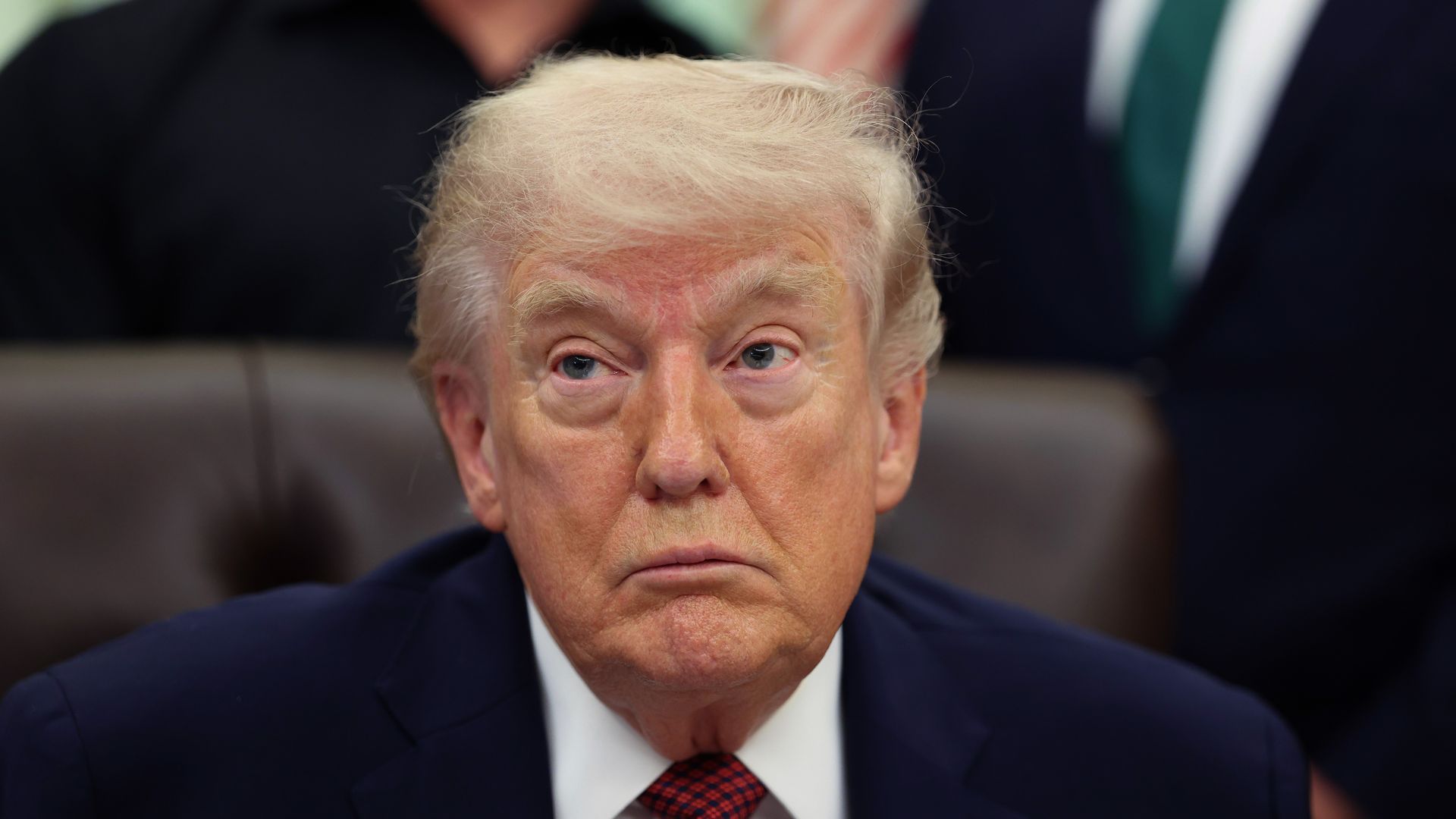
Why it matters: Oil is Iran's economic lifeblood, and President Trump hopes blocking exports — which eventually causesproduction to halt — will force concessions.
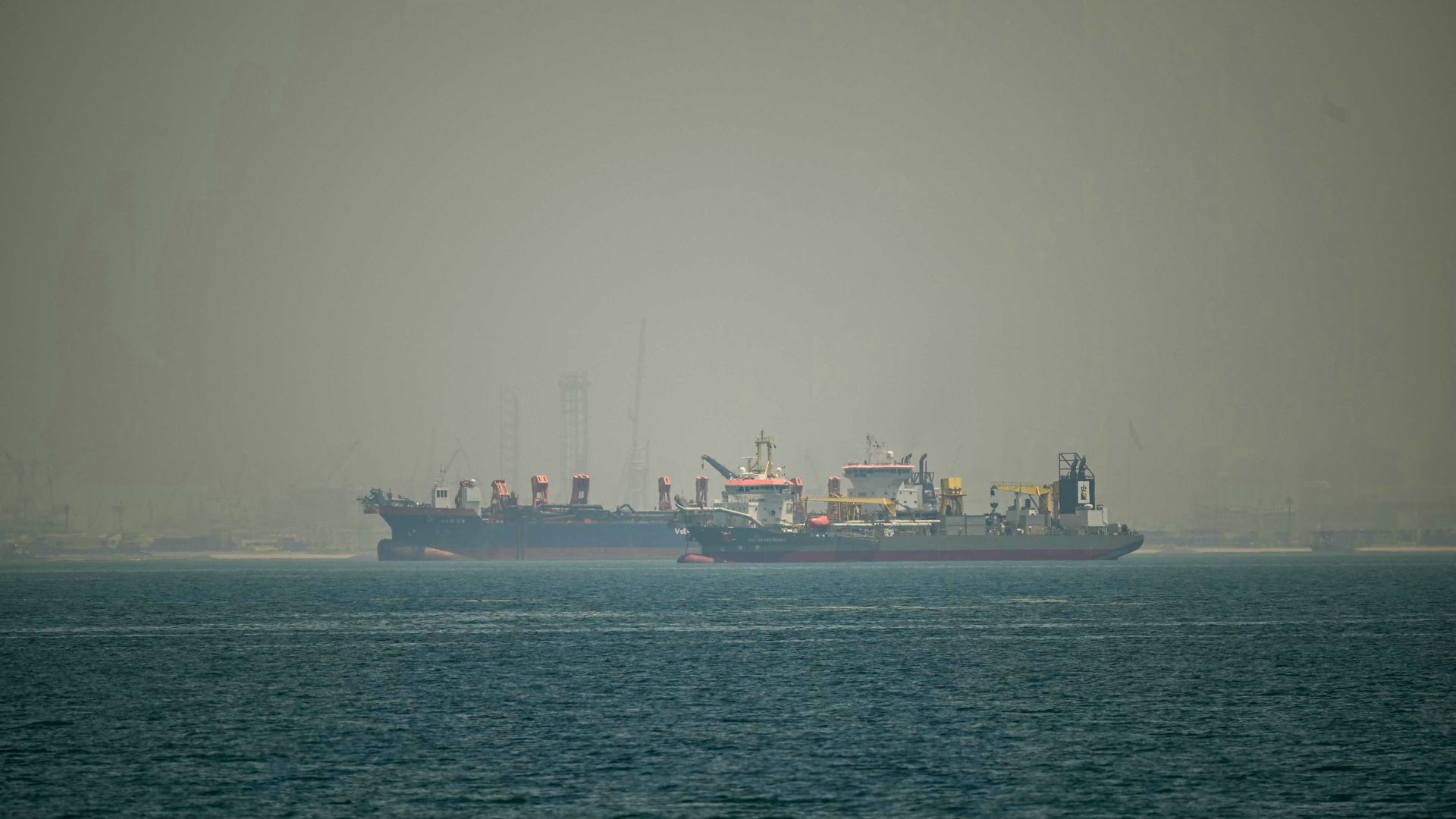
The Iran conflict has entered a Cold War-like phase of financial sanctions, gunboat interdictions and talks about having talks.
Why it matters: The tense stalemate has no immediate end in sight. So higher energy prices appear certain for months — and a hot war could break out at any moment.
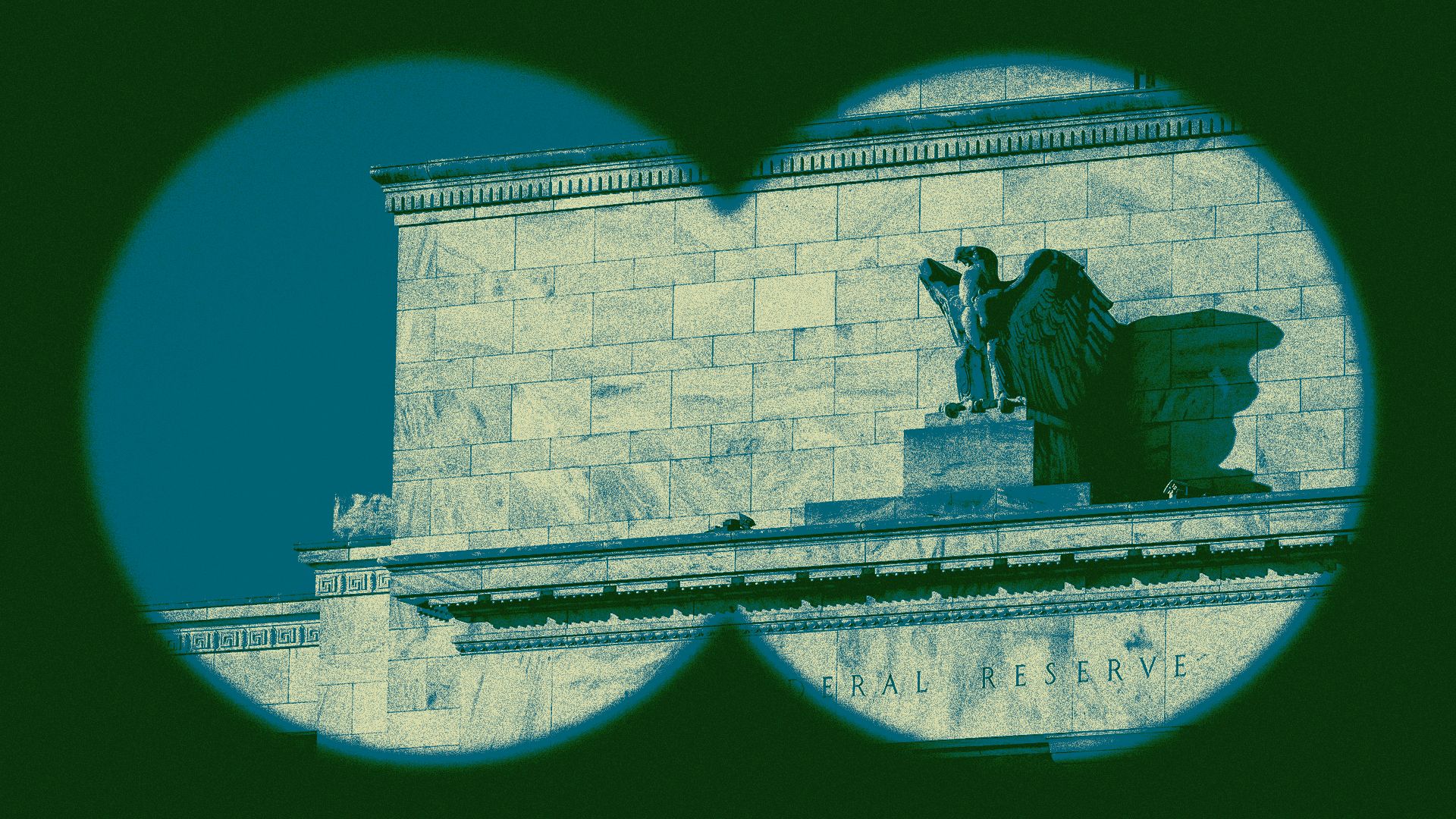
This is shaping up to be a momentous week for the Federal Reserve. What comes next for the Fed's leadership has come into clearer focus in the last three days, but one big question hangs over the institution.
The big picture: On Wednesday, the Senate Banking Committee is set to advance Kevin Warsh's nomination to lead the Fed, after Sen. Thom Tillis (R-N.C.) indicated his satisfaction with the Justice Department backing down from its investigation of chair Jerome Powell.
Chinese regulators have ordered Meta to unwind its $2.5 billion acquisition of Manus AI, developer of a general AI agent that it claims can complete real-world tasks
Why it matters: It's an escalation of AI tensions between Beijing and D.C.
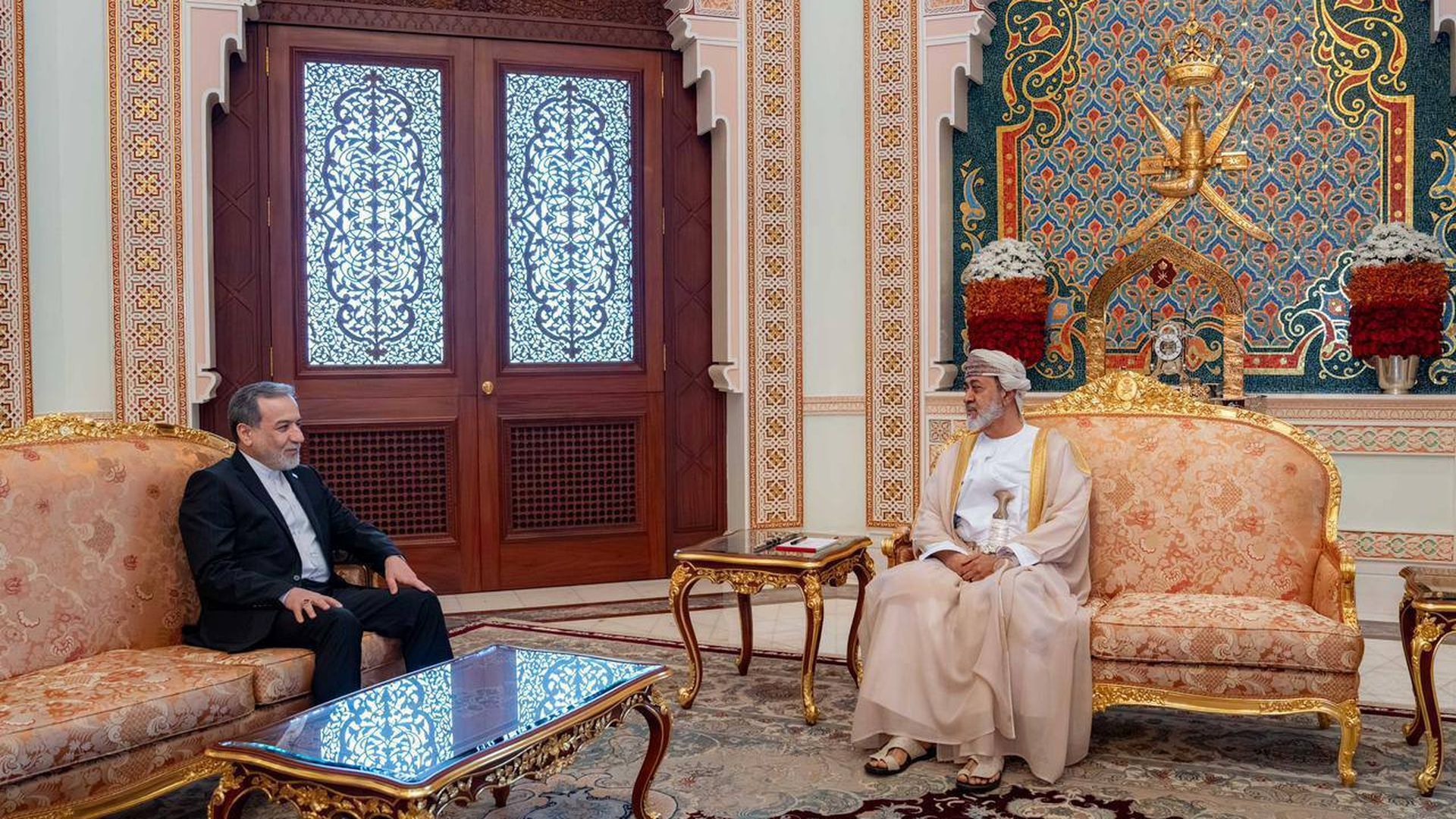
Iran gave the U.S. a new proposal to reopen the Strait of Hormuz and end the war, with nuclear negotiations postponed for a later stage, according to a U.S. official and two sources with knowledge.
Why it matters: The diplomacy is in a stalemate, and the Iranian leadership is divided about what nuclear concessions should be on the table. The Iranian proposal would bypass that issue en route to a faster deal.