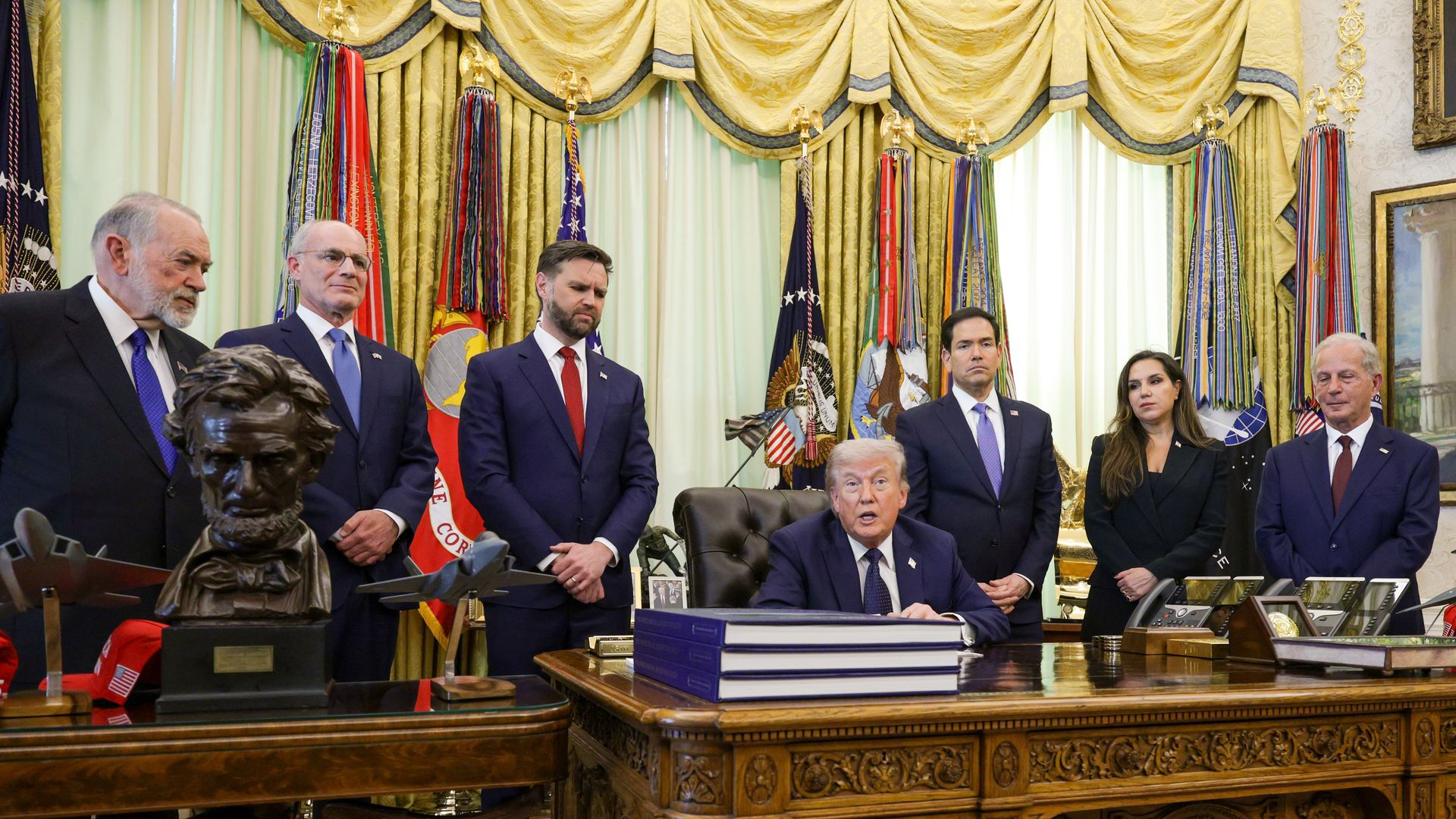
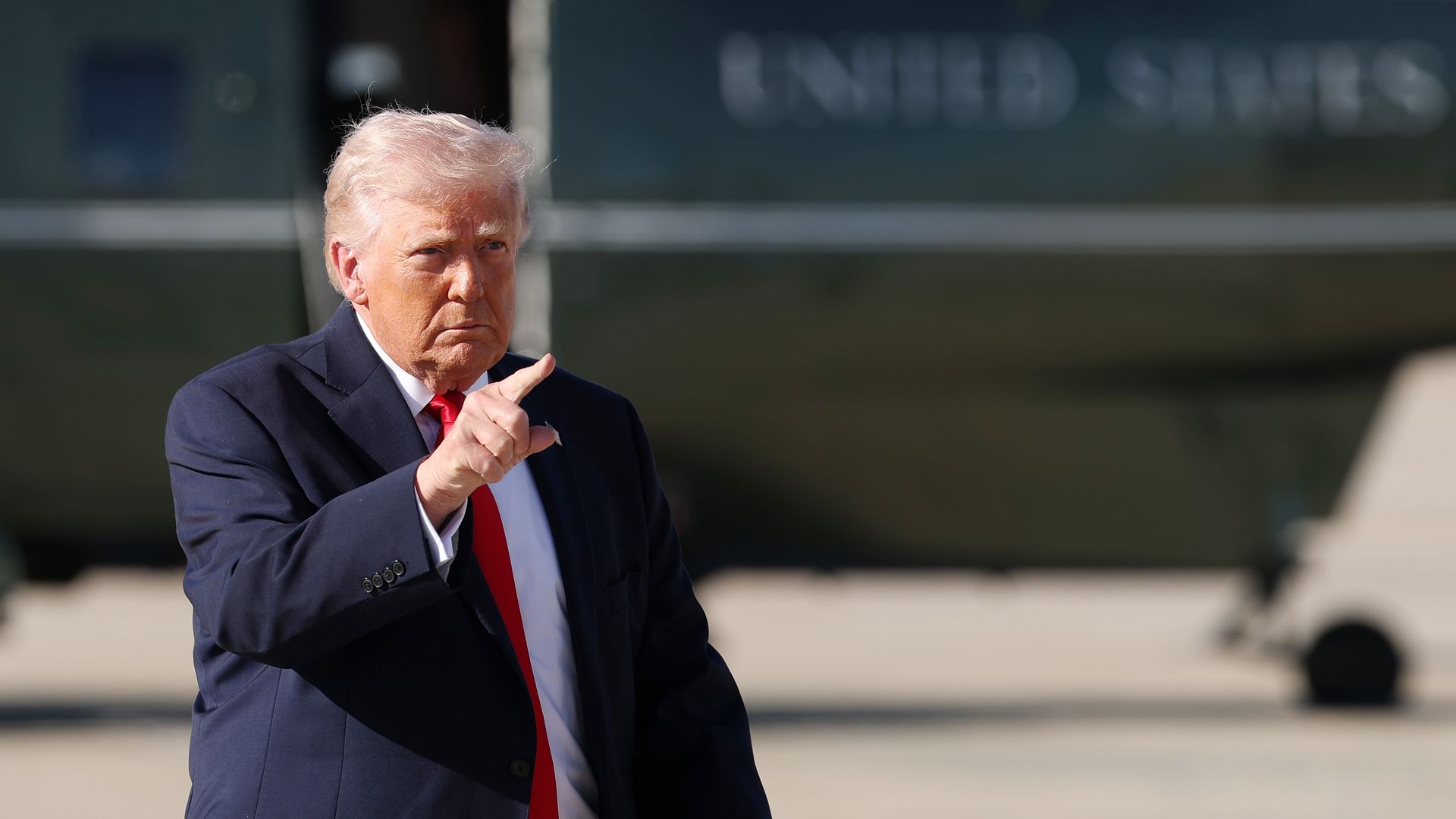
The ceasefire between Israel and Lebanon will be extended by another three weeks, President Trump said after hosting the Israeli and Lebanese ambassadors in the Oval Office on Thursday.
Why it matters: The U.S. wants to extend the Lebanon ceasefire for two reasons: to advance direct Israel-Lebanon peace talks and to prevent renewed fighting from undermining the effort to reach a deal with Iran.
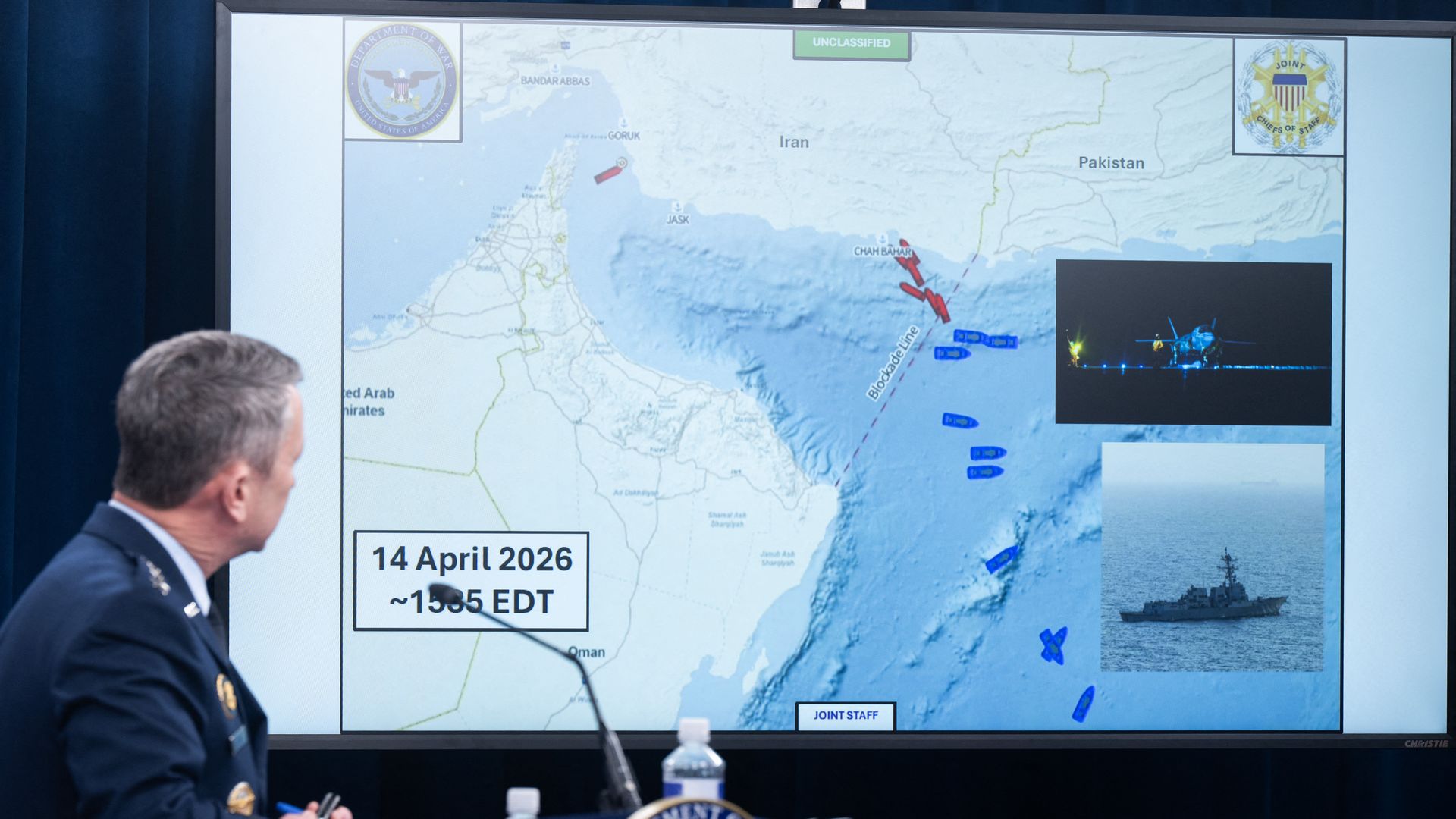
Iran's Islamic Revolutionary Guard Corps (IRGC) navy laid more mines in the Strait of Hormuz this week, according to a U.S. official and a source with knowledge of the issue.
Why it matters: The military standoff in the world's most important oil chokepoint is escalating, with Iran laying mines and attacking commercial ships on one side and the U.S. tightening its naval blockade on the other.
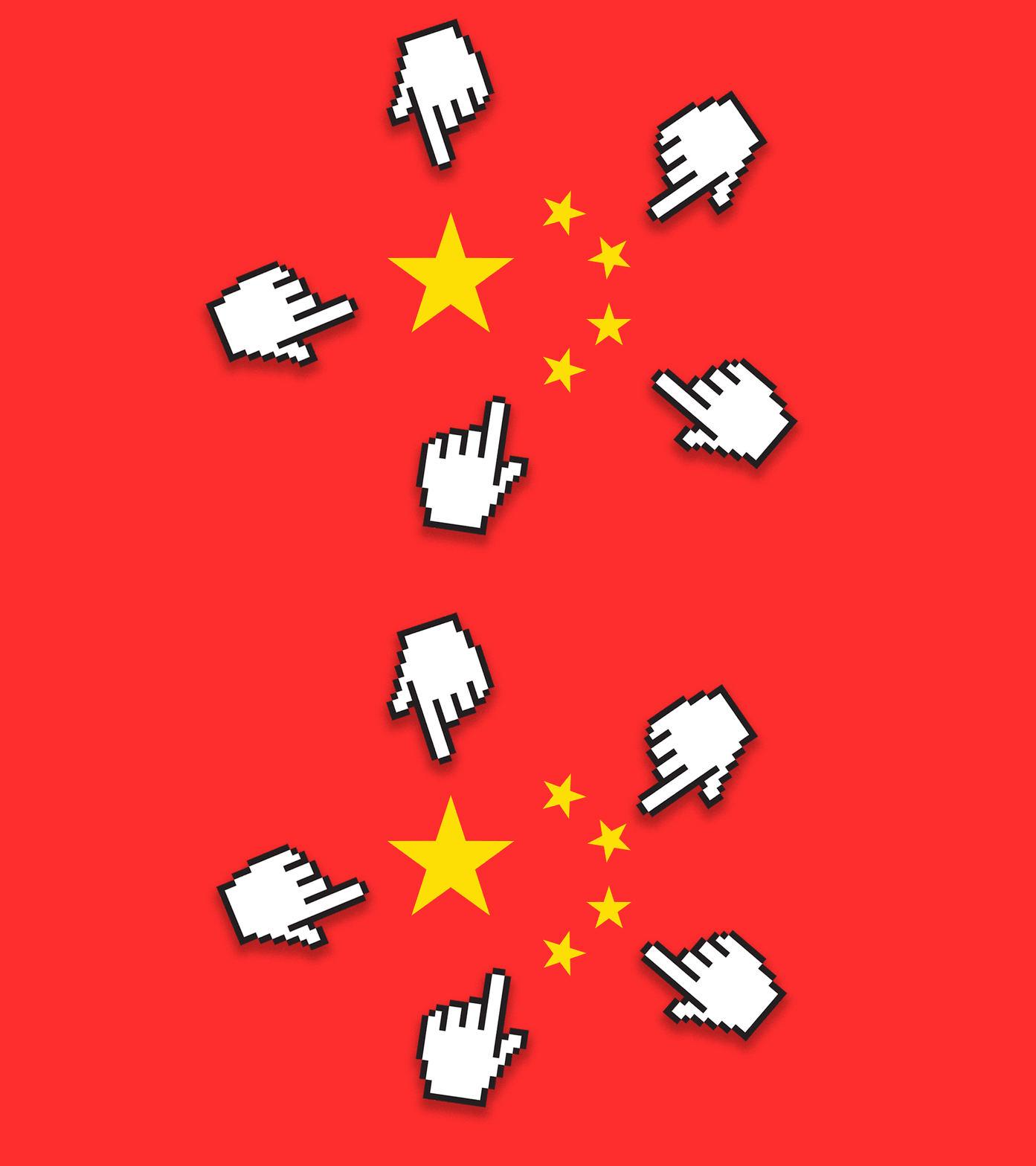
The Trump administration on Thursday accused China-backed actors of running "deliberate, industrial-scale campaigns" to distill and copy American frontier AI models.
Why it matters: The accusation pushes the U.S.-China AI rivalry into more confrontational territory — and could complicate President Trump's upcoming visit to Beijing.
A U.S. Navy sailor assigned to a minesweeping ship that's headed to the Strait of Hormuz was medically evacuated to his home port after he was scratched by an Asian monkey while ashore in Thailand, officials say.
Why it matters: The Navy reports that the incident did not delay the USS Chief's mission and that the sailor is OK, but officials say the attack is a reminder that military missions face unexpected troubles and disruptions that are hard to war-game for.
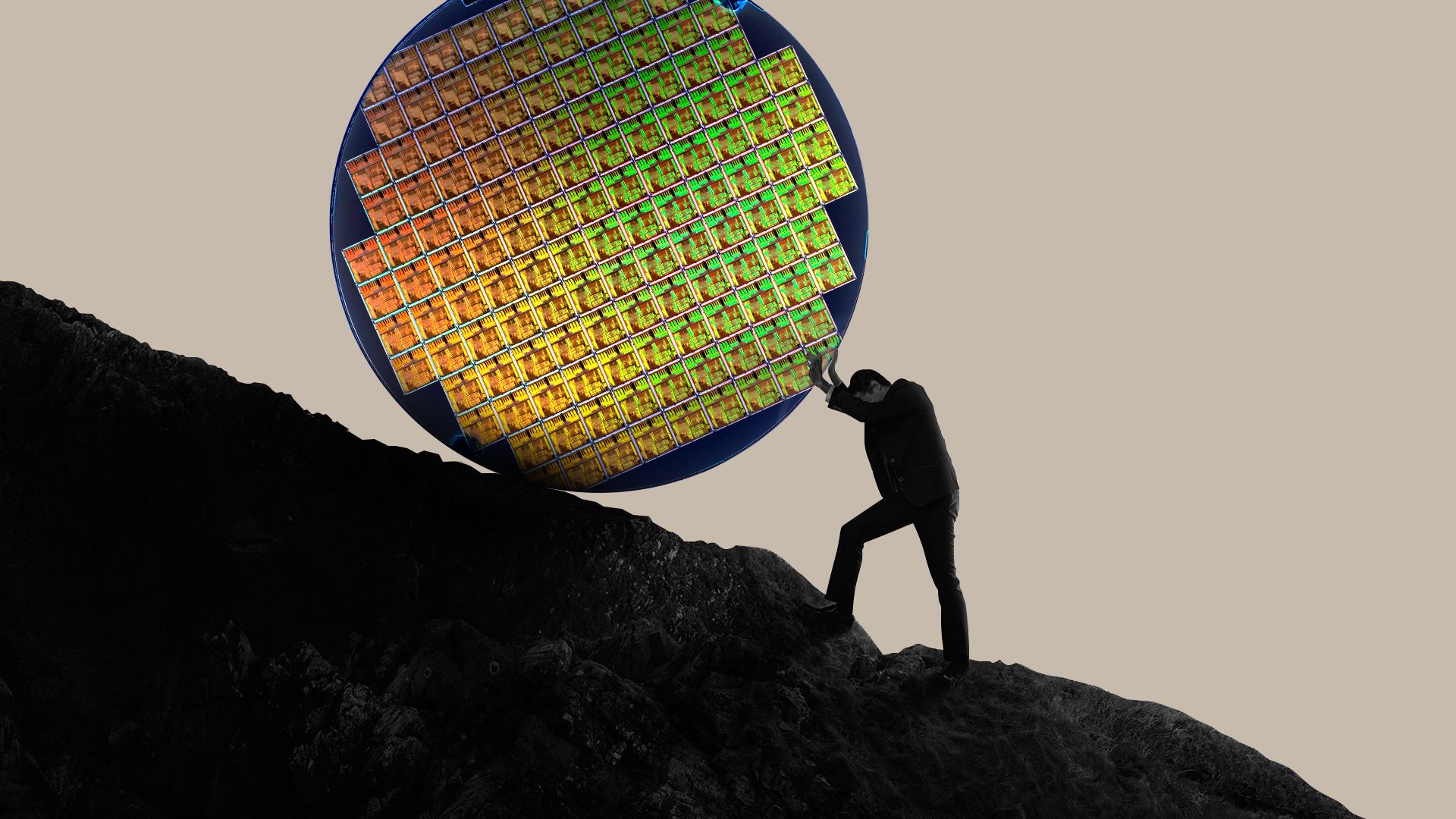
The AI economy is being constrained by the physical world: The Iran war threatens to squeeze the industrial inputs that chip manufacturers depend on, the latest confirmation that once-reliable global chokepoints are now more fragile than ever.
Why it matters: It is part of a growing pattern defining the economic conditions of the 2020s: shocks exposing the fragility of supply chains that the world took for granted.
At the start of the war, stocks fell and oil prices rose on fears of the economic fallout from a historic energy shock — now that connection is fraying.
Why it matters: It highlights a key distinction between the stock market, which frequently seems to trade on vibes and memes, and commodities markets which ultimately are tethered to real physical goods.
China has stashed away far more oil than any other country, according to U.S. government data released this week.
Why it matters: The stockpile, which surged last year, is emerging as a strategic advantage as the world faces an oil shock with the Strait of Hormuz largely shut.
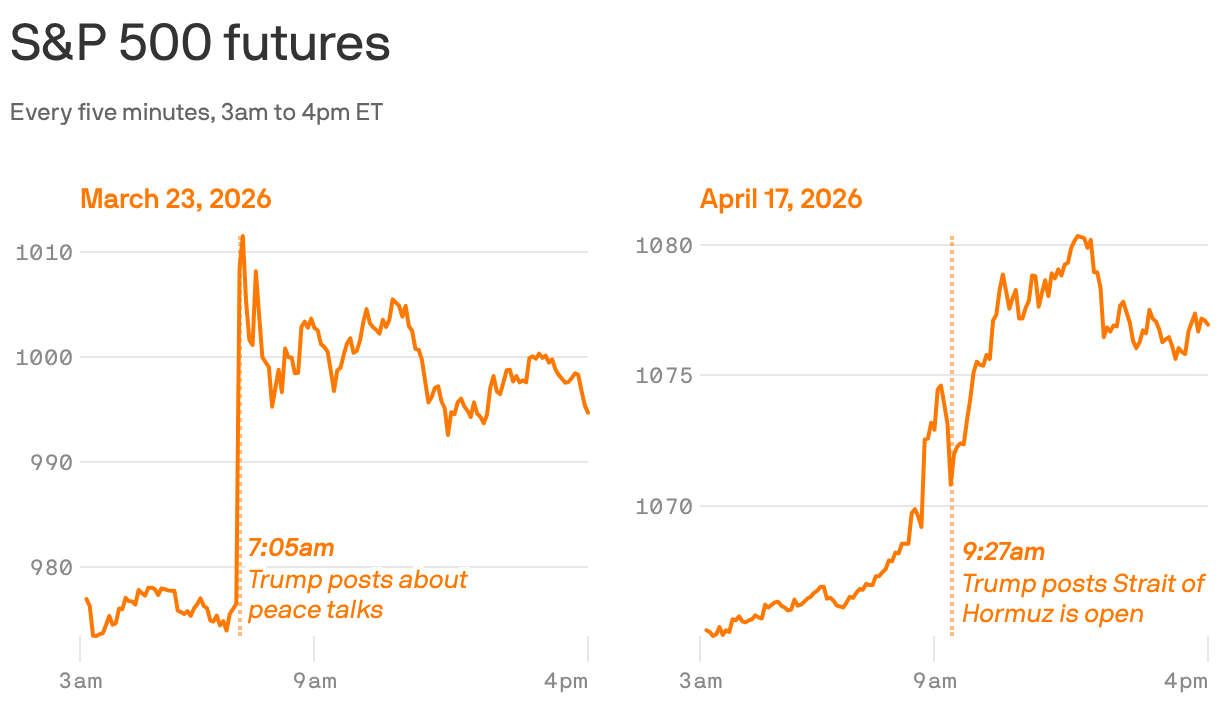
A well-timed, optimistic post on Truth Social from President Trump about the war in Iran can send stocks higher.
Why it matters: Social media posts from the White House have become key drivers of the oil and stock markets during the conflict, particularly as its resolution seems to keep moving further and further out of reach.
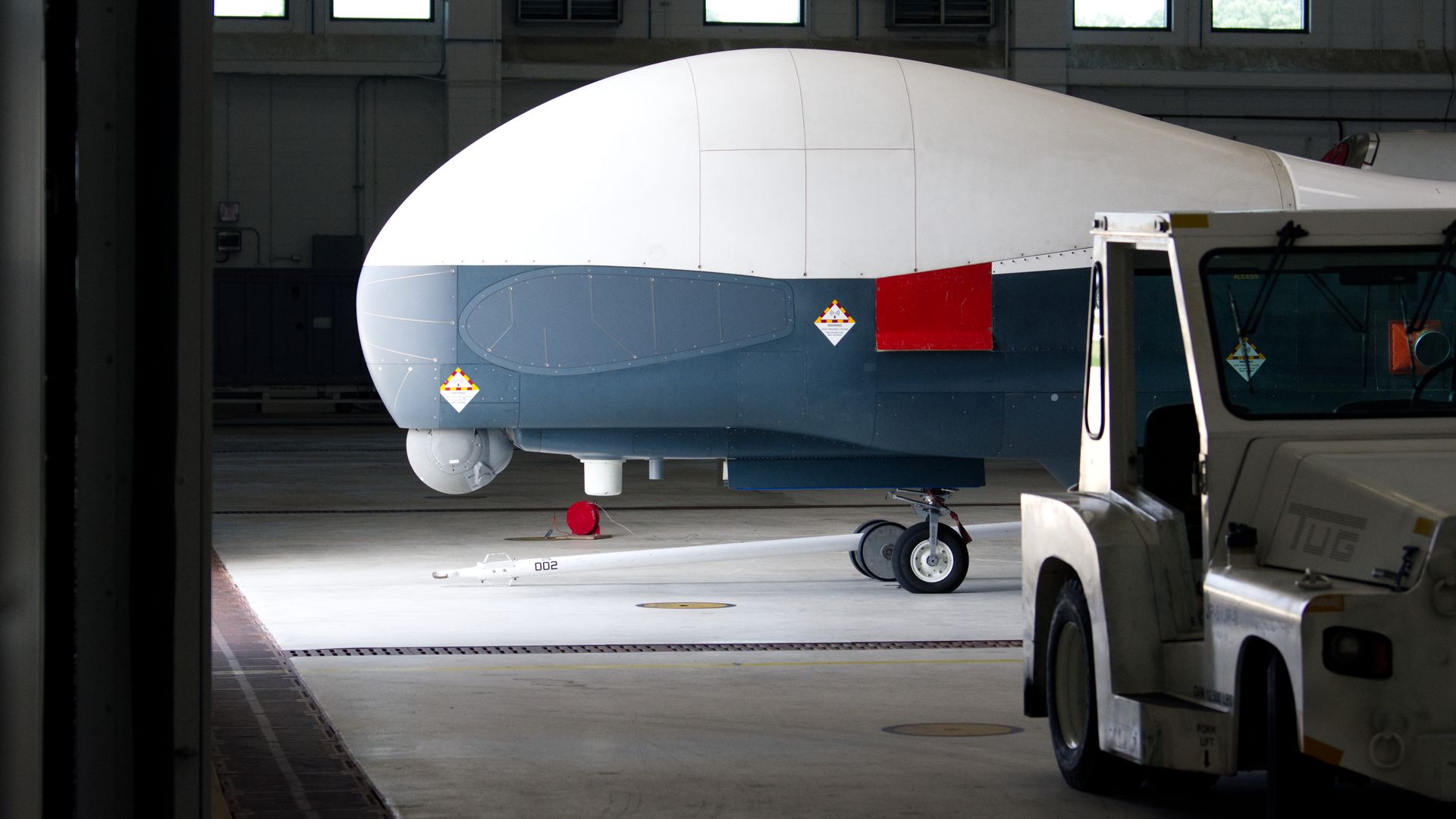
An MQ-4C Triton crashed this month, according to U.S. Navy data and publicly available flight logs.
Why it matters: At roughly $240 million a pop, the Northrop Grumman-made maritime surveillance drone is among the single priciest losses amid the Iran war.
JPMorgan Chase is bringing its $1.5 trillion security-and-resiliency initiative to Europe.
Why it matters: European rearmament chatter is maturing, as Russia bombards Ukraine, President Trump flames NATO and air-and-missile defense demands are laid bare by the Iran war.
President Trump is giving Iran's warring factions a short window to unify behind a coherent counter-offer — or the ceasefire he extended Tuesday ends, three U.S. officials tell Axios.
"Trump is willing to give another three to five days of ceasefire to allow the Iranians to get their shit together," one U.S. source briefed on the matter said. "It is not going to be open-ended."
Why it matters: Trump's negotiators believe a deal to end the war and address what's left of Iran's nuclear program is still achievable. But they also worry they may not have anyone in Tehran empowered to say yes.
President Trump's decision to suspend a controversial maritime law during the Iran war has made it easier to ship oil across the U.S. — and now he wants to keep it that way, according to U.S. officials.
Why it matters: Known as the Jones Act, the 1920 law raises the cost of shipping between U.S. ports because it requires goods to be carried on American-flagged vessels, which are in relatively short supply compared to the global supply.