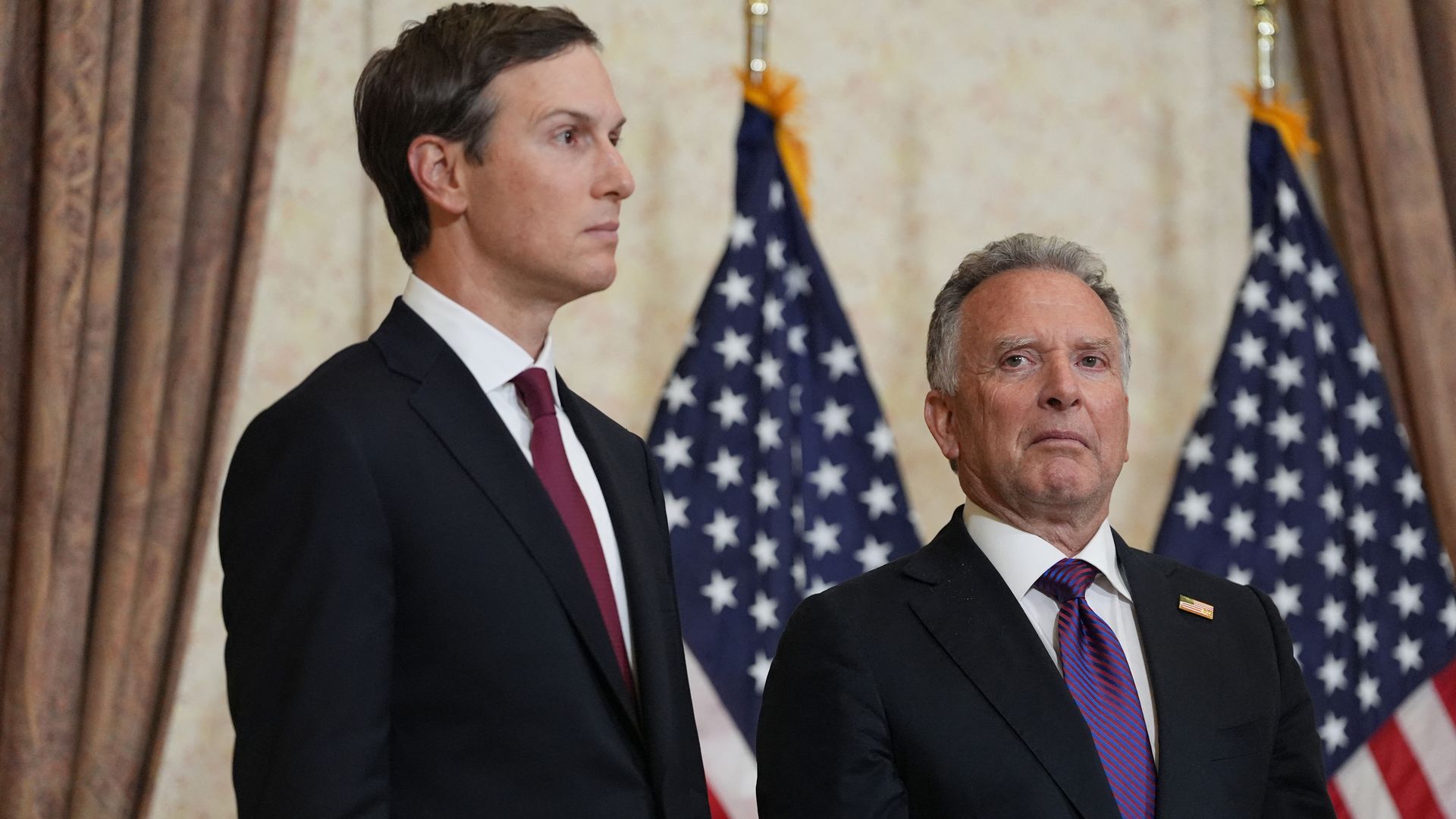
President Trump canceled the trip by his envoys Steve Witkoff and Jared Kushner to Islamabad due to the Iranian position in peace negotiations, he told Axios.
Why it matters: The envoys had been expected to meet with Iranian Foreign Minister Abbas Araghchi, in a trip designed to break a diplomatic stalemate and build momentum for a deal.
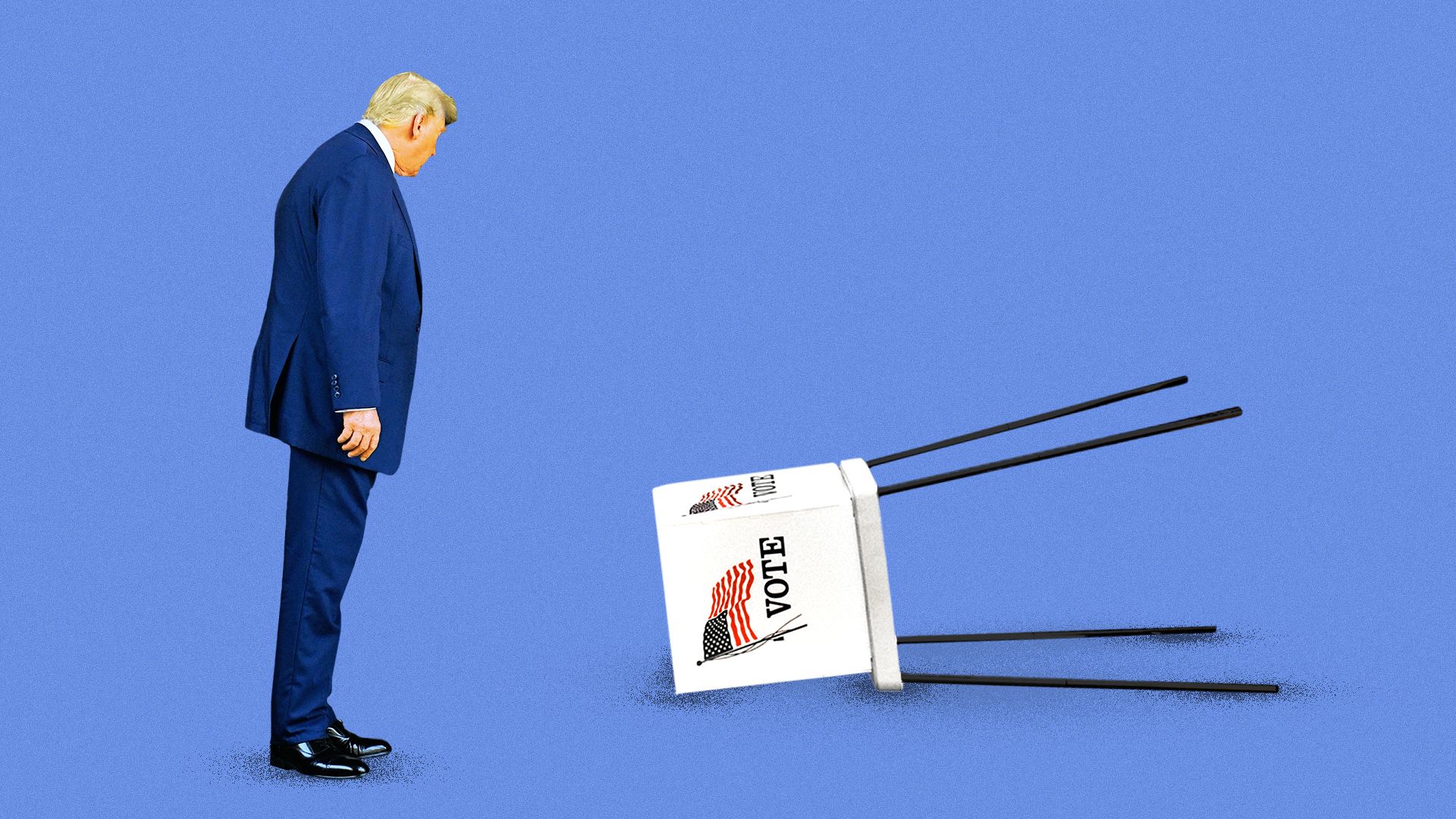
President Trump is governing like a man who will never face voters again, mortgaging his party's future on promises he won't be around to keep.
Why it matters: Trump's approval has plunged to a second-term low. His signature bets — tariffs, the war in Iran, redistricting — are curdling into long-term liabilities the GOP could carry long past November.
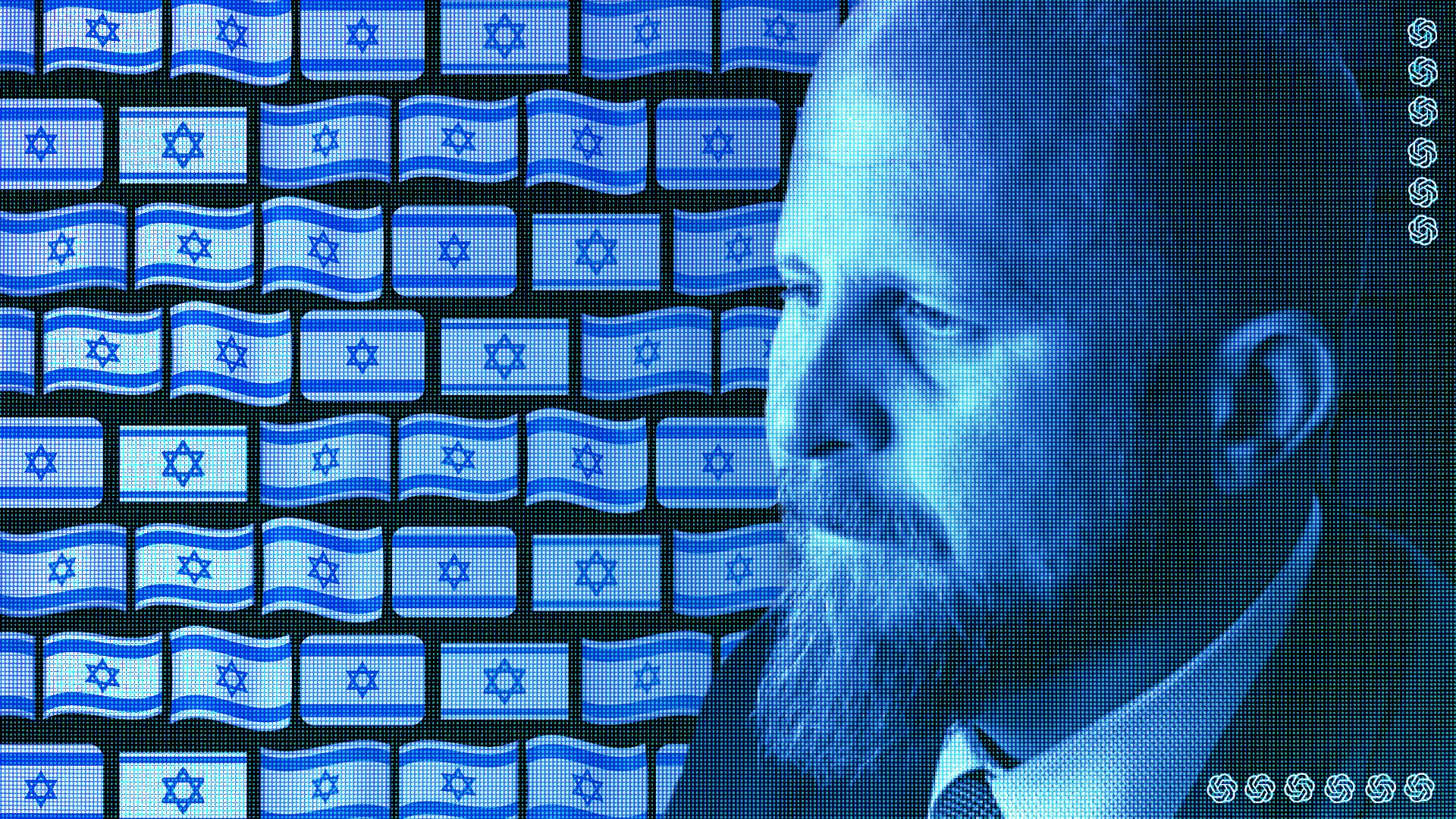
Israel has launched a multimillion-dollar campaign — spearheaded by a former top lieutenant of President Trump — to reshape how AI platforms portray the nation.
Why it matters: Platforms like ChatGPT, Claude and Gemini are increasingly central to shaping perceptions — and countries, corporations and other powerful interests are spending big to influence them.
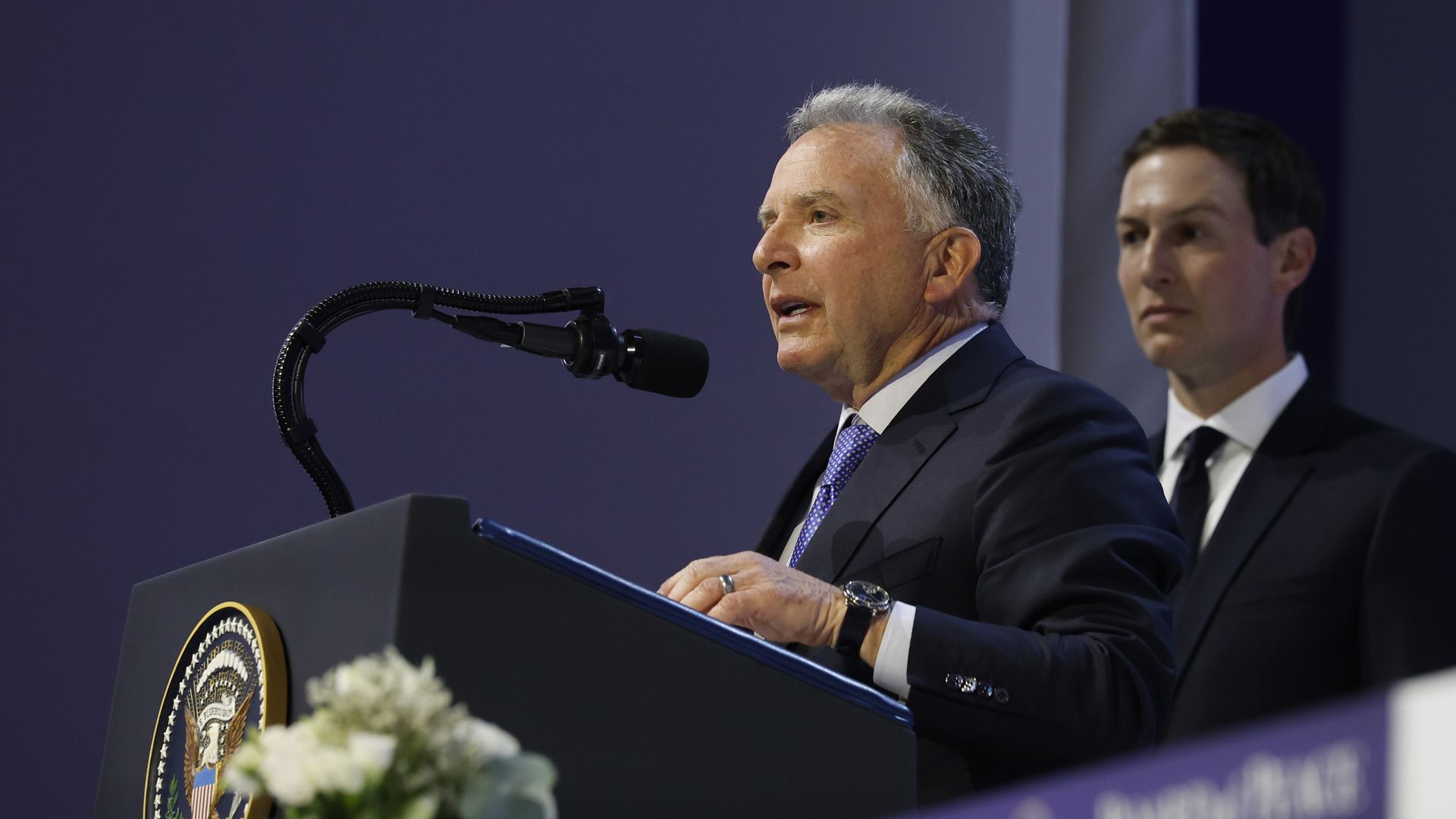
U.S. envoys Steve Witkoff and Jared Kushner are expected to travel to Pakistan on Saturday for negotiations with Iranian Foreign Minister Abbas Araghchi, the White House said.
Iranian state media denied that any meeting had been scheduled.
Why it matters: While President Trump extended the ceasefire with Iran, the diplomatic efforts haven't made any progress in recent days. The planned trip is an effort to break the stalemate and build momentum for a deal before Trump goes back to exploring military options.
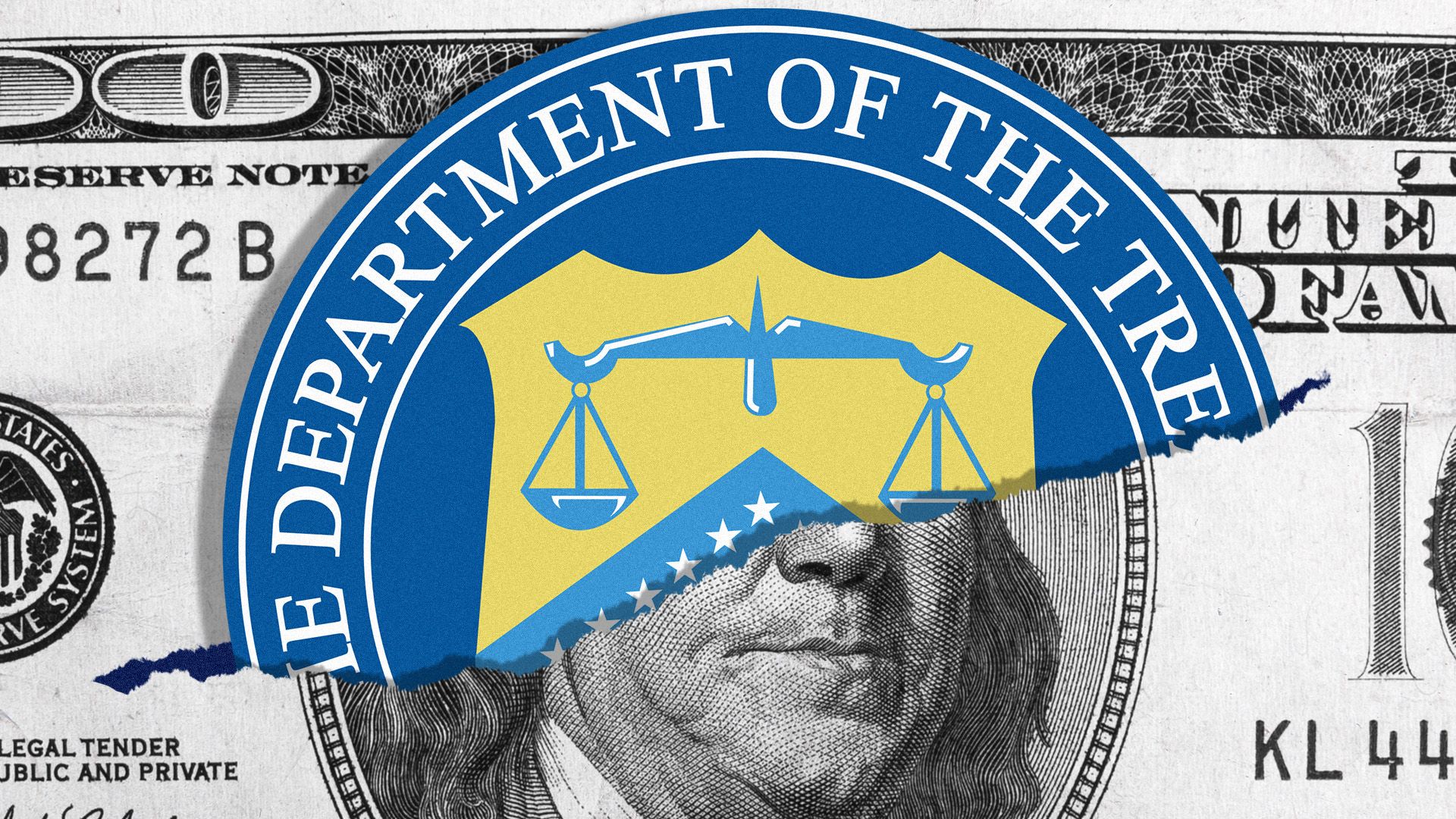
If the United States gets into the business of providing dollar liquidity to the United Arab Emirates and other Persian Gulf states battered by the Strait of Hormuz's closure, it will amount to a novel use of an old power.
The big picture: The Federal Reserve used swap lines with foreign central banks as a key tool to calm global financial disruptions in periods of stress, starting in the early days of the global financial crisis in 2007. They were driven by Fed leaders' belief that dollar funding shortages worldwide risked blowing back to the U.S. banking system and economy.
The potential use to backstop Gulf states carries a more explicit geo-strategic role: seeking to reward and bolster key allies in the region.
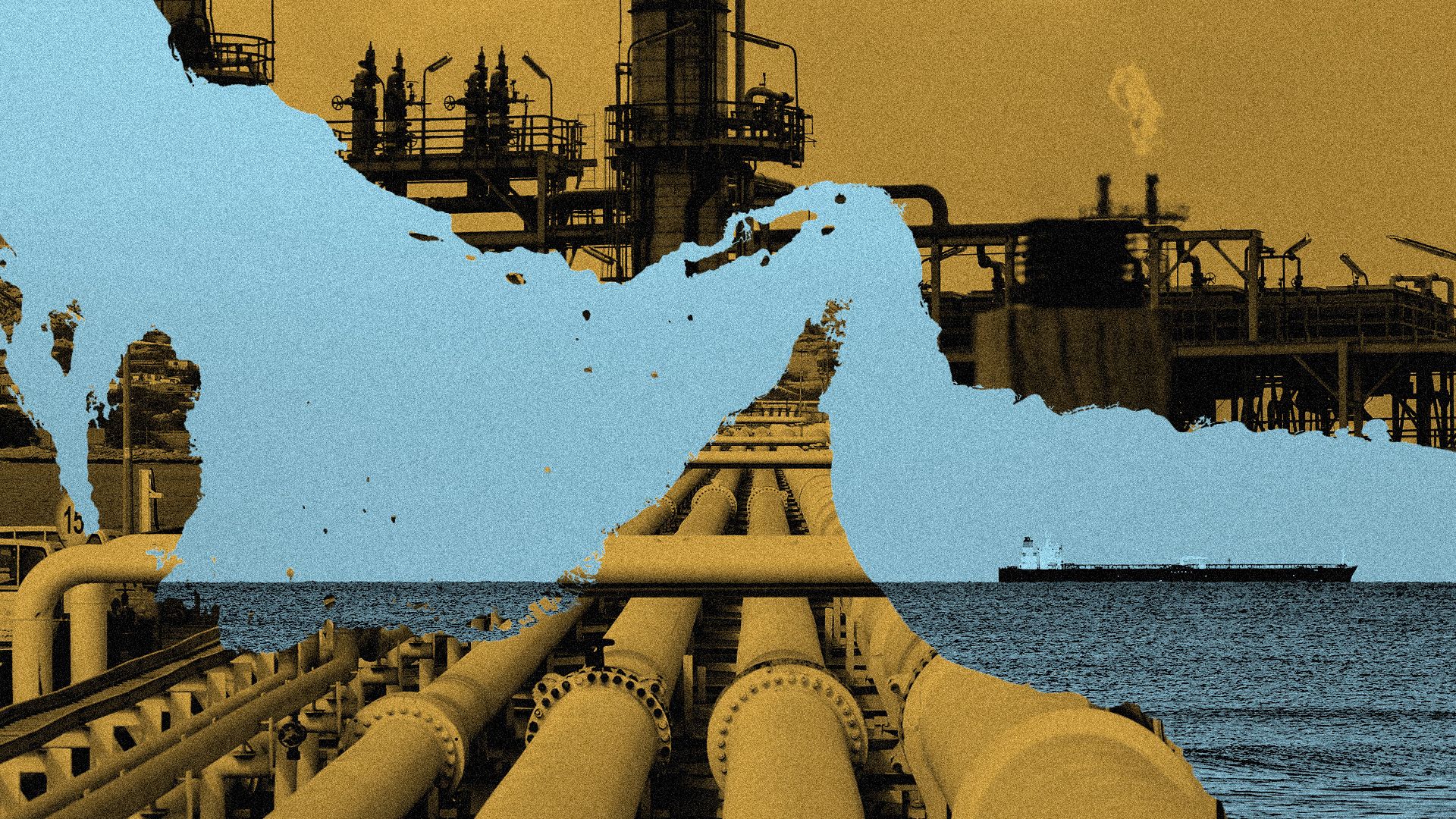
The bottling up of Middle East oil is giving a lift to U.S. exports, but there are real limits on how much more they can grow.
Why it matters: President Trump keeps talking up U.S. exports as the Strait of Hormuzis blocked, and oil and gas exports give America more geopolitical leverage.
Persian Gulf countries like the United Arab Emirates have plenty of dollars, yet they're asking the U.S. for access to more — via what's called swap lines — and the Trump administration seems open to the idea.
Why it matters: The asks are less about finances and more about politics — a sign of how the U.S. is trying to maintain dollar dominance amid a changing geopolitical backdrop.
The Vatican is racing to build digital defenses for the artificial intelligence era — and quietly positioning itself as a global referee of what's real.
Why it matters: The Holy See is moving faster than most other legacy institutions to shape rules and guardrails in verifying reality, with urgency that's unfolding amid unusual geopolitical and digital clashes.