Why Gulf countries are seeking dollar help

Add Axios as your preferred source to
see more of our stories on Google.
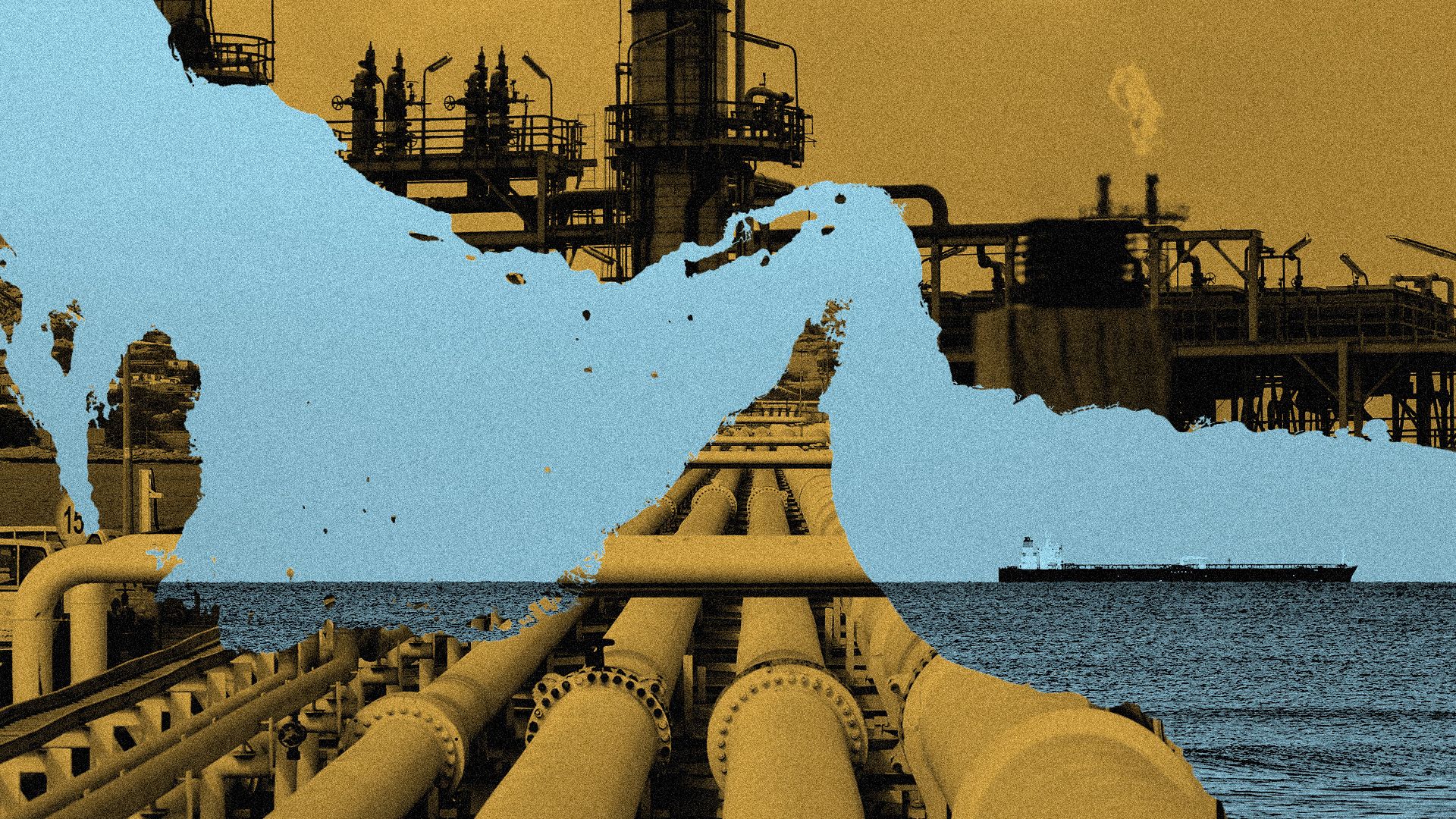
Photo illustration: Brendan Lynch; Photos: Getty Images
Persian Gulf countries like the United Arab Emirates have plenty of dollars, yet they're asking the U.S. for access to more — via what's called swap lines — and the Trump administration seems open to the idea.
Why it matters: The asks are less about finances and more about politics — a sign of how the U.S. is trying to maintain dollar dominance amid a changing geopolitical backdrop.
How it works: Foreign central banks exchange (or swap) their home currency for U.S. dollars. The Treasury Department has limited ability to open a swap line; the Federal Reserve has more resources.
- The Fed has standing swap lines with the central banks of a few key allies like Canada, Japan and the European Union.
- When credit is freezing up, the Fed has added more — like at the start of the pandemic and during the 2008 financial crisis.
Driving the news: At a Senate hearing Wednesday, Treasury Secretary Scott Bessent said that "many of our Gulf allies have requested swap lines."
- "Swap lines, whether it's from the Federal Reserve or the Treasury, are to maintain order in the dollar-funding markets and to prevent the sale of the U.S. assets in a disorderly way."
Reality check: Analysts say that's not all that's happening here.
- It's possible that Gulf countries, which are unable to move oil and other goods through the Strait of Hormuz and get dollars in return, will face a liquidity crunch if this war is prolonged.
- They aren't now, most analysts agree.
Zoom in: The requests are a way for them to prepare for the possibility of a cash crunch, says Vishal Khanduja, head of broad markets fixed income at Morgan Stanley. Better to ask now before things actually get dire.
- These asks could have been kept confidential, but they're public because it sends a signal to the market, assuring investors that these countries are shoring up their reserves, he says.
Between the lines: The swap lines could backstop Gulf states' ability to keep investing in the U.S., Evercore analysts wrote Thursday.
- "In political terms, perhaps most importantly, swaps could at the margin at least reinforce the ability of the Gulf states to deliver on giant U.S. investment commitments which the White House has frequently touted."
Friction point: For countries looking to be "top-tier" players in the global dollar system, getting this access is also a flex, per Evercore.
- And the requests are a way for Gulf states to signal unhappiness with the war.
- "This is to send a message to the administration that the Emirates is unhappy that they're being asked to absorb significant economic costs as a byproduct of the administration's decisions," Brad Setser, a senior fellow at the Council on Foreign Relations, tells Axios. "And they feel like they haven't been adequately consulted or compensated."
What to watch: Ideally, swaps are for countries that are economically secure and trusted.
- Because there is a risk. In a swap, we give dollars in exchange for a foreign currency. If it loses value subsequently, the U.S. loses money.
- "Counterparties need to be chosen very carefully," Evercore notes, "due to the risk of issuing what are effectively dollar loans to foreign countries with collateral in other currencies which could result in losses for taxpayers."
- Extending swaps to more countries could secure the dollar's global dominance, they say.
The bottom line: Dollars may get swapped, but there's a lot more getting exchanged.
