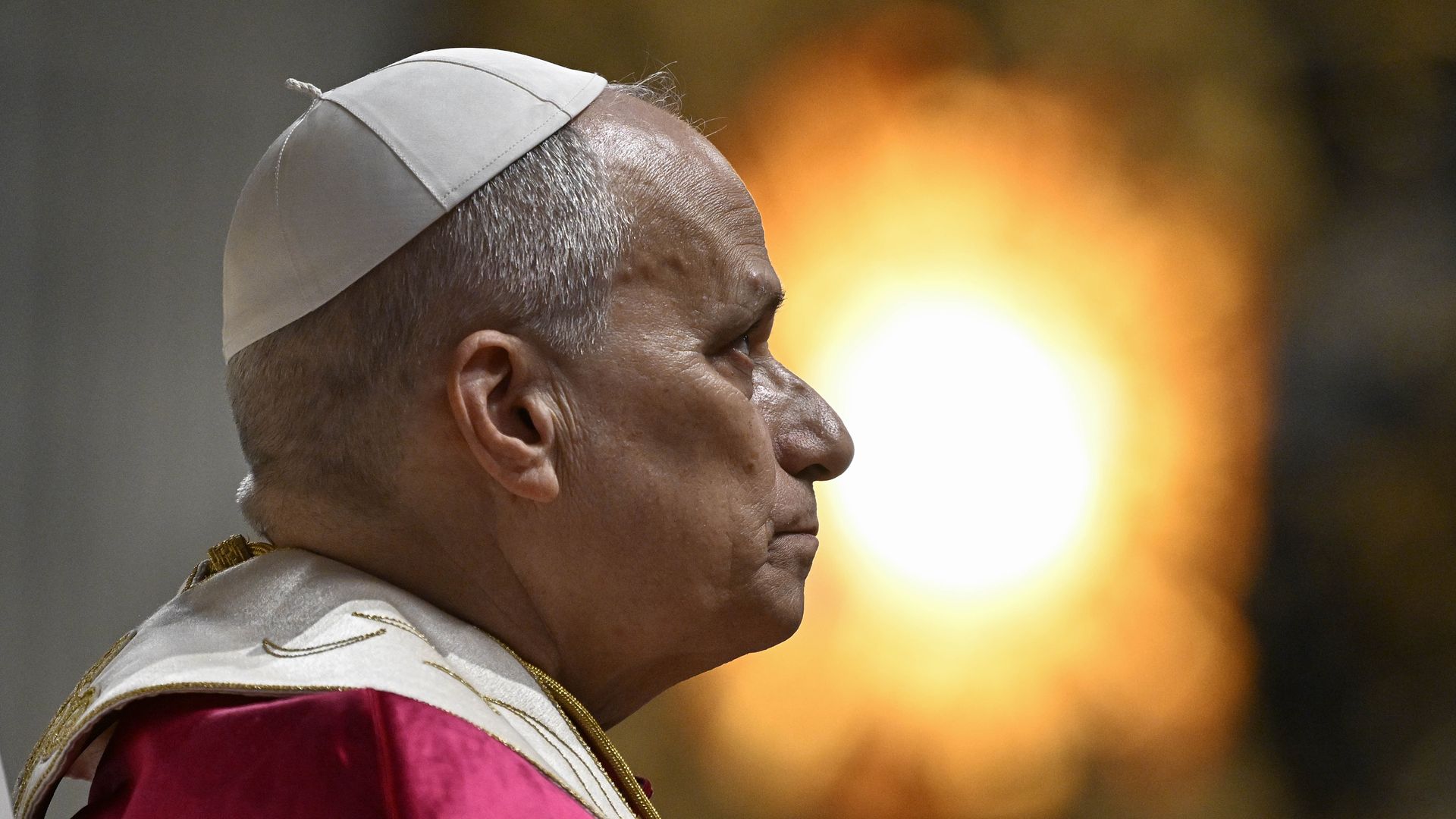
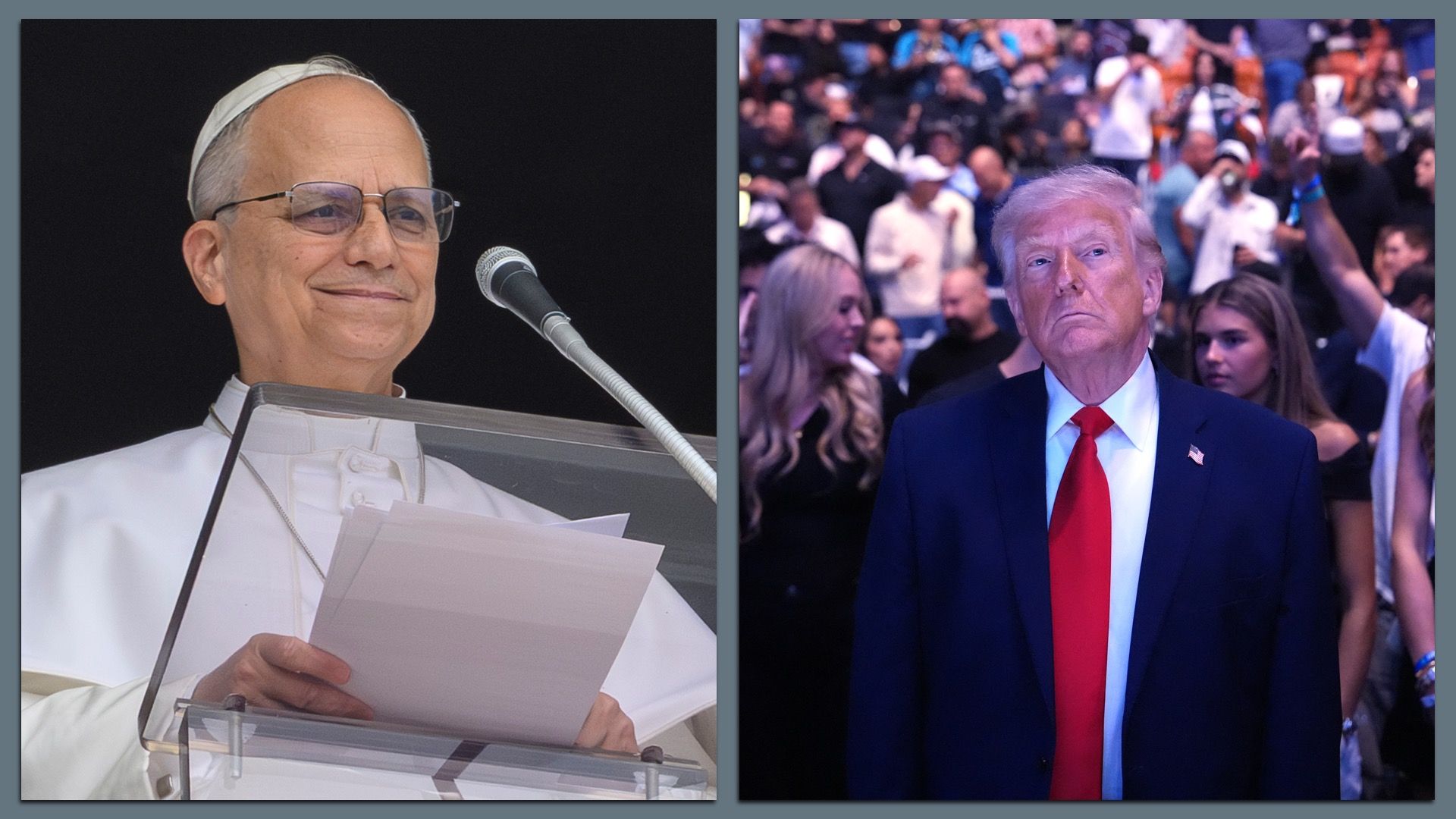
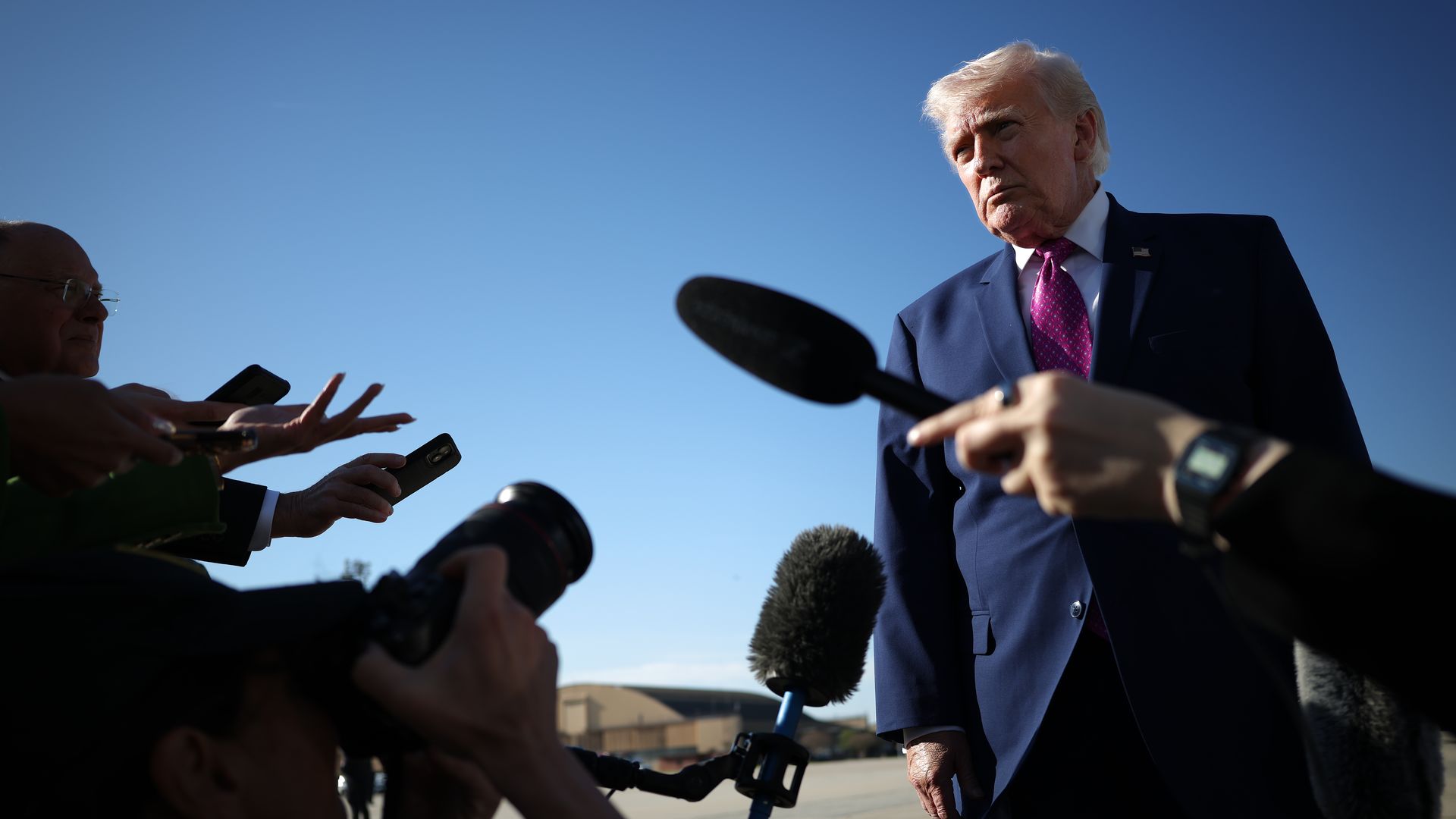
President Trump followed a Holy Week of profanity-laced threats with attacks on Pope Leo XIV and posting an AI self-portrait as a Jesus-like figure — risking alienating Catholic swing voters who backed him in 2024.
Why it matters:Catholics are America's largest swing religious vote, and Trump's support among them was already sliding before his latest attacks on their pontiff.
The U.S. proposed that Iran accept a 20-year moratorium on uranium enrichment during negotiations in Islamabad over the weekend, according to a U.S. official and a source with knowledge.
The Iranians countered with a shorter "single digit" period, according to the sources.
Why it matters: The differences over Iran's nuclear program — and in particular, whether Tehran will agree not to enrich uranium and to give up its existing stockpile — were the main sticking point that prevented a deal, the sources say.
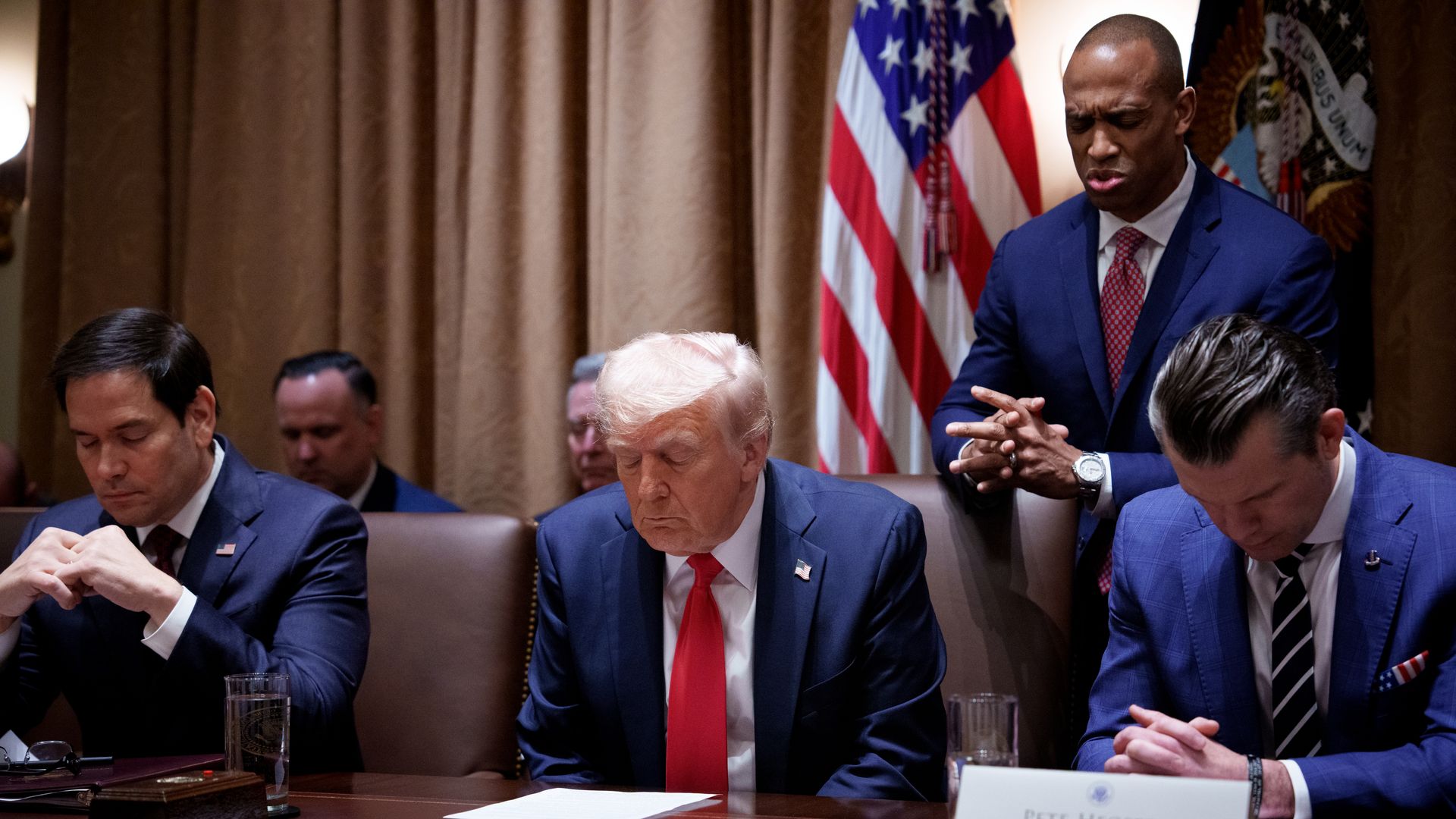
Christians, including some prominent Trump administration allies, have expressed discomfort over President Trump's Sunday evening post that appeared to depict him as a Jesus-like figure.
The big picture: Trump has repeatedly risked aggravating the Christian voter base that helped put him back into the White House, as some faith leaders — including the first American pontiff — have staunchly rebuked some of the president's rhetoric and policies.
Pakistani, Egyptian and Turkish mediators will continue talks with the U.S. and Iran in the coming days in an effort to bridge the remaining gaps and reach a deal to end the war, according to a regional source and a U.S. official.
Why it matters: All parties still believe a deal is possible. The mediators hope that narrowing the gaps could enable another round of negotiations before the ceasefire expires on April 21.
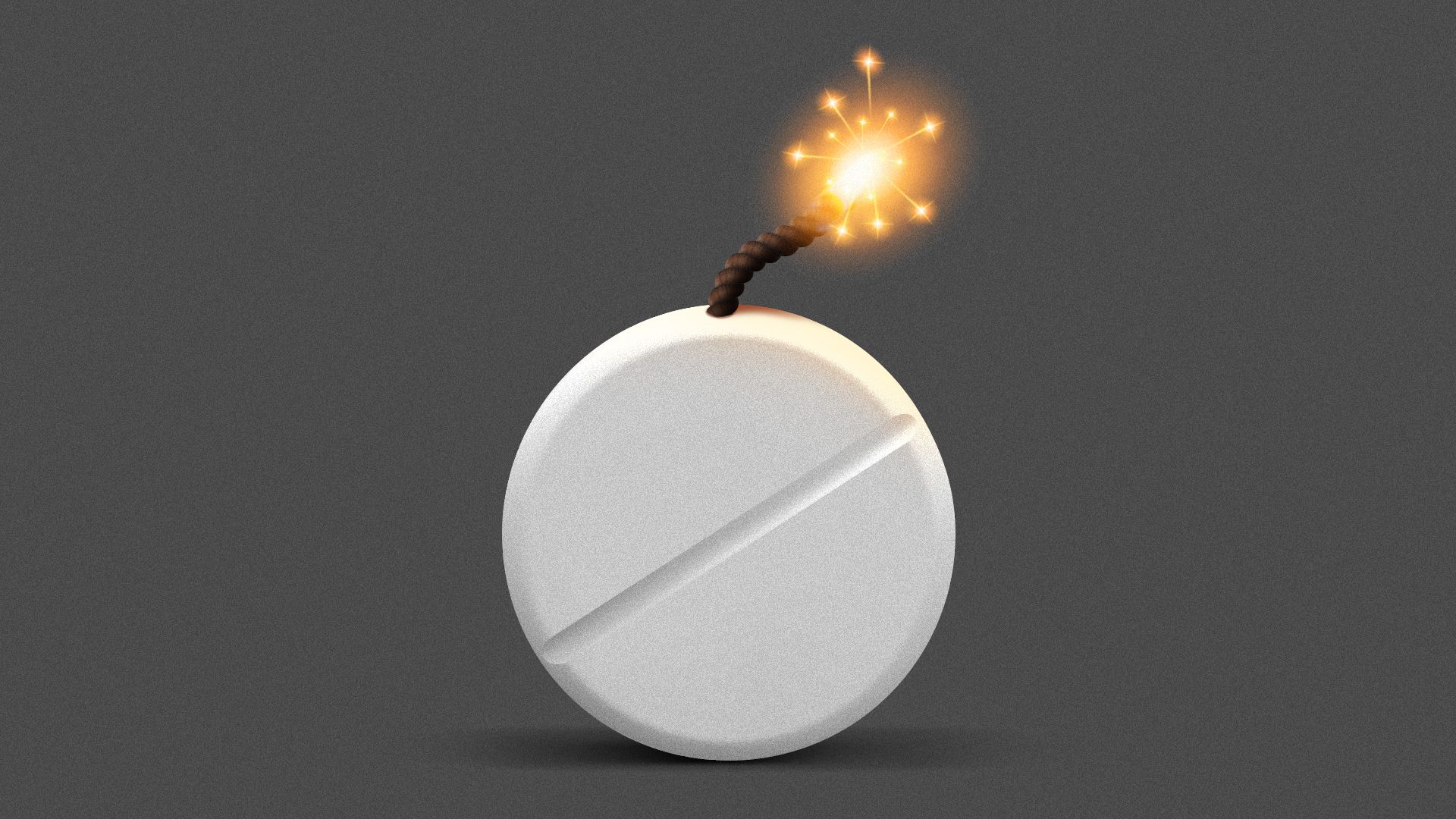
The threat of new tariffs on drugmakers has set off a debate within the biotech industry over whether to cut voluntary pricing deals with the Trump administration in exchange for exemptions.
Why it matters: Small and midsize companies don't have the resources of a Pfizer or Merck to make price cuts, domestic manufacturing investments and other concessions the White House is seeking.
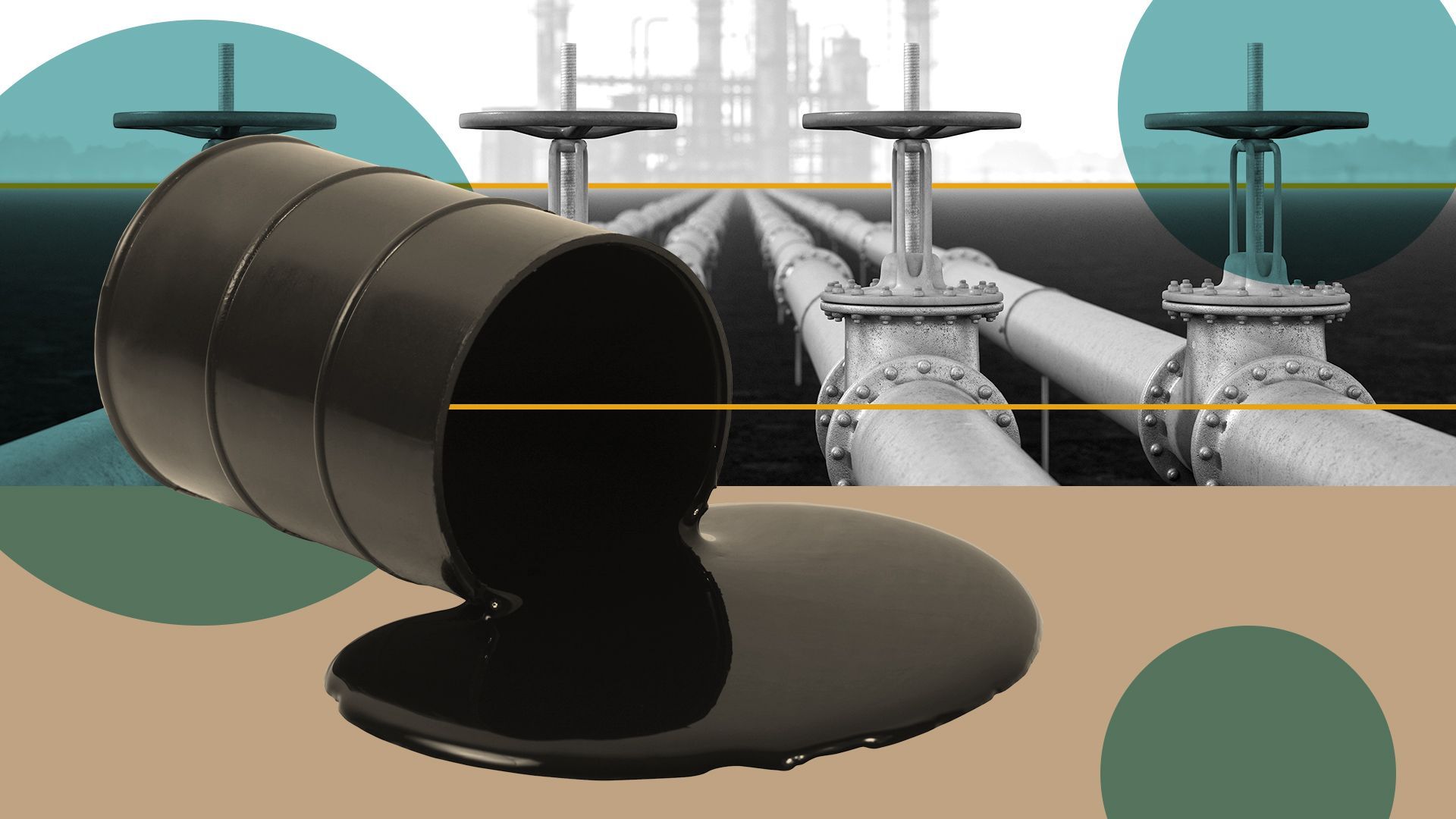
Oil prices jumped over 7% to well over $100 per barrel when markets opened Sunday evening and remained high into Monday.
Why it matters: The latest surge shows that traders don't see last week's U.S.-Iran ceasefire deal reviving large-scale tanker transit through the Strait of Hormuz — and it undoes a large amount of the price drop that followed the pause in hostilities.
President Trump lashed out against Pope Leo XIV on Sunday night, calling him "WEAK on Crime, and terrible for Foreign Policy" and accusing him of "catering to the Radical Left."
The big picture: Trump's comments escalate already high tensions between the president and the first U.S.-born pope, who has increasingly spoken out on Trump administration immigration policies and the Iran war.
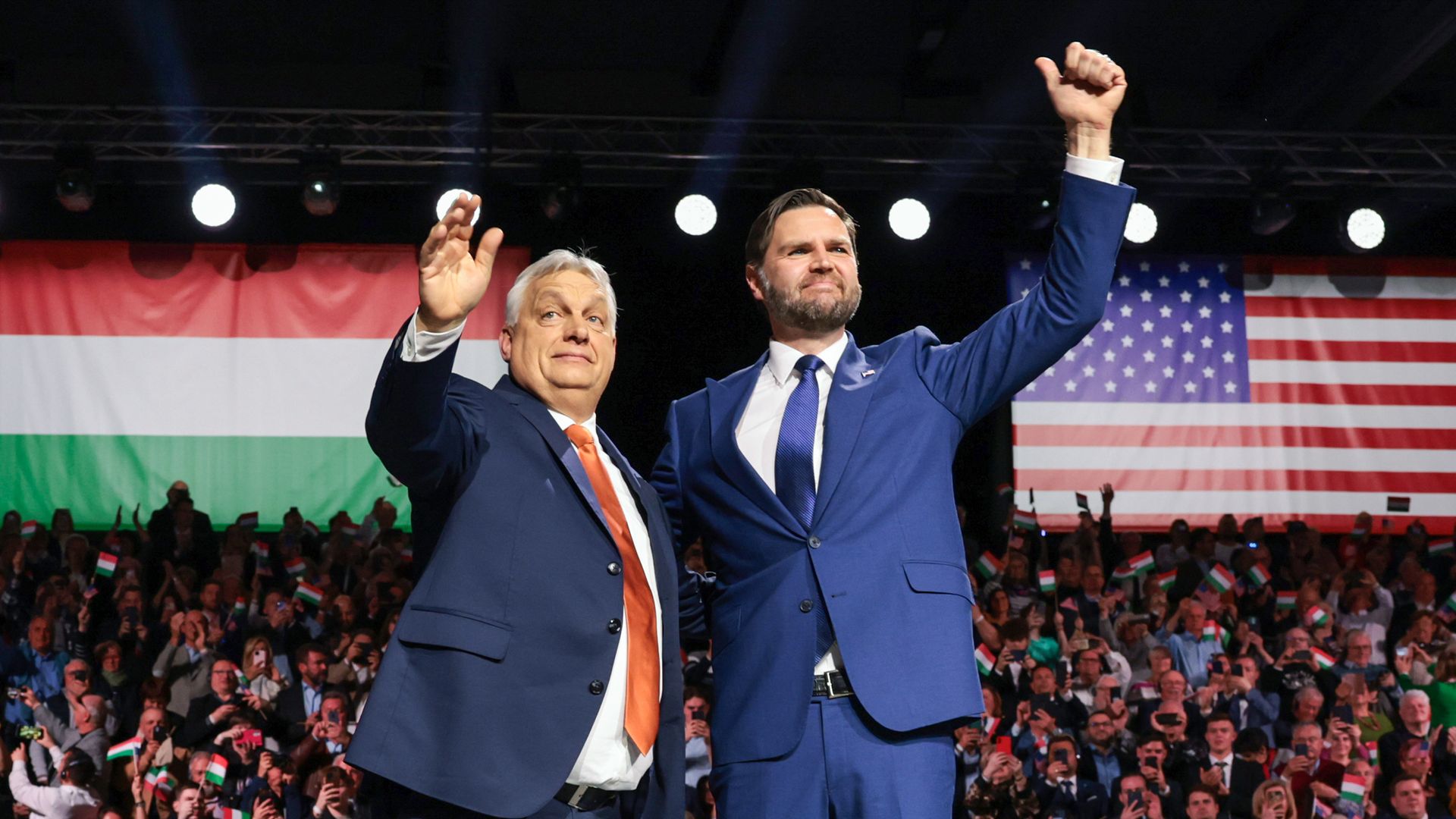
Hungarian voters have ousted Prime Minister Viktor Orbán after 16 years in power, delivering a stunning rebuke to one of the Western world's most entrenched populist leaders.
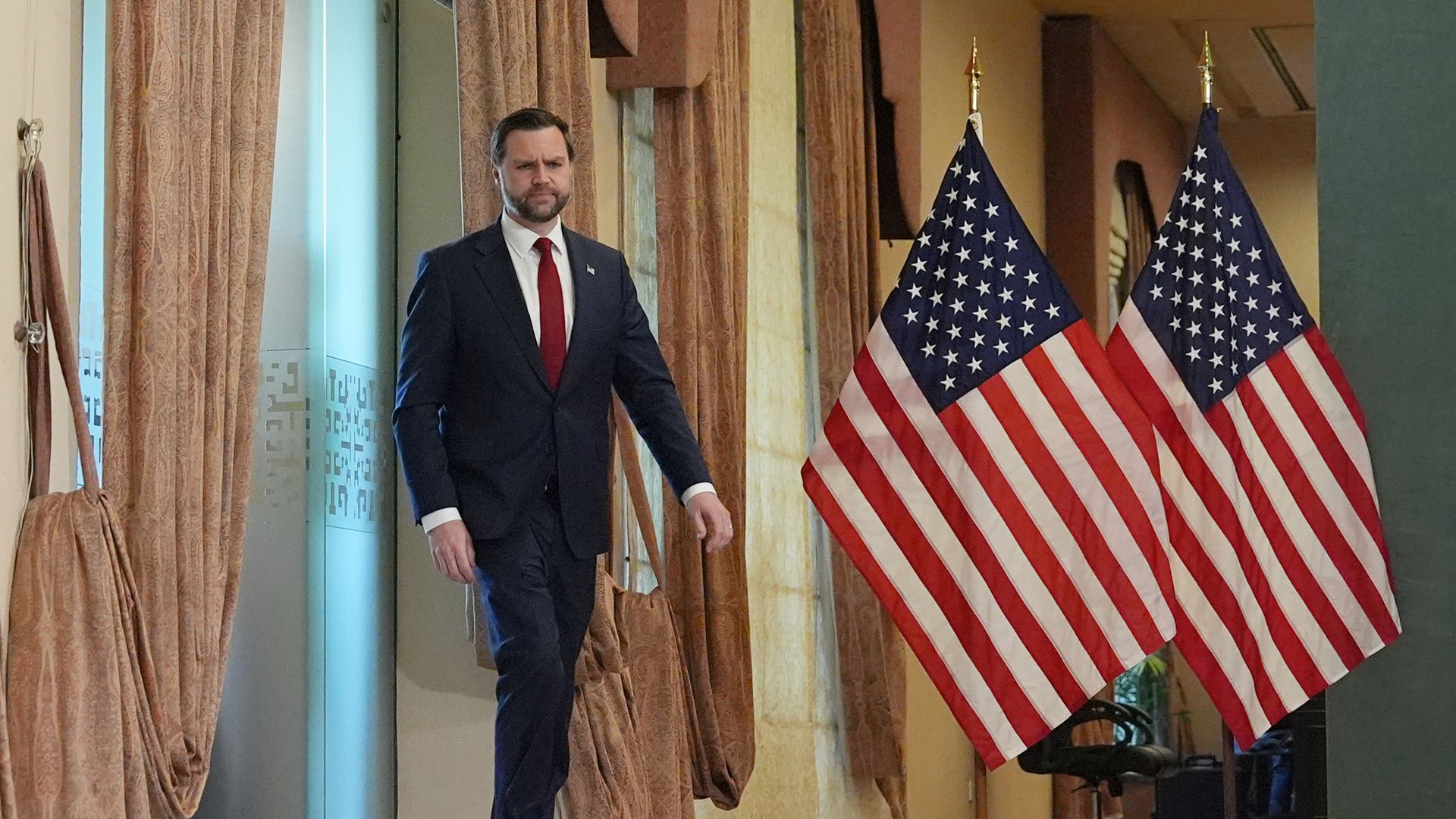
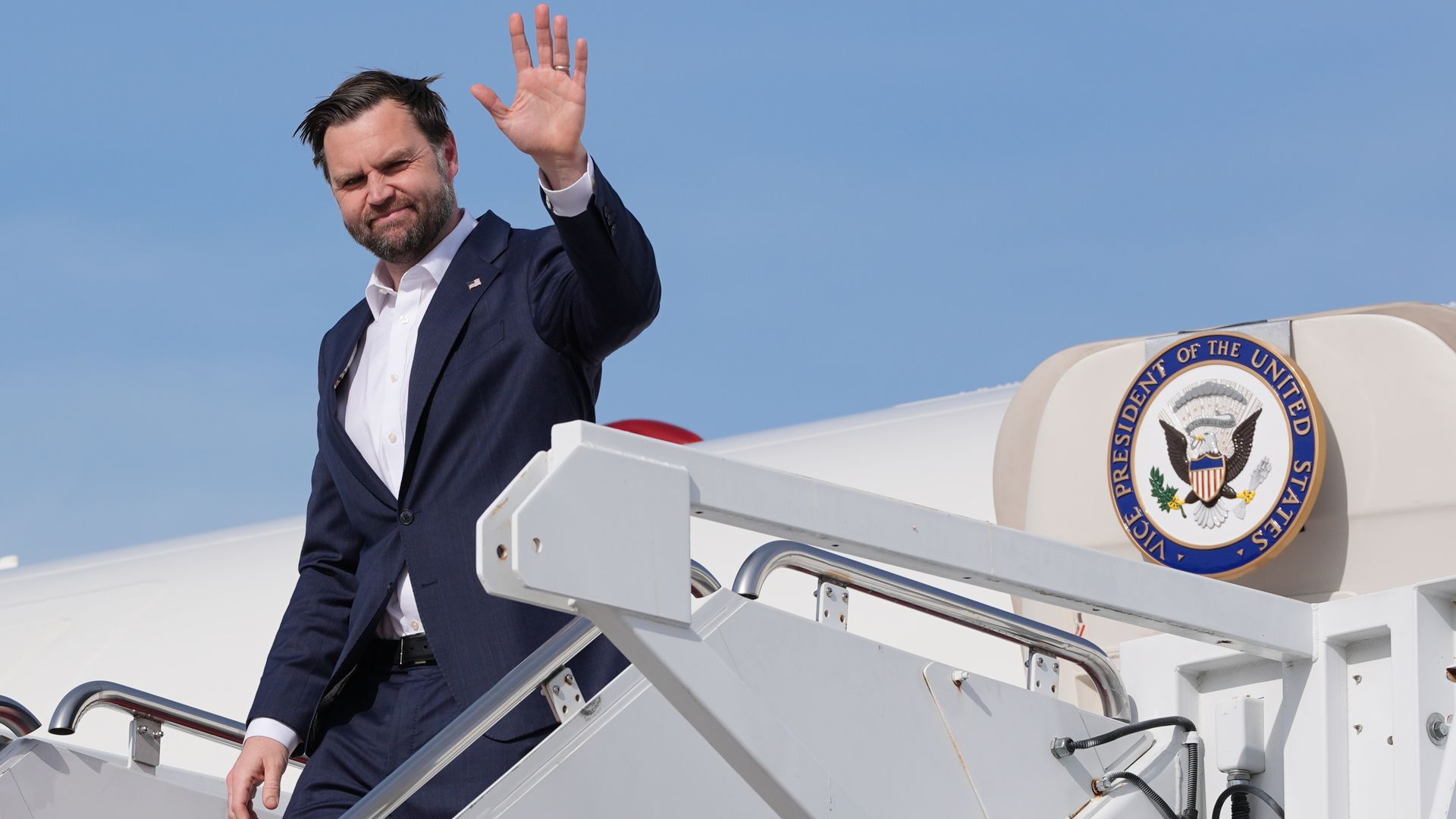
Why it matters: The political earthquake in Hungary, where Vice President Vance was dispatched to campaign for Orbán in the final days of the election, will ripple far beyond Budapest.
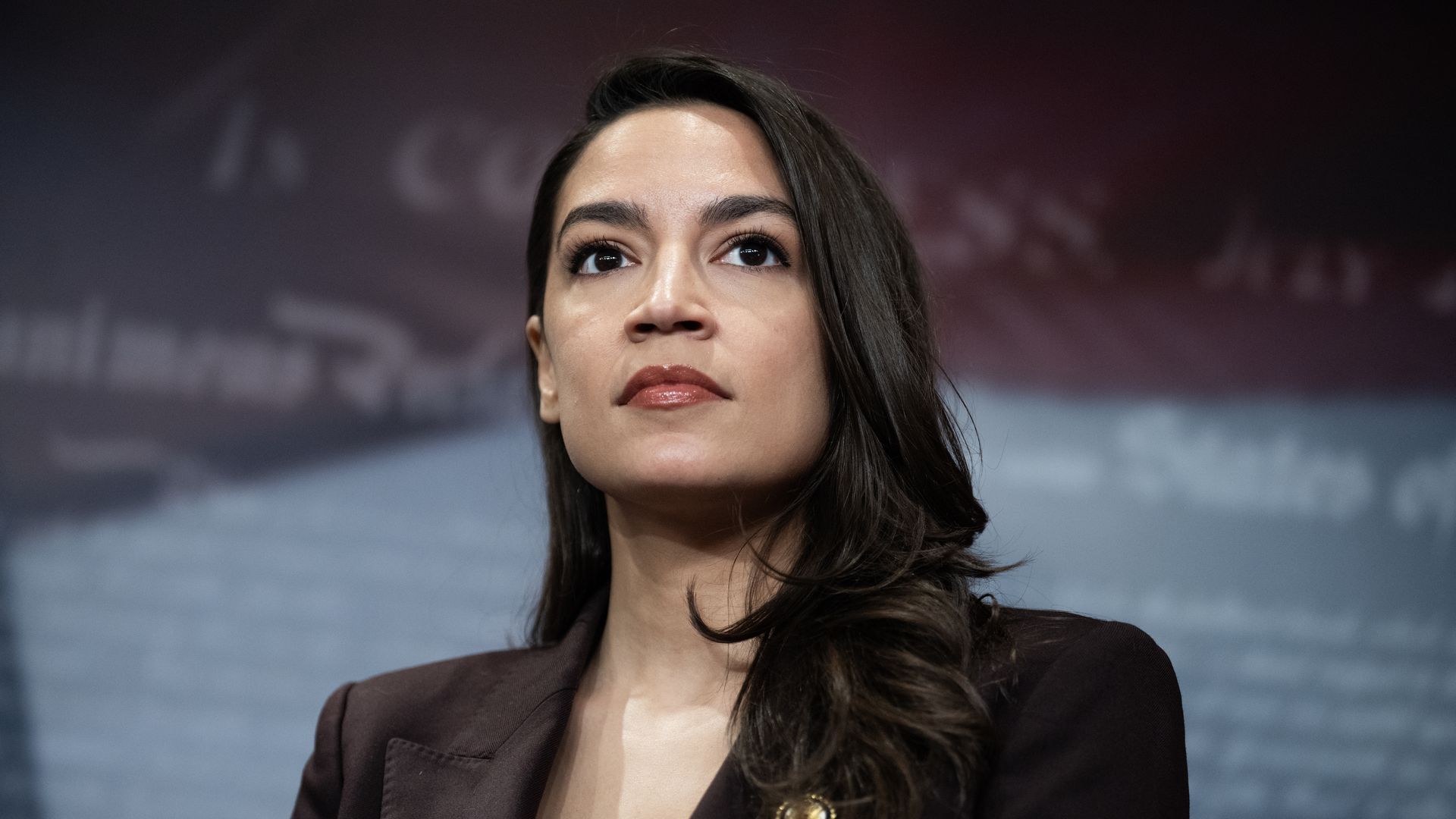
New York Rep. Alexandria Ocasio-Cortez is hustling to win over left-wing critics who say the progressive leader cares too much about mainstream approval and is too cozy with senior Democrats.
Ocasio-Cortez — who's weighing a White House run — recently took a harder line against fundingfor Israel, part of a push to appease those on the left who once saw her as Bernie Sanders 2.0 but now think she's more pragmatist than revolutionary.
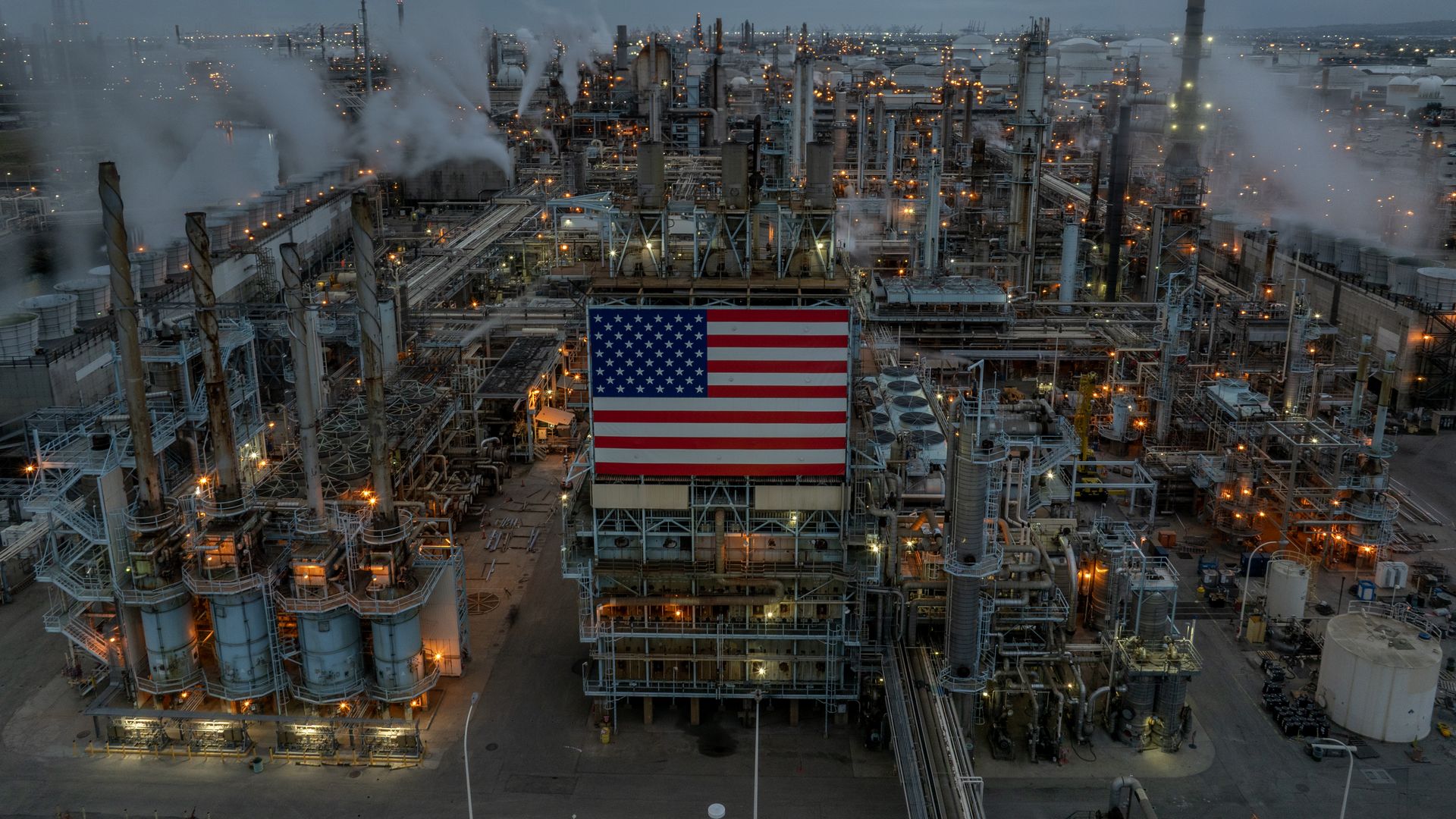
President Trump is pairing his Iran blockade with a sales pitch: Countries squeezed by the Strait of Hormuz — especially China — should buy more oil from the U.S. instead.
Why it matters: The U.S. rise to become the world's largest oil and gas producer — and largest exporter of liquefied natural gas — provides geopolitical leverage that Trump is attempting to wield.
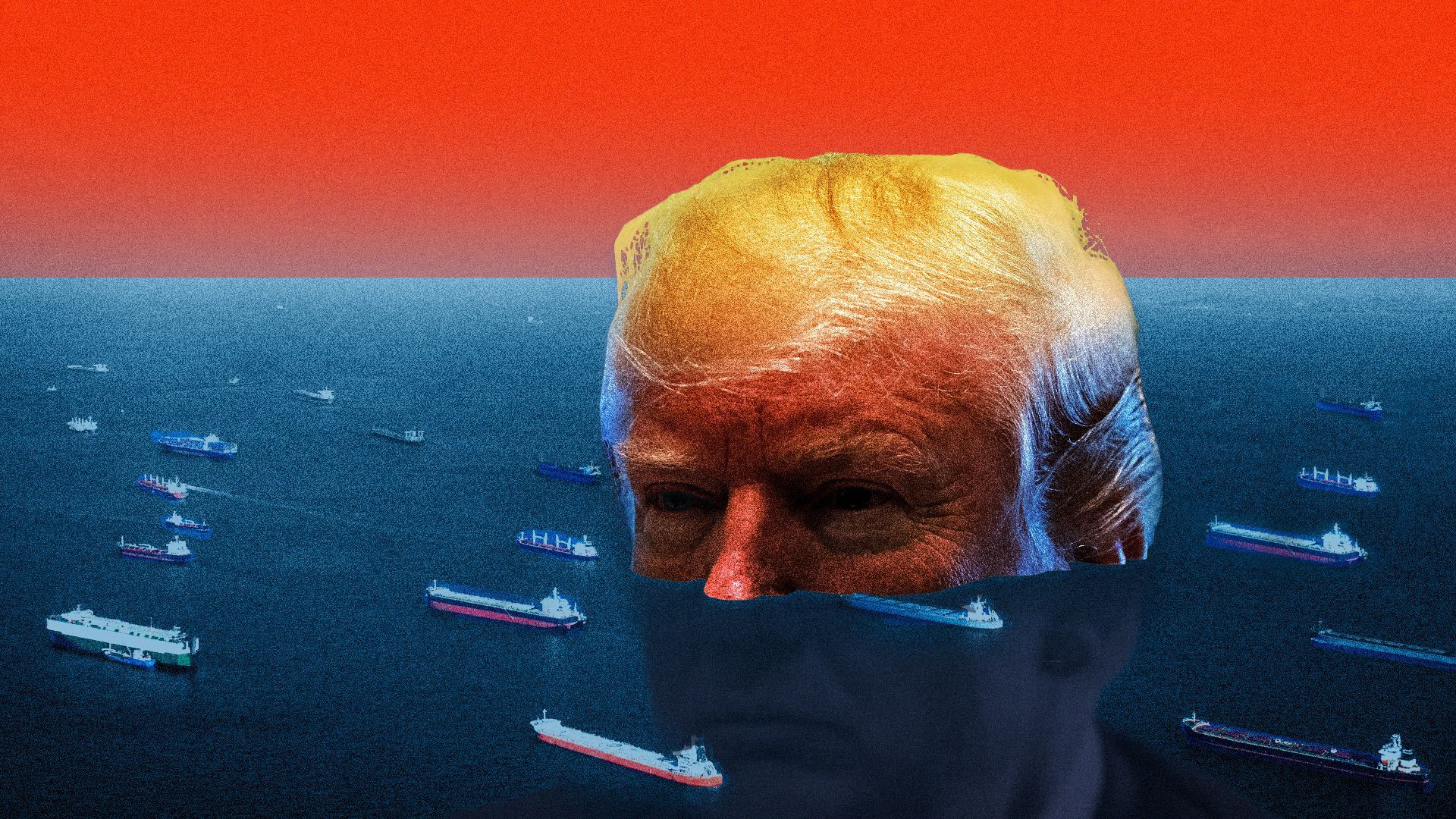
President Trump announced the U.S. is imposing a naval blockade on Iran and the Strait of Hormuz, several hours after peace talks in Pakistan ended in failure.
Why it matters: Iran has effectively held the strait hostage, imposing a toll and limiting oil exports. Trump's blockade aims to flip that dynamic by denying Iran the leverage it's using as a bargaining chip and preventing it from exporting its oil.
It increasingly looks as if the inflation problem that emerged five years ago wasn't a one-off event, but the defining economic challenge of the decade — and Americans don't like it one bit.
The big picture: Price pressures were already reaccelerating in the last few months, and that was before the U.S.–Israeli attack on Iran disrupted global energy supplies.
The U.S. and Iran didn't reach an agreement during marathon negotiations on Saturday in Pakistan.
Why it matters: The deadlock in the talks puts the two-week ceasefire agreed last week in limbo, with the possibility of renewed and escalating warfare.