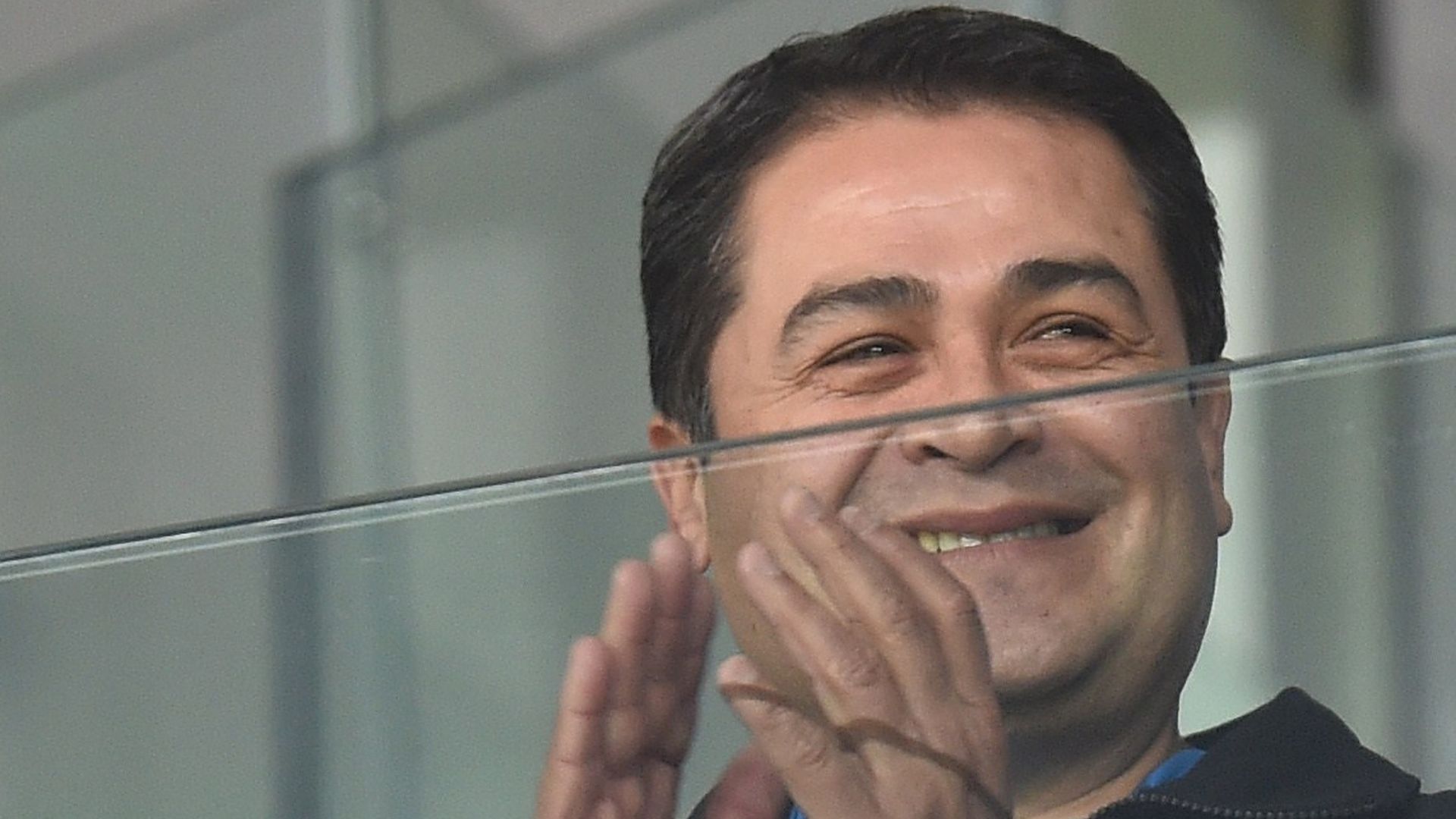
Honduras President Juan Orlando Hernández turned himself in to the authorities Tuesday following an extradition request by the U.S., the New York Times reported.
The latest: “It’s not an easy moment, I don’t wish it on anybody,” Hernández said in an audio message on Twitter Tuesday.
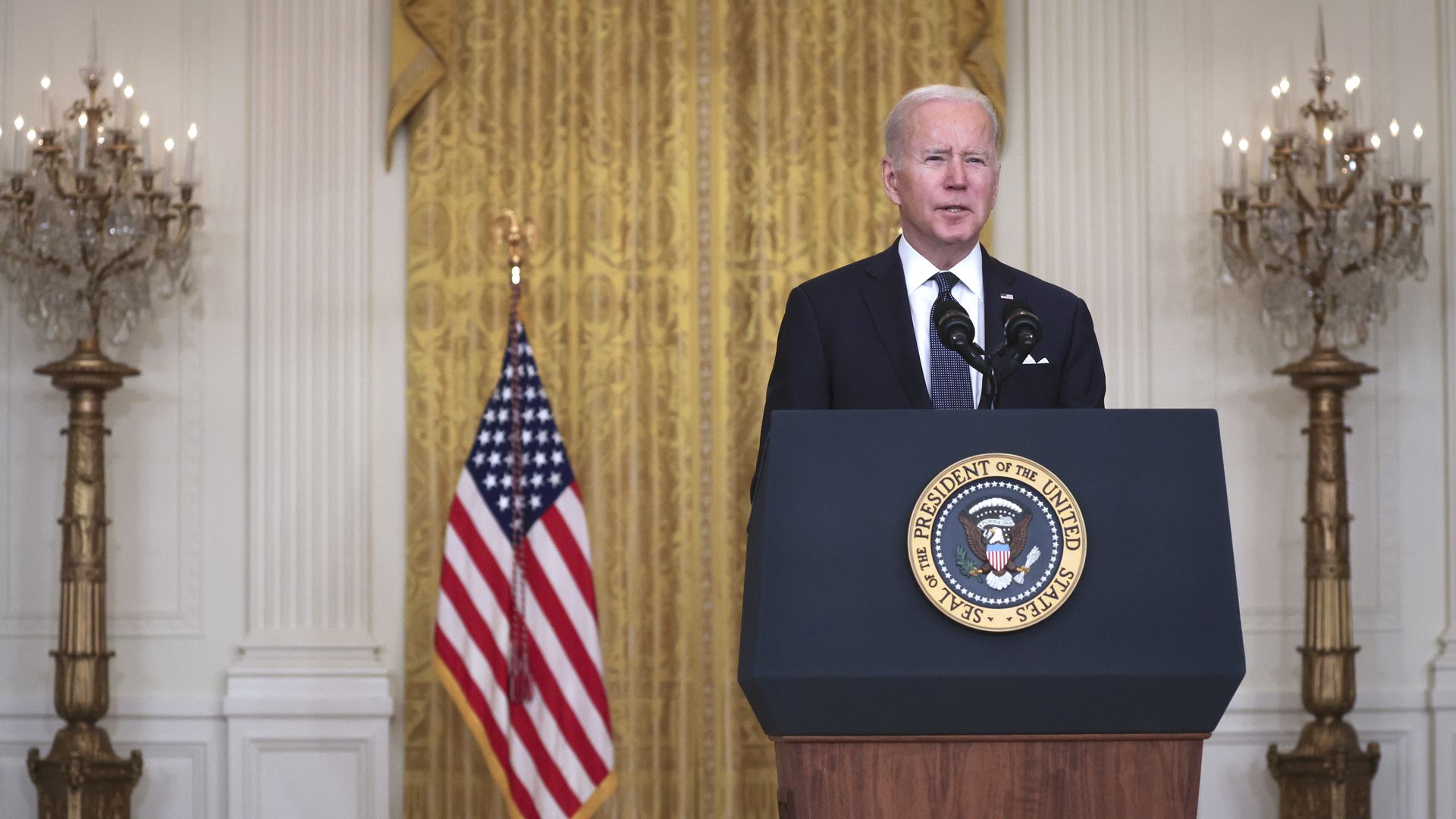
President Biden acknowledged reports on Tuesday that Russia has ordered the partial withdrawal of its troops near Ukraine's borders, but stressed that the U.S. has "not yet verified" the Kremlin's claims and that an invasion remains "distinctly possible."
Why it matters: Biden's update from the White House came at a critical moment in the crisis over Russia's massive military buildup, with U.S. officials warning that an invasion of Ukraine could take place as soon "at any moment."
Several banks and government agencies in Ukraine said Tuesday they had been hit by a distributed denial-of-service attack in an attempt to disrupt access to its servers.
Why it matters: It comes as tensions escalate at the Russia-Ukraine border. U.S. intelligence has said it expects a Russian invasion into Ukraine any day now.
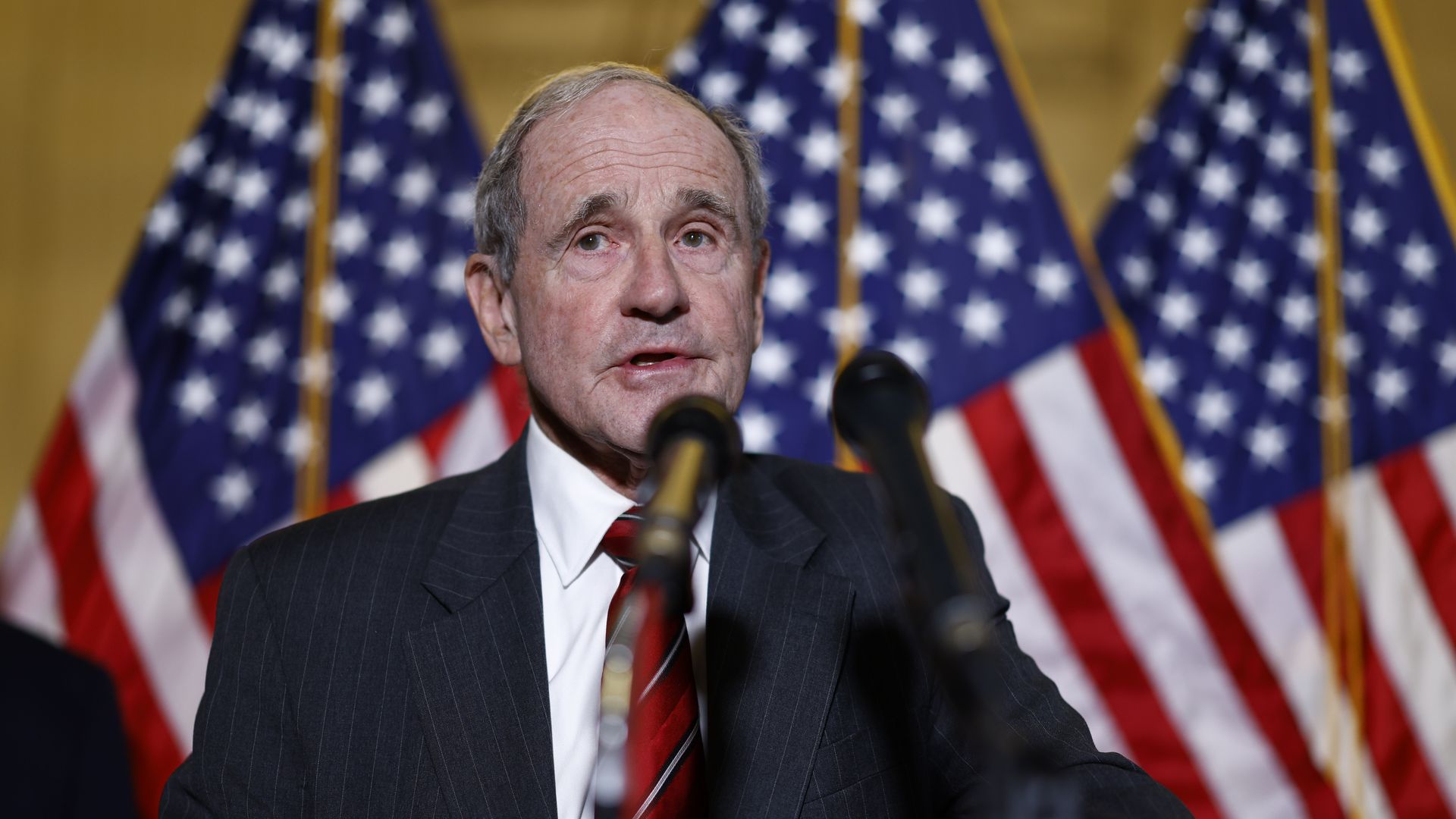
32 Republican senators introduced a new bill on Tuesday that would impose immediate sanctions on no fewer than 15 Russian oligarchs and members of Vladimir Putin's inner circle, regardless of whether Russia invades Ukraine.
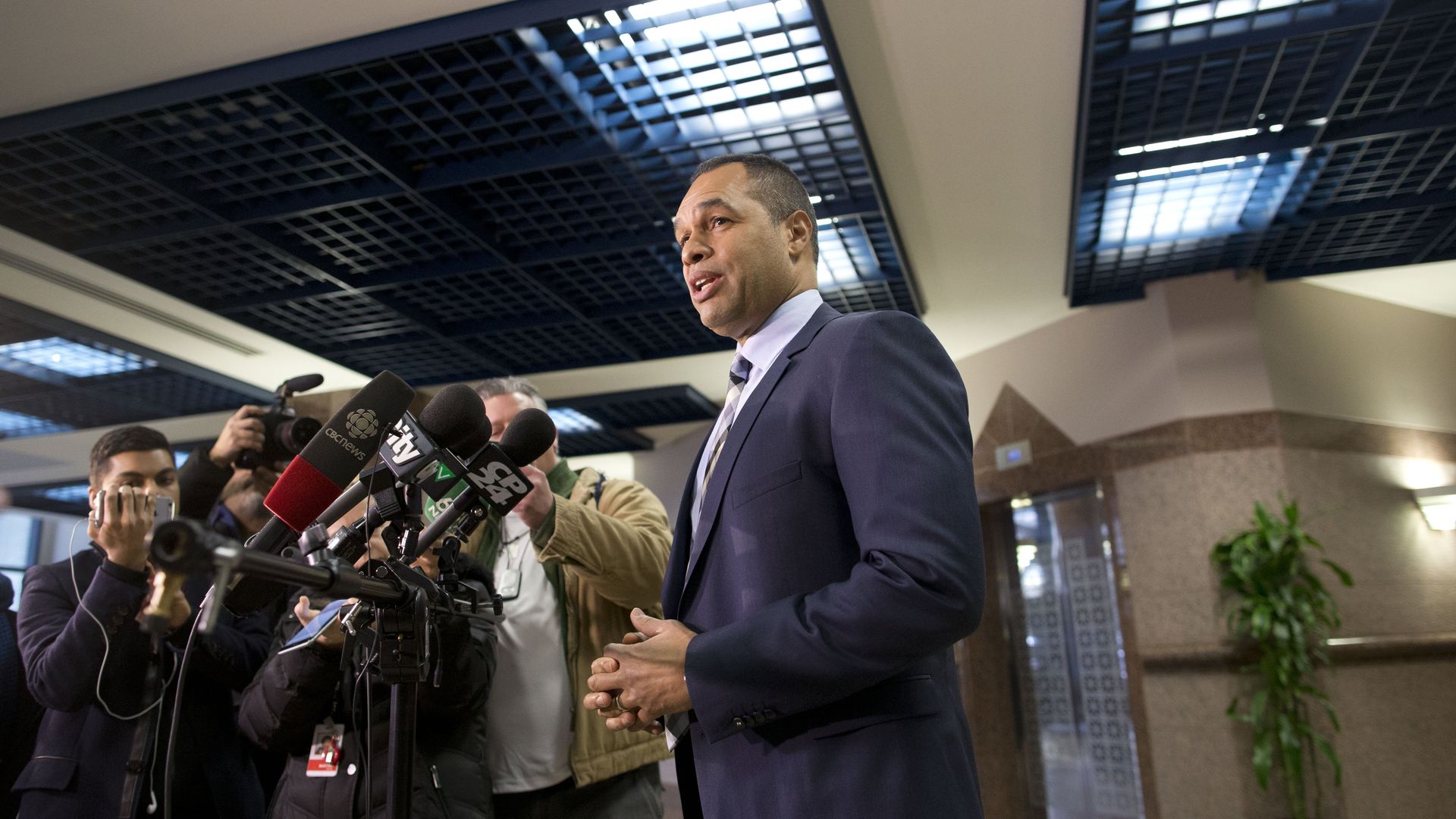
Ottawa's police chief resigned on Tuesday as trucker-led protests blocking part of Canada's capital reached their third week, according to Canadian media reports and a city councilor.
Why it matters: Police Chief PeterSloly has been criticized for taking a hands-off approach to the demonstrations by truck drivers who are opposed to the country's COVID-19 restrictions.
U.S. elites have used ties to China to grow rich — and by doing so, they have helped Beijing grow more powerful, a new book argues.
Why it matters: Curbing the Chinese Communist Party's political influence in the U.S. and abroad requires closer scrutiny of how elites in democratic countries behave.
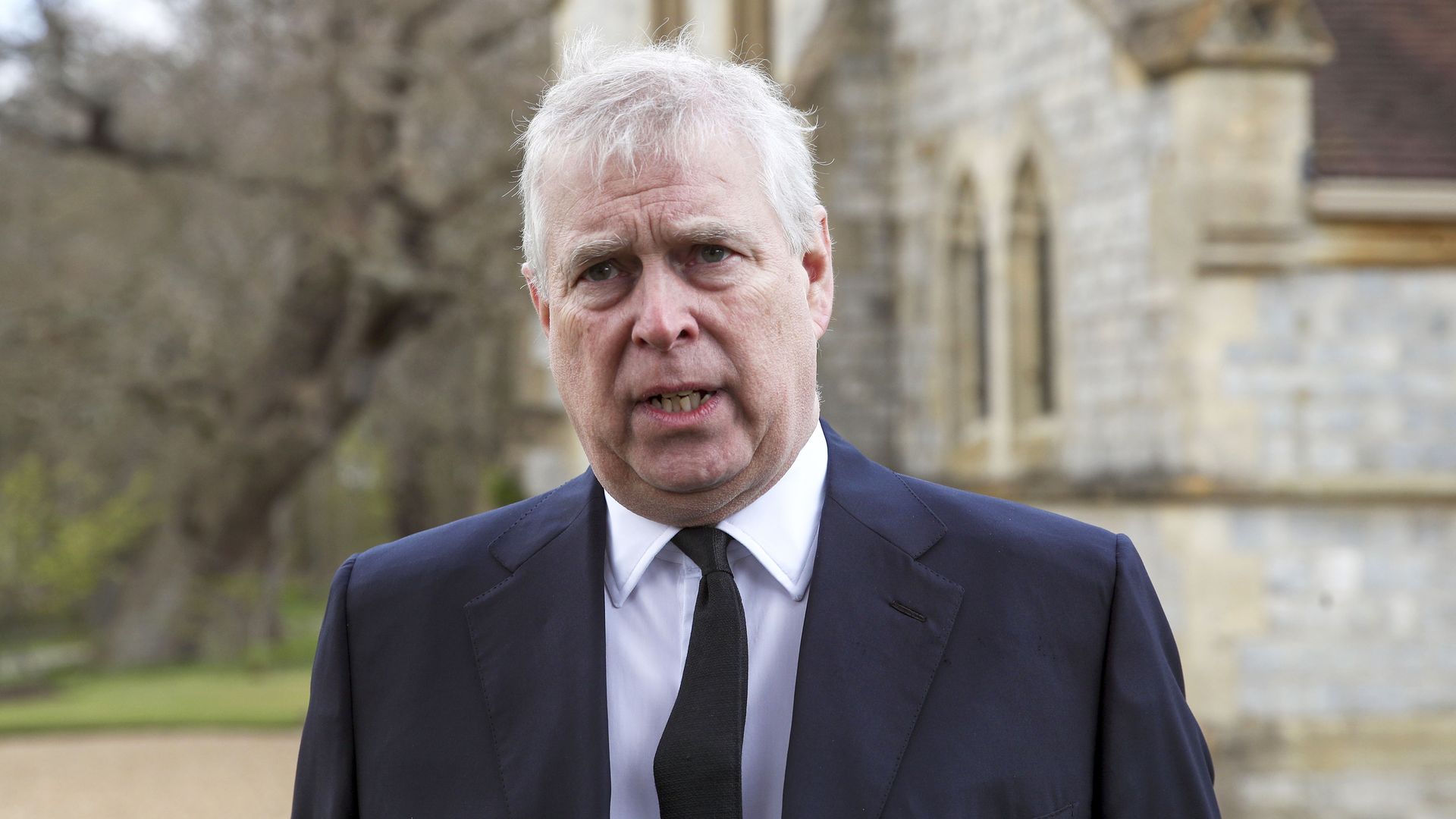
Prince Andrew settled a lawsuit with Virginia Giuffre that alleged disgraced financier Jeffrey Epstein arranged for Prince Andrew to sexually abuse and rape Giuffre when she was 17 years old, according to court papers filed Tuesday.
Why it matters: The financial details of the settlement were not disclosed, though it came after Andrew lost a bid to have the lawsuit dismissed, setting him up to face a civil trial in the United States. Andrew has denied any wrongdoing.
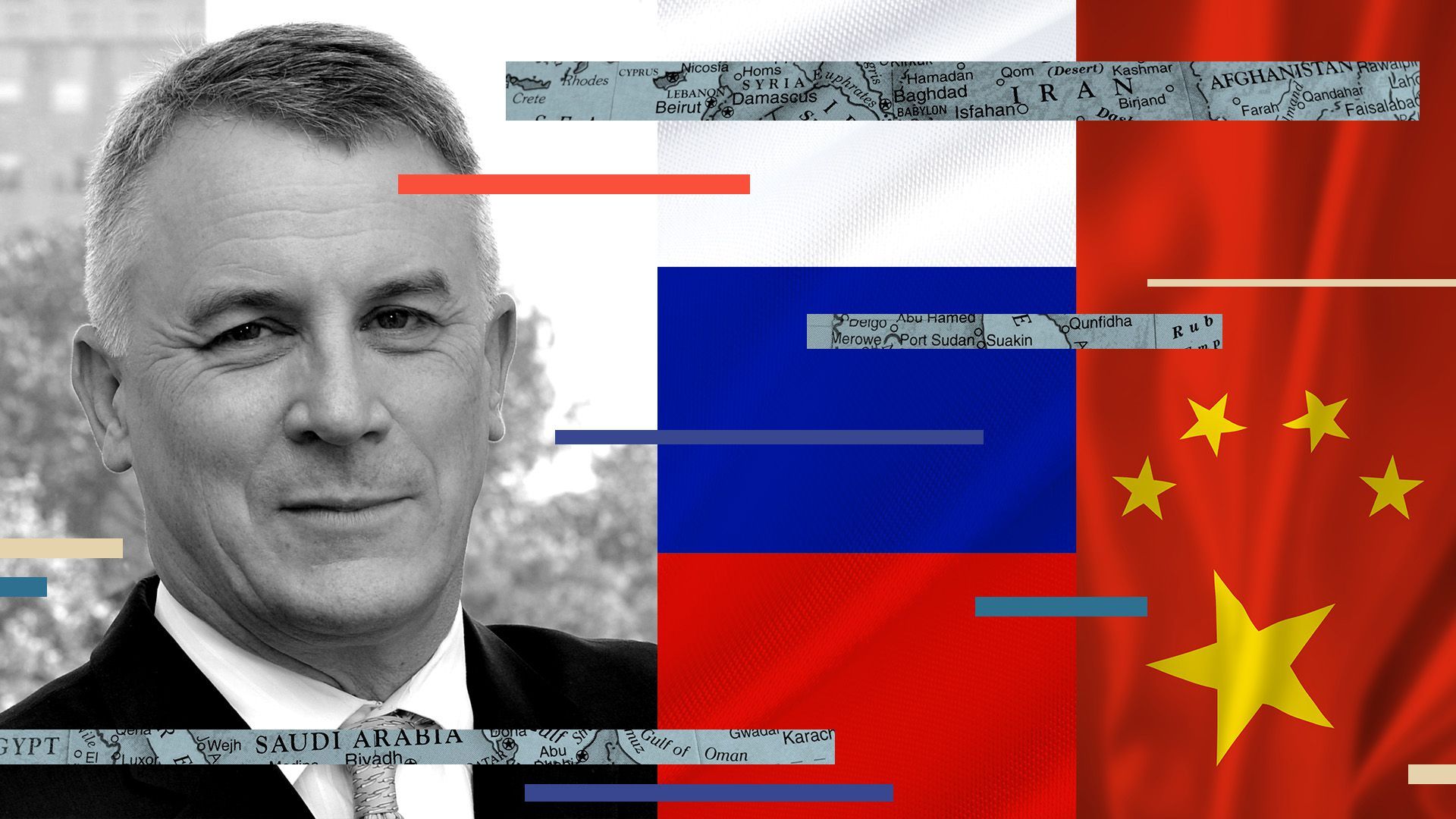
China is selling military equipment to countries across the Middle East, and both Beijing and Moscow are partnering with Iran in ways that undermine U.S. interests in the region.
Why it matters: "The competition with China is global," said Michael Doran, senior fellow at the Hudson Institute. "So our response has to be global.."
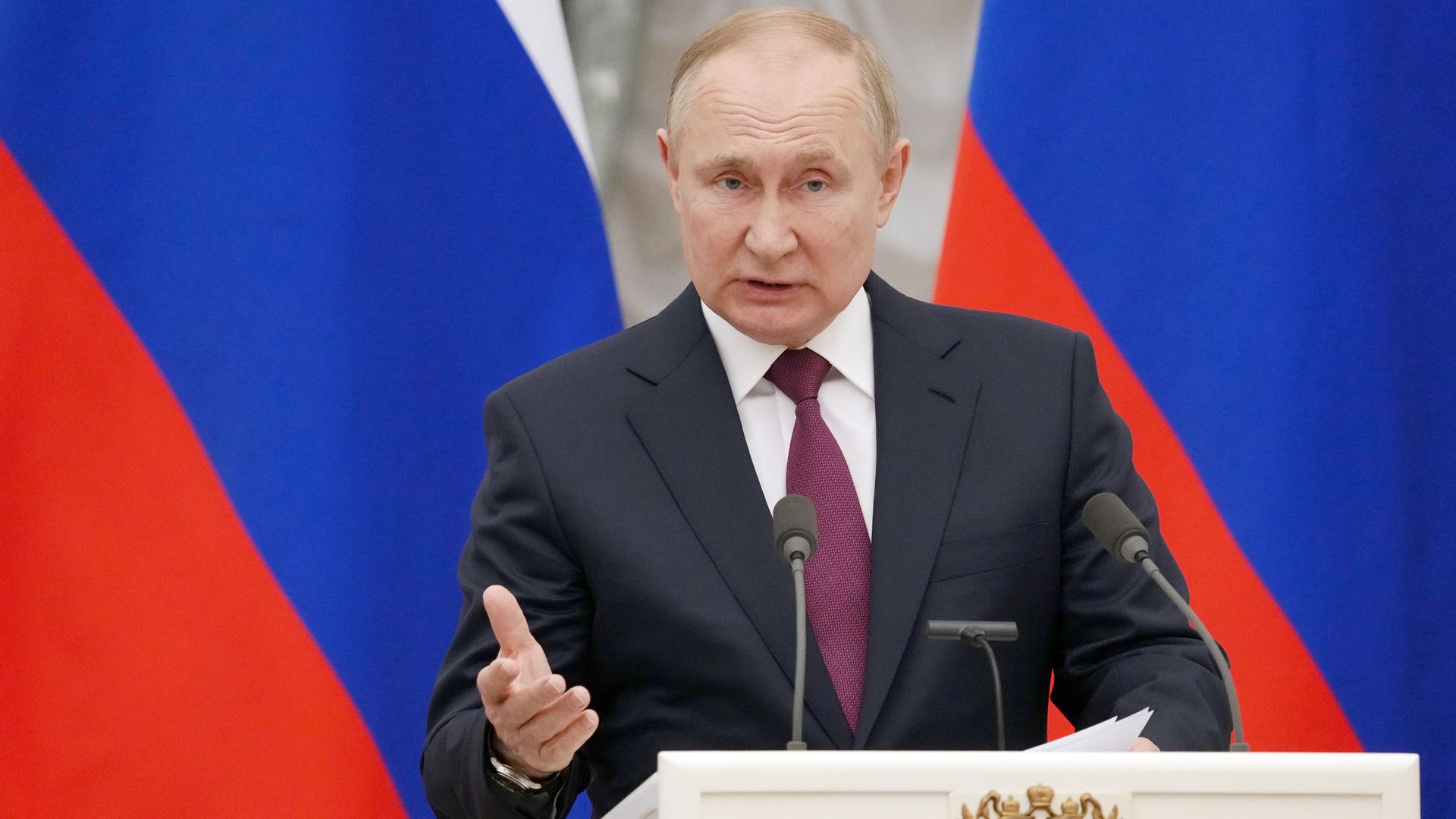
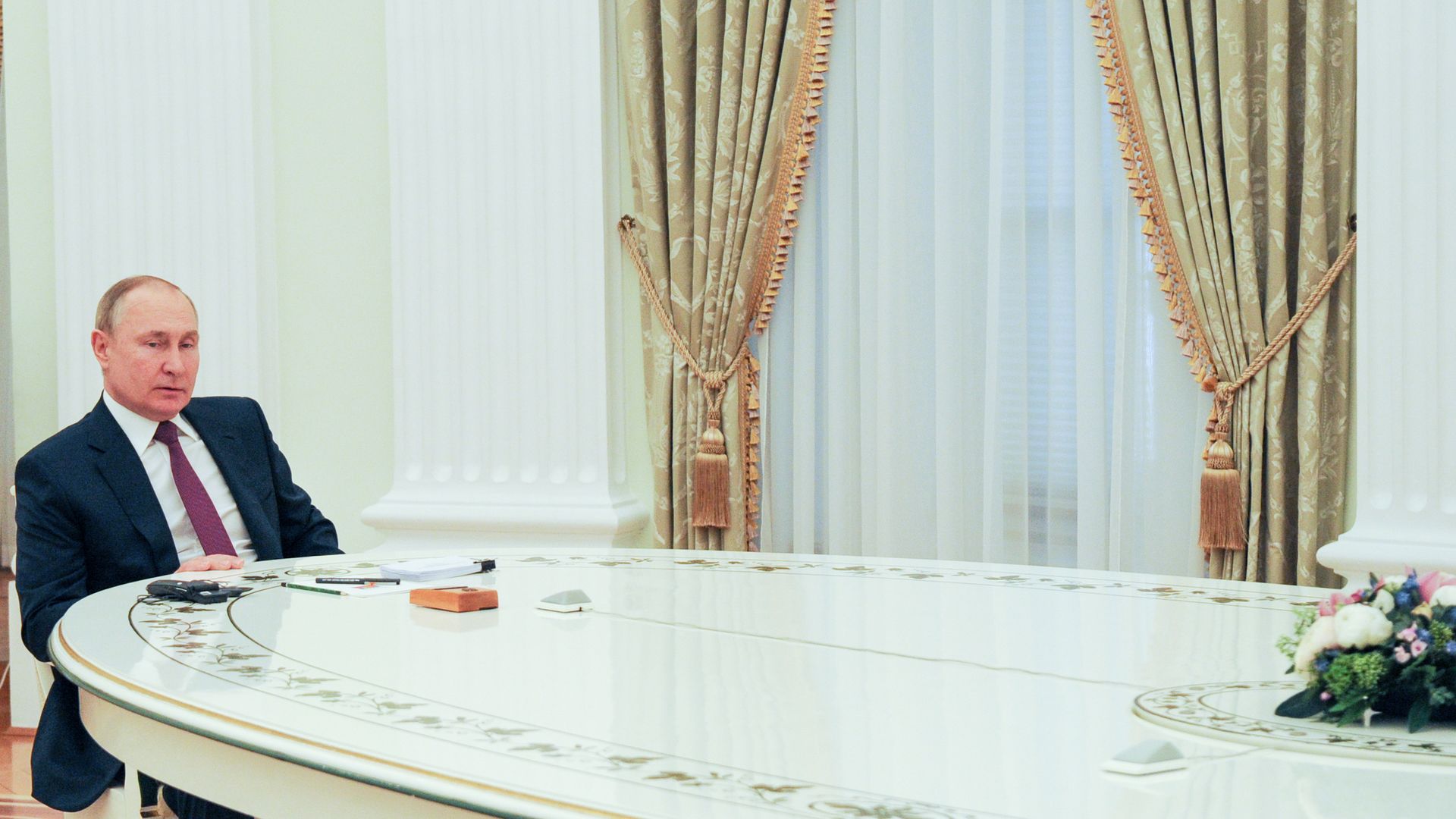
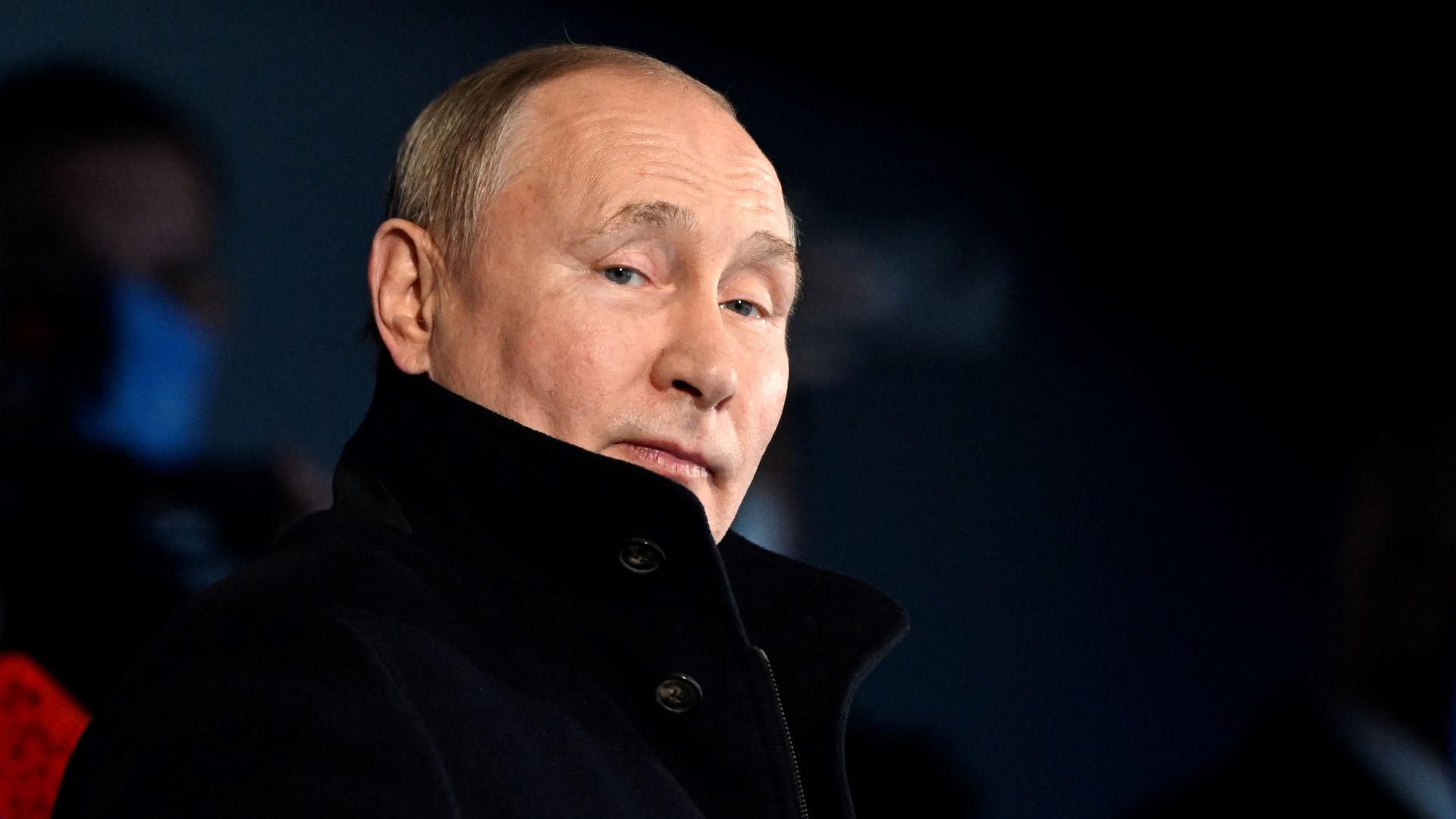
Russian President Vladimir Putin confirmed Tuesday that he had decided to withdraw some troops from the border with Ukraine and was prepared to re-enter security negotiations with the U.S. and NATO.
Why it matters: The partial pullback marks the first sign of de-escalation since Russia began its massive military mobilization near Ukraine late last year, but Putin also made clear the threat is not over.
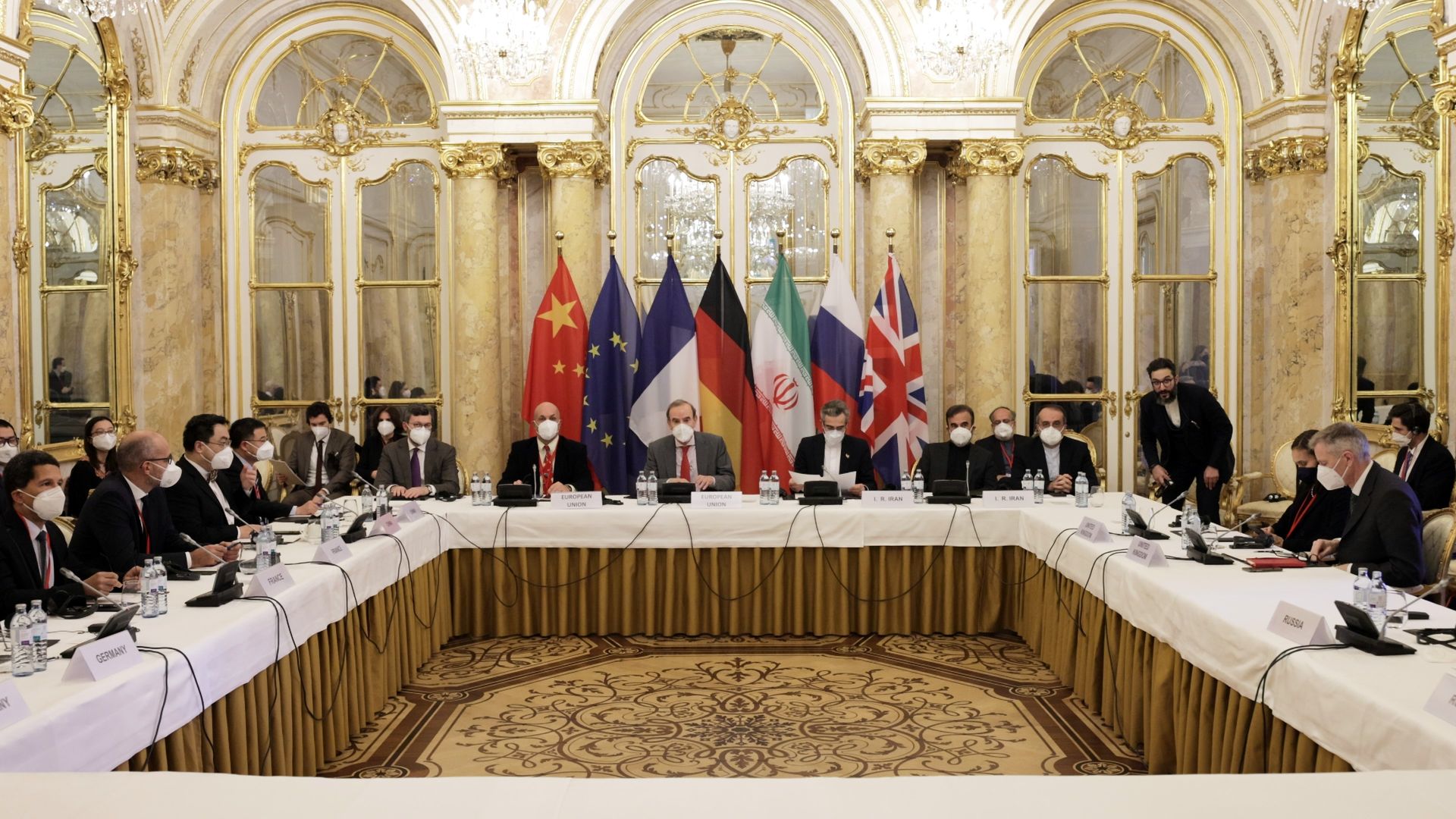
Israel has sent an envoy to the nuclear talks in Vienna to meet with U.S. and other officials as the negotiations reach crunch time, Israeli officials said.
Why it matters: It's the first time since the Vienna talks began last Aprilthat Israel has sent a diplomat to the negotiations.
Russia's lower house of parliament passed a resolution Tuesday asking President Putin to recognize the Russian-backed Ukrainian separatist regions of Donetsk and Luhansk as independent, Reuters reports.
Why it matters: The resolution, if adopted by the Kremlin, would be a major blow to measures known as the Minsk Accords that were adopted in 2014 and 2015 to stop fighting in eastern Ukraine and could deepen the standoff between Russia and the West over Moscow's military buildup near Ukraine.
Why it matters: If there was a Russian invasion, there would not only be geopolitical shockwaves and human tragedy, but it also could upend markets and strain the global economy.
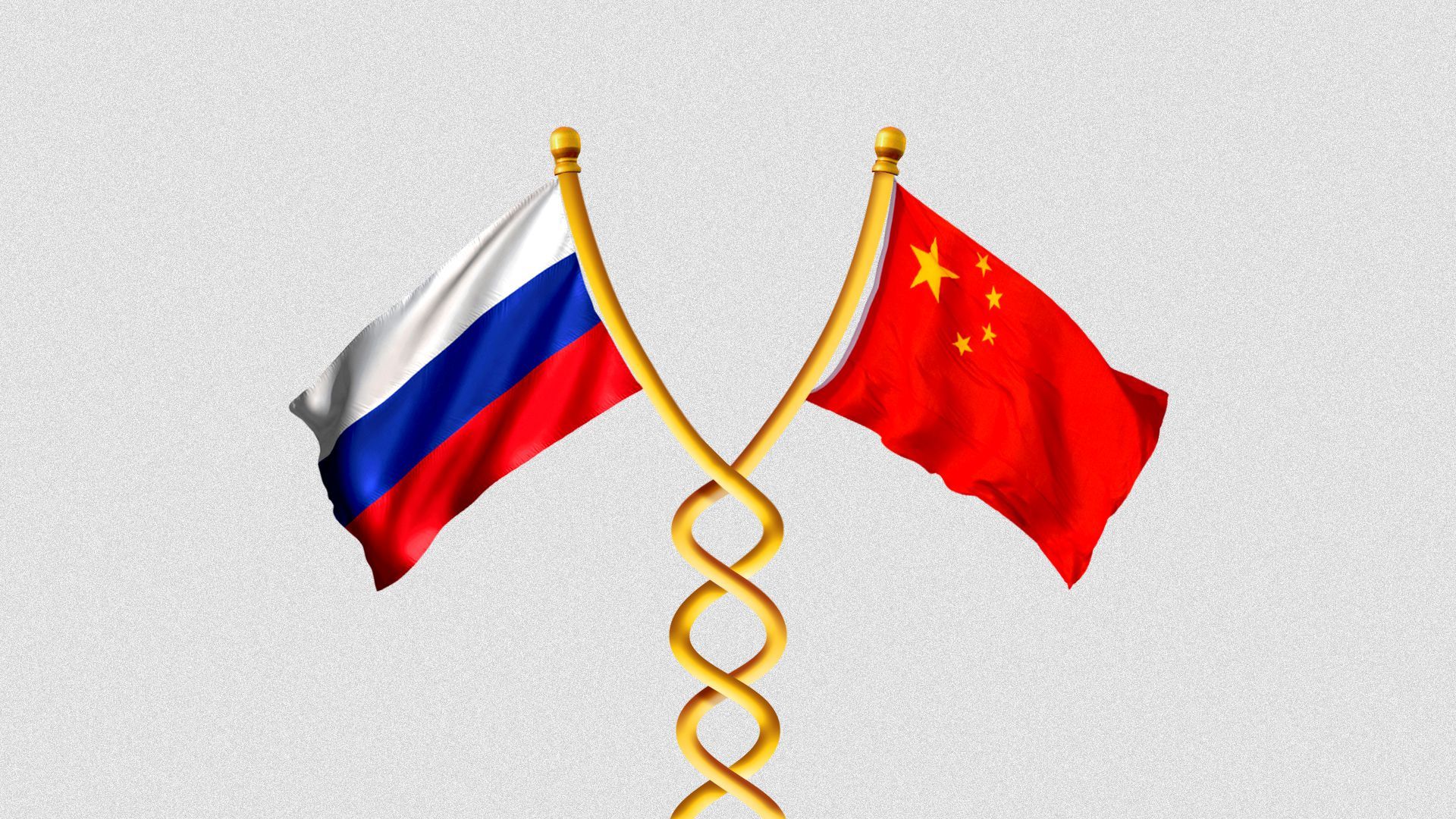
The Ukraine crisis is forcing Washington to grapple with Russia's increasingly close relationship with China.
The big picture: Russia and China aren't full-fledged allies, experts say, but they have been coordinating their economic and security interests with greater clarity over the past several years.
Videos of Russian troops massing on Ukraine's borders are being widely disseminated on TikTok, giving the world an unprecedented view of what's happening on the ground ahead of a potential war.
The big picture: The world has moved away from a top-down view in which the public learned about major military movements only through big media outlets and governments. The troop buildup around Ukraine is there for everyone to see.
Some Russian troops near Ukraine's border are returning to their bases after completing missions, but other large-scale drills remain ongoing, Russia's defense ministry said on Tuesday.
Why it matters: It's a sign that Russian President Vladimir Putin may be willing to de-escalate the crisis, but the threat of war isn't over yet, per the New York Times.
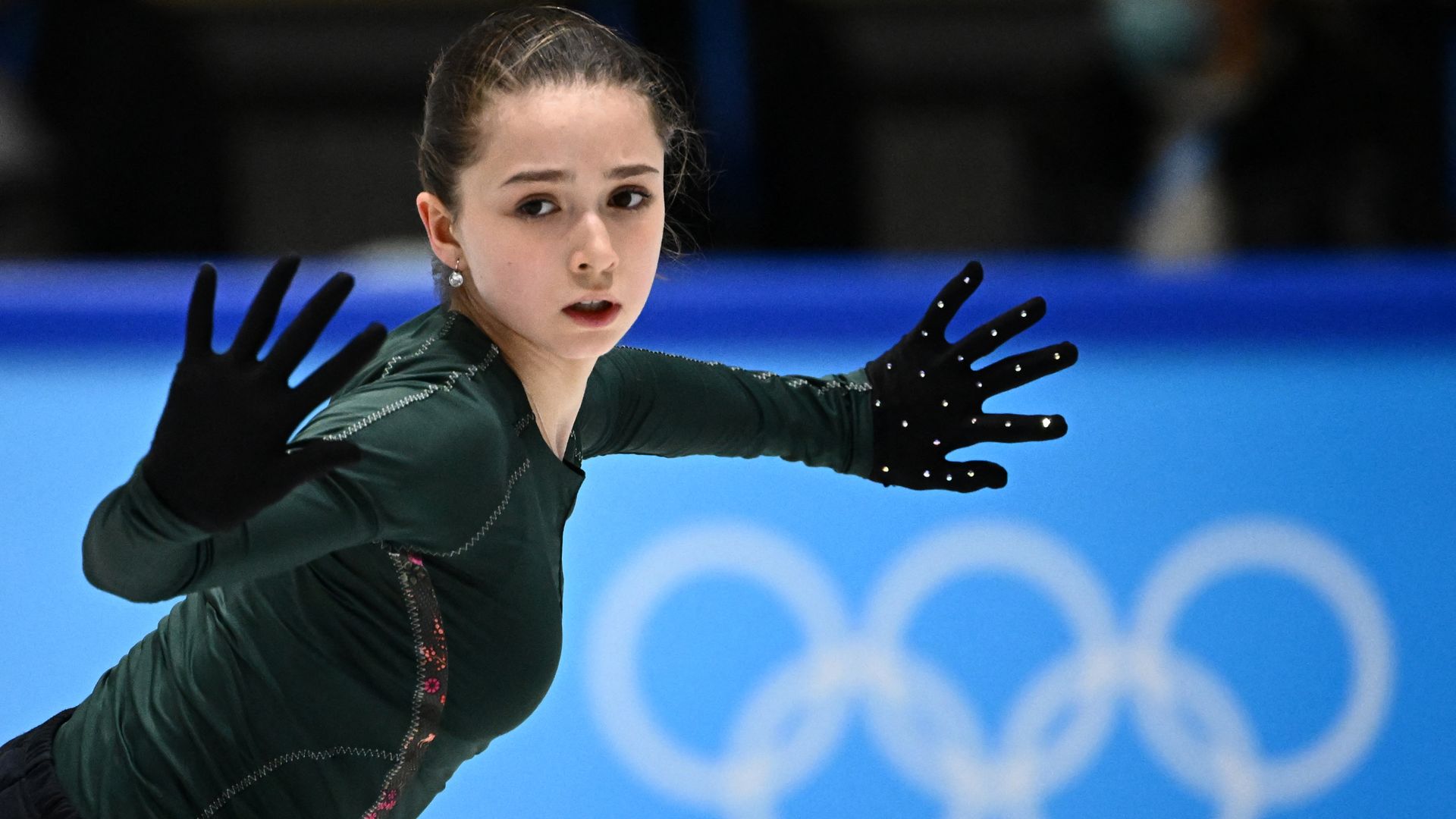
Russian figure skater Kamila Valieva claimed she tested positive for a banned substance due to a "mix-up with her grandfather's heart medication," an Olympic official said Tuesday.
Driving the news: International Olympic Committee permanent chair Denis Oswald said during a news conference the 15-year-old's defense to the Court of Arbitration for Sport (CAS) before it ruled she could continue to compete at the Beijing Winter Games "was this contamination happened with a product her grandfather was taking."
The U.S. is offering Ukraine up to $1 billion in sovereign loan guarantees to help the country's economy as it faces the threat of a Russian military buildup at its border.
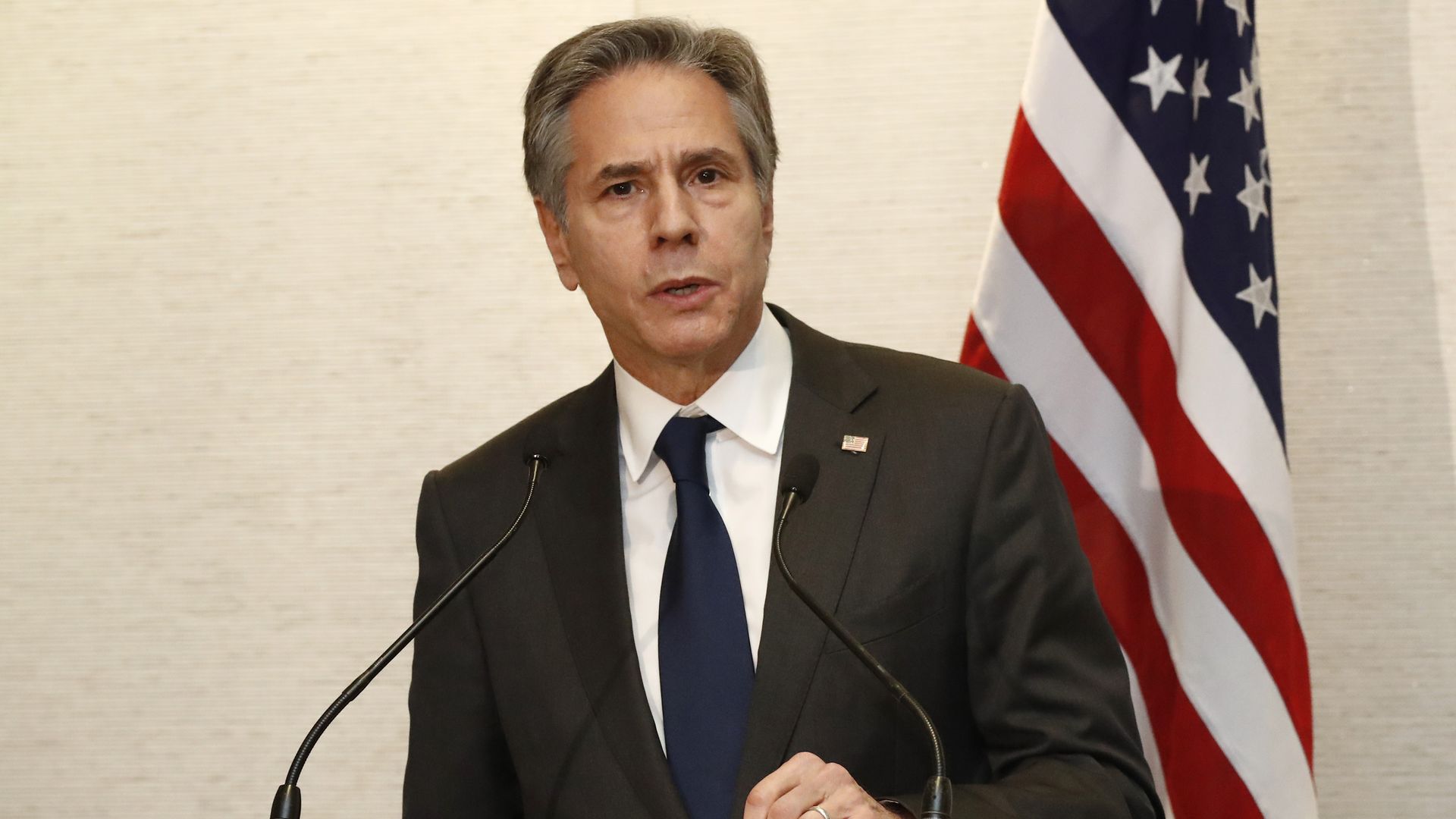
Driving the news: Secretary of State Antony Blinken said in an emailed statement late Monday the offer, combined with "the strong partnership" among Ukraine, the International Monetary Fund and others, would "bolster Ukraine’s ability to ensure economic stability, growth and prosperity for its people in the face of Russia’s destabilizing behavior. "
The U.S. is relocating its embassy operations from Kyiv to Lviv in western Ukraine due to fears of a Russian invasion that U.S. officials believe could begin within the next 48 hours.
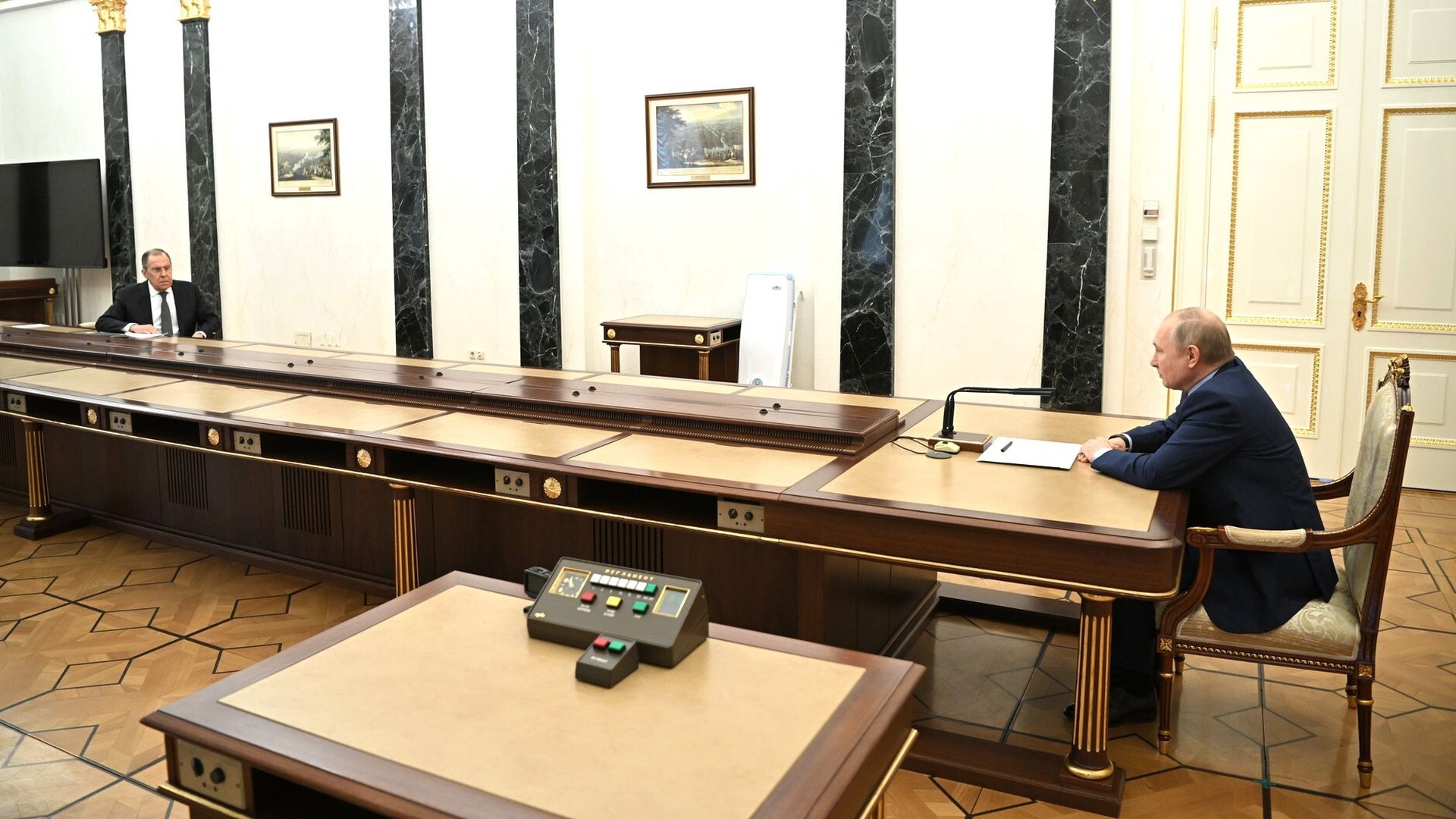
The other side: That announcement contrasted sharply with the scenes in Moscow on Monday as top Russian officials briefed Vladimir Putin in carefully choreographed meetings that diplomacy will continue and military exercises near the border will wind down.