Why it matters: Critics have dubbed the Beijing Games the "genocide Olympics" due to the Chinese government's treatment of Uyghurs and other minority groups, among other atrocities.
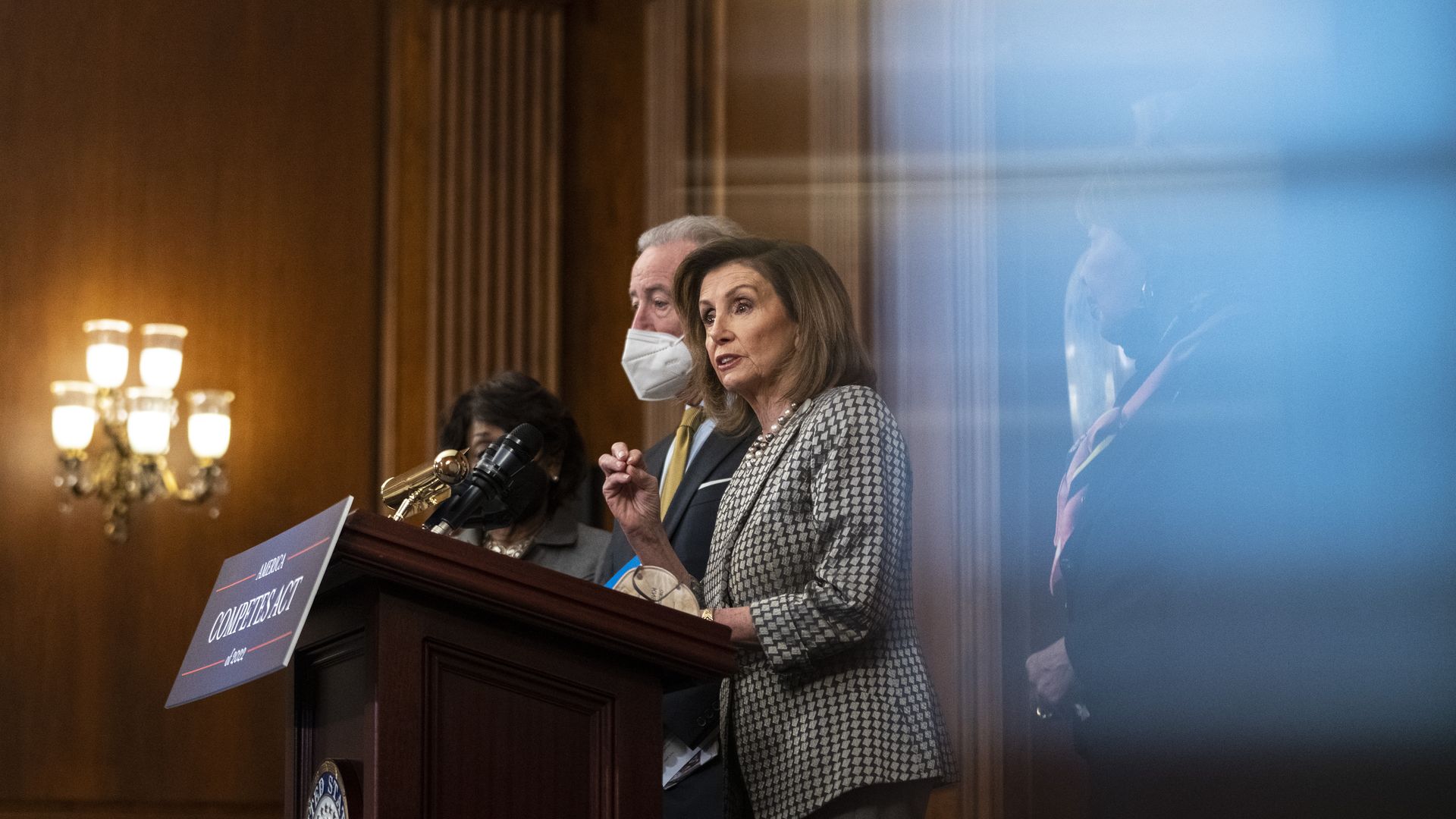
The House on Friday voted 222-210 to pass the COMPETES Act, a bill aimed at making the U.S. more economically competitive with China
The big picture: The White House wants this bill to pass with enough Republican votes in the House and Senate so it can claim it is bipartisan legislation, Axios' Sarah Mucha reports.
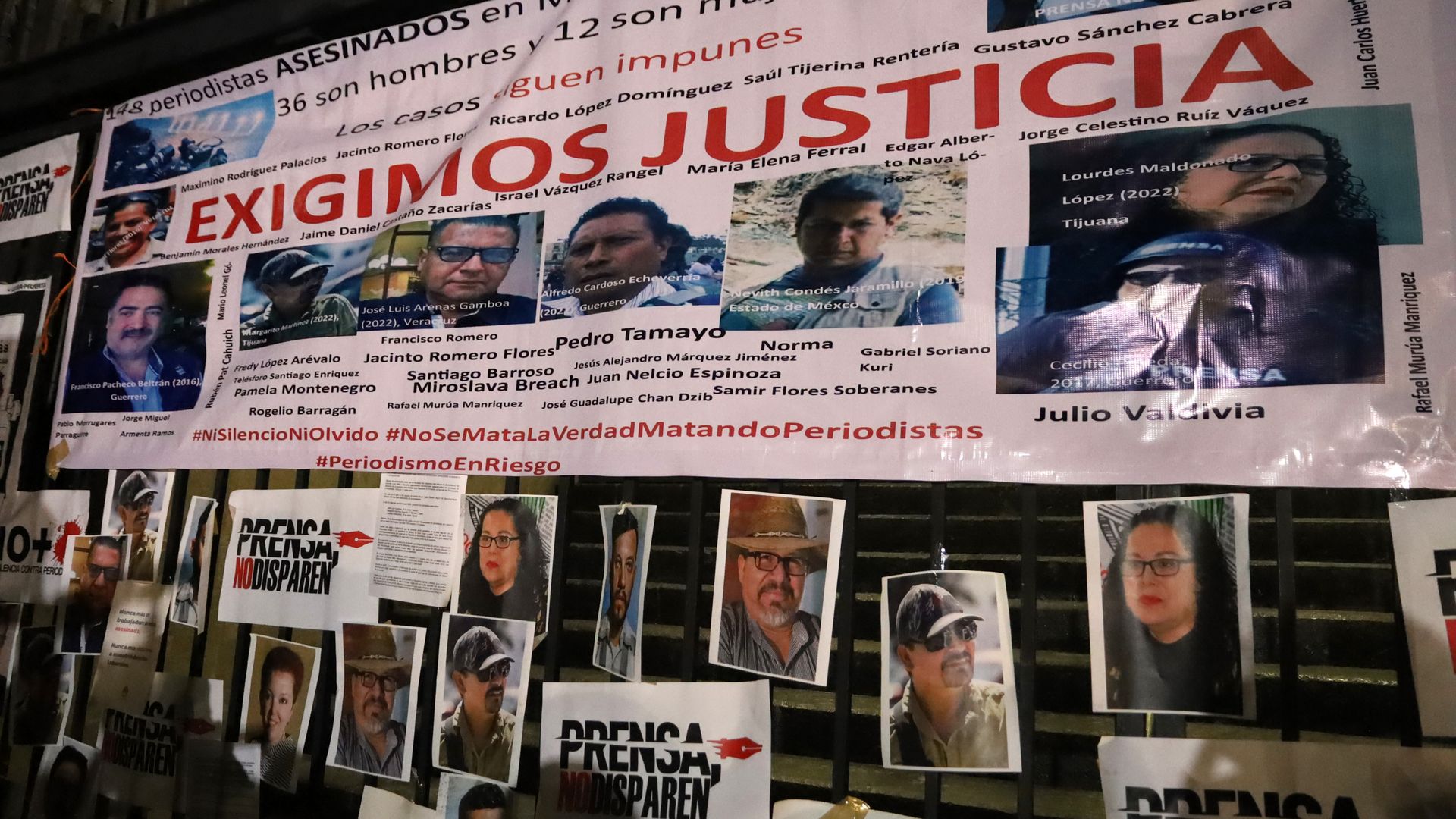
The killing of journalist Roberto Toledo in Mexico on Monday — the fourth reporter killed in a month — underscores the growing dangers journalists there face even as the government says it's going after the perpetrators.
Why it matters: The slain journalists were local reporters who often investigated malfeasance, cartels or links between politicians and criminal organizations.
Austria on Friday became the first country in the European Union to legally mandate that all adults get vaccinated against COVID-19, CNN reports.
The big picture: Those without vaccine proof or an exemption face an initial fine of up to up to 600 euros (around $680). Authorities are expected to begin checking people's vaccine status March 15, per The Guardian.
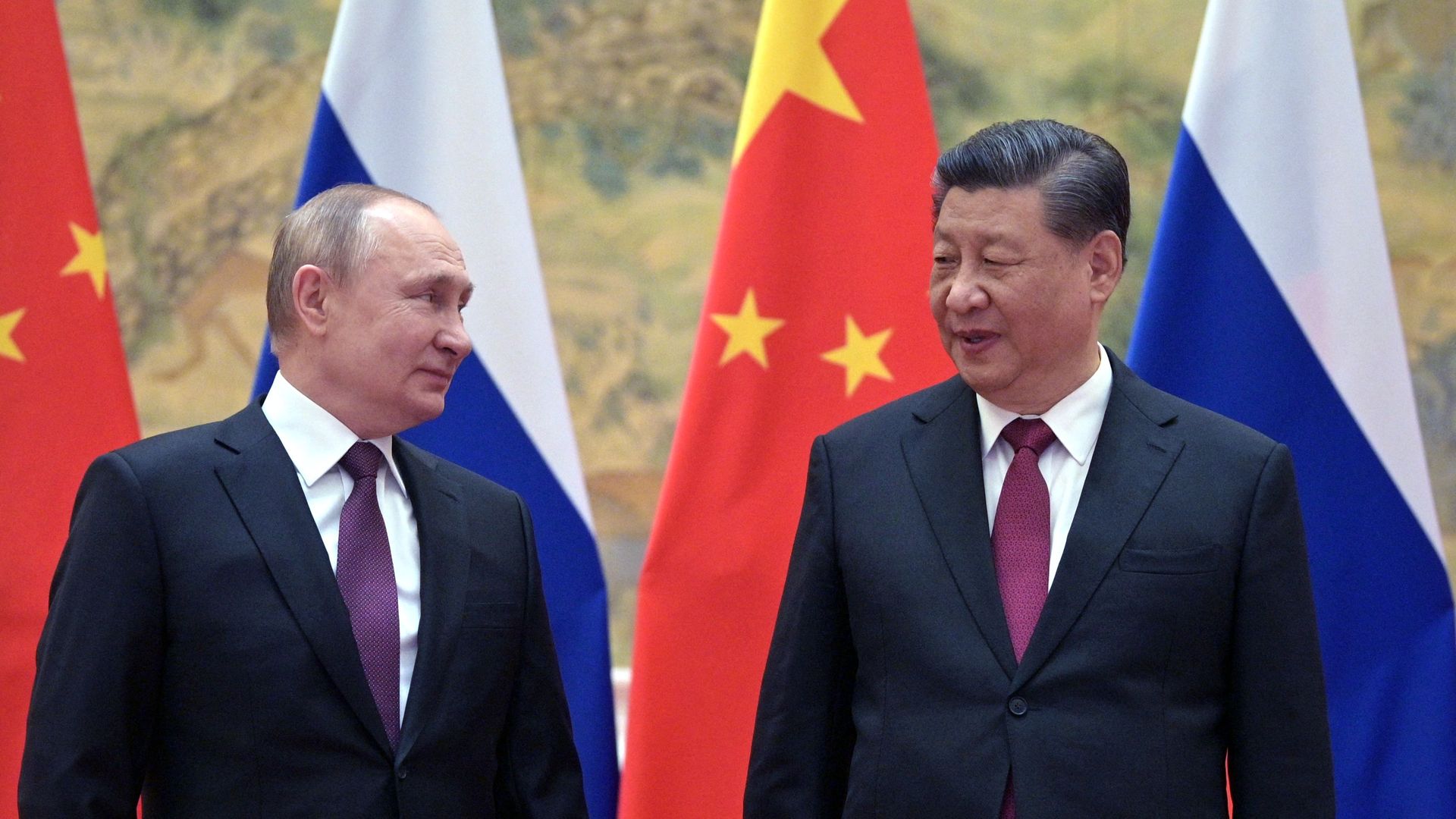
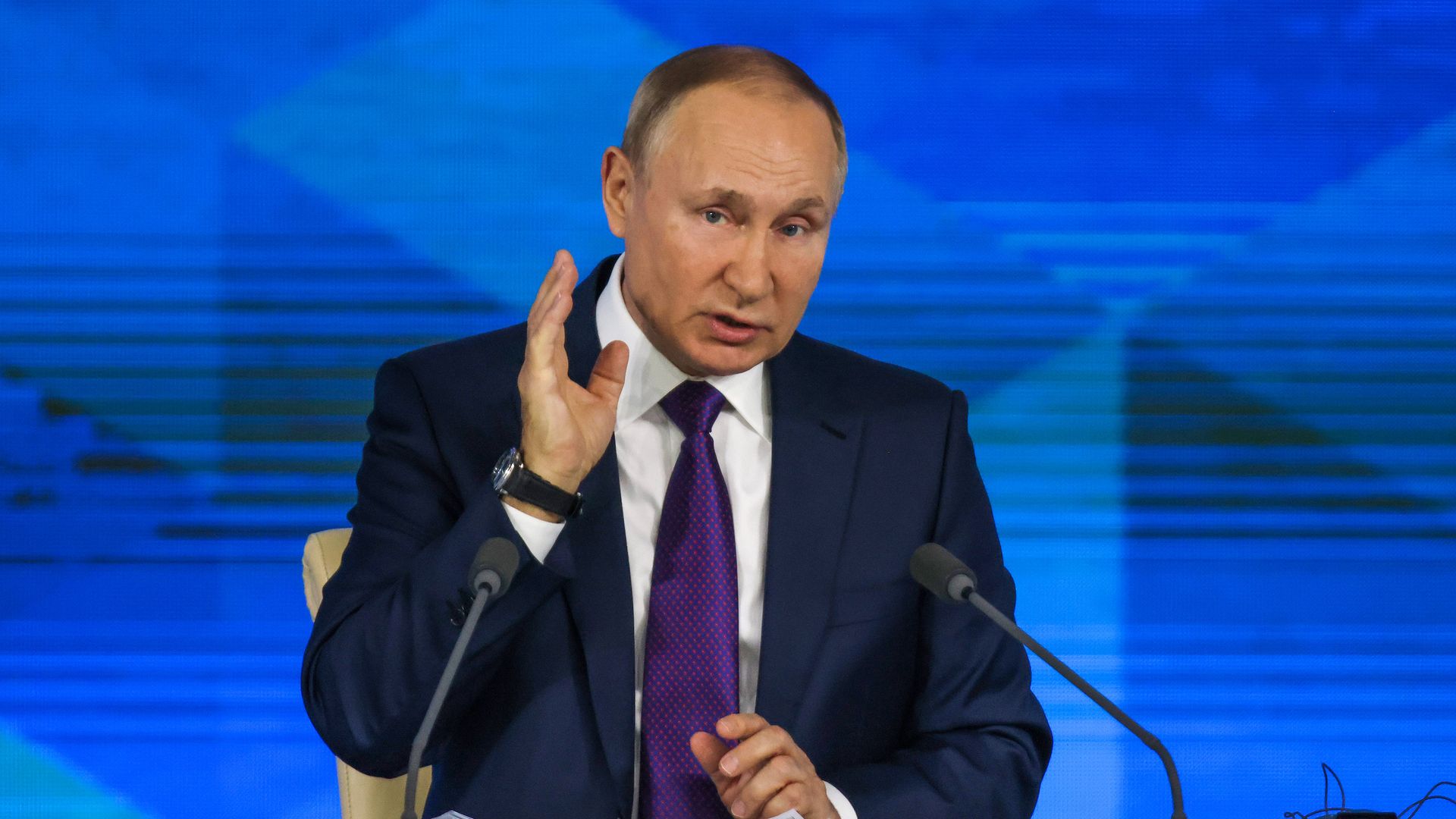
Russian President Vladimir Putin and Chinese President Xi Jinping projected unity against Western "interference" in a thinly veiled joint statement on Friday, as the two leaders met ahead of the opening ceremony of the Beijing Olympics.
Why it matters: The two authoritarian powers have fostered deeper ties, including in military cooperation, as tensions with the U.S. have soared over the past several years.
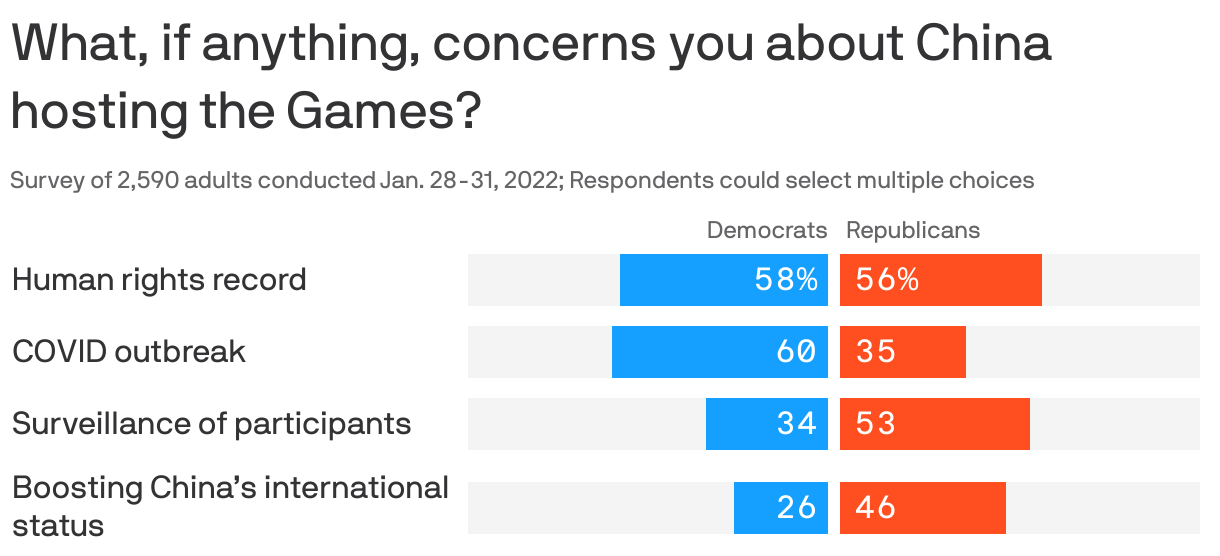
Data: Axios/Momentive Poll; Chart: Jared Whalen/Axios
Americans' concerns about the Chinese government's human rights abuses, surveillance and international competitiveness — and fears of another COVID-19 outbreak — are driving down enthusiasm about this year's Winter Olympics, according to a new Axios-Momentive poll.
The big picture: Seven in 10 survey respondents disapprove of allowing China to host these Olympics — but half plan to tune in anyhow.
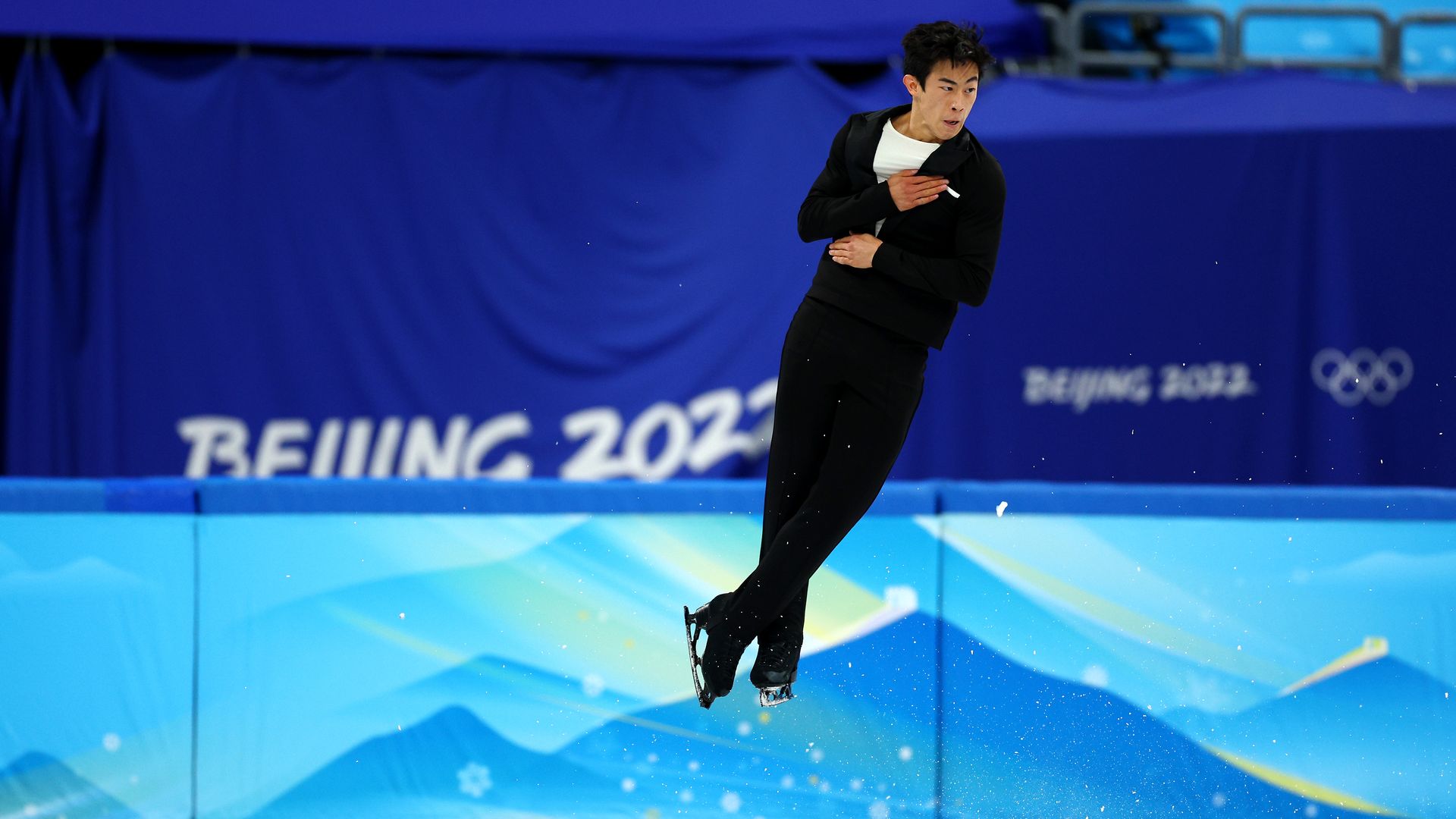
The big picture: Chen's actions leaving Team USA well placed for a medal were among many highlights from the Beijing Games day 0 action ahead of the opening ceremonies later Friday, which mark the official launch of the event.
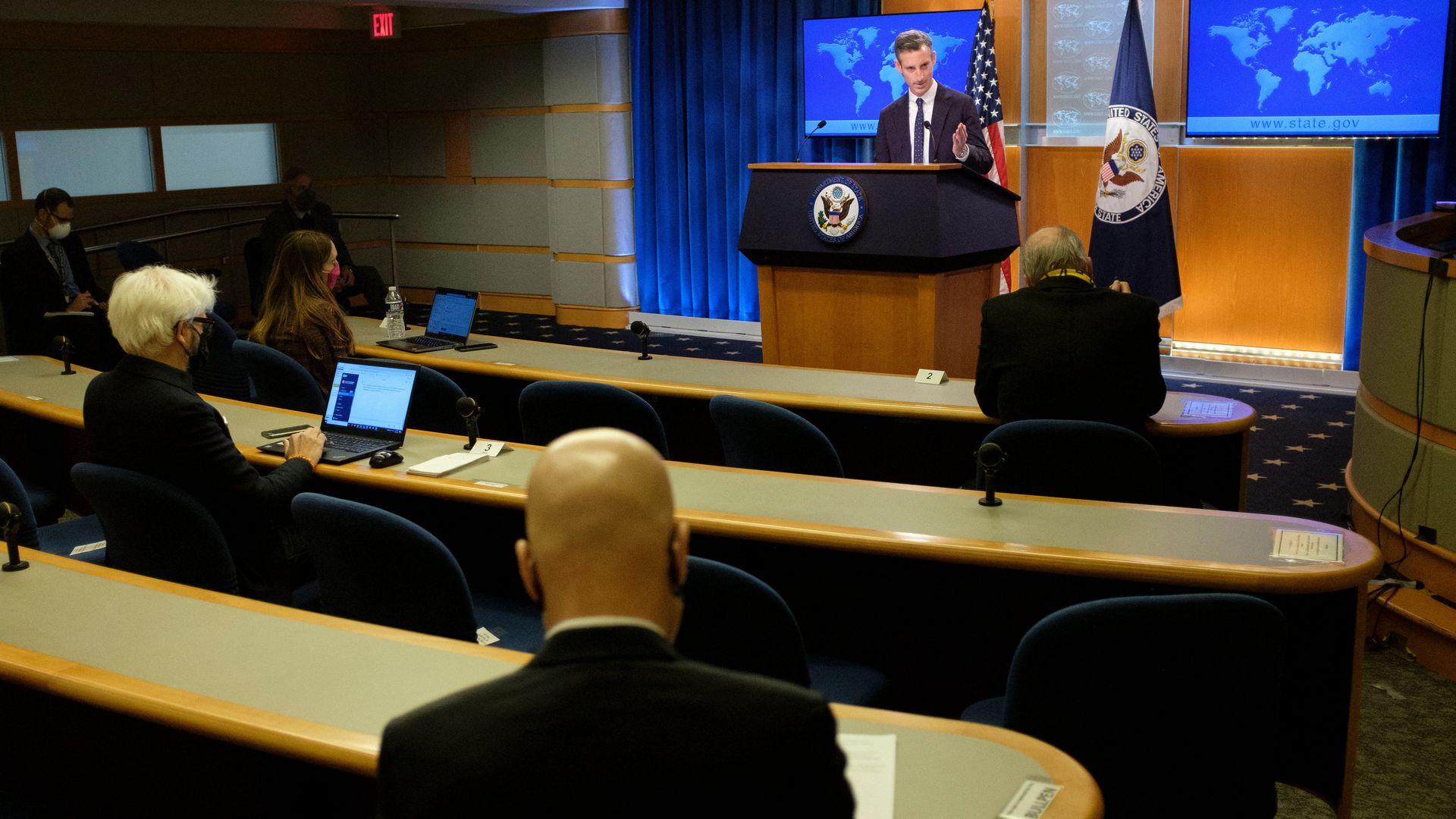
The U.S. government is deploying a novel strategy to preempt Russian disinformation, publicly accusing the country of specific plots to fabricate a pretext for invading Ukraine.
Why it matters: The statements, made twice during the past three weeks, reflect lessons learned from the Obama administration's handling of Russia's 2014 invasion of Crimea. That involved many of the same players now serving in senior roles under President Biden.
Some Trump-to-Biden swing voters are reflexively opposed to U.S. military involvement in Ukraine, even if Russia invades.
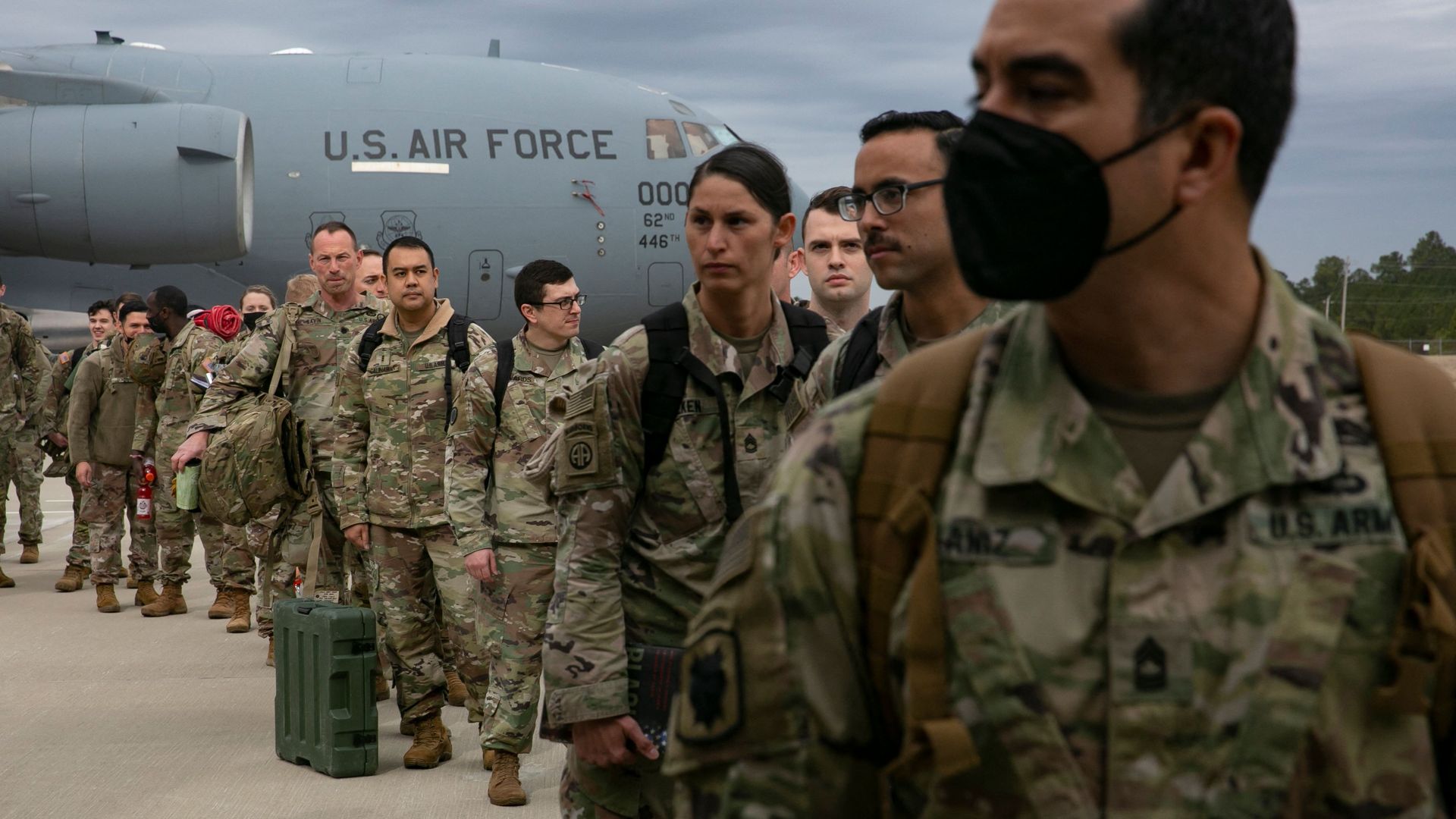
Why it matters: This key takeaway from Axios' latest Engagious/Schlesinger focus groups comes as President Biden deploys the first major group of U.S. troops to shore up NATO defenses in Eastern Europe in response to Russia's buildup on the border.
Why it matters: The U.S. claims to have information indicating that Russia is considering staging a "fabricated attack" by Ukrainian forces in order to justify an invasion of Ukraine, Axios' Zachary Basu writes.
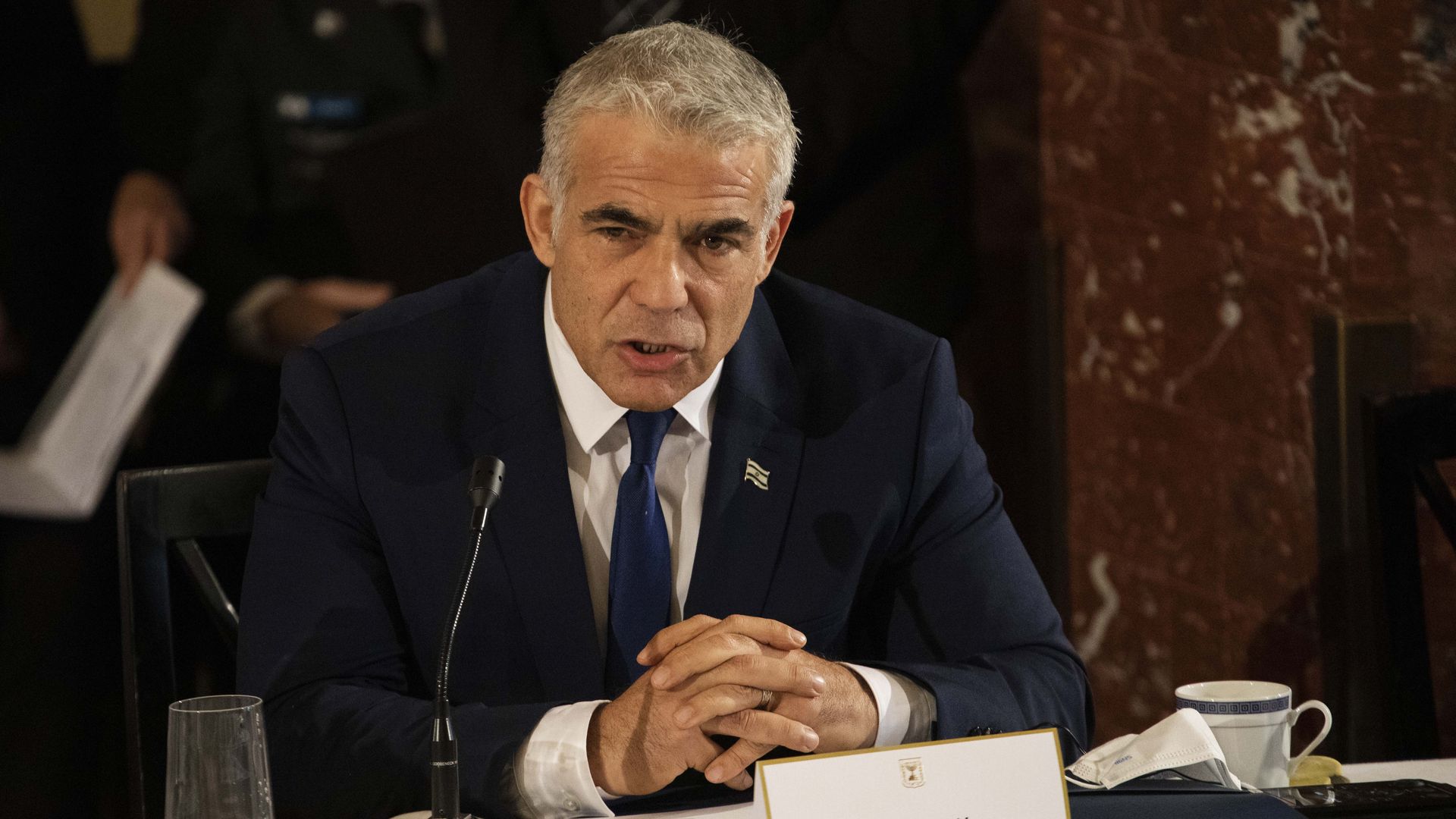
The Ukrainian ambassador to Israel in a Facebook post Thursday attacked Israeli Foreign Minister Yair Lapid over comments he made to Axios in which he said a Russian invasion in Ukraine was not imminent.
Driving the news: Lapid on Wednesday told Axios that Israel doesn’t think there will be a violent confrontation between Russia and Ukraine anytime soon. "I also don’t think a world war is about to start there," he said.
The U.S. claims to have information indicating that Russia is considering staging a "fabricated attack" by Ukrainian forces — including a "propaganda video" showing Russian casualties and fake mourners — in order to justify an invasion of Ukraine, according to a senior Biden administration official.
Why it matters: It's the second time in recent weeks that the Biden administration has publicly accused Russia of plotting an operation that would serve as a pretext to invade Ukraine. While Russian intelligence services have a history of weaponizing disinformation, the U.S. has not provided specific evidence for its claims.
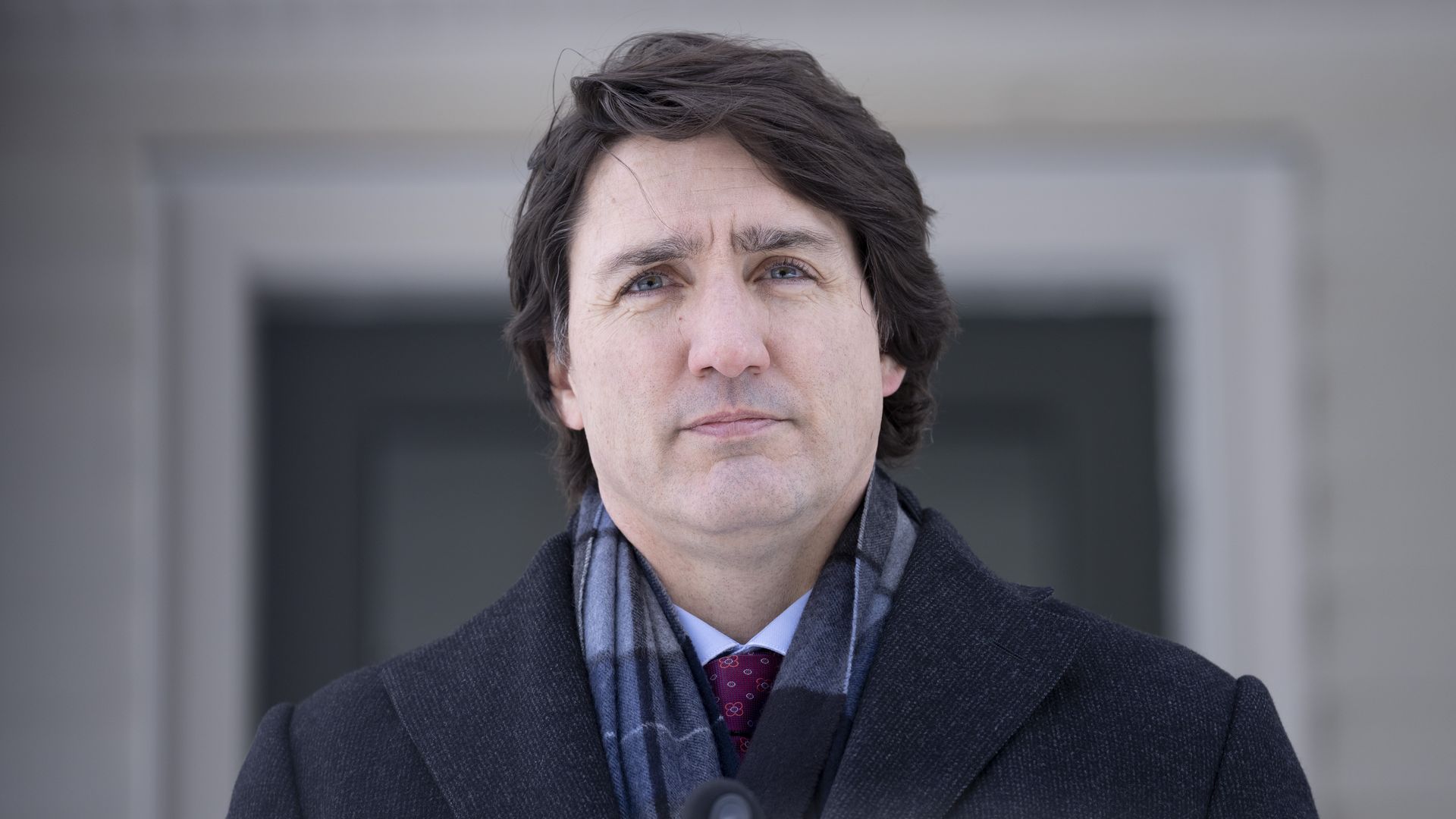
Canadian Prime Minister Justin Trudeau during a press briefing Thursday declined to commit to deploying troops to deal with an anti-vaccine mandate protest by truckers from all over the country in Ottawa, saying it's "not in the cards right now."
Driving the news: The demonstrators have shut down the Canadian capital for more than six days and have vowed not to vacate the city until a COVID vaccine mandate for cross-border truckers is dropped.
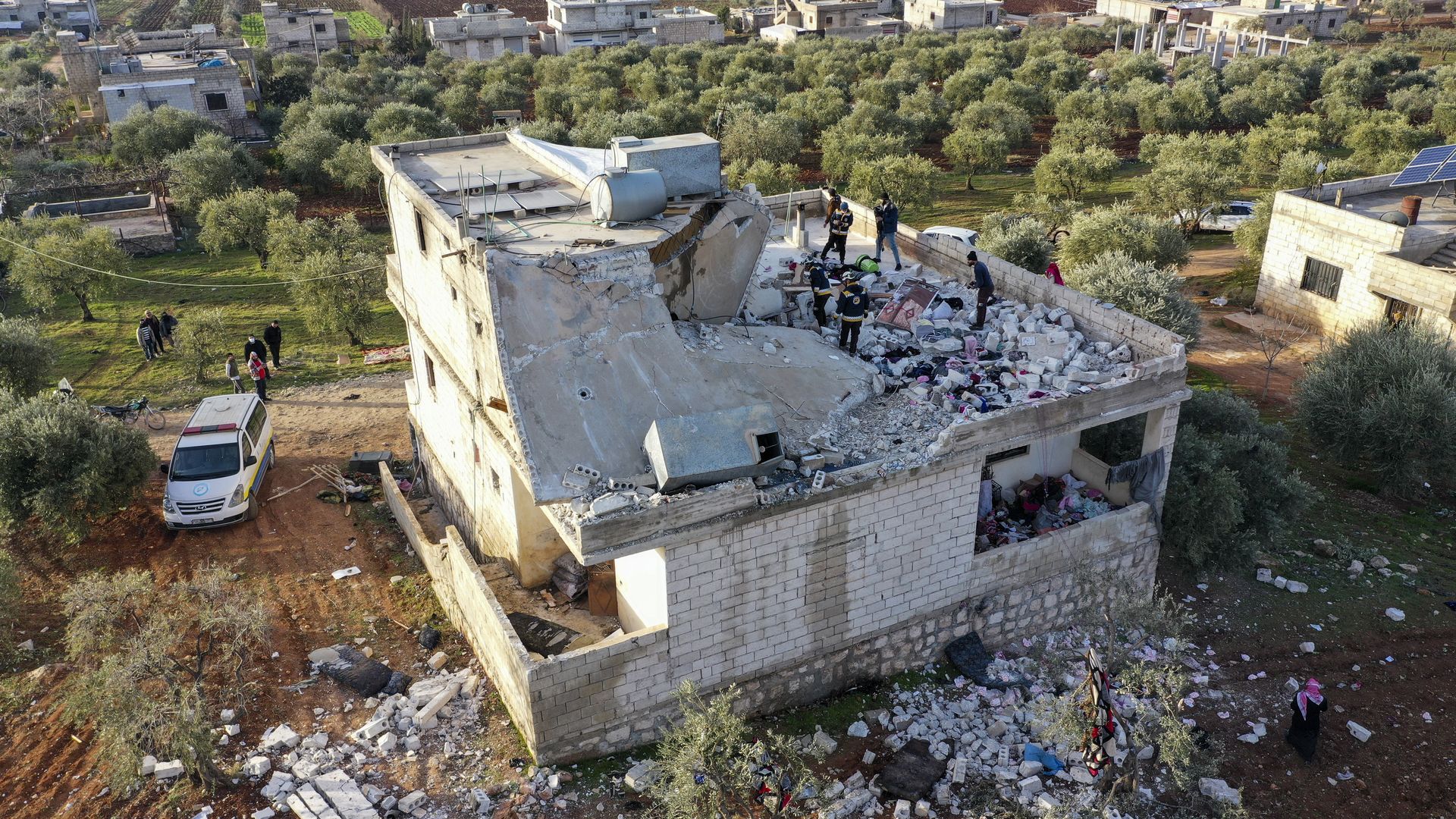
President Biden said Thursday that top ISIS leader Abu Ibrahim al-Hashimi al-Qurayshi died during a U.S. raid in northwestern Syria.
What he's saying: "Last night's operation took a major terrorist leader off the battlefield. And sent a strong message to terrorists around the world: 'We will come after you and find you,'" Biden, who ordered the operation, said from the White House Thursday.
President Biden announced Thursday that the U.S. military has "successfully removed a major terrorist threat to the world," ISIS leader Abu Ibrahim al-Hashimi al-Qurayshi.
Why it matters: Al-Qurayshi, who took over as the leader of ISIS after Abu Bakr al-Baghdadi was killed in a 2019 U.S. raid, coordinated the group's global terror operations and directly oversaw ISIS attempts to reconstitute in Iraq and Syria, according to senior U.S. officials.
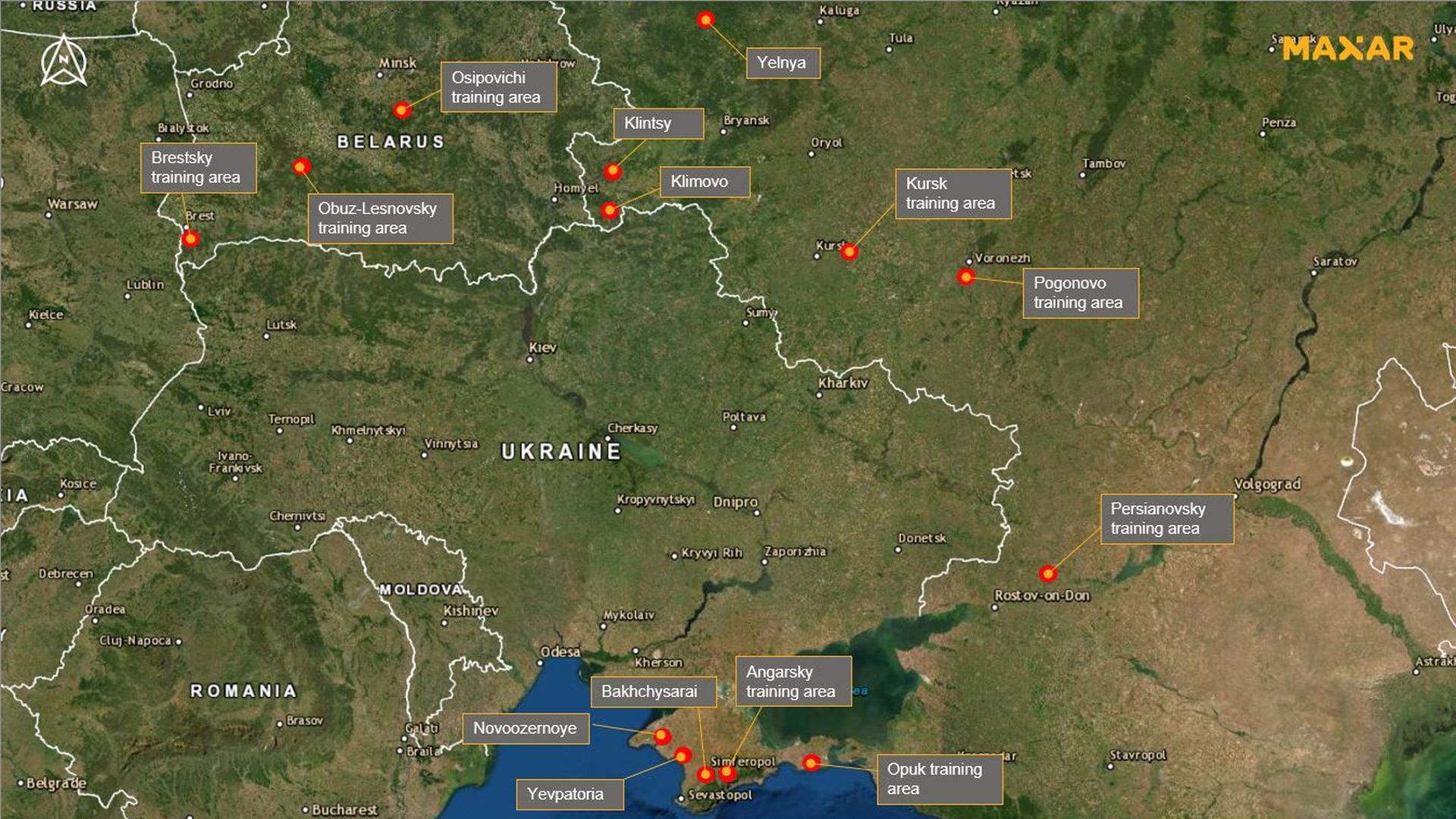
Satellite images show an expansion of Russia's buildup near Ukraine's border, with troop tents and shelters now visible at "virtually every deployment location in Belarus, Crimea and western Russia," Maxar Technologies said.
The big picture: Evidence of new housing and live-fire exercises suggest pre-positioned units "have increased their overall readiness level," according to the company.
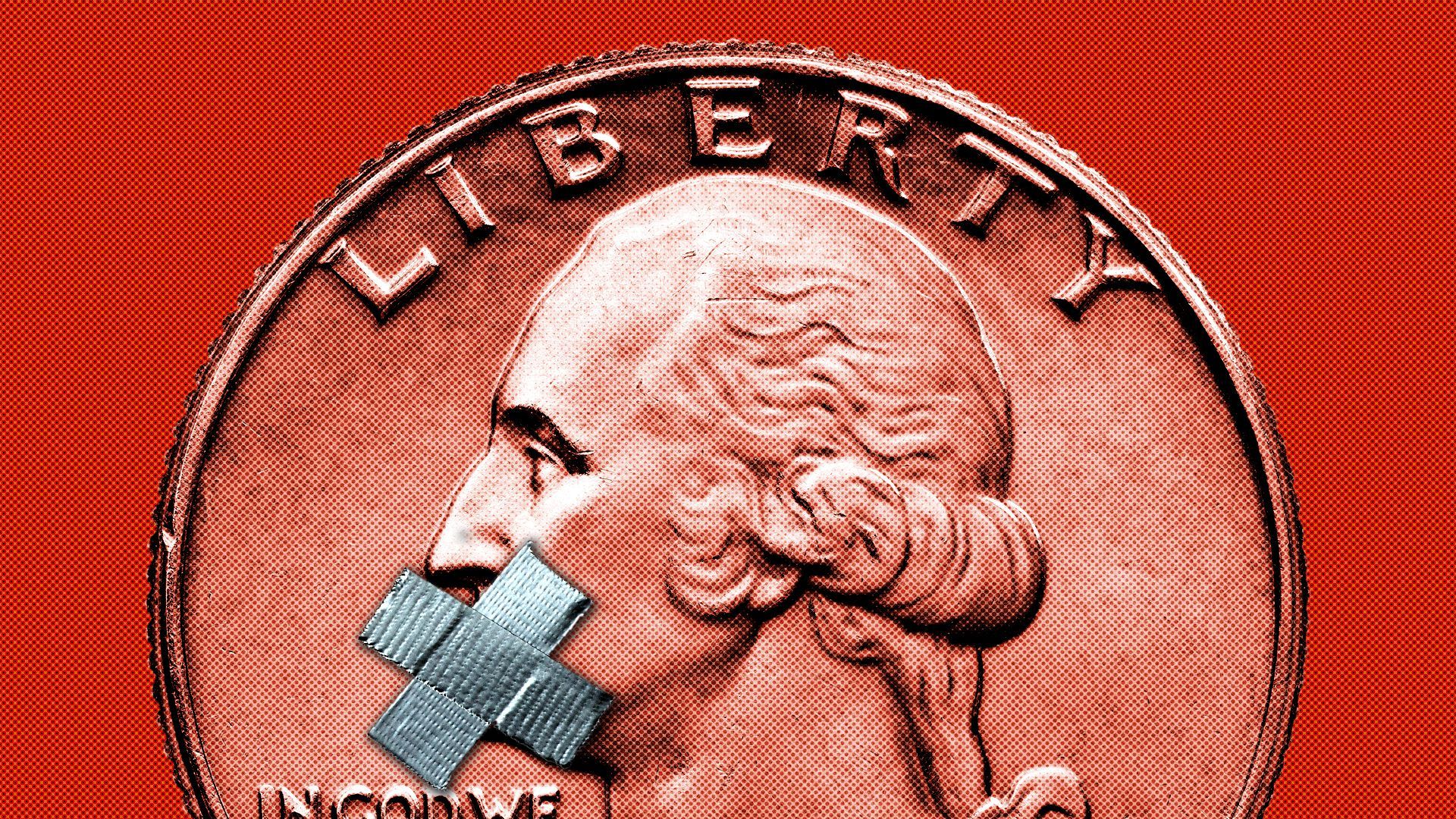
Top Olympic sponsors have been tiptoeing around or staying silent on reports of human rights abuses in northwest China.
Why it matters: The companies — 13 of the most influential in the world — are in a lose-lose situation whether they speak out or stay silent. The lack of acknowledgement of the human rights concerns also feeds growing fear that censorship within China is spreading beyond its borders.