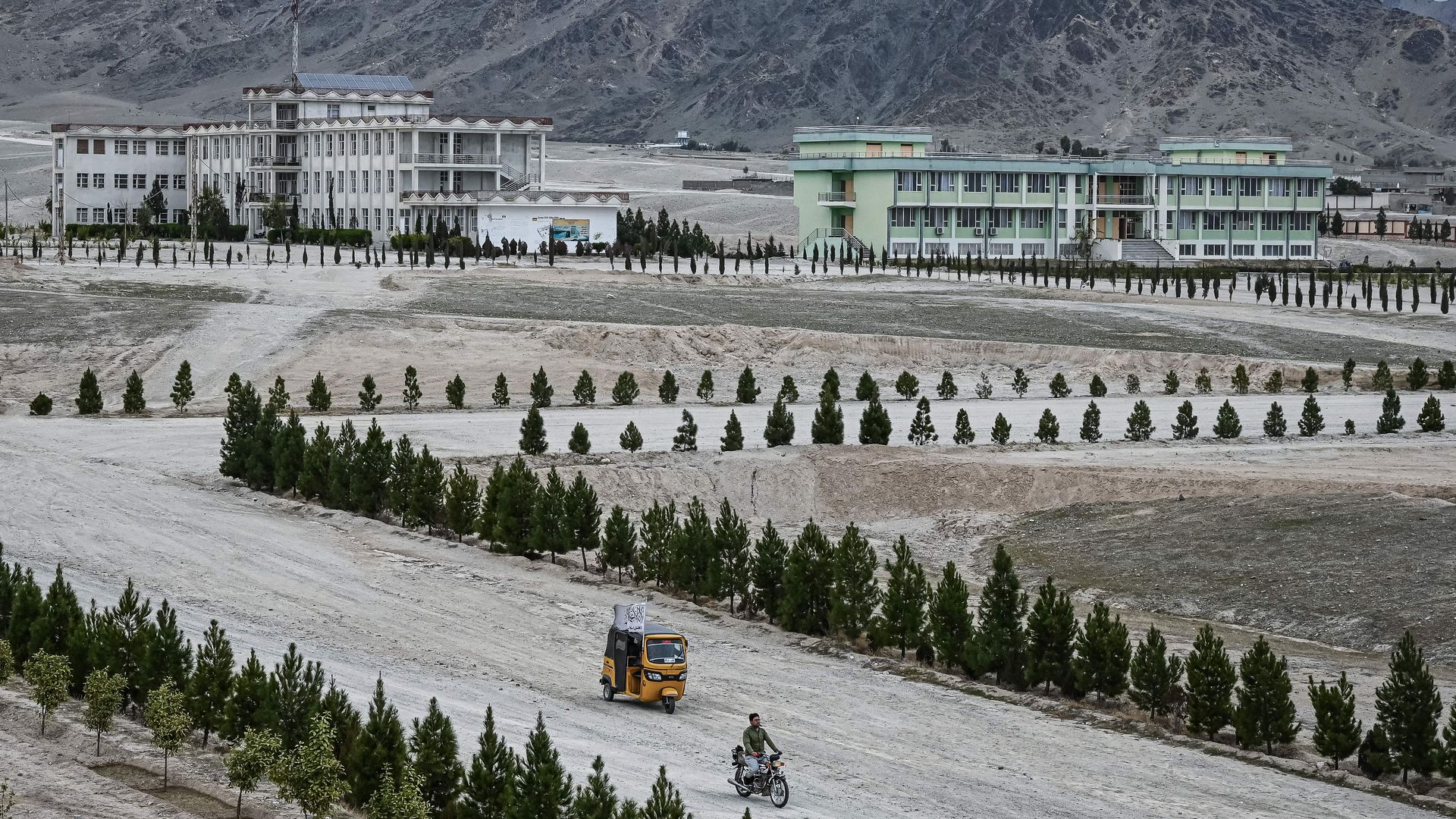
International banks can transfer money to Afghanistan for humanitarian reasons without fear of violating U.S. sanctions against the Taliban, the Treasury Department said in a guidance out on Wednesday.
Why it matters: The Afghan economy has been dependent on foreign aid and investment, and the takeover by the Taliban, which had been under U.S. sanctions since 2001, had put financial institutions in the middle of the global clash.
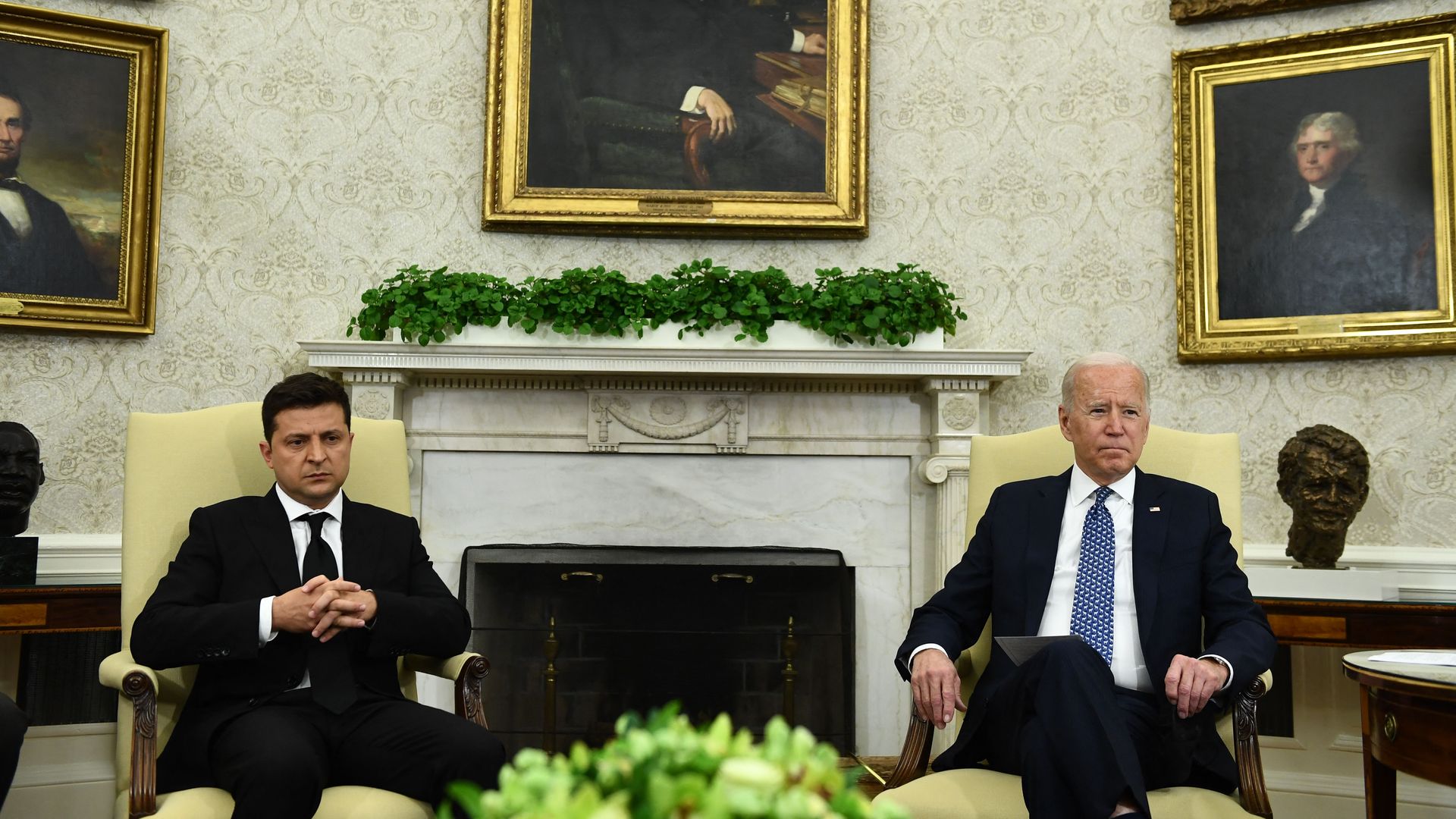
White House press secretary Jen Psaki said Monday that the Biden administration is no longer using the word "imminent" to describe the threat of a further Russian invasion of Ukraine, citing concerns that it implied Moscow had made a decision.
Why it matters: Ukrainian President Volodymyr Zelensky, in both a phone call with President Biden and at a public press conference last week, criticized Western warnings about Russia's military buildup for causing a "panic" that was destabilizing Ukraine's economy.
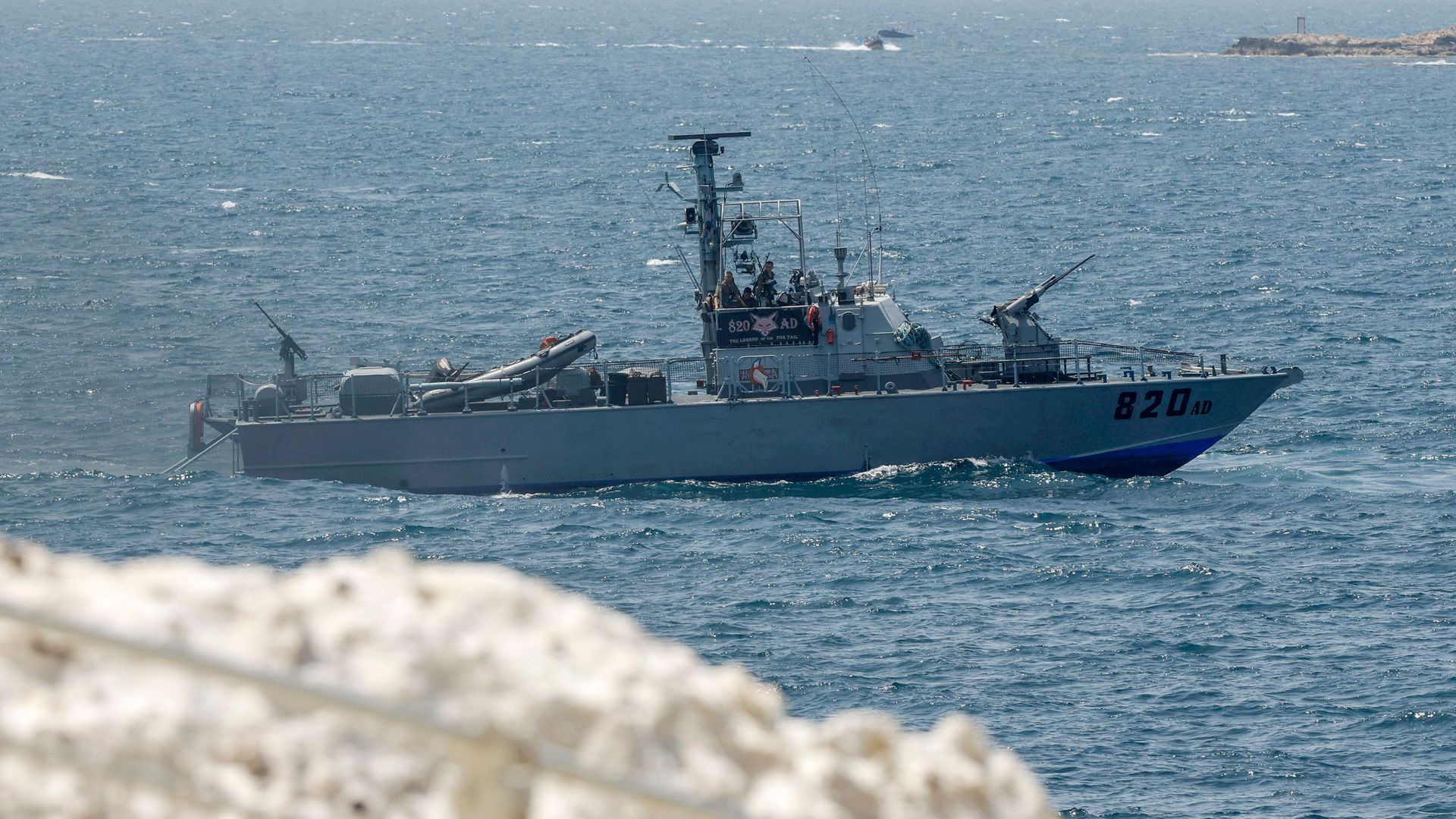
The U.S. has resumed its mediation efforts in the maritime dispute between Israel and Lebanon.
Why it matters: An agreement over a disputed area of the eastern Mediterranean Sea could allow Lebanon to begin natural gas exploration, which may boost its imperiled economy.
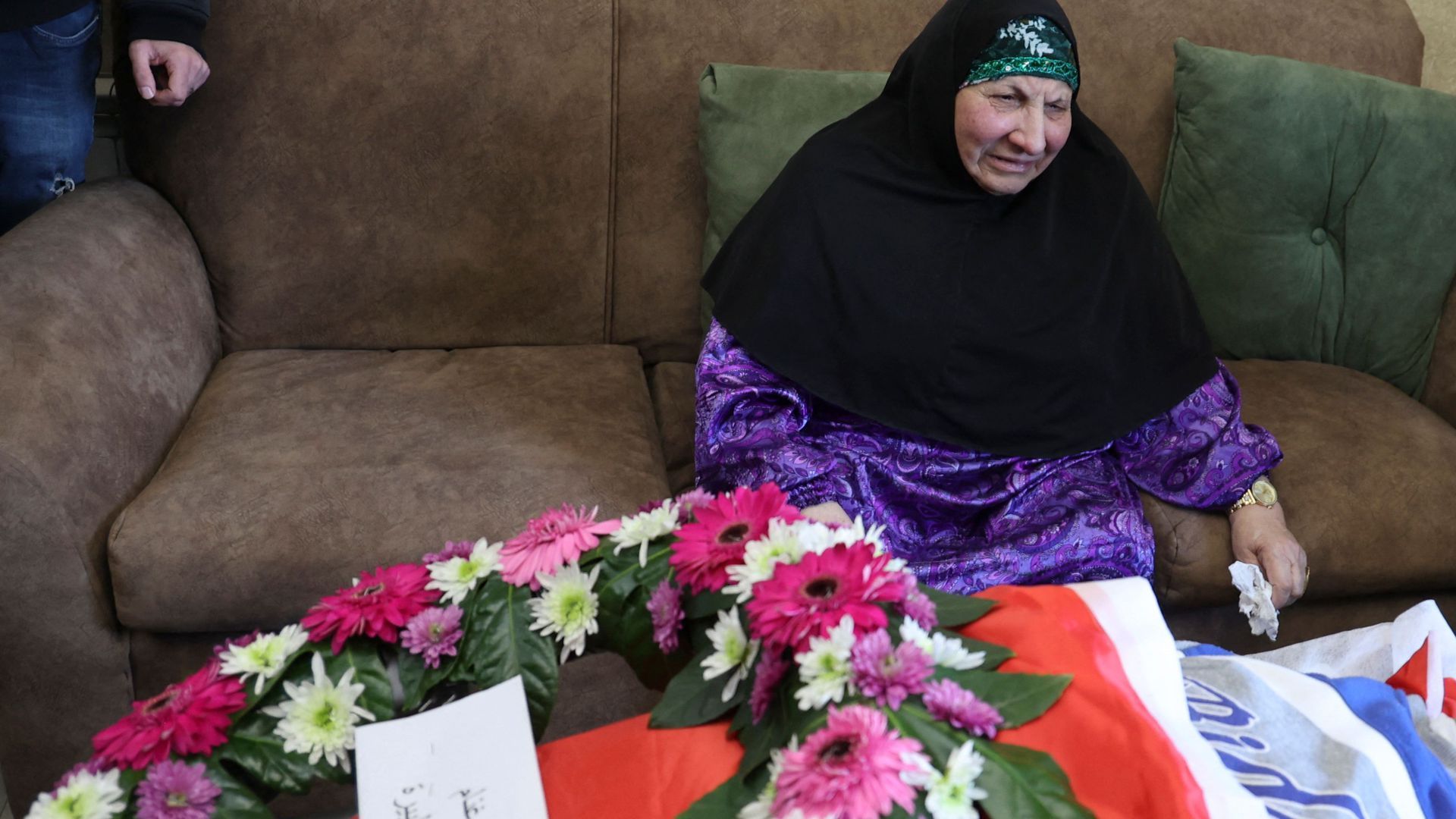
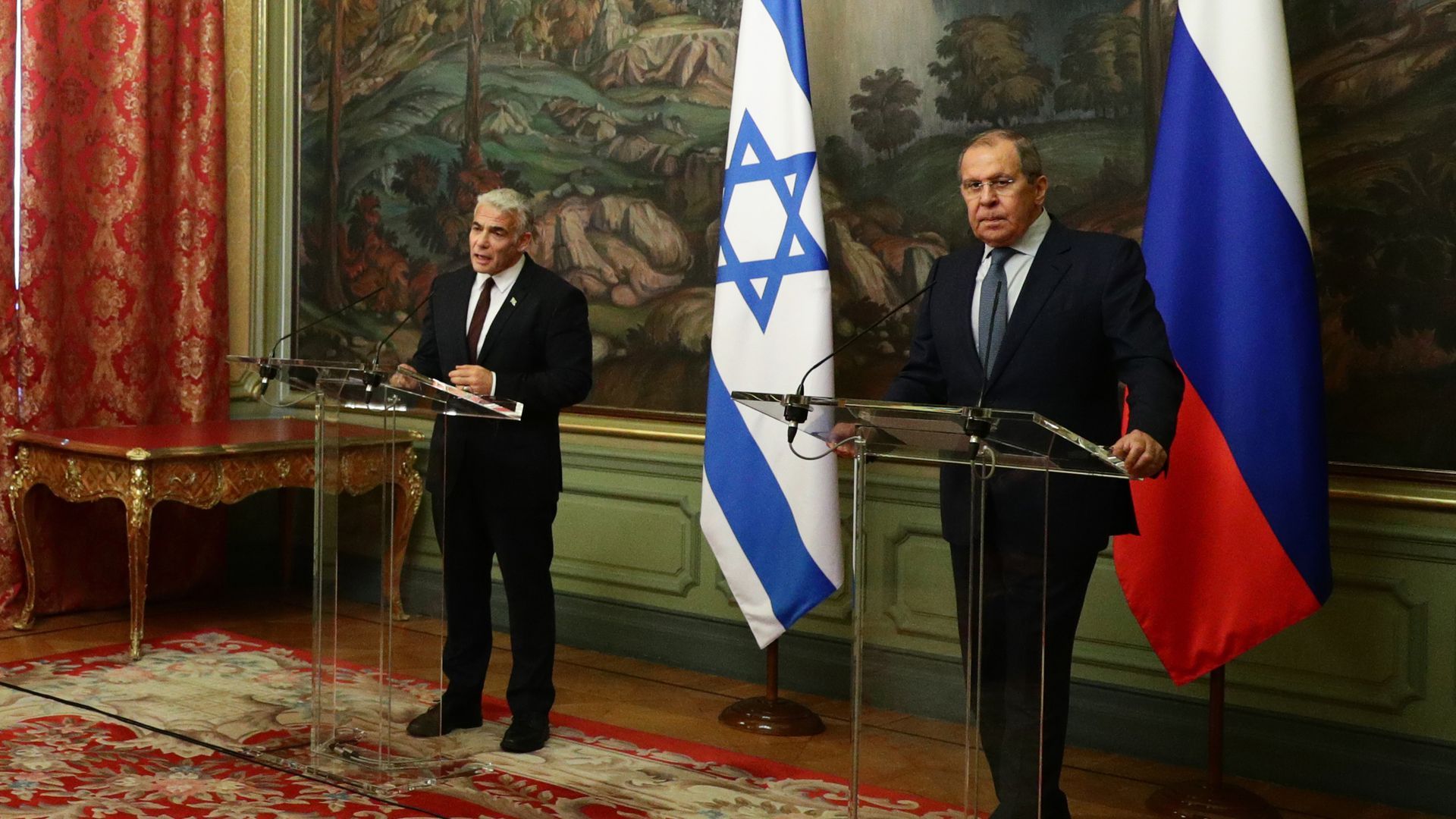
U.S. Secretary of State Tony Blinken raised concerns with Israel over the death of Omar Assad, a 78-year-old Palestinian American who died after Israeli soldiers detained him in the occupied West Bank last month, Israeli Foreign Minister Yair Lapid told me.
Why it matters: The fact the issue was raised on such a high level shows that the Biden administration takes Assad's death seriously and that it has become a point of potential political tension between the U.S. and Israel.
Israel doesn’t think there will be a violent confrontation between Russia and Ukraine anytime soon, Foreign Minister Yair Lapid tells me.
Why it matters: The Biden administration has been warning publicly in recent weeks that the Russian military buildup on the border with Ukraine could lead to an invasion at any moment.
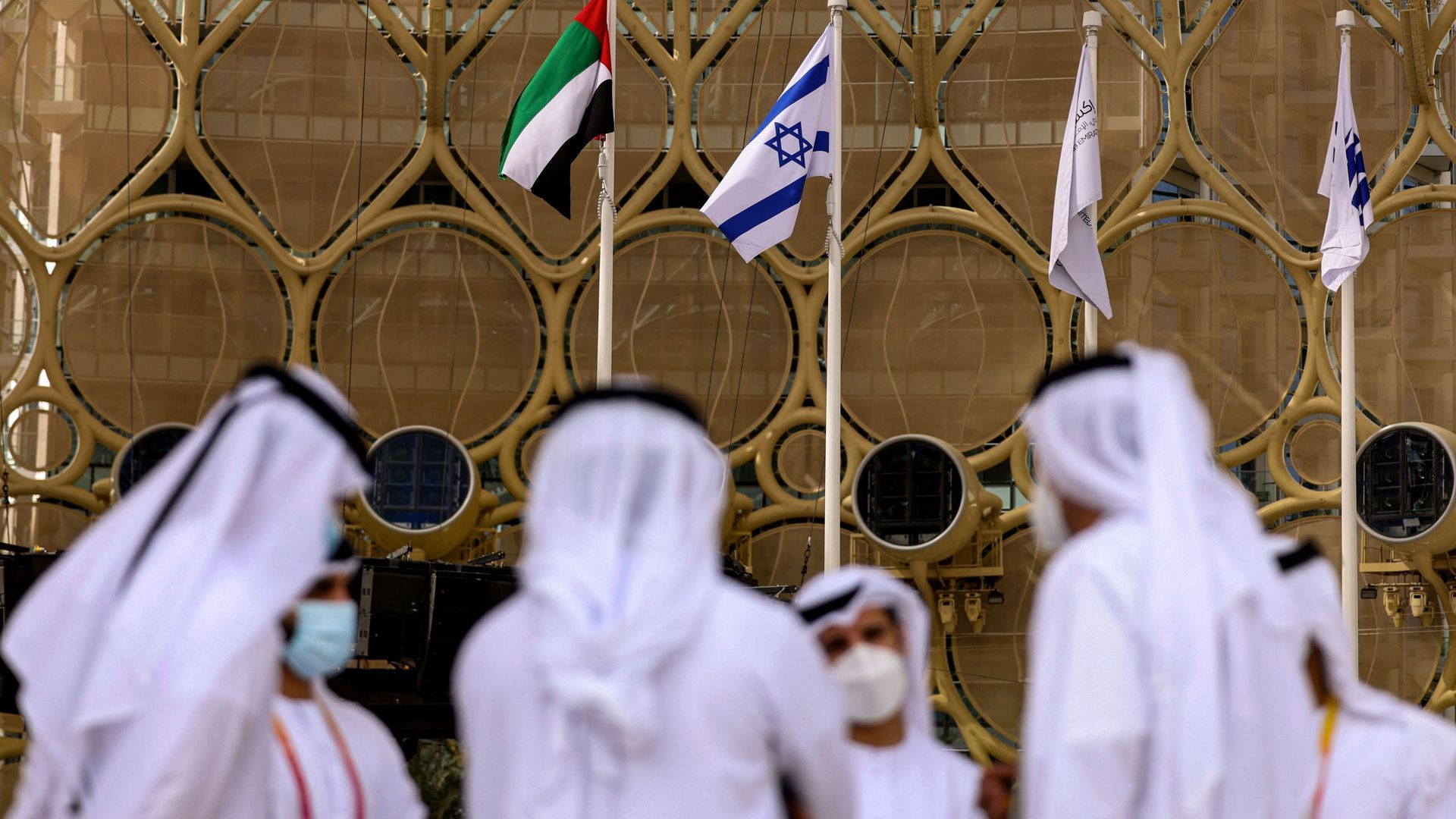
Israeli defense officials visited the United Arab Emirates last week to discuss possible defense and intelligence assistance following recent Houthi attacks targeting the Gulf country, two Israeli officials tell me.
Why it matters: The unprecedented missile and drone attacks by Yemen's Houthi rebels have rattled the UAE and led it to look for ways to bolster its defenses against future strikes.
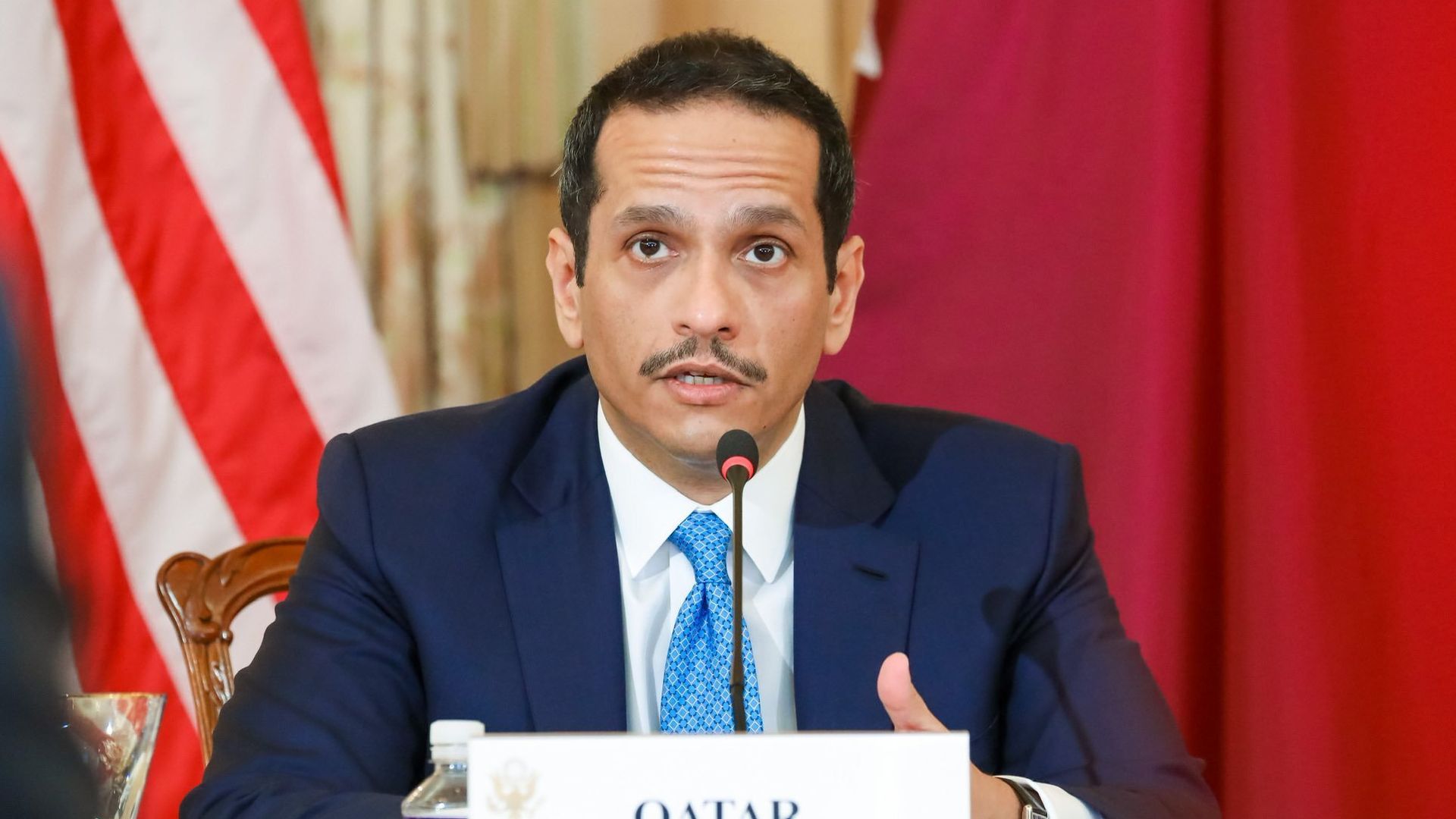
In a wide-ranging interview with Axios on this week, Qatar's foreign minister ruled out the prospect of the Gulf nation normalizing its relations with either Israel or Syria — even as other Arab states take steps to integrate both.
Why it matters: Qatar has for years had outsized influence on the international stage by acting as a diplomatic intermediary between the West and its adversaries, including extremist groups like Hamas and the Taliban. But despite its reputation for favoring engagement above all else, Israel and Syria remain red lines.
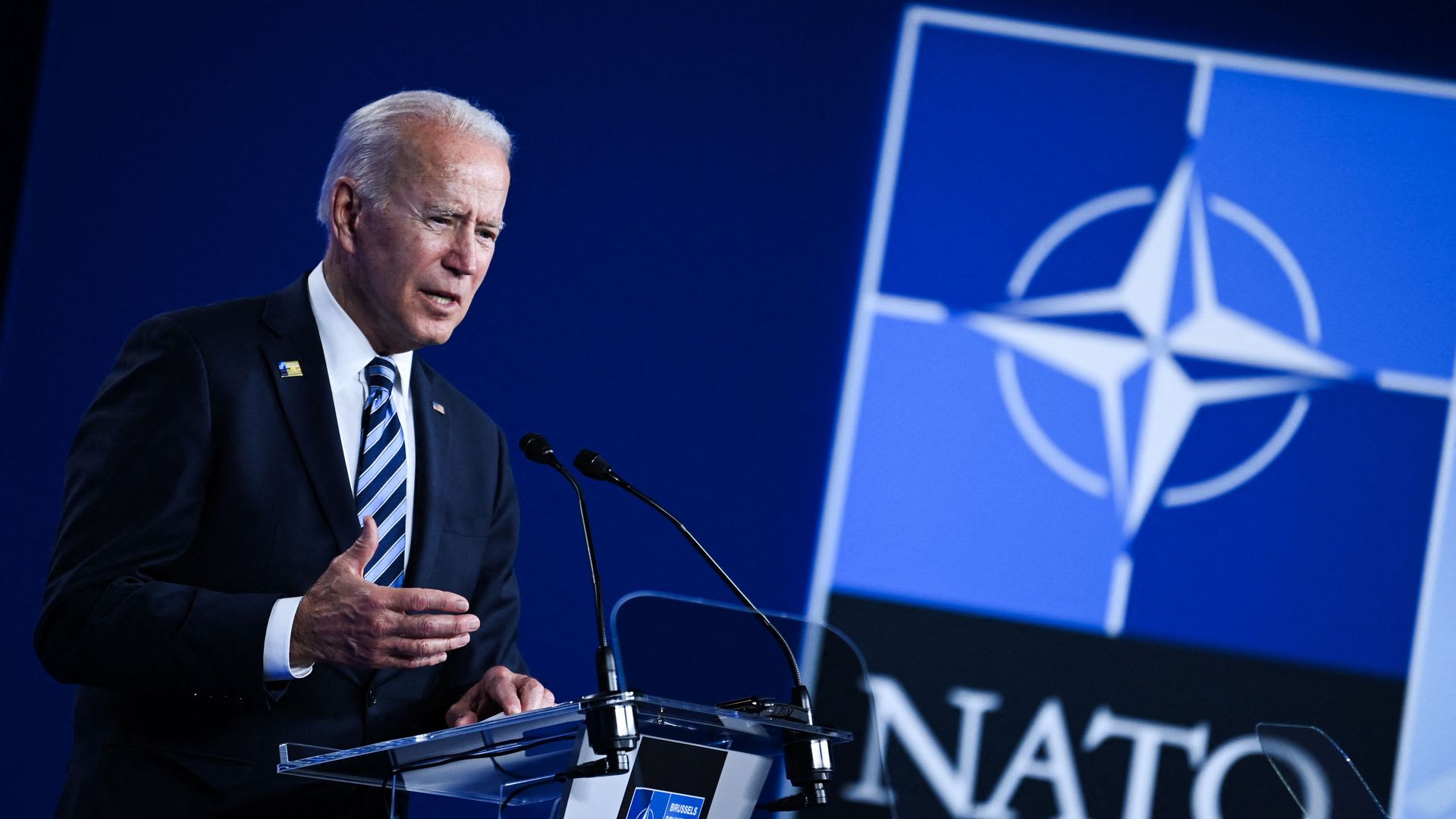
President Biden has formally approved the deployment of thousands of troops to shore up NATO defenses in Eastern Europe "in the coming days," the Pentagon announced Wednesday.
Why it matters: It's the first major U.S. troop movement directed by the commander in chief in response to Russia's massive military buildup on Ukraine's borders.
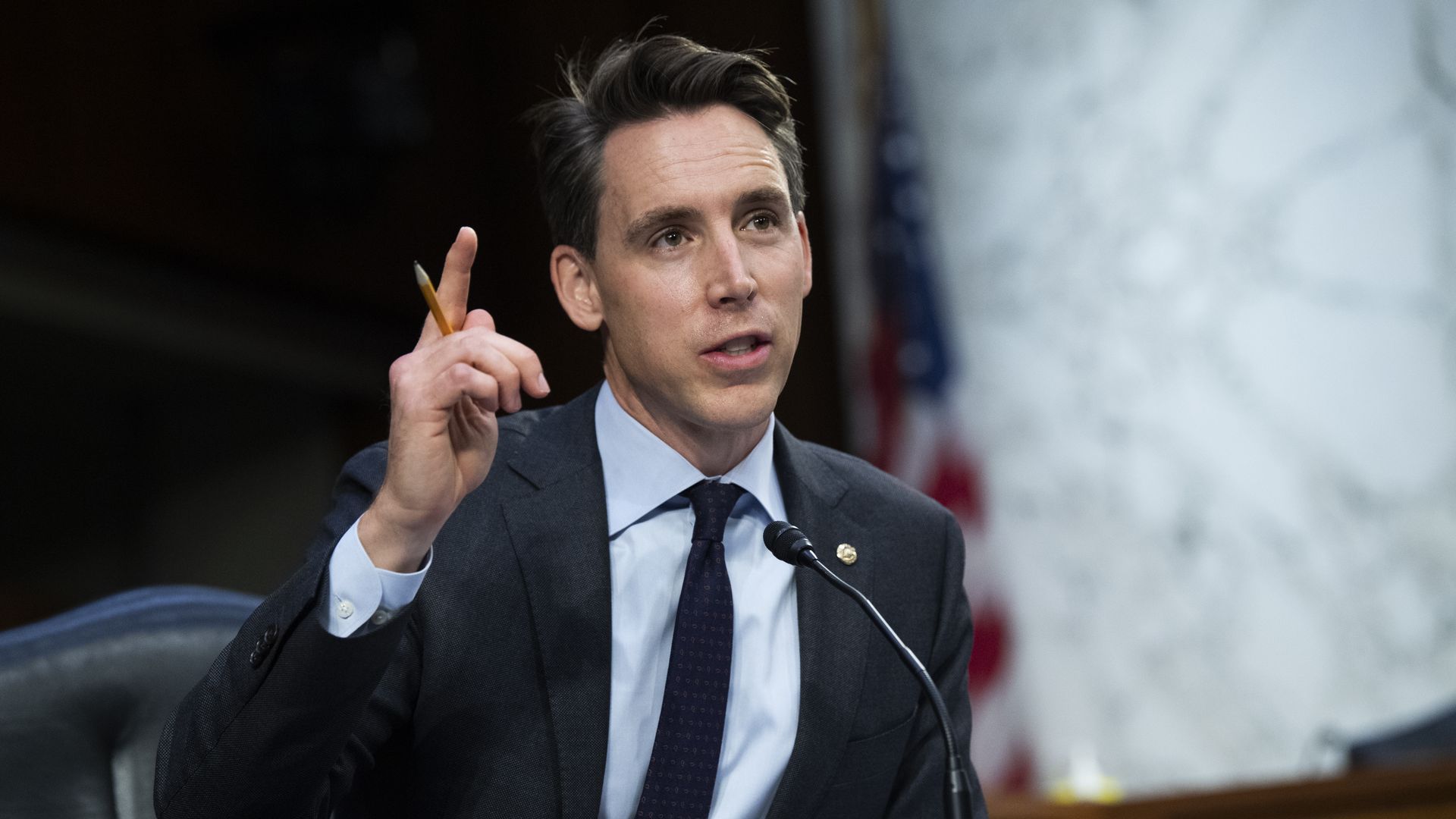
Sen. Josh Hawley (R-Mo.) is calling on the Biden administration to drop longstanding U.S. support for Ukraine's eventual membership in NATO, arguing that a binding commitment to defend the country would undermine efforts to counter China.
Why it matters: Hawley is staking out a position increasingly supported by the Republican base but historically at odds with the mainstream GOP consensus still backed by his Senate colleagues.
Each new move Russian President Vladimir Putin makes has left U.S. officials more fearful he's preparing for a very real war.
Why it matters: A month of diplomatic talks has achieved nothing. Russia's alarming military buildup keeps growing. And in his first public comments about the spiraling tensions in over a month, Putin on Tuesday accused the West of goading Russia into a conflict over Ukraine.
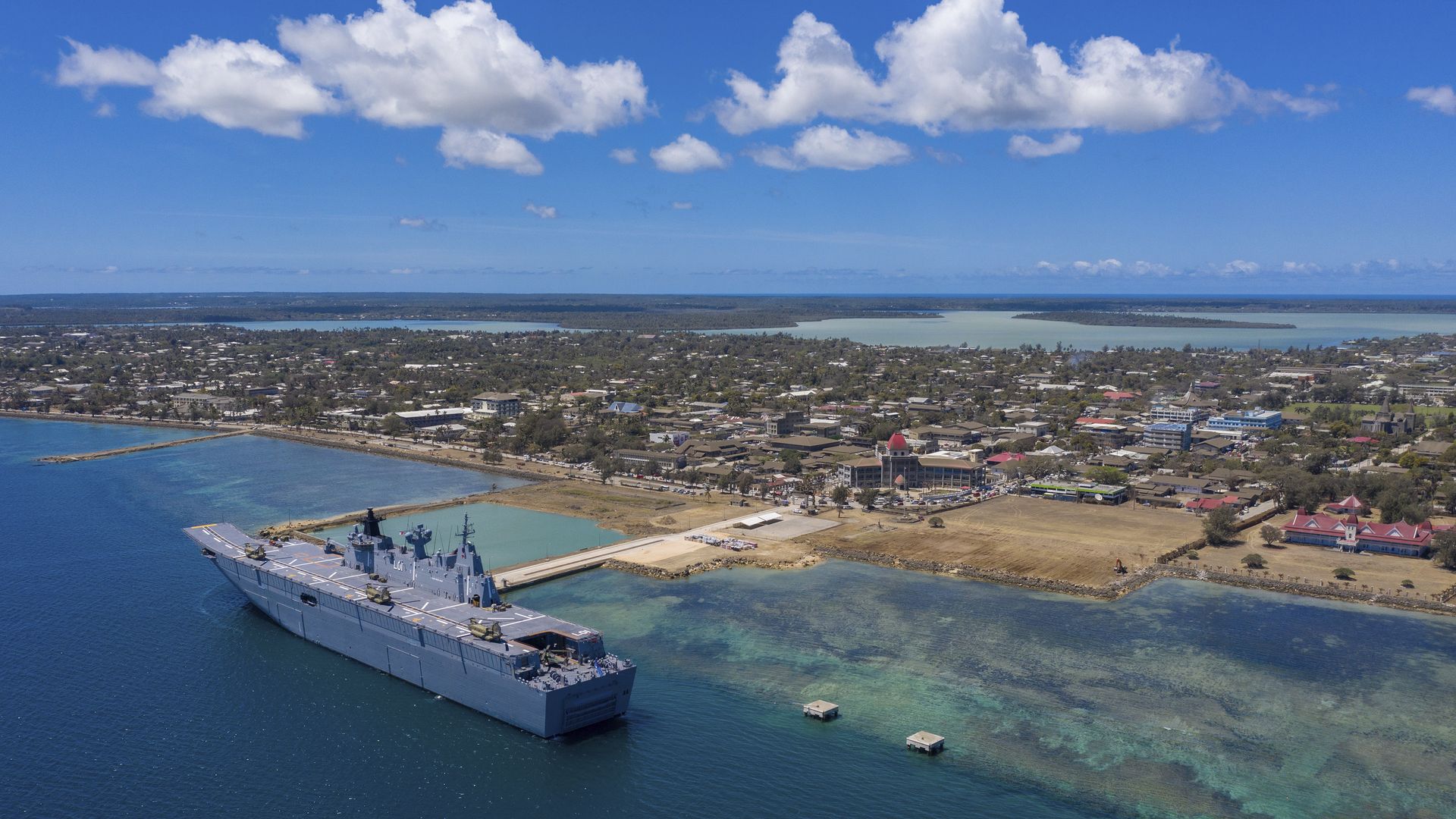
Tonga locked down Wednesday after two COVID-19 cases were confirmed in Nuku’alofa, the capital of the Pacific island nation that's still reeling from last month's deadly volcanic eruption and tsunami.
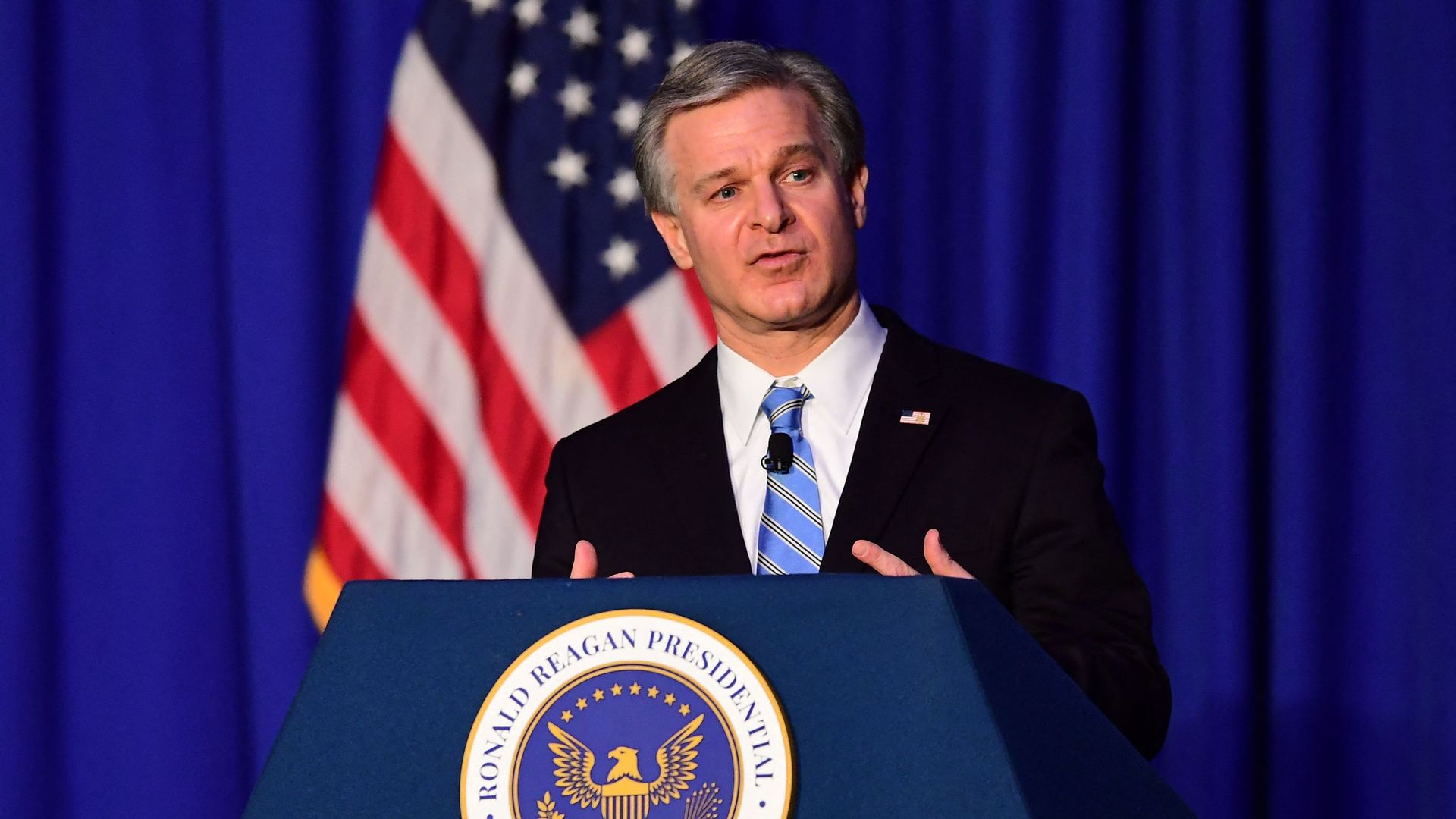
The FBI is launching roughly two China-related counterintelligence investigations about every 12 hours, Bureau director Christopher Wray told NBC News in an interview published Tuesday.
Why it matters: Wray is increasingly sounding the alarm on the threat posed by China's government even as Russian troops amass at Ukraine's border, indicating that he believes the Chinese Communist Party is the biggest threat to the economic security of the U.S. in the long term.
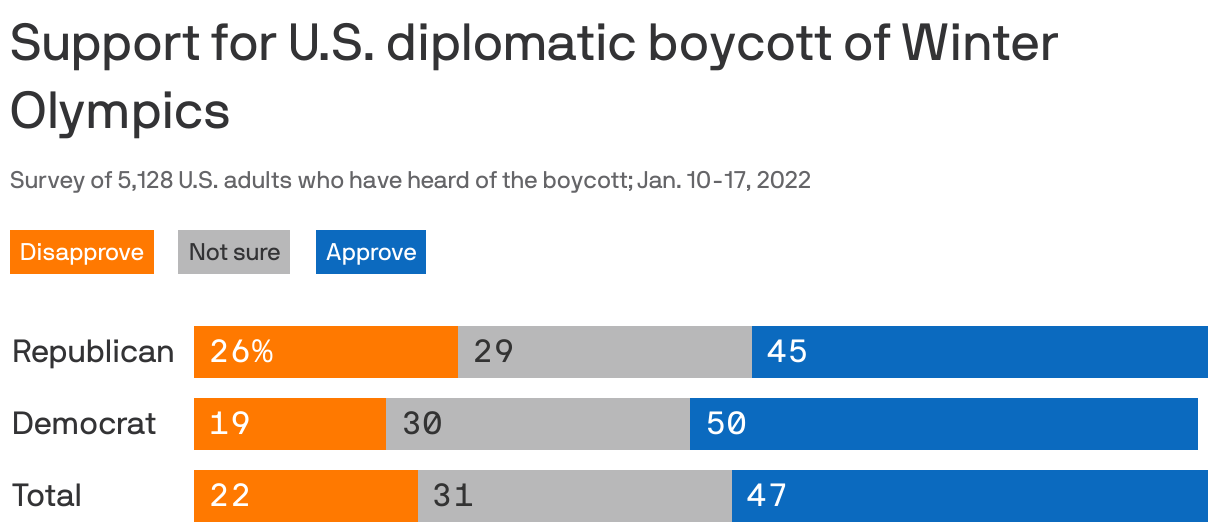
Data: Pew Research Center; Chart: Will Chase/Axios
Nearly half of American adults say they approve of the U.S. diplomatic boycott of the Winter Olympics — although 45% admitted they hadn't heard anything about it, according to new polling by Pew Research Center.