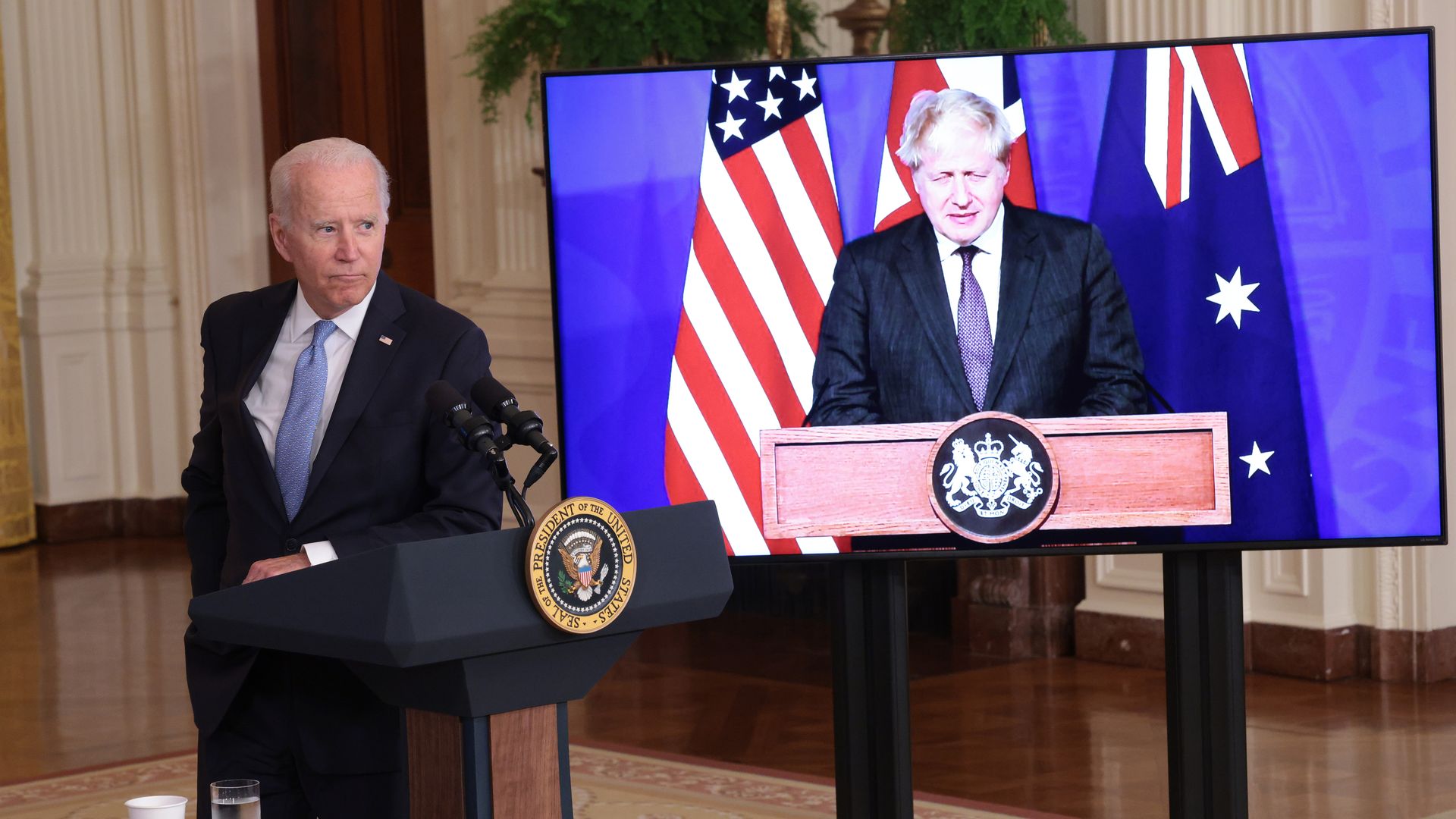
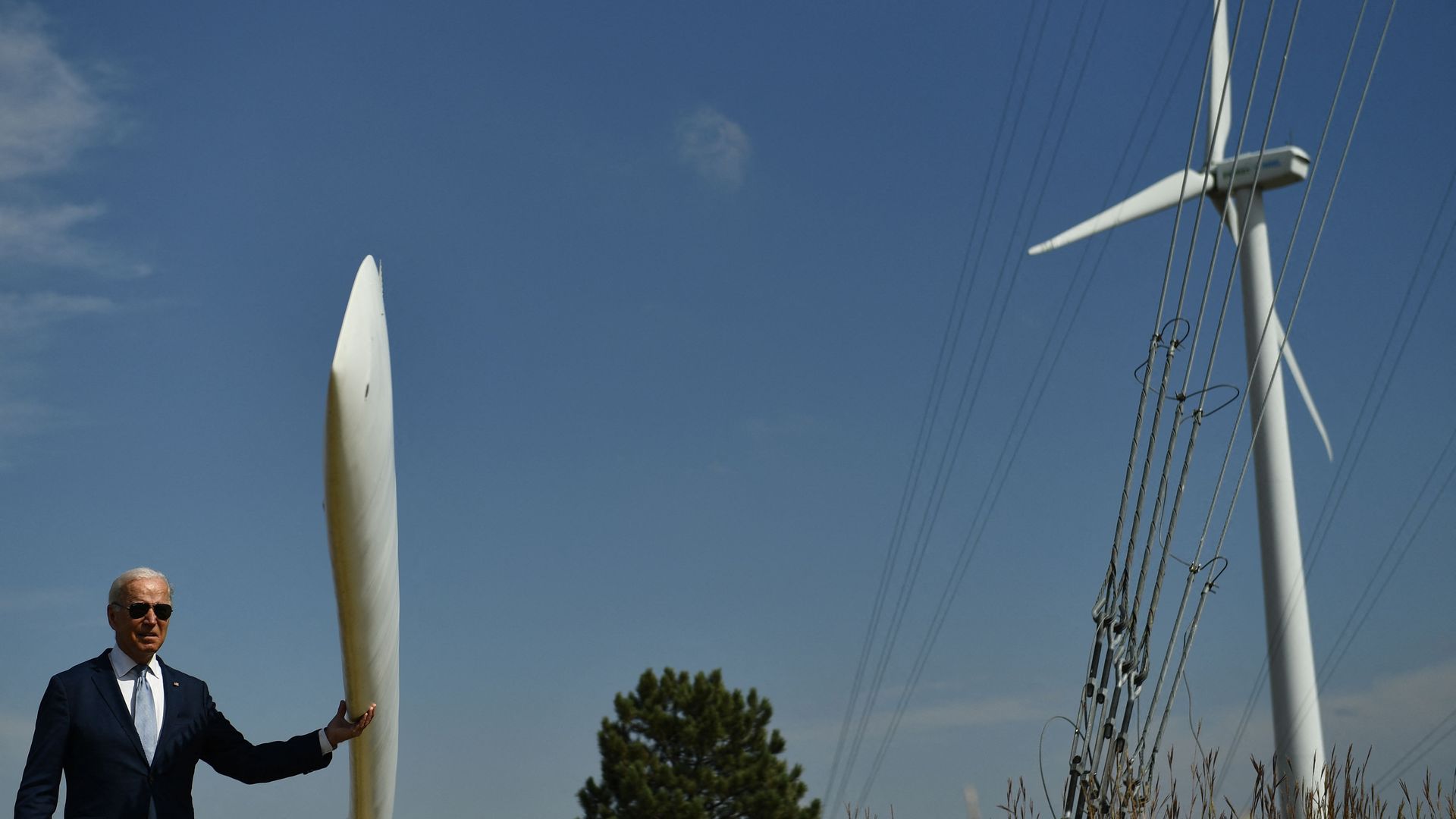
President Biden plans to host British Prime Minister Boris Johnson at the White House next week, according to people familiar with the preparations.
Why it matters: Rewarding Johnson with a White House visit is another indication that the two leaders plan to work collaboratively on COVID-19, China and climate change.
Global food prices have continued to rise throughout the pandemic, and they're now at close to the highest level they've been in decades.
Why it matters: Beyond the hunger and suffering that comes with costlier food, high prices are driving serious political discontent around the world — and there's little relief in sight.
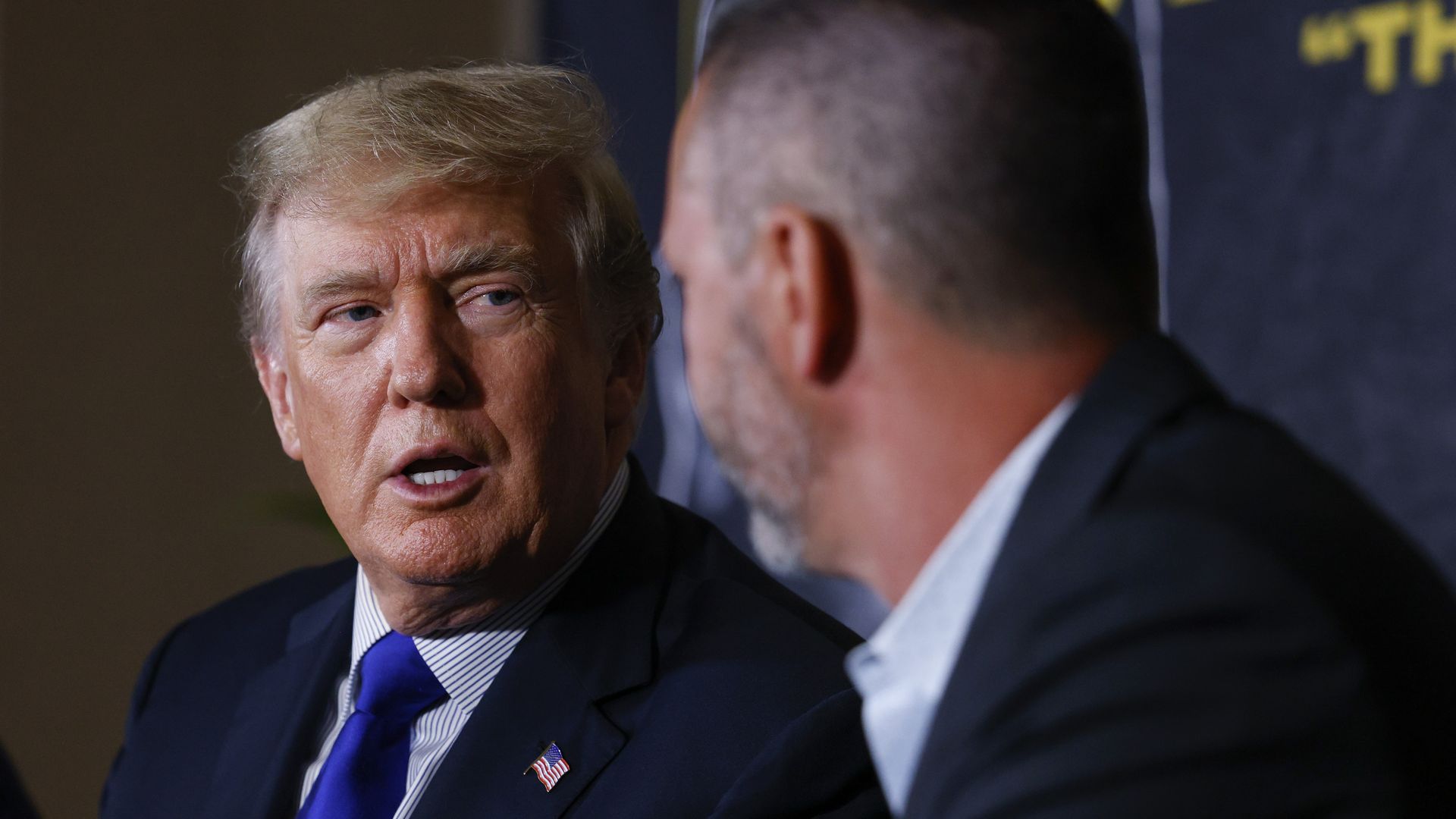
A handful of former Trump officials are making a concerted effort to amass opposition to Afghan refugees fleeing the Taliban, AP reports.
Why it matters: In media appearances, position papers and meetings with GOP lawmakers, they're crafting a narrative that hinges on the anti-immigrant sentiment that defined former President Trump's rise and overall discontent with the Biden administration's withdrawal from Afghanistan.
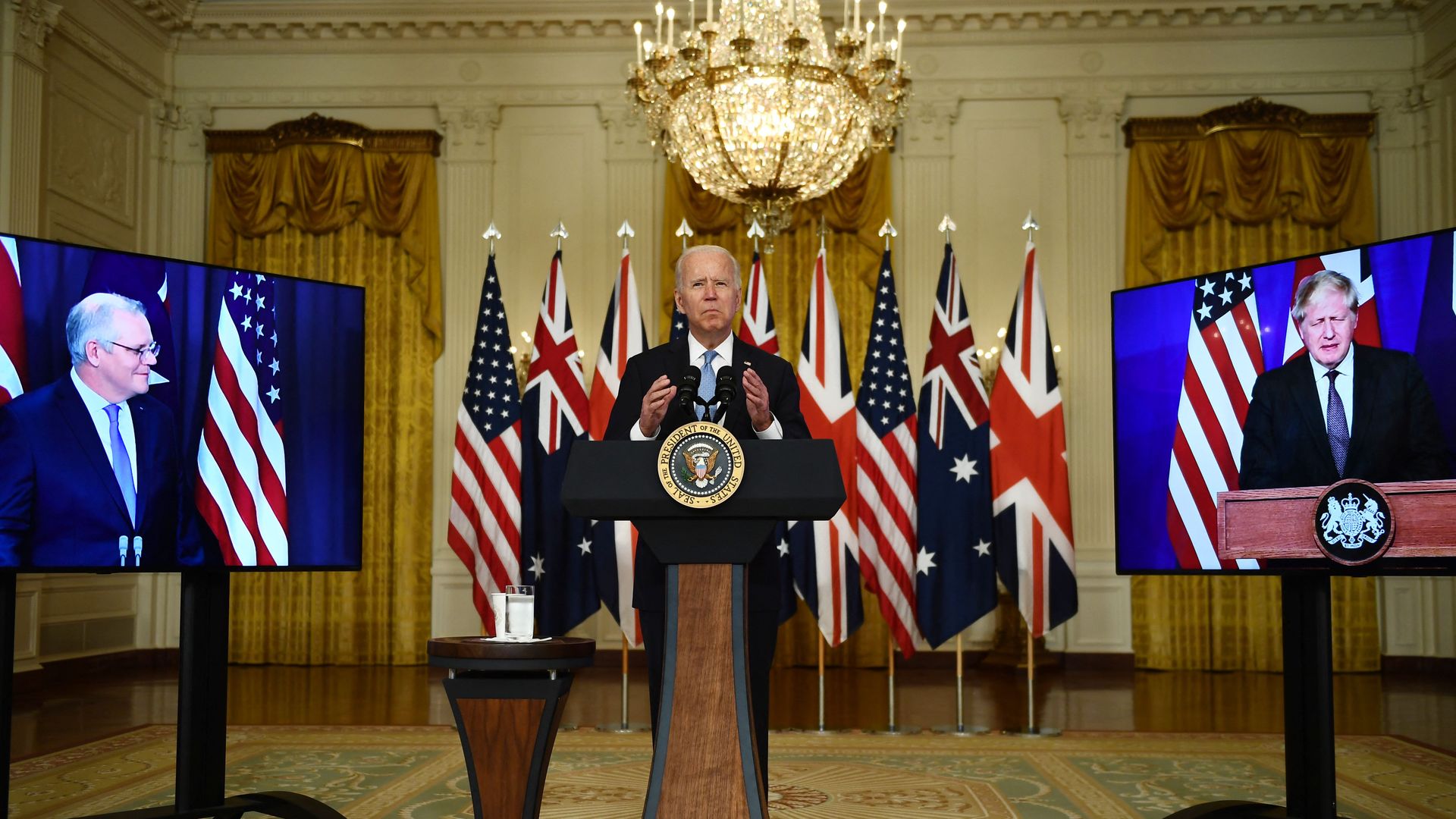
The U.S. and U.K. will help Australia acquire nuclear-powered submarines as part of a historic trilateral security partnership announced Wednesday afternoon by the leaders of the three countries.
Why it matters: The partnership, known as AUKUS, is a major strategic pact that will bind the U.S. and U.K. to Australia's security for generations — and a warning to China asthe Biden administration continues to lay the groundwork for countering Beijing in the Indo-Pacific and beyond.
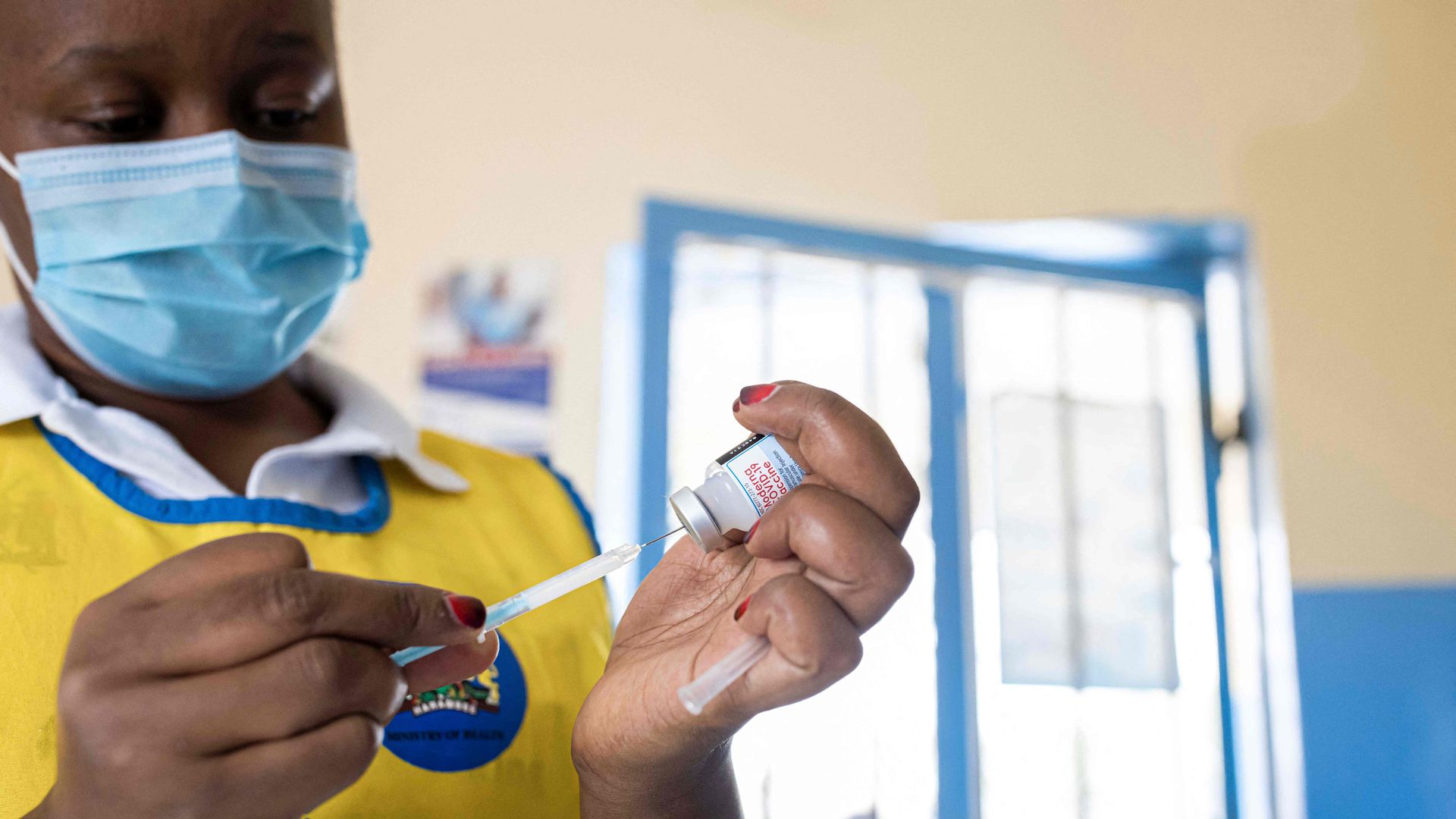
European Commission President Ursula von der Leyen said Wednesday that the bloc would donate an additional 200 million coronavirus vaccine doses to Africa and low-income nations, AP reports.
Why it matters: The new donation, slated to be delivered by the middle of next year, comes as confirmed cases of the coronavirus have reached 225 million globally.
Surging Europeannatural gas and power prices are spilling into the debate over European Unions' plans to implement a suite of aggressive climate policies.
Driving the news: "Had we had the Green Deal five years earlier, we would not be in this position because then we would have less dependence on fossil fuels and on natural gas," Frans Timmermans, a top European Commission official on climate, told a European Parliament meeting Tuesday.
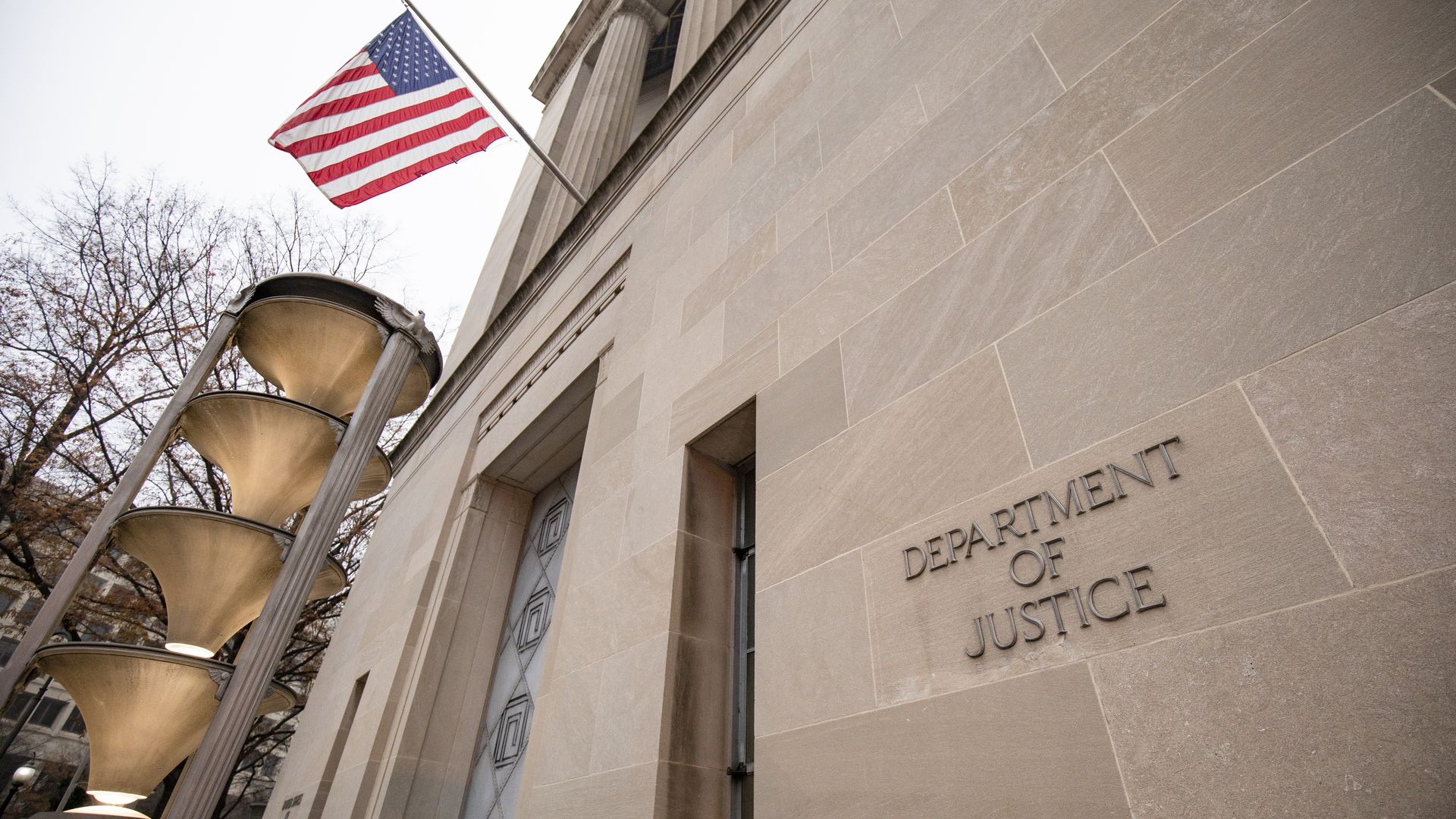
Three former U.S. intelligence officers agreed to pay nearly $1.7 million in penalties over three years after admitting to violating U.S. hacking and export laws while employed by the United Arab Emirates, the Department of Justice announced Tuesday.
Why it matters: The men confessed to supplying the UAE government with advanced offensive cyber technology that could be used to illegally gain access to computers, including mobile phones, around the world.
Twelve former top U.S. national security officials are urging Congress to hit pause on a package of antitrust bills in order to consider how breaking up tech companies could harm the U.S. in its competition with China, according to a letter obtained by Axios.
The big picture: Former Defense Secretary Leon Panetta and former Director of National Intelligence Dan Coats are among those arguing that imposing severe restrictions solely on U.S. giants will pave the way for a tech landscape dominated by China — echoing a position voiced by the Big Tech companies themselves.
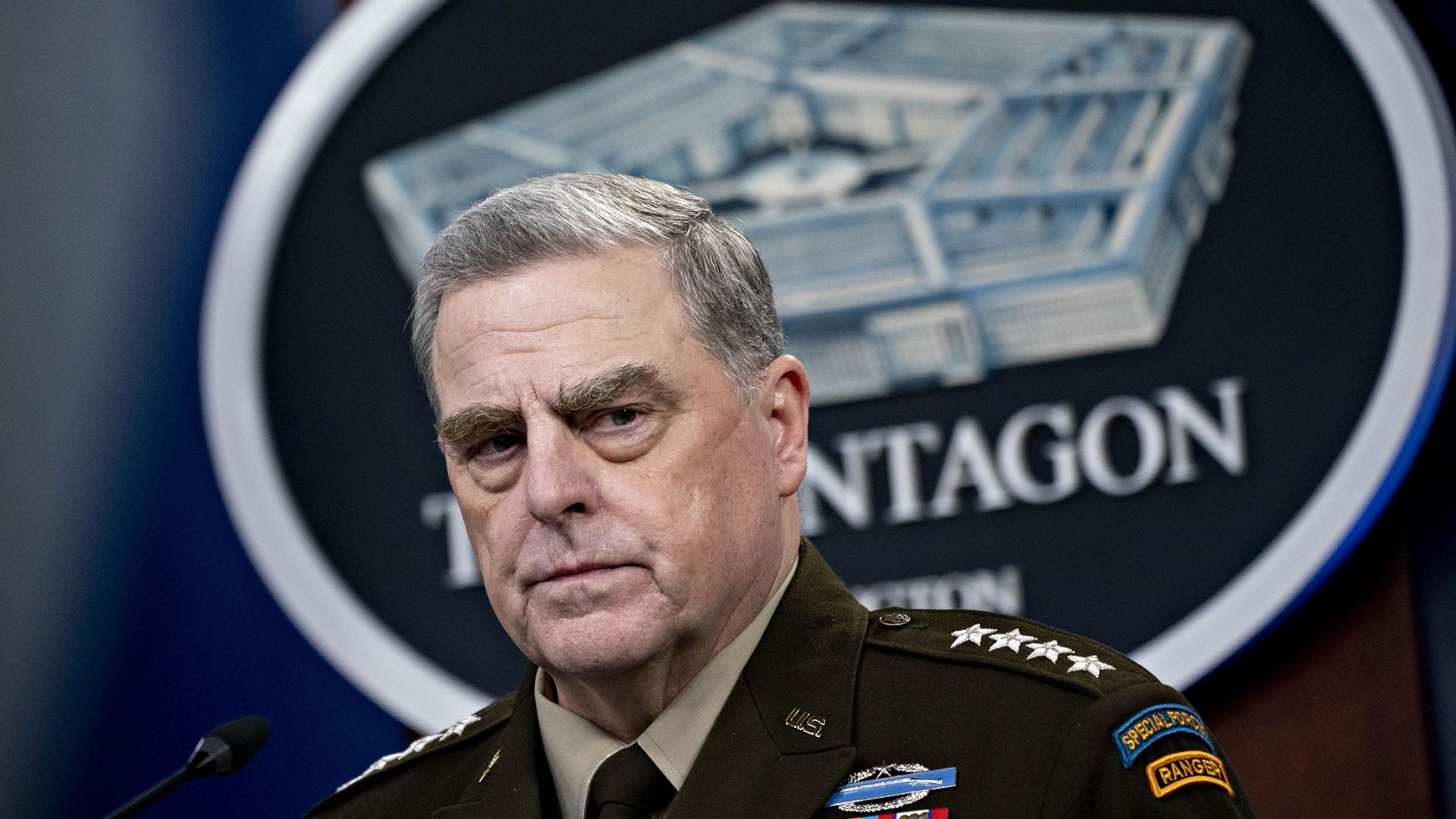
When Joint Chiefs Chairman Mark Milleygoes before Congress on Sept. 28, he may face some of the most hostile questioning of any modern four-star general.
Driving the news: Newly released excerpts from "Peril" by Bob Woodward and Robert Costa — detailing secret moves by the nation's highest-ranking military officers to manage national security risks that he perceived Donald Trump posed in the final days of his presidency — are driving questions about whether Milley went too far.
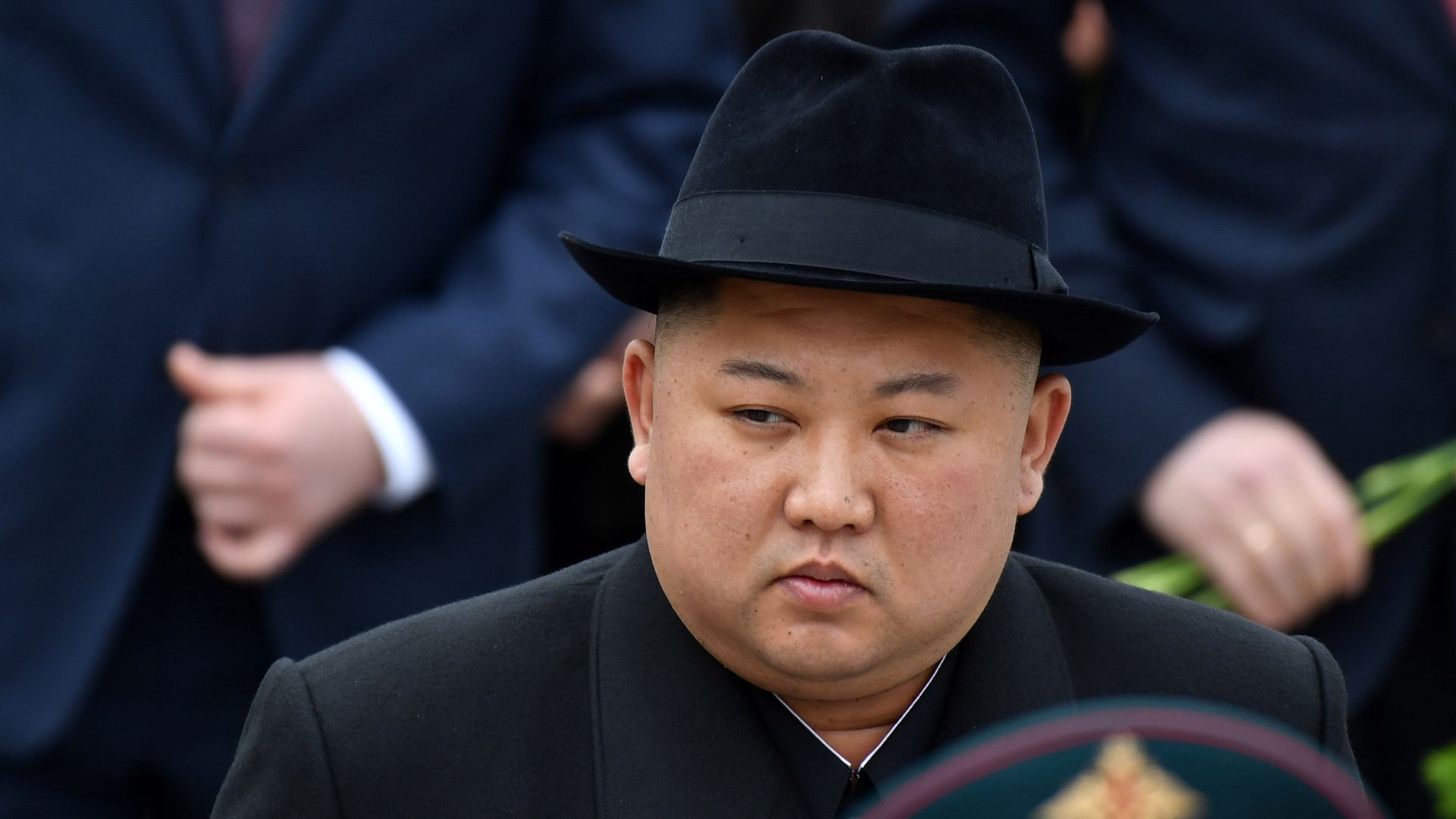
North Korea fired "two ballistic missiles" into the sea from off its east coast on Wednesday, South Korea's military said, per Yonhap news agency.
Why it matters: The launch further escalates tensions in the region, two days after Pyongyang claimed to have fired new long-range cruise missiles that it described as "a strategic weapon of great significance."
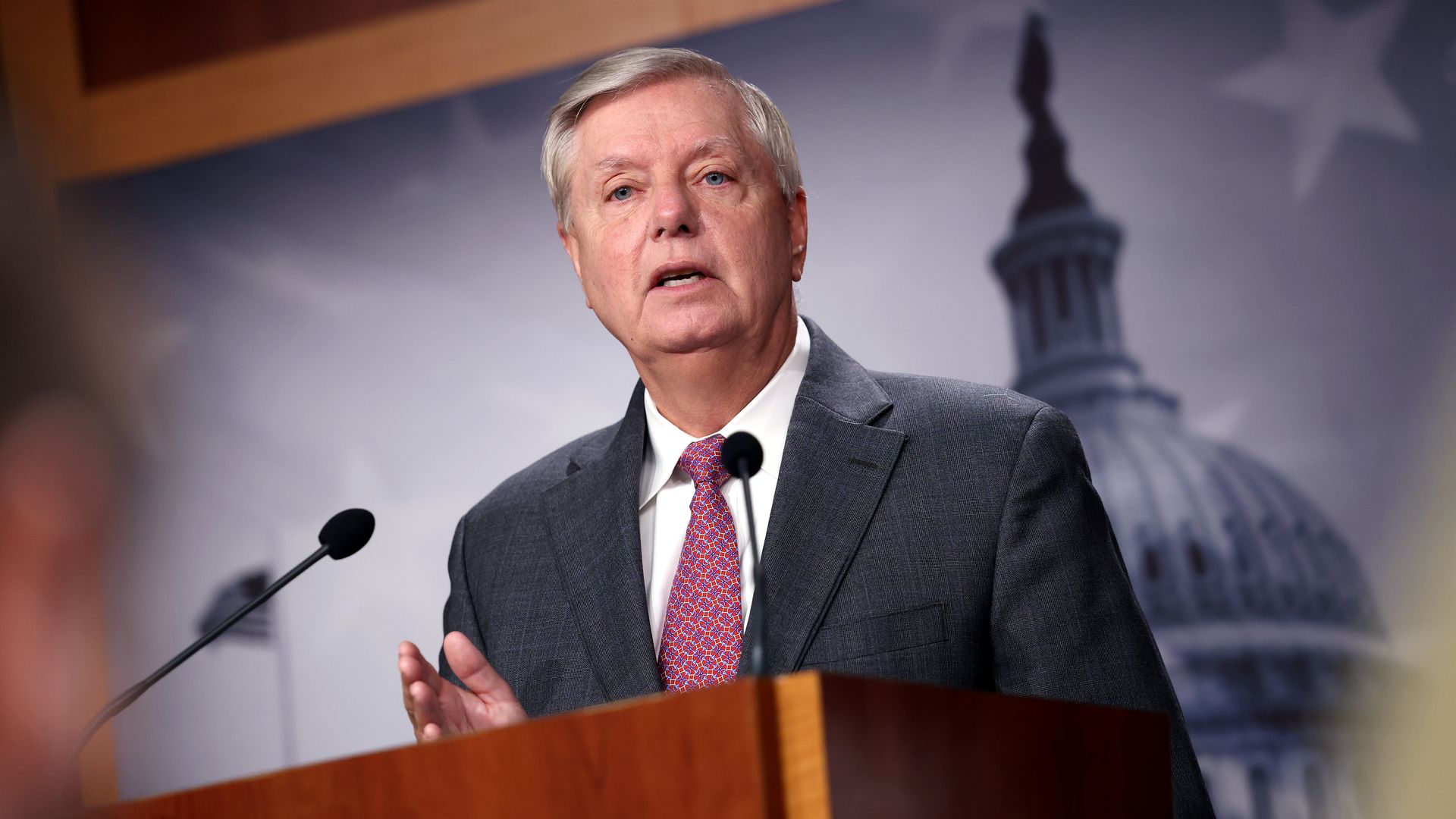
Sen. Lindsey Graham (R-S.C.) and Rep. Mike Waltz (R-Fla.) introduced resolutions Tuesday calling on Secretary of State Antony Blinken to designate the Taliban as a terrorist organization and freeze all Afghanistan government assets held in the U.S.
Why it matters: Then-President George W. Bush signed an executive order in 2002 listing the Taliban as a "Specially Designated Global Terrorist Entity." But the group doesn't appear on the State Department's list of Foreign Terrorist Organizations (FTO).
The Biden administration plans to unveil a private refugee sponsorship program next year, allowing private organizations and groups to financially support refugees — including Afghans.
Why it matters: U.S. companies and individuals have already expressed an eagerness to donate, volunteer and help rescue vulnerable Afghans. The administration's new plan will build on that, creating a whole new way for Americans to help address a burgeoning refugee crisis, Axios has learned.