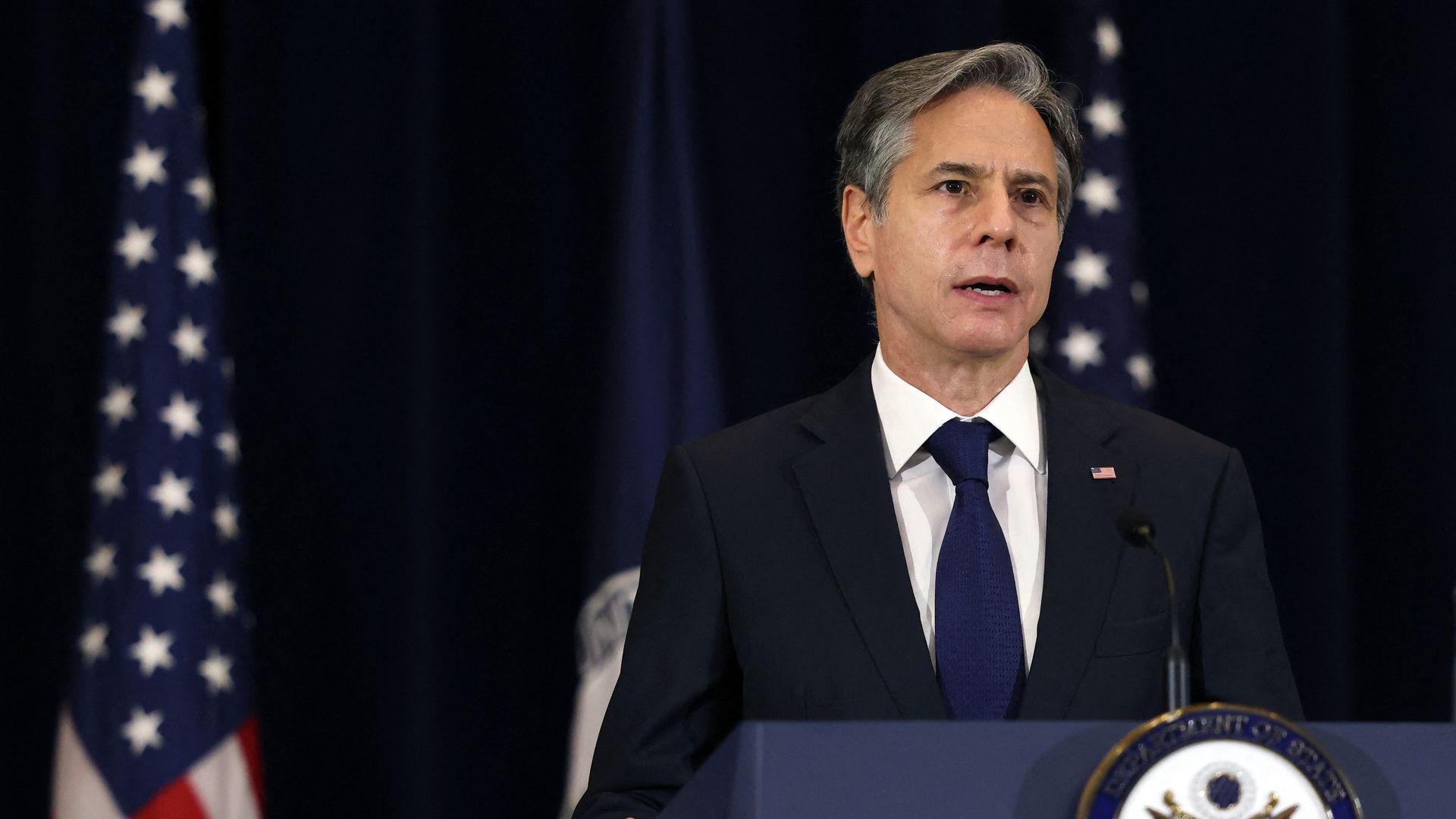
Secretary of State Antony Blinken delivered an unwavering defense of the Biden administration's withdrawal from Afghanistan on Monday, insisting it was "time to end America's longest war" and praising the evacuation from Kabul as "extraordinary."
Why it matters: Blinken, who is appearing Monday before the House Foreign Affairs Committee and Tuesday before Senate Foreign Relations, is the first senior Biden official to testify on Afghanistan in the wake of the chaotic withdrawal. Tempers flared in the first session, with House Republicans accusing Blinken of lying and demanding his resignation.
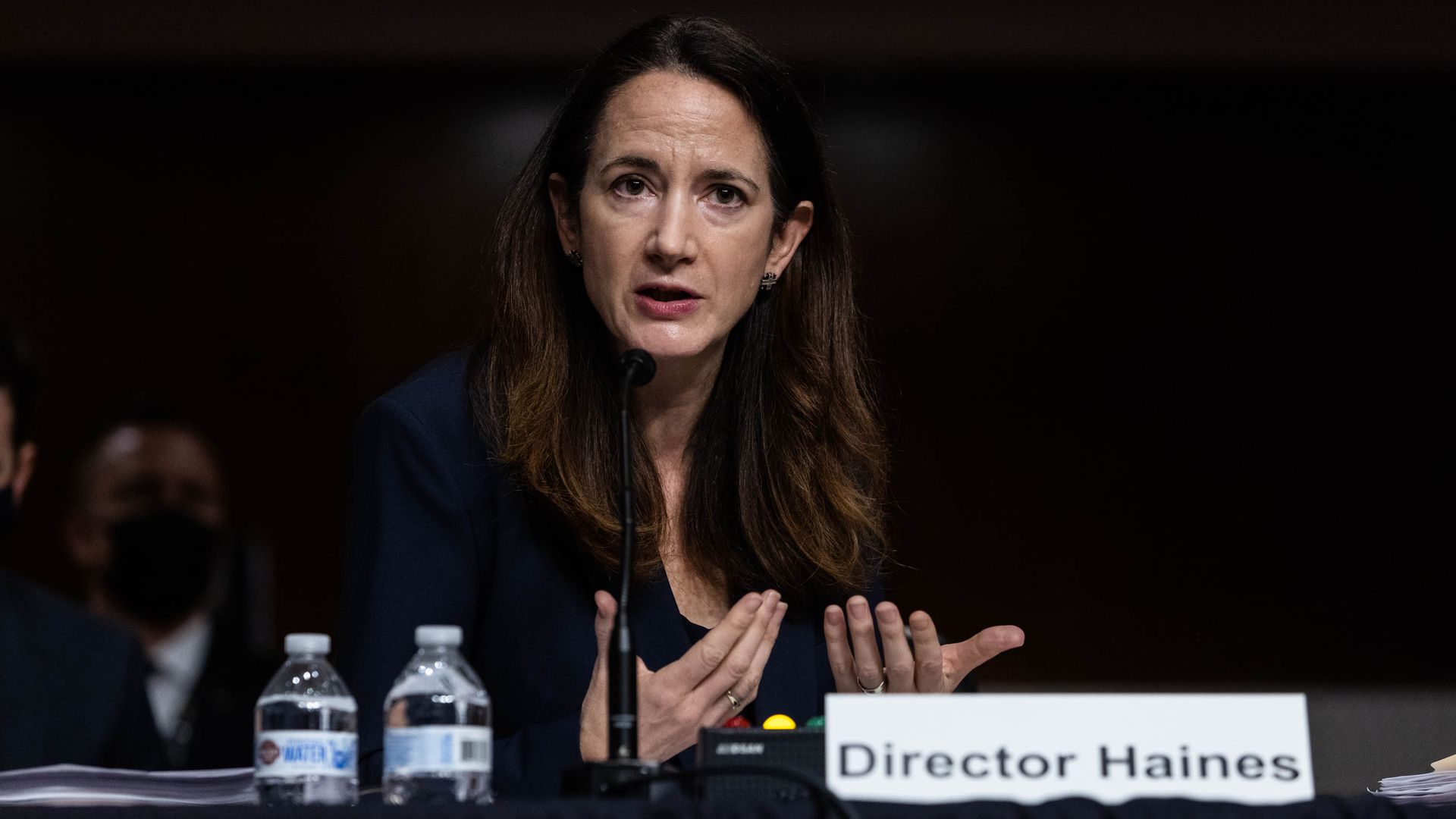
Director of National Intelligence Avril Haines said Monday that terrorist groups operating in Yemen, Somalia, Syria and Iraq currently pose a greater threat to the U.S. homeland than those in Afghanistan.
Why it matters: The Taliban's takeover of Afghanistan has prompted new warnings from military and intelligence officials about the possibility that al-Qaeda will reconstitute.
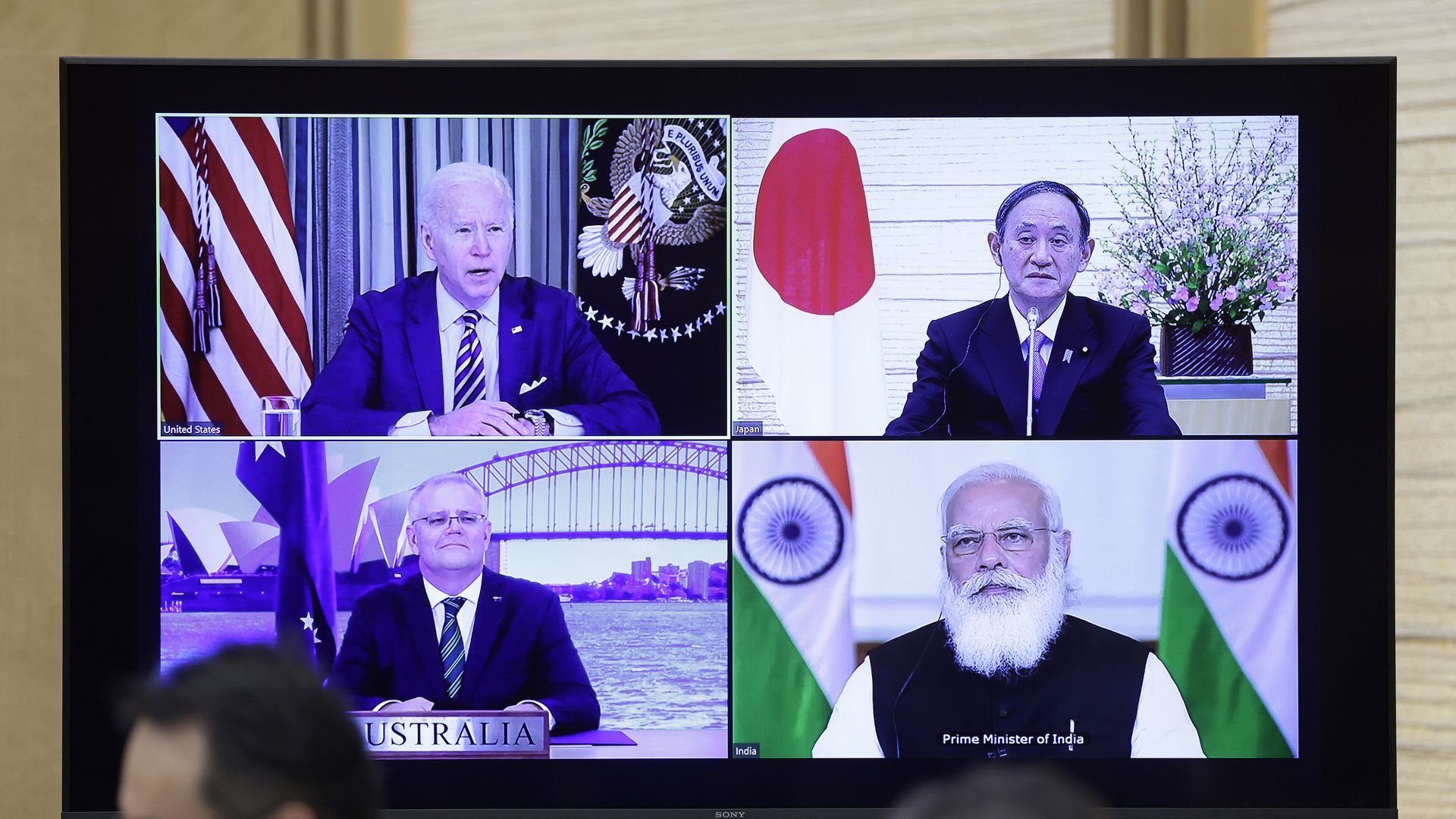
President Biden will host the leaders of Australia, India and Japan at the White House on Sept. 24 — the first time the leaders of the "Quad" countries will gather for an in-person summit.
Why it matters: Elevating the Quad is a key aspect of Biden's strategy for competing with China. All four countries have butted heads with Beijing in recent years, making them increasingly willing to cooperate in a forum that Beijing rejects as an anti-China bloc.
Israeli Prime Minister Naftali Bennett became the first Israeli prime minister in 11 years to pay an official visit to an Egyptian president on Monday, meeting Abdel Fattah al-Sisi in the coastal resort city of Sharm el-Sheikh.
Why it matters: This was an effort by Sisi to establish good relations with the new Israeli government, and the Egyptians made every effort to give Bennett an unusually warm and public welcome.
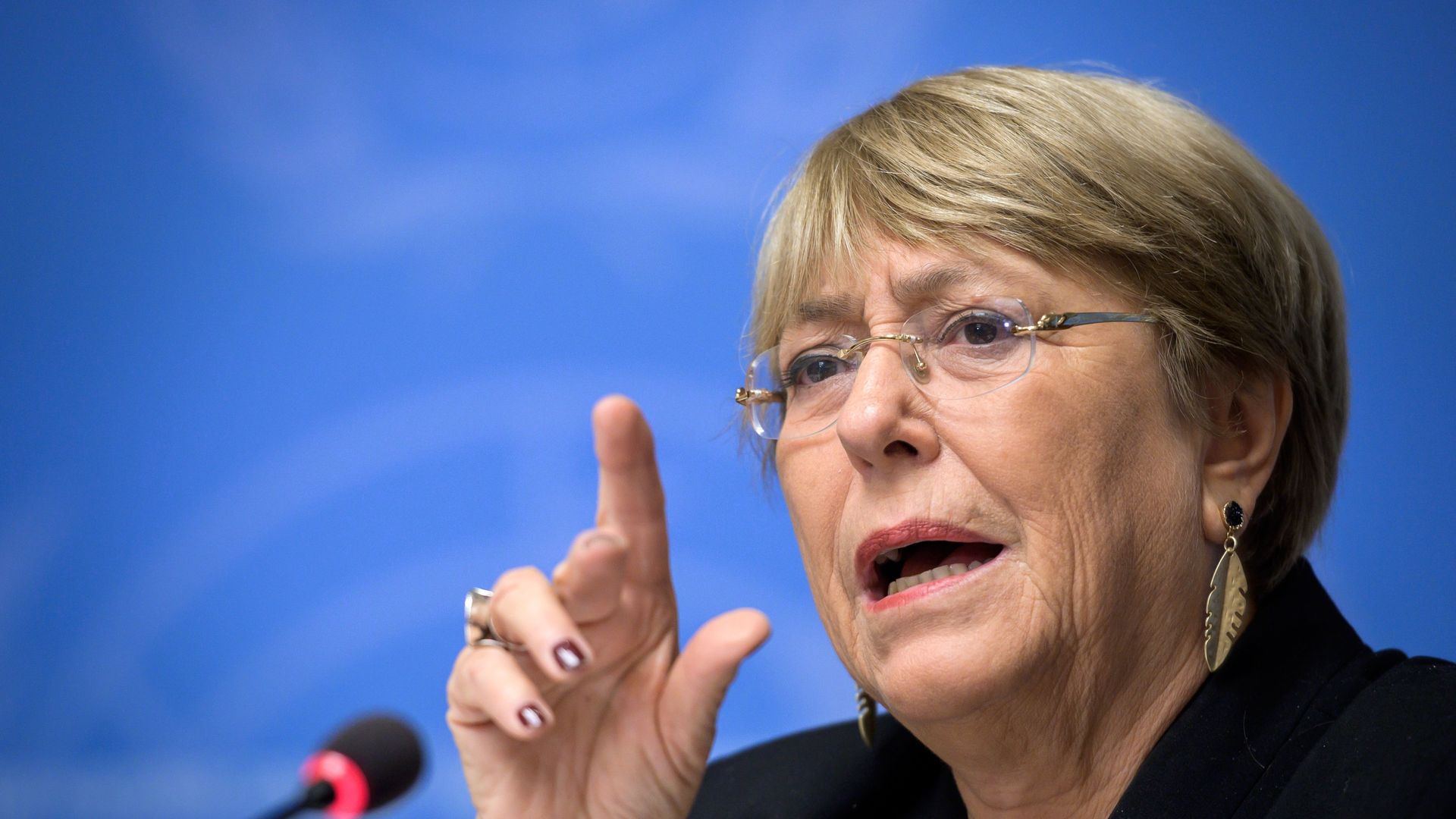
A top United Nations official said Monday that the Taliban's rule in Afghanistan has entered a "new and perilous phase" and condemned the group for breaking public promises on human rights, AP reports.
What's happening: The comments, made by UN High Commissioner for Human Rights Michelle Bachelet, come as the UN hosts a meeting with donors looking to raise funds for Afghans in need, with millions facing severe hunger following the Taliban's takeover.
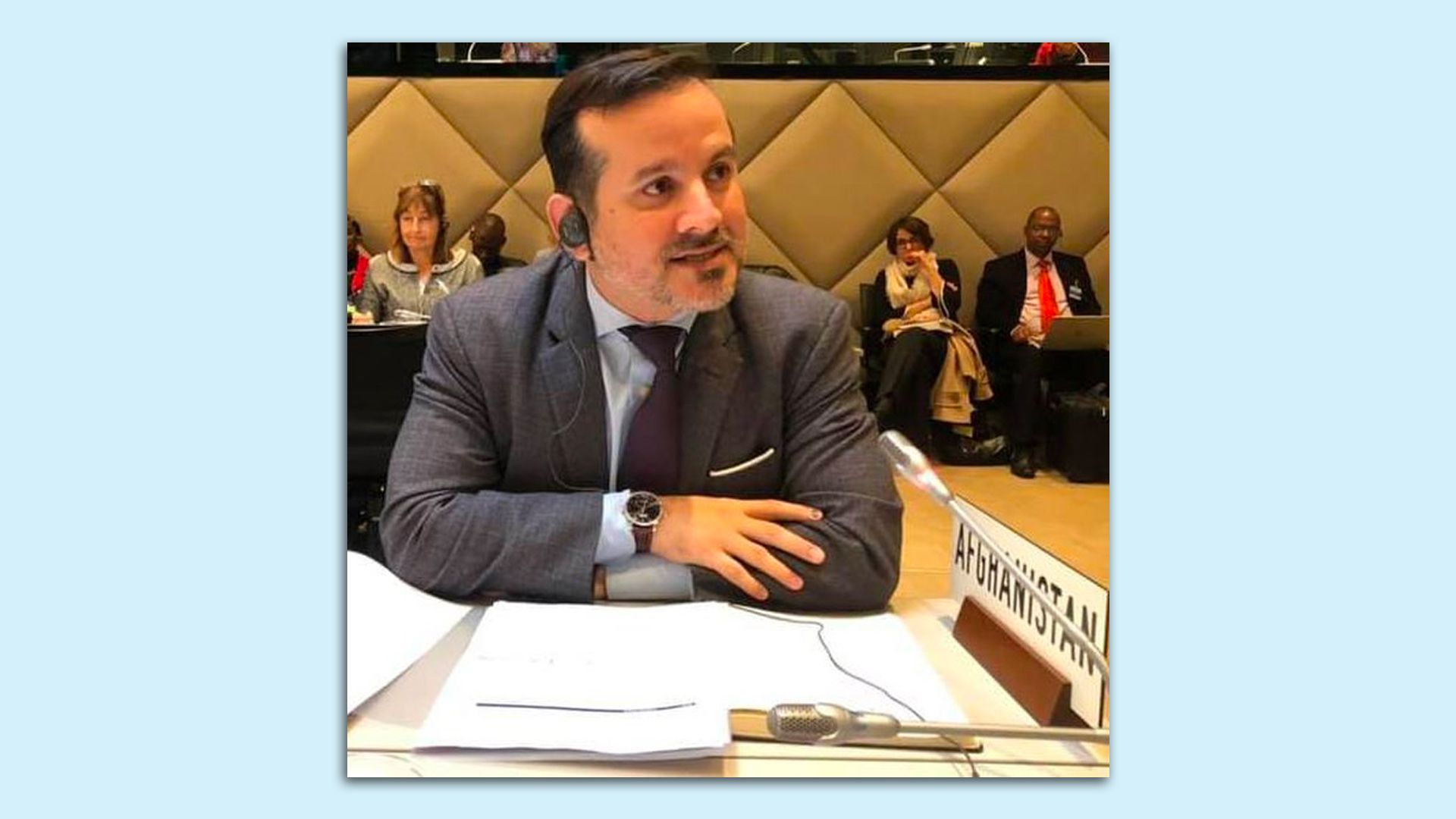
Afghanistan's former central bank governor, Ajmal Ahmady, had a front-row seat to the country's recent economic development. So he knows as well as anyone the financial risks the new government — and the people of Afghanistan — now face.
Driving the news: In a talk with the Atlantic Council on Friday, Ahmady shared his inside perspective on the Afghan financial system and concerns for the future of the economy. Front and center: the lack of hard currency.
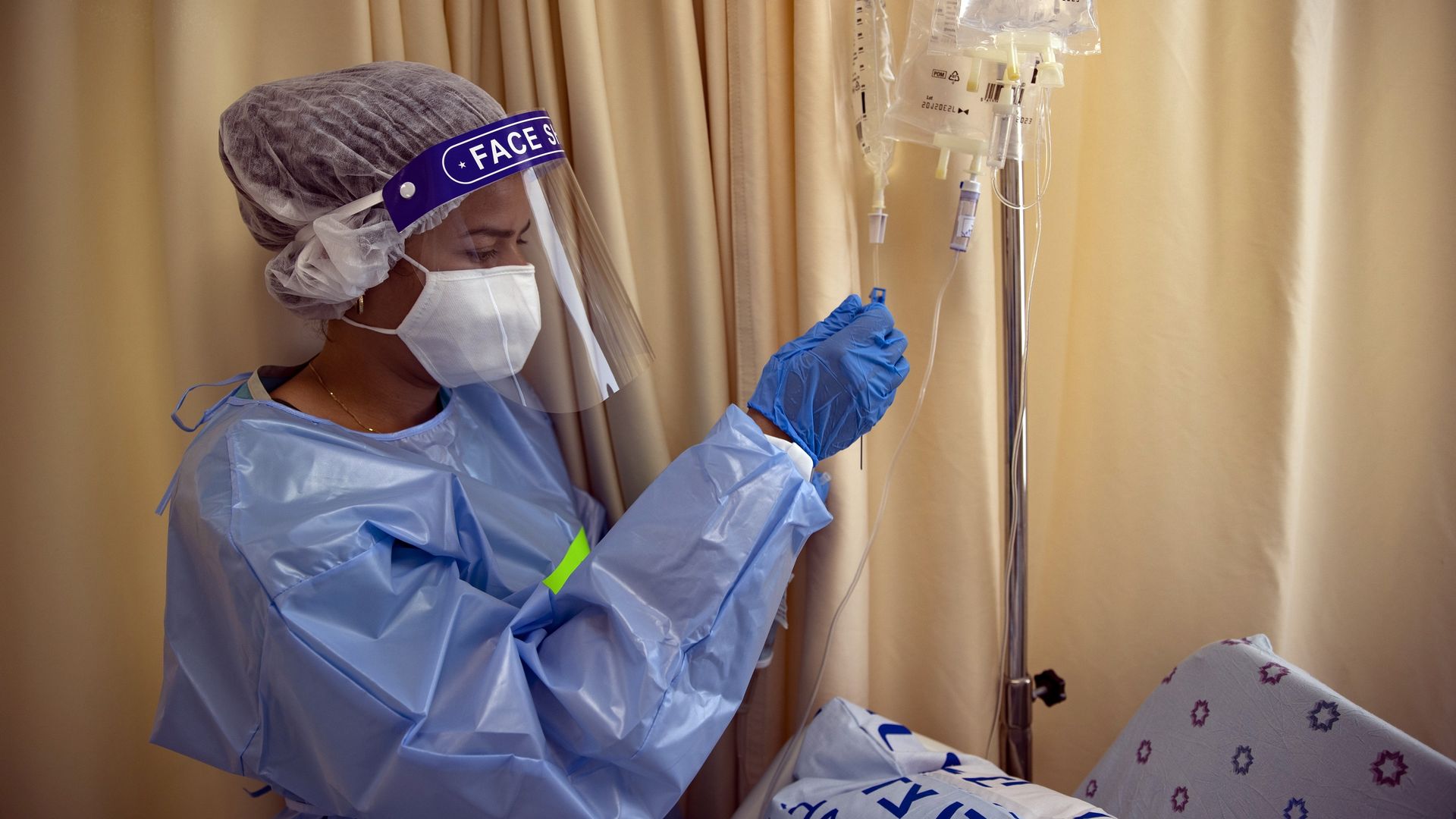
Israel is moving to ensure that it will have enough coronavirus vaccines for a potential second round of booster shots, which would be a fourth dose, Israel's Health Ministry director general Nachman Ash said Sunday, according to Bloomberg.
Why it matters: Booster shots have so far been strongly opposed by the World Health Organization, which believes that the doses would be better used to inoculate people in poorer countries that currently lack access to large quantities of COVID-19 vaccines.
The global COVID-19 vaccination campaign began nine months ago, and 58% of the world's population has yet to receive at least one dose.
The big picture: Raw material shortages, complex and costly manufacturing, and vaccine makers' choices have made it clear the U.S. and its drug companies likely won't get the poor, unvaccinated parts of the world out of the pandemic — but China might.
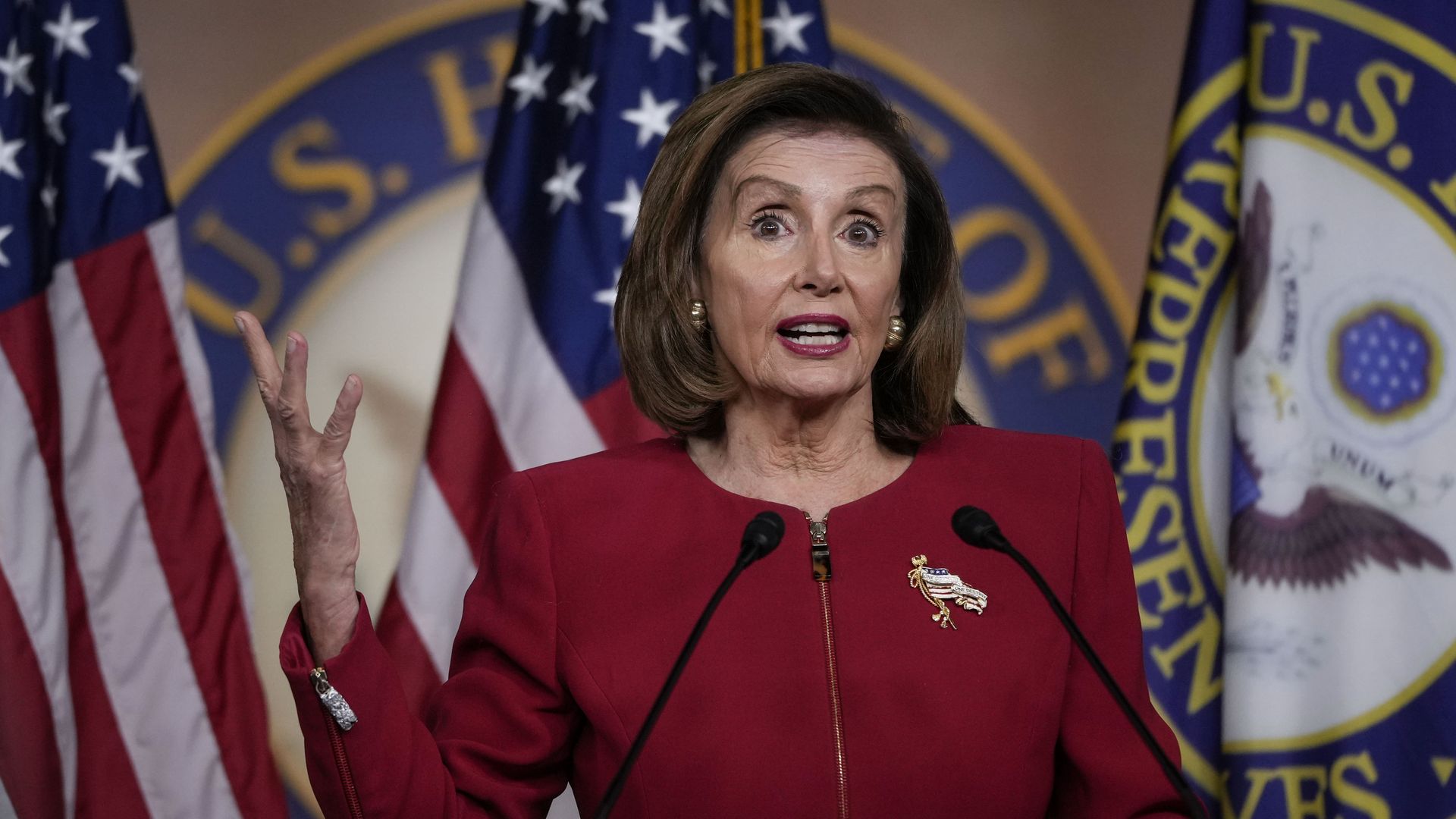
House Speaker Nancy Pelosi (D-Calif.) said Sunday she's "deeply concerned" over allegations that an aid worker in Saudi Arabia has been tortured while in detention.
Driving the news: Pelosi's call comes ahead of an appeal hearing in Red Crescent Society worker Abdulrahman al-Sadhan's criminal case, due to be held Monday.
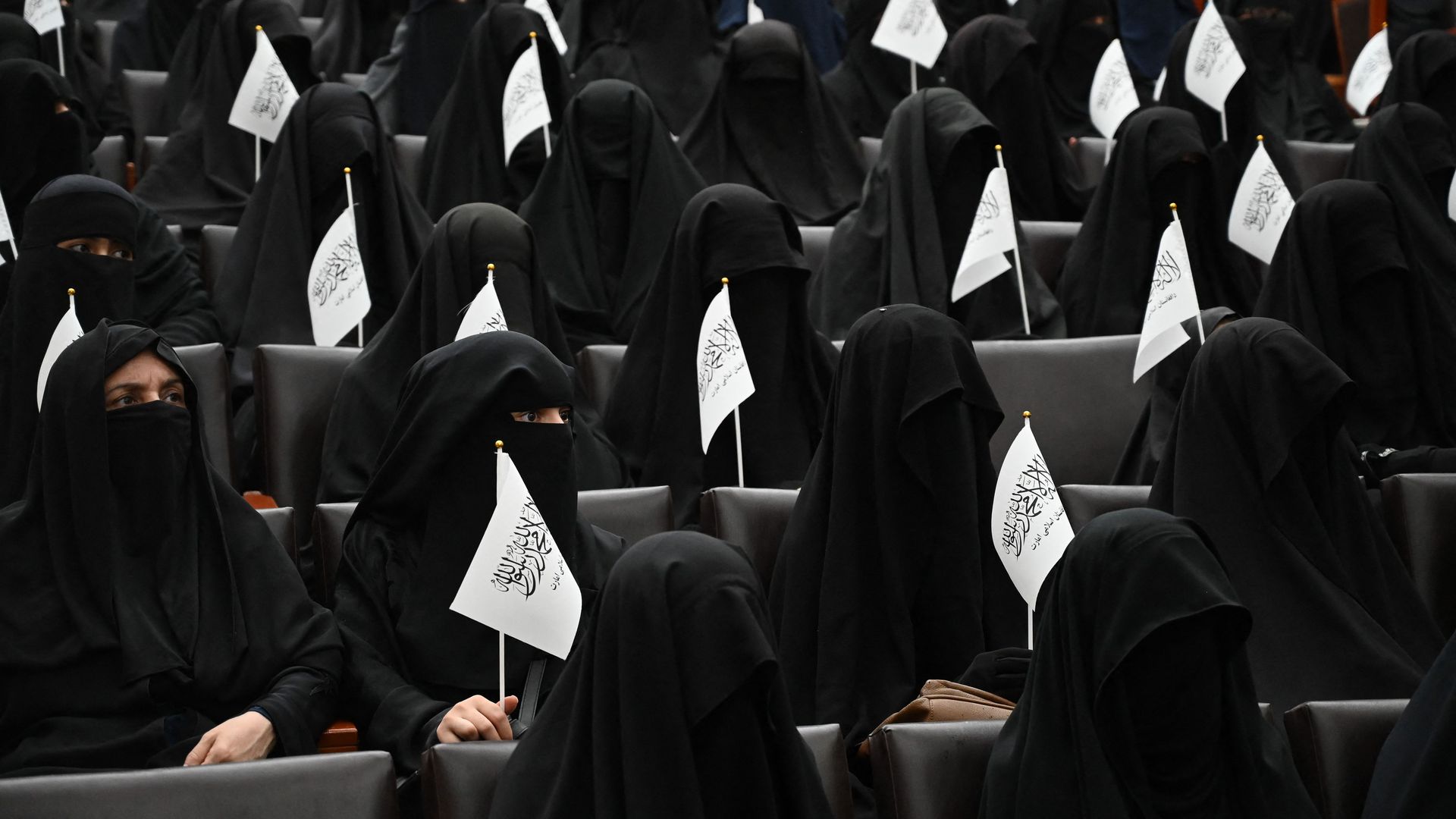
Female students in Afghanistan can continue with their university studies, but classes must now be segregated and head coverings are mandatory, the Taliban announced Sunday.
Why it matters: Afghan women and girls have expressed fears they could lose hard-won rights to education, employment and other freedoms, and see a return to the oppressive rule they experienced from 1996-2001, when the Taliban last ruled.
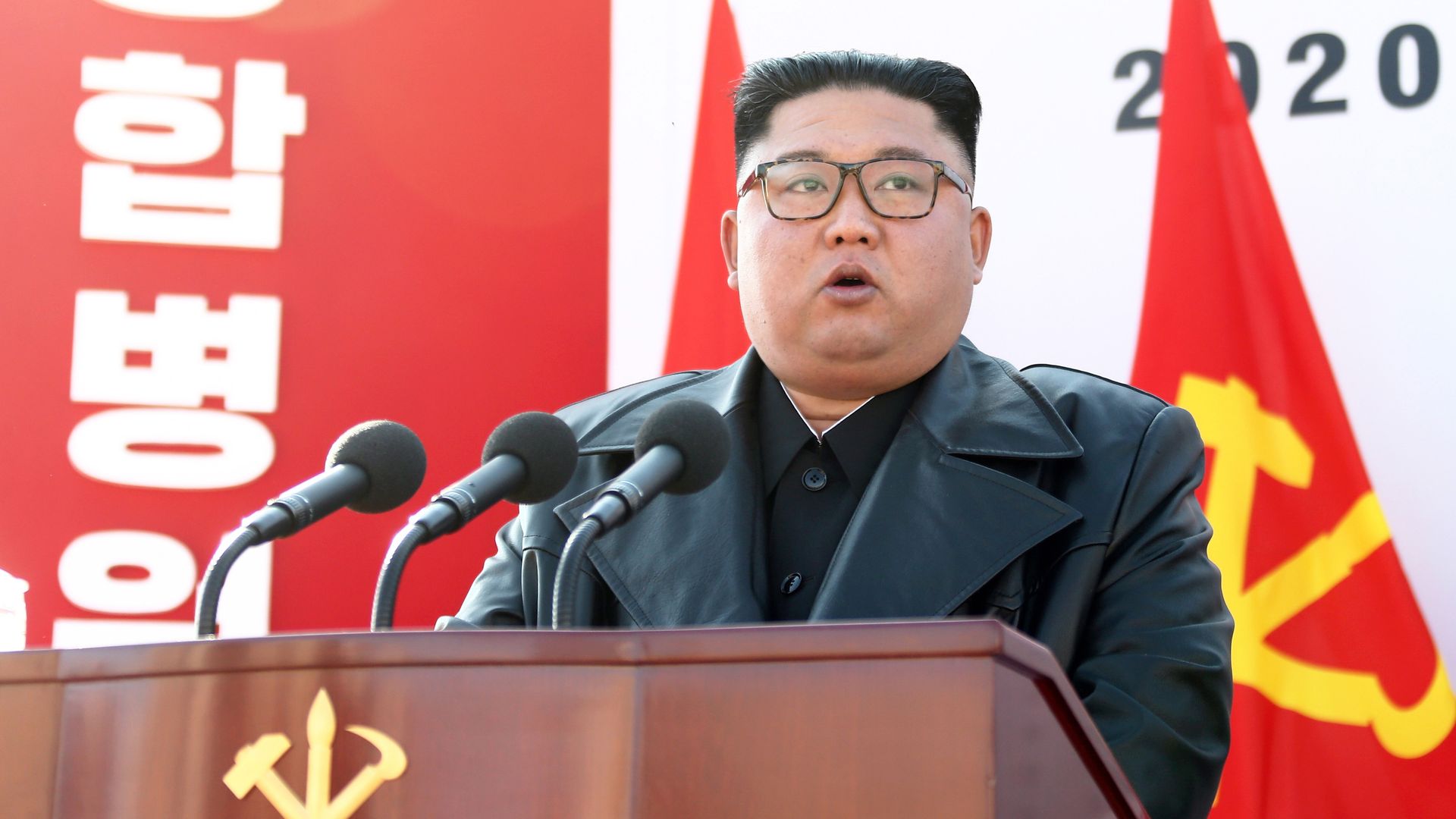
North Korean officials claim to have successfully test-fired new long-range cruise missiles over the weekend.
Why it matters: The new claims made via the state-run KCNA news agency are that it now has "a strategic weapon of great significance" that traveled some 930 miles to hit targets and then land in the sea on Saturday and Sunday.
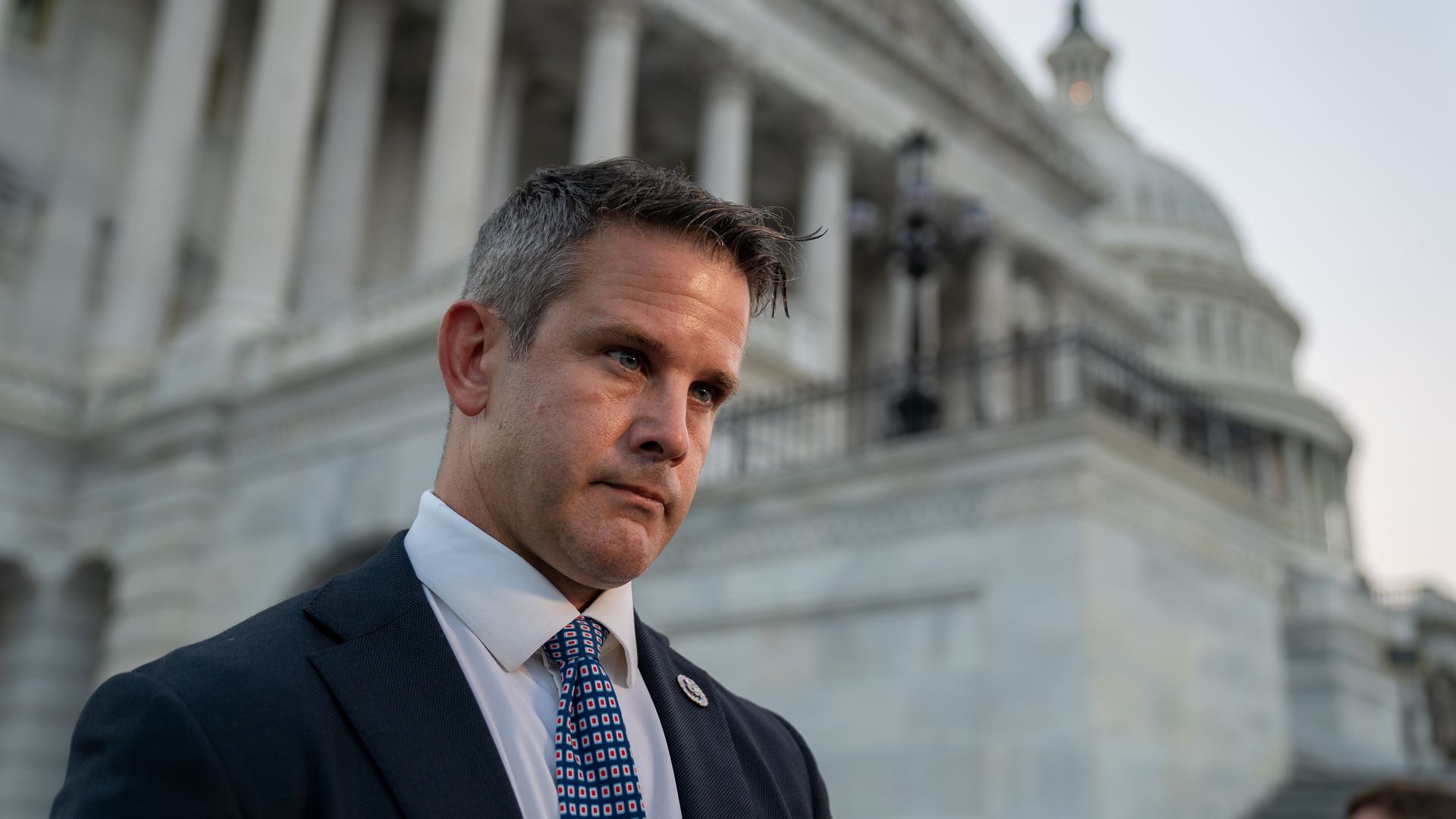
Rep. Adam Kinzinger (R-Ill.) told CBS News on Sunday "a lot of people bear blame" for the chaotic U.S. troop withdrawal from Afghanistan, "and the secretary of State is one of these."
Why it matters: Secretary of State Antony Blinken is due to testify before Congress this week, including the House Foreign Affairs Committee, on which Kinzinger serves.