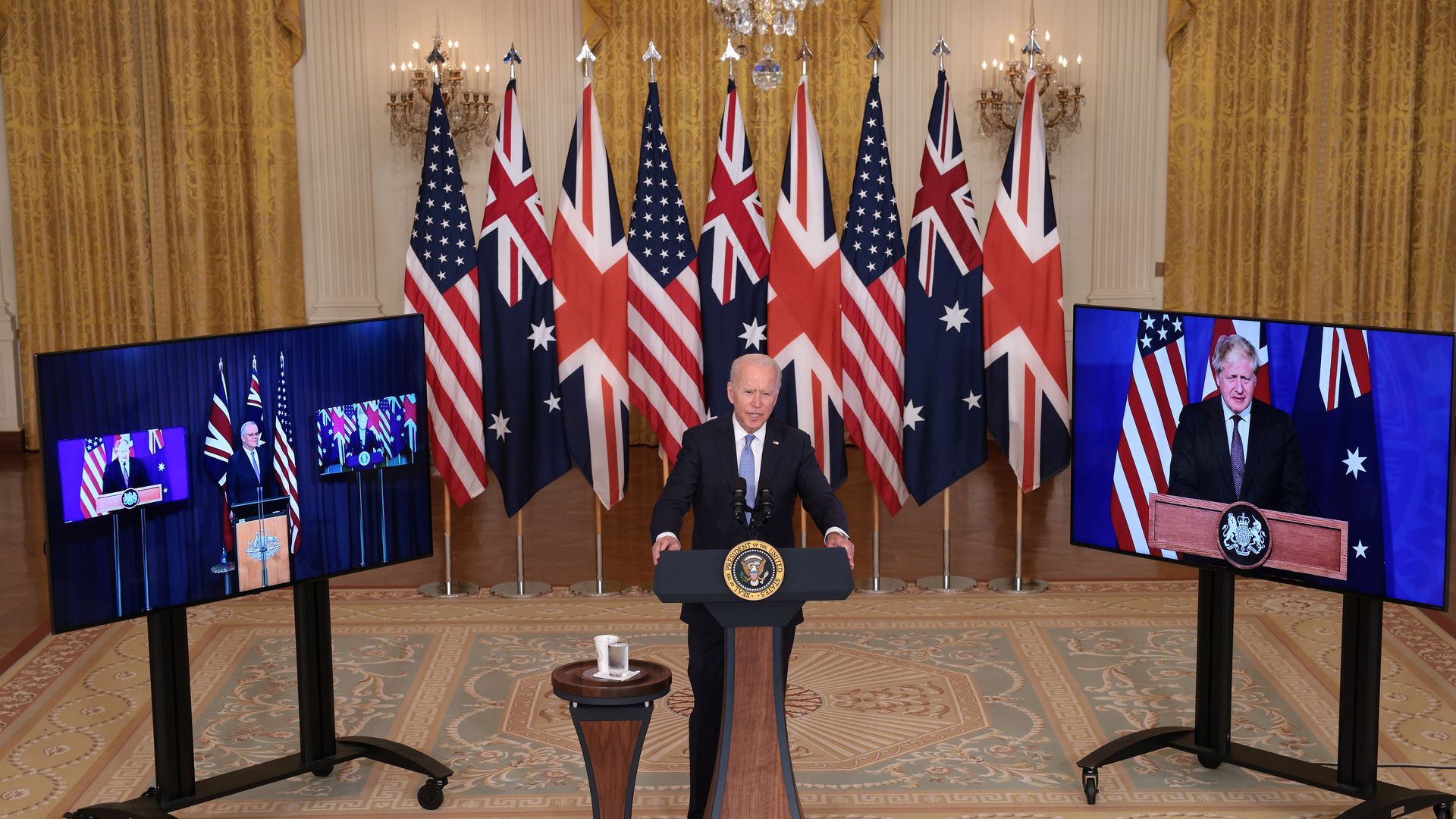
President Biden is constructing and deepening new alliances to strengthen the U.S. position in its showdown with China, but he risks alienating longstanding allies in the process.
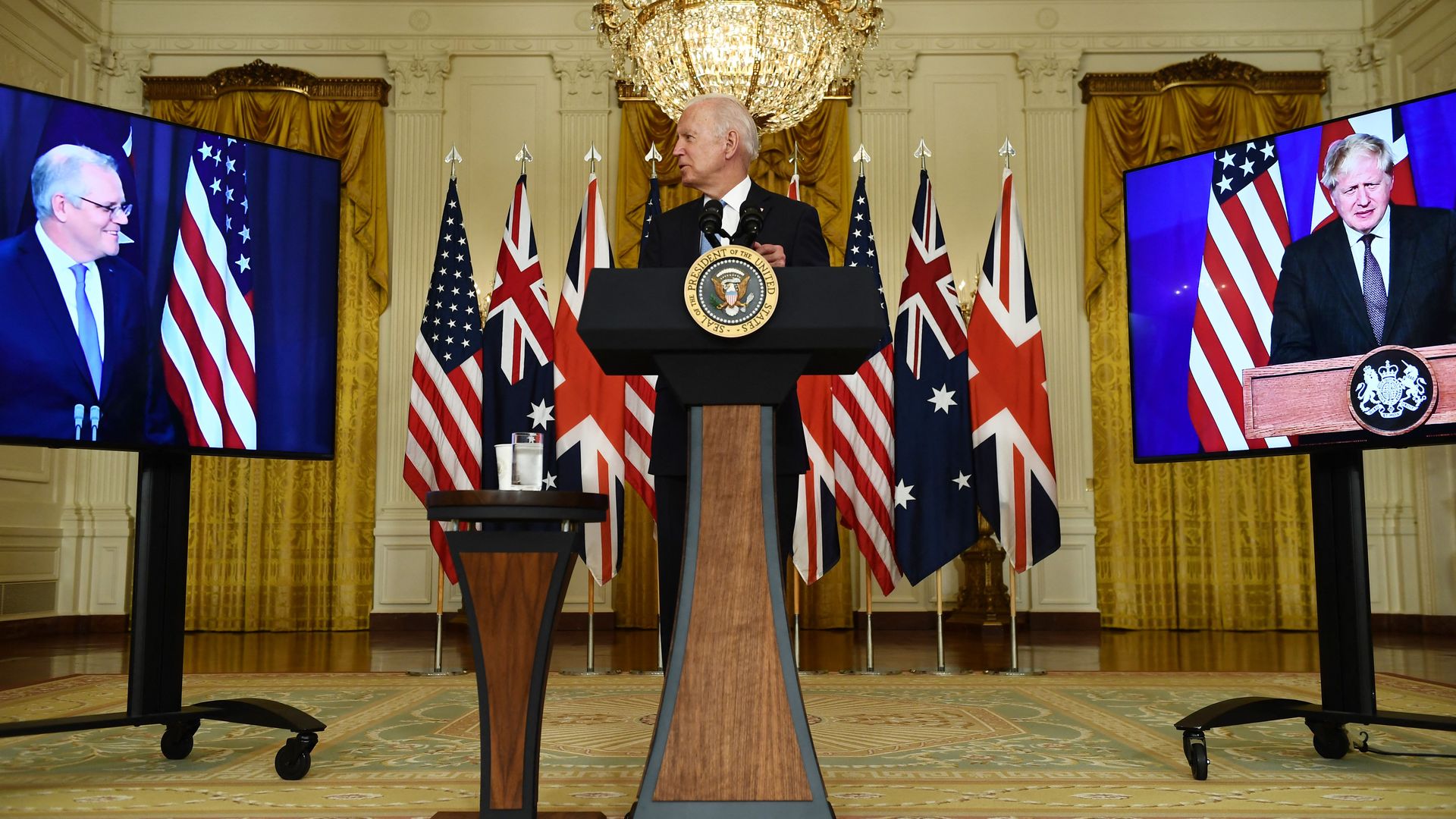
Why it matters: Biden heralded a new agreement to help Australia acquire nuclear submarines as part of a trilateral security pact with the U.K. and the U.S. as an "historic step" to update U.S. alliances to face new challenges. The message from French foreign minister, Jean-Yves Le Drian, was quite different.
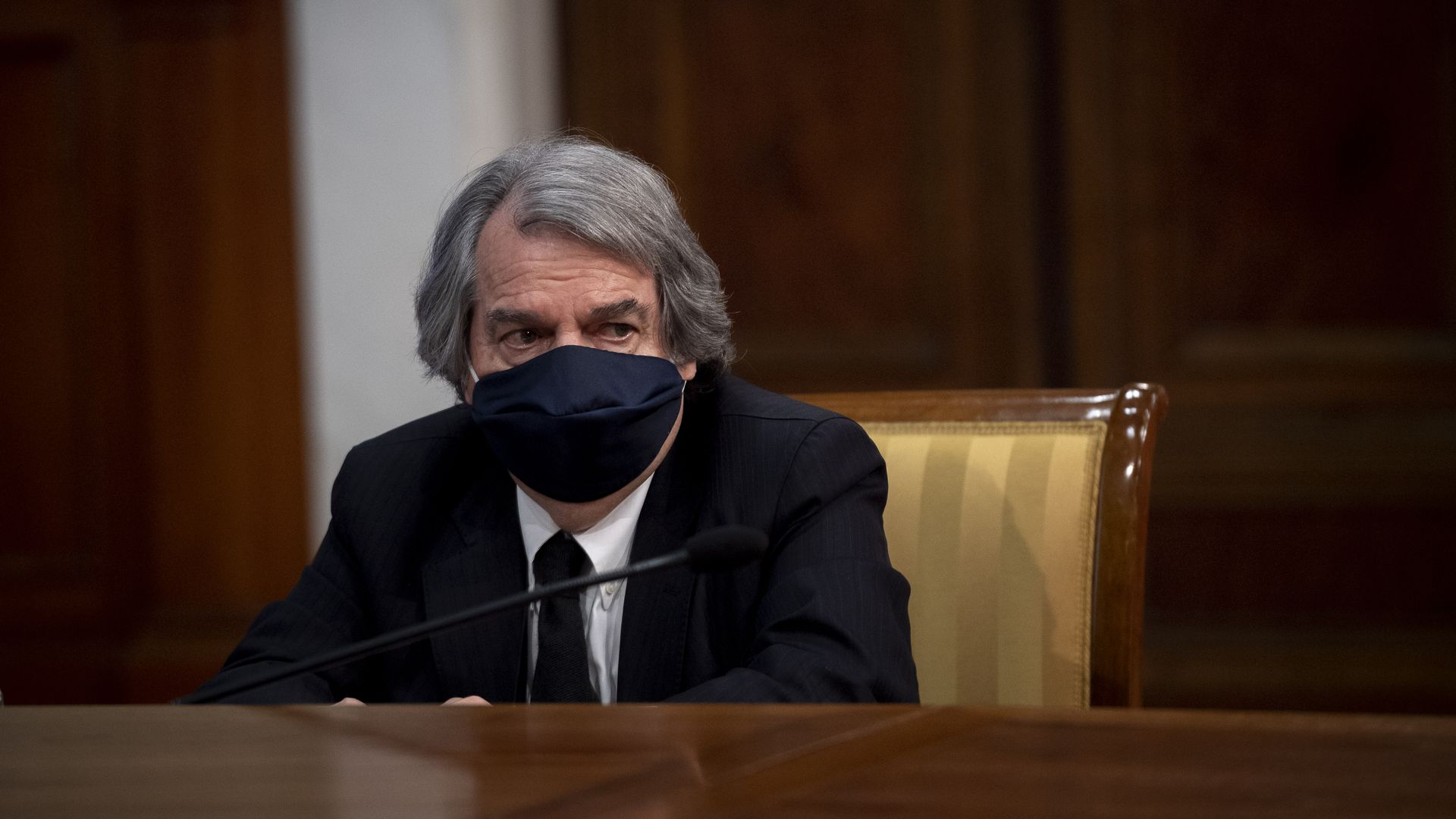
The Italian government mandated on Thursday that all workers must show proof of vaccination, a negative COVID-19 test or recent recovery from infection, Reuters reports.
Why it matters: Thursday's announcement is one of the strictest pandemic measures in the world and makes Italy the first country in Europe to introduce such a sweeping mandate, per Reuters.
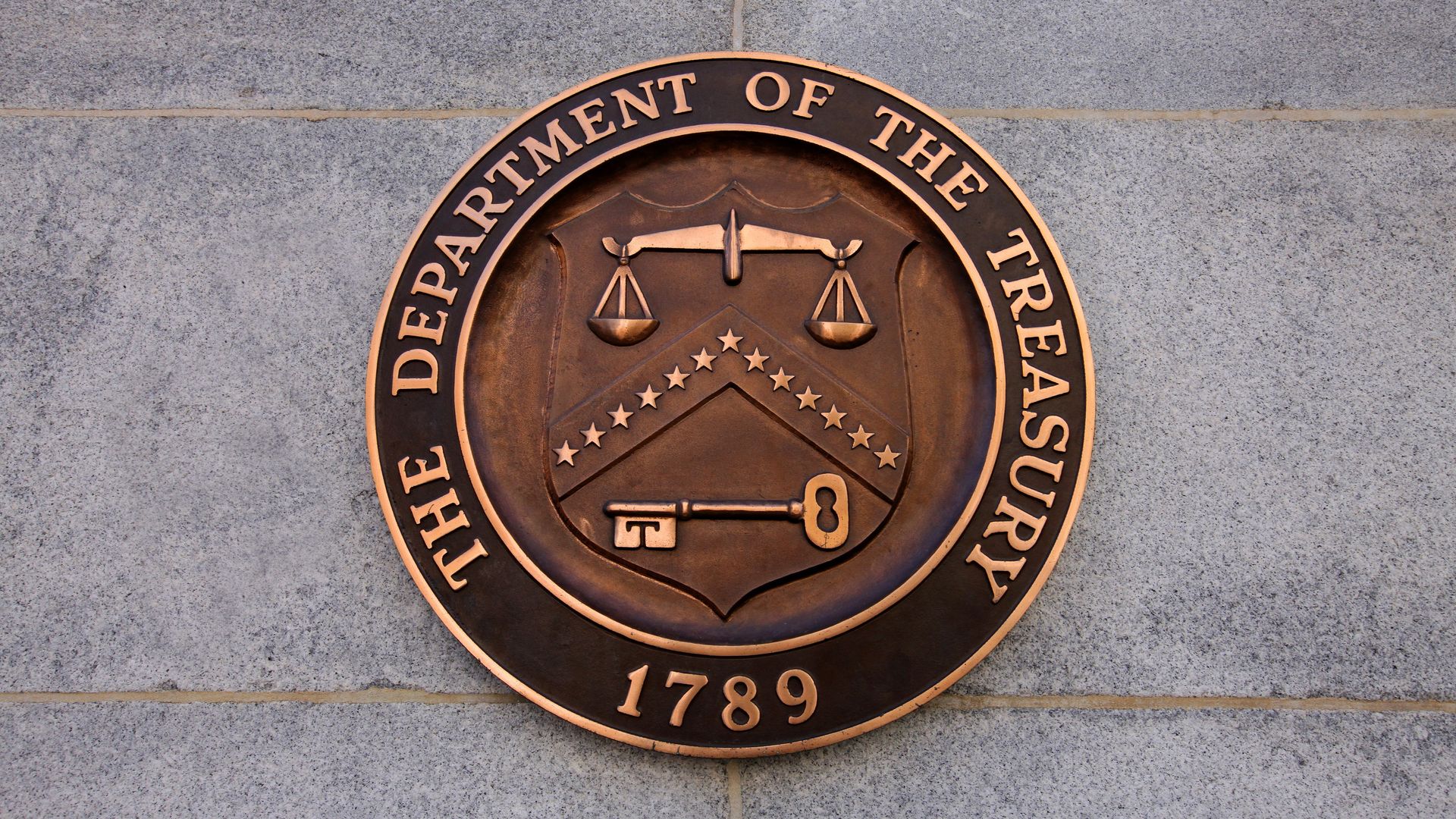
The Treasury Department announced new sanctions Thursday against five al-Qaeda operatives accused of providing financial and travel assistance to the organization.
The big picture: The men are accused of providing various forms of support to al-Qaeda while residing in Turkey.
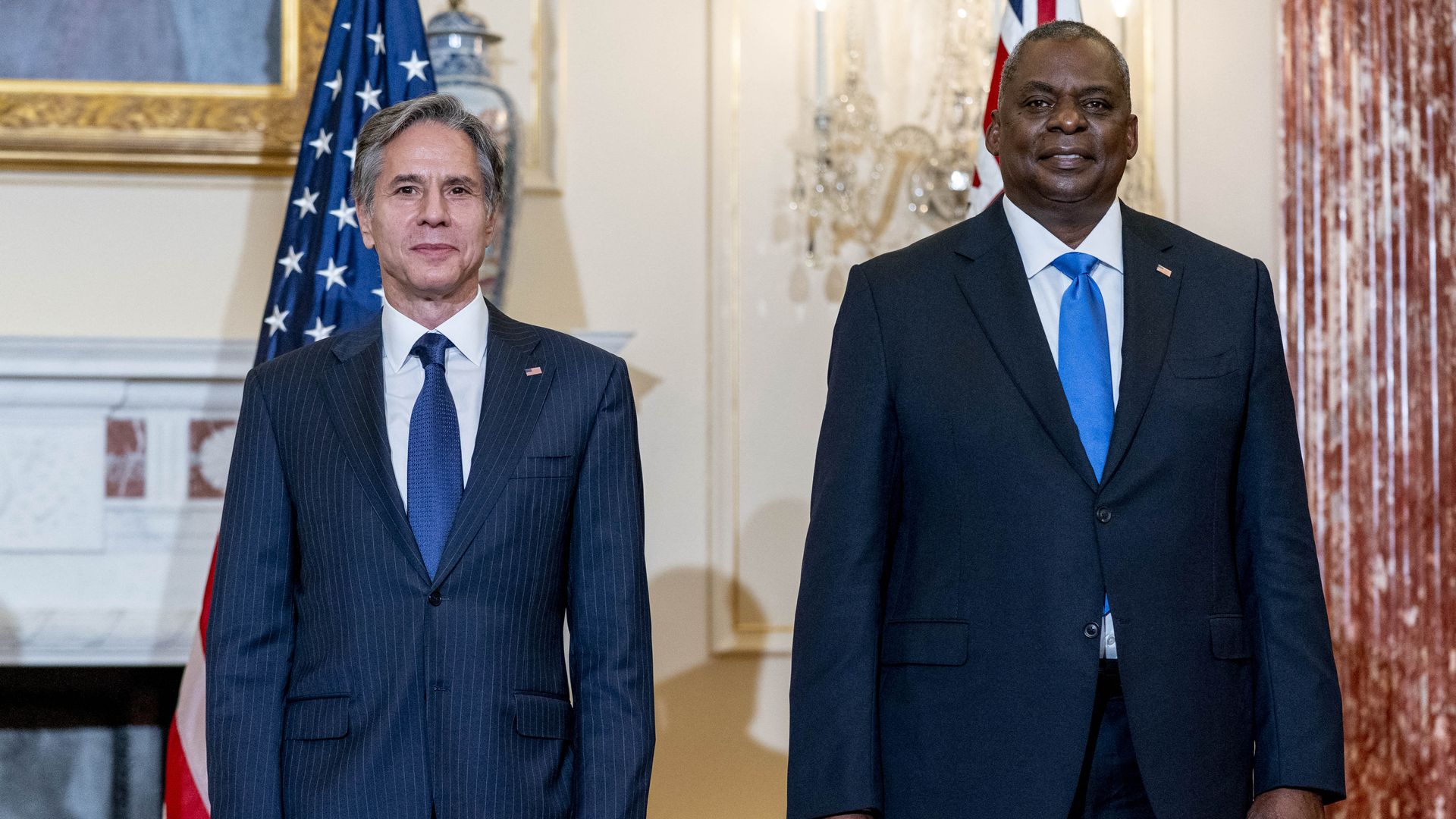
Secretary of State Antony Blinken and Defense Secretary Lloyd Austin condemned China's "aggressive" and "destabilizing" behavior at a press conference Thursday, as they inaugurated a major new trilateral security partnership with Australia and the U.K.
Why it matters: China was not explicitly mentioned in President Biden's announcement of the AUKUS alliance, through which the U.S. and the U.K. will help Australia acquire nuclear-powered submarines as part of a broader effort to ensure "peace and stability in the Indo-Pacific."
The house featuring a hot tub with a secret tunnel that El Chapo used to avoid capture is one of 22 properties seized from kingpins that Mexico raffled off yesterday in a special edition of the lotería.
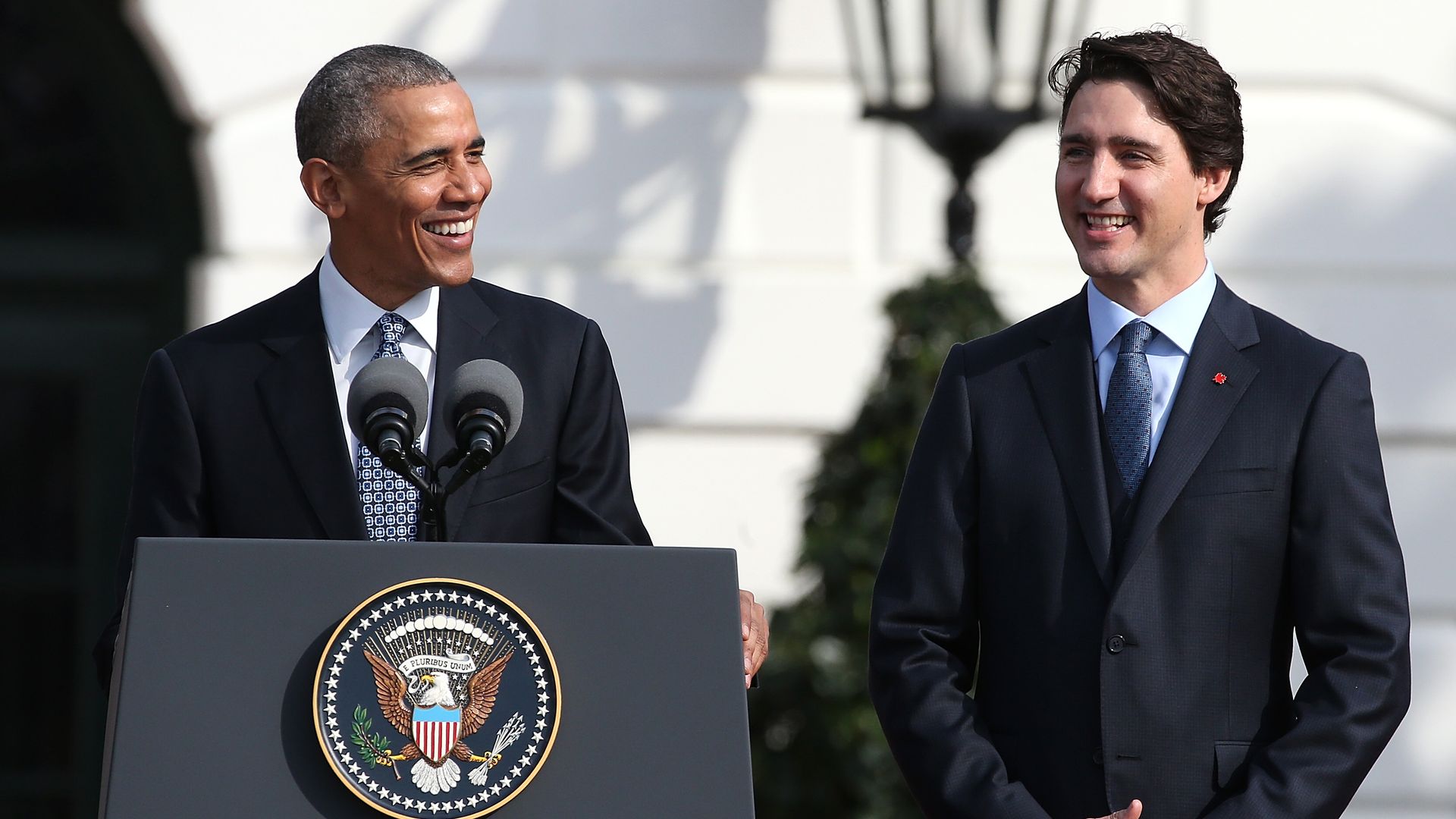
Former President Obama threw his support behind Canadian Prime Minister Justin Trudeau on Thursday, saying he's "an effective leader and strong voice for democratic values" just days before the country's closely contested snap election.
Driving the news: Trudeau officially called for an early national election in August in the hopes of securing a parliamentary majority to help push through his progressive agenda.
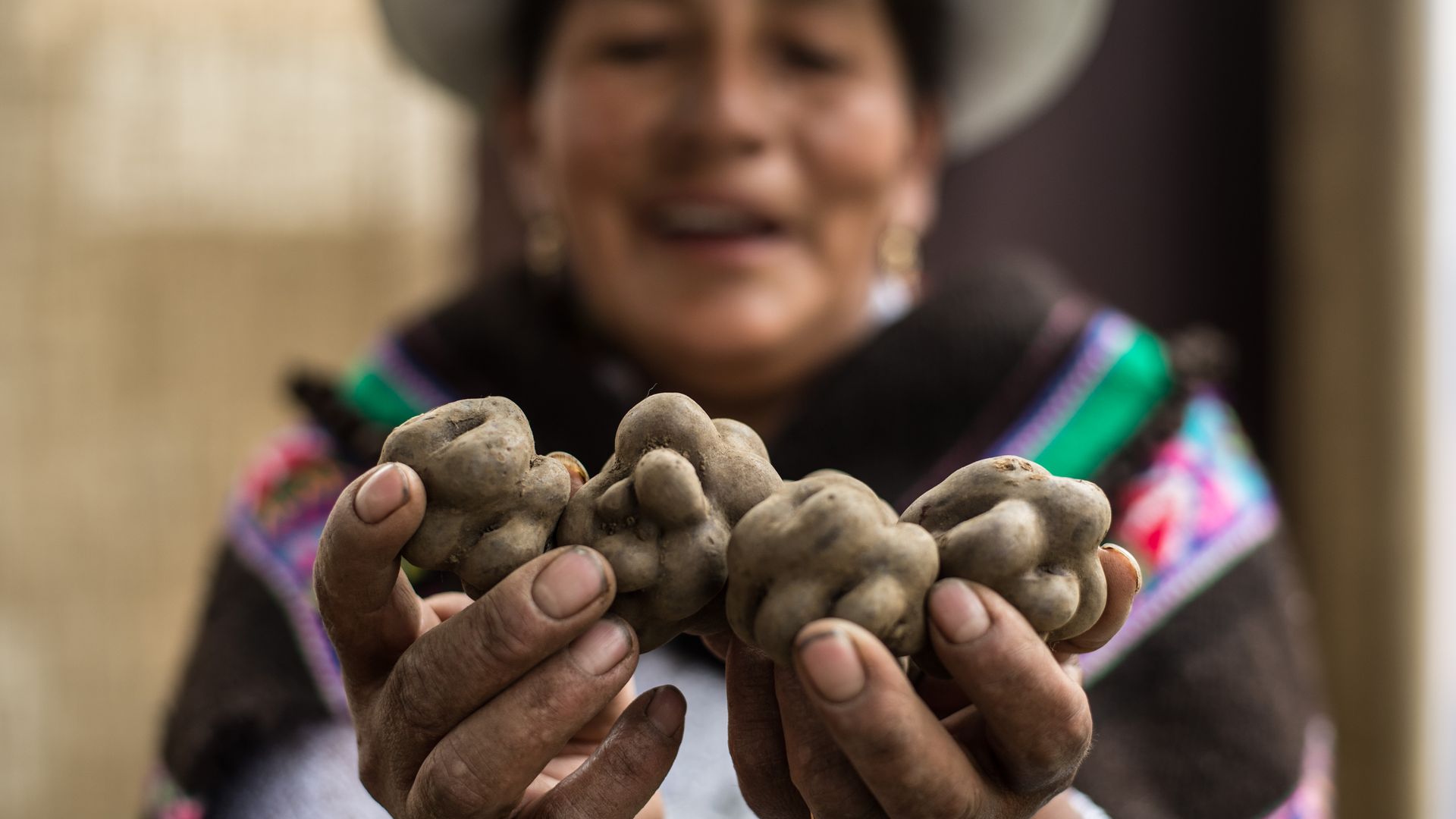
Potato, potahtoh. Tomato, tomahtoh. It’s a debate we owe to Peru, the third-largest country in South America, which gave the world its native potatoes and tomatoes among other foods.
Why it matters: Ancient Peruvians developed and planted thousands of crops, including quinoa, tomatoes, corn and potatoes — which are only indigenous to the Andes in South America. The Spanish then exported these crops around the world at a time when famine was common from Europe to Russia. Smithsonian Magazine credits Peru's potatoes with making the rise of the West possible.
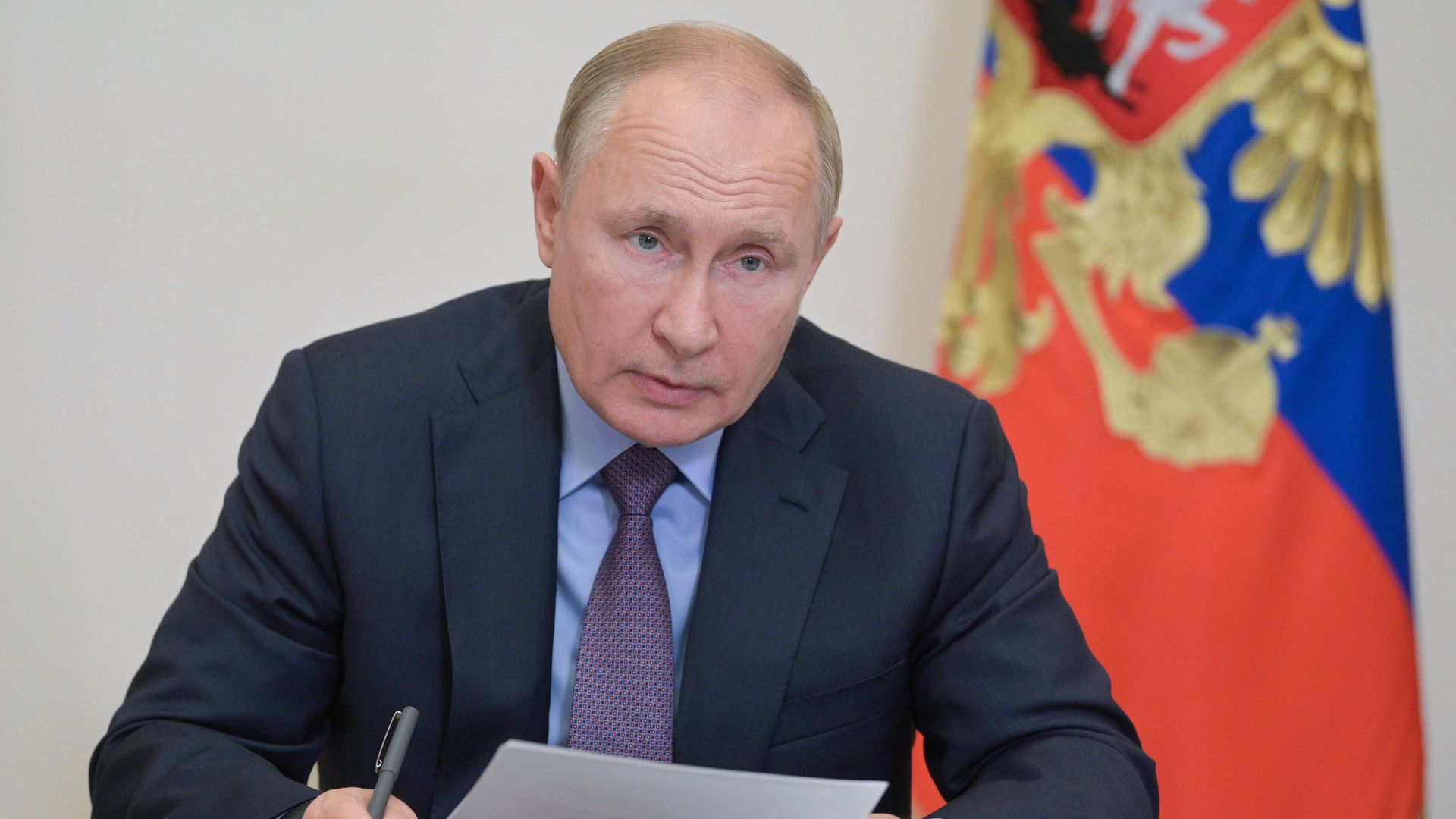
Russian President Vladimir Putin said Thursday that dozens of his staff members have tested positive for the coronavirus, AP reports.
Why it matters: The Kremlin announced earlier this week that Putin, who is fully vaccinated, would go into isolation for an undisclosed amount of time because of infections within his inner circle.
German police on Thursday detained four people in connection with an alleged plot to attack a synagogue in the western city of Hagen, AP reports.
The big picture: The arrests coincided with Yom Kippur, the holiest day in Judaism, and come two years after a German right-wing extremist attacked a synagogue in the eastern town of Halle, killing two.
Macau casino stocks imploded Wednesday on news that gaming companies on the island are now squarely in China's regulatory crosshairs.
Why it matters: Macau historically operated at arm's length from Beijing, developing a reputation as a Wild West not only for casino gambling but also for money laundering and loan-sharking.
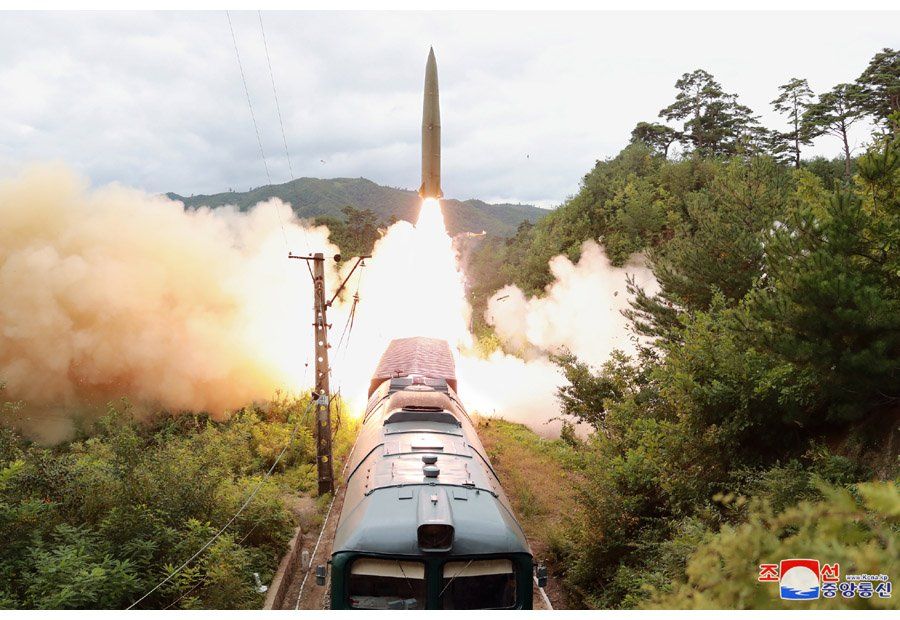
An image of North Korea's "railway-borne missile system" launched on Wednesday. Photo:North Korea's Korean Central News Agency
North Korea tested a new "railway-borne missile system" during its latest launch on Wednesday, adding another option for its ballistic missile program, according to North Korea's state-run Korean Central News Agency.
Why it matters: North Korea's new system was tested during a flurry of missile launches around the Korean Peninsula, where South Korea successfully operated its submarine-launched ballistic missile system for the first time.
China's D.C. embassy said Thursday in response to a new security pact between the U.S., United Kingdom and Australia that the countries should "shake off their Cold-War mentality and ideological prejudice," per the Australian Associated Press.
Why it matters: The AUKUS partnership is a warning to China's government as the Biden administration moves to counter Beijing in the Indo-Pacific. It's also raised the ire of the French government, after the countries revealed the U.S. and U.K. would help Australia acquire nuclear-powered submarines.
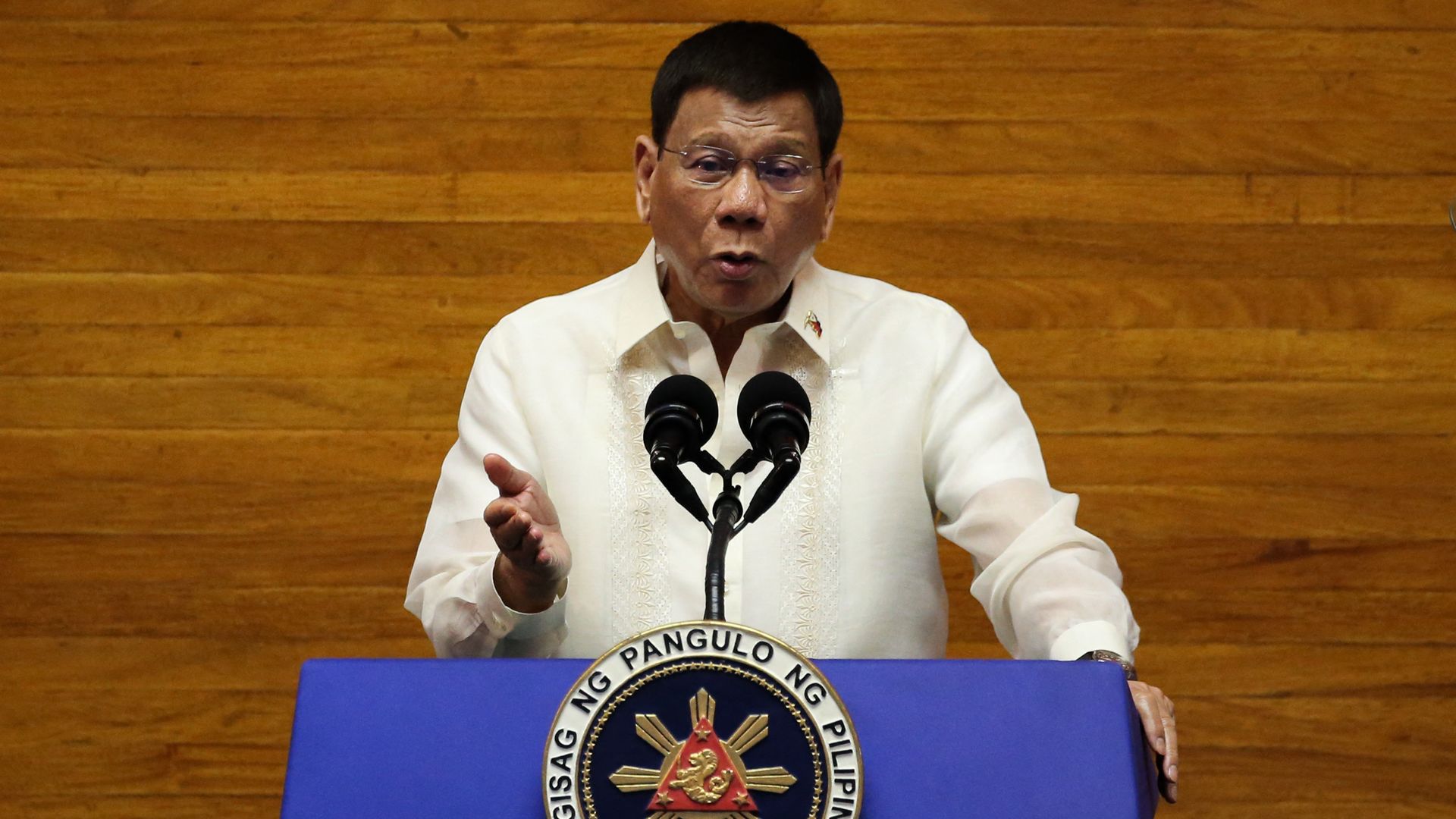
The International Criminal Court (ICC) formally authorized on Wednesday an official investigation into alleged crimes against humanity during Philippine President Rodrigo Duterte's war on drugs.
Why it matters: Tens of thousands of people may have been killed in police drug operations in the Philippines since 2016, a United Nations report found last year.
Sens. Elizabeth Warren (D-Mass.) and Steve Daines (R-Mont.) introduced a bill on Wednesday that would award Congressional Gold Medals to 13 U.S. service members killed in last month's bombing at Kabul's international airport.
Why it matters: The deadliest day involving American troops in Afghanistan in more than a decade occurred four days before the full U.S. military withdrawal from the country.
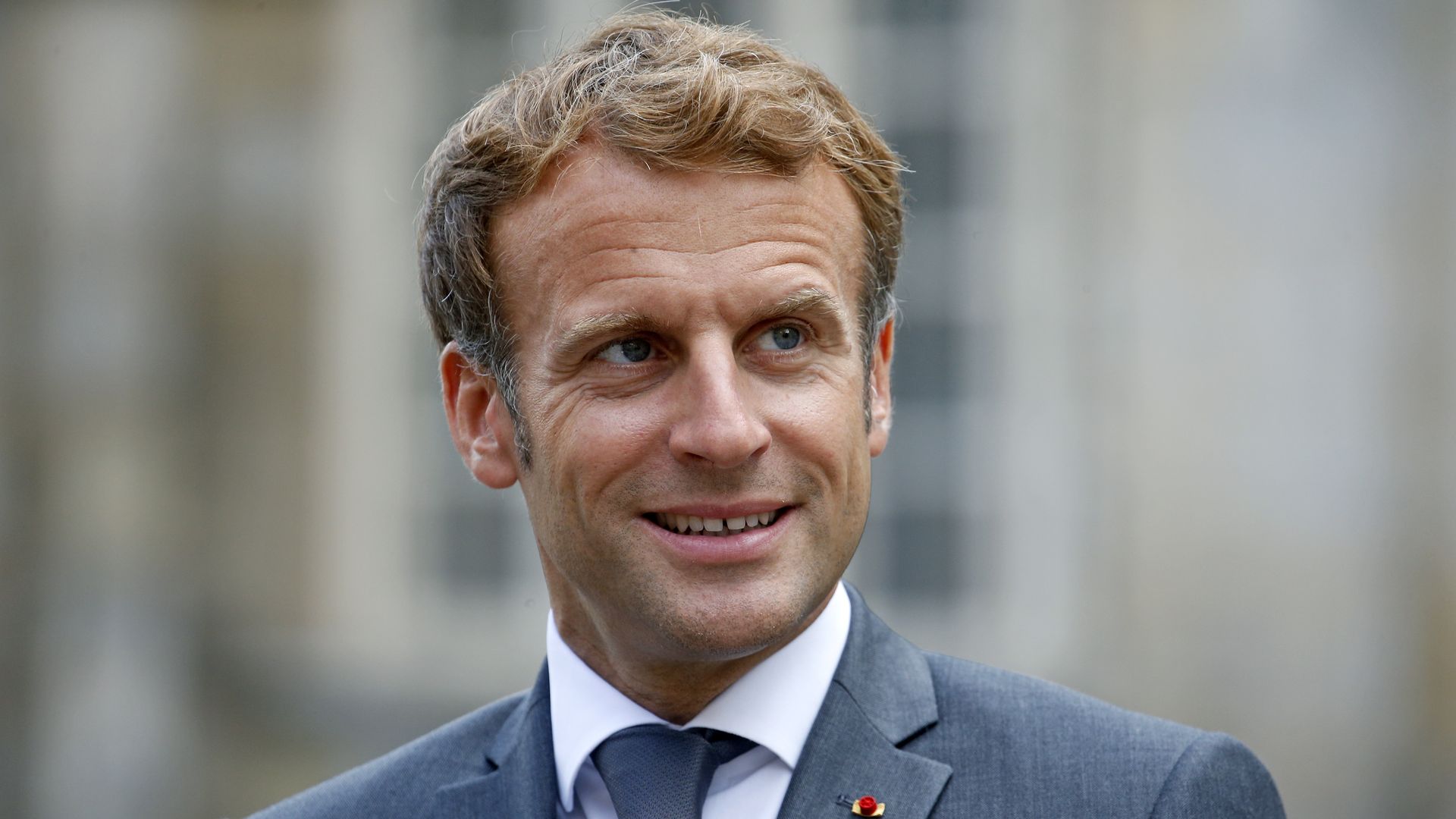
French President Emmanuel Macron announced via Twitter on Wednesday that French military forces killed the head of the Islamic State in the Greater Sahara, Abu al-Walid al-Sahrawi.
Why it matters: "It is a decisive blow against this terrorist group," French Defense Minister Florence Parly tweeted, congratulating the military and intelligence agents who contributed to the mission.
President Biden came into office with a plan for dealing with China that sounded great in theory but's failing in practice.
Why it matters: The idea was to confront China aggressively on a range of issues — from trade abuses to human rights — while working cooperatively on areas of mutual interest, including climate change. A new plan to help Australia acquire nuclear submarines makes that both-ways approach even less realistic.