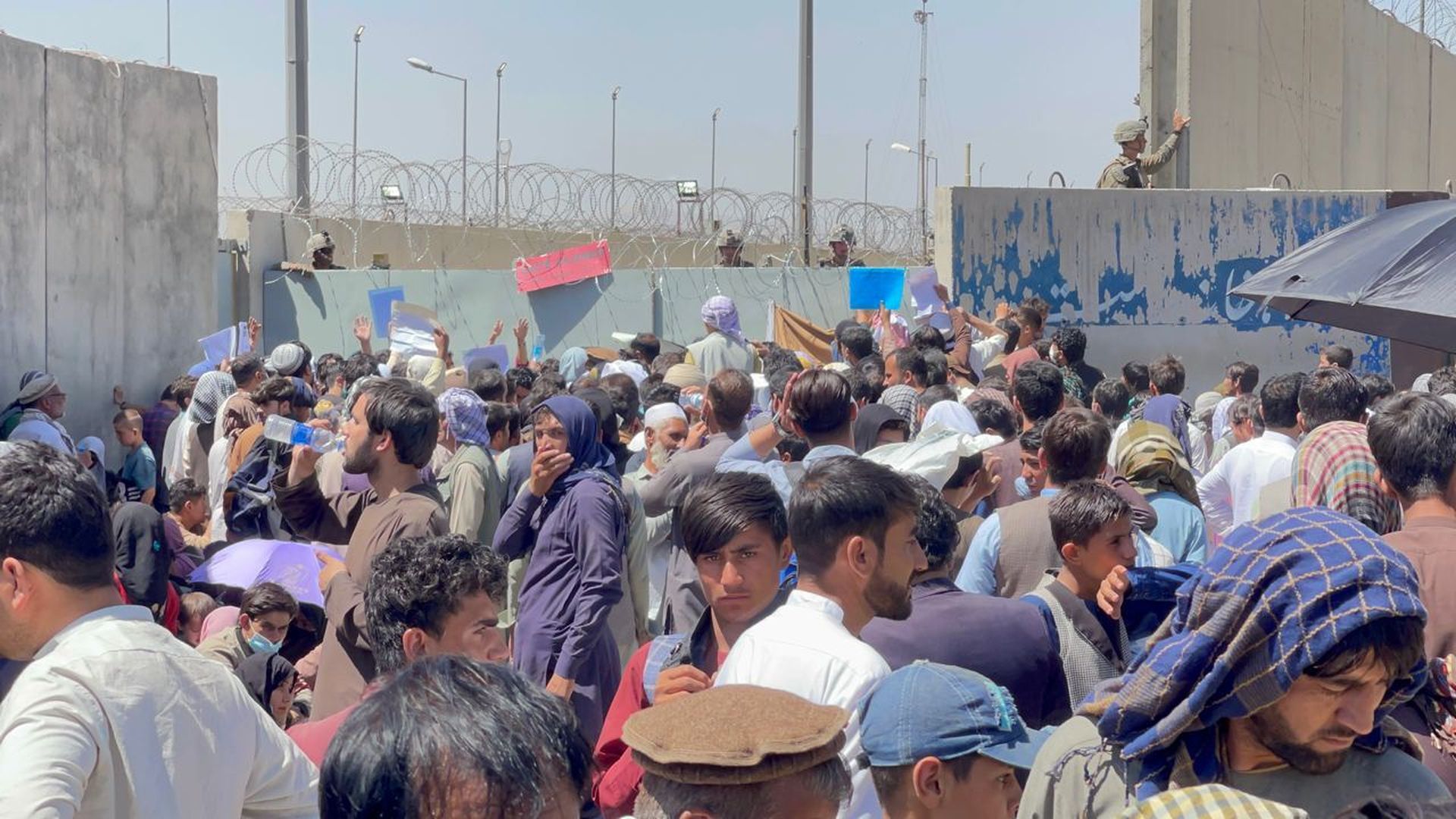
Facebook on Wednesday confirmed that it was part of an effort to fly 175 Afghan citizens out of Afghanistan to Mexico, including some of its own employees, according to a statement provided to Axios.
Details: The tech giant said that in an effort to get some of its employees out of the country, it joined with a group that it declined to name that is working to help journalists in Afghanistan leave the country as the Taliban assumes control.
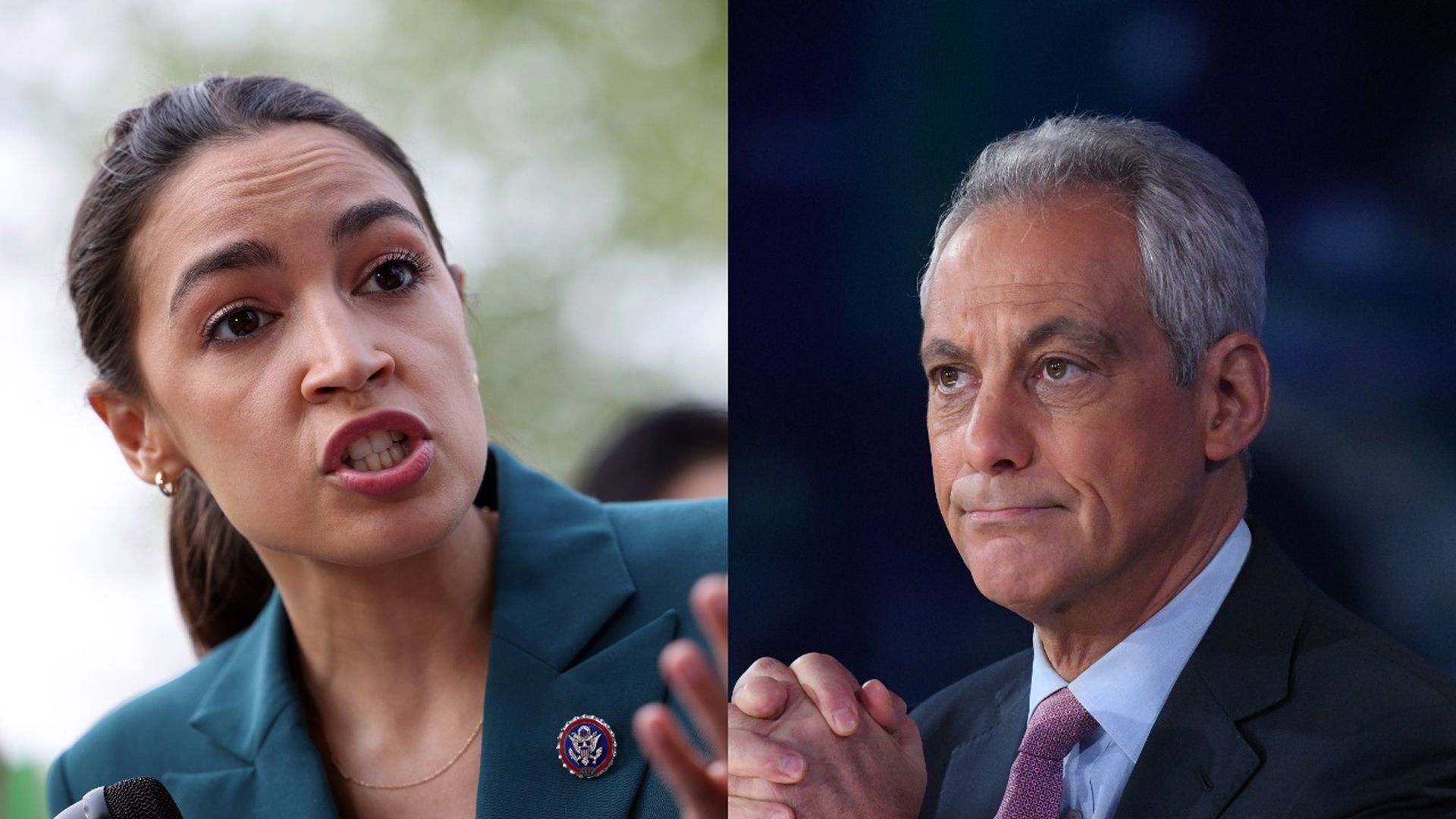
Why it matters: Their statements reflect progressives' anger at President Biden's decision to nominate Emanuel, a close ally who also served as President Obama's chief of staff from 2009 to 2010.
The U.S. has flown at least 23,876 Afghans to the U.S. since the Kabul airlift began, State Department spokesperson Ned Price said on Wednesday.
Why it matters: The administration had previously declined to provide any data as to how many of the roughly 123,000 people evacuated from Afghanistan had traveled to the U.S.
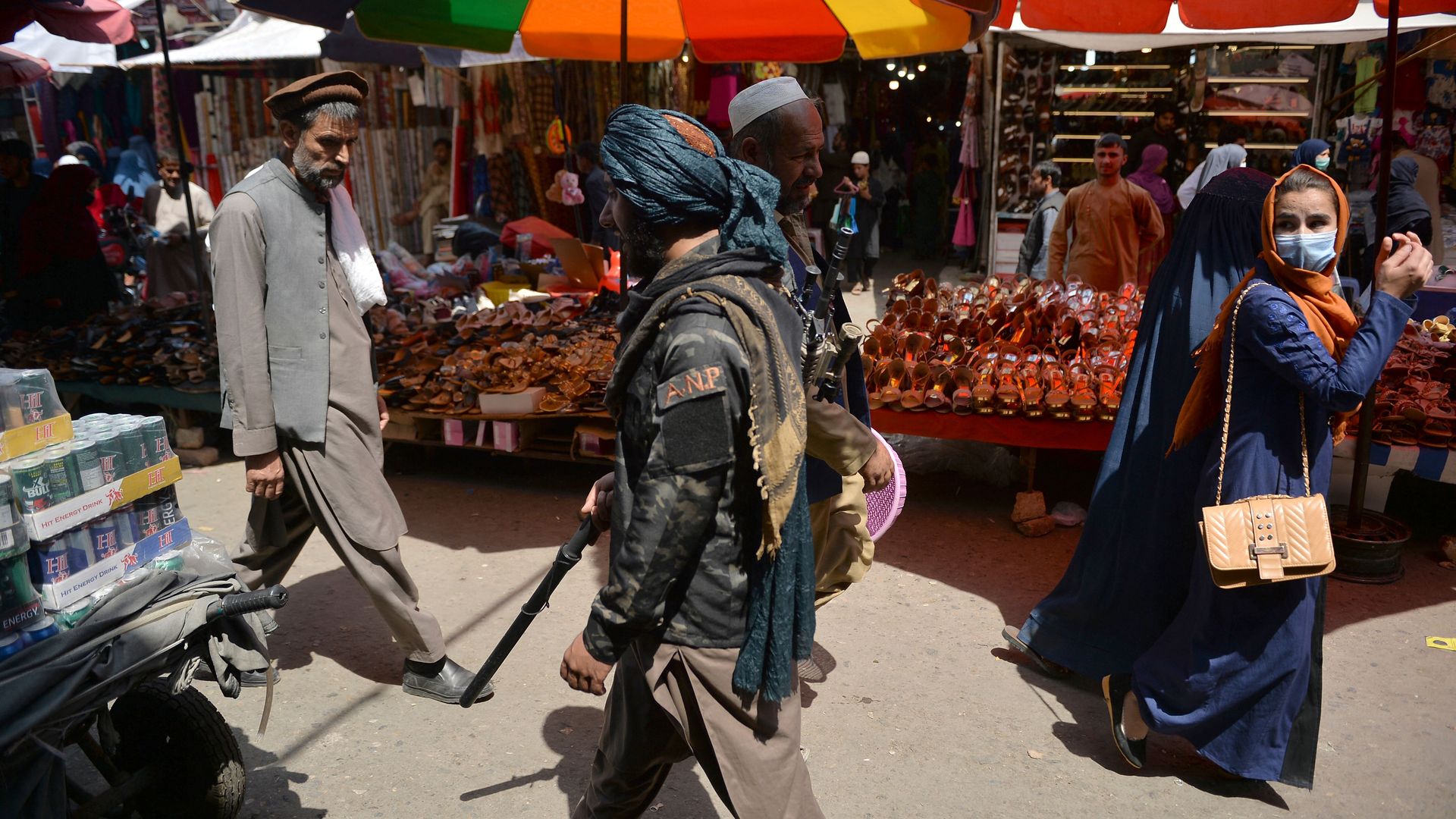
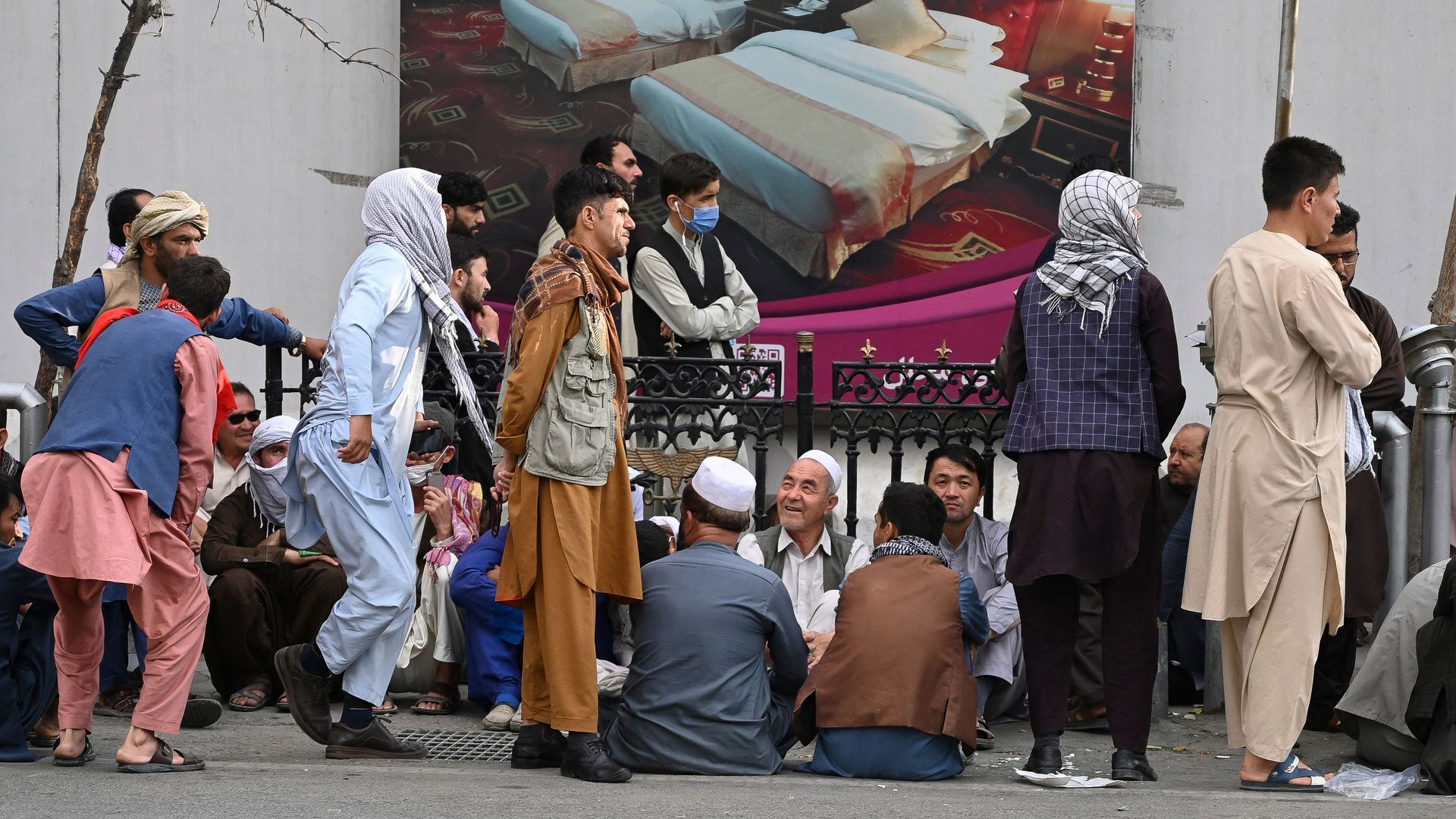
Food could run out in Afghanistan this month, a UN official said Wednesday during a daily briefing.
Why it matters: The looming food insecurity crisis is the latest challenge in Afghanistan following the Taliban's takeover and the culmination of nearly 20 years of U.S. military involvement in the region, AP notes.
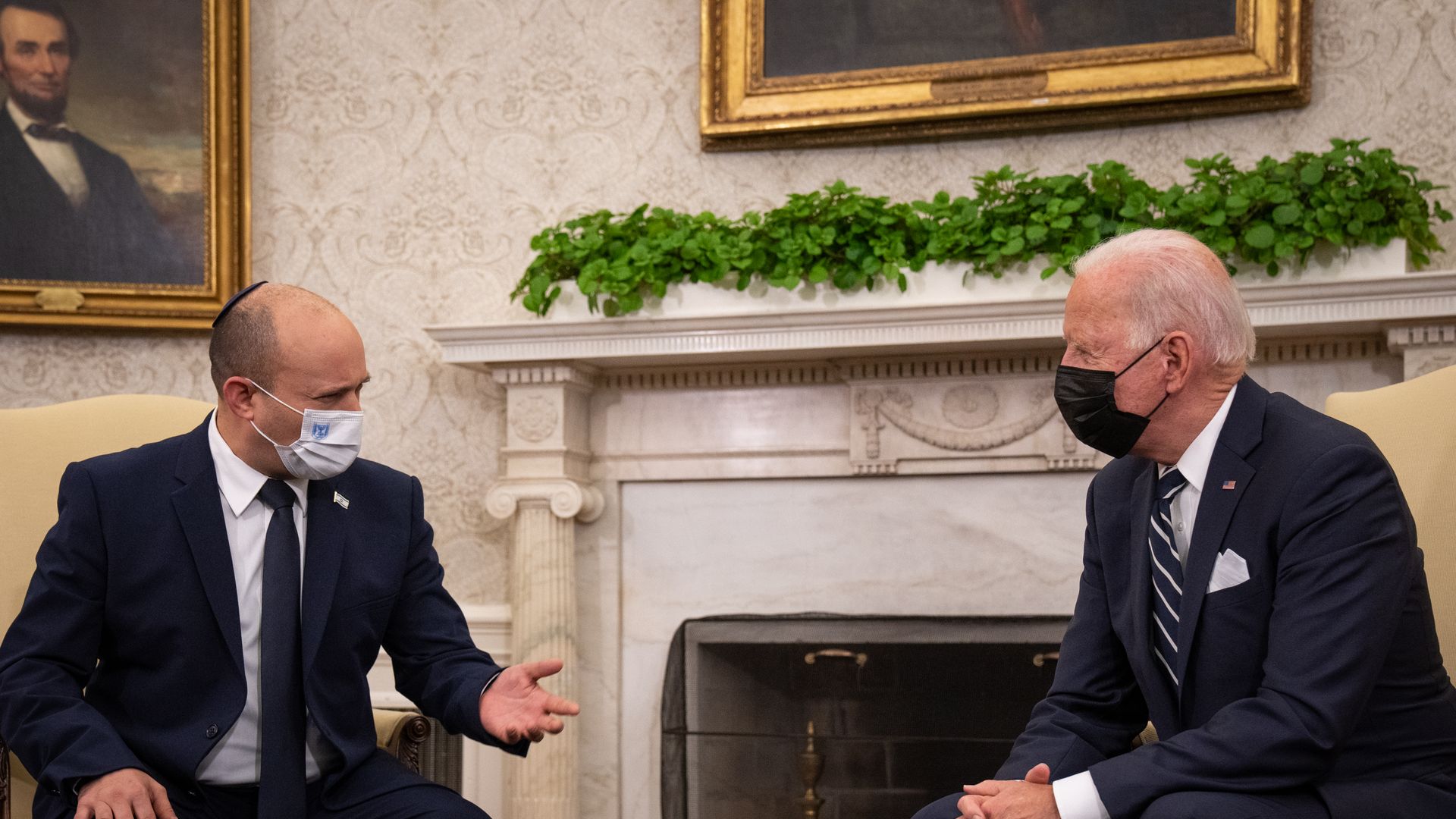
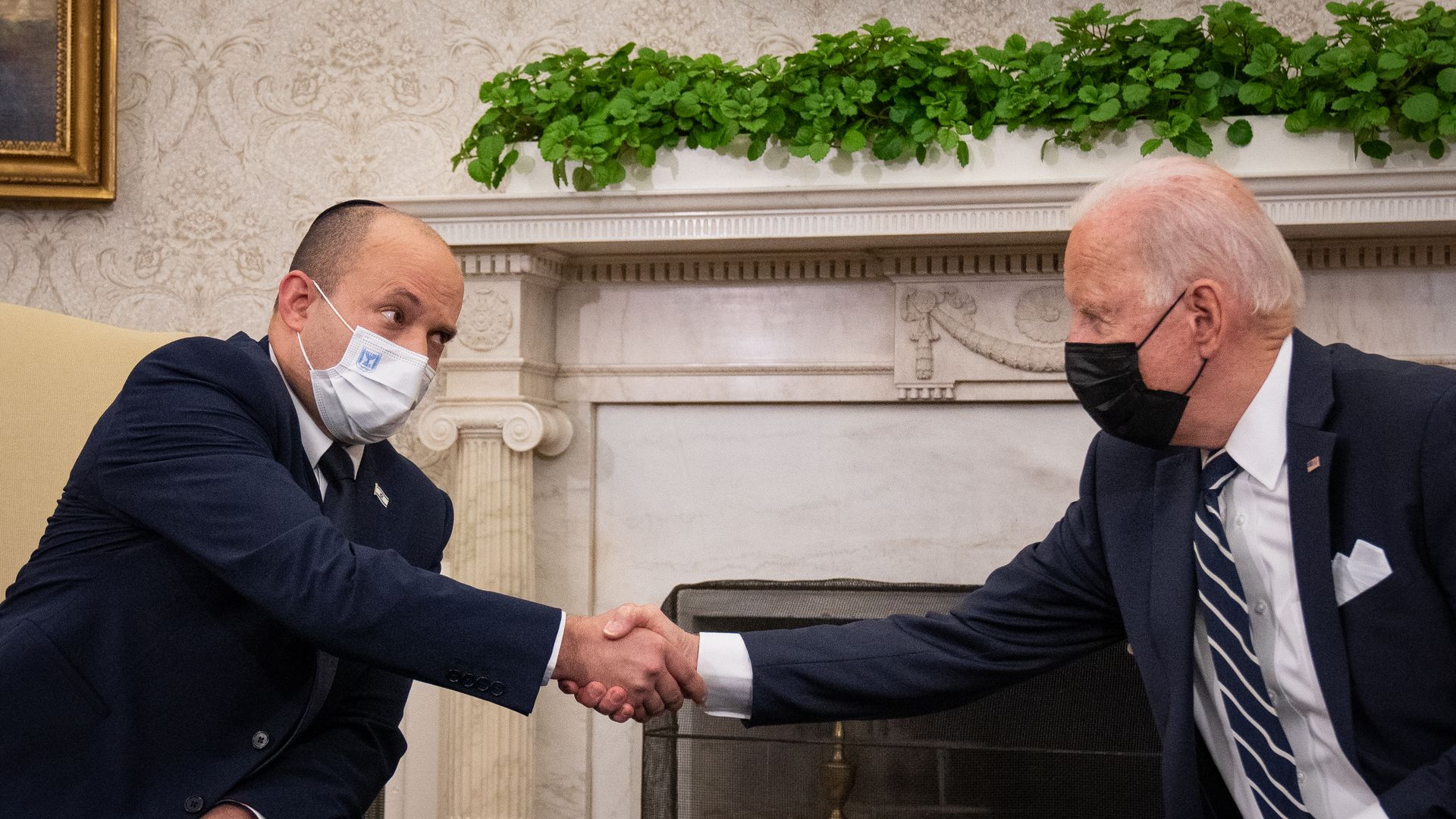
Israeli Prime Minister Naftali Bennett had prepared for wide-ranging discussions on China with President Biden and other senior U.S. officials, but the issue hardly came up, an Israeli official who attended the Biden-Bennett meeting tells me.
Why it matters: Chinese involvement in Israel became a rare point of contention between the Trump and Netanyahu governments, with the Trump administration warning of damage to the U.S.-Israel security relationship, but former Prime Minister Benjamin Netanyahu dragging his feet on the issue.
Afghanistan’s humanitariancrisis is inextricably tied to its crumbling finances. U.S. sanctions on the Taliban, stemming from 2001, are now causing a flight of capital and aid from the country as the distinction between providing services to Taliban and non-Taliban actors becomes more difficult to vet.
Why it matters: The Taliban’s takeover of Afghanistan’s government put U.S. financial services companies squarely in the middle of the geopolitical clash.
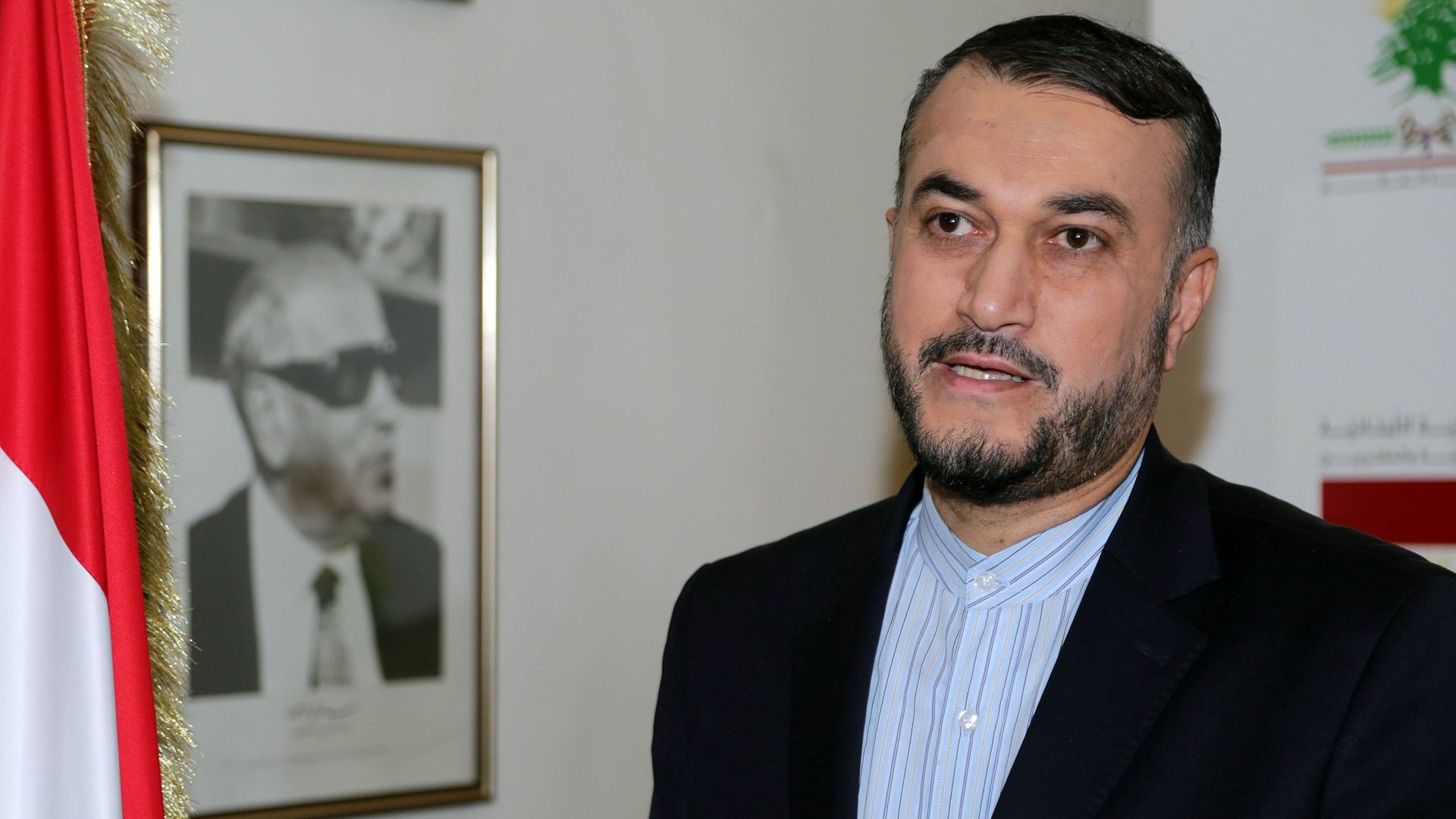
In his first remarks about the nuclear standoff since assuming office, Iranian Foreign Minister Hossein Amir-Abdollahian indicated that Iran wants to negotiate with the West, but is in no rush.
Why it matters: Four weeks after the inauguration of Iranian President Ebrahim Raisi, it remains unclear if and when the Vienna nuclear talks could resume.
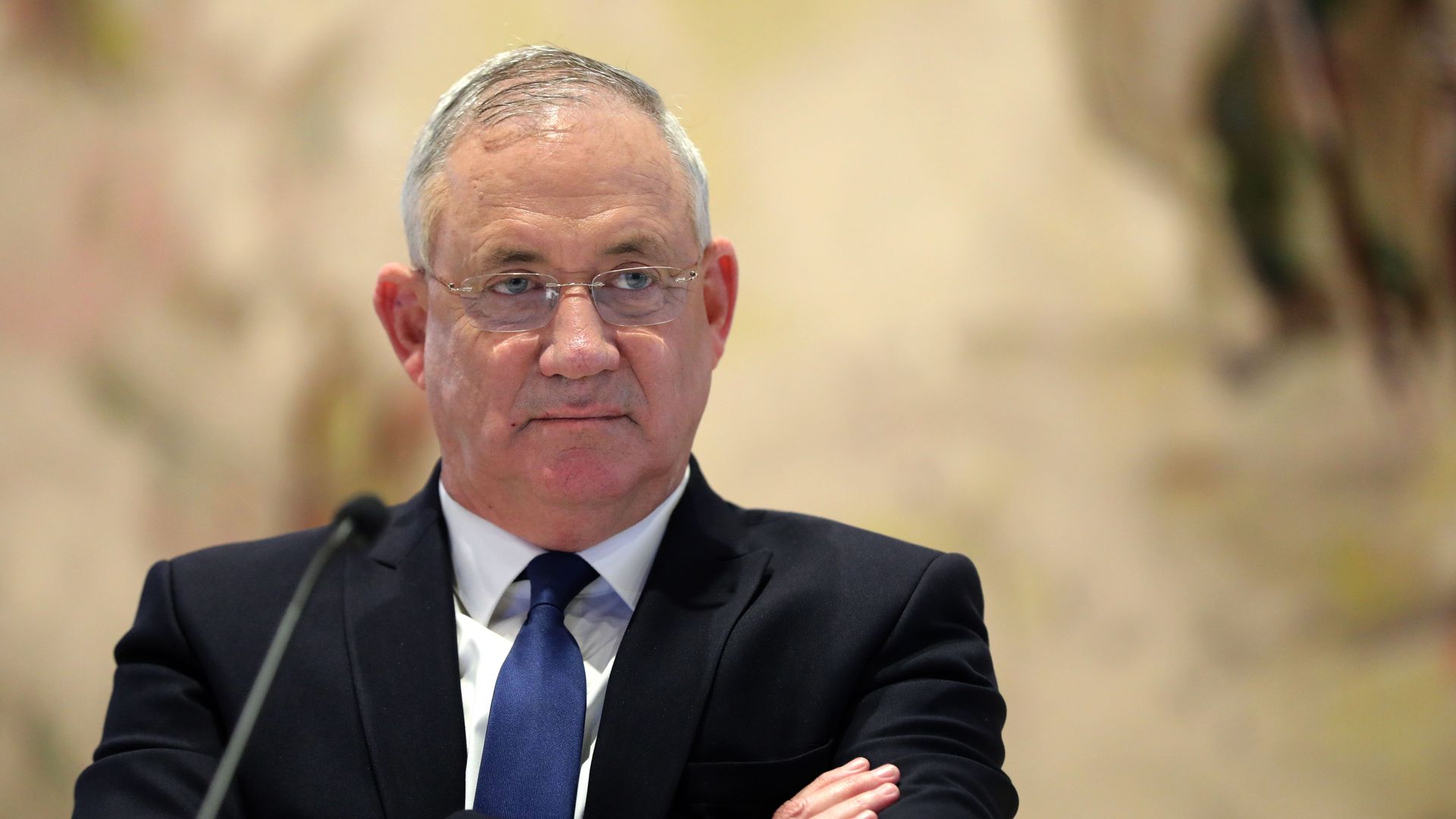
Israeli Defense Minister Benny Gantz's trip to Ramallah on Sunday to meet Palestinian President Mahmoud Abbas — the first such visit by an Israeli Cabinet member in 12 years — ultimately proved how politically sensitive any steps to improve relations with the Palestinians can be in Israel.
Why it matters: Relations with the Palestinian Authority were frozen almost entirely under former Prime Minister Benjamin Netanyahu. Gantz's visit was months in the making and was approved by Prime Minister Naftali Bennett, but ended up causing tensions within the government.
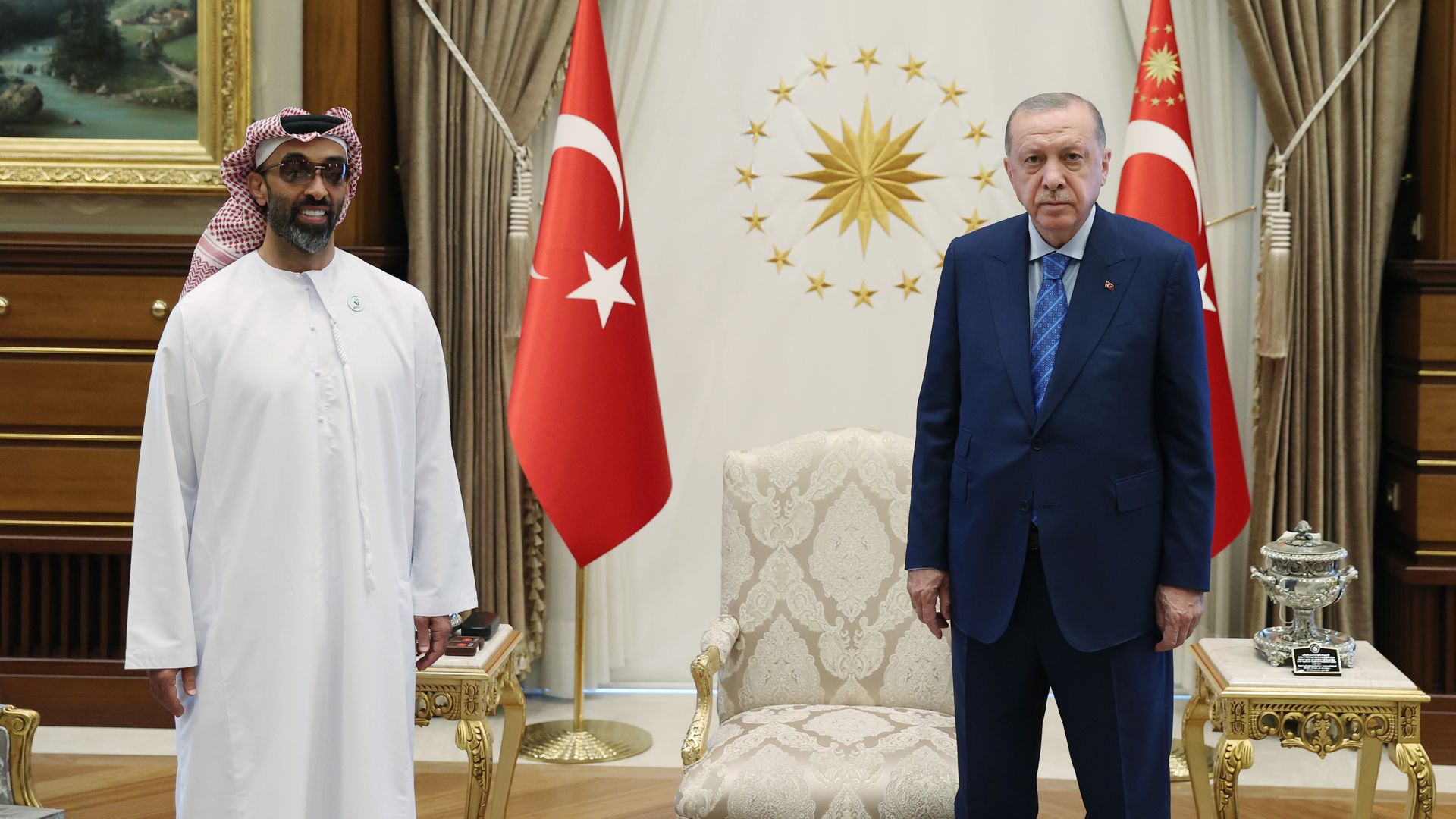
Ankara — Turkey and the United Arab Emirates, longtime regional rivals, have in recent weeks stepped up their efforts to mend ties.
Driving the news: Turkish President Recep Tayyip Erdoğan held a rare phone call on Monday with the UAE's de facto leader, Crown Prince Mohammed bin Zayed. That was followed by a call on Tuesday between their foreign ministers.
President Biden and Israeli Prime Minister Naftali Bennett reaffirmed the strategic understandings between the U.S. and Israel regarding Israel’s alleged undeclared military nuclear program during Bennett's White House visit, a senior Israeli official briefed on the meeting tells me.
The big picture: This has become a ritual for every U.S. president since Richard Nixon in their first meeting with the Israeli prime minister.
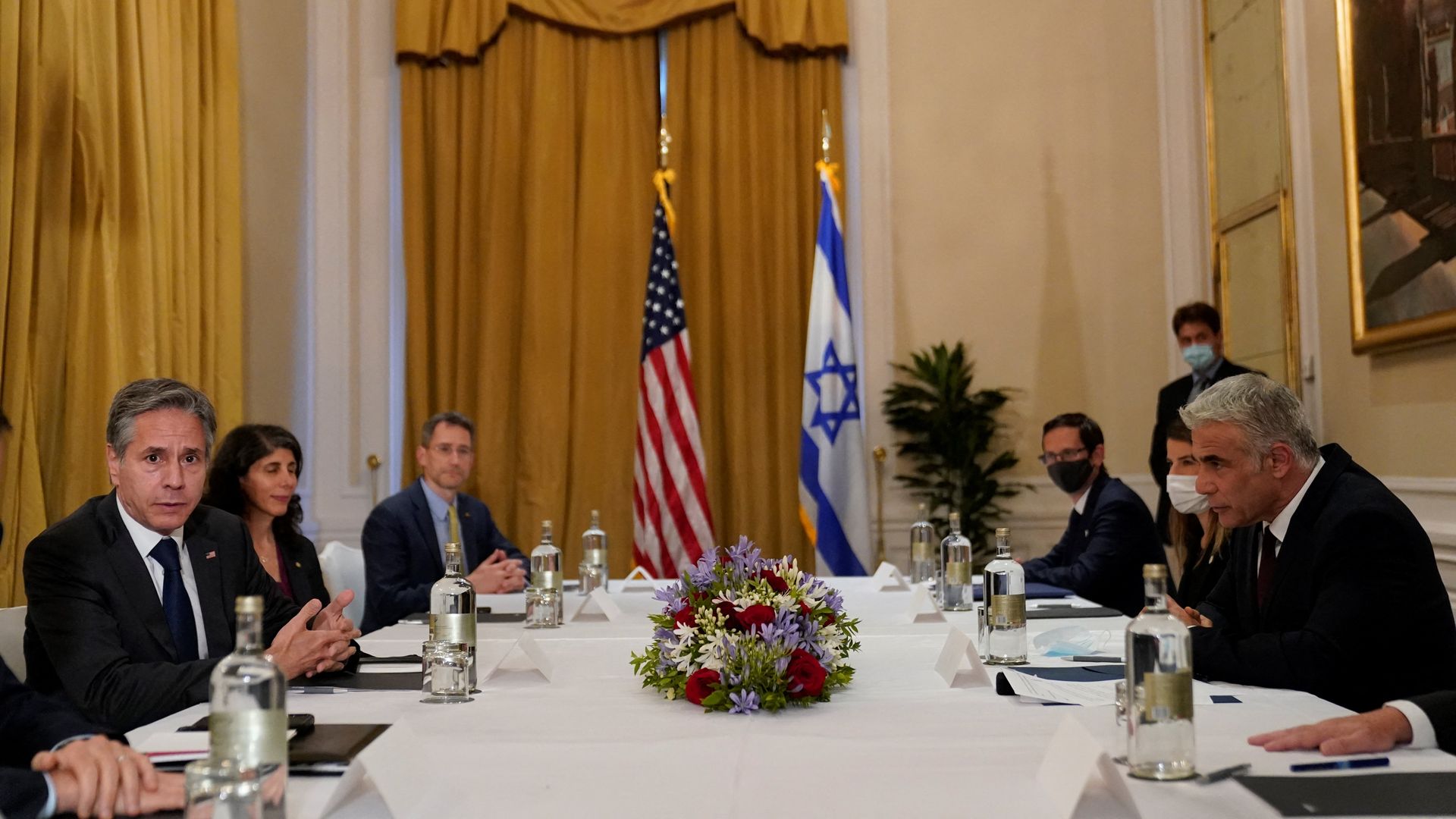
Israeli Foreign Minister Yair Lapid said Wednesday that the U.S. withdrawal from Afghanistan was "probably the right decision that maybe wasn’t performed in the right manner."
The backdrop: U.S. allies in Europe have also questioned the execution of Biden's withdrawal, but Biden has rejected the idea that it could have been handled better. Speaking at a press conference in Jerusalem, Lapid said he doesn't think the U.S. is retreating from the Middle East but is instead updating the way it operates in the region.
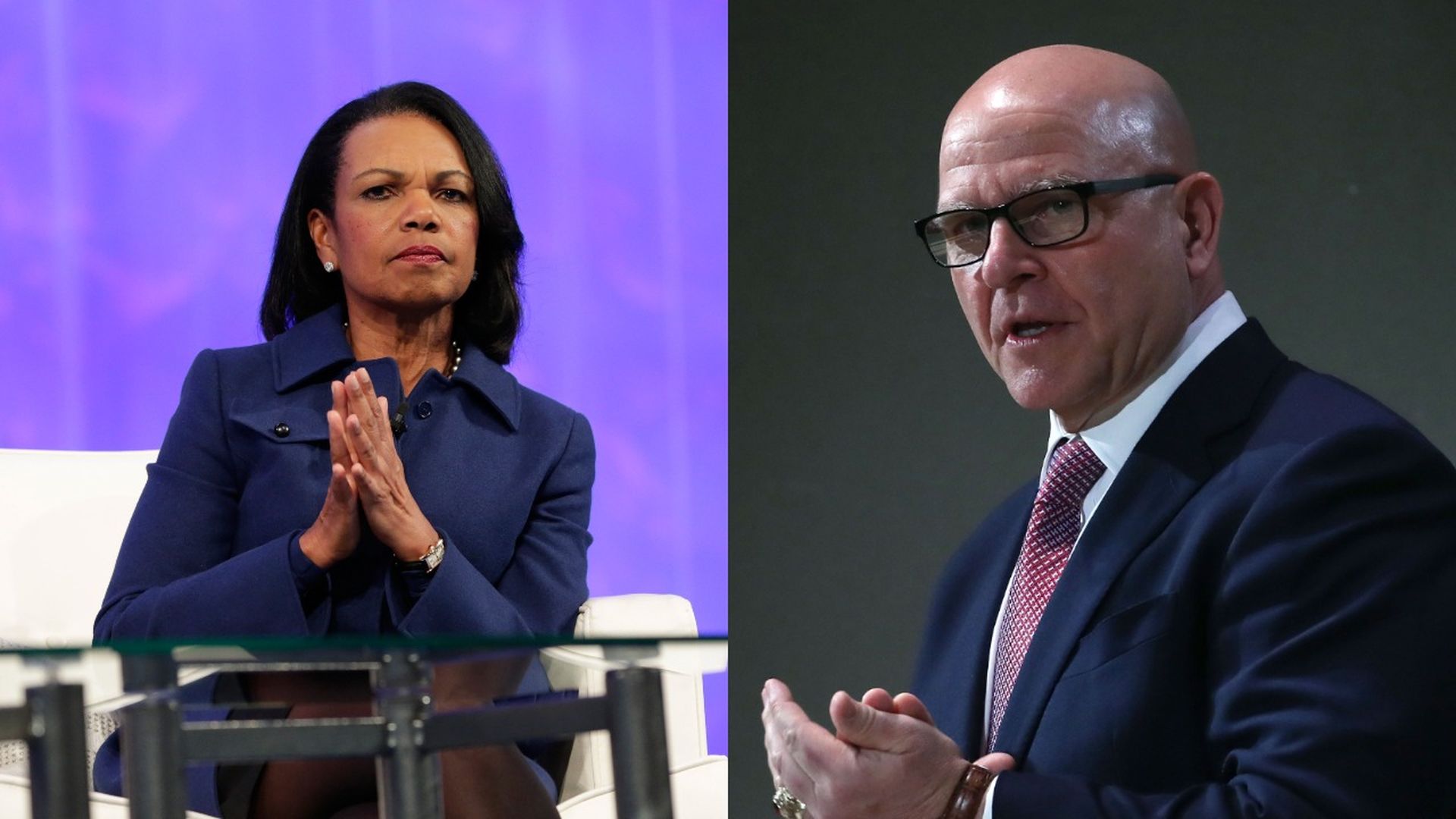
Former Secretary of State Condoleezza Rice and former national security adviser H.R. McMaster are making a joint appeal to top U.S. and United Nations officials to extract orphans from Afghanistan before they're taken by the Taliban, calling it "not just a humanitarian issue" but a "critical issue of national security."
Driving the news: They make their case in a letter, obtained by Axios, that was sent late Tuesday to first lady Jill Biden, Vice President Kamala Harris, the U.S. secretaries of State and Defense, congressional leaders in both parties, the executive director of UNICEF and UN Secretary-General António Guterres.
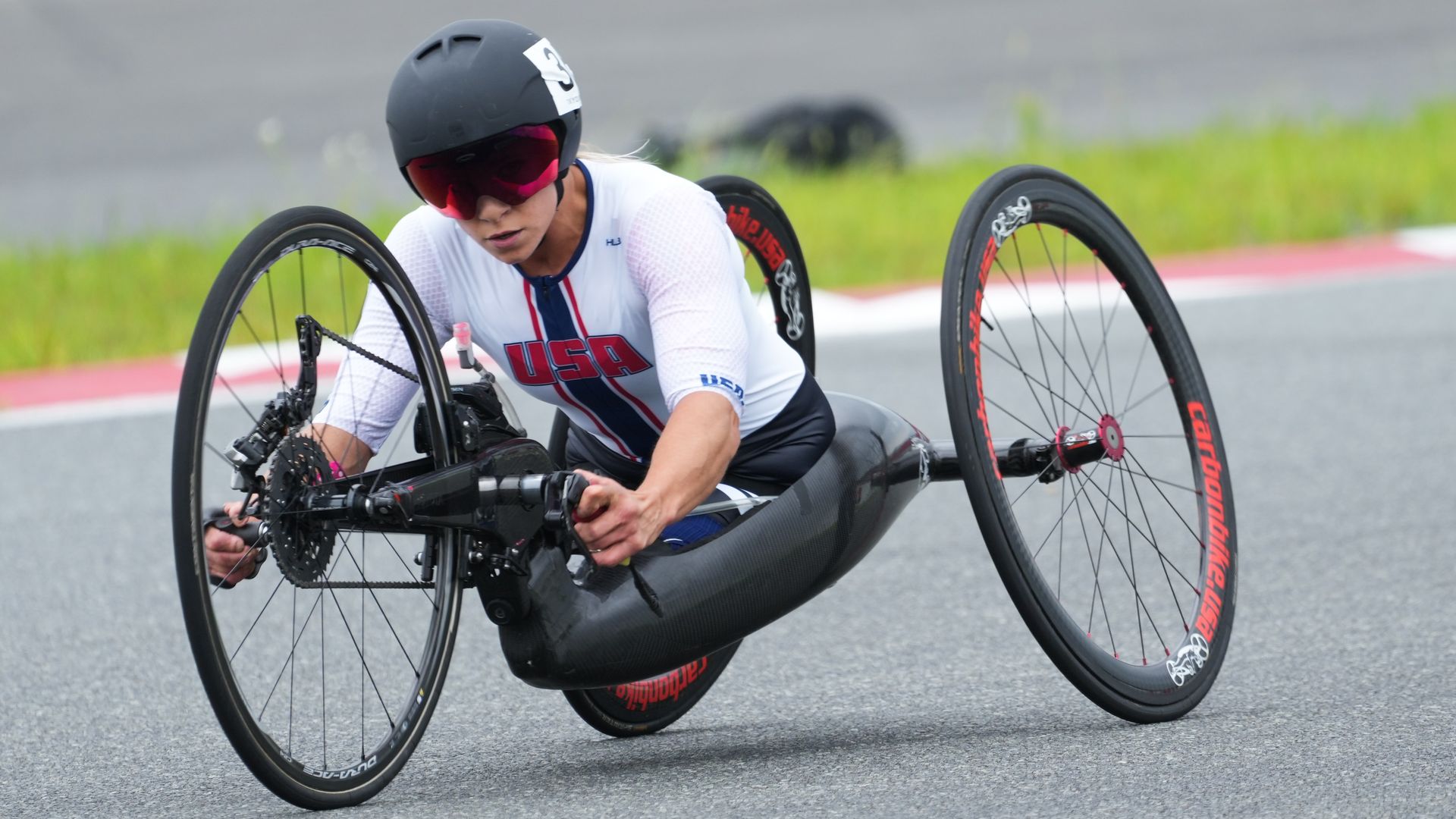
American Oksana Masters rode her way to her second Tokyo Paralympic Games gold medal in as many days Wednesday — crossing the line in the women's H5 para-cycling road race in 2:23:39.
Why it matters: Masters' win marked her 10th career Paralympics medal. This is her first summer Paralympics. She won gold in the women's time trial H4-5 event Tuesday. Masters won the eight other Paralympic medals at the winter Games, mostly in Nordic skiing.
White House Chief of Staff Ron Klain said on MSNBC on Tuesday that he wasn't sure whether the U.S. would ever recognize the Taliban as Afghanistan's legitimate government.
Driving the news: MSNBC's Mehdi Hasan asked Klain whether the U.S. would be recognizing the Taliban as the government of Afghanistan any time soon.