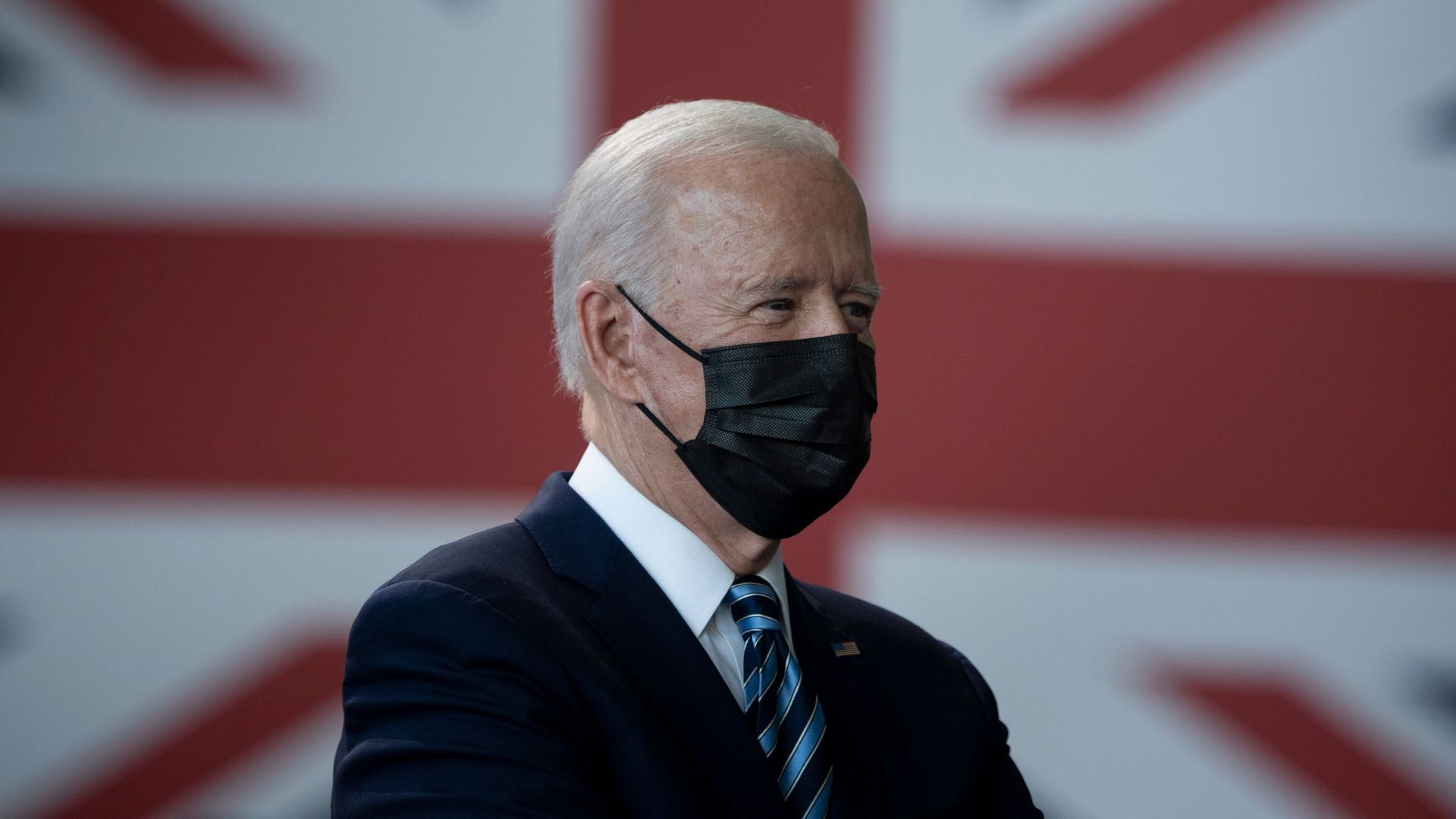
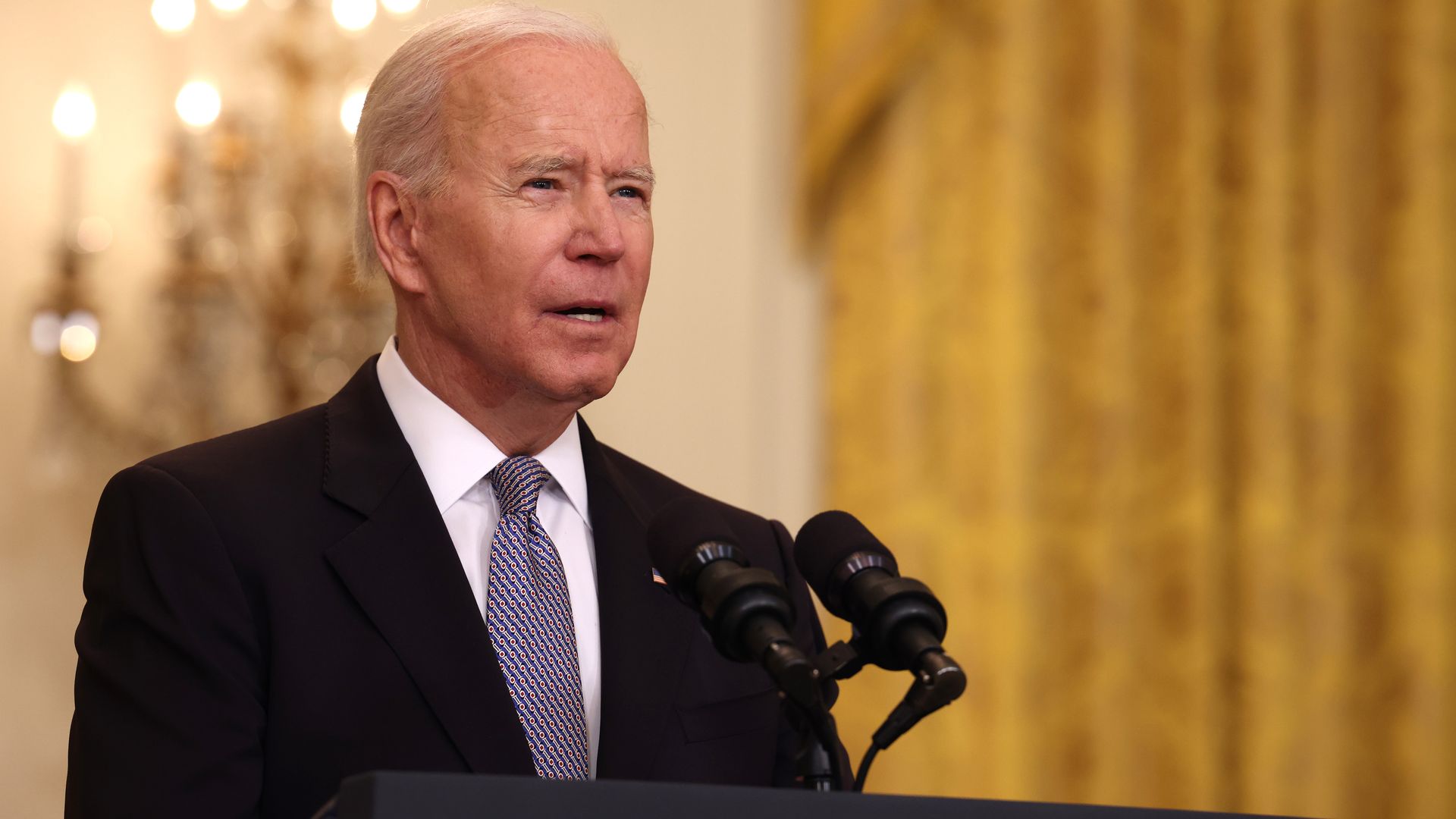
President Biden and British Prime Minister Boris Johnson are expected to agree to a new Atlantic Charter on Thursday, modeled after the joint statement made by Prime Minister Winston Churchill and former President Franklin D. Roosevelt in 1941 to set out their goals for the world post-World War II.
Details: The new charter will outline specific areas for which both leaders pledge to "work together for the benefit of humanity," according to the British government, which announced the charter in a release on Wednesday.
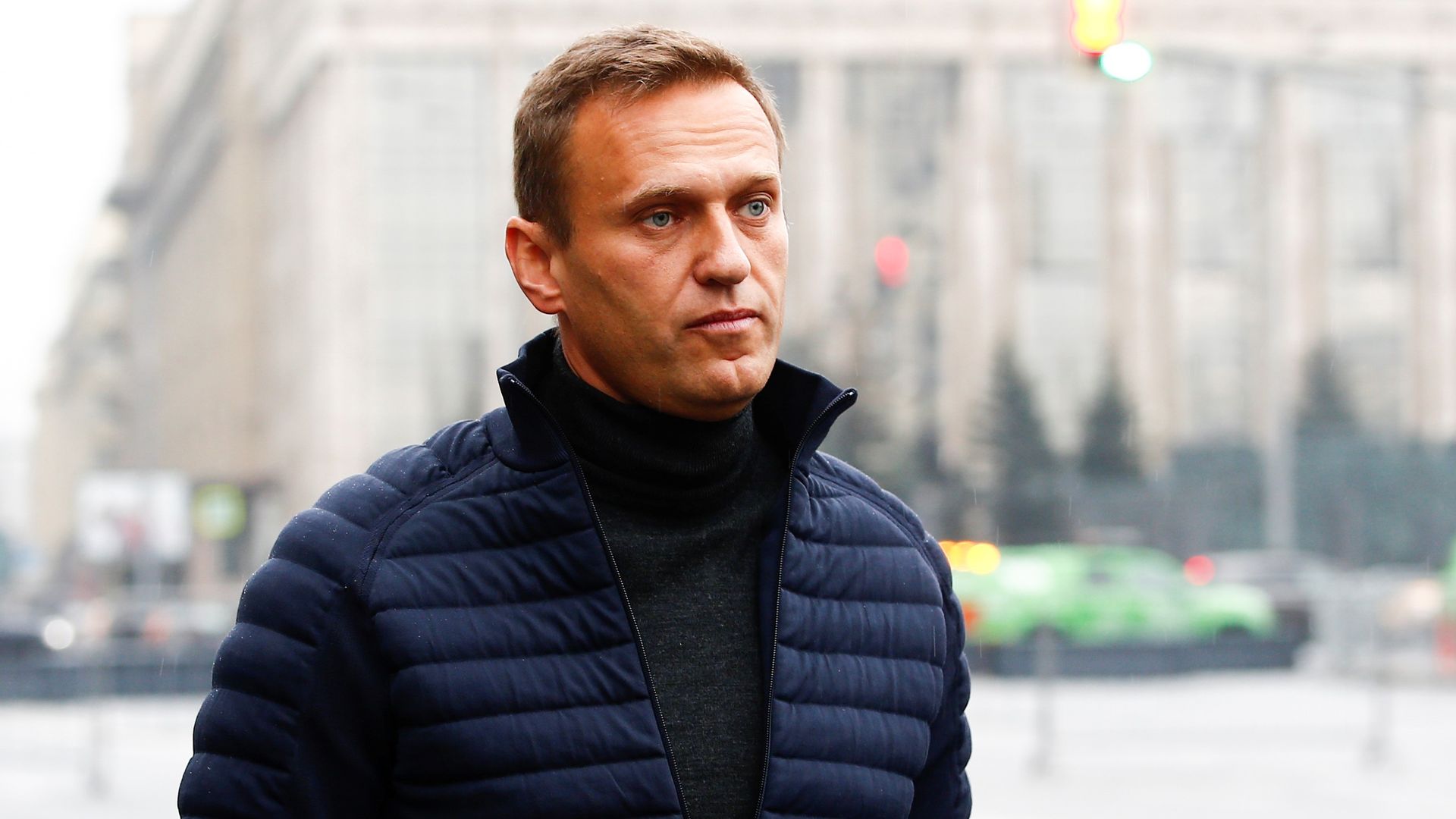
A Russian court on Wednesday outlawed organizations founded by opposition leader Alexei Navalny, labeling the groups "extremist," AP reports.
The state of play: Some of Navalny's allies were seeking to run for parliamentary seats in the country's September elections. But the court ruling — effective immediately — prohibits anyone associated with his Foundation for Fighting Corruption, the Fund for Defending Citizens’ Rights, and Navalny's Headquarters from running for public office.
The Biden administration will buy 500 million doses of the Pfizer-BioNTech coronavirus vaccine to share with countries around the world, with the option to buy an additional 200 million, two sources familiar with the deal tell Axios.
Why it matters: That's a big step toward making the U.S. a major global vaccine supplier and comes as Biden departs for his first foreign trip as president.
The Israeli foreign ministry effectively boycotted Sven Koopmans, the new EU envoy for the Middle East peace process, during his first visit to Jerusalem last week, Israeli officials tell Axios.
Why it matters: Israeli officials said the boycott was to protest against EU foreign policy chief Josep Borrell’s handling of the recent Gaza fighting. They claim Borrell didn't condemn Hamas' attacks strongly enough or give sufficient support to Israel’s right to defend itself.
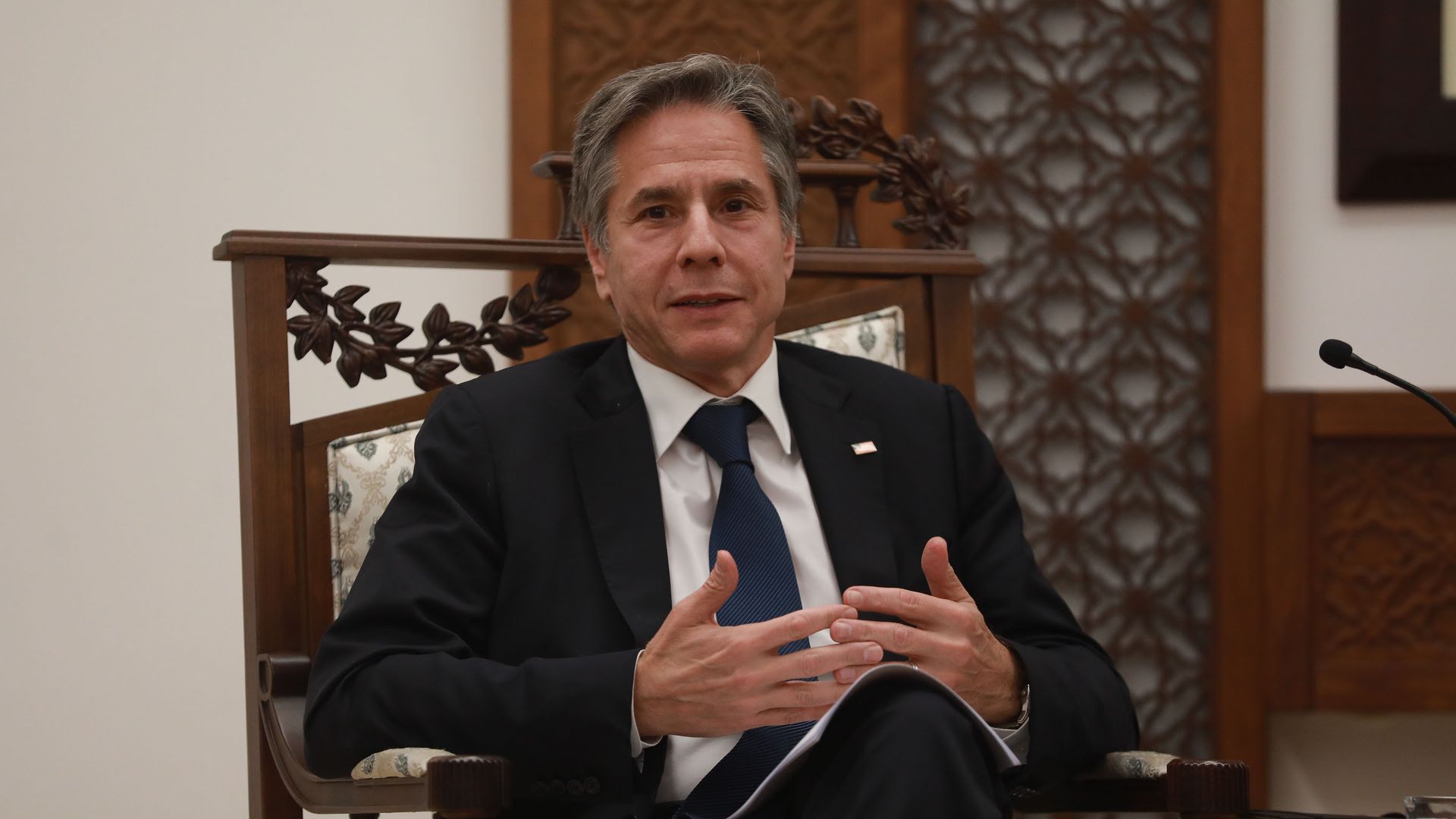
A group of Palestinian American activists who met virtually last Friday with Secretary of State Tony Blinken urged him to take more action on human rights abuses by Israel against Palestinians in the occupied West Bank and Gaza, two people who attended the meeting told me.
Behind the scenes: Participants in the meeting, which was off the record, told Blinken they were concerned that the Biden administration was not applying its commitment to democratic values, human rights and international law when it came to the Israeli-Palestinian conflict.
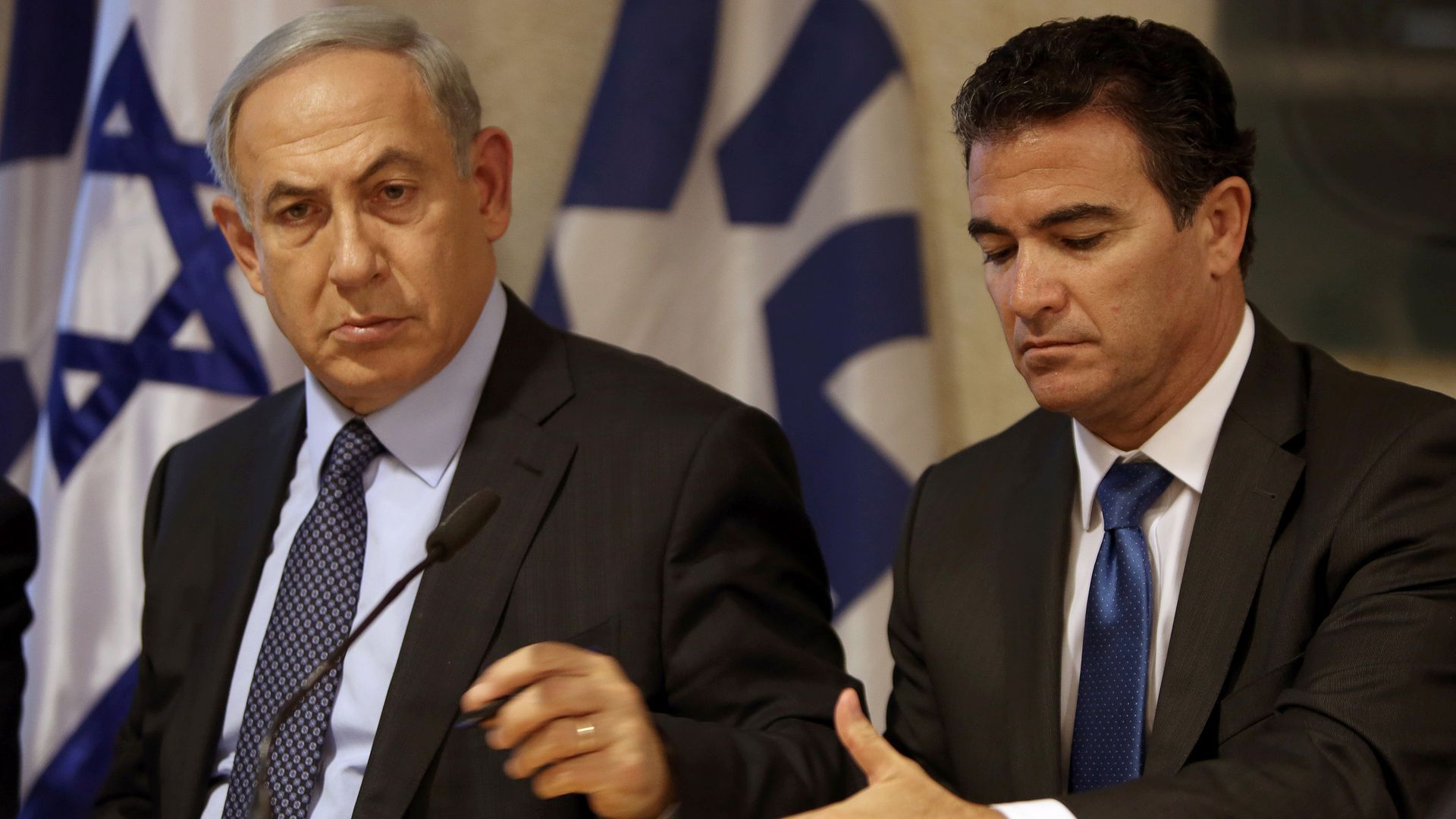
Just days after stepping down as director of Israel's Mossad intelligence agency, Yossi Cohen criticized U.S. policy toward China and hinted it was too hardline.
Why it matters: In a lecture on Monday, Cohen said he'd discussed China with many senior U.S. officials but always ended the conversations with more questions than answers.
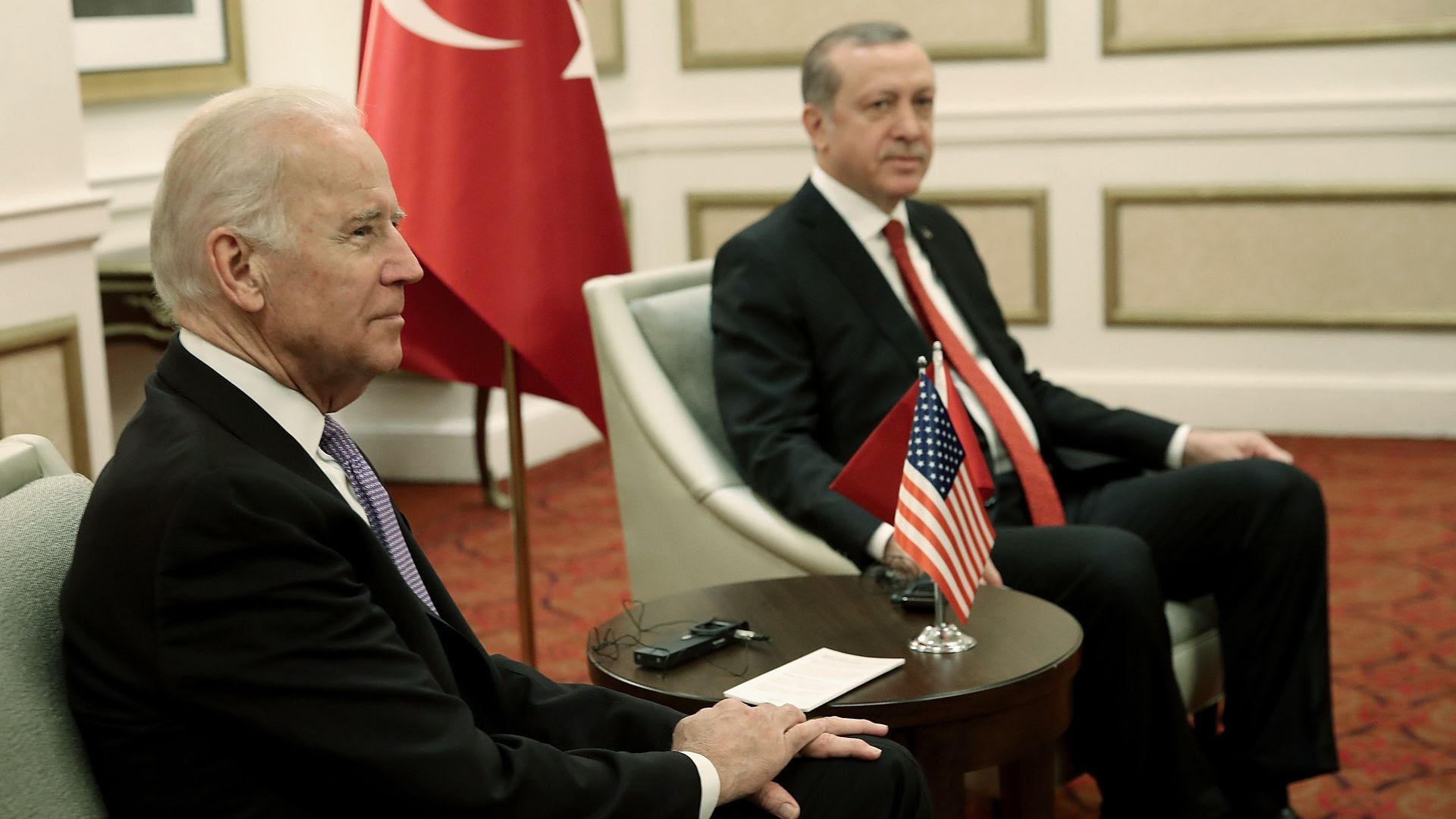
Ankara — The meeting between President Biden and Turkish President Recep Tayyip Erdoğan next week on the sidelines of a NATO summit may provide both countries with a fresh start if they reach a consensus on some of their most acute problems.
The state of play: The June 14 meeting is politically sensitive in Ankara. Senior Turkish officials are avoiding any comments about it, going so far as to skip public events so as not to be compelled to speak about the meeting.
President Biden signed an executive order Wednesday on ensuring the security of American user data in regard to foreign-owned apps such as TikTok, revoking and replacing three Trump-era executive orders to impose a more structured "criteria-based decision framework" for potential bans.
Driving the news: It's the latest in a series of China-related steps Biden is taking ahead of his first overseas trip to Europe, where curtailing Beijing's abuses will be a top agenda item in meetings with G7 and NATO leaders.
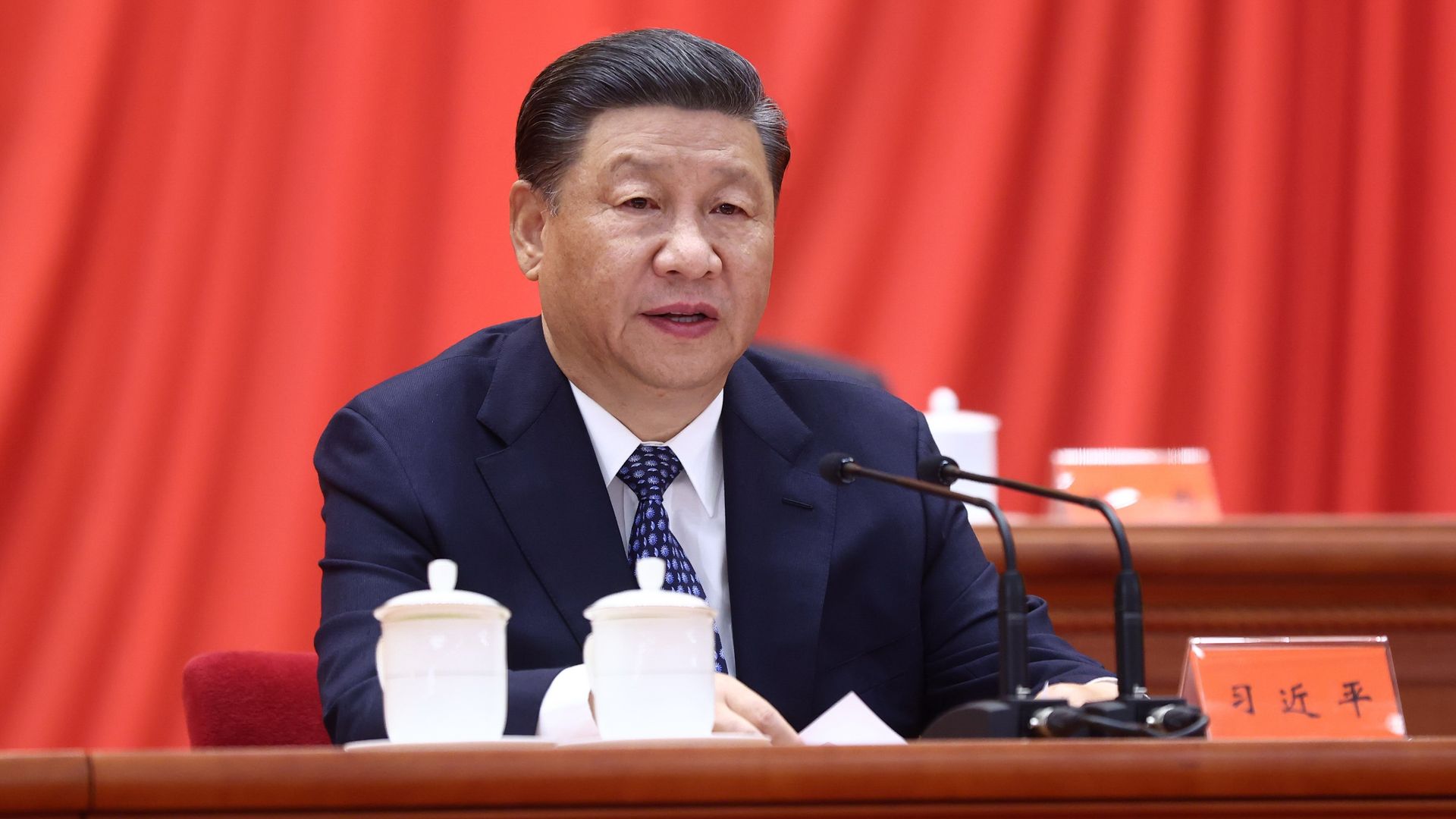
China criticized a sweeping Beijing-focused global competition bill passed by the U.S. Senate on Tuesday, calling the $250 billion package "full of Cold War mentality," according to the Washington Post.
Why it matters: The bill officially designates China as the "greatest geopolitical and geoeconomic challenge" to U.S. foreign policy, a sign of the solidified bipartisan consensus of the need to curtail Beijing's global influence and abuses.
On the verge of being replaced after 12 years in power, Israeli Prime Minister Benjamin Netanyahu is waging a desperate, Trump-style campaign to de-legitimize the incoming government and accuse its leaders of perpetrating “the fraud of the century."
Why it matters: The situation has become so tense — with members of the Israeli Knesset facing death threats and demonstrations from angry Netanyahu supporters outside their homes — that the director of Israel's Shin Bet domestic security agency issued a rare warning of potential political violence.
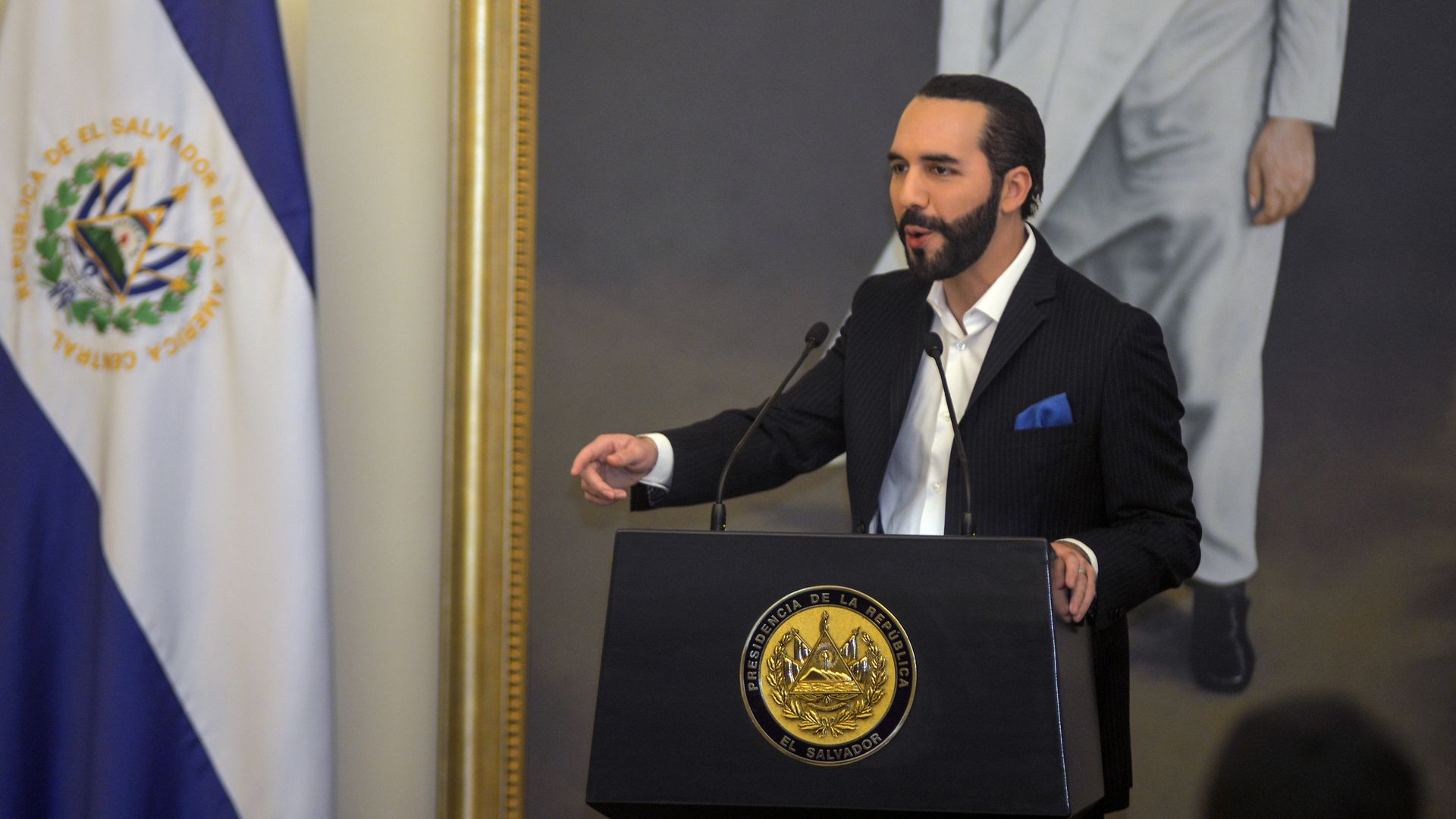
El Salvador's legislature voted early Wednesday to make bitcoin legal tender.
Why it matters: El Salvador will become the first country to formally adopt the digital currency once President Nayib Bukele signs the legislation into law.
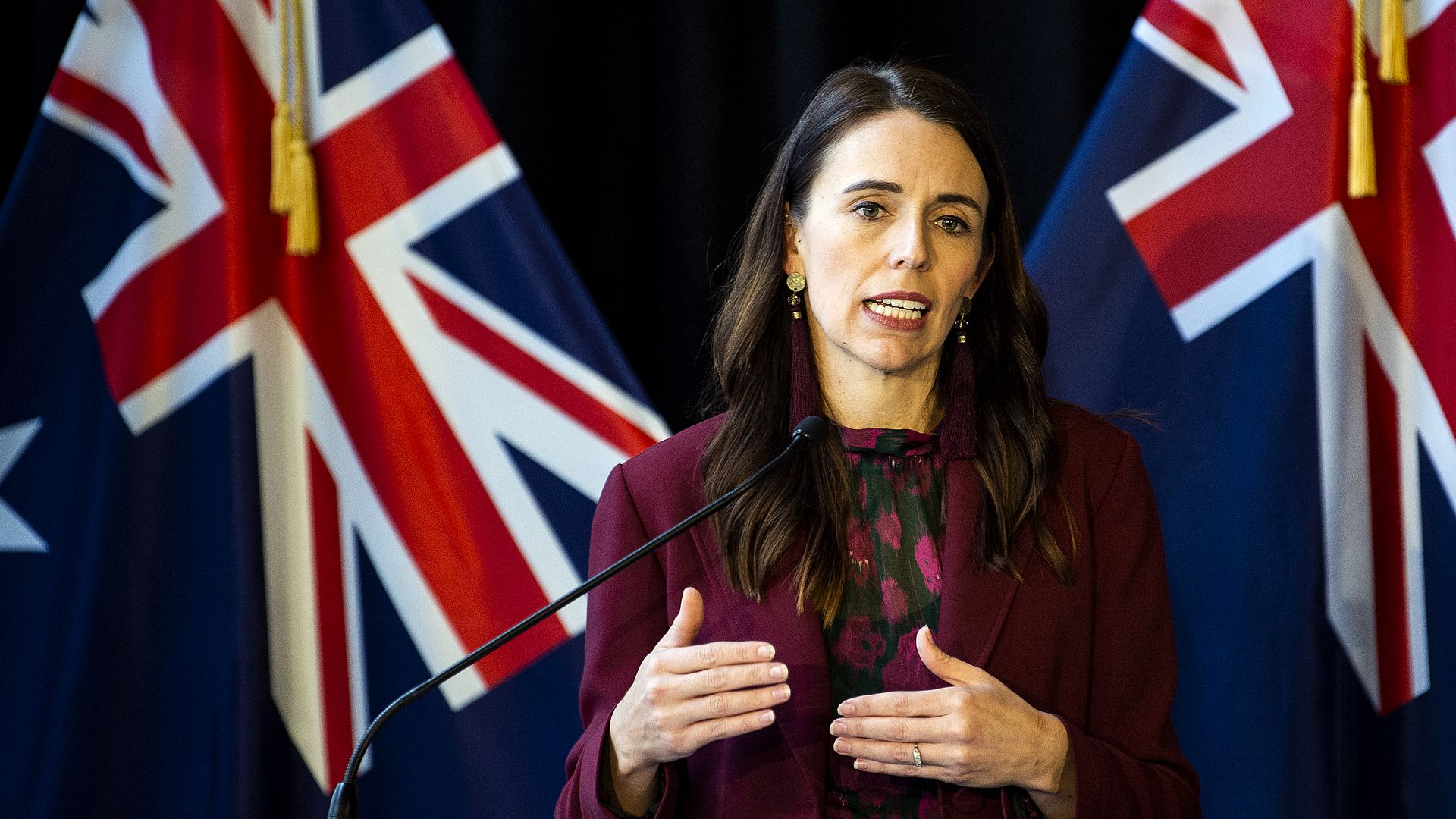
New Zealand Prime Minister Jacinda Ardern said in a speech Wednesday that the climate crisis was a matter of "life or death," as a blueprint for meeting her government's ambitious green targets was unveiled.
Driving the news: The Climate Commission, an independent body advising the government, outlines in its report what the country needs to do to meet its target for 2050 of producing zero carbon emissions — including reducing biogenic methane emissions by 24% to 47%, with no new household gas connections by 2025.
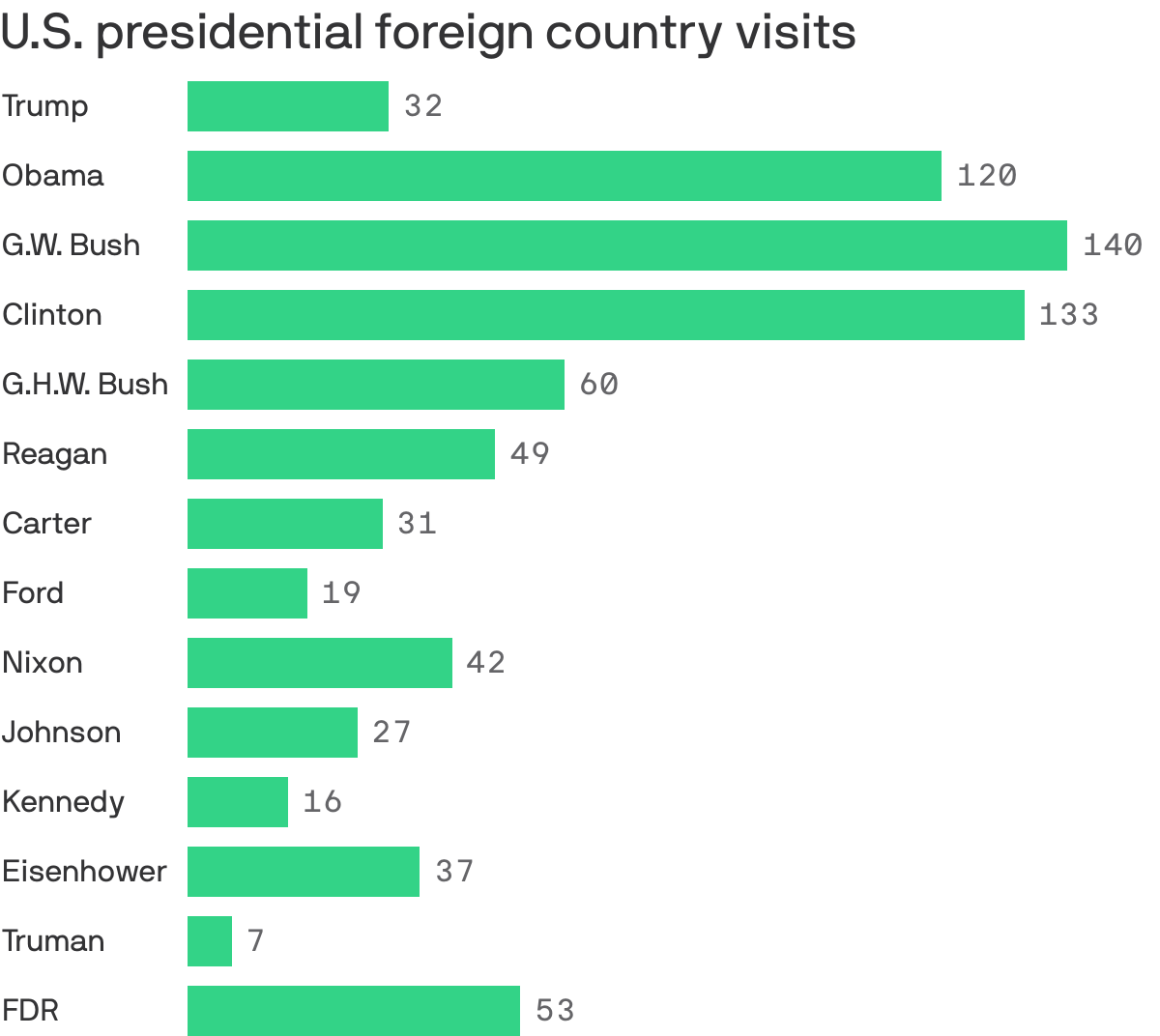
Data: U.S. State Department Office of the Historian; Chart: Will Chase/Axios
President Biden leaves for the United Kingdom on Wednesday, kicking off his first foreign trip as president.
By the numbers: Presidents have made more stops in foreign nations in most recent administrations, though they dropped way off when Donald Trump was in office.
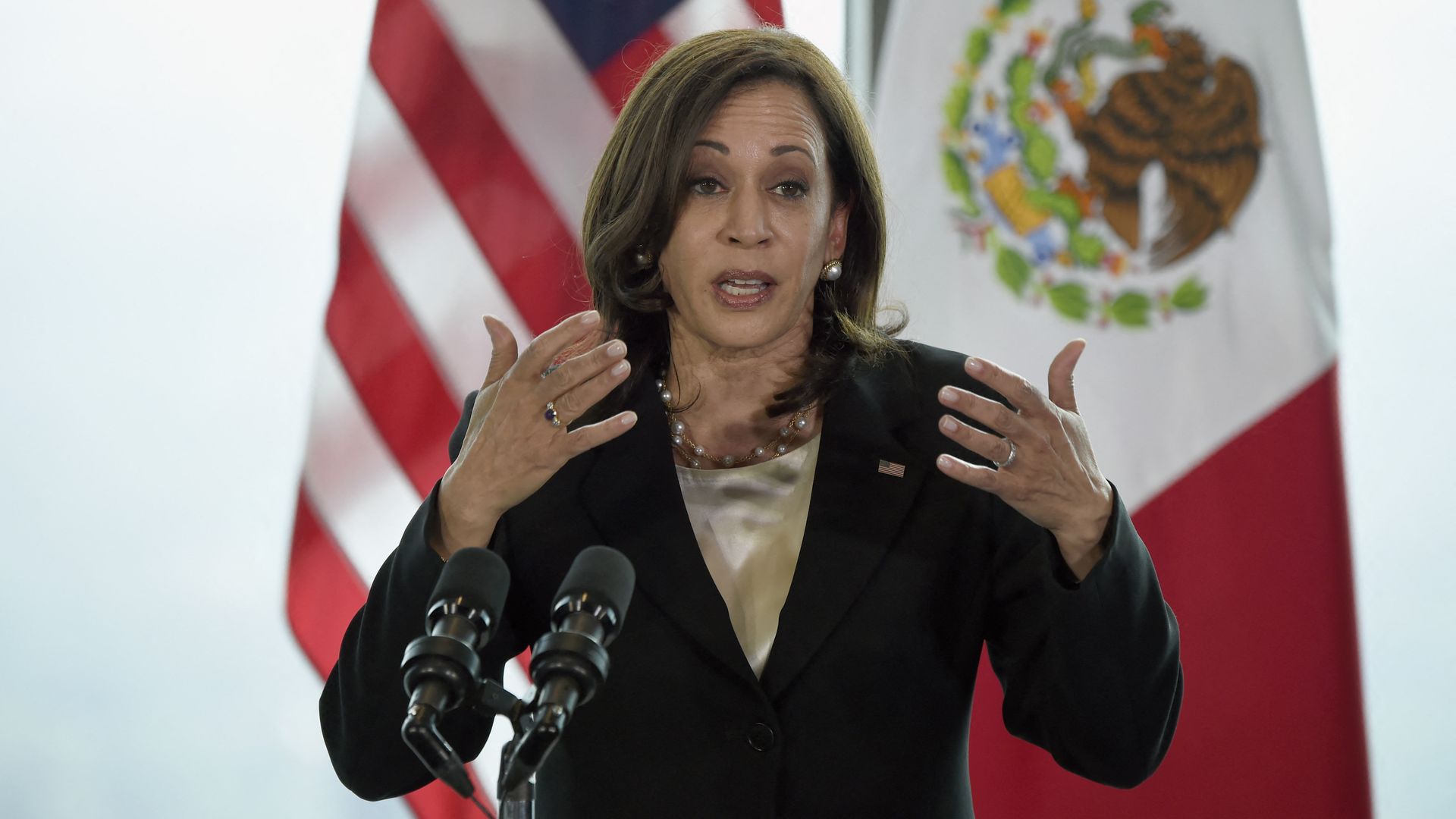
Vice President Kamala Harris headed back to the U.S. after two days of high-level meetings in Guatemala and Mexico about corruption, human trafficking and migration, but one subject was only briefly touched upon: coronavirus vaccines.
Why it matters: Migrant apprehensions at the U.S.-Mexico border remain near 20-year highs. Harris is charged with trying to resolve the root causes for people leaving Central America, issues oftentimes exacerbated by COVID-19 in recent months.