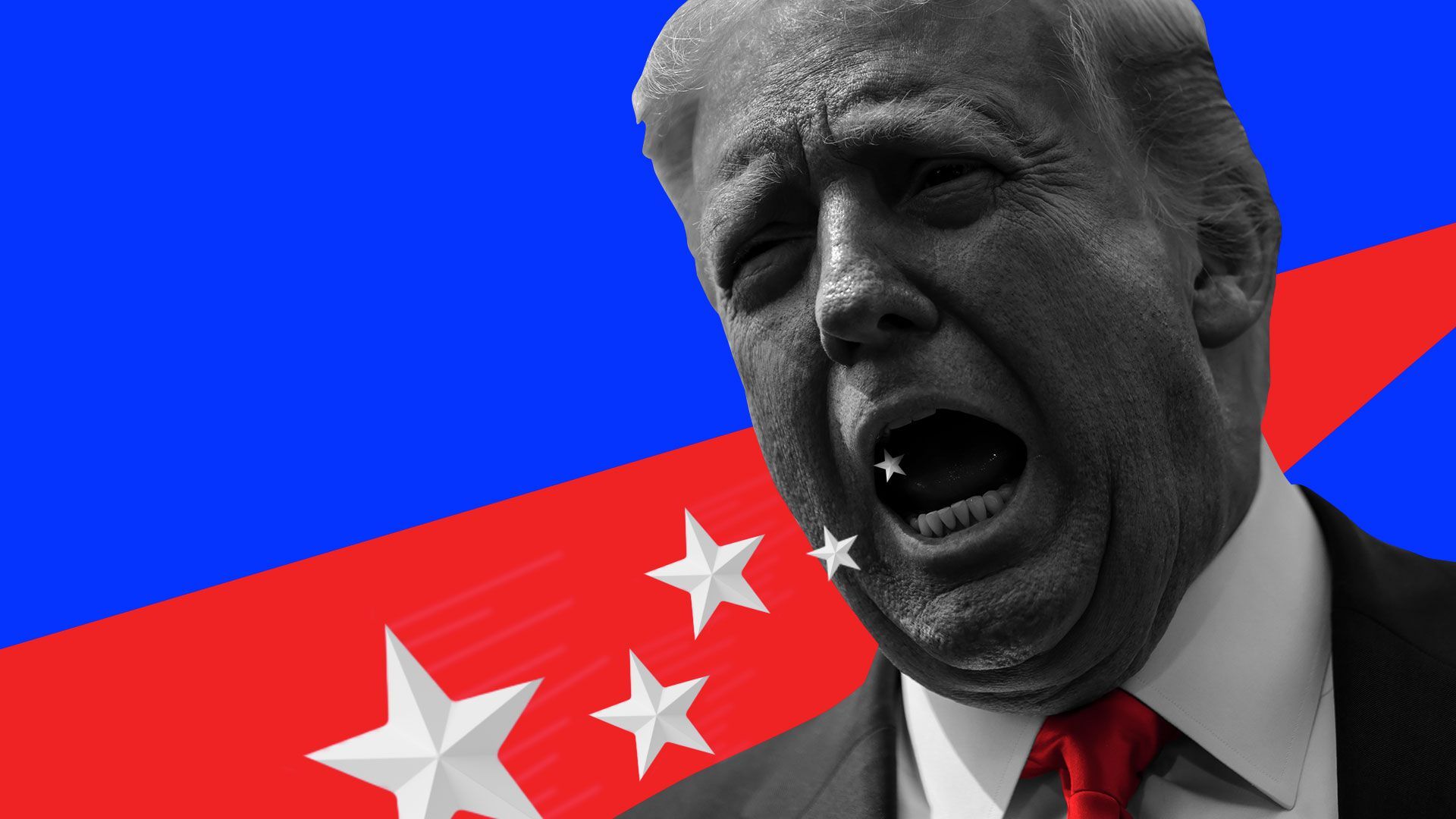
President Trump's rhetoric on China has tended to run hotter than his actions — until now.
Why it matters: Even at the height of Trump's trade war, his administration never hit China as hard, as fast, and on as many fronts as it is right now.
TikTok has become a Rorschach test for how U.S. politicians view China, with little consensus on the specifics of its threat to homeland security.
The big picture: Much of what D.C. fears about TikTok is fear itself, and that's reflected in President Trump's executive order to ban the app by Sept. 20 if it's not sold by parent company ByteDance — alongside another focused on Chinese messaging app WeChat and its parent company Tencent.
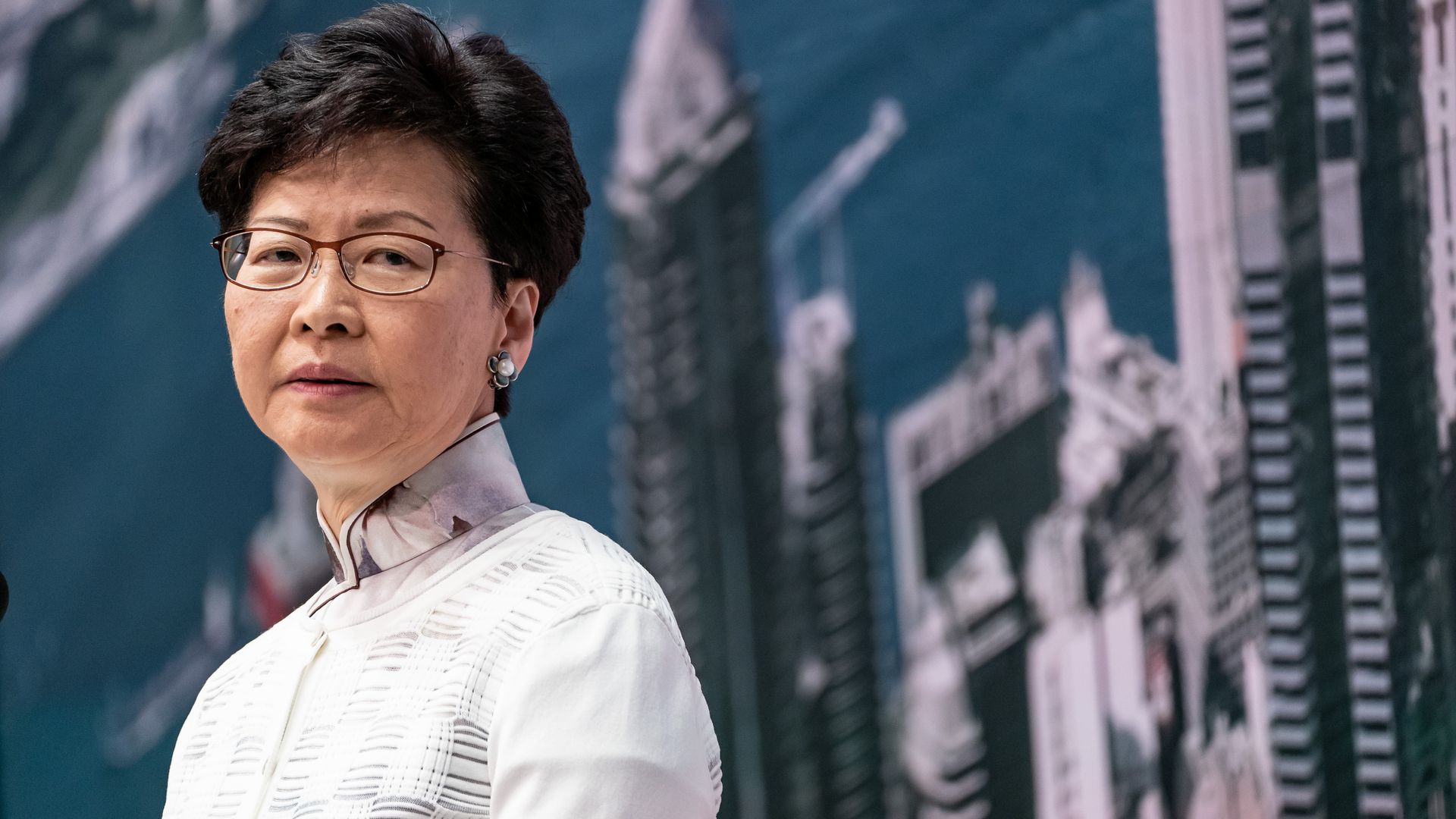
The Treasury Department on Friday placed sanctions on Hong Kong leader Carrie Lam, following months of tension as she has allowed continued overreach by Beijing to subvert Hong Kong's autonomy.
Why it matters: It's the toughest sanction yet imposed on China for its destruction of Hong Kong’s relatively free political system.
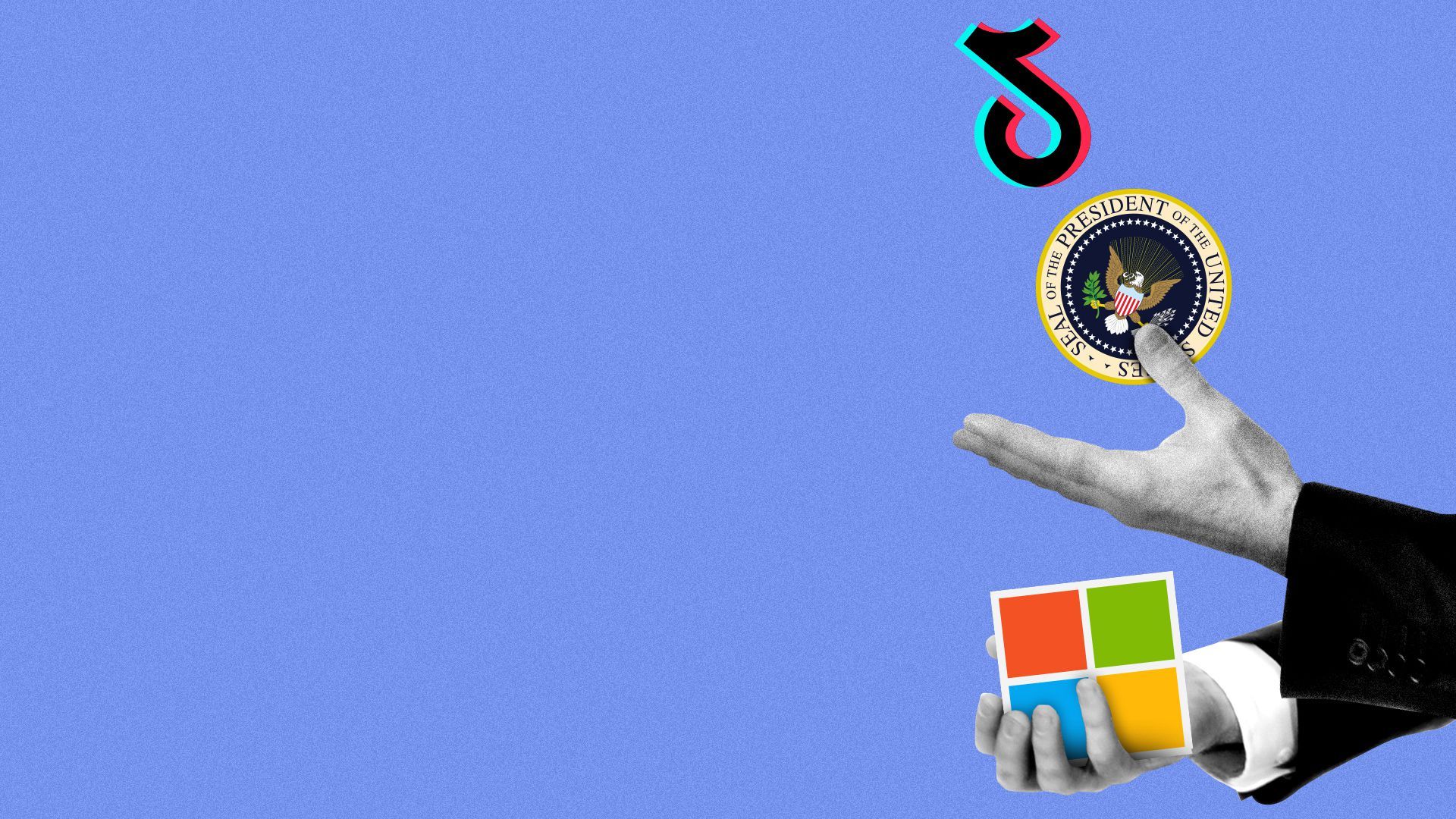
President Trump escalated his campaign to claw apart the Chinese and American tech worlds Thursday evening, issuing executive orders that threaten to ban both TikTok and massive global messaging app WeChat.
The big picture: Trump's orders come against a backdrop of heightening tension with China, the steady unfolding of a hard "decoupling" between the world's two largest economies, and the Trump campaign's effort to wave a "tough on China" banner.
TikTok said Friday that it was "shocked" by President Trump's executive order that will ban Americans from dealing with ByteDance, its China-based owner, in 45 days.
Why it matters: TikTok argued that Trump's move "risks undermining global businesses' trust in the United States' commitment to the rule of law, which has served as a magnet for investment and spurred decades of American economic growth."
There are roughly 13,355 nuclear weapons in the world, with 91% of them belonging toRussia (6,370) or the U.S. (5,800), according to estimates from the Bulletin of Atomic Scientists.
What to watch: China’s stockpile of around 290 warheads is “likely to grow further over the next decade” and put it firmly in the third spot among the world’s nuclear powers, according to analysts Hans Kristensen and Matt Korda.
The mushroom clouds over Hiroshima and Nagasaki have remained unreplicated for 75 years in part because the U.S. and Soviet Union — after peering over the ledge into nuclear armageddon — began to negotiate.
Why it matters: The arms control era that began after the Cuban Missile Crisis may now be coming to a close. The next phase could be a nuclear free-for-all.
The travails of TikTok are the most visible example of how the rapidly deteriorating relationship between the U.S. and China can evaporate tens of billions of dollars of corporate value.
Why it matters: When corporations find themselves at the mercy of politicians flexing their geopolitical muscles, they generally end up ruing the encounter.
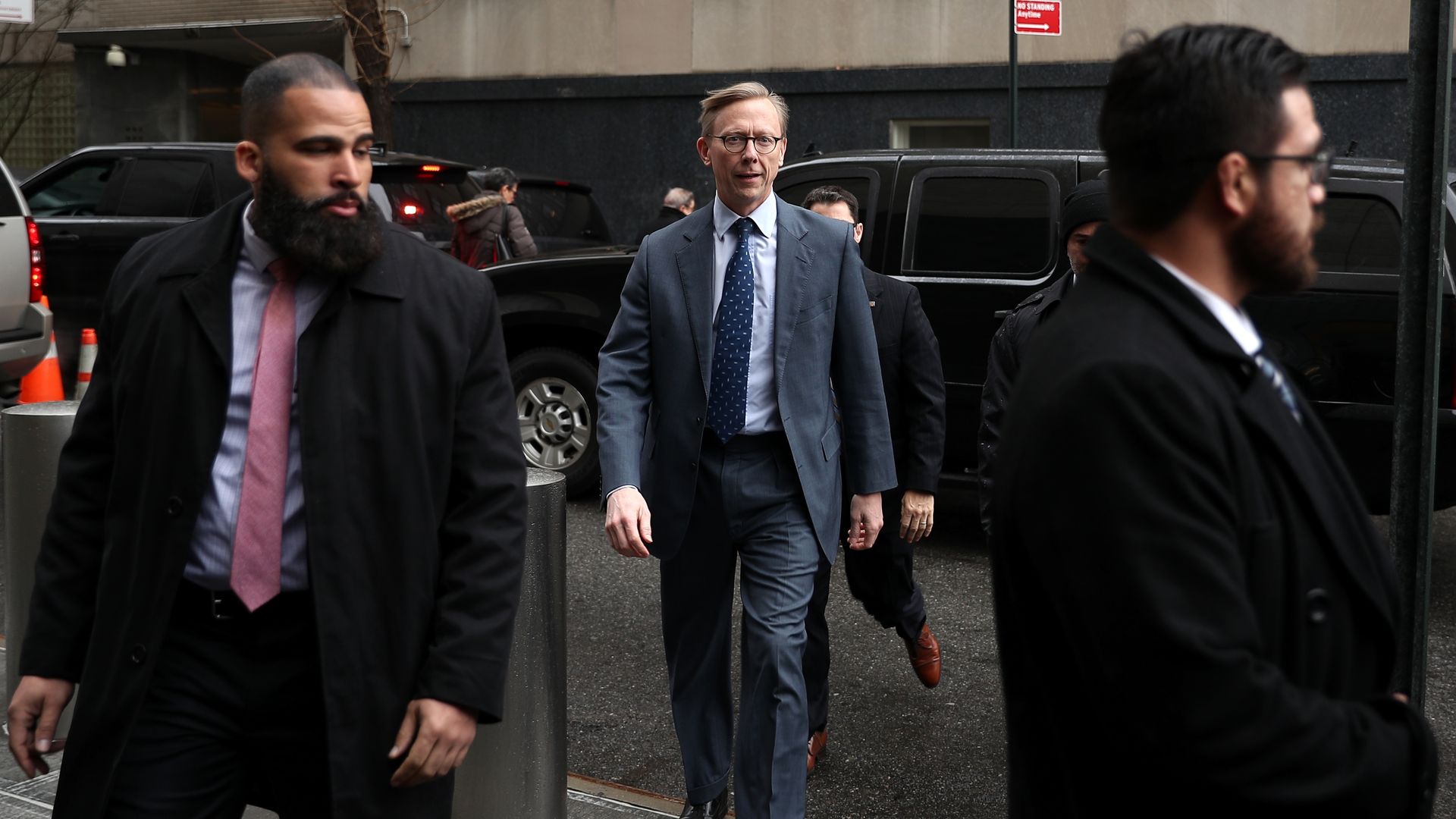
President Trump's Iran envoy, Brian Hook, is stepping down, Secretary of State Mike Pompeo confirmed Thursday. He will be replaced with Venezuela envoy Elliott Abrams, a noted Iran hawk who will serve in both roles.
Why it matters: Hook had been tasked with executing Trump's "maximum pressure" policy toward Iran, working closely with Pompeo. That strategy has deepened tensions and thus far failed to force Iran back to the negotiating table, as Trump had hoped.
Twitter will begin labeling accounts belonging to state-affiliated media outlets from countries on the U.N. Security Council, it announced Thursday.
The big picture: The new policy will affect “outlets where the state exercises control over editorial content” in China, France, Russia, the U.K., and the U.S., according to the announcement.
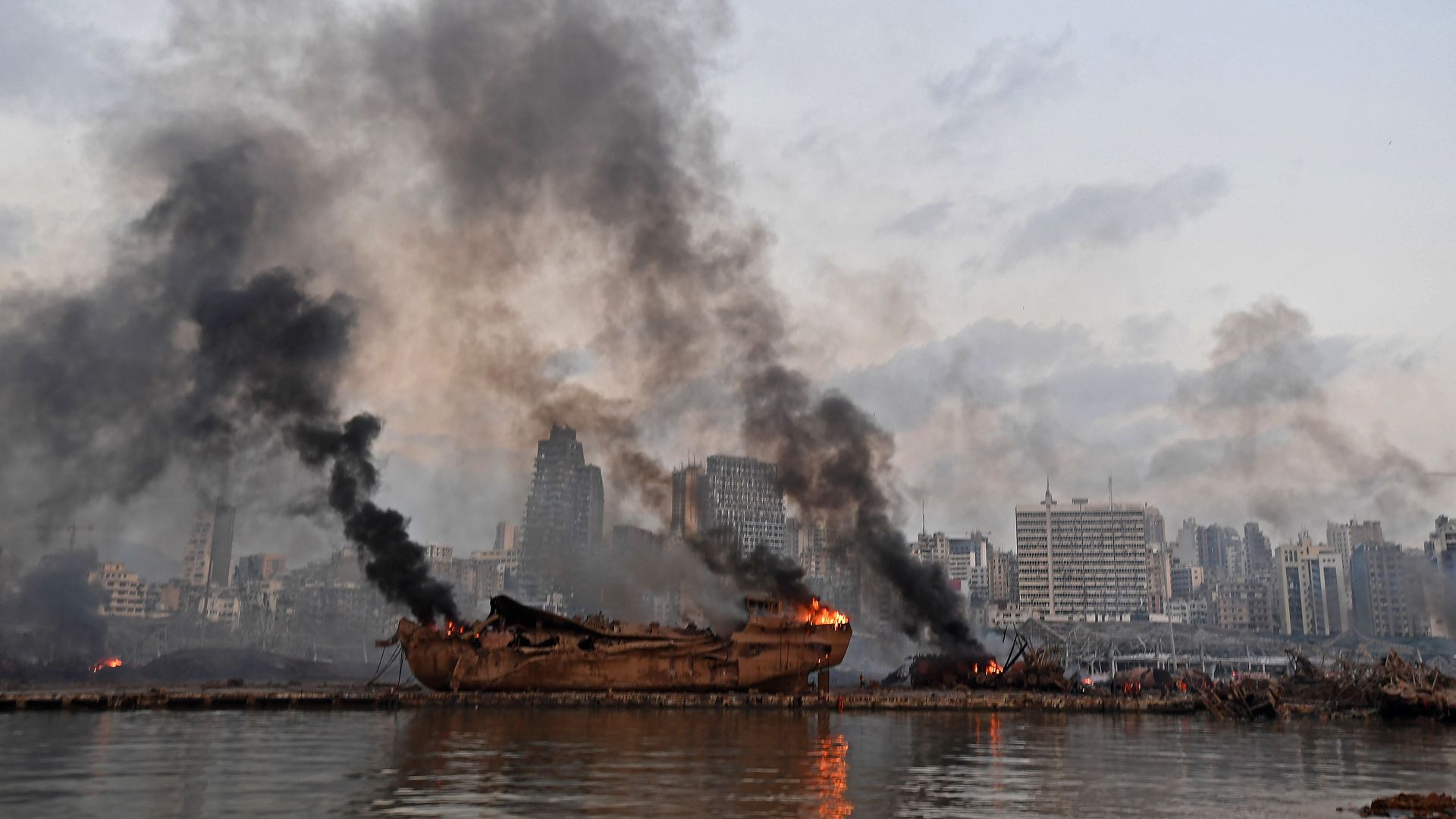
On Sep. 23, 2013, a Russian-owned, Moldovan-flagged ship departed Georgia en route to Mozambique bearing 2,750 tons of ammonium nitrate, a material used in fertilizer as well as explosives.
Why it matters: The Rhosus made an unscheduled stop in Beirut, apparently due to engine problems. The ammonium nitrate never left the port, but destroyed it nearly seven years later, along with much of the city.
TikTok, already threatened with a U.S. ban by President Trump, is also facing the prospect that its stunning 2020 growth could be ended by multiple bans around the world.
The state of play: TikTok is already banned in India, where it was downloaded more than 118 million times in 2020. A U.S. ban would cut into a significant amount of the user growth it has seen this year.
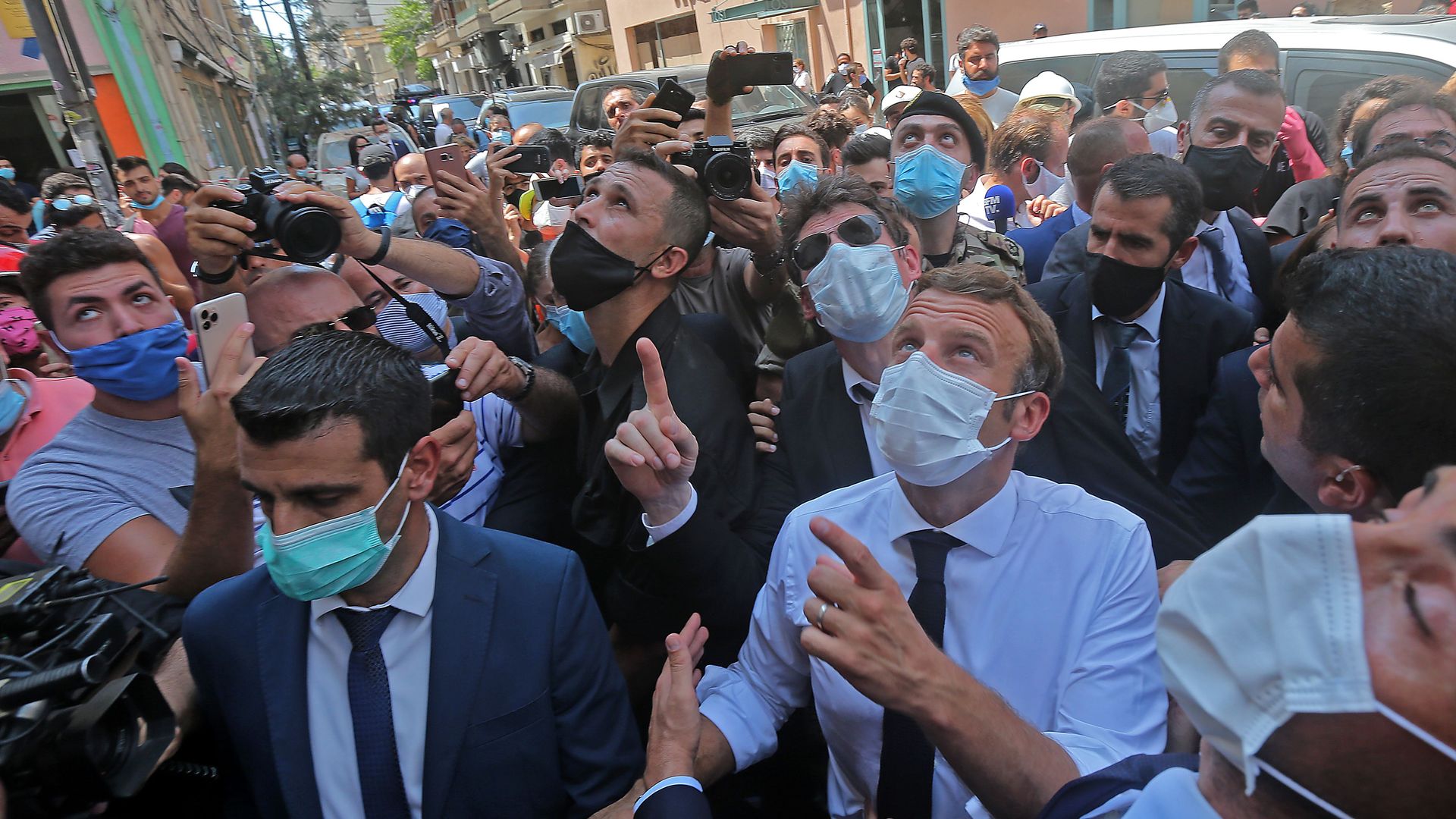
French President Emmanuel Macron walked through the blast-damaged streets of Beirut on Thursday, swarmed by people chanting for the fall of Lebanon's government and pleading for international aid.
Why it matters: Lebanon is at a breaking point. Its economy was collapsing and its government hardly functioning — all before a massive explosion destroyed swathes of the capital city, including its vital port.
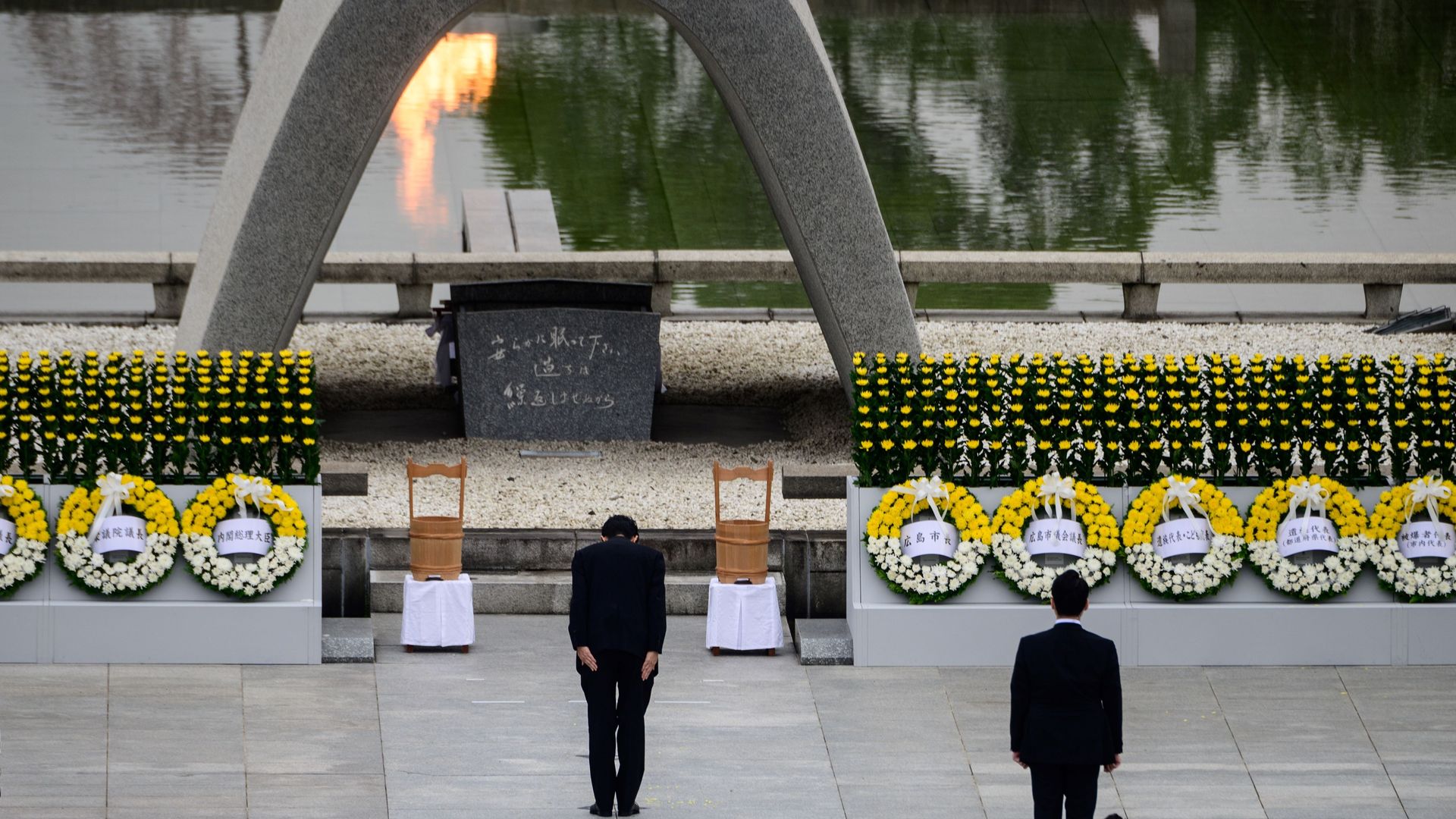
Hiroshima Mayor Kazumi Matsui on Thursday urged the international community to work together to defeat the coronavirus pandemic and warned against an increase in "self-centered nationalism," per the Washington Post.
Why it matters: He said at a remembrance service on the atomic bombing of the Japanese city that the 1918 flu pandemic killed millions as countries fighting in World War I were unable to overcome the threat together, per DPR. "A subsequent upsurge in nationalism led to World War II," he added. The U.S. bombing of Hiroshima on Aug. 6, 1945 and Nagasaki three days later contributed to the end of World War II, but tens of thousands of people died.
Former acting Attorney General Sally Yates testified Wednesday that she believes there was a "legitimate basis" for the FBI to interview then-national security adviser Michael Flynn in January 2017 as part of a counterintelligence investigation into Russian election interference.
Why it matters: The Justice Department under Attorney General Bill Barr is attempting to dismiss the case against Flynn, who pleaded guilty to lying to the FBI about his conversations with the Russian ambassador, on the grounds that there was no basis for the FBI to interview him in the first place.