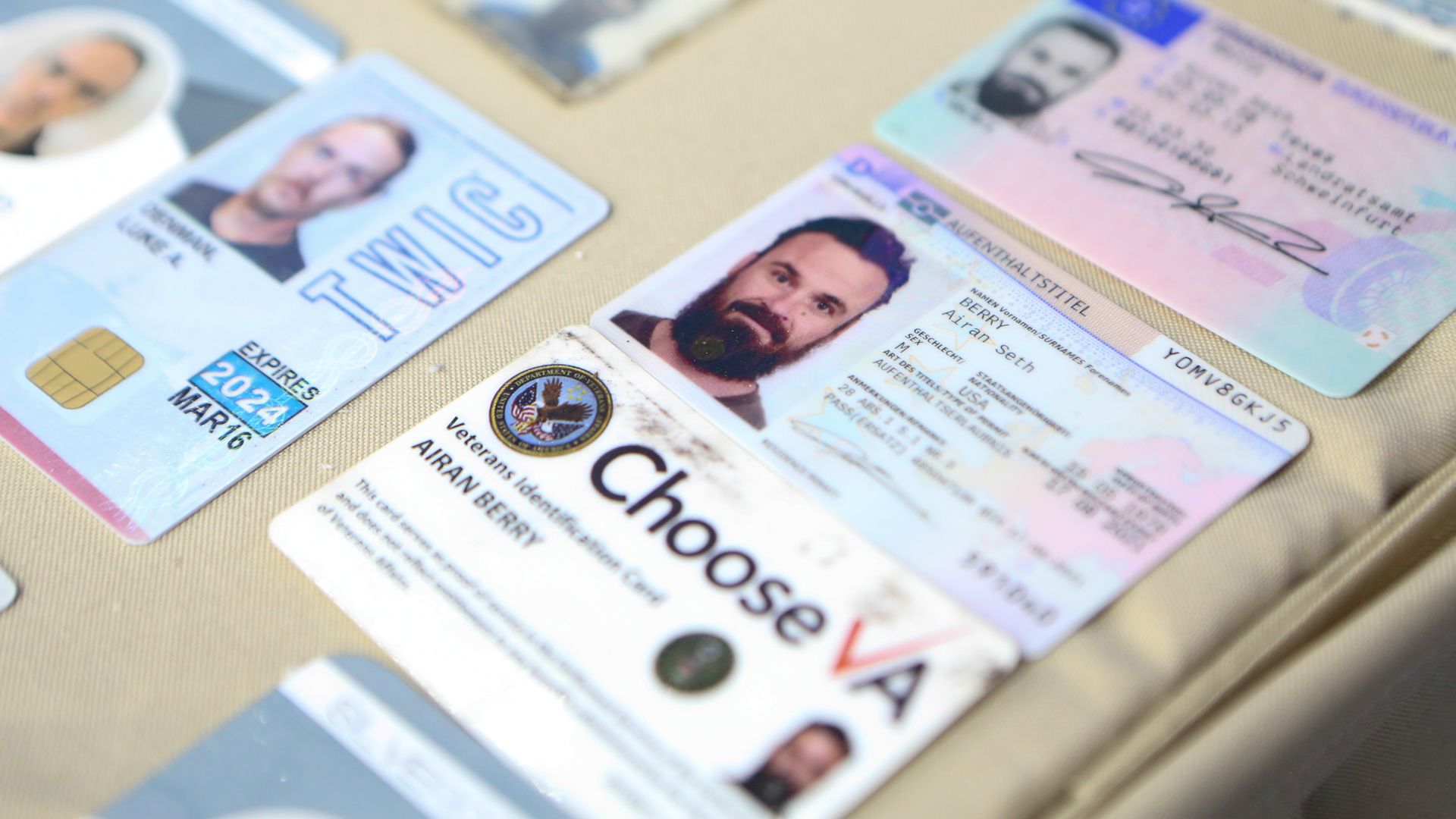
A Venezuelan court on Friday sentenced two ex-U.S. special forces soldiers to 20 years in prison for their part in a failed operation to overthrow President Nicolás Maduro, AP reports.
Why it matters: The case comes amid heightened tensions between Washington, D.C., and Caracas after the Trump administration last year publicly supported opposition leader Juan Guaidó, who has vowed to oust Maduro through a military uprising.
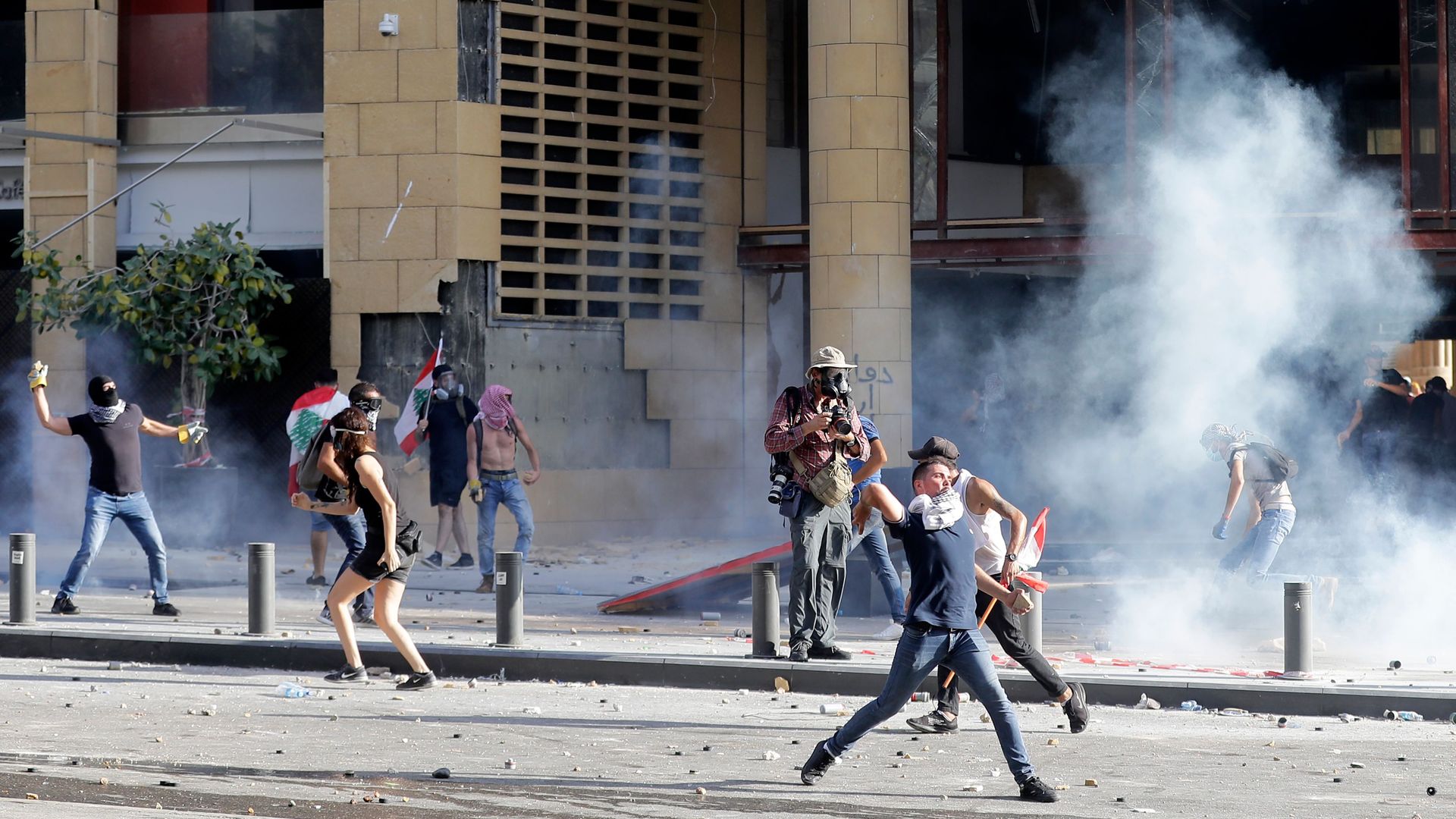
Lebanese security forces fired tear gas at protesters on Saturday who threw stones in Beirut over a massive explosion that devastated the city earlier this week, injuring roughly 6,000 people and leaving nearly 160 dead, AP reports.
Why it matters: Activists say political corruption and negligence are to blame for Tuesday's blast, caused by a store of ammonium nitrate left unsecured near the city's port for more than six years.
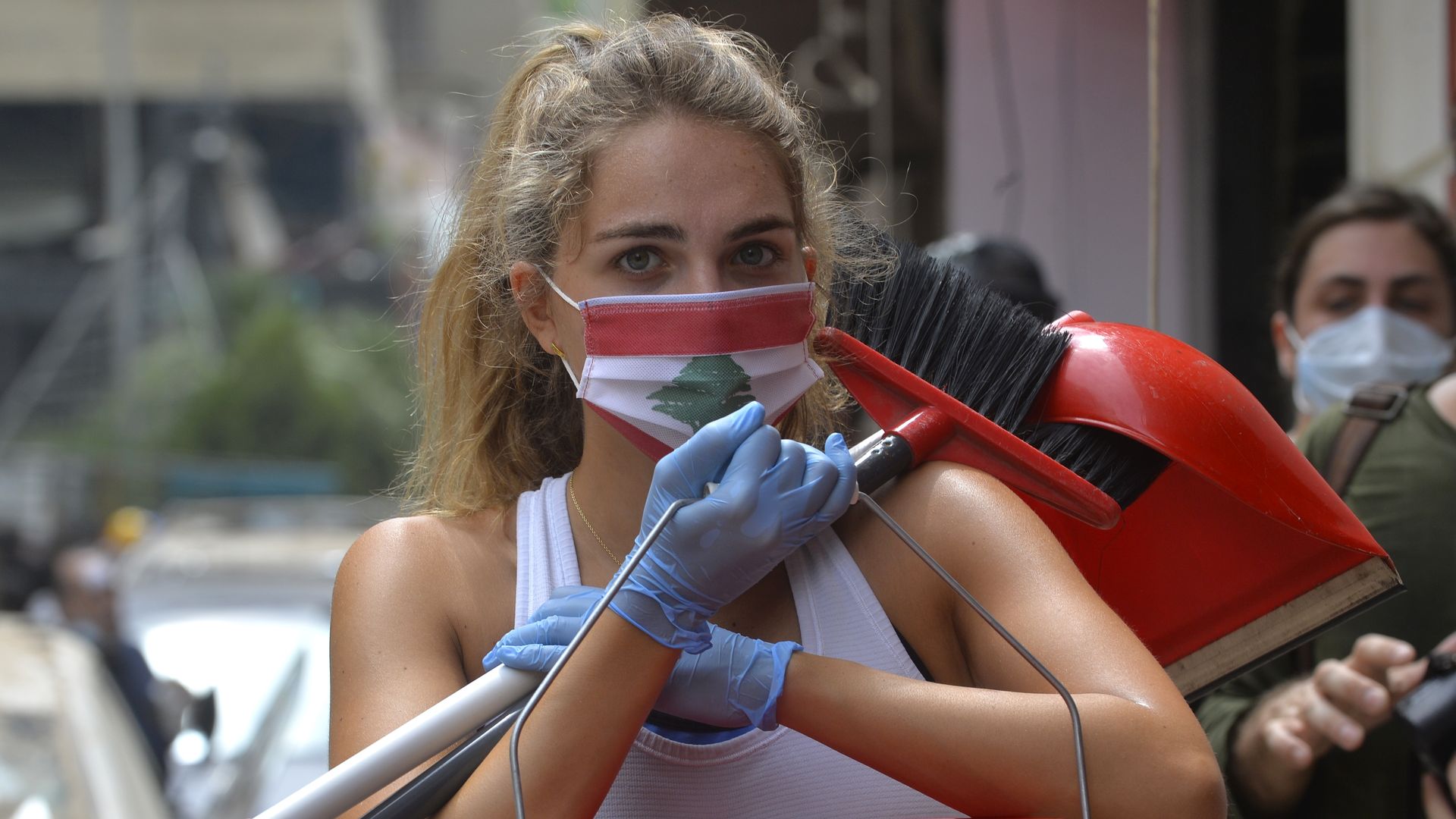
Beirut residents are still clearing rubble from streets that appear war-torn, days after a blast that shocked the country and horrified the world.
Why it matters: The explosion is likely to accelerate a painful cycle Lebanon was already living through — discontent, economic distress, and emigration.
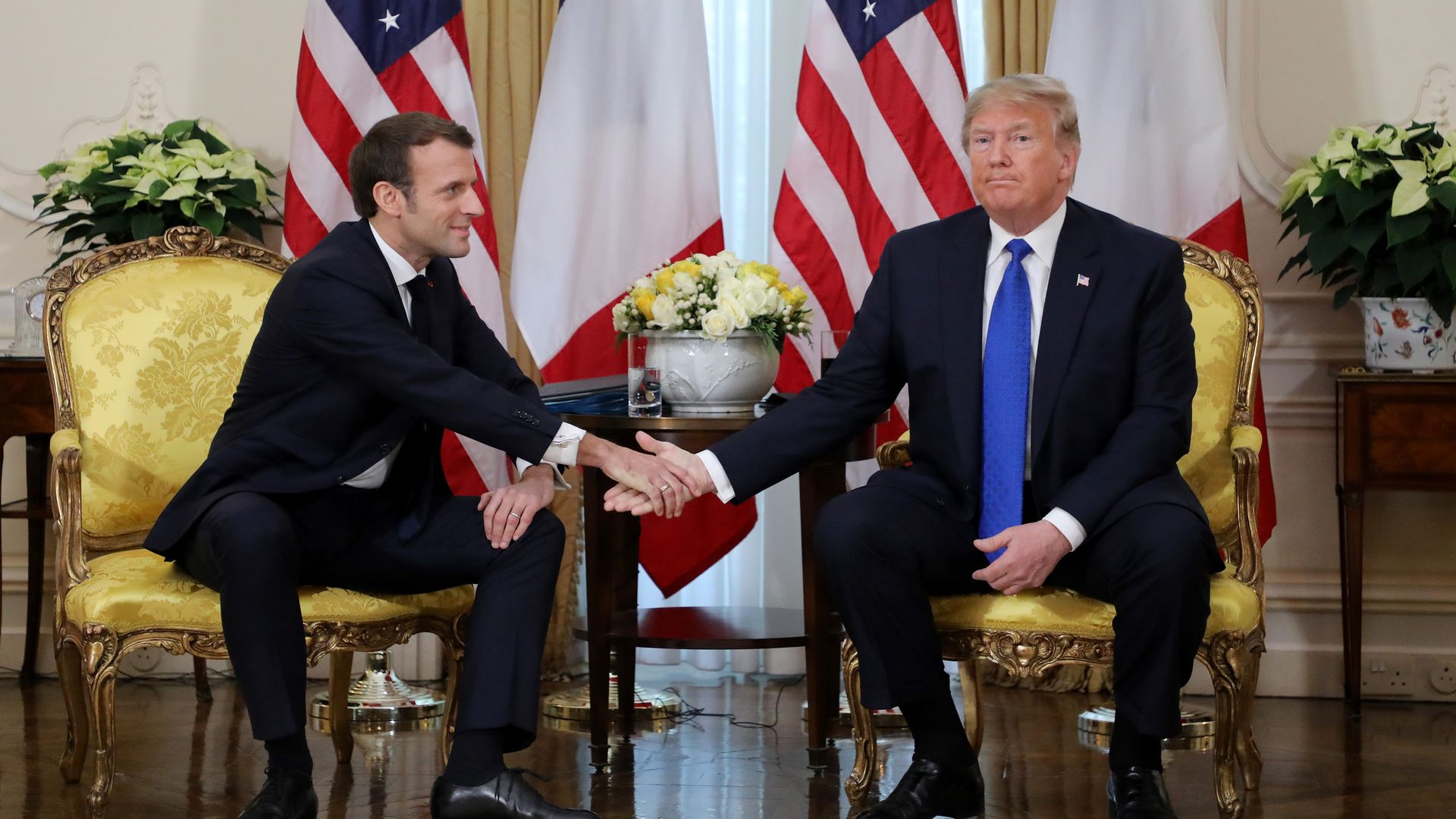
President Trump tweeted on Friday that he and French President Emmanuel Macron spoke over the phone to discuss sending immediate aid to Lebanon following a massive explosion in Beirut this week that killed more than 100 people and injured thousands.
What he's saying: "Had a lengthy discussion this morning with President Macron of France concerning numerous subjects, but in particular the catastrophic event which took place in Beirut, Lebanon..." Trump tweeted.
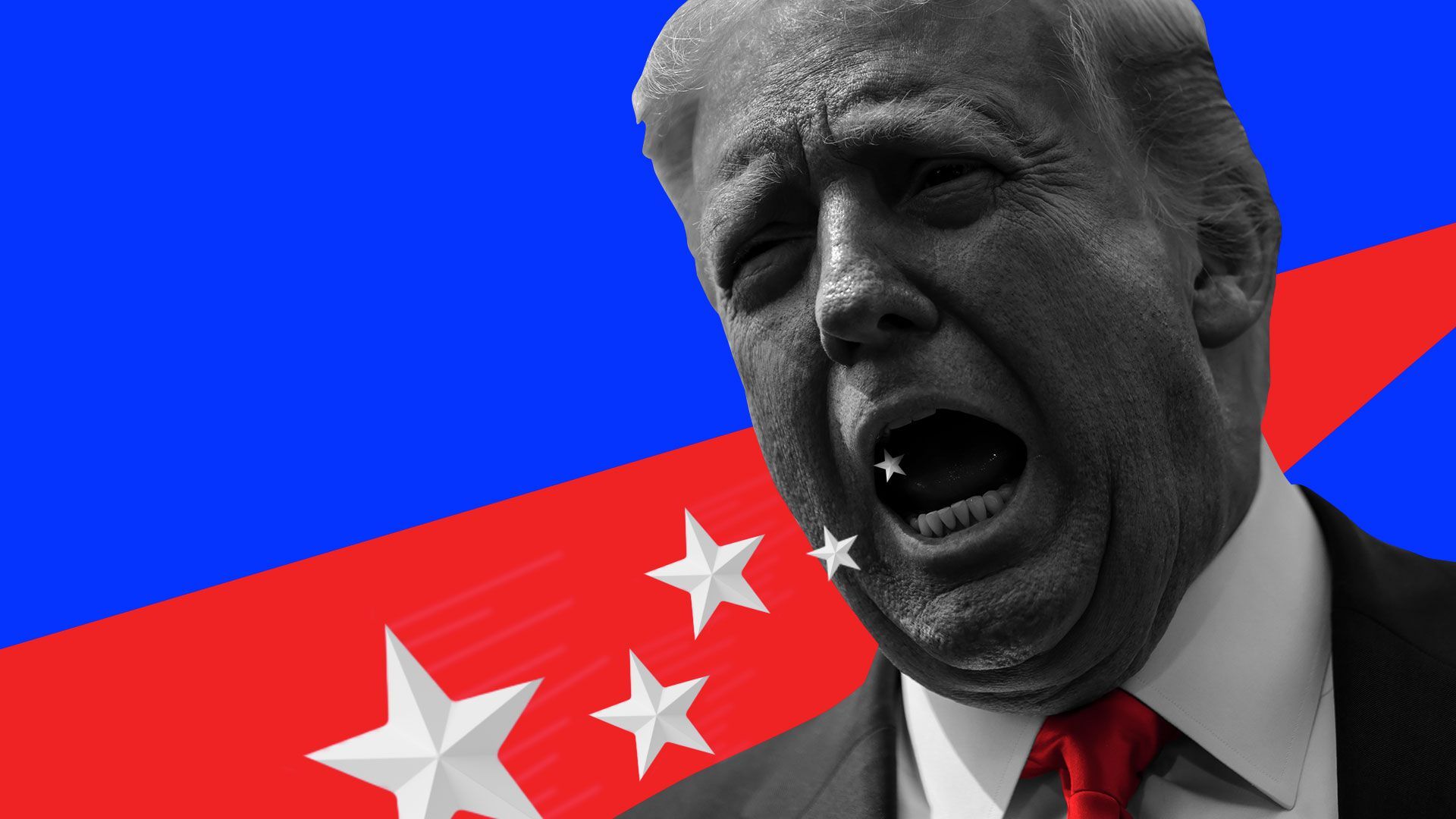
President Trump's rhetoric on China has tended to run hotter than his actions — until now.
Why it matters: Even at the height of Trump's trade war, his administration never hit China as hard, as fast, and on as many fronts as it is right now.
TikTok has become a Rorschach test for how U.S. politicians view China, with little consensus on the specifics of its threat to homeland security.
The big picture: Much of what D.C. fears about TikTok is fear itself, and that's reflected in President Trump's executive order to ban the app by Sept. 20 if it's not sold by parent company ByteDance — alongside another focused on Chinese messaging app WeChat and its parent company Tencent.
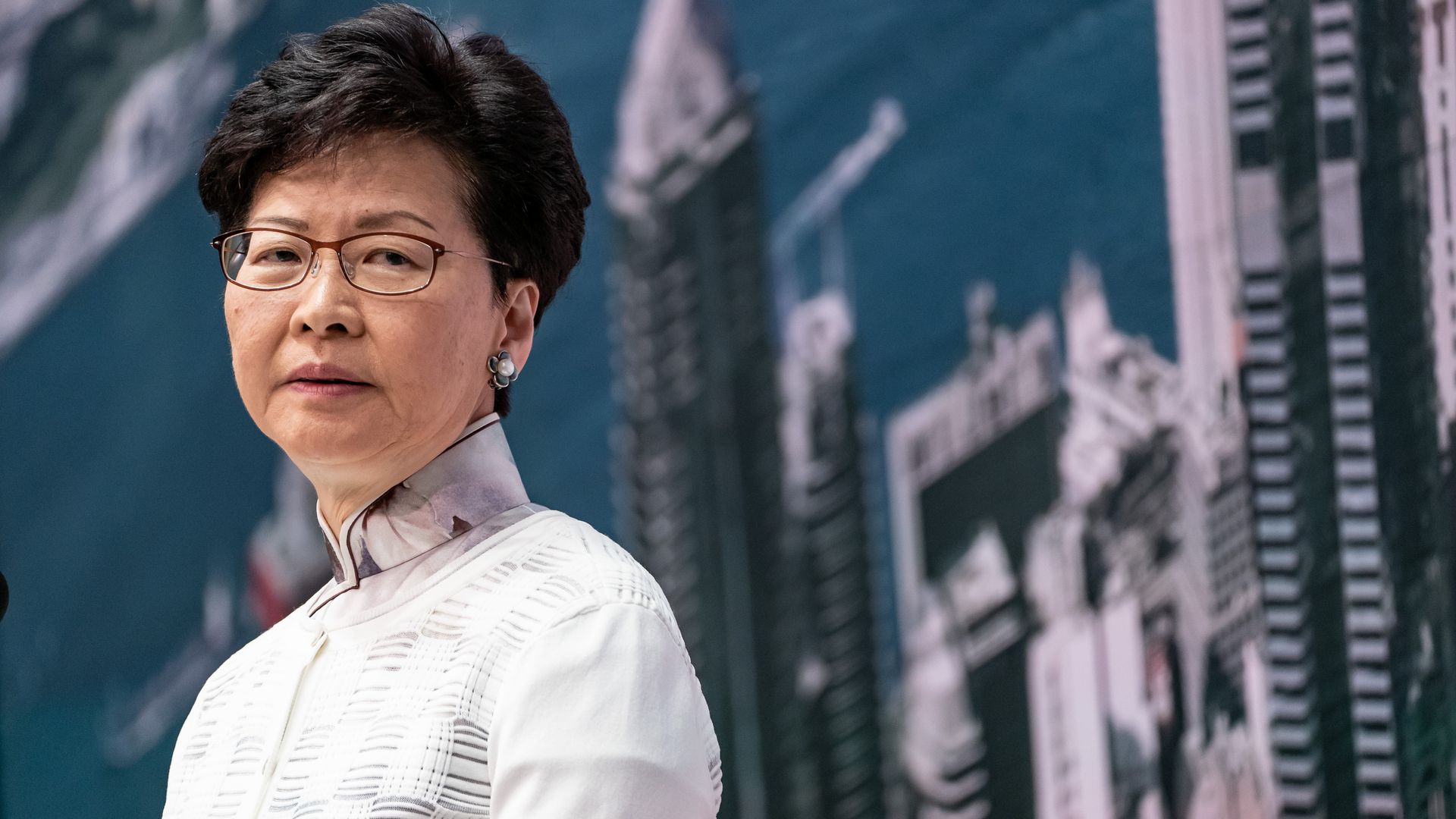
The Treasury Department on Friday placed sanctions on Hong Kong leader Carrie Lam, following months of tension as she has allowed continued overreach by Beijing to subvert Hong Kong's autonomy.
Why it matters: It's the toughest sanction yet imposed on China for its destruction of Hong Kong’s relatively free political system.
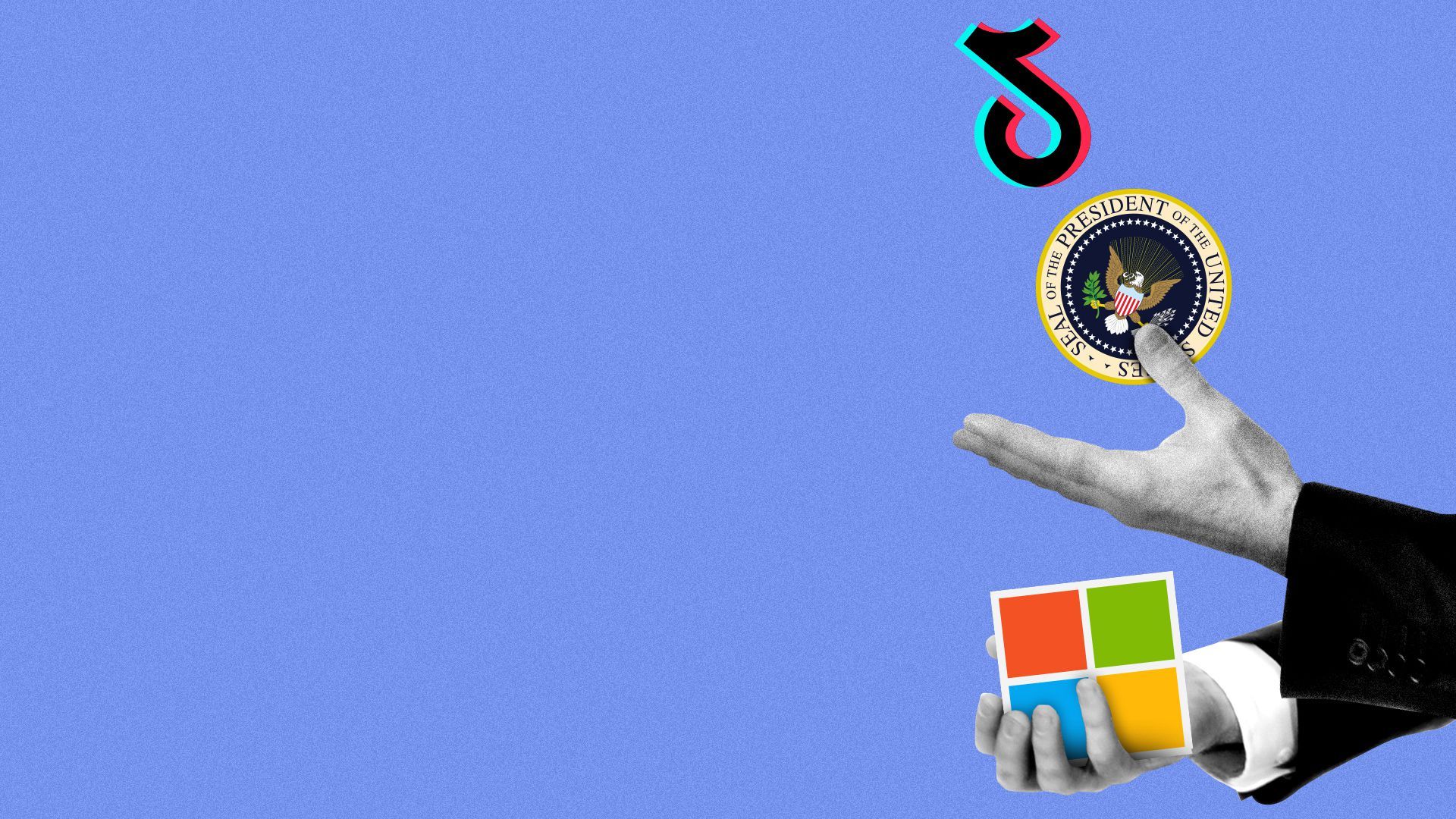
President Trump escalated his campaign to claw apart the Chinese and American tech worlds Thursday evening, issuing executive orders that threaten to ban both TikTok and massive global messaging app WeChat.
The big picture: Trump's orders come against a backdrop of heightening tension with China, the steady unfolding of a hard "decoupling" between the world's two largest economies, and the Trump campaign's effort to wave a "tough on China" banner.
TikTok said Friday that it was "shocked" by President Trump's executive order that will ban Americans from dealing with ByteDance, its China-based owner, in 45 days.
Why it matters: TikTok argued that Trump's move "risks undermining global businesses' trust in the United States' commitment to the rule of law, which has served as a magnet for investment and spurred decades of American economic growth."