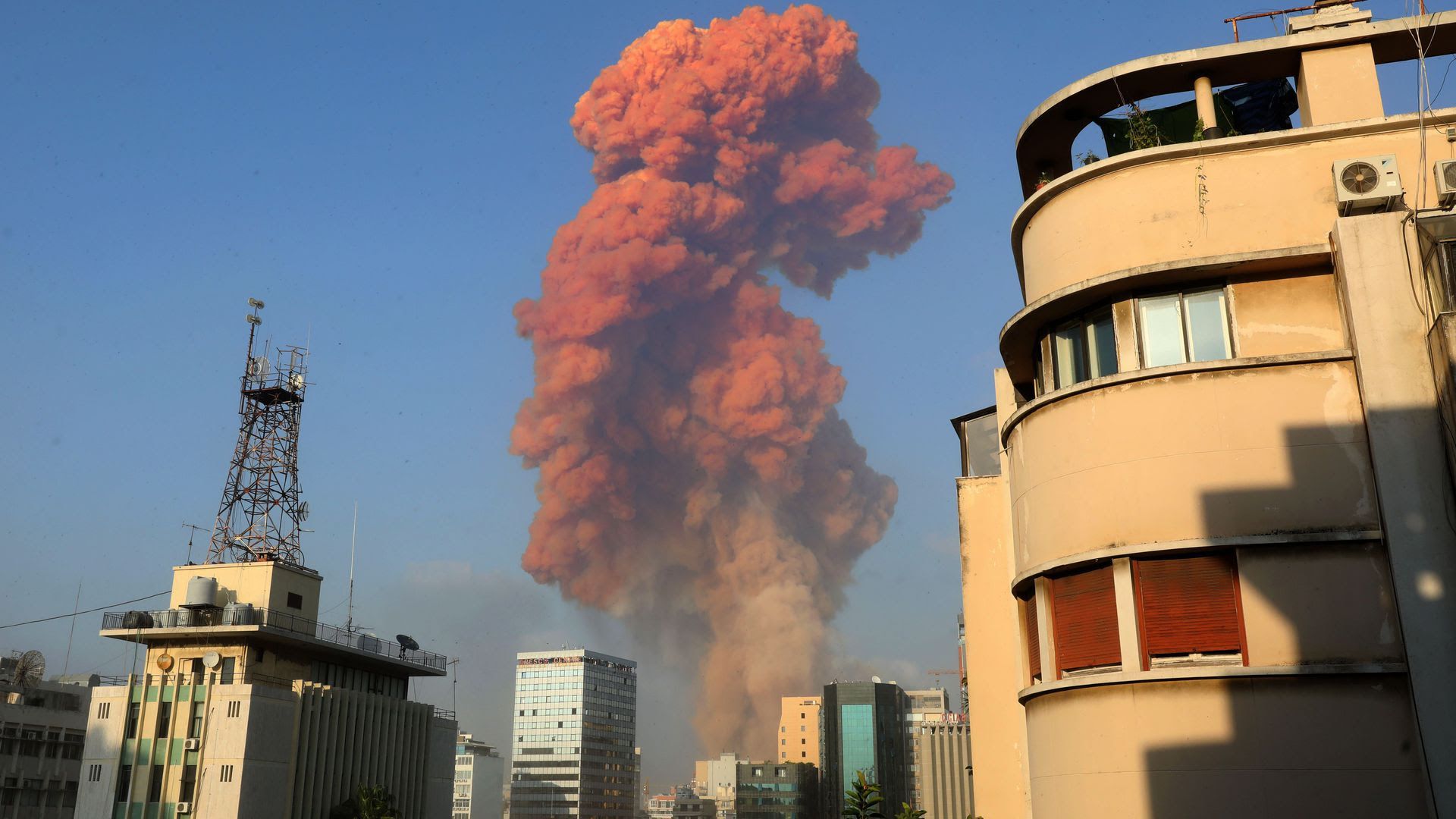
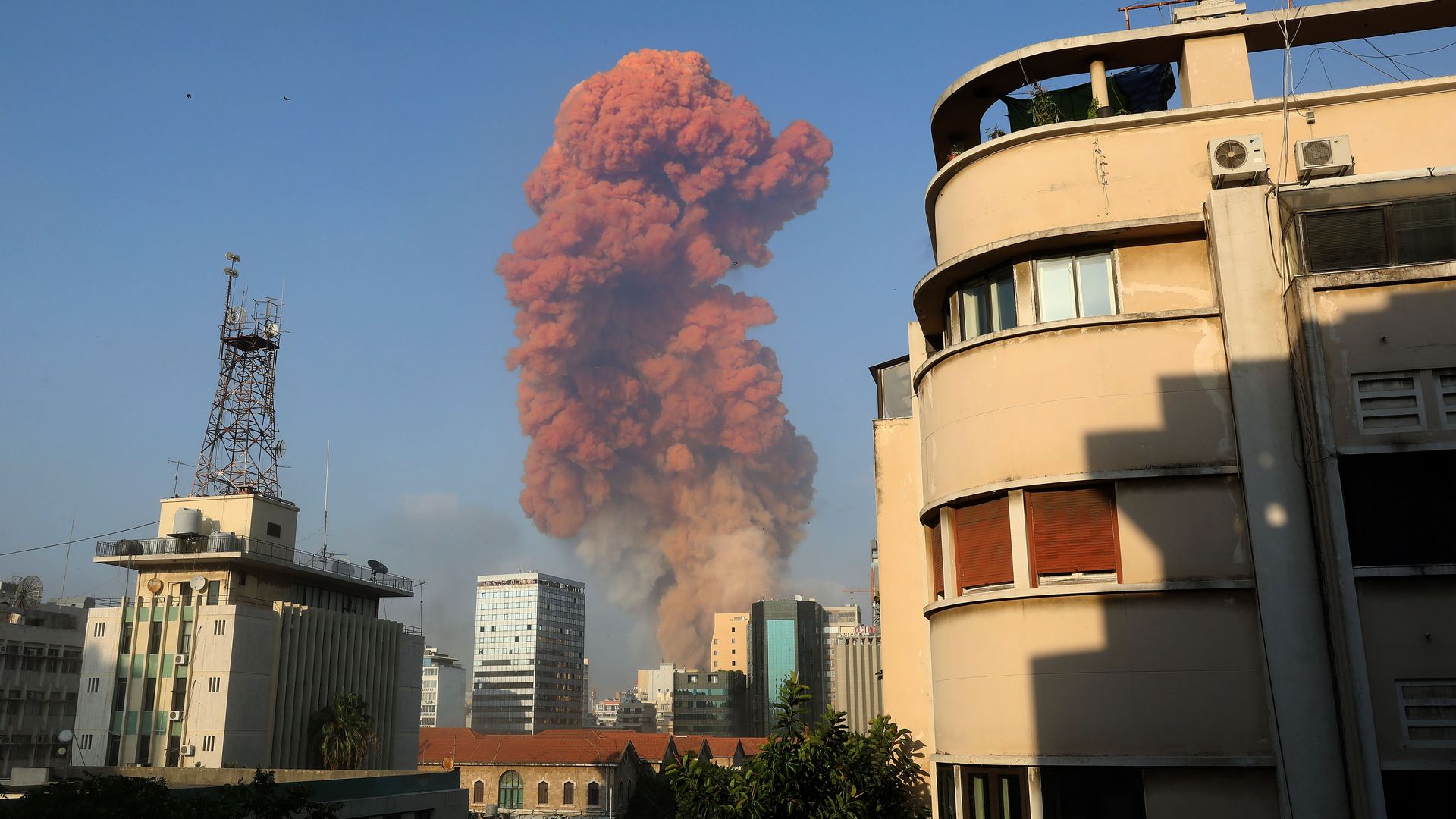
A massive explosion that rocked Beirut on Tuesday was so large that some observers initially wondered if it could be the result of a nuclear bomb.
Why it matters: Experts quickly determined the explosion was non-nuclear, and it appears to be the result of fire reaching a huge cache of ammonium nitrate. But the fact that even this enormous blast was just a fraction of the size of a small atomic bomb gives us some sense of the devastation that would result from a real nuclear detonation.
75 years after Hiroshima and Nagasaki, some experts believe the risk of the use of a nuclear weapon is as high now as it has been since the Cuban missile crisis.
The big picture: Nuclear war remains the single greatest present threat to humanity — and one that is poised to grow as emerging technologies, like much faster missiles, cyber warfare and artificial intelligence, upset an already precarious nuclear balance.
The death toll from Tuesday's explosion in Beirut, Lebanon has now surpassed 130, including at least one U.S. citizen, amid a search for answers as to why a huge store of ammonium nitrate was left unsecured near the city's port for nearly seven years.
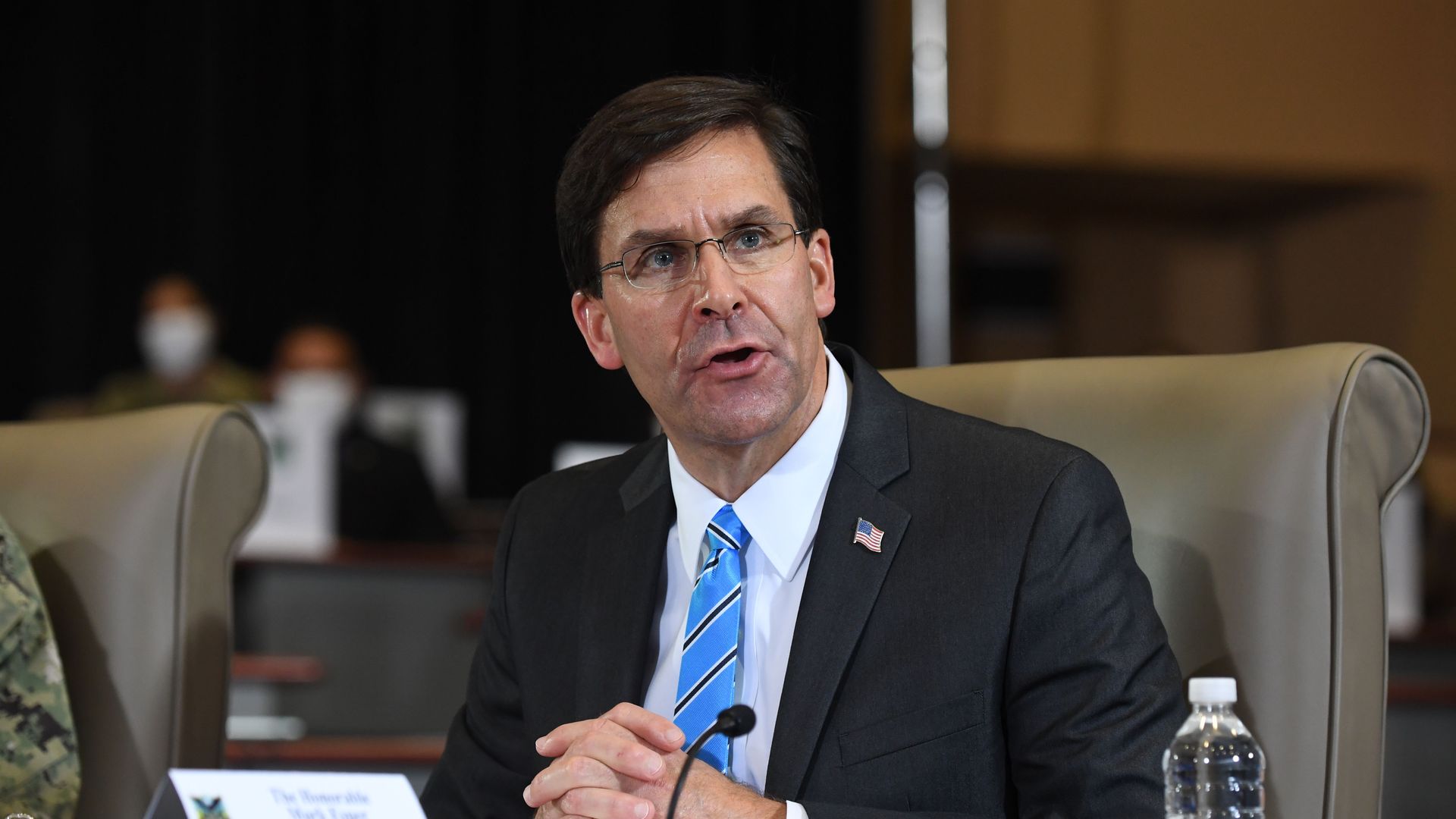
What we know: The government says around 5,000 people are injured. Defense Secretary Mark Esper said current indications are that the massive explosion was accidental, despite President Trump's puzzling claim on Tuesday evening that it appeared to be a bomb attack.
Defense Secretary Mark Esper said at the Aspen Security Forum Wednesday that "most believe" the explosions that rocked Beirut, Lebanon, on Tuesday were the product of some kind of accident.
Why it matters: President Trump claimed at a press conference Tuesday that he had spoken to generals who "seem to feel that this was not some kind of a manufacturing explosion type of event," and that it was "a bomb of some kind." The remarks set off confusion and prompted anonymous defense officials to tell CNN and AP that there is no indication yet that the blasts were an attack.
U.S. political actors will keep weaponizing the impact of widespread foreign disinformation campaigns on American elections, making these operations that much more effective and attractive to Russia, China, Iran or other countries backing them.
Why it matters: Hostile powers’ disinformation campaigns aim to destabilize the U.S., and each time a domestic politician embraces them, it demonstrates that they work.
Political and economic motivations behind a sale or shutdown of TikTok in the U.S. are obscuring sincere security concerns raised by the rise of the Chinese-owned social video app.
The big picture: U.S. intelligence officials evince deep worry over Chinese companies’ ability to resist Beijing’s demands for data.
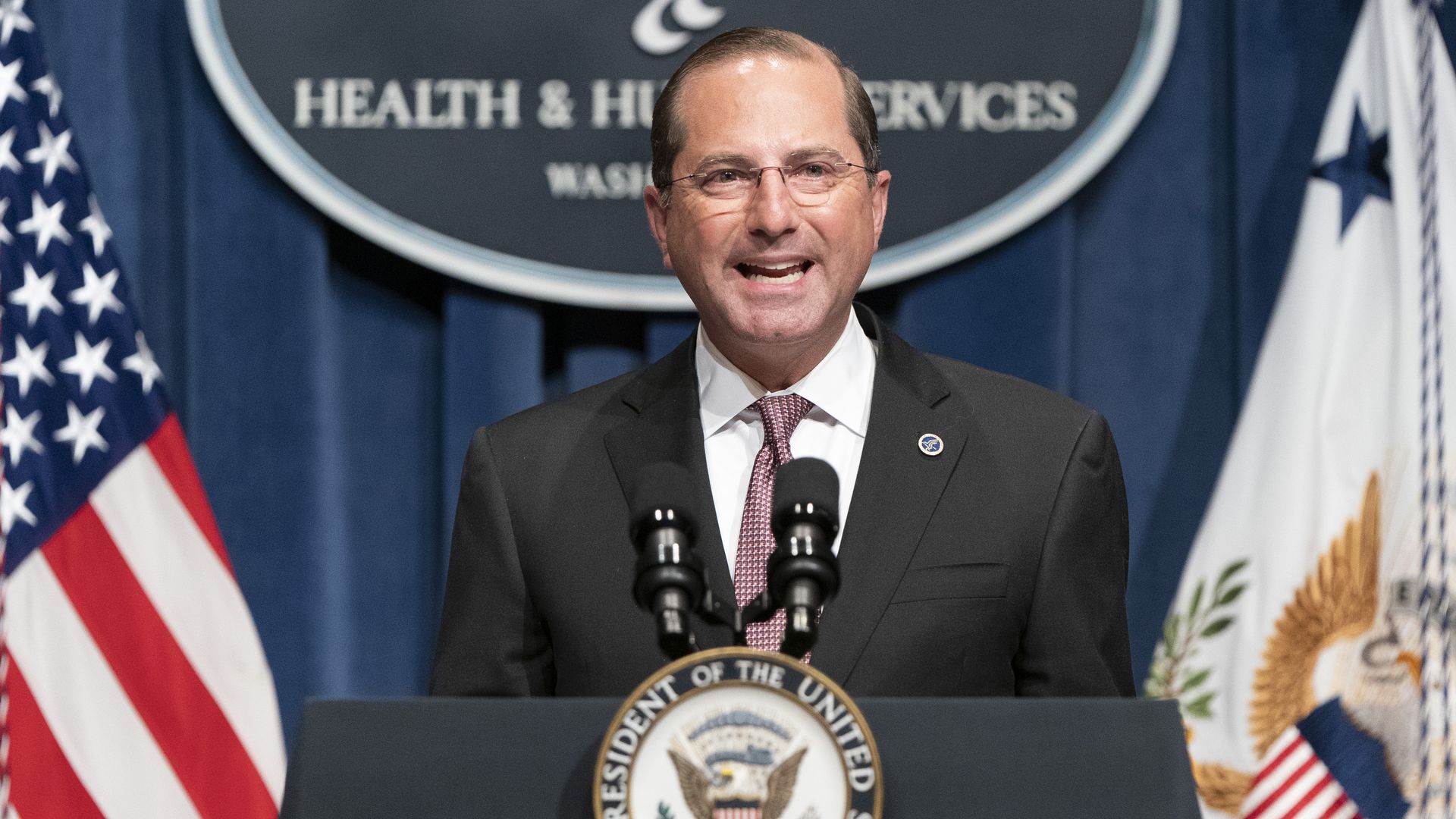
Health and Human Services Secretary Alex Azar announced Tuesday night he will lead a delegation to Taiwan "in the coming days."
Why it matters: It's the highest-level visit by a U.S. cabinet official to Taiwan since 1979. Azar is also the first U.S. Cabinet member to visit the island state in six years. The visit has angered China, which views Taiwan as part of its territory. Chinese officials accused the U.S. Wednesday of "endangering peace" with the visit, AFP reports.
President Trump said twice Monday that the U.S. Treasury would need to get a portion of the sale price of TikTok, as a condition of regulatory approval.
Why it matters: This is akin to extortion — the sort of thing you'd expect to hear on a wiretap, not from the White House in front of reporters.