President Trump has issued an executive order declaring sanctions against Iran's iron, steel, aluminum and copper exports in an effort to curb any revenue that may be used for developing weapons.
"Tehran can expect further actions unless it fundamentally alters its conduct. Since our exit from the Iran deal, which is broken beyond repair, the United States has put forward 12 conditions that offer the basis of a comprehensive agreement with Iran. I look forward to someday meeting with the leaders of Iran in order to work out an agreement and, very importantly, taking steps to give Iran the future it deserves."
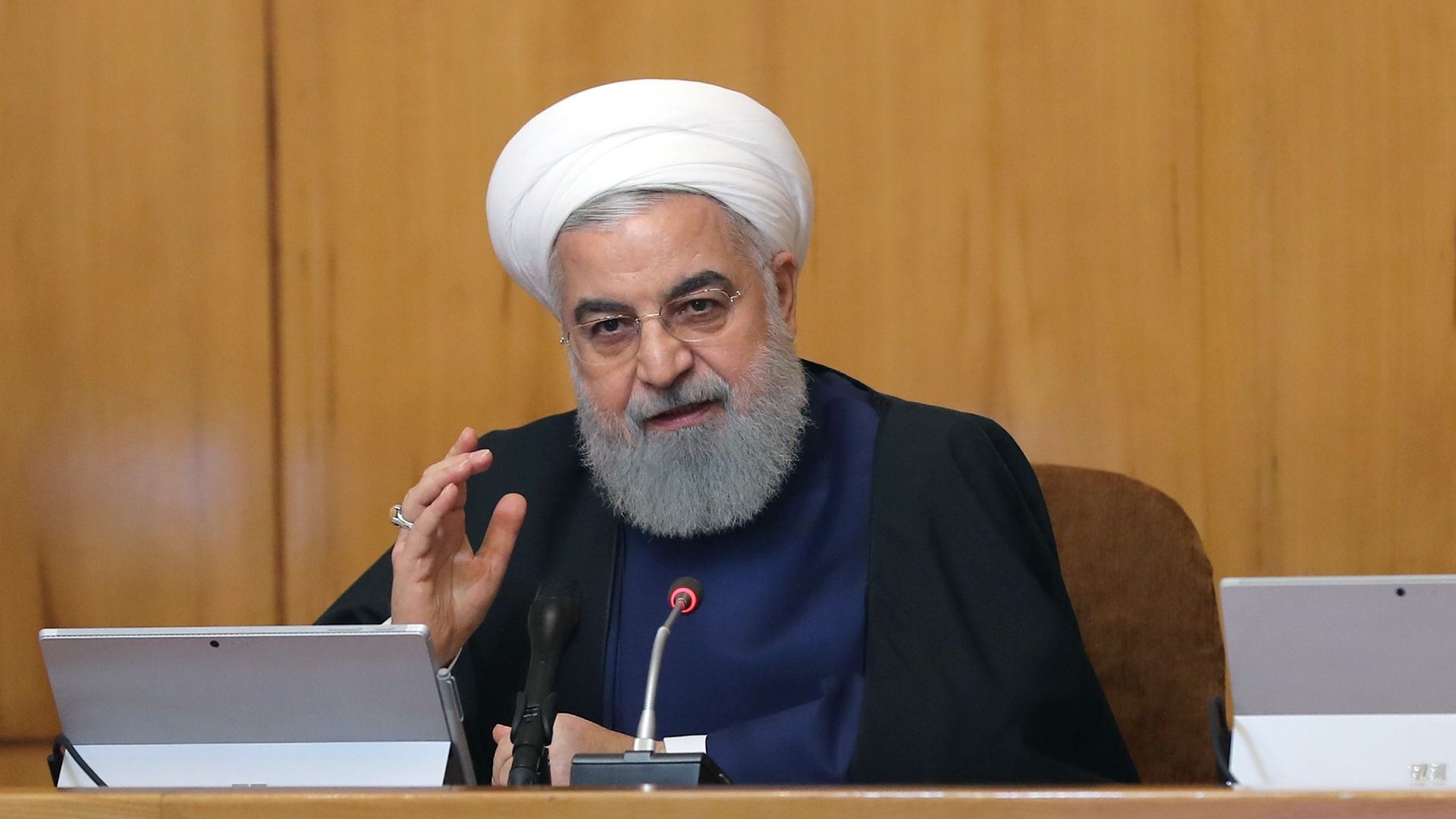
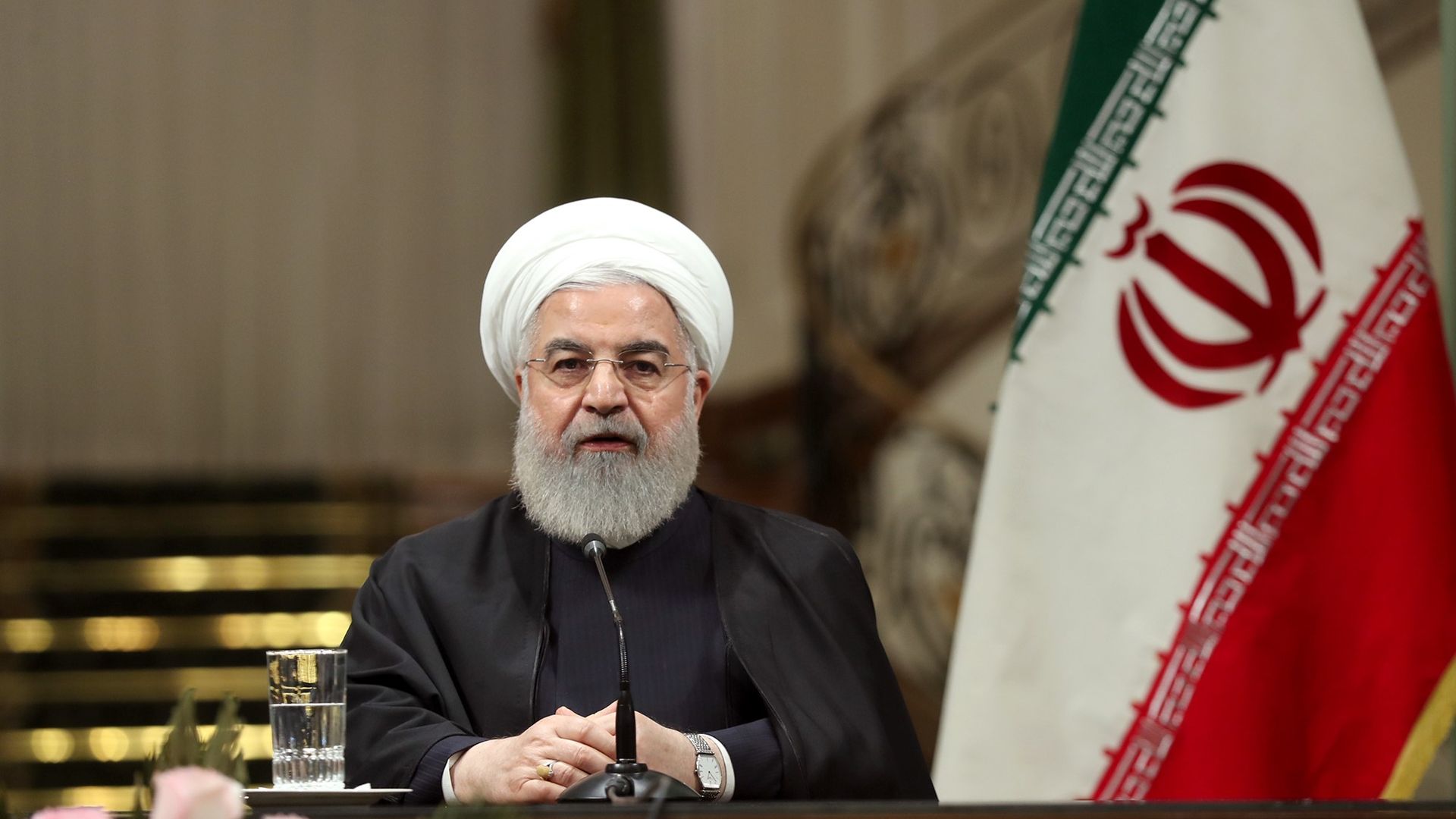
The announcement by President Hassan Rouhani on Wednesday that Iran will partially cease to comply with the 2015 nuclear deal was a foreseeable outgrowth of draconian sanctions imposed by the U.S. after its withdrawal from the agreement last year.
Why it matters: The Trump administration's "maximum pressure" campaign has increased the threat of a nuclear escalation across the Middle East. Even short of that nightmare scenario, it could be self-defeating in the long term, hurting Iran’s pro-Western middle class at the expense of hardliners who control both the black market and a repressive state apparatus to stifle dissent.
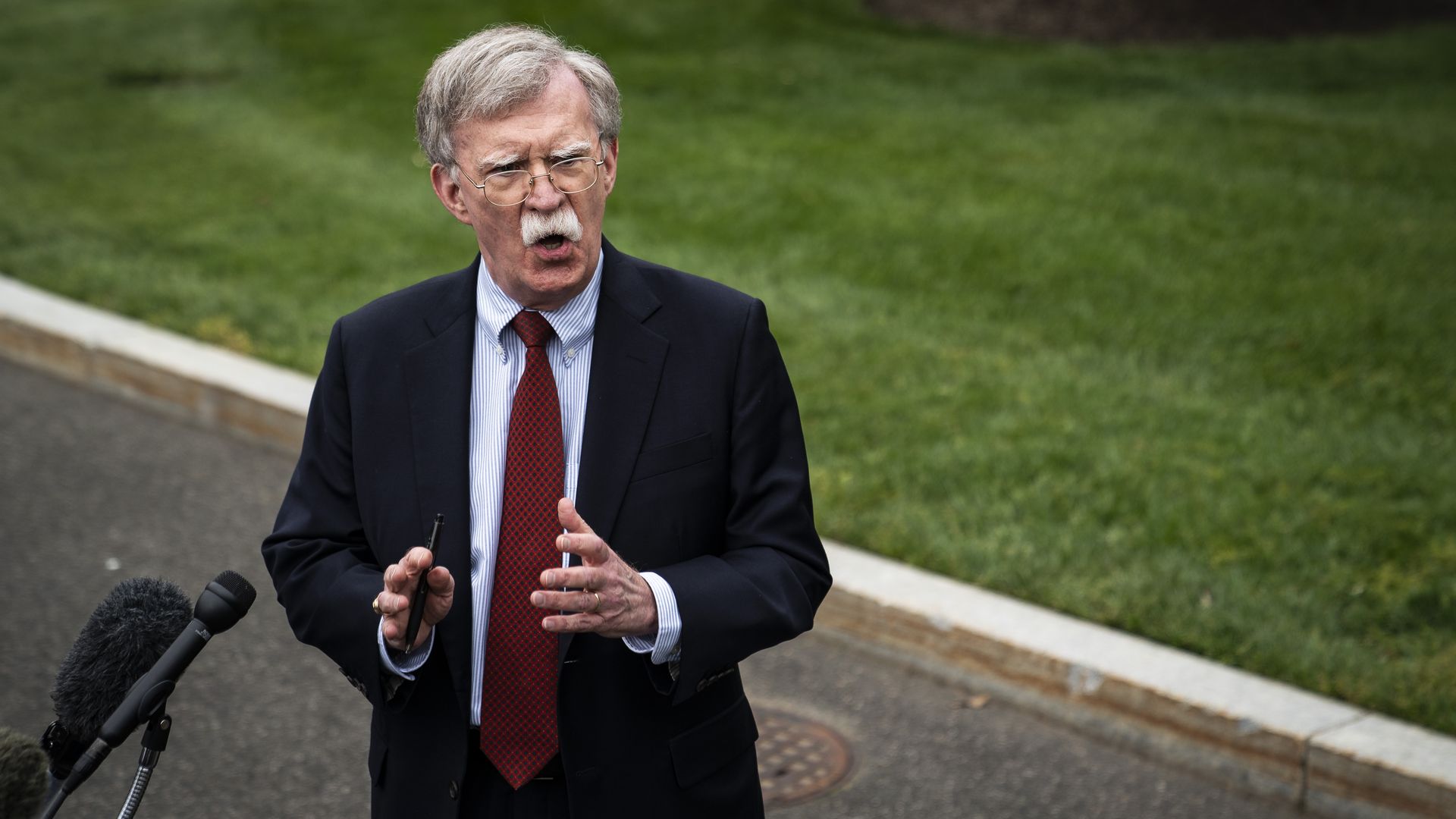
National security adviser John Bolton's saber-rattling promise on Sunday that “any attack on United States interests or on those of our allies will be met with unrelenting force” was the latest sign of mounting White House frustration with Iran.
Why it matters: If U.S. pressure drives Iran toleave the nuclear deal — or diminish commitments, as President Hassan Rouhani indicated Wednesday — its increased isolation could have fallout effects the Trump administration has not publicly reckoned with. The likelihood of military conflict between Iran and its neighbors could grow, and the dangerous aspects of its nuclear program could be restarted.
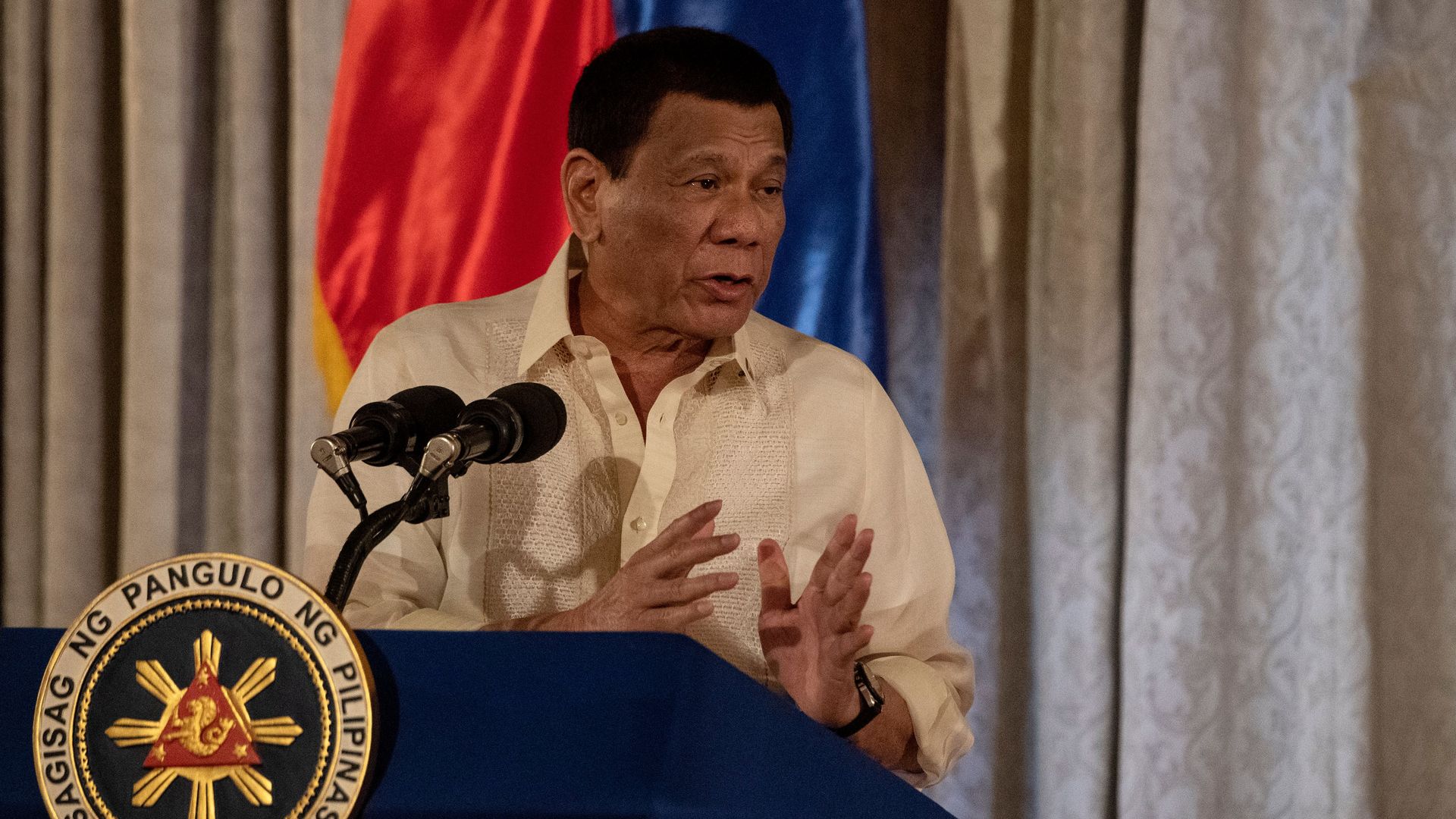
Despite provoking international condemnation for his disdain for laws and institutions, Philippine President Rodrigo Duterte seems likely to gain stronger domestic support in the May 13 midterms, when voters will elect the lower house of Congress and part of the Senate.
Why it matters: Long one of the most democratic states in Southeast Asia, the Philippines has seen under Duterte an illiberal crackdown on the press, judiciary and political opposition and an anti-drug campaign that reportedly has led to the deaths of over 12,000 people, often through extrajudicial killings.
Iran will suspend some of its nuclear deal commitments and resume higher uranium enrichment if new terms for the agreement aren't reached within 60 days, President Hassan Rouhani told state television Wednesday.
Details: Exactly 1 year on from President Trump’s withdrawing the U.S. from the Iran nuclear deal, Rouhani sent letters outlining a partial withdrawal from the 2015 deal to ambassadors of Britain, China, the European Union, France and Germany, state-run Tasnim news agency reported. Those nations were still committed to the existing deal.
Japan's aging trend is swelling the number of vacant houses in the country: There were 3.47 million vacant private homes in Japan last year, up 9.1% since 2013. That's 5.5% of the total number of houses, according to Tomohiro Ebuchi and Shohei Nomoto of Nikkei.
The context: That's a lot, but the surge of housing vacancies — for varying reasons — is a global trend.
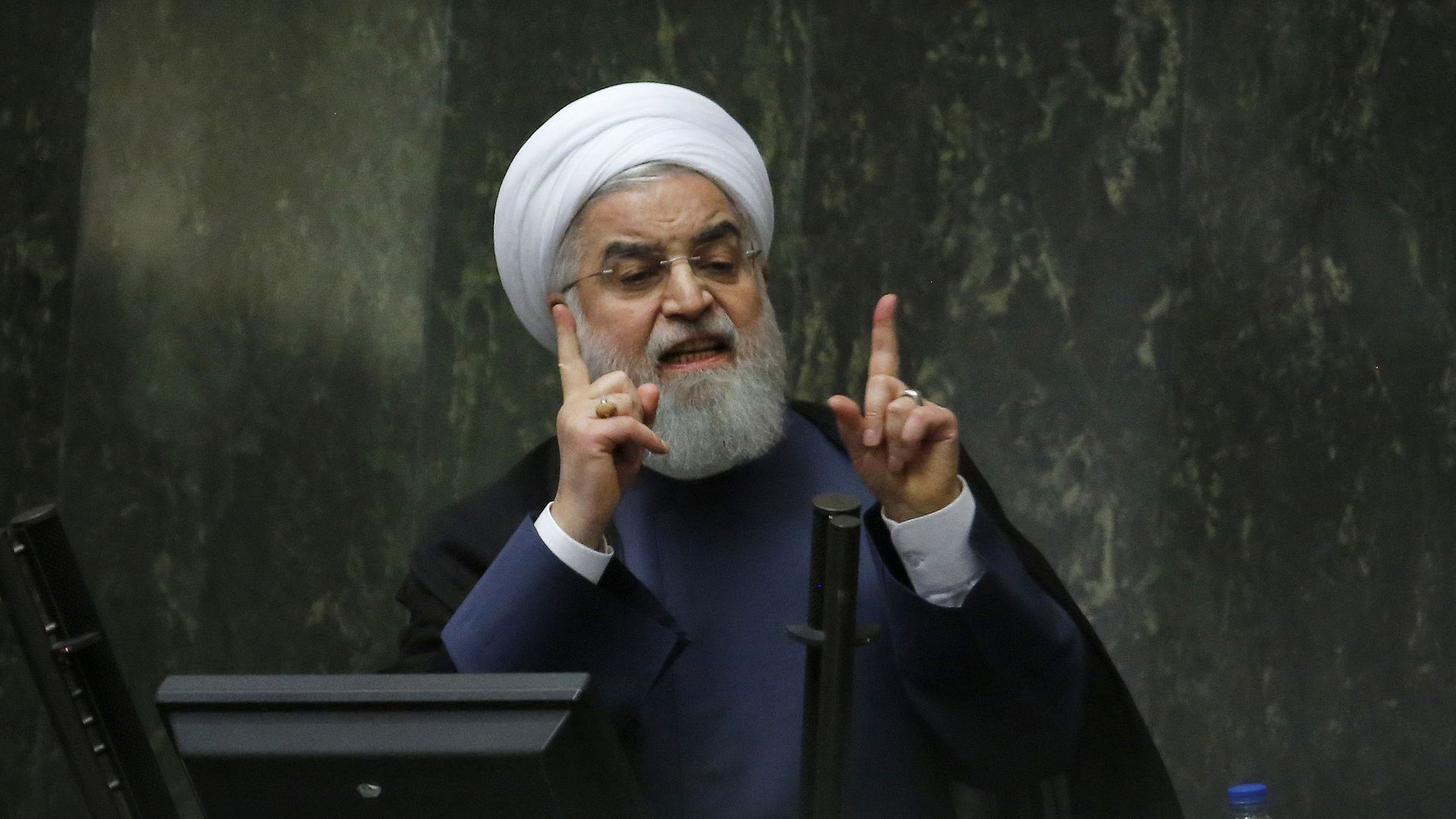
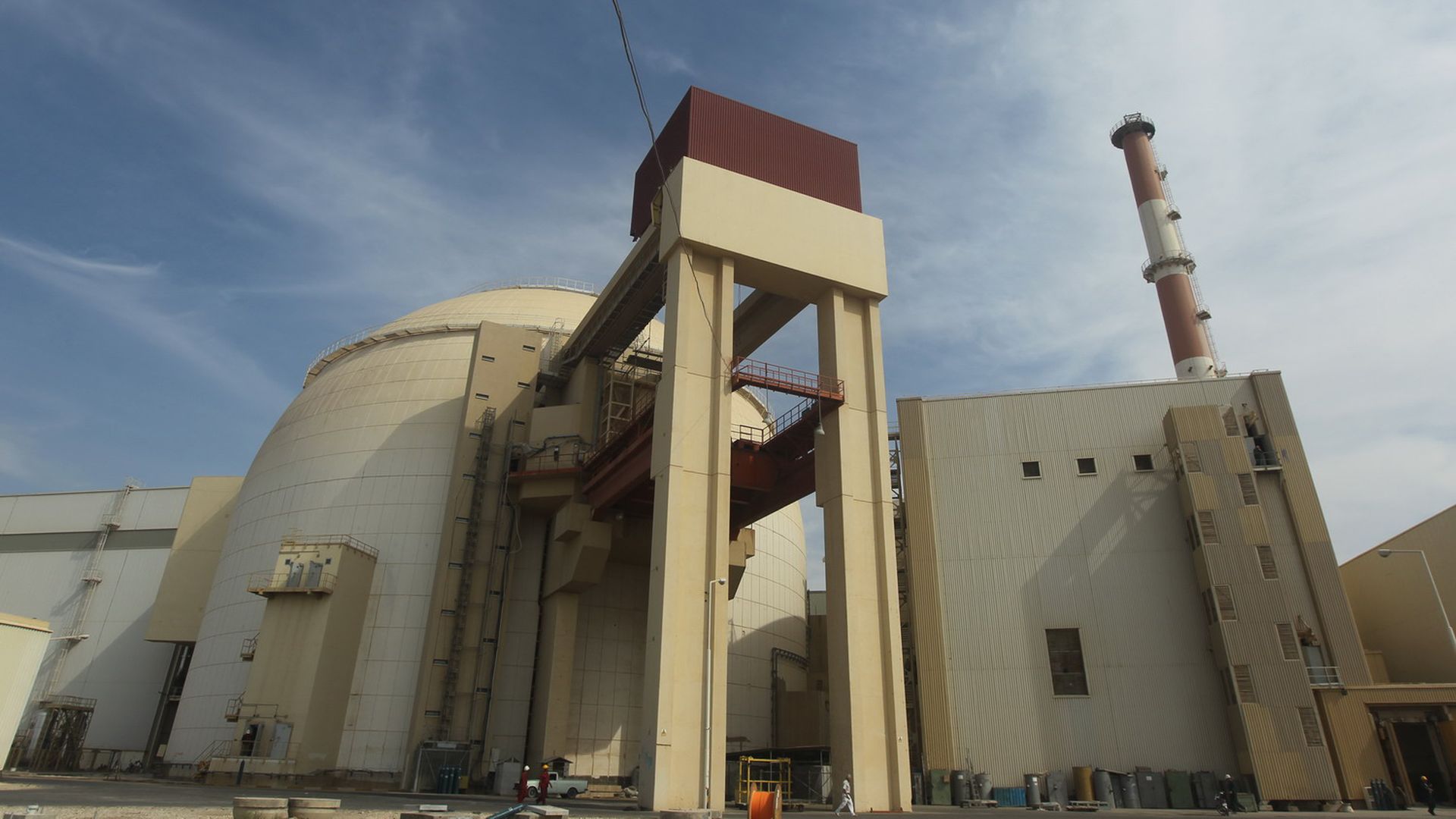
Iranian President Hassan Rouhani is expected to announce Wednesday that Tehran may withdraw in whole or in part from the 2015 nuclear deal, potentially by resuming production of high-grade centrifuges for nuclear fuel and limiting inspections of nuclear facilities.
Why it matters: If Iran were to withdraw even partially from the deal, it could see its economy plummet further while military tensions with the U.S. ratchet up. Its internal power balance could also tilt more toward hardliners, who oppose any policies seen as accommodating the West.
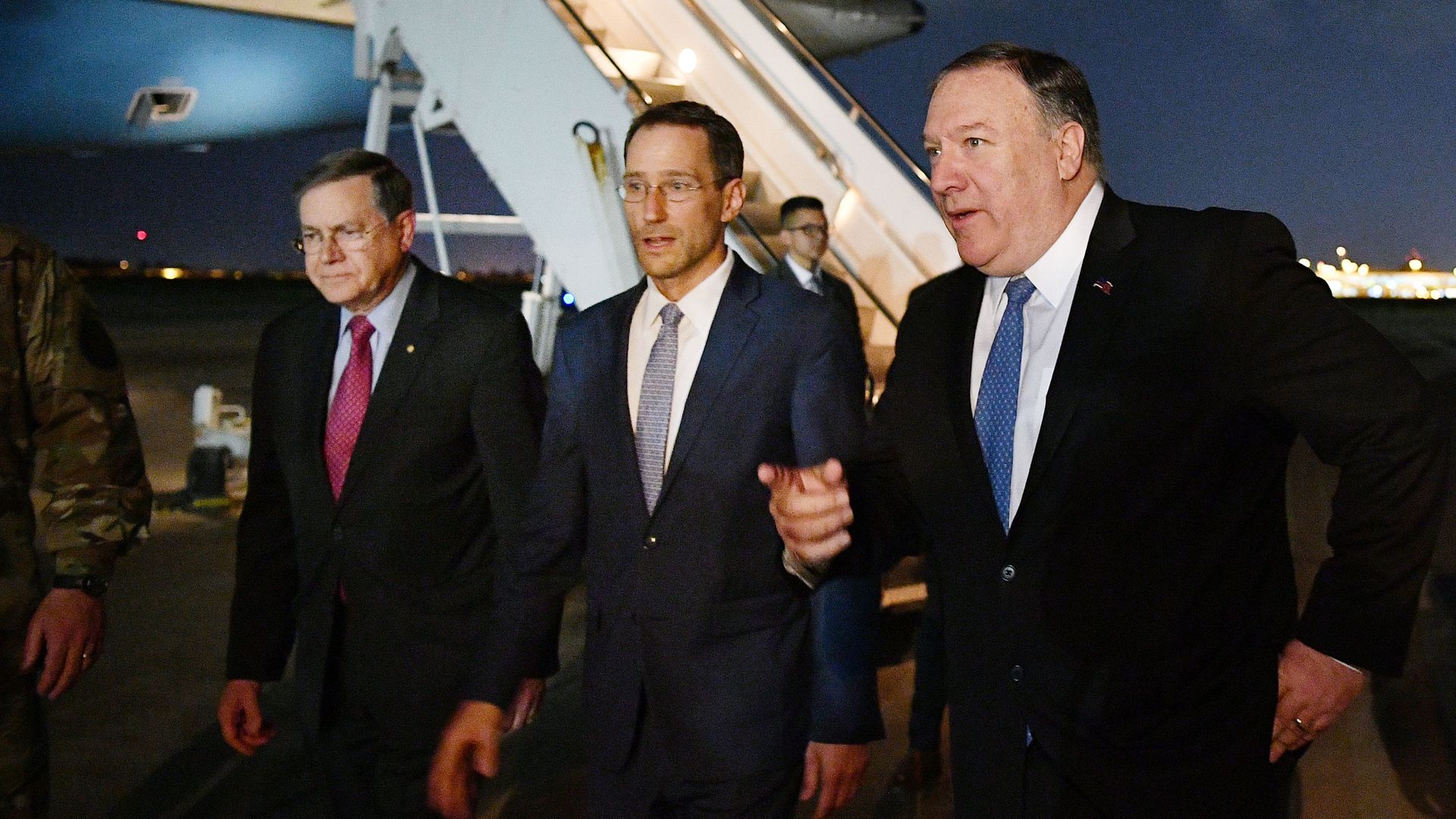
Secretary of State Mike Pompeo made an abrupt trip to Baghdad on Tuesday amid escalating tensions with Iran and reported security threats involving U.S. presence in the region, the Washington Post reports.
Details: The State Department reportedly said the unscheduled visit was due to "pressing issues," and according to AP, Pompeo explained that his trip was meant to reaffirm U.S. support for "a sovereign, independent" Iraq, free from the interference of neighboring Tehran. Pompeo also met with Iraq’s president and prime minister.
The Trump administration last week renewed 5 of 7 sanctions waivers to continue permitting international civil nuclear cooperation with Iran — a selective approach that appears to acknowledge concerns of European allies.
Why it matters: Keeping most waivers in place risks signaling irresolution on the part of an administration that has made “maximum pressure” against the Islamic Republic a centerpiece of its foreign policy.
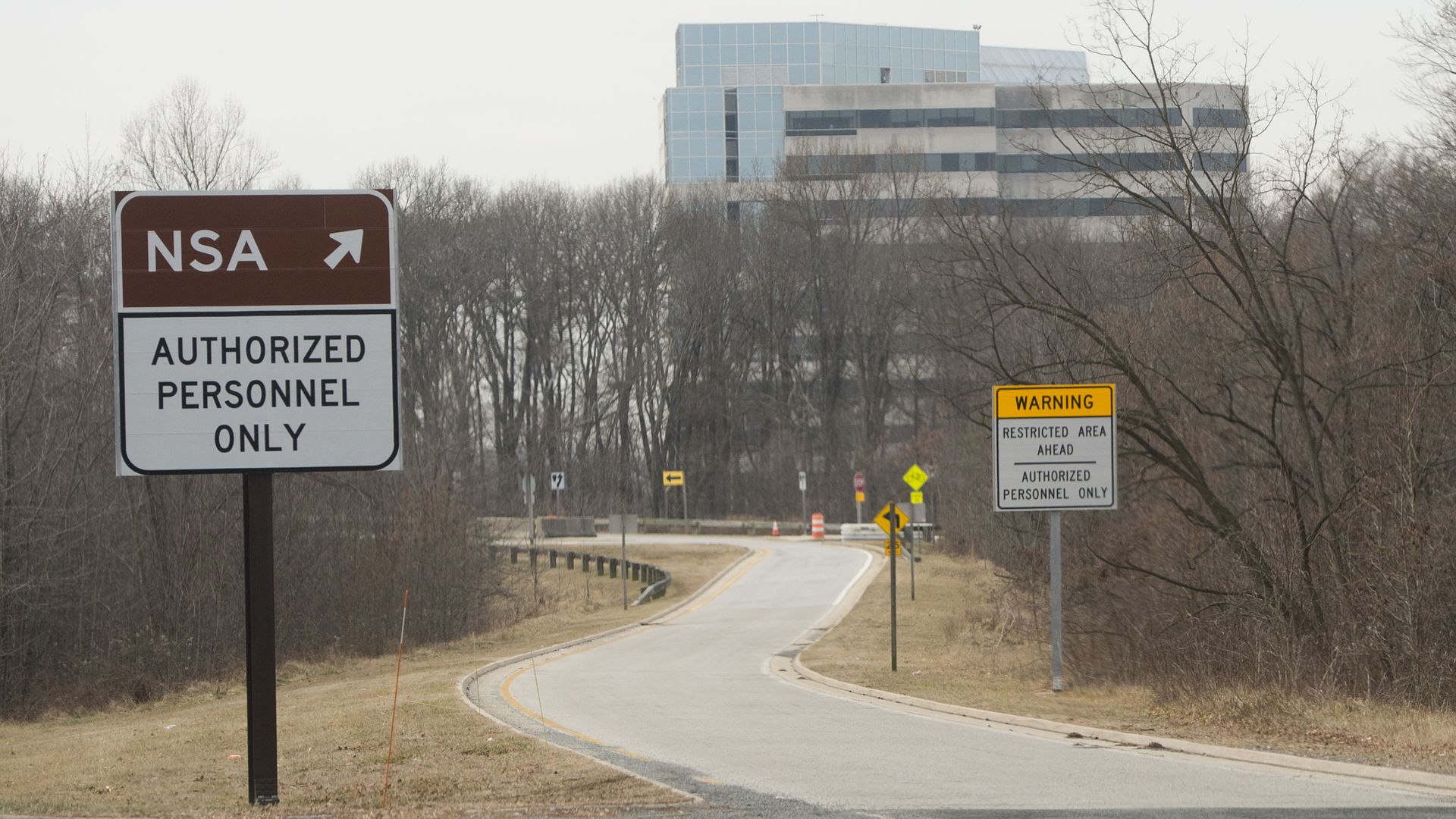
A China-linked espionage group weaponized an NSA hacking tool for its own uses a year before that tool was leaked by a group of hackers called the Shadow Brokers, Symantec reports.
Why it matters: There's a delicate balance governments have to weigh when they develop high tech hacking tools: Every tool relies on a security flaw that a company could fix if the government chose to notify them rather than exploit it for espionage. If third parties like China co-opt the tool or make use of the same vulnerability, that opens the way for other attackers to follow the same route.
Iranian Foreign Minister Mohammad Javad Zarif has claimed the U.S., Israel, Saudi Arabia and the UAE are spreading false accusations on alleged Iranian plots against U.S. interests in the Gulf.
Why it matters: Iranian officials are pushing back on claims made in the last 24 hours by the White House, State Department and Pentagon that new intelligence shows Iran is planning attacks against the U.S. and its allies in the Gulf. Zarif responded to the accusations in a tweet that included a photo of a story published yesterday by Axios about Israel passing intelligence to the U.S. about an alleged Iranian plot.
Iran on Monday dismissed U.S. national security adviser John Bolton's announcement that the U.S. is deploying the USS Abraham Lincoln Carrier Strike Group and a bomber task force to send it "a clear and unmistakable message."
"In response to a number of troubling and escalatory indications and warnings, the United States is deploying the USS Abraham Lincoln Carrier Strike Group and a bomber task force to the U.S. Central Command region to send a clear and unmistakable message to the Iranian regime that any attack on United States interests or on those of our allies will be met with unrelenting force."