Thursday's world stories

Michael Cohen to return to testify before House Intel next week
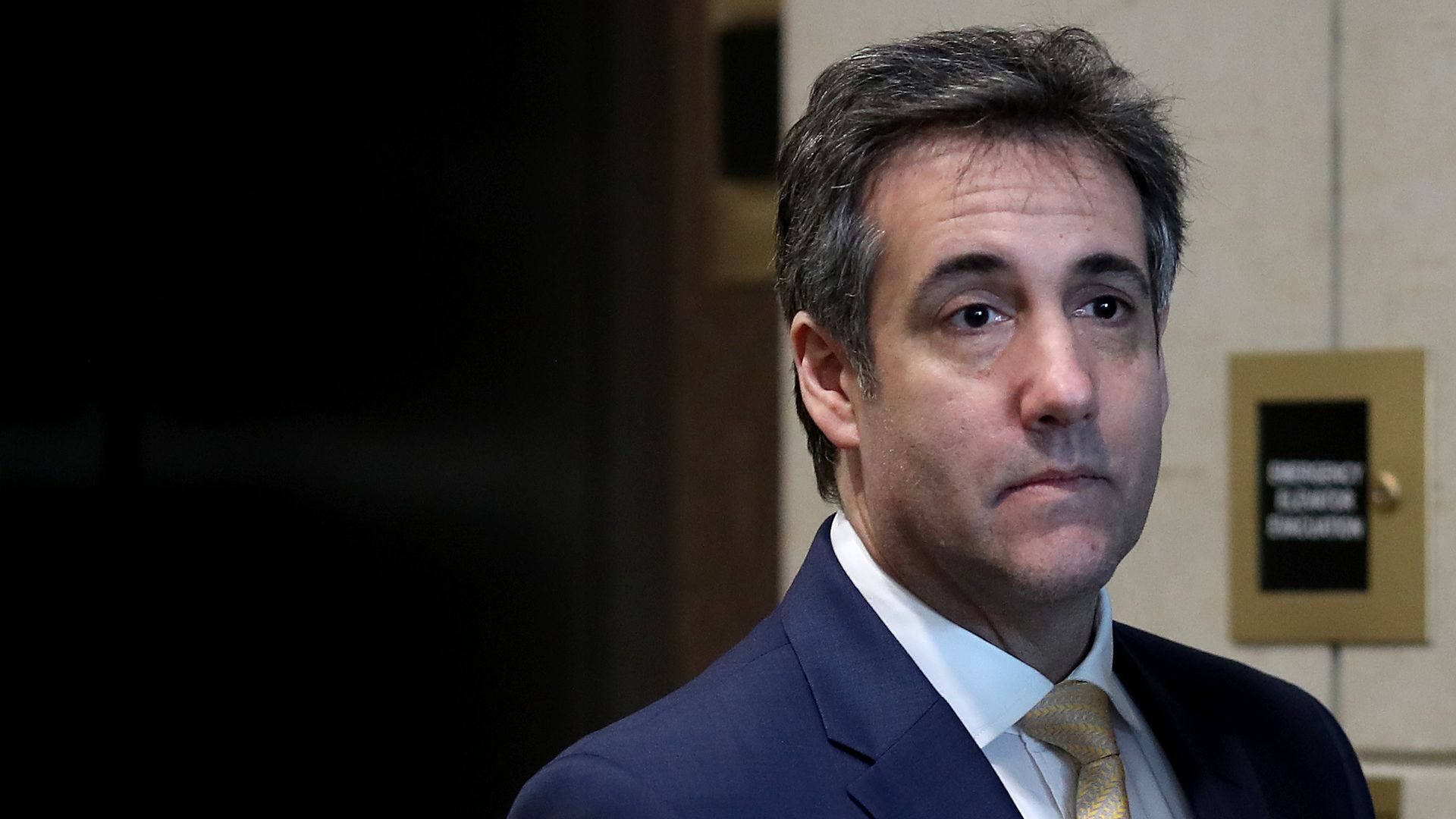
Following three straight days of testimonies before various congressional committees, President Trump's former personal attorney Michael Cohen said Thursday that he would return to the House Intelligence Committee on March 6 because there is "more to discuss."
Details: Committee Chairman Adam Schiff (D-Calif.) told reporters after Cohen's 7.5 hour testimony: "It was a very productive interview today where he was able to shed light on a lot of issues." He added that the committee plans to release Cohen's testimony publicly at some point in the future, and that Felix Sater — who worked with Cohen on the Trump Tower Moscow project — will testify publicly on March 14.
Go deeper: House panel will seek interviews with Trump kids following Cohen hearing
Trump and Kim's no deal
The surprise has now worn off on the abrupt end to the U.S.-North Korea summit in Hanoi, with the two sides disputing even the terms of what was being negotiated.
Driving the news: The U.S. side claims North Korea offered to close one nuclear facility in exchange for lifting all economic sanctions.The North Korean side claims it only wanted a partial reprieve from economic sanctions.

Why walking away from Kim's deal may have been the right move
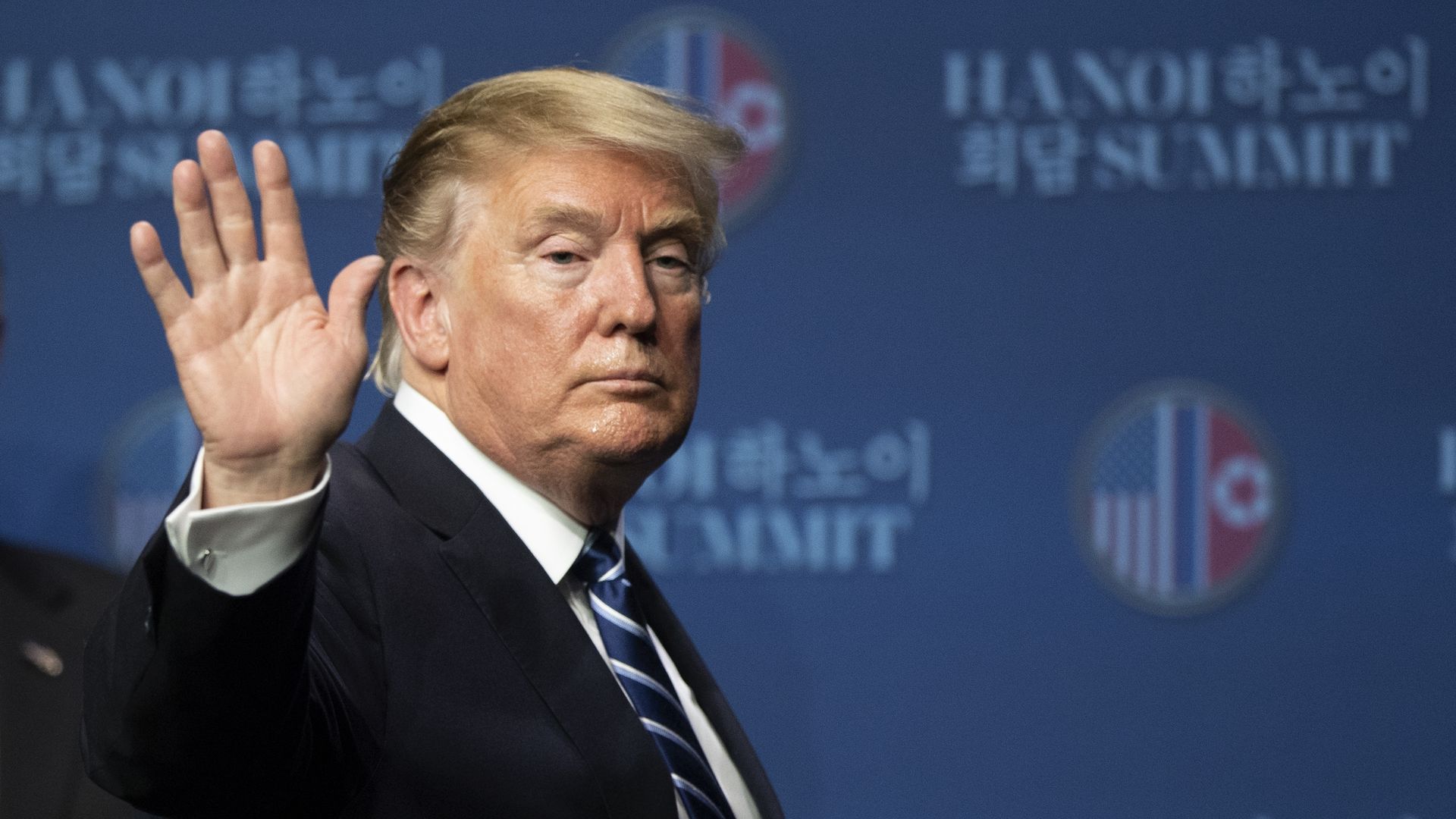
President Trump caught the world by surprise once again yesterday with a decision not to sign a deal with his North Korean counterpart, Chairman Kim Jong-un, in Hanoi, Vietnam.
The big picture: While walking away is a common tactic in working-level negotiation, what happened in Hanoi was a rare case and the least expected outcome. Nonetheless, it might have been a much-needed reality check, not a failure, for both sides in the still-early stages of a long process of negotiation.

North Koreans contradict Trump on request for sanctions relief
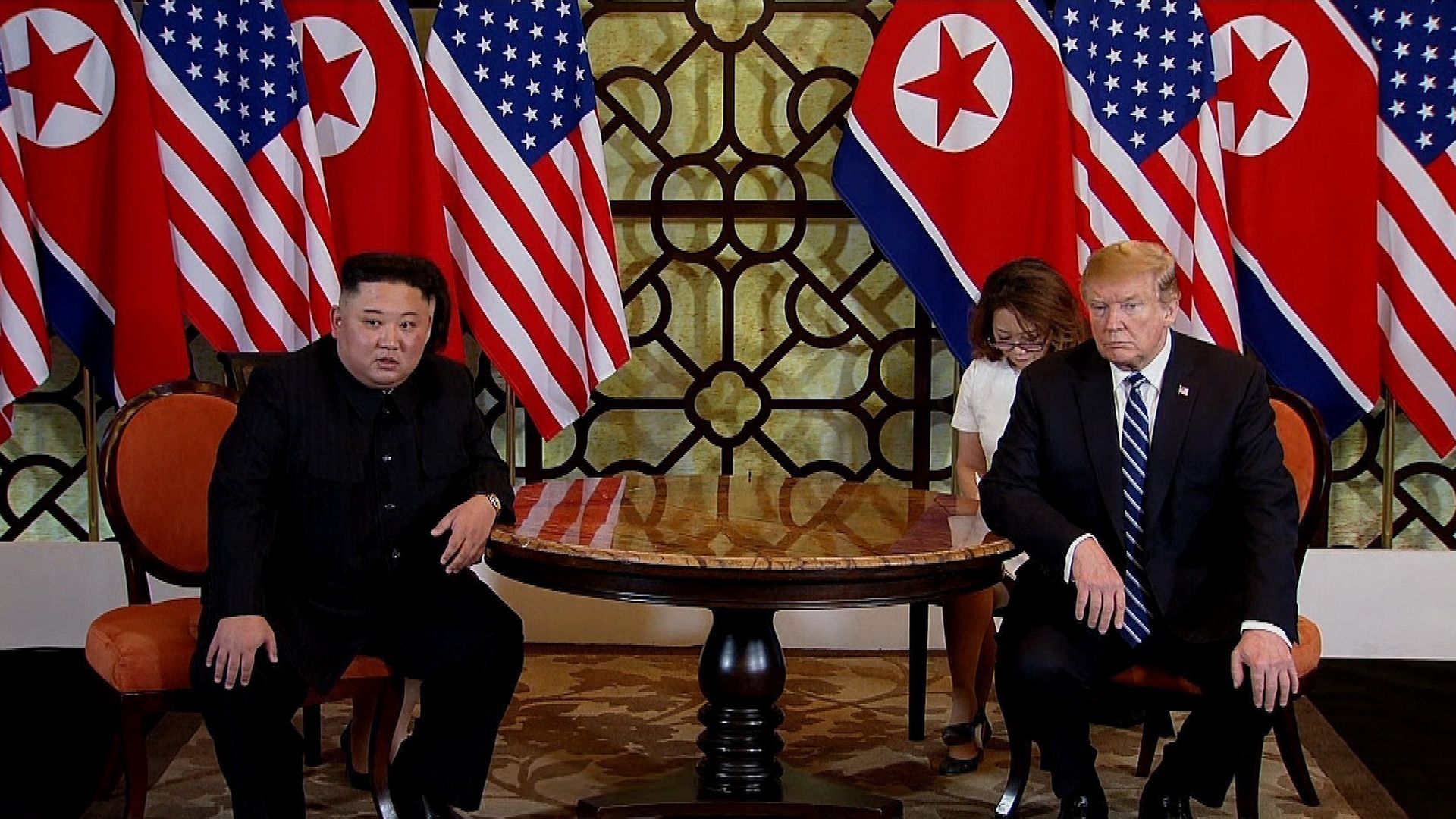
North Korean officials said Thursday they only asked for 5 of 11 U.S. sanctions to be lifted in exchange for partial denuclearization, the Washington Post reports.
The big picture: This contradicts Trump's statements that he declined a deal with the North Koreans based on their demand that the U.S. remove all sanctions. Though the highly anticipated summit with North Korean leader Kim Jong-un ended with a breakdown in talks, Trump stressed that the two leaders left on good terms and that there is no rush to an agreement. "Sometimes you have to walk,” Trump said, adding that Kim had a vision of denuclearization that's "not exactly our vision, but it's a lot closer than it was a year ago."
Go deeper: Trump says he takes Kim Jong-un at his word on Otto Warmbier's death

Hanoi summit reflects shortcomings of Trump's personalized diplomacy
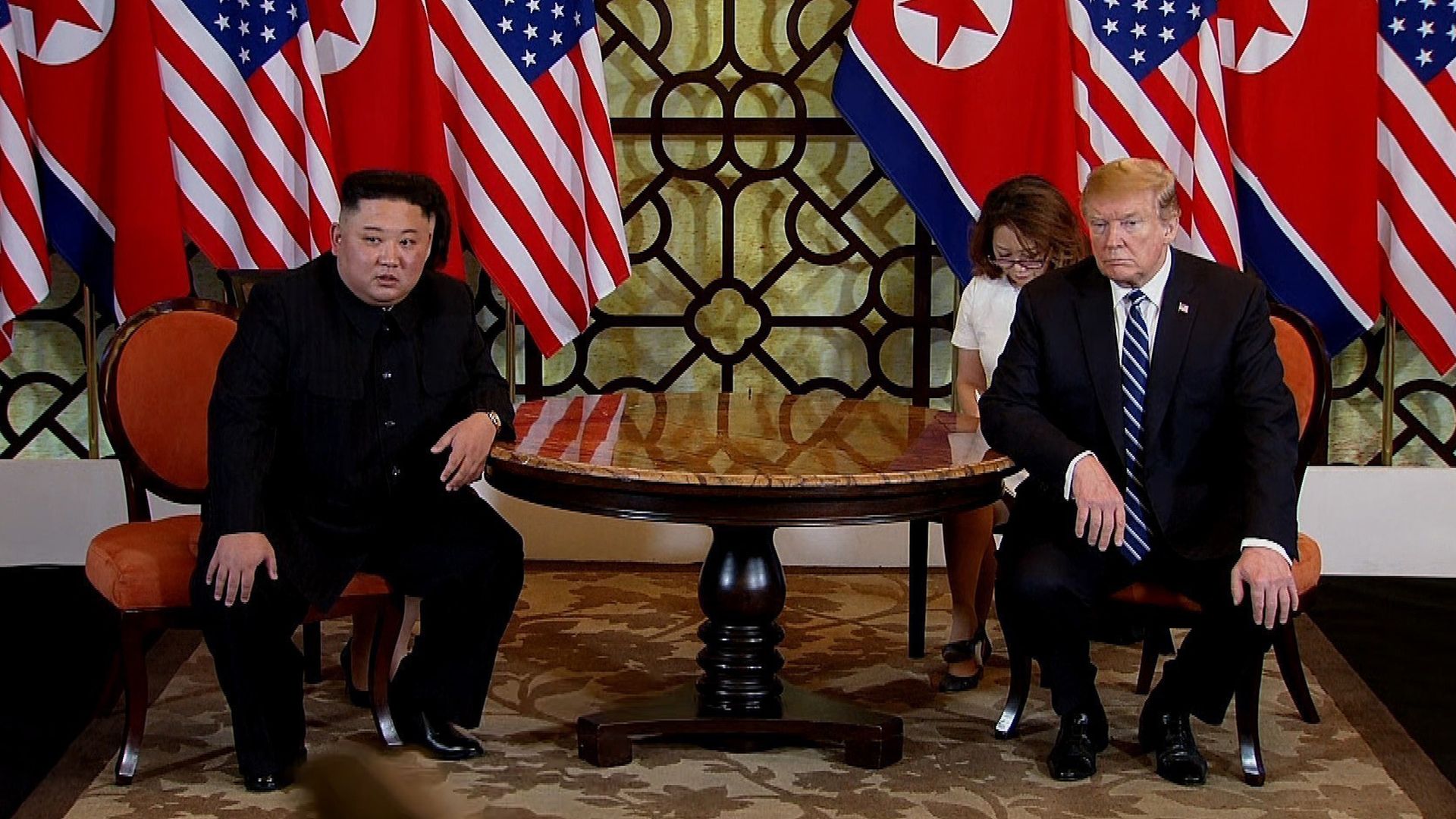
The meeting in Hanoi between President Trump and North Korean leader Kim Jong-un ended abruptly on Thursday without any breakthrough on denuclearization, the issue of utmost concern to the U.S. and its regional allies.
The big picture: For Trump, the error of relying on the power of his personal charm and negotiating skills over the counsel of intelligence and diplomatic experts was laid bare. Ultimately, effusive praise and promises of a brighter future could not shake Kim’s strategic conviction that nuclear weapons are key to his regime's survival.

Israel's Netanyahu to be indicted on charges of bribery and fraud
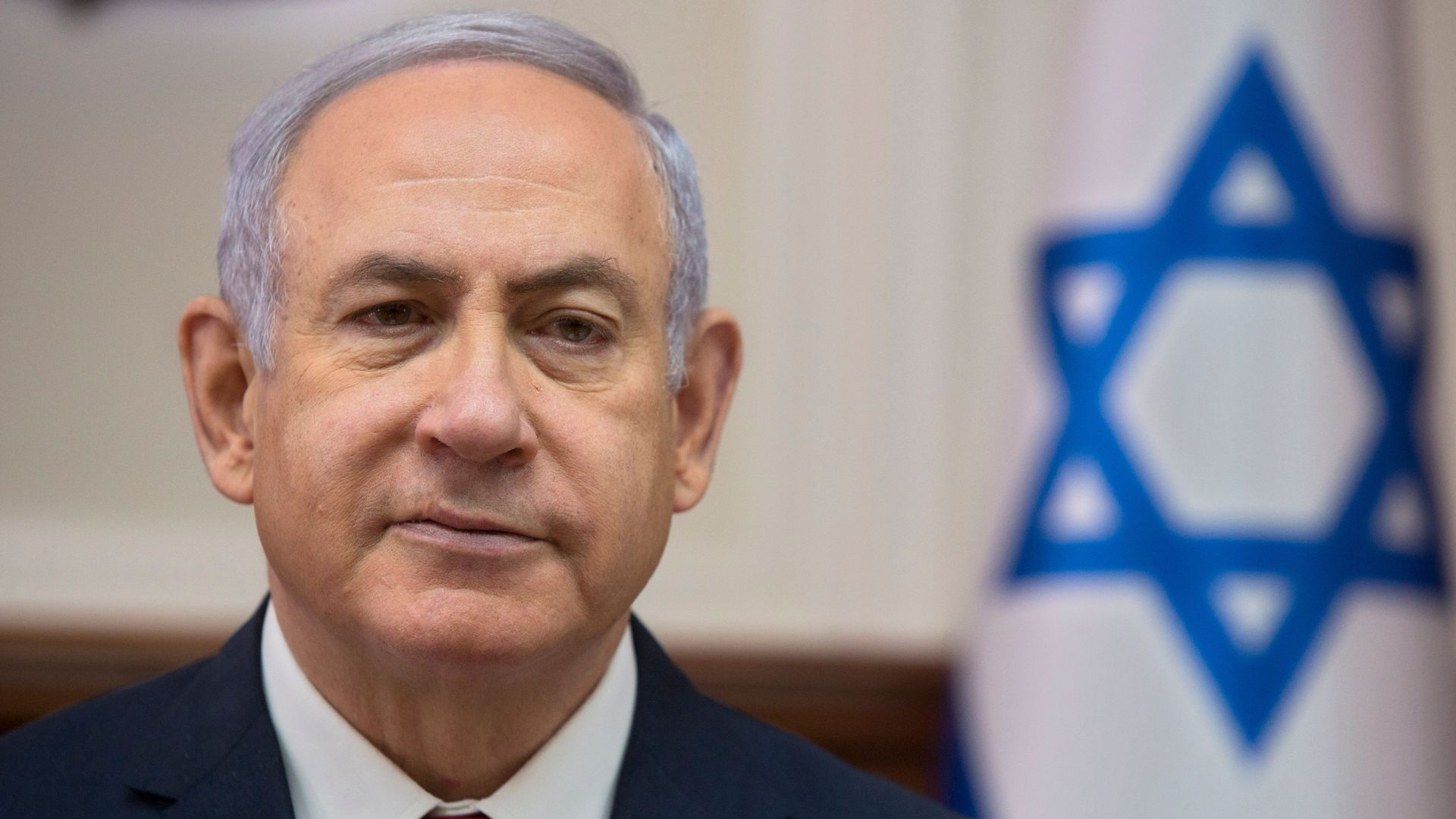
Israeli Attorney General Avichai Mandelblit announced Thursday his decision to indict Prime Minister Benjamin Netanyahu in one case of bribery and two cases of fraud and breach of trust. All indictments are pending a hearing.
Why it matters: The announcement comes after more than two years of investigations and less than two months before Israel's highly anticipated April 9 elections. It's also the first time in Israel's history that a sitting prime minister will face criminal charges.

Reading Cyber Command's message to Russia
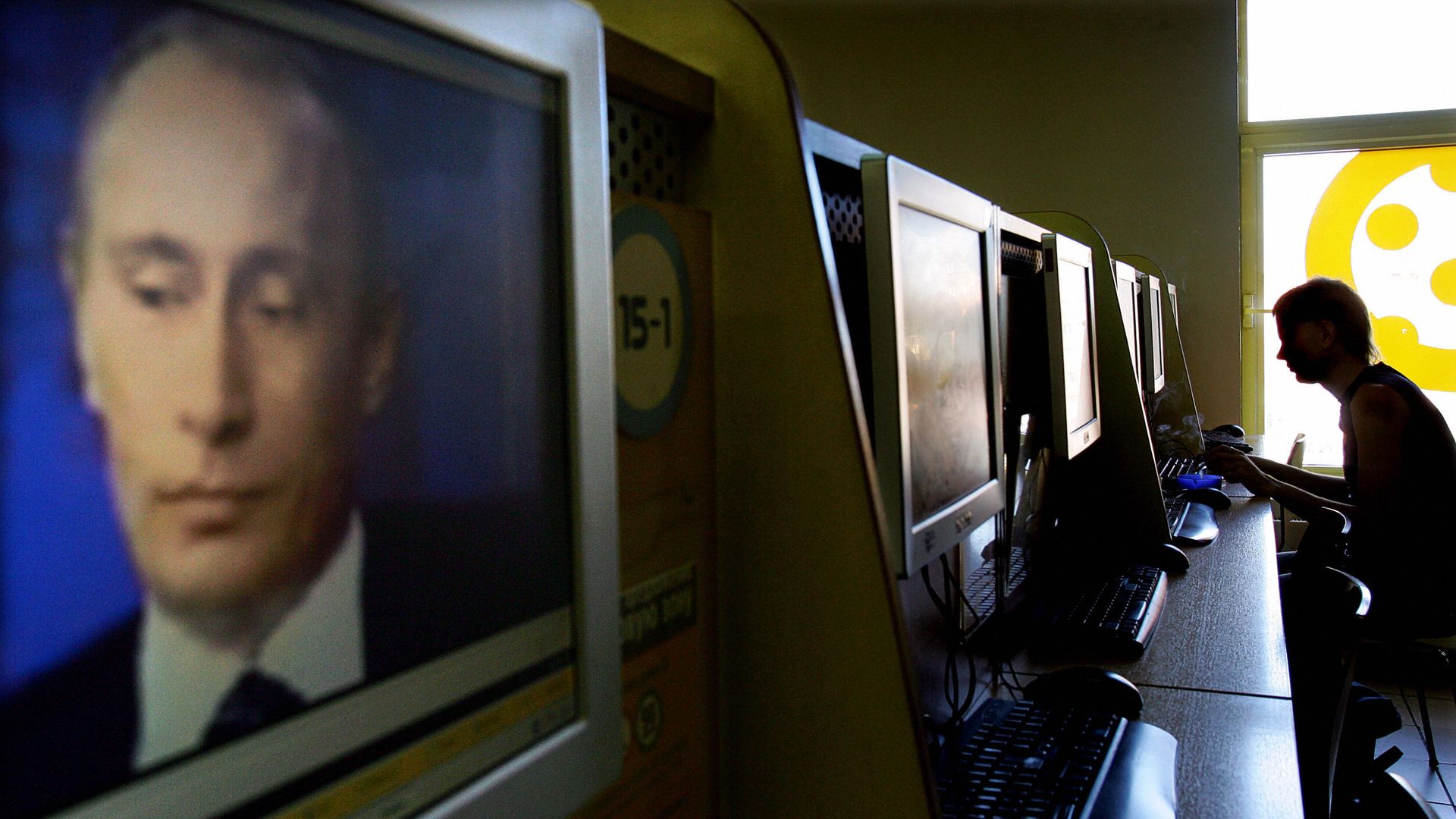
According to a Washington Post report Tuesday (and confirmations in Russian media), the U.S. Cyber Command disrupted the internet access of Russia's Internet Research Agency on Election Day in 2018 — a clear attempt to send a message to the so-called "troll farm" to back off.
Why it matters: The gambit is a public example of the Department of Defense's new "defending forward" emphasis in cyber defense, which aims to increase activities in foreign networks to disrupt potential attacks.

Trump-Kim summit ends without agreement
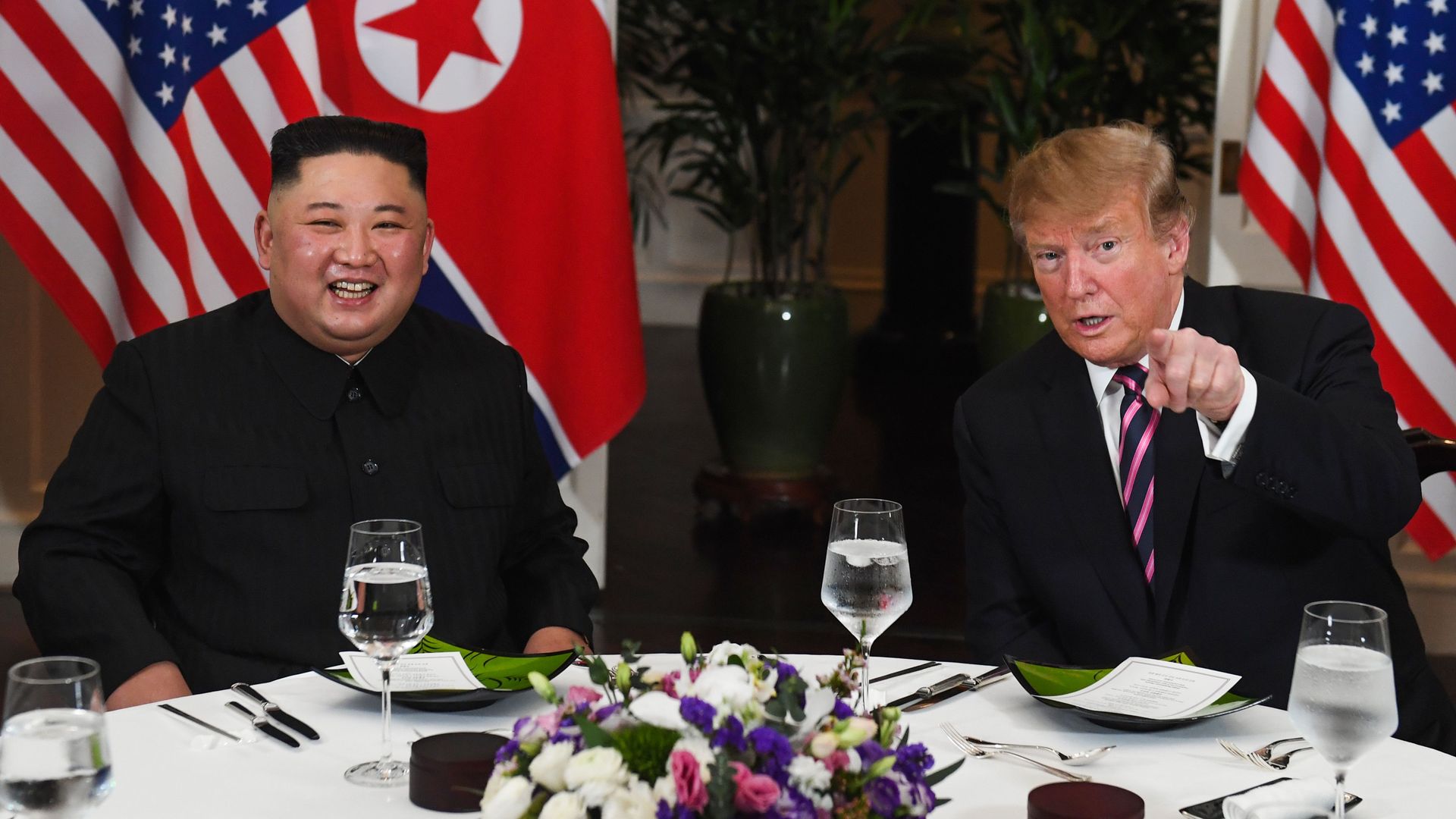
President Trump said early Thursday he failed to reach a deal with North Korea's leader Kim Jong-un because of a disagreement over sanctions, as talks abruptly wrapped up on the second day of their summit in Hanoi, Vietnam.
Why it matters: Trump said Kim pledged to dismantle the Yongbyon nuclear facility — not its entire nuclear program — if all sanctions imposed on the country were lifted first. "Sometimes you have to walk,” he said. Kim had a vision of denuclearization, that's "not exactly our vision, but it's a lot closer than it was a year ago."
Recap: Michael Cohen’s explosive public testimony
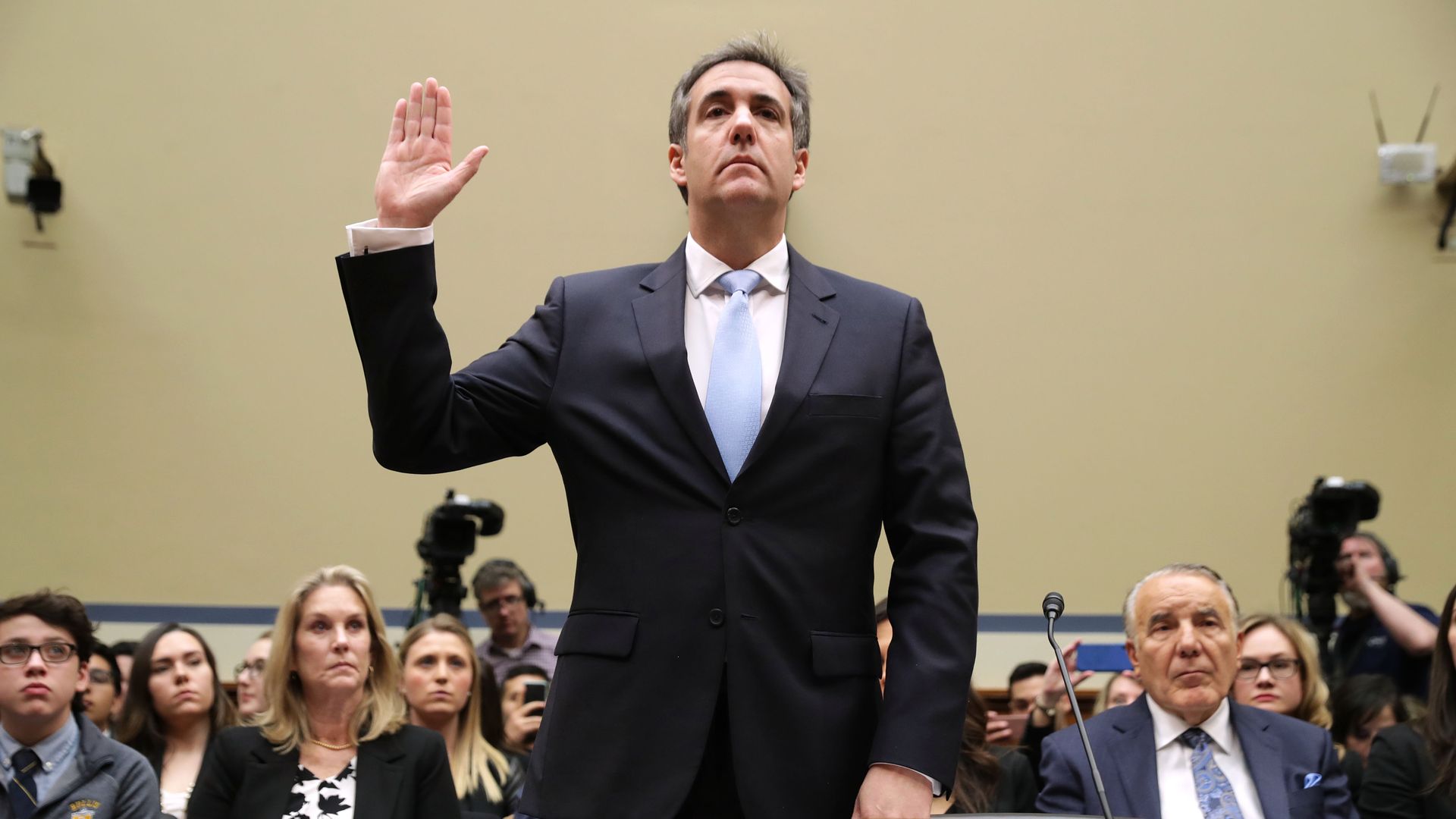
Michael Cohen, who worked as President Trump's fixer and personal attorney for 10 years, testified Wednesday before the House Oversight Committee.
1 big thing: Cohen told the committee that Trump is "becoming an autocrat," adding that The Trump Organization was steeped in a culture of threatening people — sometimes physically — who might pose a threat to Trump. "Every day, most of us knew we were coming in and we were going to lie for him on something. And that became the norm. ... It's exactly what's happening here in government, sir."
Trump kicks off second summit with North Korea's Kim Jong-un
President Trump met with North Korean leader Kim Jong-un in Hanoi, Vietnam on Wednesday, kicking off the second meeting of the two leaders as Trump told reporters that he hopes their "great relationship" can lead to a "very successful" outcome.
What's next: While there are still concerns among experts that North Korea is not serious about denuclearization, Trump and Kim are set to have a one-on-one meeting this evening, followed by a "social dinner" before the substantive bulk of the summit begins Thursday.
Iran's President Rouhani rejects foreign minister Zarif's resignation
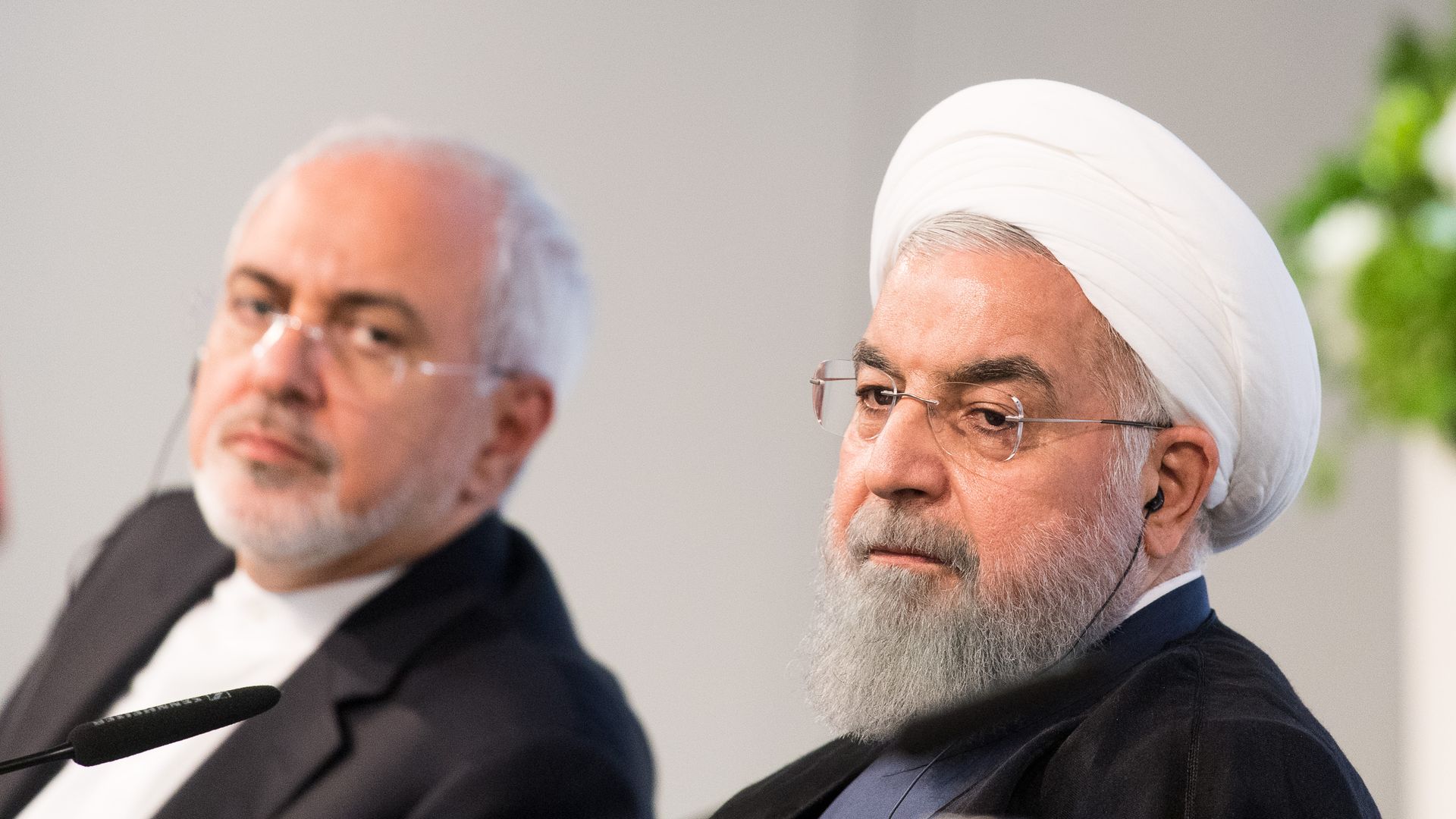
Iran's President Hassan Rouhani has rejected the resignation of Foreign Minister Mohammad Javad Zarif, the Associated Press reported Tuesday night, citing state-run IRNA news agency.
Why it matters: The U.S.-educated veteran diplomat Zarif helped oversee negotiations for Iran's 2015 nuclear deal in return for sanctions relief. That agreement has been placed under threat since President Trump announced the U.S. would withdraw from it, though the U.N.'s nuclear watchdog found this month Iran had been complying with the terms of the agreement. Zarif announced his intention to resign on Monday night, saying he could no longer continue in the position. However, Al Jazeera reports Rouhani said in a letter published in Iranian media, "I believe accepting your resignation would be against the benefit of the country, so I reject it."

Confidential U.N. report shows North Korea's ongoing illicit activity
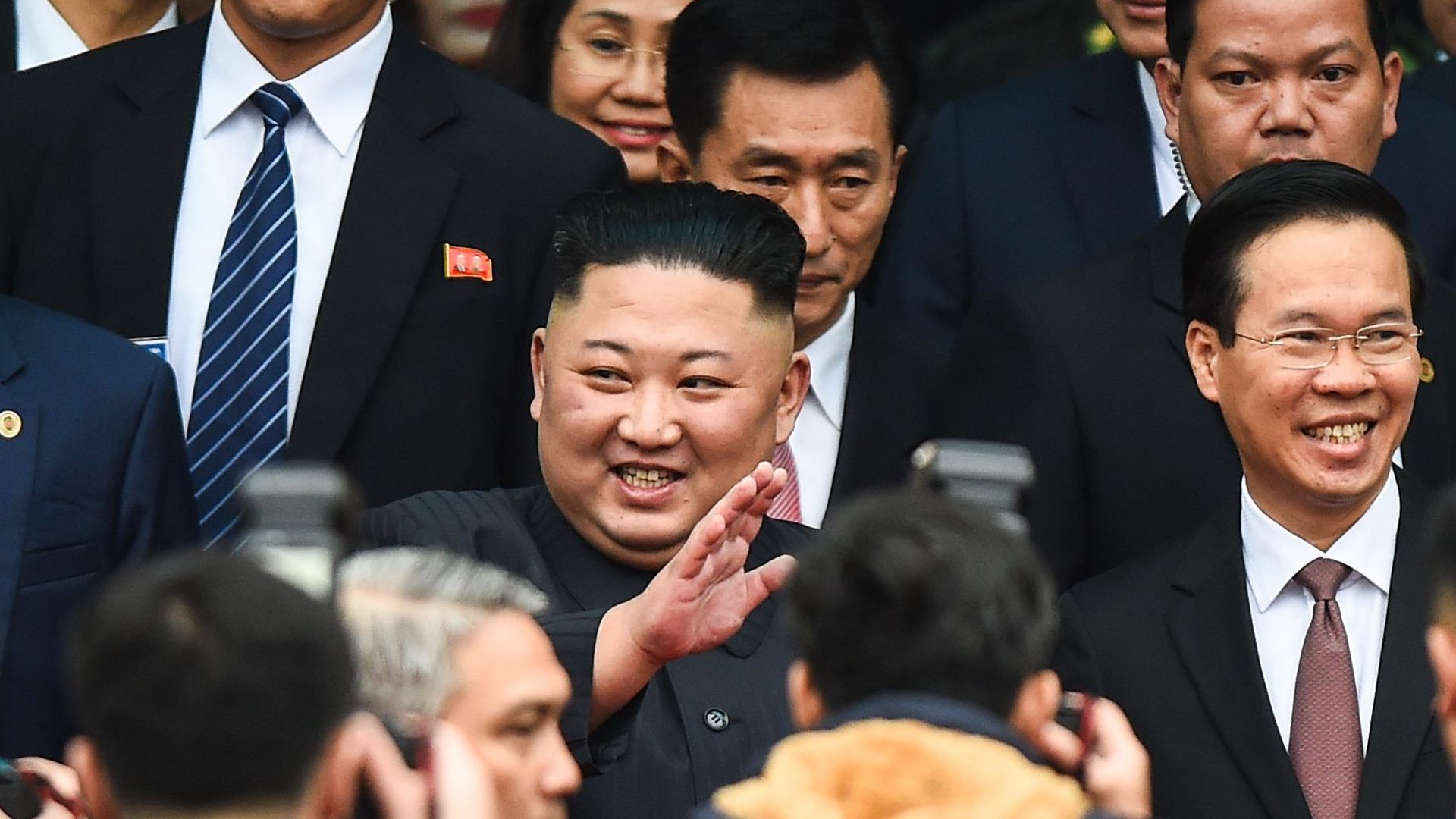
A private U.N. Security Council draft document obtained by CBS News finds North Korea has furtively sold arms to Syria, dodged sanctions, and there has been a "massive increase" in the country criminally acquiring coal and oil.
Between the lines: Since President Trump's first meeting with North Korea's leader, Kim Jong-un, in June 2018, the country has continued to violate the arms embargo as the U.S. and U.N. have pressed Pyongyang with sanctions on virtually every sector of its economy, according to the United Nations report. And despite the United States' efforts, "financial sanctions remain some of the most poorly implemented and actively evaded measures of the sanction regime," the report finds.
North Korea has long employed cyberattacks to sabotage enemies and collect intelligence, but the report says Pyongyang is now using more sophisticated techniques to generate revenue for the regime. It also says North Korea bamboozled an unidentified U.S. bank into payment for oil. The 67-page document is expected to be made public in early March.
Jung Pak, a senior fellow at the Brookings Institution and former senior CIA official, told CBS ahead of Trump and Kim's meeting in Vietnam Wednesday, the biggest danger is "the pageantry of the summit is making it harder to punish North Korea for their bad behavior that is being downplayed amid the hoopla."