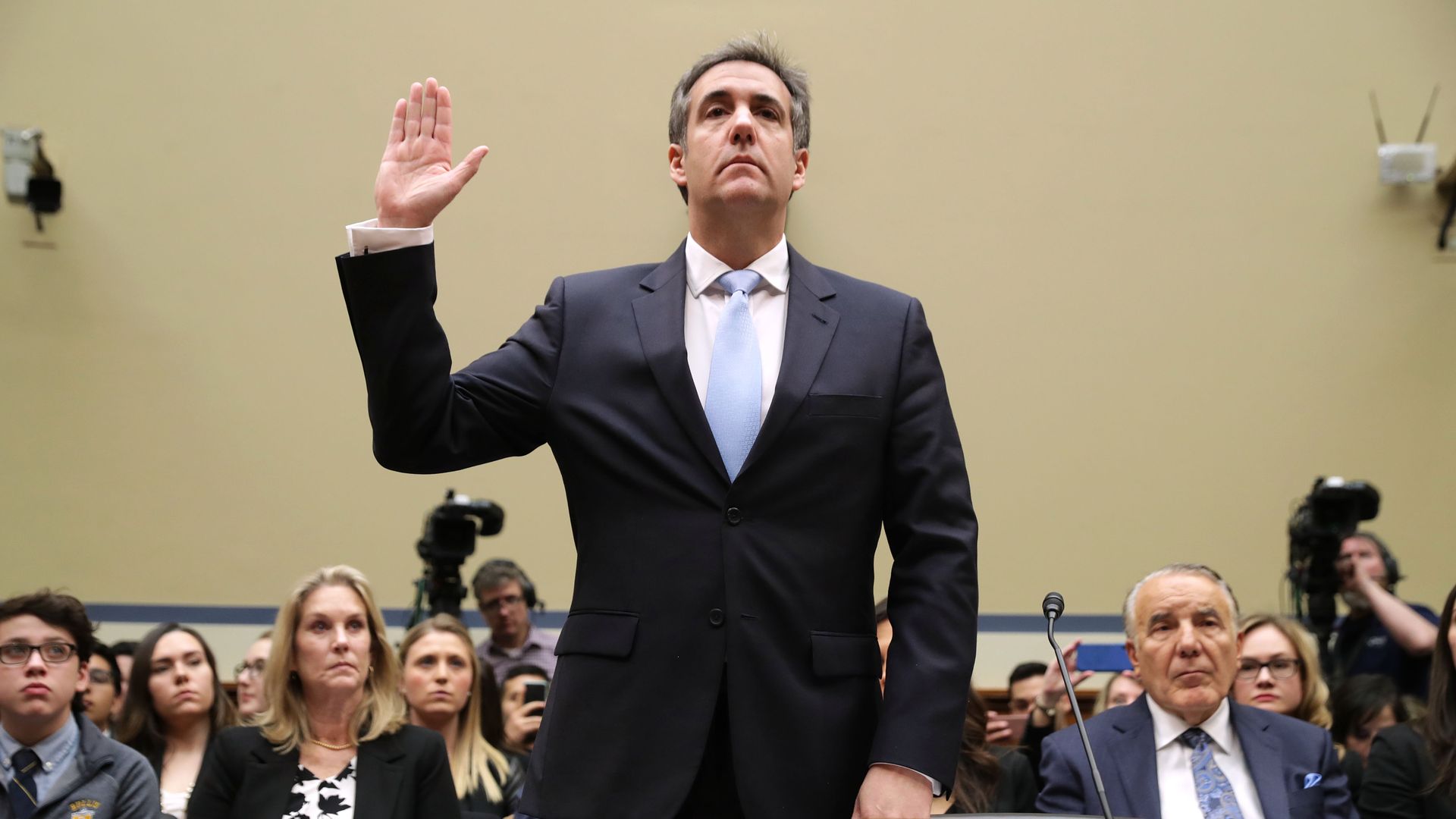
Michael Cohen, who worked as President Trump's fixer and personal attorney for 10 years, testified Wednesday before the House Oversight Committee.
1 big thing: Cohen told the committee that Trump is "becoming an autocrat," adding that The Trump Organization was steeped in a culture of threatening people — sometimes physically — who might pose a threat to Trump. "Every day, most of us knew we were coming in and we were going to lie for him on something. And that became the norm. ... It's exactly what's happening here in government, sir."
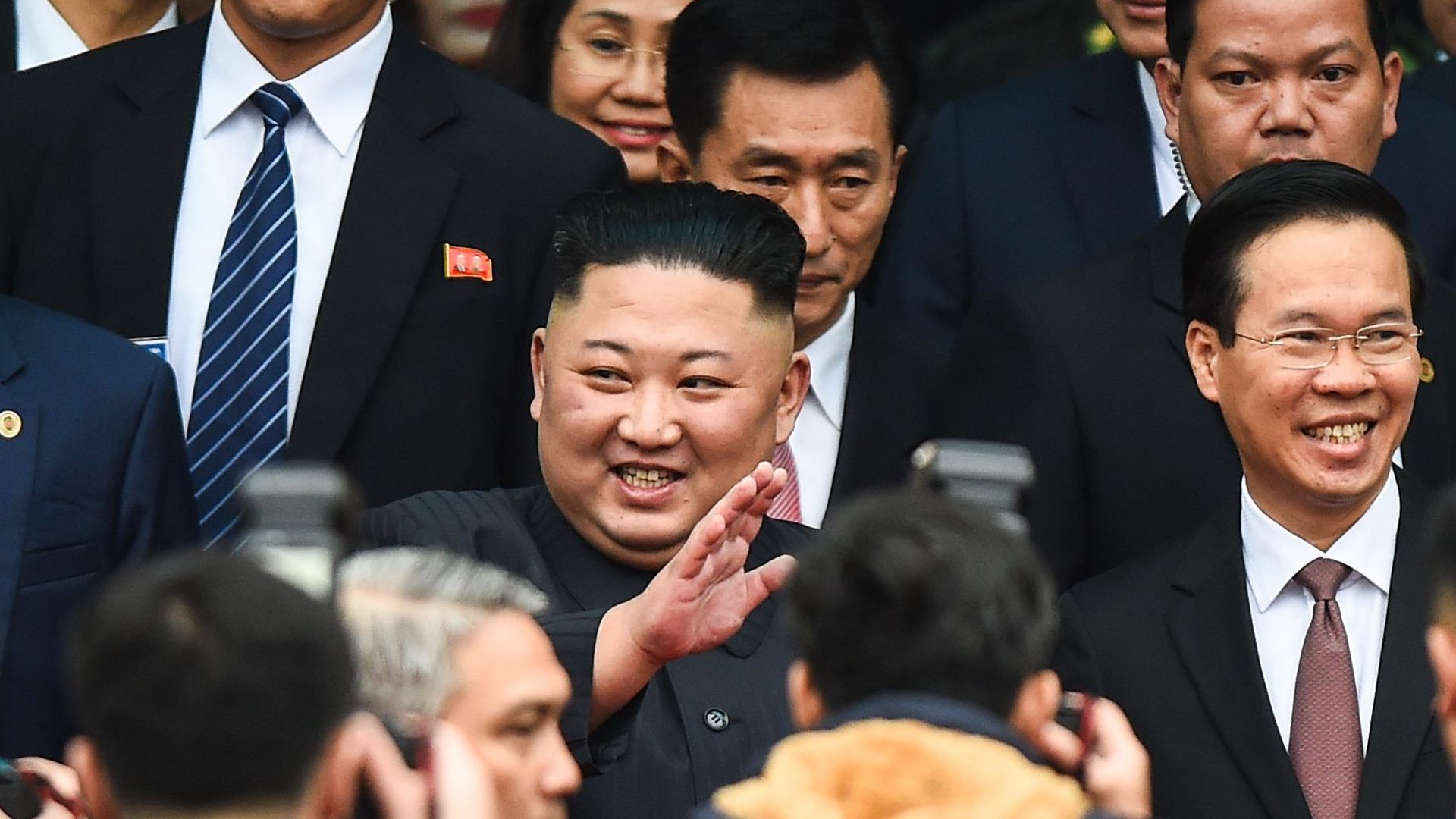
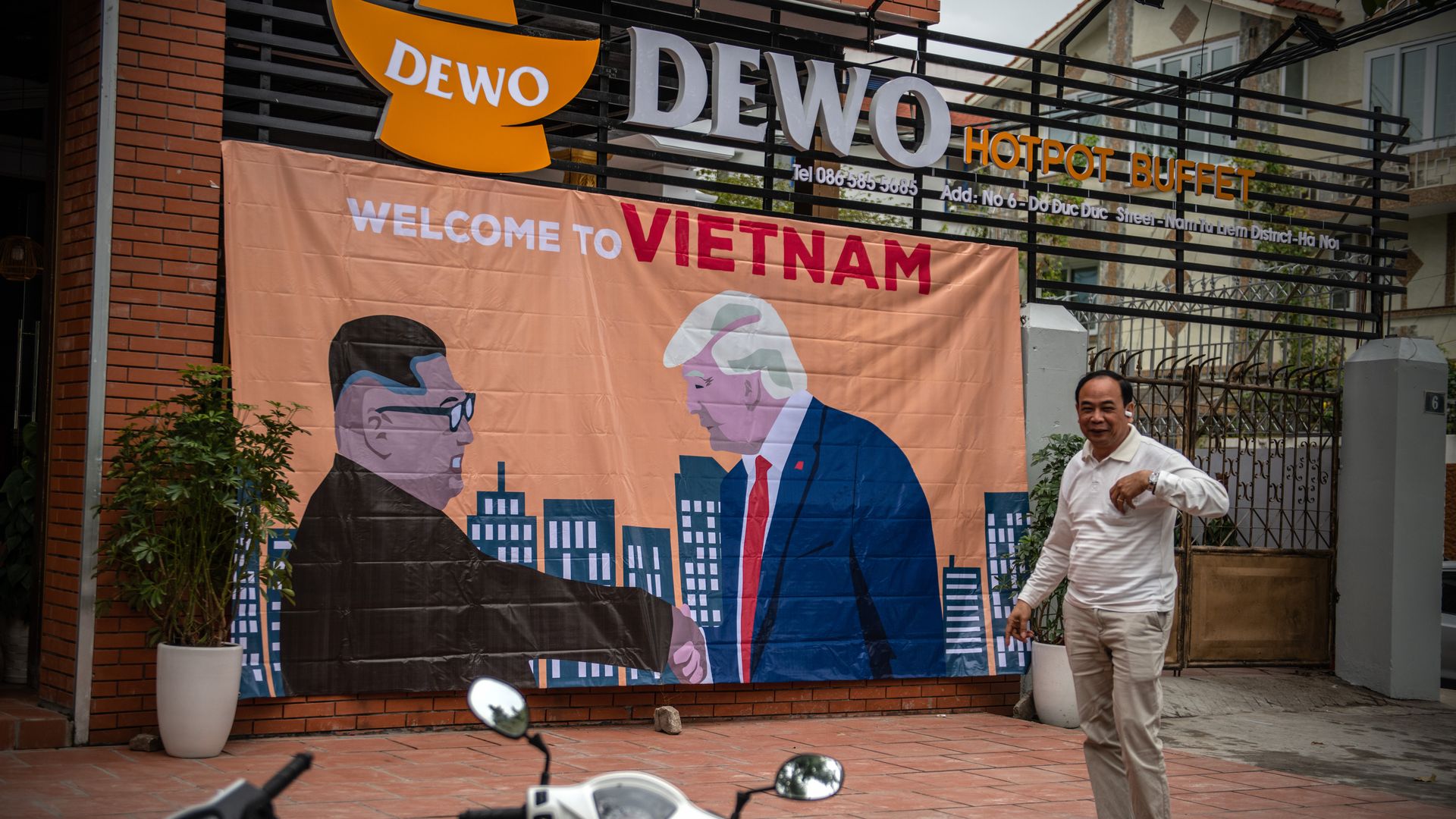
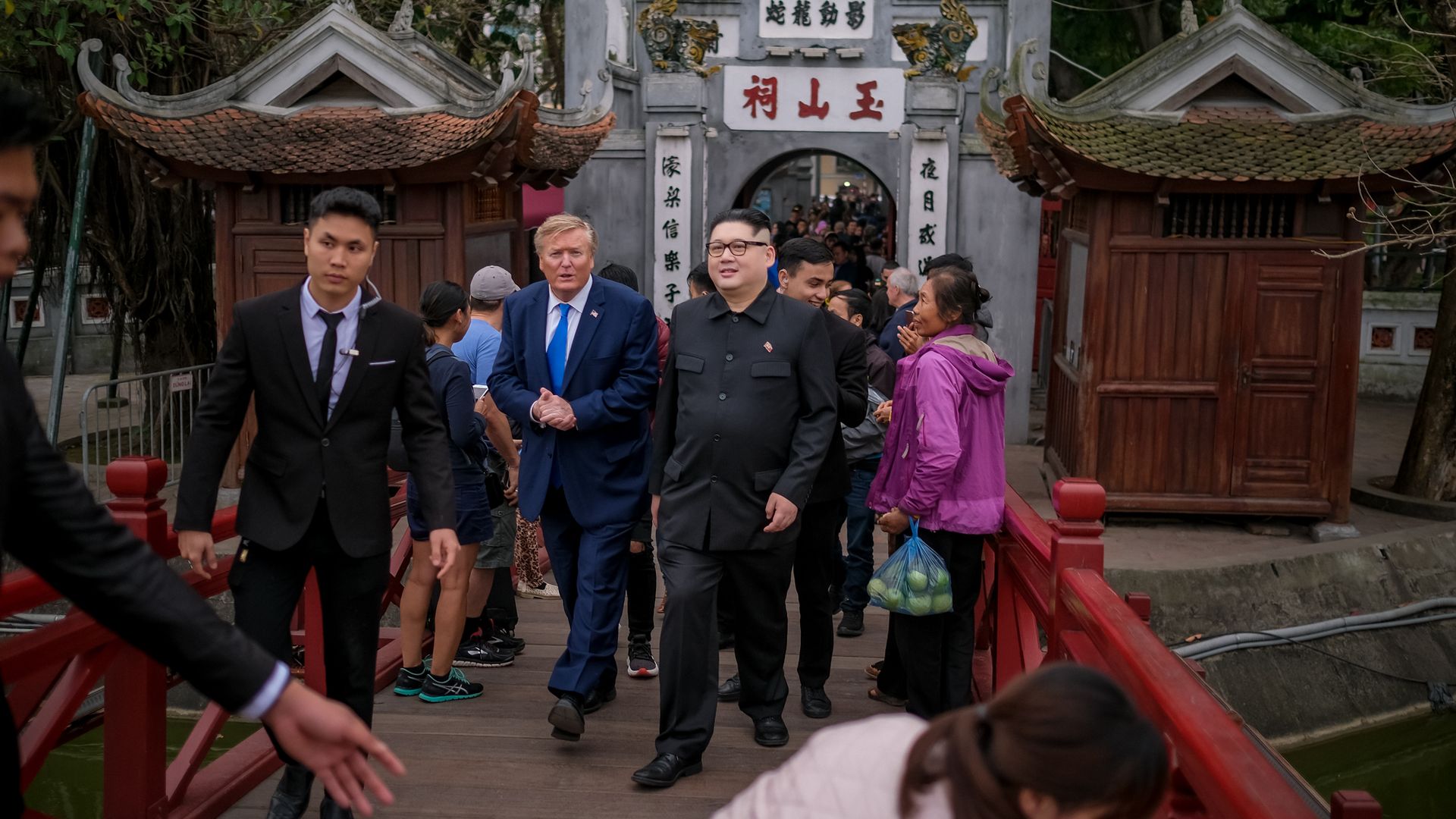
President Trump met with North Korean leader Kim Jong-un in Hanoi, Vietnam on Wednesday, kicking off the second meeting of the two leaders as Trump told reporters that he hopes their "great relationship" can lead to a "very successful" outcome.
What's next: While there are still concerns among experts that North Korea is not serious about denuclearization, Trump and Kim are set to have a one-on-one meeting this evening, followed by a "social dinner" before the substantive bulk of the summit begins Thursday.
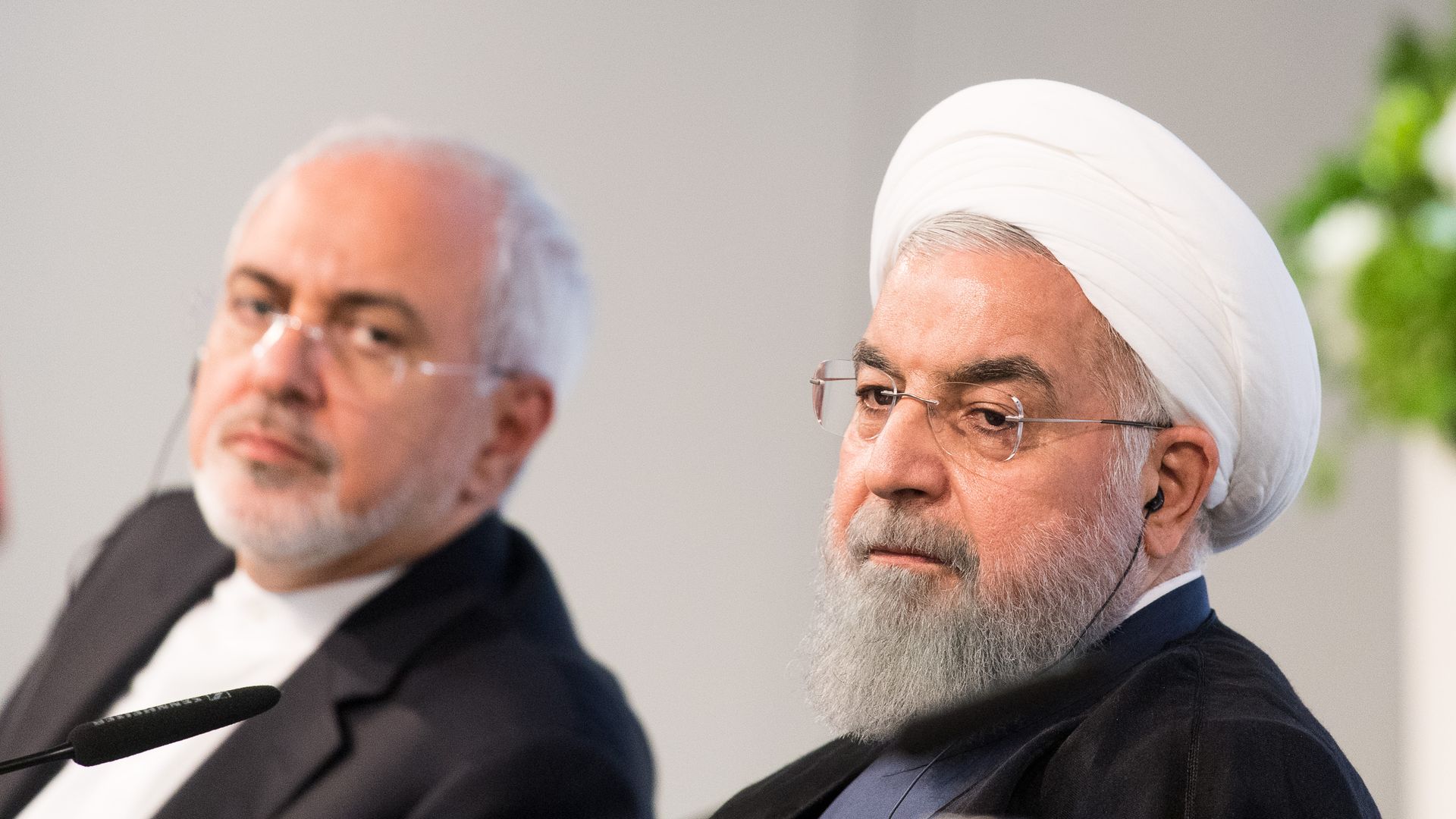
Iran's President Hassan Rouhani has rejected the resignation of Foreign Minister Mohammad Javad Zarif, the Associated Press reported Tuesday night, citing state-run IRNA news agency.
Why it matters: The U.S.-educated veteran diplomat Zarif helped oversee negotiations for Iran's 2015 nuclear deal in return for sanctions relief. That agreement has been placed under threat since President Trump announced the U.S. would withdraw from it, though the U.N.'s nuclear watchdog found this month Iran had been complying with the terms of the agreement. Zarif announced his intention to resign on Monday night, saying he could no longer continue in the position. However, Al Jazeera reports Rouhani said in a letter published in Iranian media, "I believe accepting your resignation would be against the benefit of the country, so I reject it."
A private U.N. Security Council draft document obtained by CBS News finds North Korea has furtively sold arms to Syria, dodged sanctions, and there has been a "massive increase" in the country criminally acquiring coal and oil.
Between the lines: Since President Trump's first meeting with North Korea's leader, Kim Jong-un, in June 2018, the country has continued to violate the arms embargo as the U.S. and U.N. have pressed Pyongyang with sanctions on virtually every sector of its economy, according to the United Nations report. And despite the United States' efforts, "financial sanctions remain some of the most poorly implemented and actively evaded measures of the sanction regime," the report finds.
North Korea has long employed cyberattacks to sabotage enemies and collect intelligence, but the report says Pyongyang is now using more sophisticated techniques to generate revenue for the regime. It also says North Korea bamboozled an unidentified U.S. bank into payment for oil. The 67-page document is expected to be made public in early March.
Jung Pak, a senior fellow at the Brookings Institution and former senior CIA official, told CBS ahead of Trump and Kim's meeting in Vietnam Wednesday, the biggest danger is "the pageantry of the summit is making it harder to punish North Korea for their bad behavior that is being downplayed amid the hoopla."
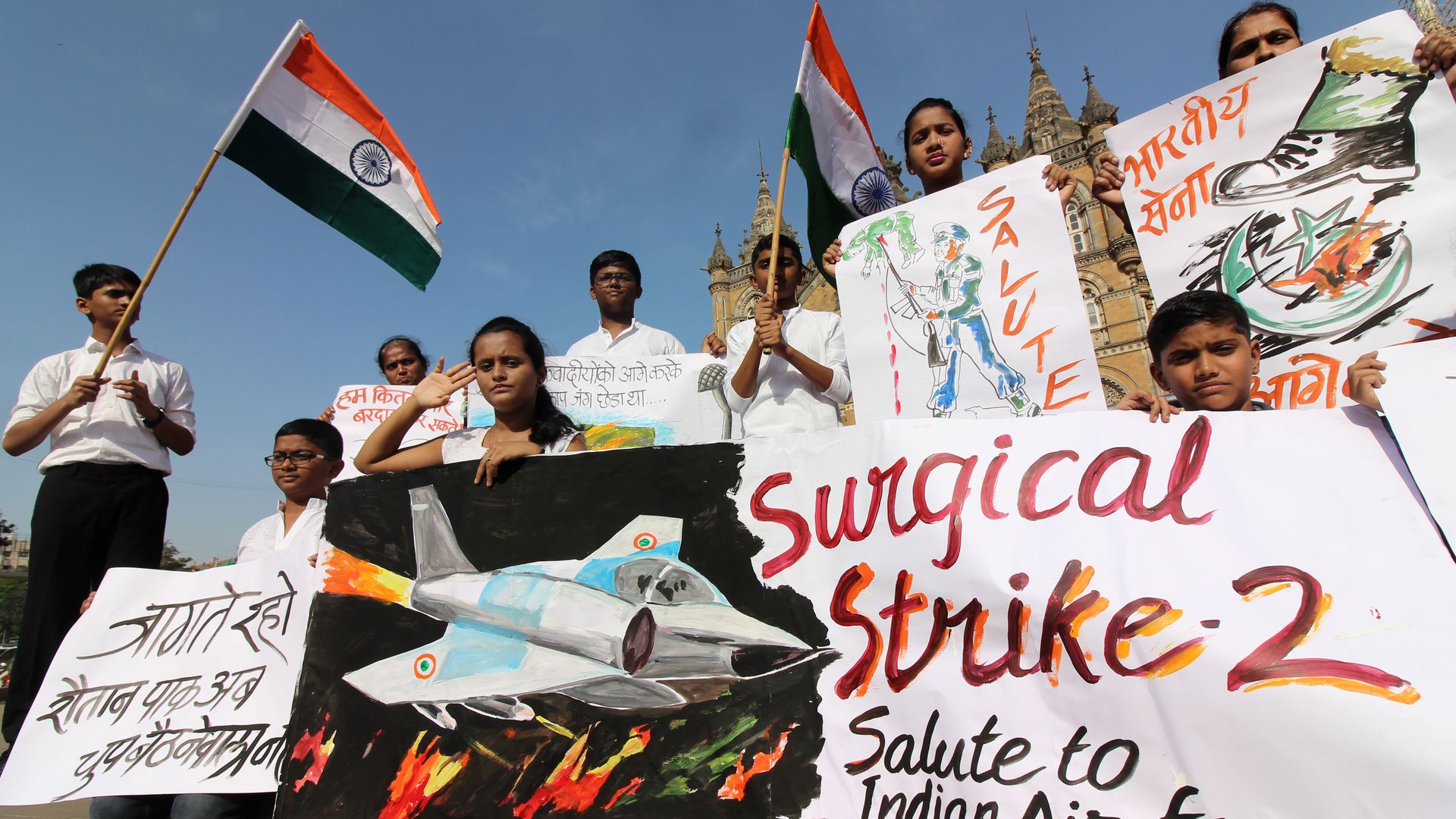
In retaliation for the Feb. 14 terrorist attack in the Pulwama district of Kashmir, which killed 44 Indian security personnel, the Indian Air Force (IAF) conducted strikes on Tuesday against an alleged terrorist training facility and madrassa complex in the Pakistani town of Balakot.
Why it matters: The operation was the first cross-border sortie by the IAF since the 1971 India-Pakistan war. Escalating tensions have sparked fears of a standoff between the nuclear-armed rivals.
More than 100 globally significant financial institutions — those with at least $10 billion in assets under management (AUM) — have now restricted access to financing for the coal industry, according to the Institute for Energy Economics and Financial Analysis.
Why it matters: The International Energy Agency estimates that global investment in coal plants and mines has dropped by $38 billion (22%) in the past two years. Almost every other week now, a major global bank, insurer or other lender announces new coal finance restriction policies.
The U.S. military shut down a troll operation orchestrated by the Kremlin-supported Internet Research Agency's networks during the 2018 midterms in an effort to curb election interference, according to officials interviewed by the Washington Post.
The big picture: The Internet Research Agency was one of three entities indicted by Robert Mueller for conspiring to interfere in the 2016 election. This action, described as a success by Pentagon officials, is the first of its kind by U.S. Cyber Command, which was granted more authority by the Trump administration last year. The U.S. blocked networks in order to prevent potential disinformation campaigns and election interference.
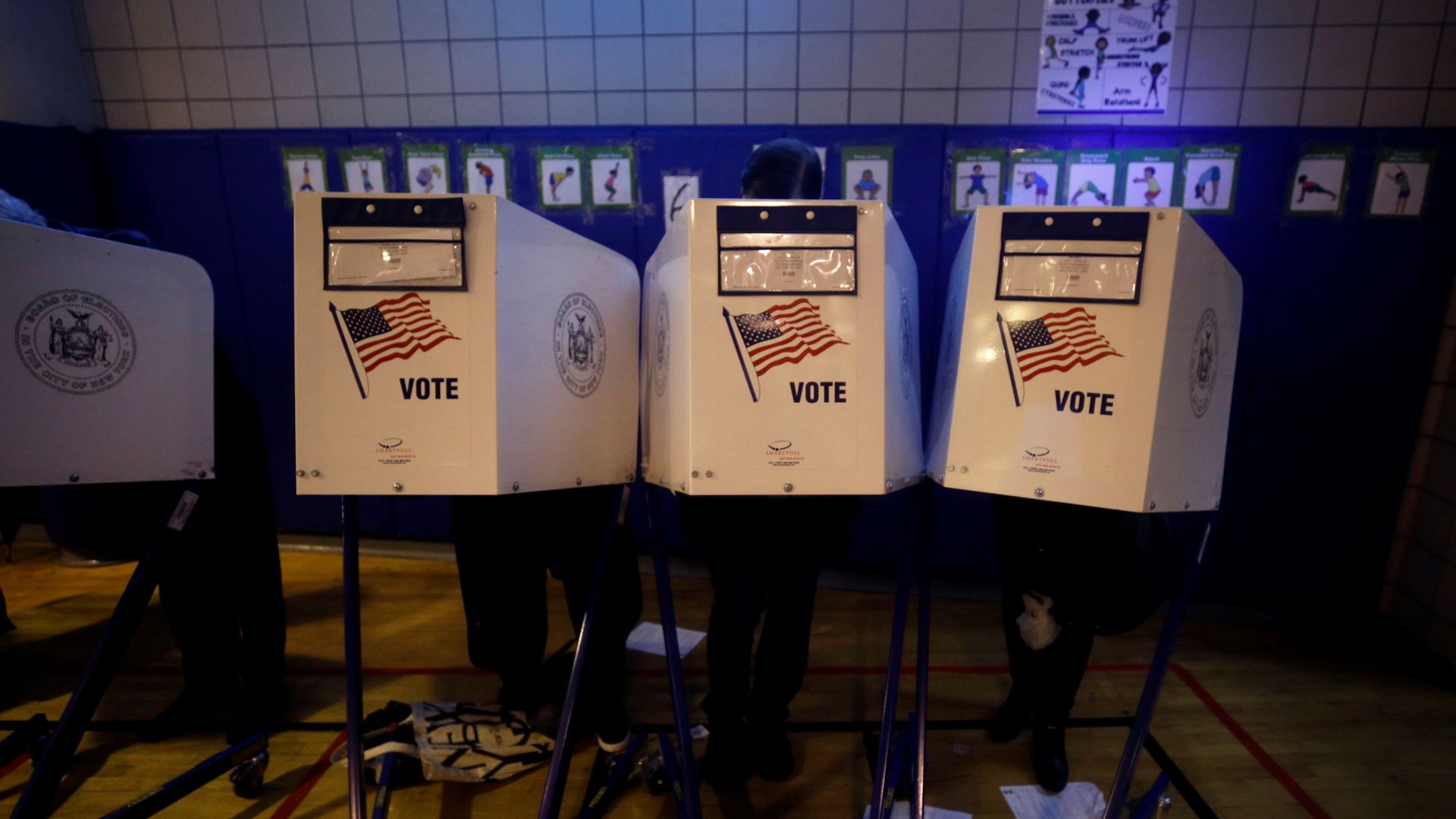
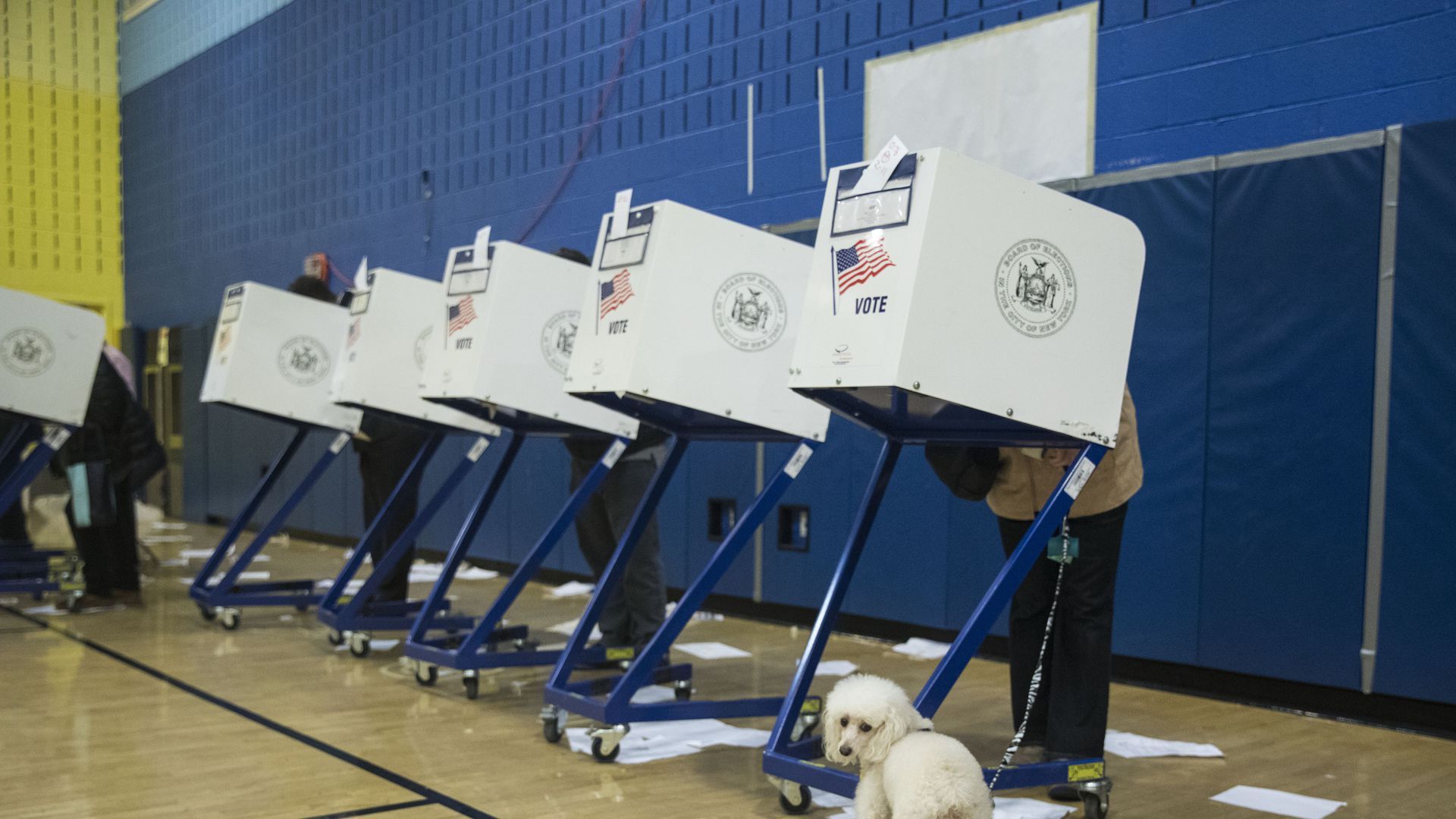
The U.S. Election Assistance Commission announced Monday that Christy McCormick will take a second term helming the commission.
Why it matters: The EAC interfaces with states on elections, including on voluntary voting machine security standards. While Homeland Security also offers substantial resources for election security, EAC is in charge of distributing funds released last year to upgrade security and would distribute funds in the Democrats' new election security plan.
While President Trump and North Korean leader Kim Jong-un’s June 2018 meeting ended with a broad statement — committing to “establish new U.S.-DPRK relations” for “a lasting and stable peace regime on the Korean Peninsula” — they will aim to take more concrete steps forward at their second summit in Hanoi this week.
Between the lines: To keep up the diplomatic momentum, Trump and Kim will need to minimize existing ambiguities and divergences on key issues — including the definition of denuclearization — and produce a comprehensive road map that lays out the specifics of their proclaimed shared vision. Without these agreements, the Hanoi summit could be easily denigrated as “just another show.”
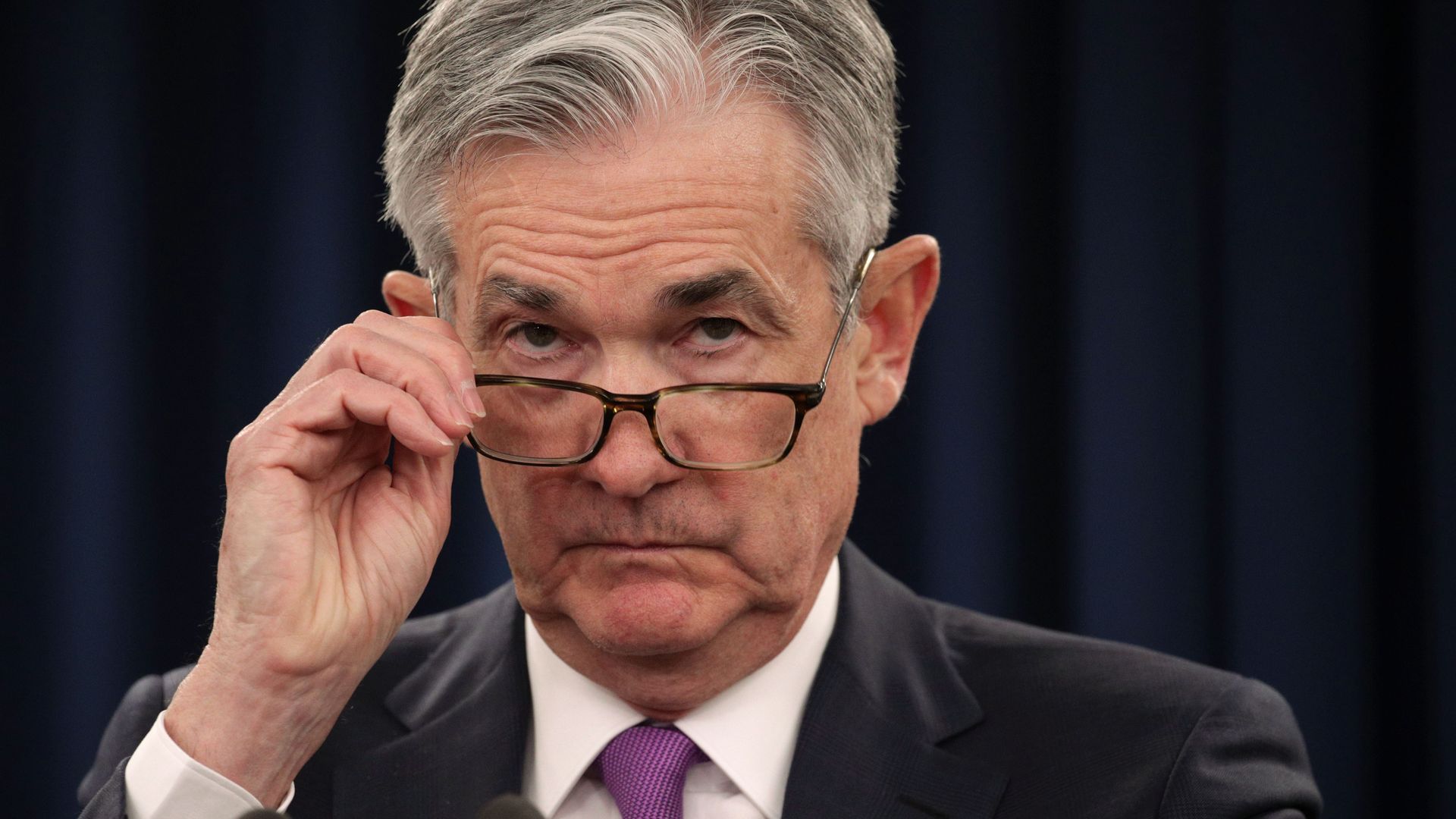
Federal Reserve chairman Jerome Powell will tell the Senate Banking Committee Tuesday that the global economy currently looks strong, but the volatile stock market and uncertainties surrounding Brexit and international trade are presenting "conflicting signals" about what's ahead, according to his prepared remarks.
Between the lines: Powell's Fed has backed off its more aggressive rate hike stance in recent months, instead emphasizing the central bank's "patience." Expect Powell to face questions from members of Congress about this reversal during today's hearing.
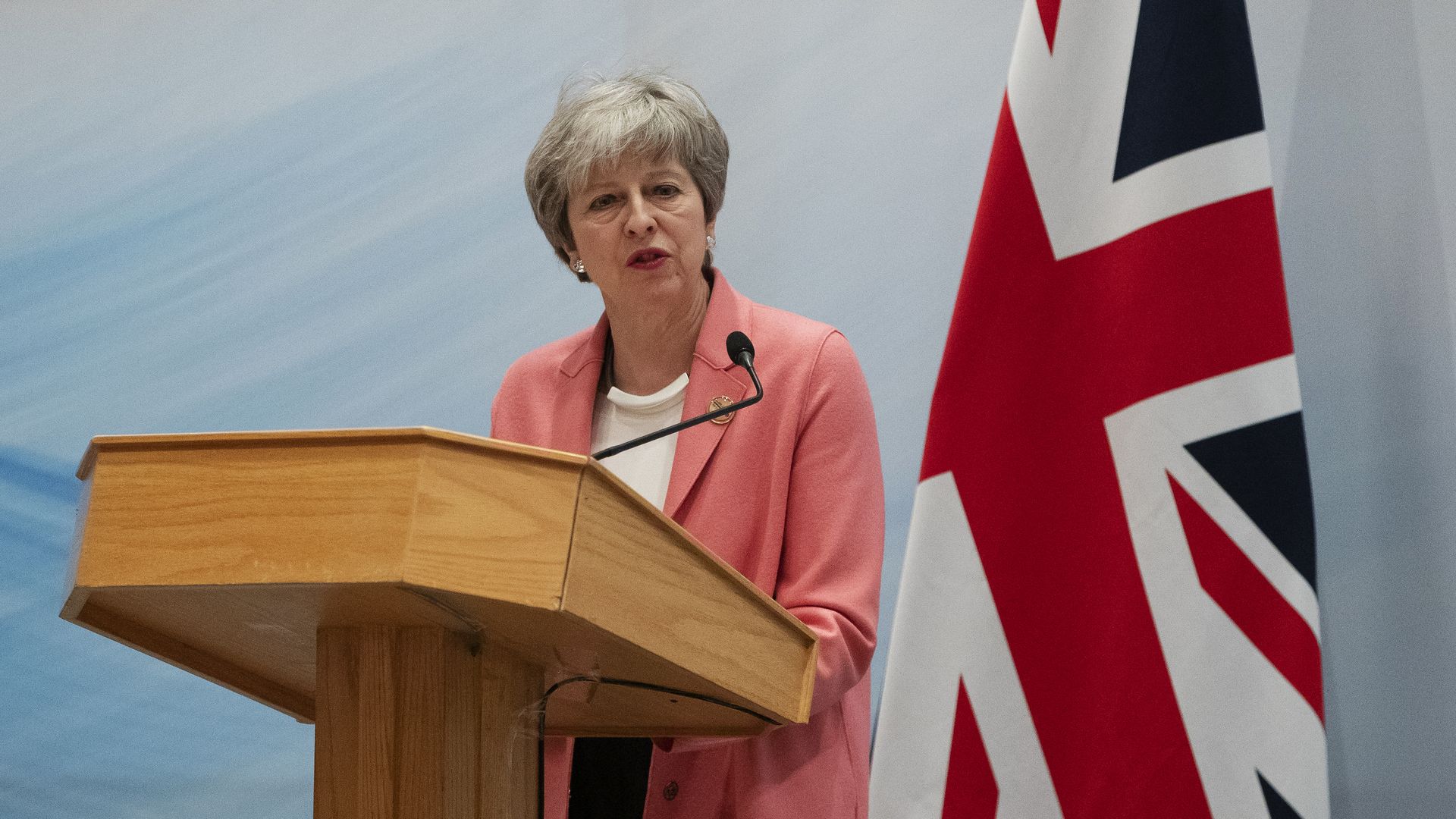
U.K. Prime Minister Theresa May told the House of Commons on Tuesday that if her Brexit deal is rejected on March 12, she will offer two follow-up votes: one on whether the U.K. should leave the EU without a deal, and one on whether to extend the Brexit date beyond March 29.
Why it matters: There is not a majority of MPs in support of a "no deal" Brexit. May said any Brexit delay would not last beyond the end of June and would "almost certainly have to be a one-off." Opposition leader Jeremy Corbyn said yesterday that his Labour Party would back the idea of another "public vote" on Brexit if his own plan is rejected next week, as expected.
Between the lines: Suzanne DiMaggio, a Carnegie fellow who has facilitated dialogue with the North Koreans on behalf of both the Obama and Trump administrations, says she's optimistic that "the administration has adjusted to an approach that's in the realm of possibility."