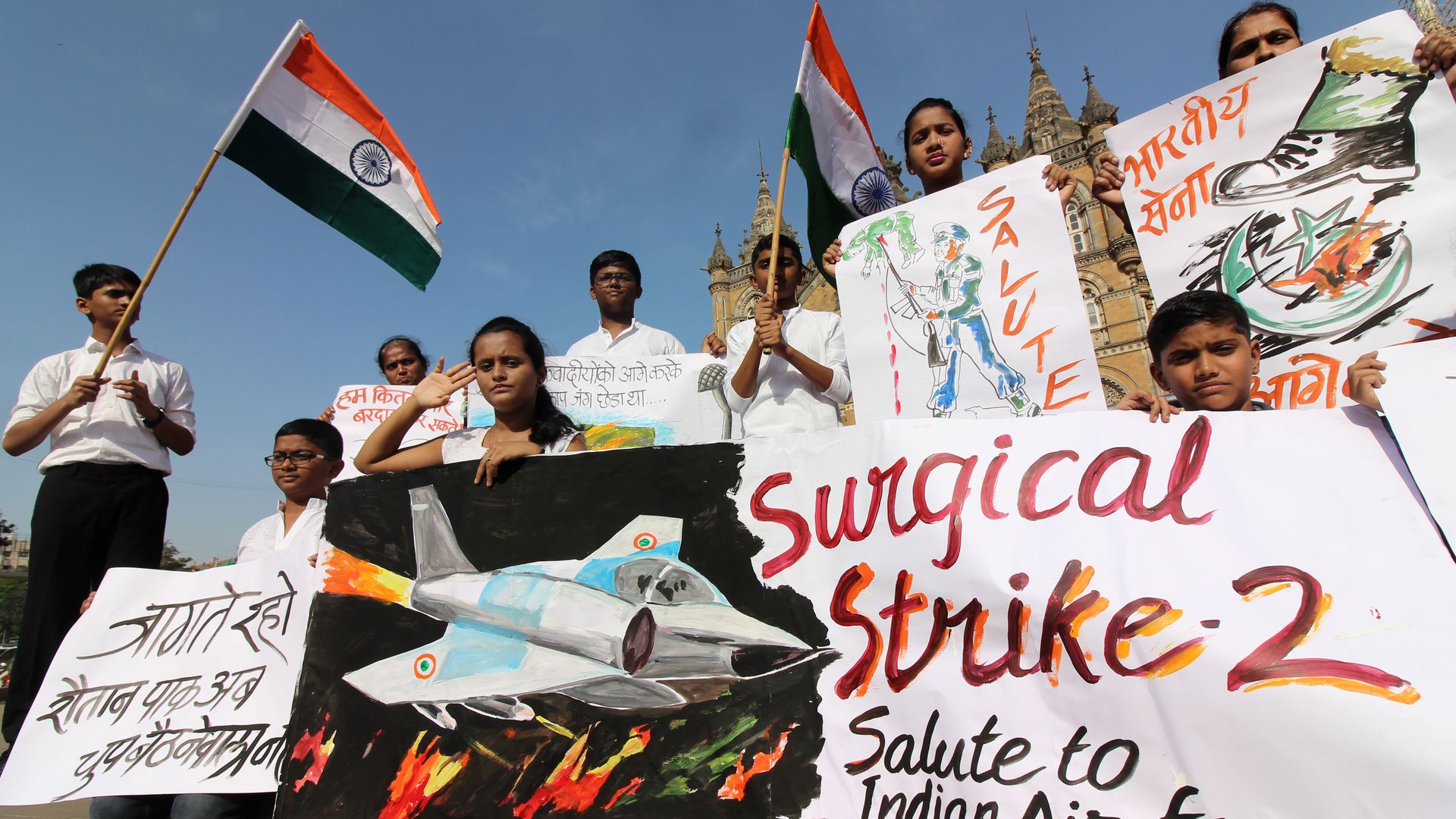
In retaliation for the Feb. 14 terrorist attack in the Pulwama district of Kashmir, which killed 44 Indian security personnel, the Indian Air Force (IAF) conducted strikes on Tuesday against an alleged terrorist training facility and madrassa complex in the Pakistani town of Balakot.
Why it matters: The operation was the first cross-border sortie by the IAF since the 1971 India-Pakistan war. Escalating tensions have sparked fears of a standoff between the nuclear-armed rivals.
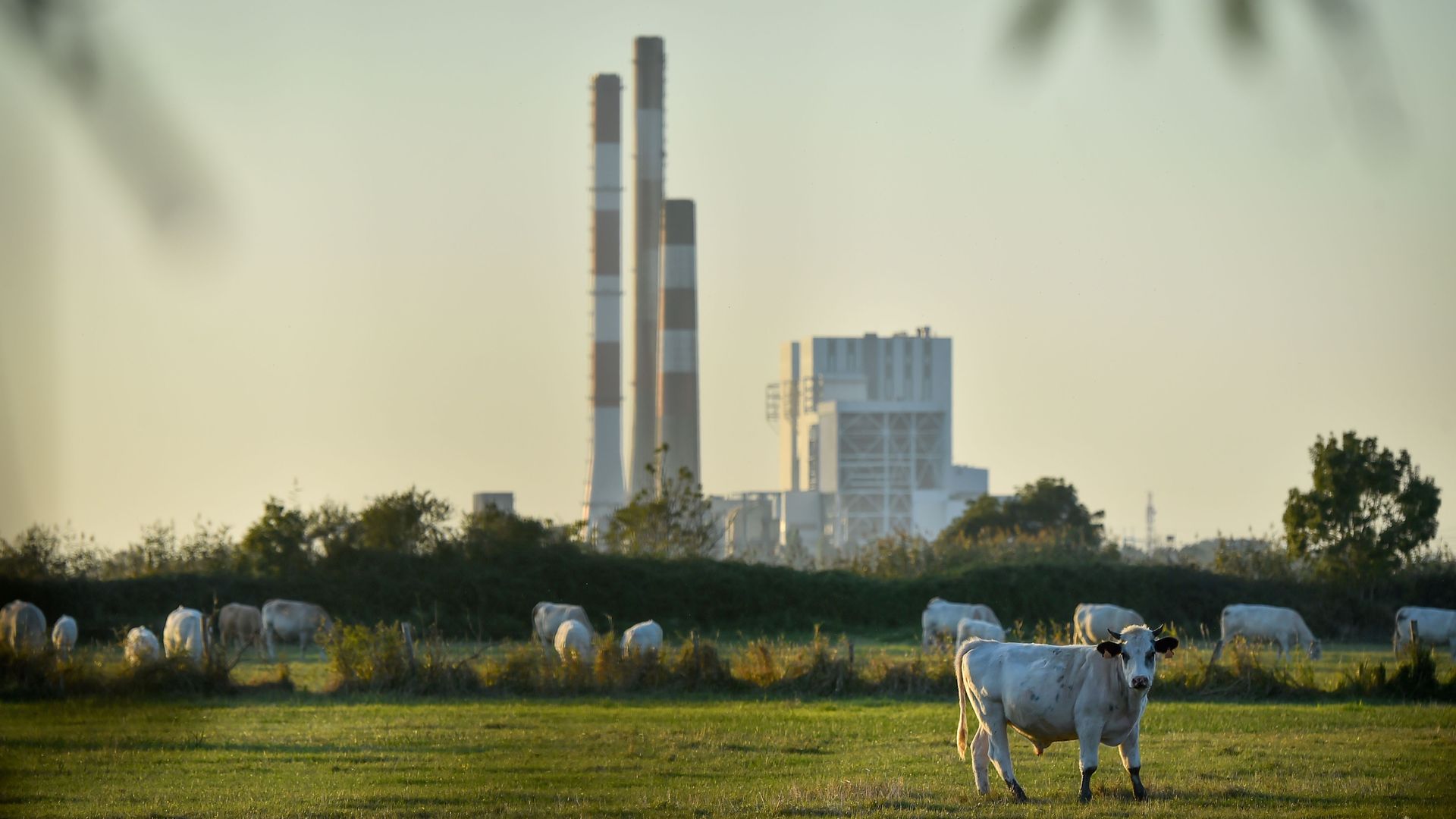
More than 100 globally significant financial institutions — those with at least $10 billion in assets under management (AUM) — have now restricted access to financing for the coal industry, according to the Institute for Energy Economics and Financial Analysis.
Why it matters: The International Energy Agency estimates that global investment in coal plants and mines has dropped by $38 billion (22%) in the past two years. Almost every other week now, a major global bank, insurer or other lender announces new coal finance restriction policies.
The U.S. military shut down a troll operation orchestrated by the Kremlin-supported Internet Research Agency's networks during the 2018 midterms in an effort to curb election interference, according to officials interviewed by the Washington Post.
The big picture: The Internet Research Agency was one of three entities indicted by Robert Mueller for conspiring to interfere in the 2016 election. This action, described as a success by Pentagon officials, is the first of its kind by U.S. Cyber Command, which was granted more authority by the Trump administration last year. The U.S. blocked networks in order to prevent potential disinformation campaigns and election interference.
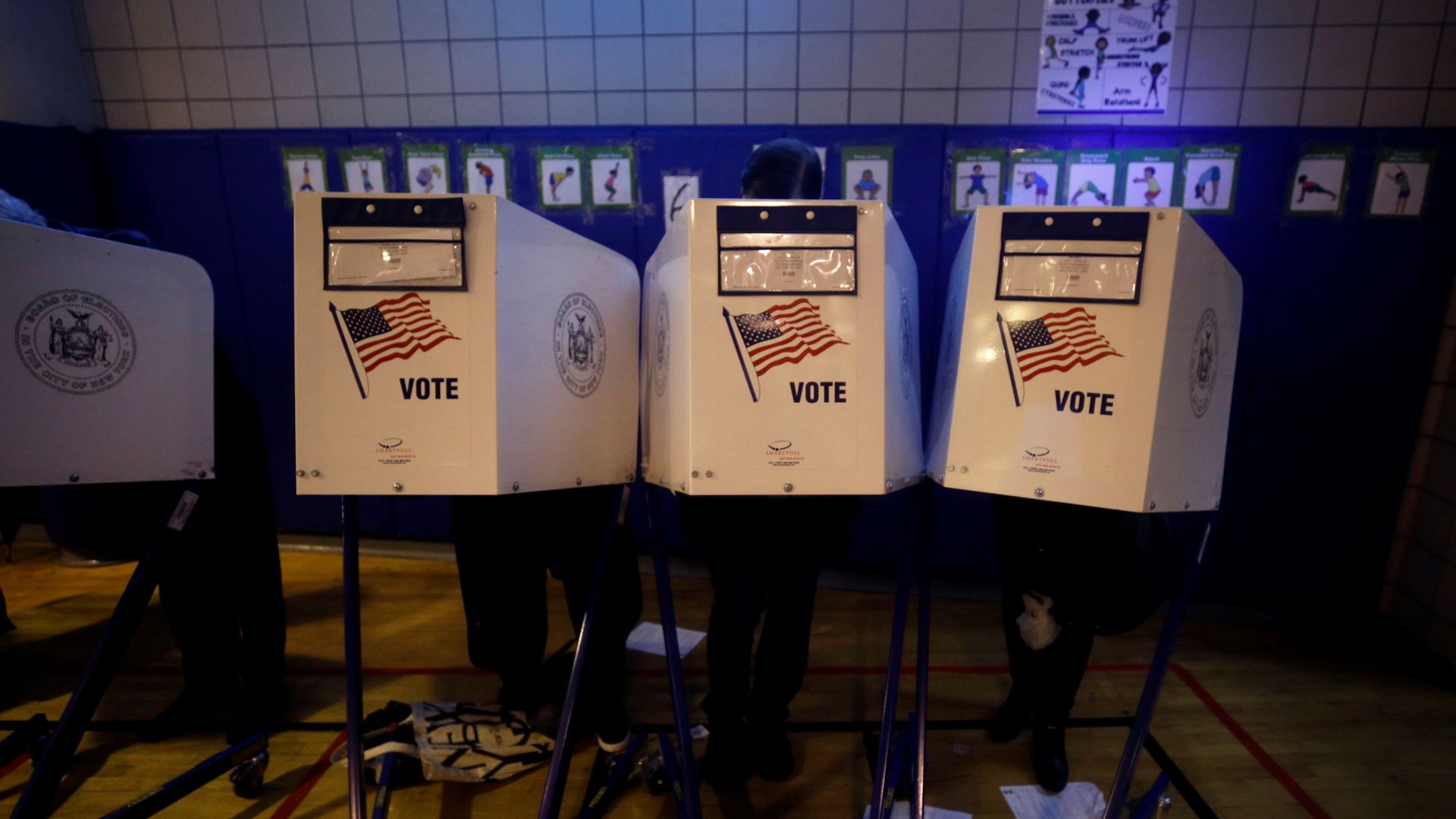
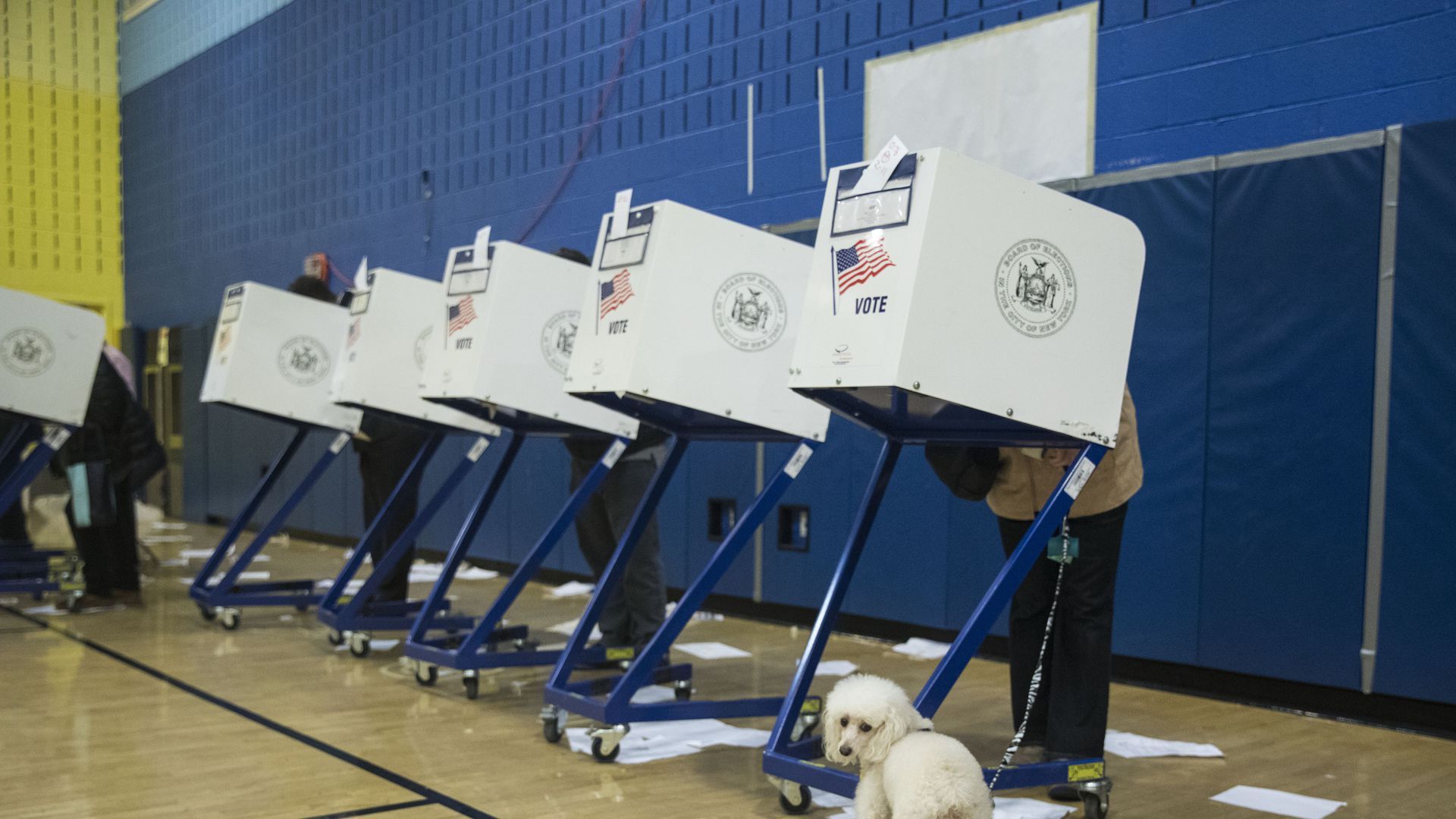
The U.S. Election Assistance Commission announced Monday that Christy McCormick will take a second term helming the commission.
Why it matters: The EAC interfaces with states on elections, including on voluntary voting machine security standards. While Homeland Security also offers substantial resources for election security, EAC is in charge of distributing funds released last year to upgrade security and would distribute funds in the Democrats' new election security plan.
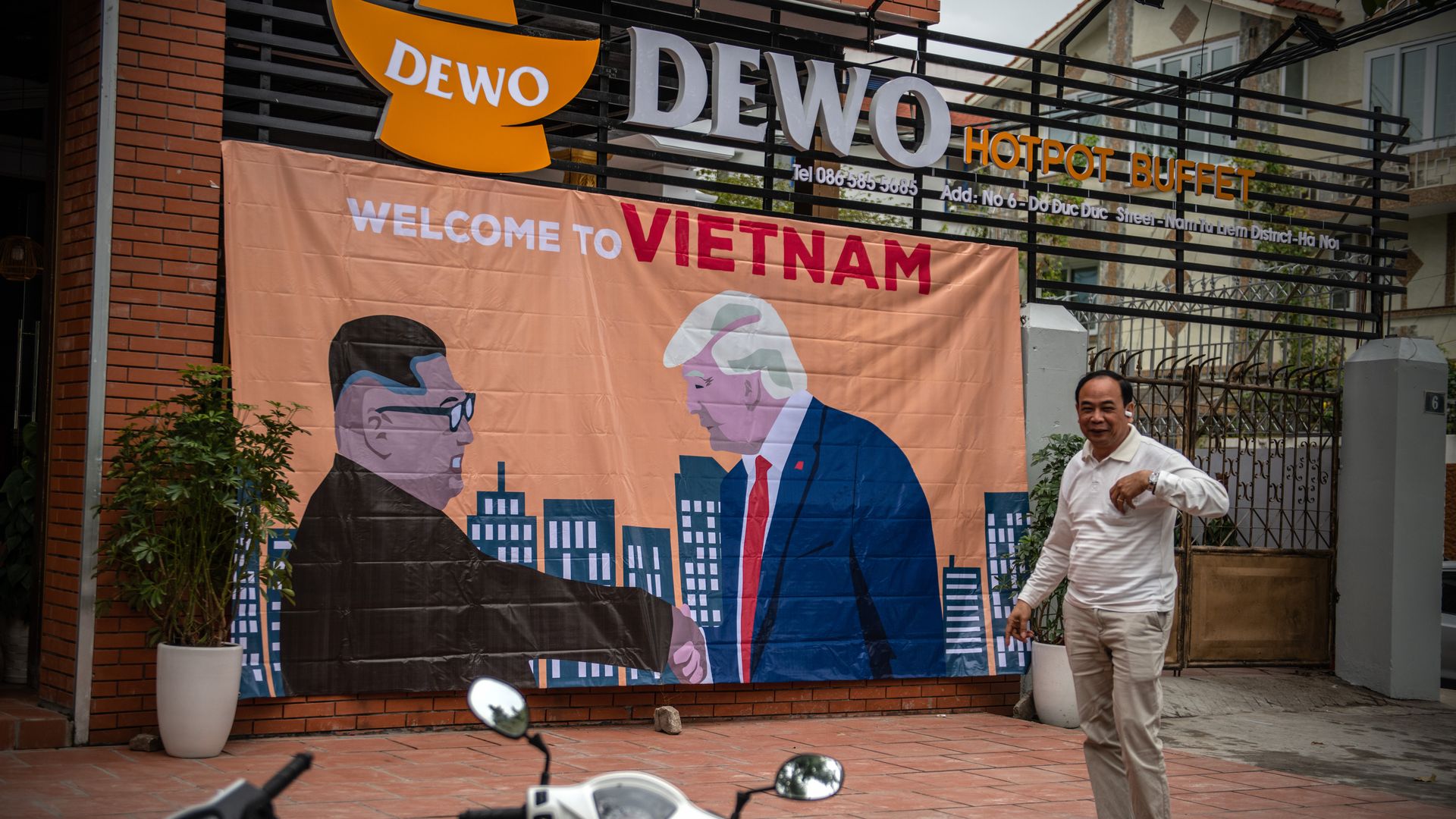
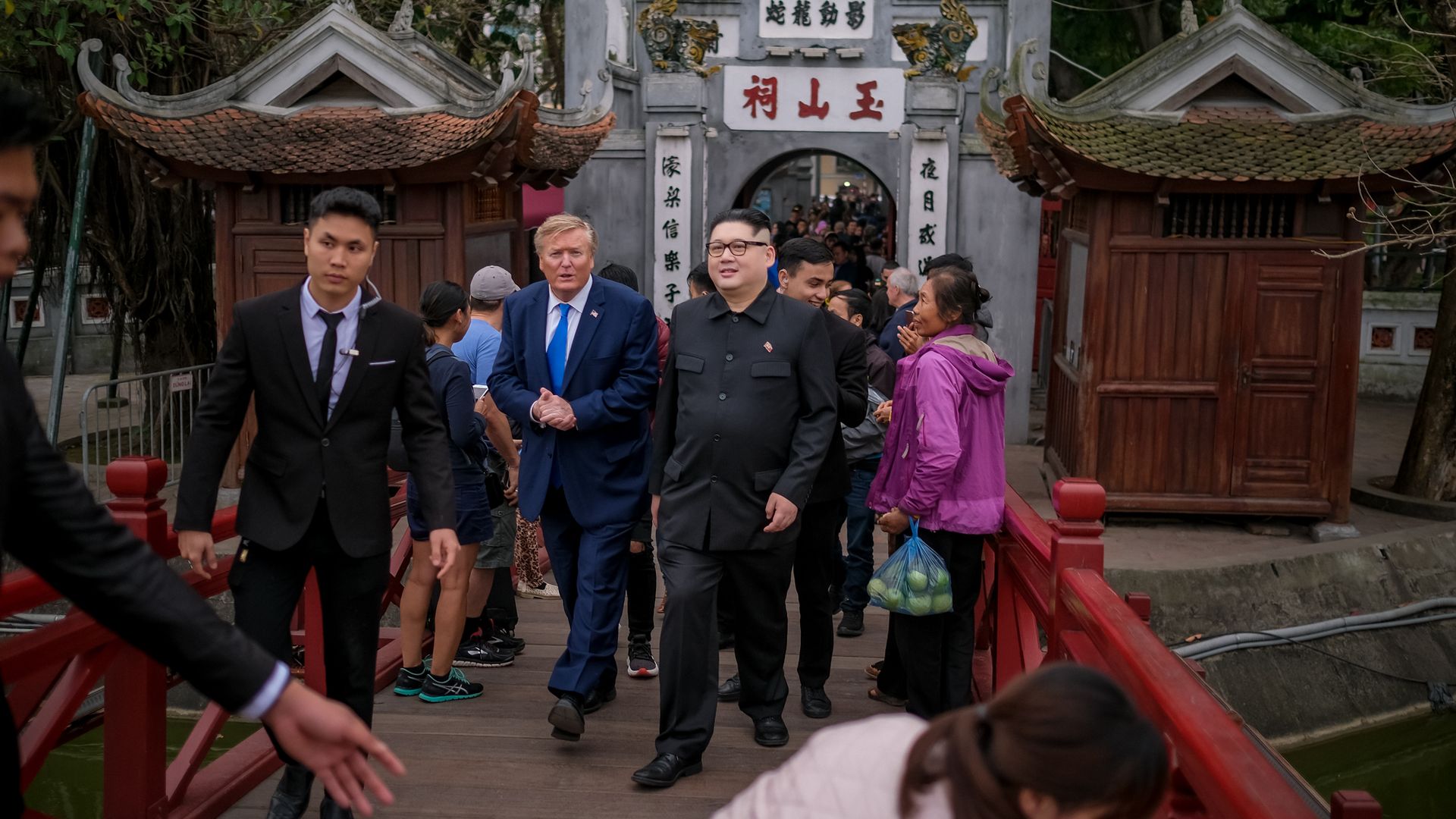
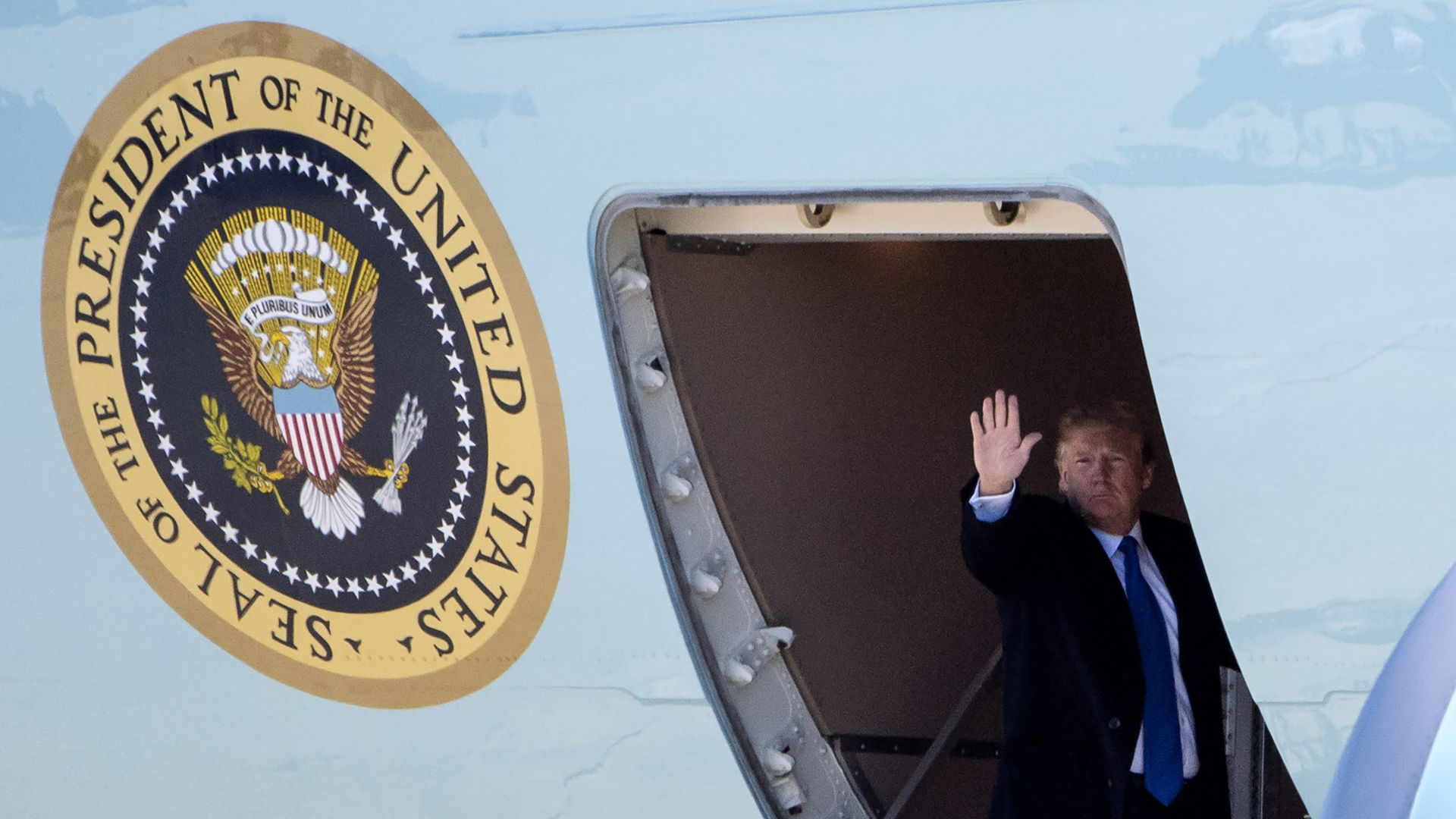
While President Trump and North Korean leader Kim Jong-un’s June 2018 meeting ended with a broad statement — committing to “establish new U.S.-DPRK relations” for “a lasting and stable peace regime on the Korean Peninsula” — they will aim to take more concrete steps forward at their second summit in Hanoi this week.
Between the lines: To keep up the diplomatic momentum, Trump and Kim will need to minimize existing ambiguities and divergences on key issues — including the definition of denuclearization — and produce a comprehensive road map that lays out the specifics of their proclaimed shared vision. Without these agreements, the Hanoi summit could be easily denigrated as “just another show.”
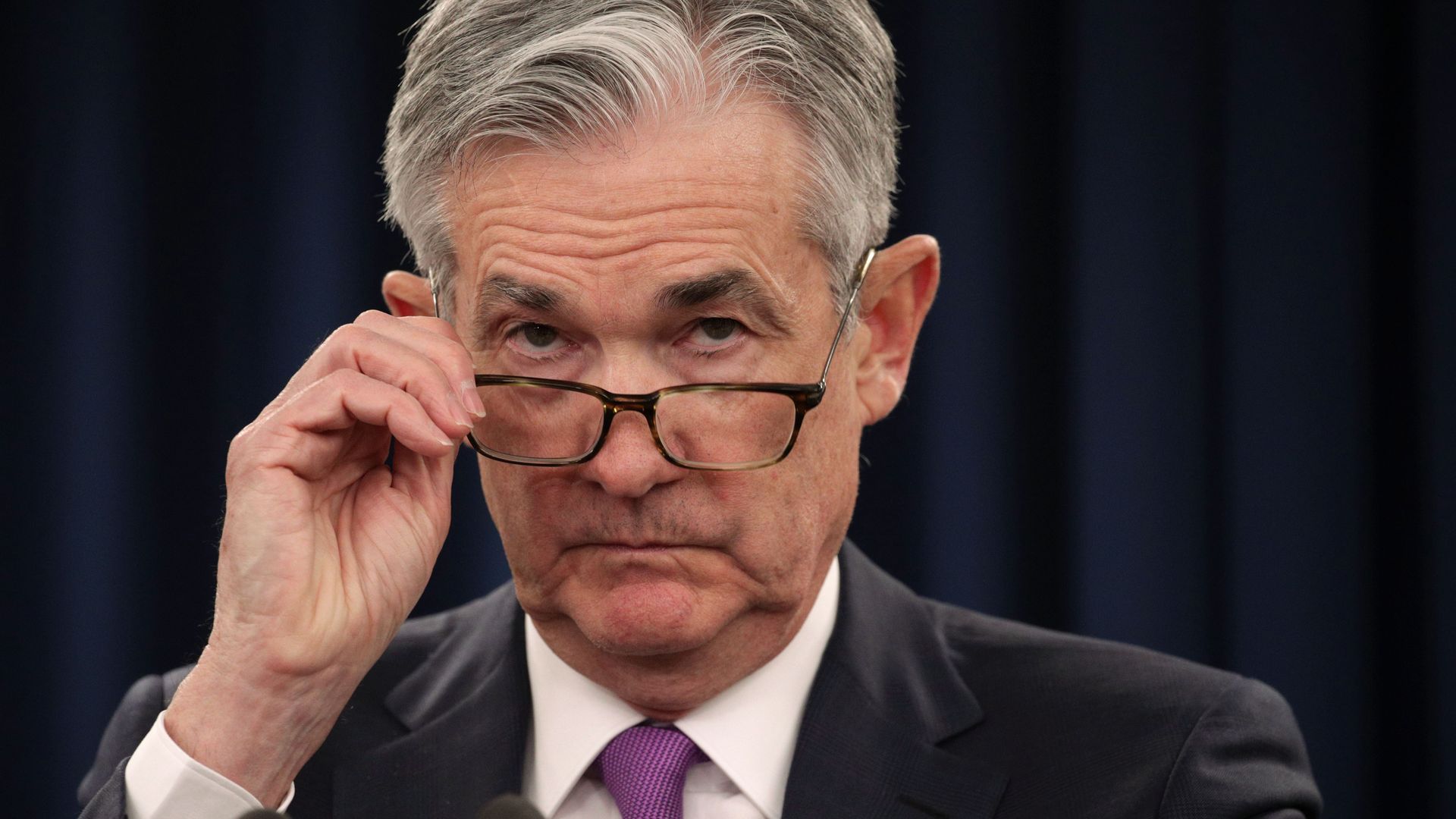
Federal Reserve chairman Jerome Powell will tell the Senate Banking Committee Tuesday that the global economy currently looks strong, but the volatile stock market and uncertainties surrounding Brexit and international trade are presenting "conflicting signals" about what's ahead, according to his prepared remarks.
Between the lines: Powell's Fed has backed off its more aggressive rate hike stance in recent months, instead emphasizing the central bank's "patience." Expect Powell to face questions from members of Congress about this reversal during today's hearing.
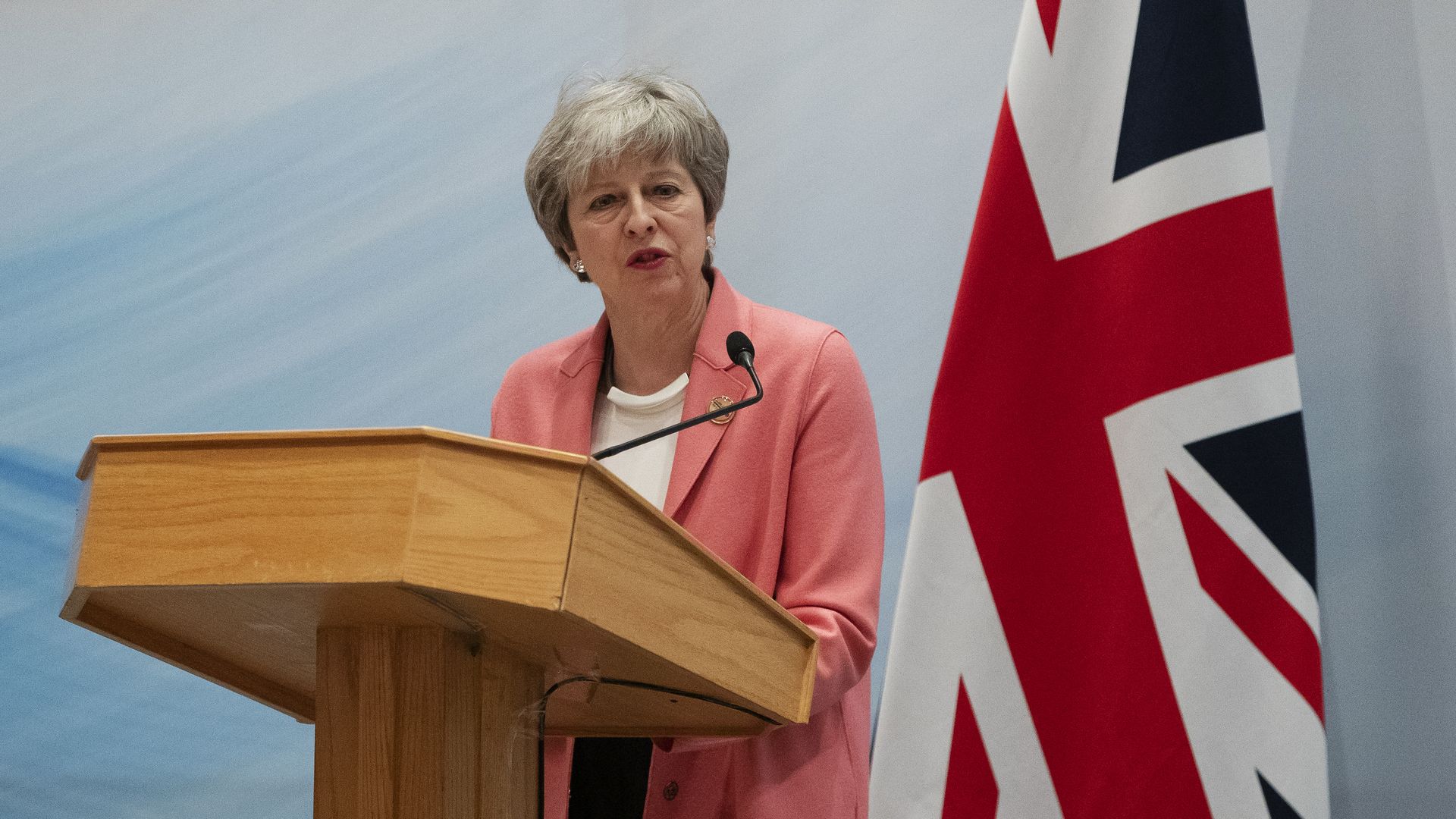
U.K. Prime Minister Theresa May told the House of Commons on Tuesday that if her Brexit deal is rejected on March 12, she will offer two follow-up votes: one on whether the U.K. should leave the EU without a deal, and one on whether to extend the Brexit date beyond March 29.
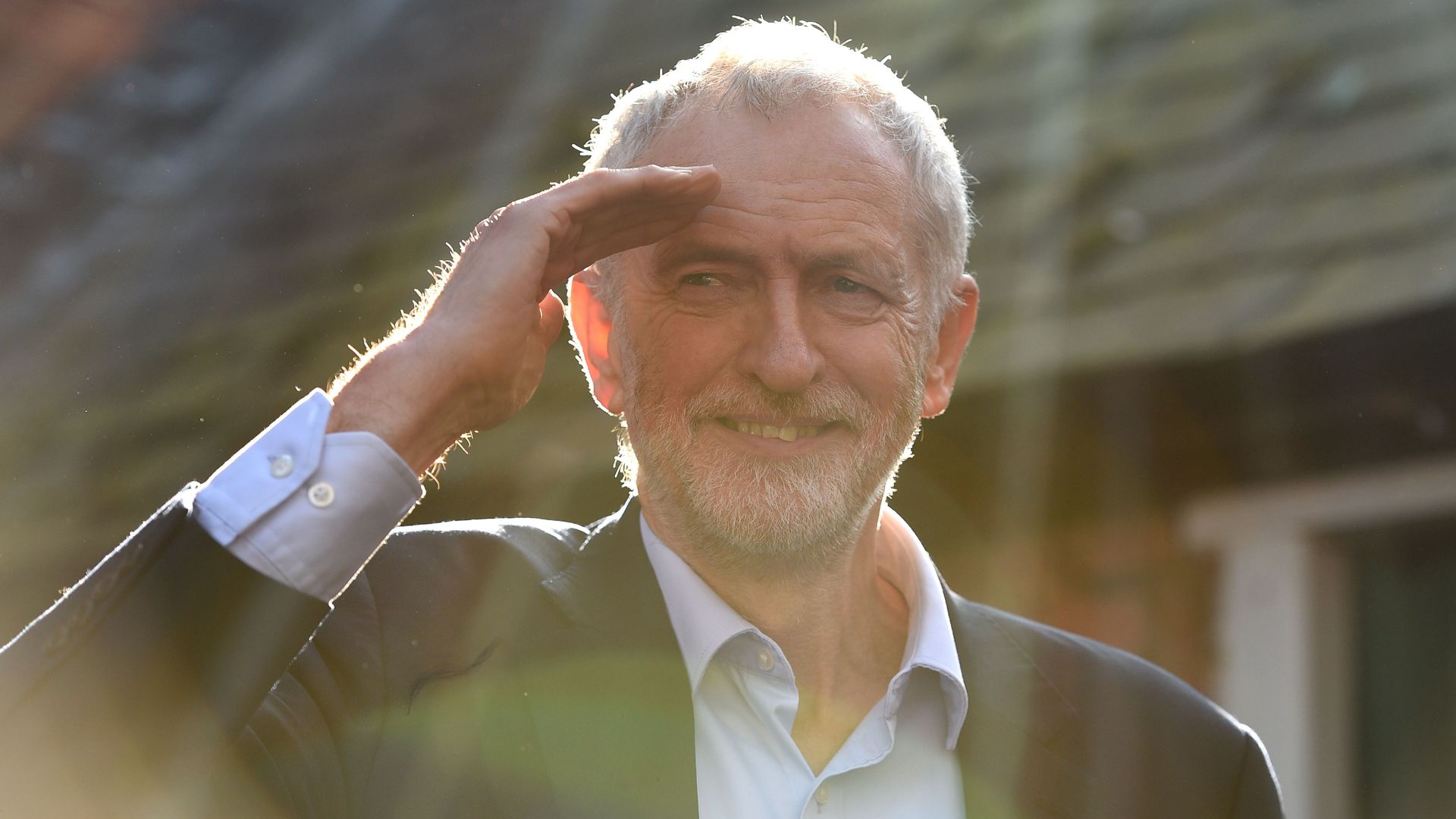
Why it matters: There is not a majority of MPs in support of a "no deal" Brexit. May said any Brexit delay would not last beyond the end of June and would "almost certainly have to be a one-off." Opposition leader Jeremy Corbyn said yesterday that his Labour Party would back the idea of another "public vote" on Brexit if his own plan is rejected next week, as expected.
Between the lines: Suzanne DiMaggio, a Carnegie fellow who has facilitated dialogue with the North Koreans on behalf of both the Obama and Trump administrations, says she's optimistic that "the administration has adjusted to an approach that's in the realm of possibility."
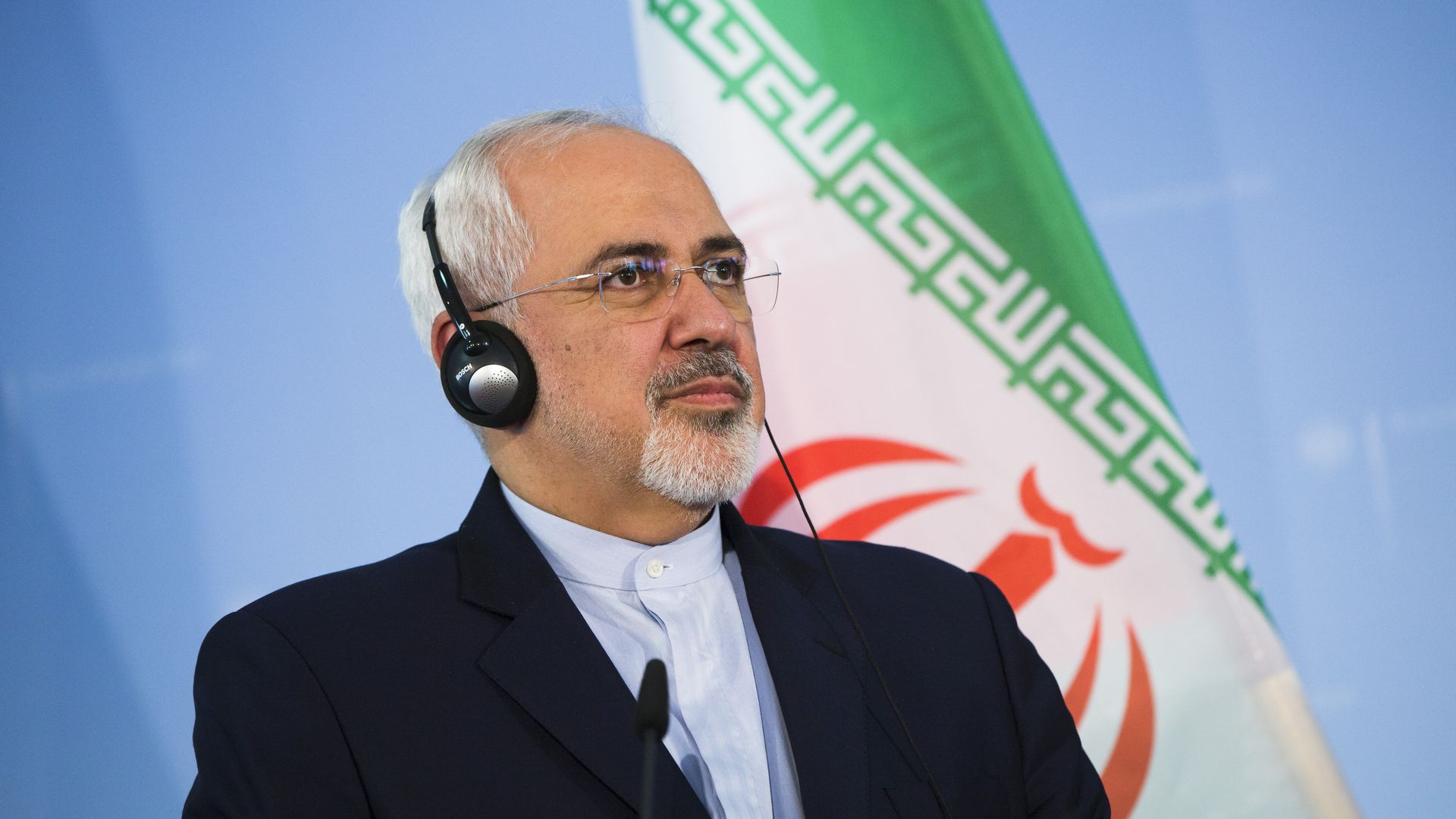
Iranian Foreign Minister Mohammad Javad Zarif, who led the 2015 Iran nuclear deal negotiations, resigned Monday via Instagram, Iran’s Foreign Ministry confirmed. Per NBC News, it is unclear if Iranian President Hassan Rouhani or Ayatollah Ali Khamenei will accept the resignation.
Why it matters: Zarif's resignation comes eight months after President Trump announced that the U.S. would withdraw from the nuclear deal and less than a week after the UN's nuclear watchdog assessed that Iran is still in compliance with the terms of the deal. The other parties to the 2015 agreement — which include the U.S.' European allies, China and Russia — have remained committed to salvaging the deal, despite the Trump administration's re-introduction of sanctions against the Iranian regime.
As the second summit between President Trump and North Korean leader Kim Jong-un approaches, the U.S. continues to focus its attention on the dismantlement of North Korea’s nuclear program.
Yes, but: If Trump is serious about denuclearizing North Korea, he should also use the summit with Kim Jong-un to take steps toward negotiating a peace agreement and formally ending the Korean War, noting the diplomatic engagements that have taken place between North and South Korea in 2017 that help to ease tensions on the Korean Peninsula.
The U.K.'s Labour Party will back the idea of another "public vote" on Brexit, should its own Brexit plan fail in Parliament this week as expected, according to internal documents obtained by the BBC's Nick Robinson.
Why it matters: The party's internal briefing said the stance is necessary "in order to prevent a damaging [Brexit plan put forth by Prime Minister Theresa May] or no deal," adding that the vote would "need to have" an option for the U.K. to remain in the EU. Labour, which is the largest opposition party in Parliament, has faced internal tumult after 8 of its members resigned this month to form The Independent Group, citing the party's inconsistent Brexit strategy and allegations of anti-Semitism under leader Jeremy Corbyn.
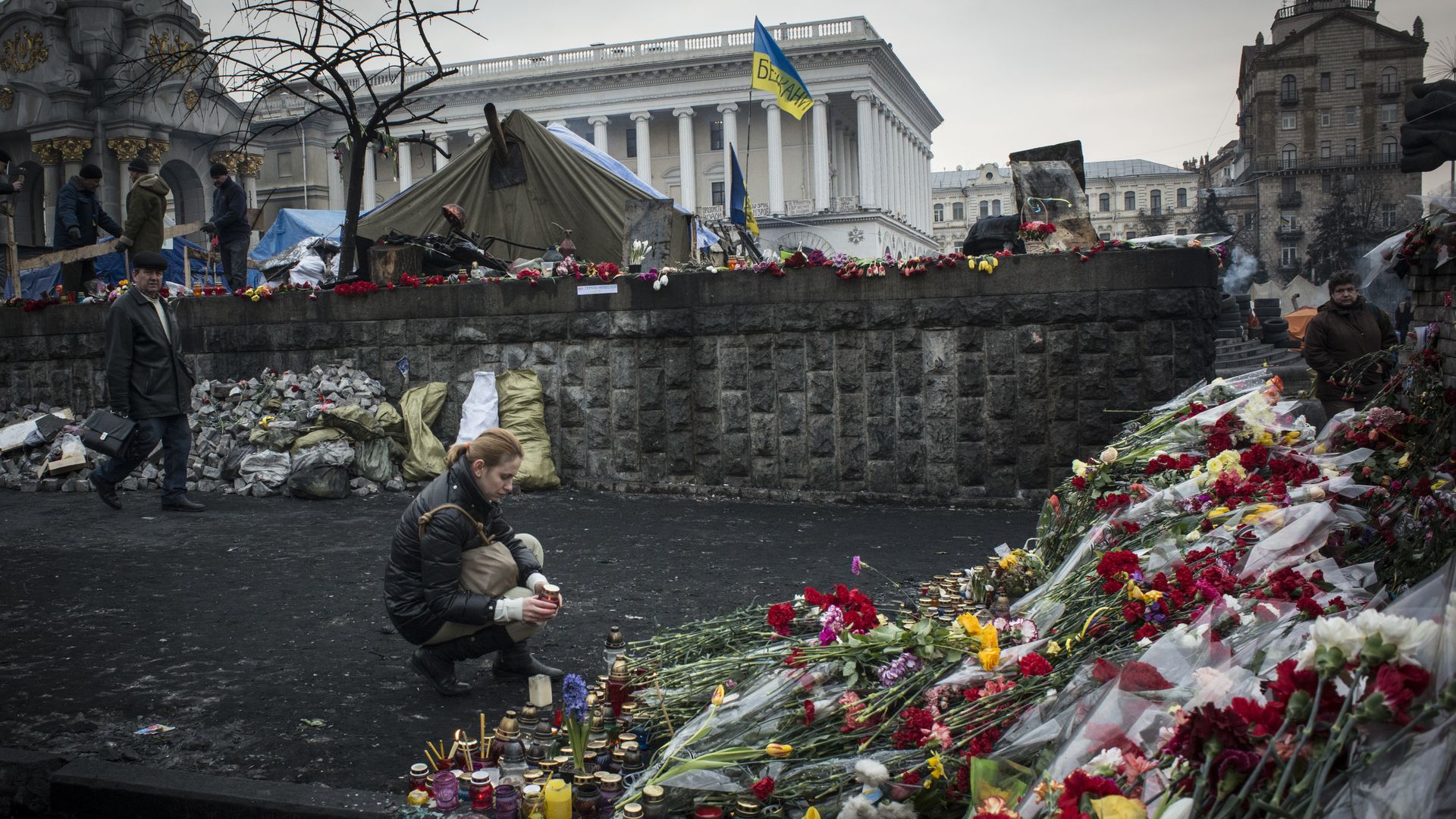
We’re now 5 years on from the mass protests on the Maidan, Kiev’s central square, where Ukrainians with widely diverging values and visions of their country’s future braved bullets to oust then-President Viktor Yanukovych, Moscow’s man in Kiev.
Flashback: During weeks of demonstrations, more than 100 were killed and 2,500 injured in clashes with police. Yanukovych then fled to Moscow under cover of darkness, and Vladimir Putin ordered the invasion of Crimea. A continuing Kremlin-backed insurrection in two of Ukraine's eastern provinces has killed more than 10,000 people.
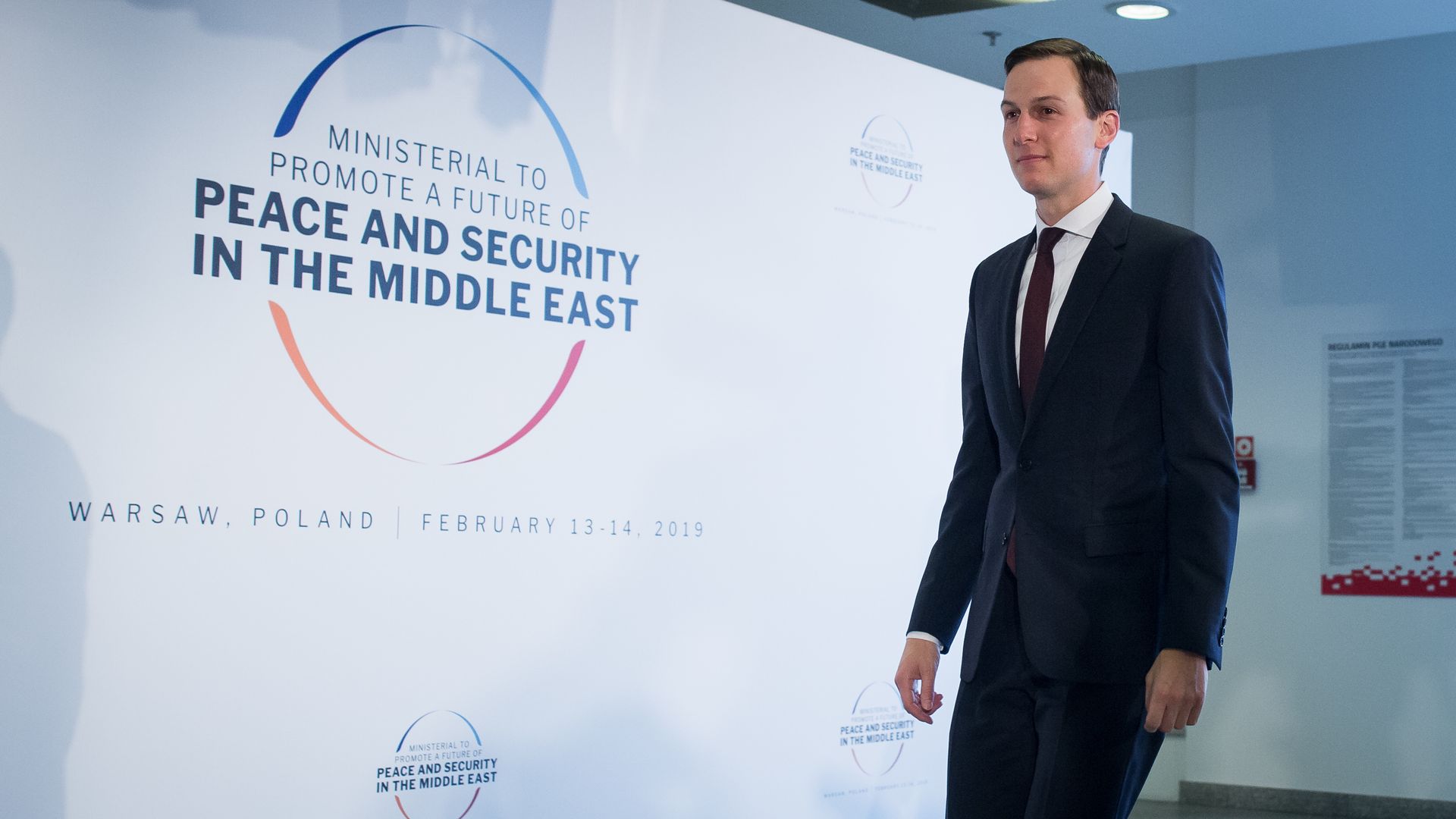
In a rare interview, Jared Kushner, who leads the White House "peace team," told Sky News Arabia that the upcoming U.S. peace plan will focus on "drawing the borders" between Israel and the Palestinians and solving the core issues in the conflict.
Why it matters: The details of the plan, which is expected to be revealed after the April 9 elections in Israel, have been a closely held secret. The forthcoming plan has already become an issue in Israel's election campaign, and Kushner's remarks today drew reactions from the key political players.