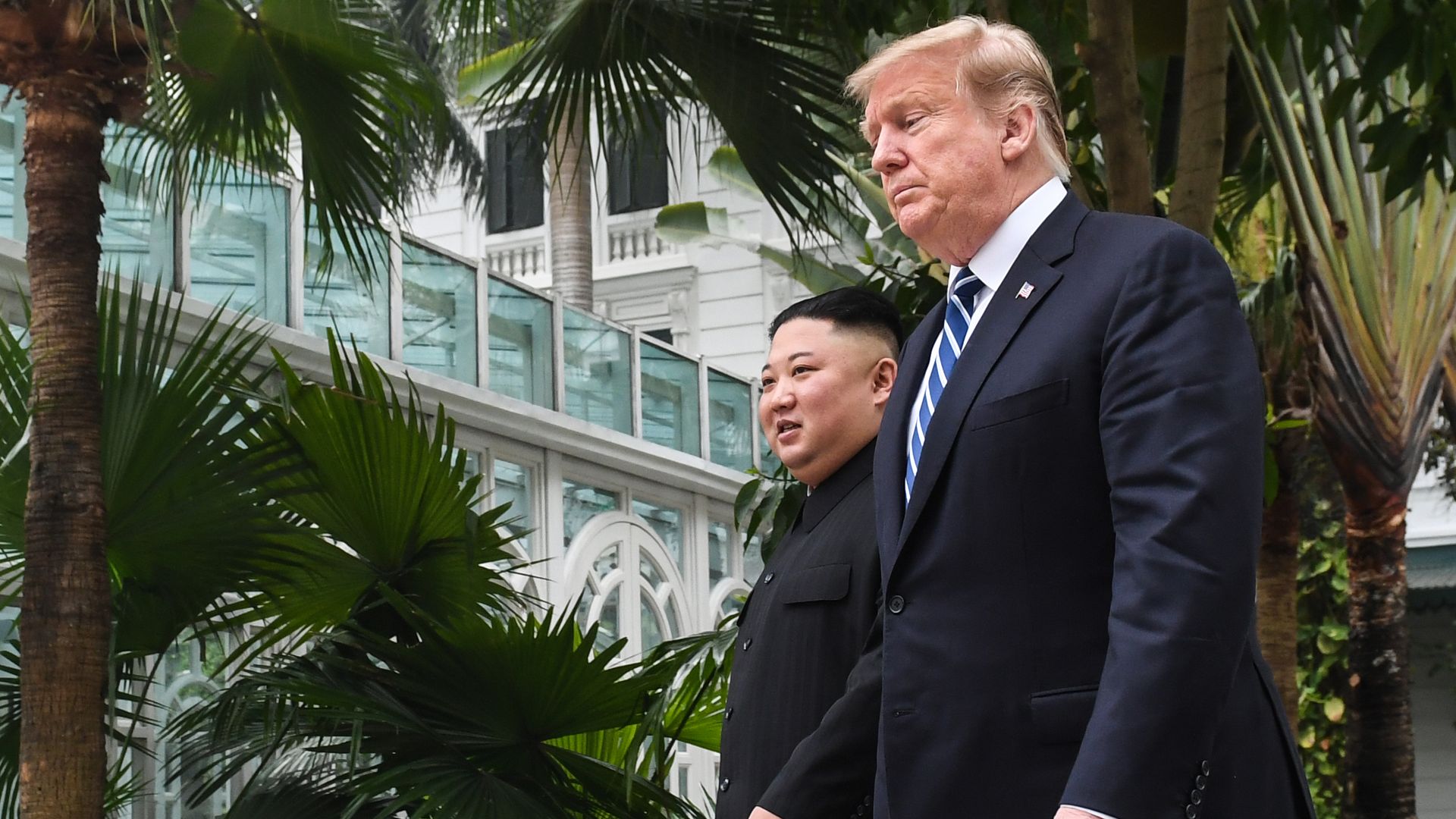
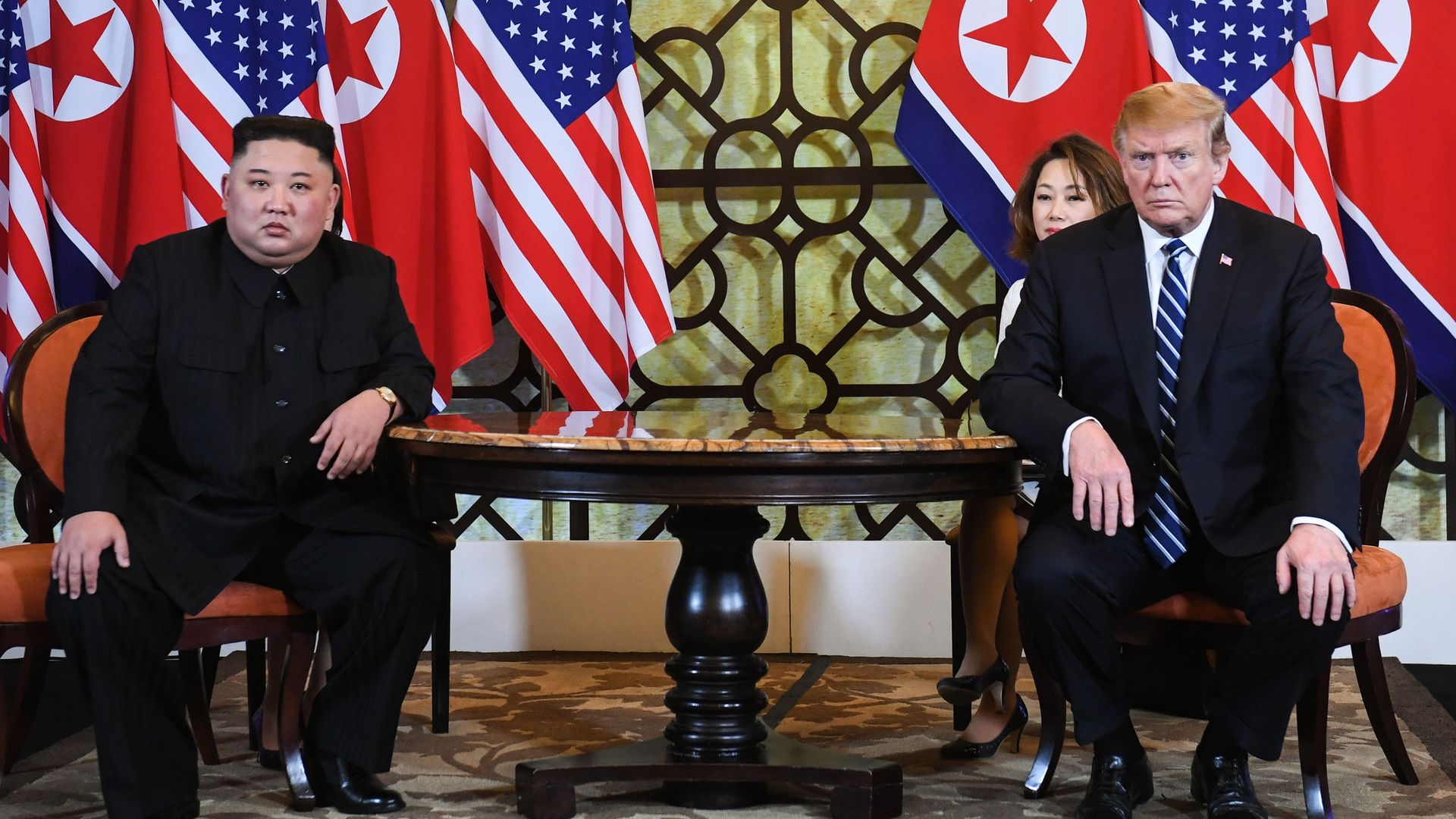
Forget the happy talk. North Korea is steadily adding to its nuclear stockpile, the L.A. Times' Victoria Kim writes from Seoul:
What's new: "U.S. intelligence last summer estimated North Korea may have anywhere from 20 to 60 nuclear weapons. In 2018, North Korea probably produced enough plutonium and uranium for an additional five to seven nuclear weapons, researchers at Stanford have estimated."
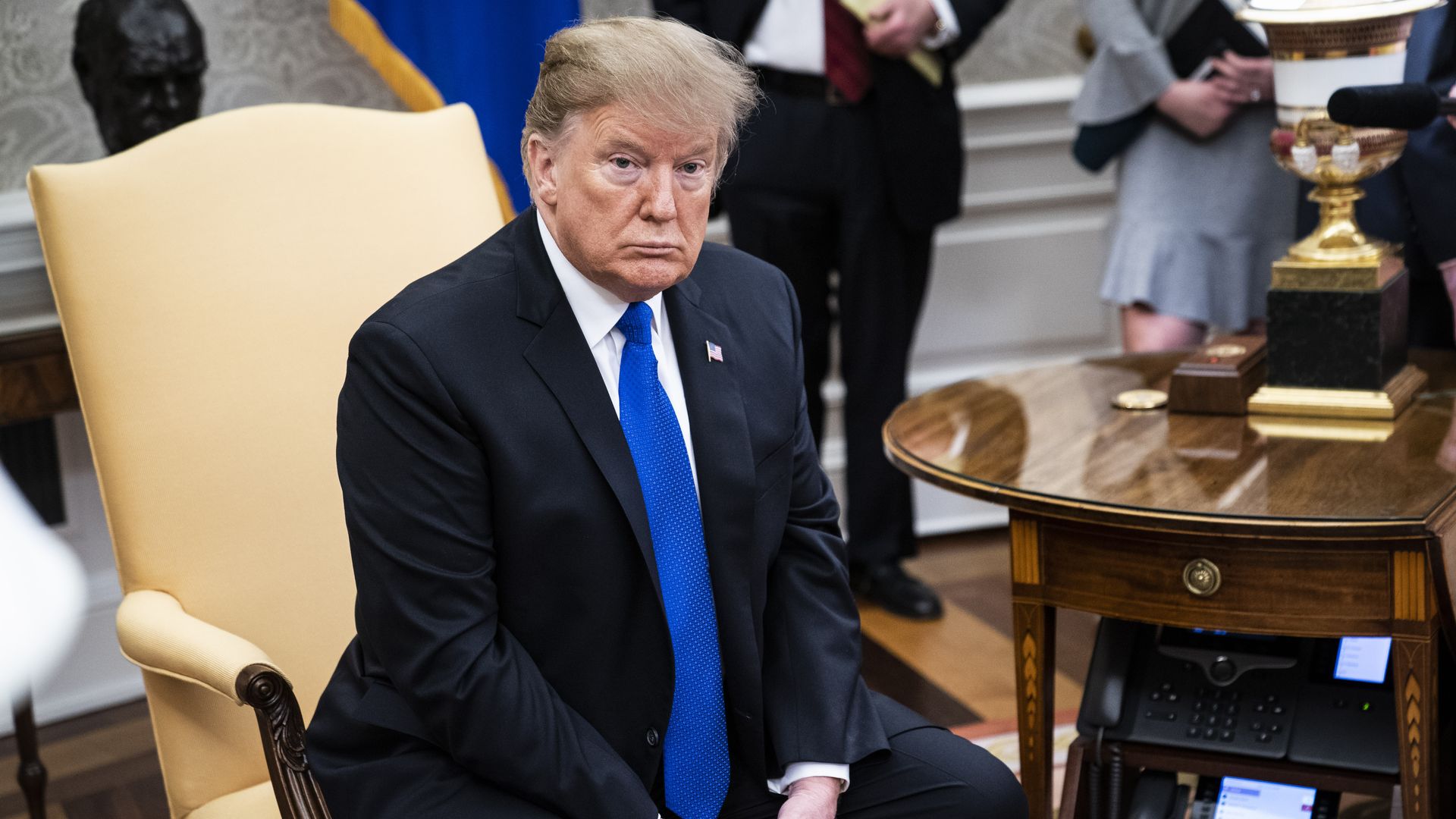
President Trump asked Friday for China to “immediately remove” tariffs on U.S. agricultural products, which China issued as a retaliation for tariffs Trump placed on Chinese goods, tweeting "we are moving along nicely with Trade discussions."
Between the lines: The Trump administration announced this week that they will not move forward with increasing tariffs on $200 billion of Chinese goods, a measure that would have gone into effect Friday. Trump indicated he hoped China would ease off agricultural tariffs in reciprocation.
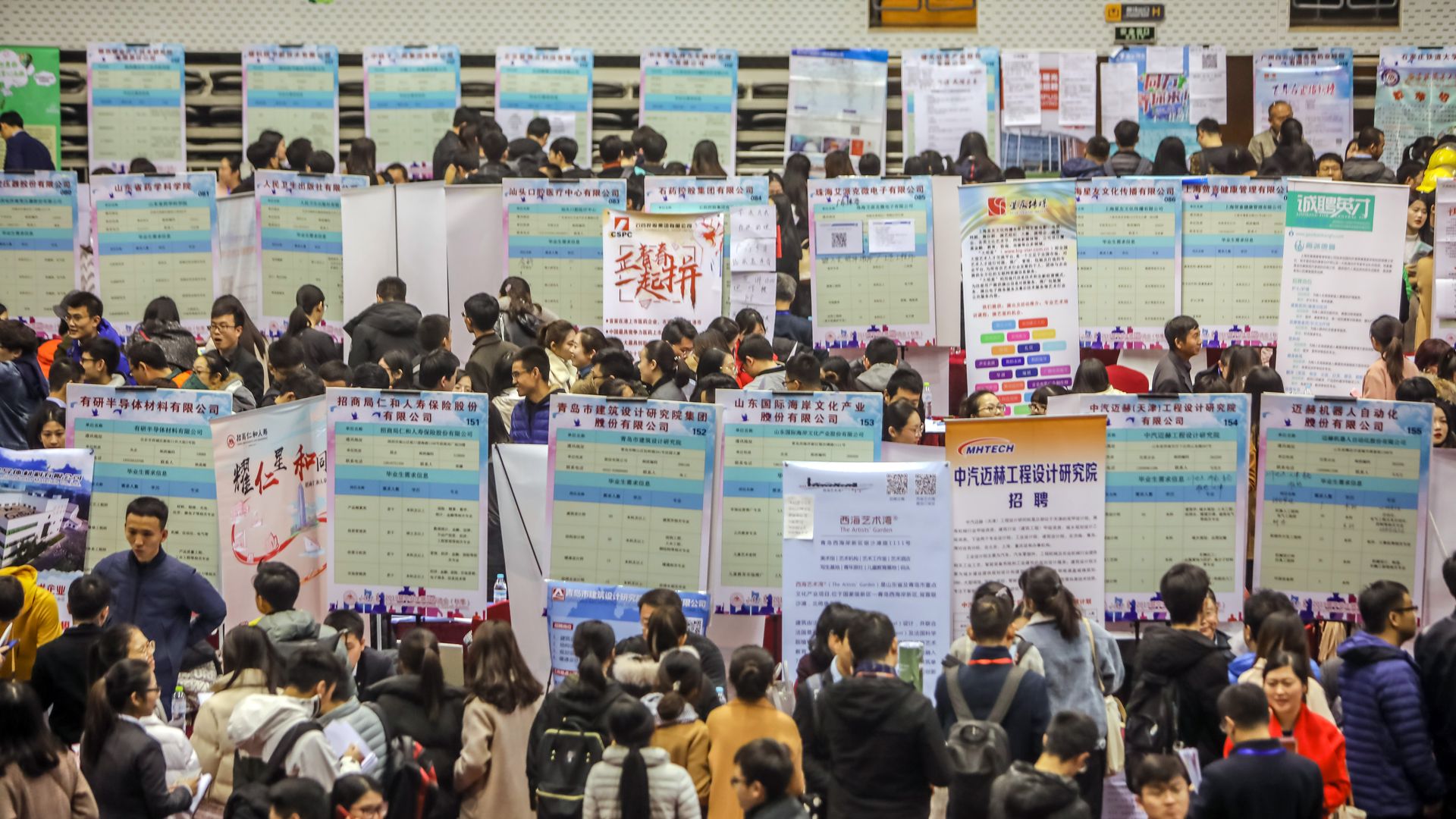
China's National Bureau of Statistics' issued a communique yesterday that provides more data on the looming demographic challenges for the country.
By the numbers: China's employment population has shrunk for the first time ever, Caixin reports...
At the end of 2018, the number of people employed fell to 776 million, a drop of 540,000 from 2017, according to annual census data...
The working-age population, or people between the ages of 16 and 59, also shrank — for the seventh consecutive year, down a total of 2.8% from 2011 to 2018, a clear sign that China’s population is aging rapidly.
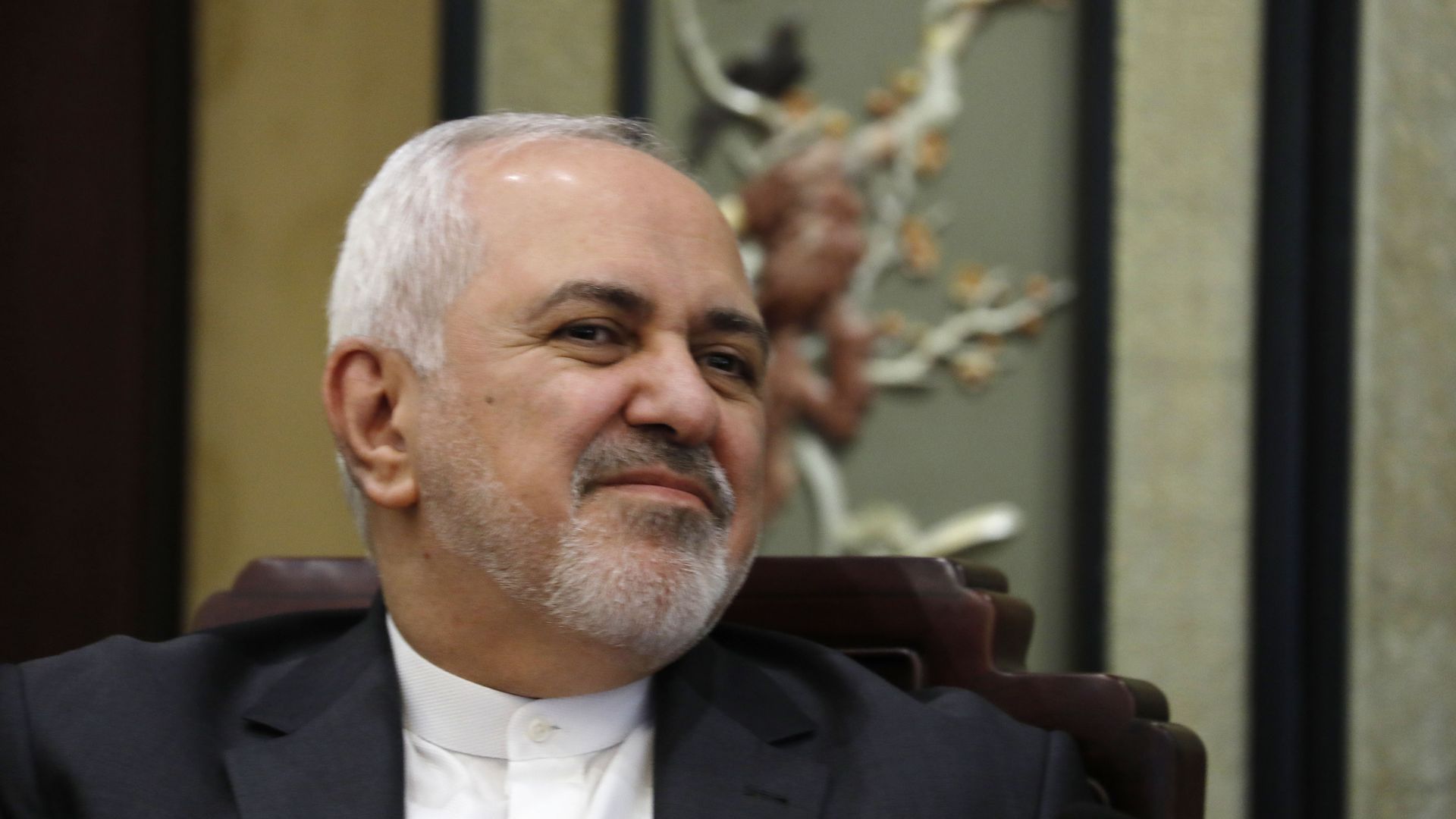
Iranian President Hassan Rouhani formally rejected Foreign Minister Mohammad Javad Zarif’s resignation on Wednesday, calling the move “against the country’s interests,” and Zarif has now returned to his duties.
Why it matters: Zarif, who was instrumental to the 2015 Iran nuclear deal, benefitted from an immense outpouring of public and personal support. Had his resignation been accepted, it might have indicated an overt desire on behalf of the government to leave the nuclear deal and entertain escalation.
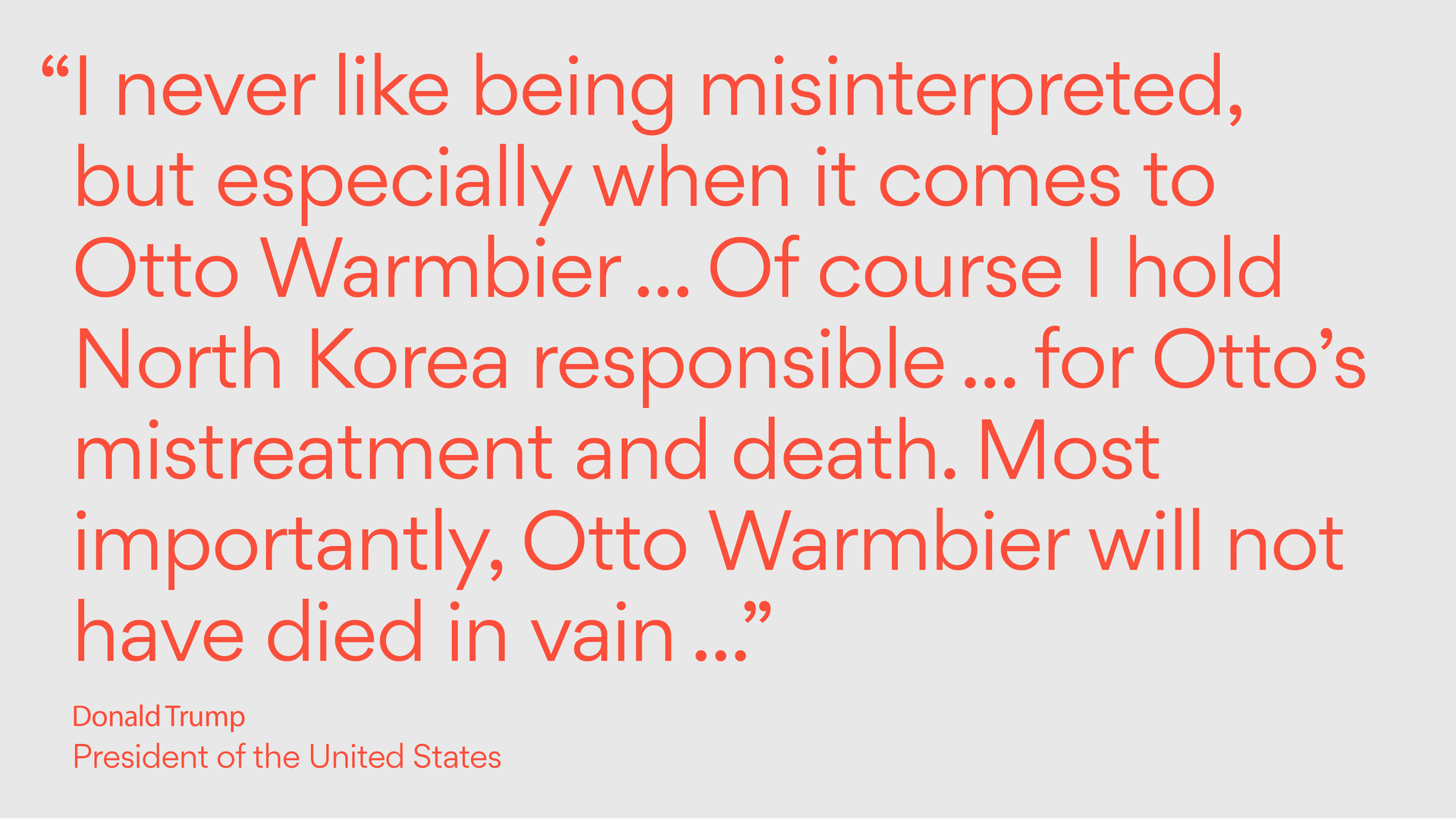
"I never like being misinterpreted, but especially when it comes to Otto Warmbier and his great family. Remember, I got Otto out along with three others. The previous Administration did nothing, and he was taken on their watch. Of course I hold North Korea responsible........for Otto's mistreatment and death. Most important, Otto Warmbier will not have died in vain. Otto and his family have become a tremendous symbol of strong passion and strength, which will last for many years into the future. I love Otto and think of him often!"
Why it matters: Warmbier's parents spoke out earlier on Friday following Trump's summit with North Korean leader Kim Jong-un, during which Kim denied guilt for Warmbier's mistreatment and 17-month captivity in his country. Trump said Thursday he believed Kim's denials.
China has developed inside a global governance system that has an architecture designed with minimal input from China.
The state of play: The country justifiably wants a bigger say now, but its increasing authoritarianism is raising concerns about its efforts to reshape global governance.
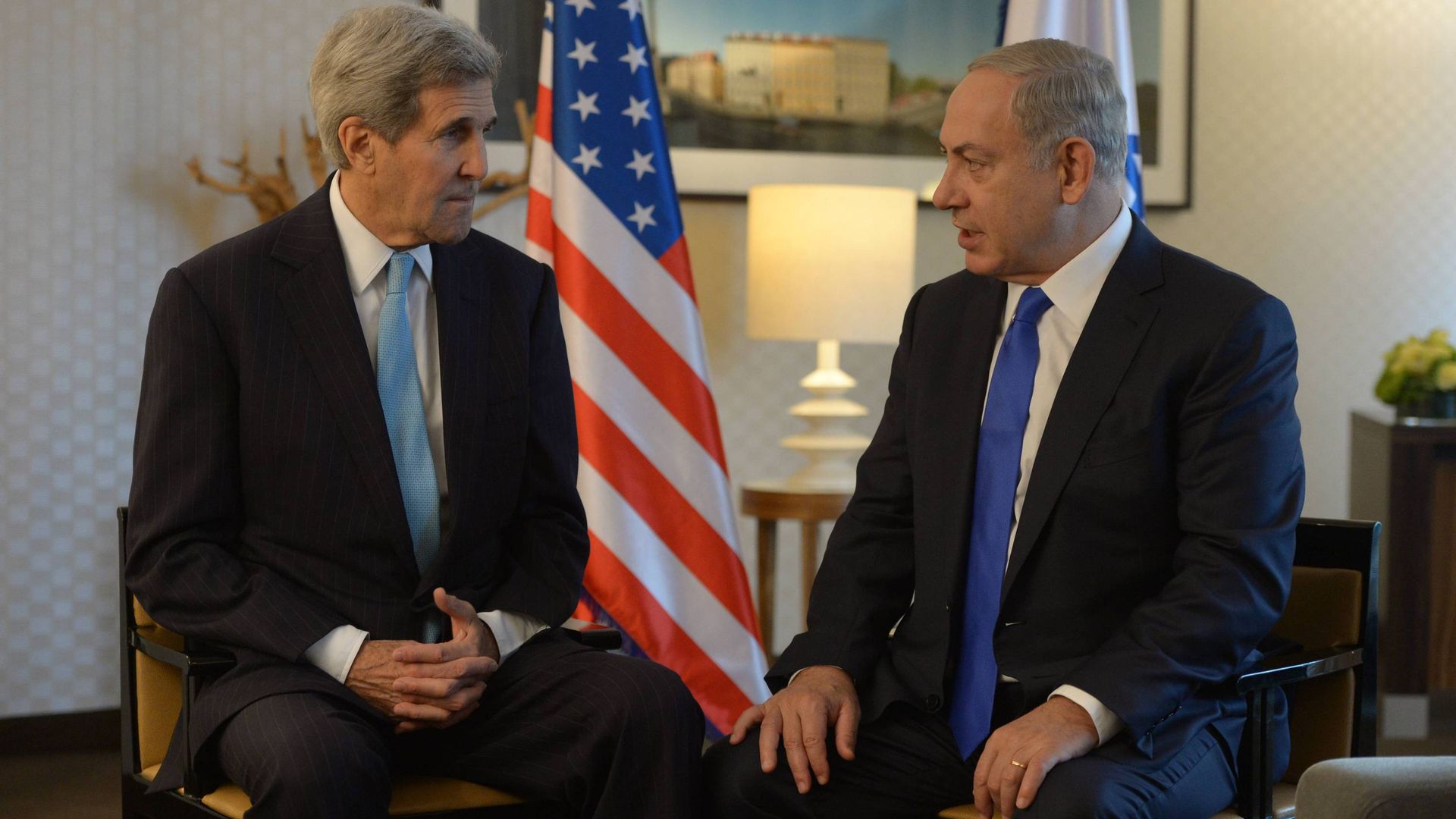
One of the indictments against Israeli Prime Minister Benjamin Netanyahu had an interesting twist involving former U.S. secretary of state John Kerry.
Why it matters: This episode was part of "Case 1000," which saw Netanyahu indicted for breach of trust and fraud after allegedly receiving shipments of expensive champagne and Cuban cigars for more than a decade from Israeli Hollywood producer Arnon Milchen. According to the indictment, the "gifts" were worth more than $130,000. In return, Netanyahu allegedly used his executive powers to help Milchen in his personal and business affairs.
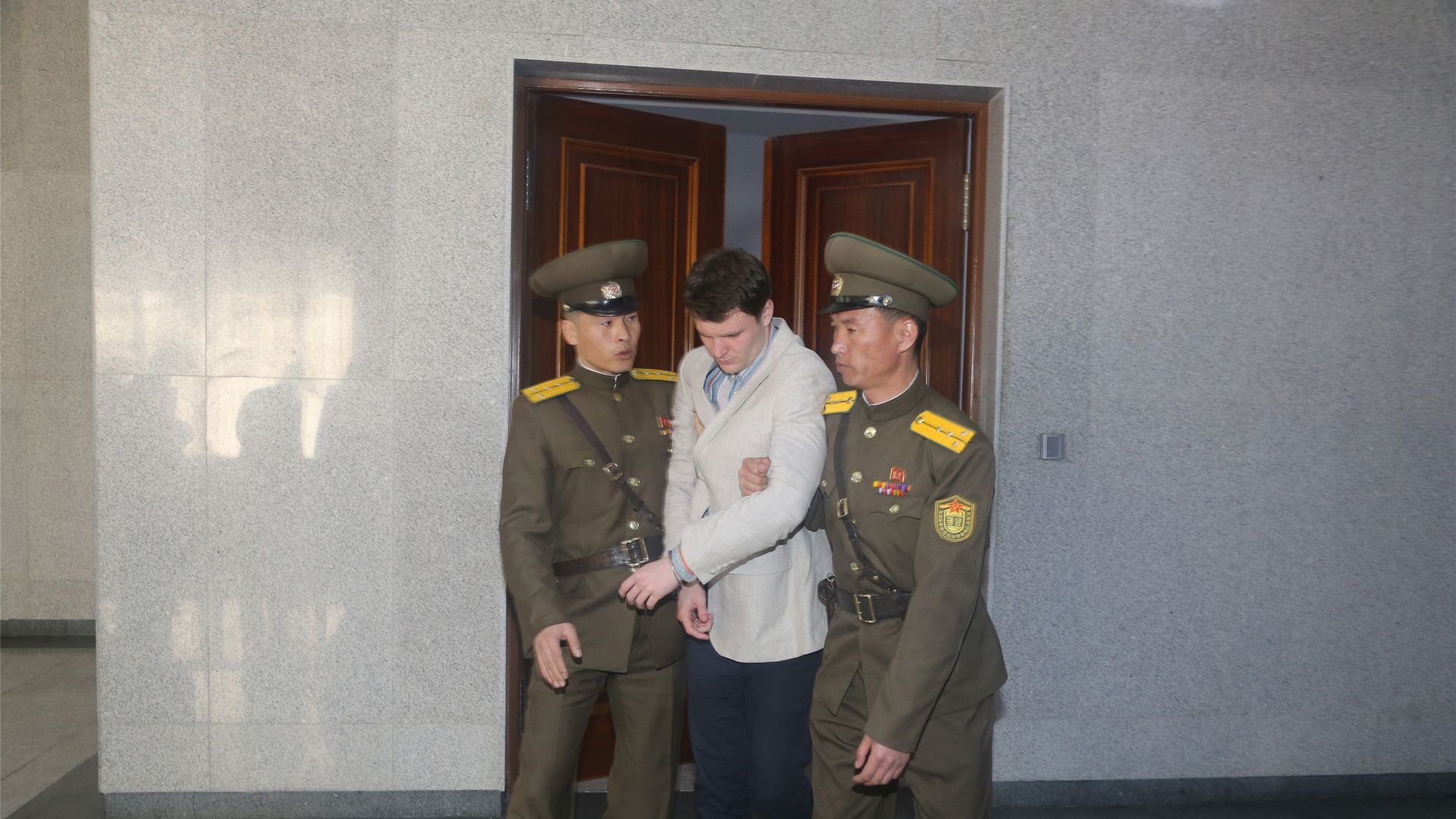
Otto Warmbier's parents have spoken out after President Trump stated that he took North Korean leader Kim Jong-un "at his word" after Kim denied any hand in Warmbier's death, which occurred after the American college student spent 17 months in captivity in North Korea and was returned to the U.S. in 2017 in a vegetative state.
"We have been respectful during this summit process. Now we must speak out. Kim and his evil regime are responsible for the death of our son Otto. Kim and his evil regime are responsible for unimaginable cruelty and inhumanity. No excuses or lavish praise can change that."
Council on Foreign Relations President Richard Haass — author of "A World in Disarray" — provides his takeaways on President Trump's failed Hanoi summit with North Korean leader Kim Jong-un, which ended abruptly with no joint statement or communiqué.
Haass' bottom line: "Sometimes you have to walk," President Trump said, and he is right. This was one of those times. No deal was better than a bad deal. What's more, walking might well strengthen Trump's hand with N.K. down the road and with China now, as the trade talks reach a critical juncture.
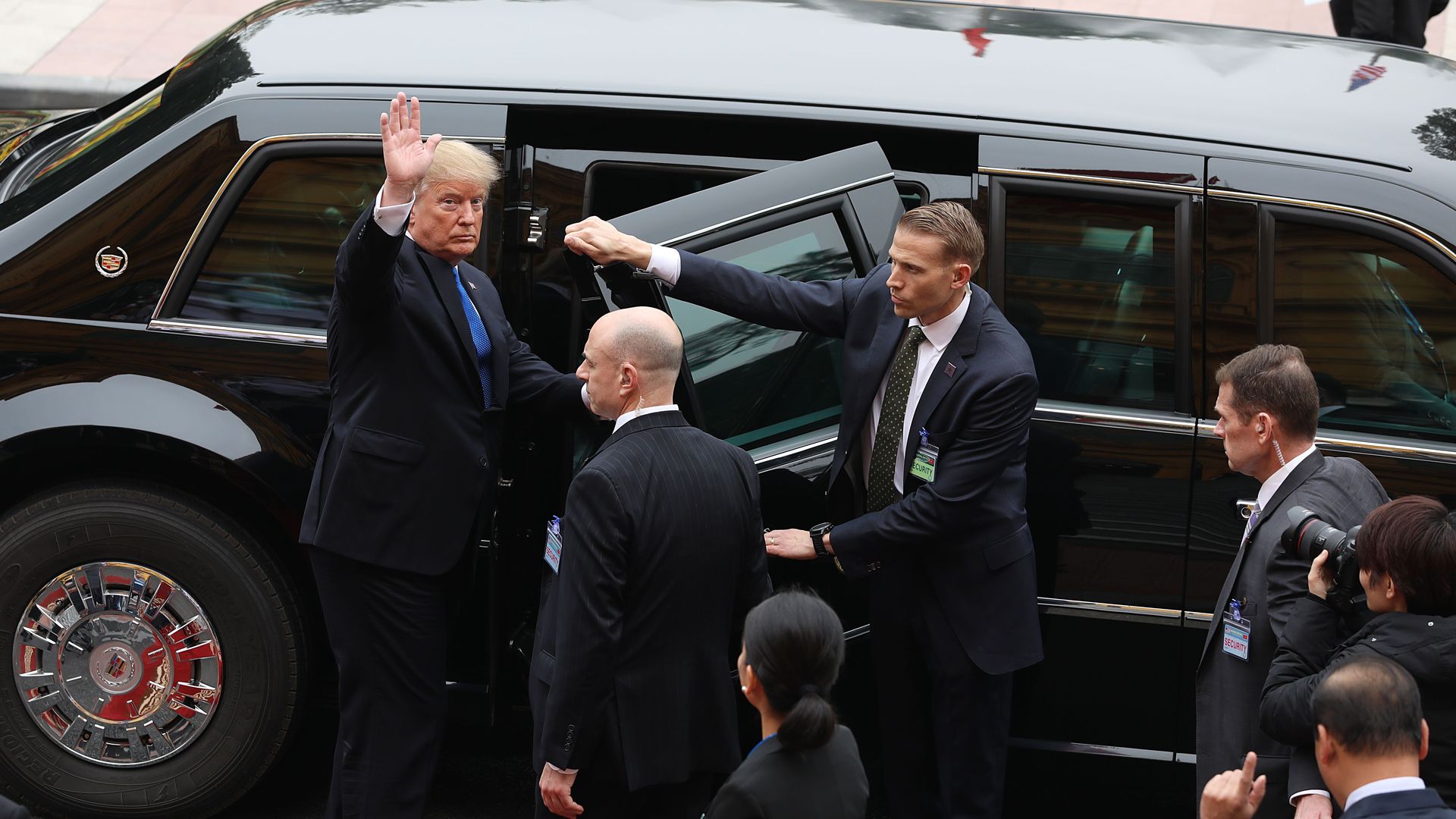
President Trump and Chairman Kim are returning to their respective capitals empty-handed, with conflicting explanations for how talks broke down and where we go from here.
Why it matters: Trump showed both flexibility — he backed off the long-standing U.S. demand that any deal requires complete and verifiable denuclearization — and a willingness to walk away. The summit also laid bare the limits to his charisma-based negotiating style and revealed how far the two sides are from agreeing to anything of substance.