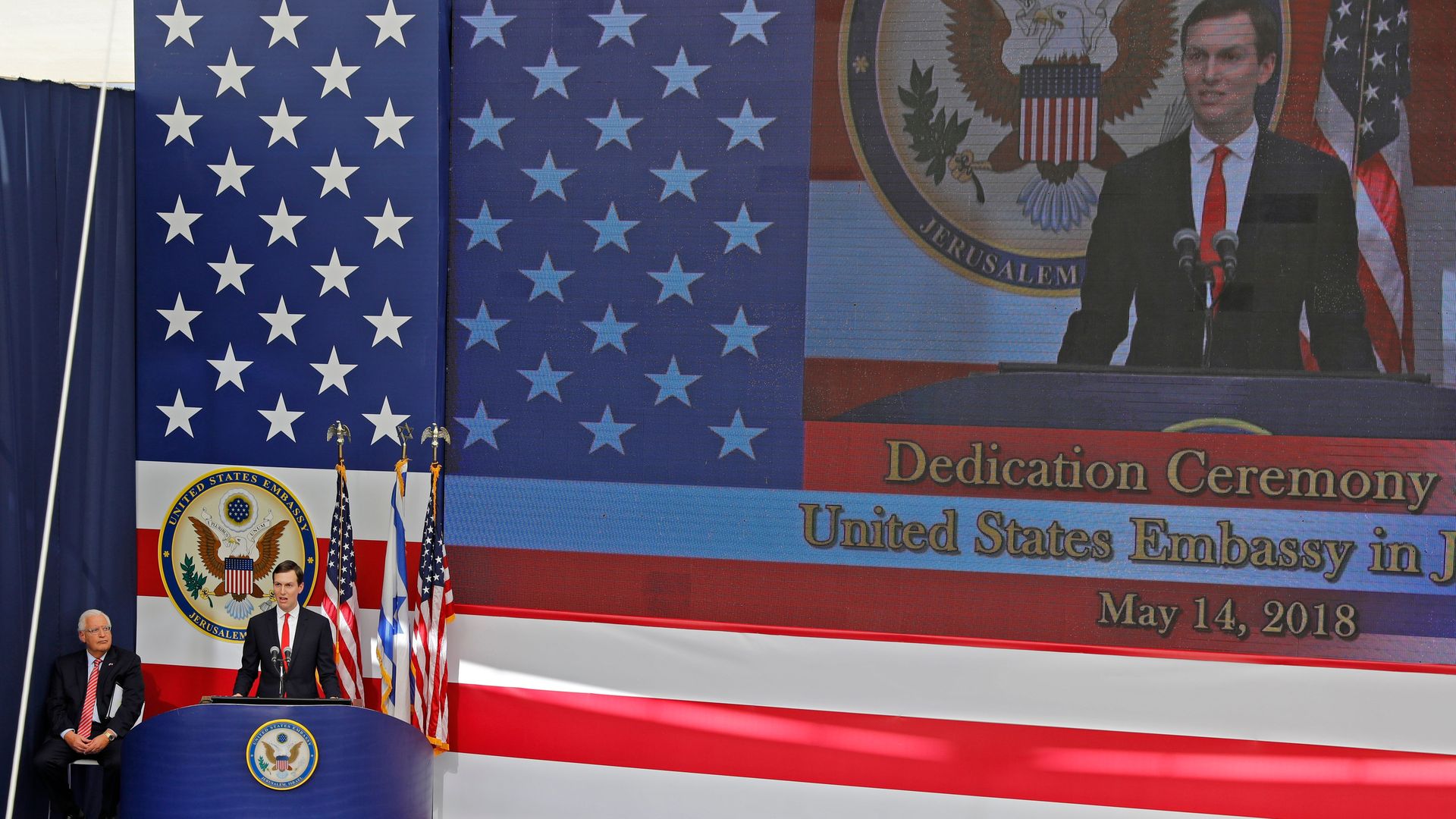
The White House "peace team" has essentially finished drafting the administration's Middle East peace plan, but White House officials told me the plan will not be presented during the month of Ramadan. Only when it ends — three weeks from now — will there be a decision regarding if, when and how to launch it.
The bottom line: That decision will be made by President Trump, and a White House official tells me they'll wait until "the time and circumstances are right." For a number of reasons, it's unclear when that might be.
Secretary of State Mike Pompeo struck an optimistic tone regarding the planned summit with North Korean leader Kim Jong-un and President Trump, saying the administration is "still working towards June 12th," despite the president's earlier skeptic tone towards the historic gathering.
"I wouldn’t care to predict whether it will happen, only to predict that we’ll be ready in the event that it does."
— Pompeo told reporters at a press conference Tuesday
The backdrop: This comes hours after President Trump dealt uncertainty into the anticipated meeting, saying "there's very substantial chance that it won’t work" if "certain conditions we want to happen" are not met ahead of the summit. Trump reinforced that "denuclearization must take place."
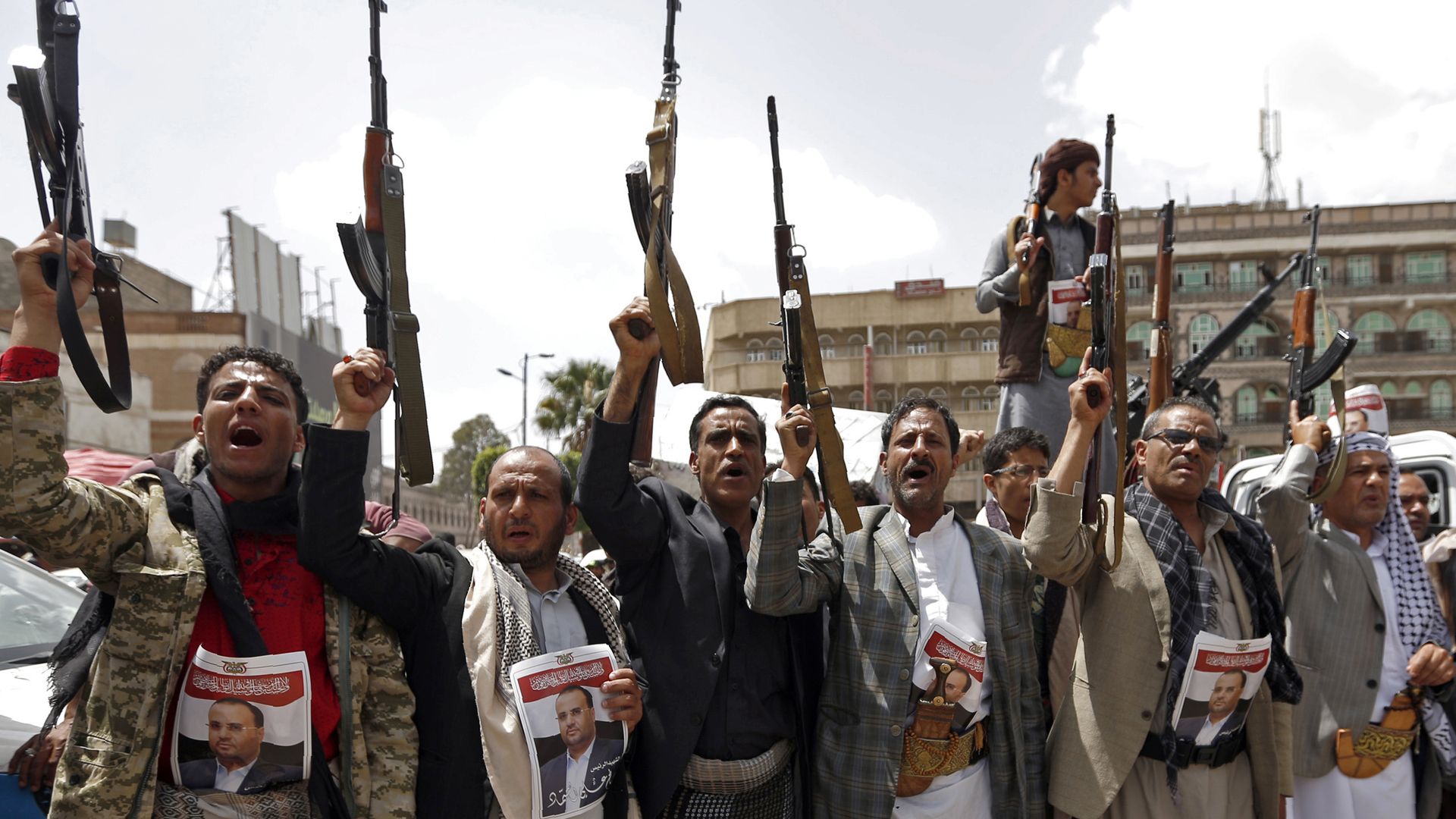
The Treasury Department announced on Tuesday sanctions against five Iranian individuals who have played a part in providing the Houthis in Yemen with "ballistic missile-related technical expertise...on behalf of the Islamic Revolutionary Guard Corps-Qods Force."
Flashback: On Monday, Secretary of State Mike Pompeo said, "sanctions are going back in full effect and new ones are coming. ... We will track down Iranian operatives...and we will crush them." Behnam Ben Taleblu, research fellow at the Foundation for Defense of Democracies, told Axios this is "reflective of a brief uptick" in designations against Iran, and could "convince U.S. adversaries and allies alike that Washington will enforce the sanctions it has reimposed on Iran.”
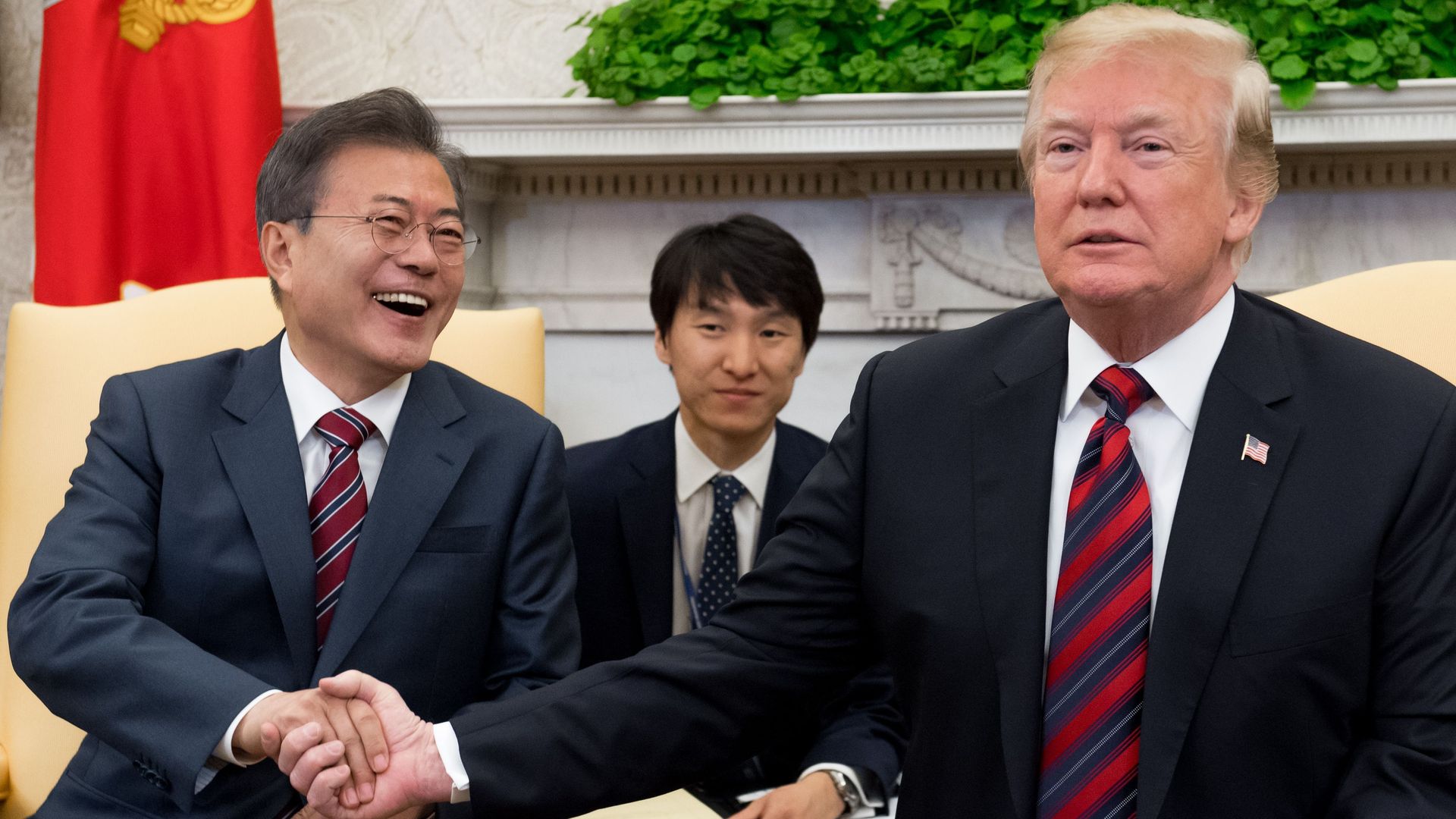
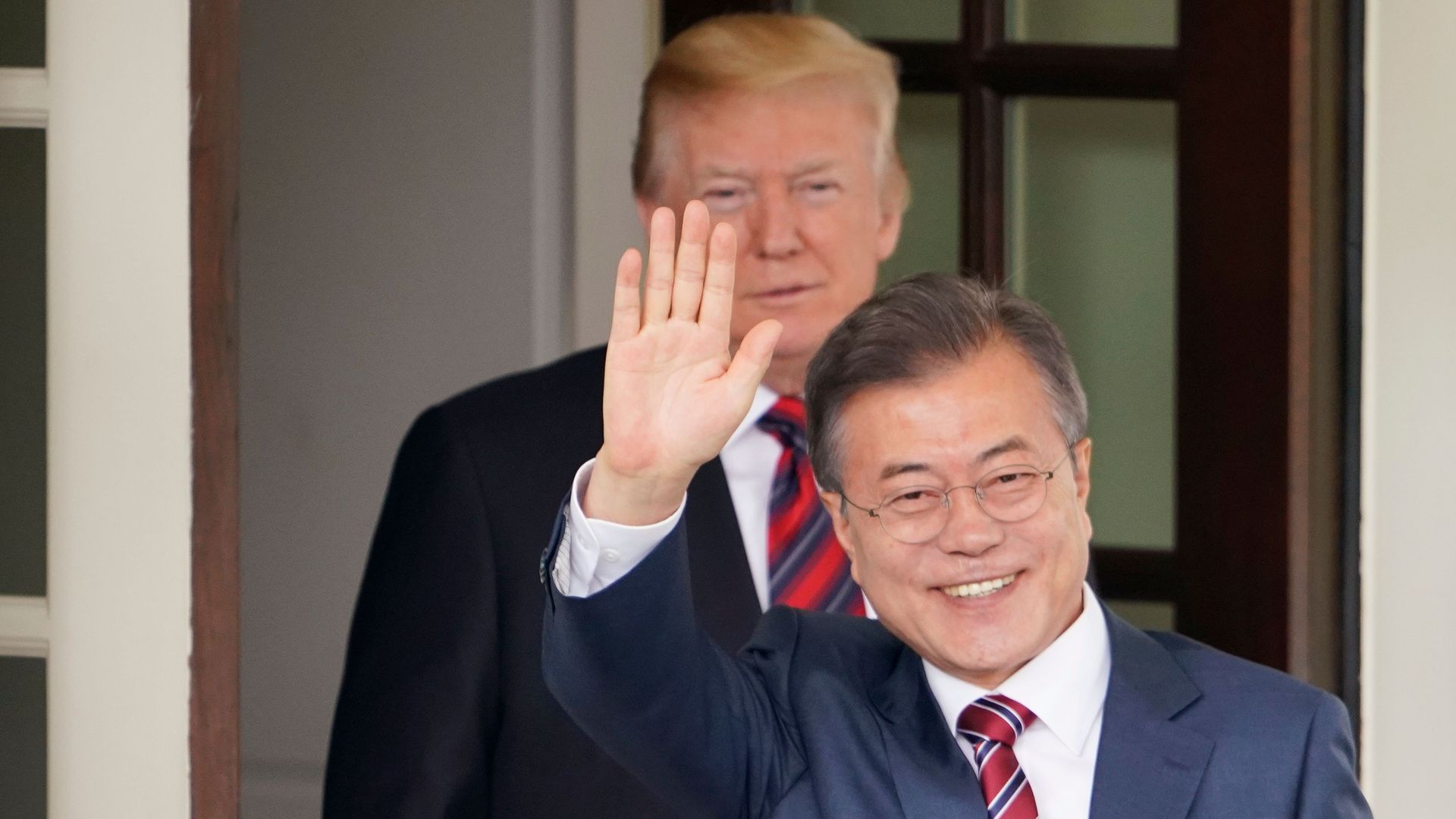
North Korea has been remarkably successful in using its negotiations to divide U.S. alliances in Northeast Asia, raising the stakes for South Korean President Moon Jae-in's White House visit today.
The backdrop: After a vibrant North-South summit at Panmunjom in April, Pyongyang has pivoted to shovel abuse onto its neighbor. The North canceled a promised meeting, assailed South Korea’s participation in military exercises, refused to invite South Korean reporters to the closure of its nuclear test site and demanded repatriation of North Koreans. Kim Jong-un is hoping Moon and Trump will blame each other for his bad behavior.
President Trump on Tuesday said that his summit with North Korea's Kim Jong-un may not go ahead as planned, adding that if the June 12 date does not hold, "maybe it will happen later.”
Why it matters: It wasn’t long ago that Trump and the North Koreans were trading threats of nuclear war. If the summit collapses, relations between the two countries could deteriorate quickly.
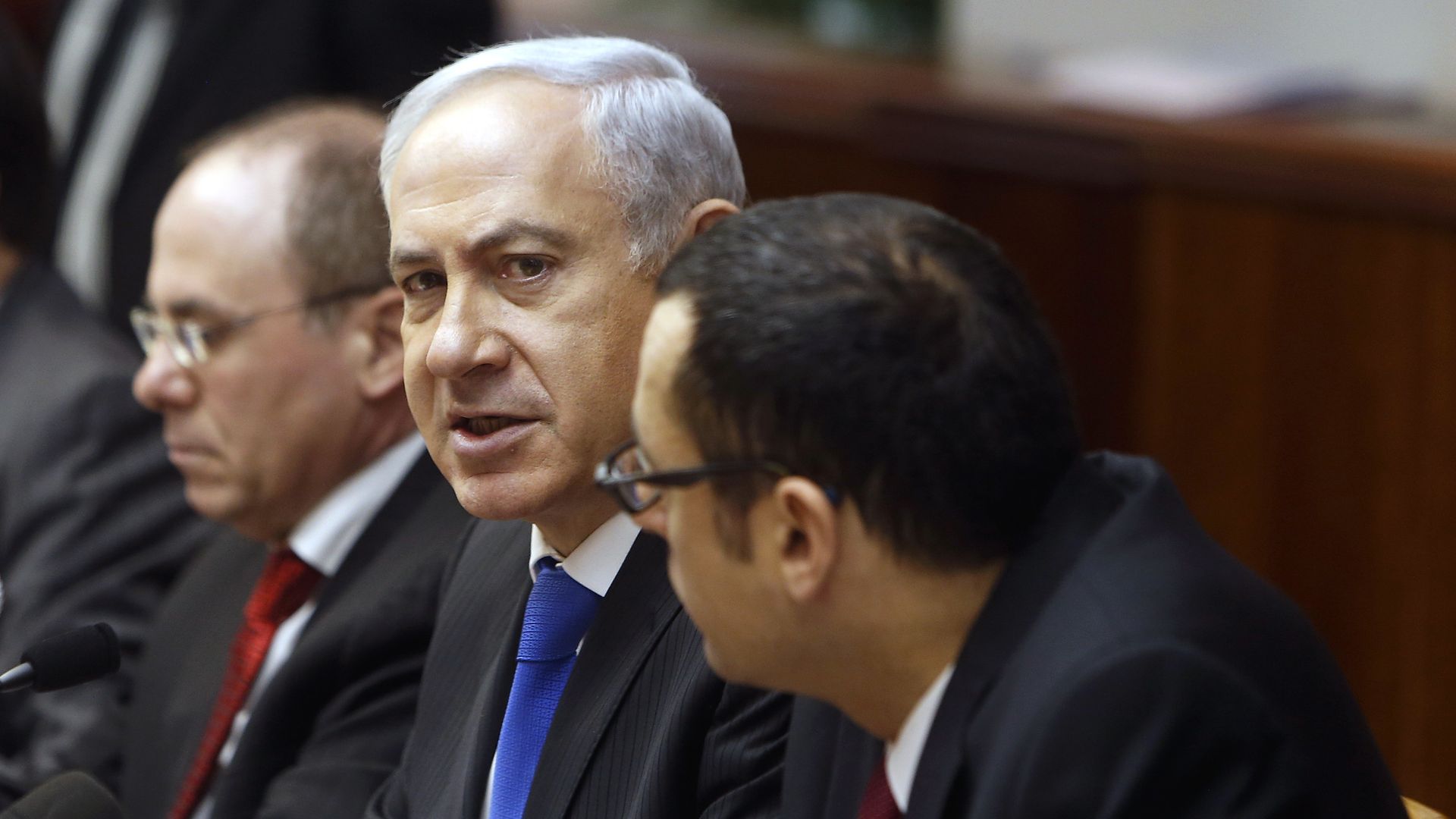
Israeli Prime Minister Benjamin Netanyahu has decided to move all security cabinet meetings from the prime minister's office to a high-tech underground secure bunker in Jerusalem which hosts the national crisis management center, Israeli officials tell me.
Why it matters: The decision comes as the threat of escalation with Iran is growing. The cold war between Israel and Iran turned hot in the last three months amid the struggle for influence in Syria. Israel increased its airstrikes against Iranian and pro-Iranian forces in Syria as part of an attempt to block and roll back Iranian military entrenchment in the war-torn country.
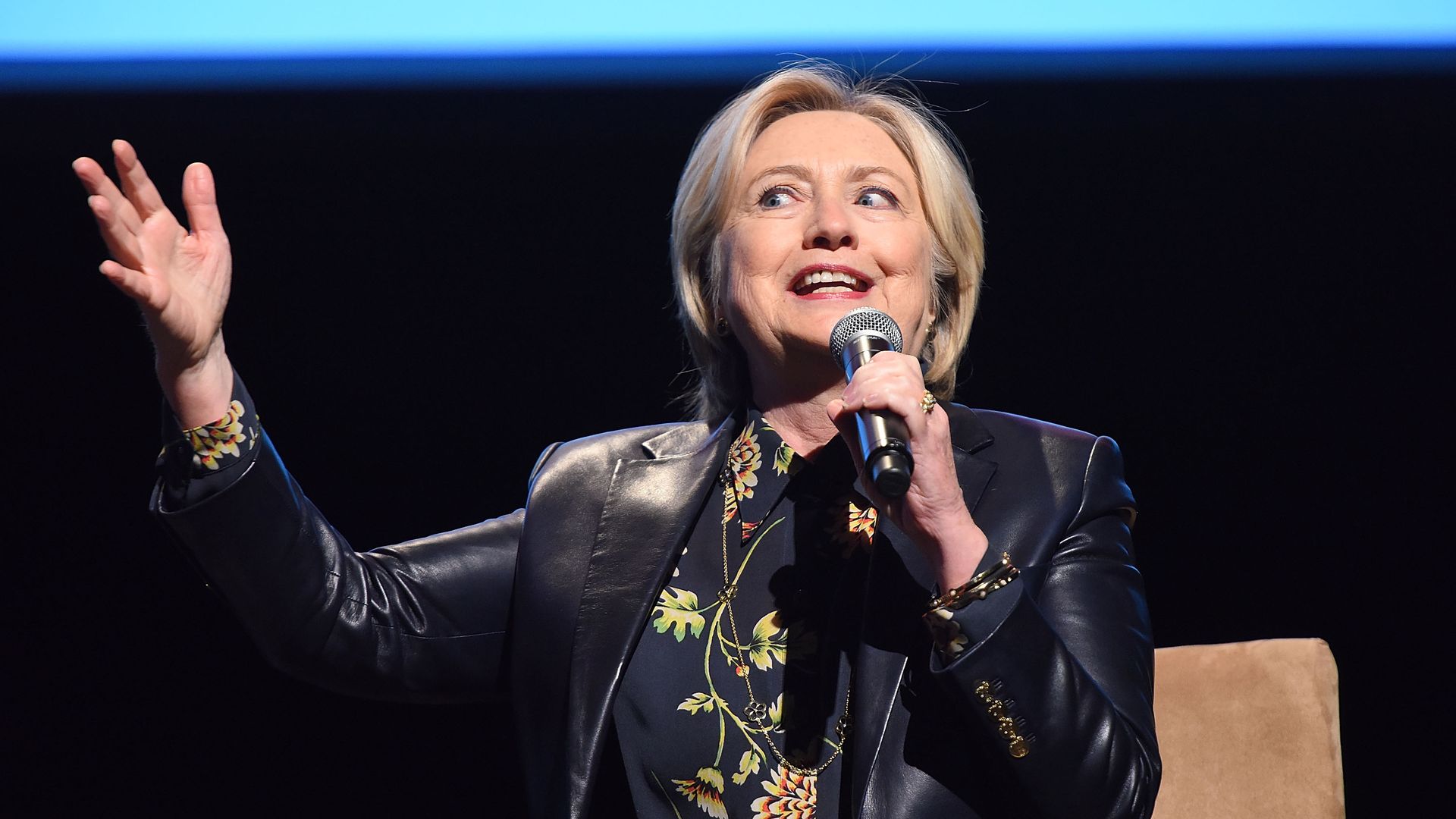
Hillary Clinton has had an on-again, off-again hiatus from the spotlight since her election loss in 2016 — and, over the past week, both she and her husband have found themselves in the full force of the media spotlight.
The big picture: Hillary's overtly political commencement speech at Yale over the weekend, coupled with a shocking flip on the Russia investigation from one of their closest aides has the Clintons back to dominating the headlines.
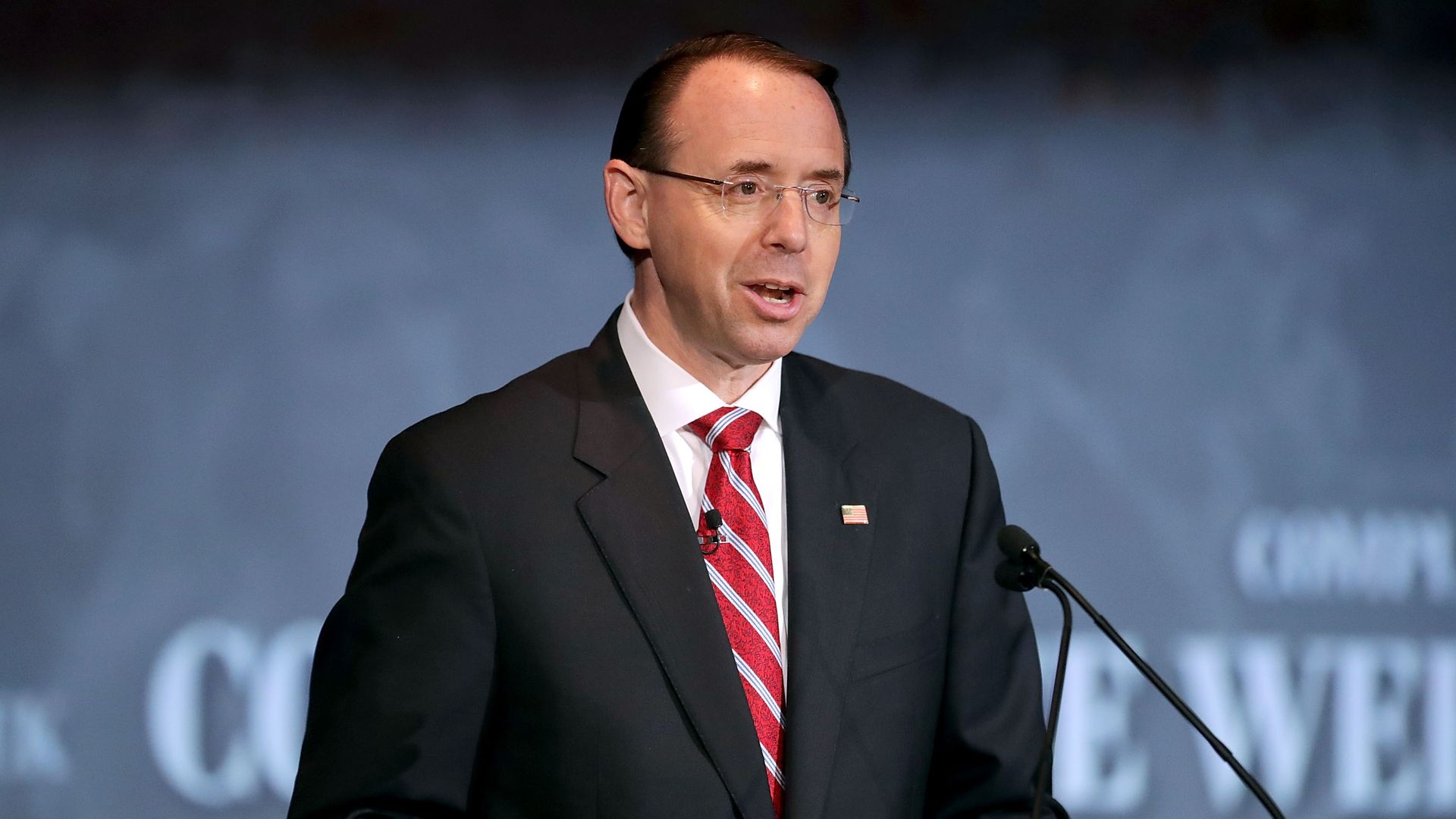
The Justice Department inspector general will investigate "any irregularities with the Federal Bureau of Investigation’s or the Department of Justice’s tactics concerning the Trump Campaign," per a statement from White House press secretary Sarah Sanders.
Between the lines: That's the outcome from President Trump's meeting with Deputy Attorney General Rod Rosenstein and FBI Director Christopher Wray this afternoon, and it's pretty much where the investigation was already headed as of Sunday. But there will also be a meeting with White House chief of staff John Kelly, intelligence agencies, and congressional leaders to review classified information.
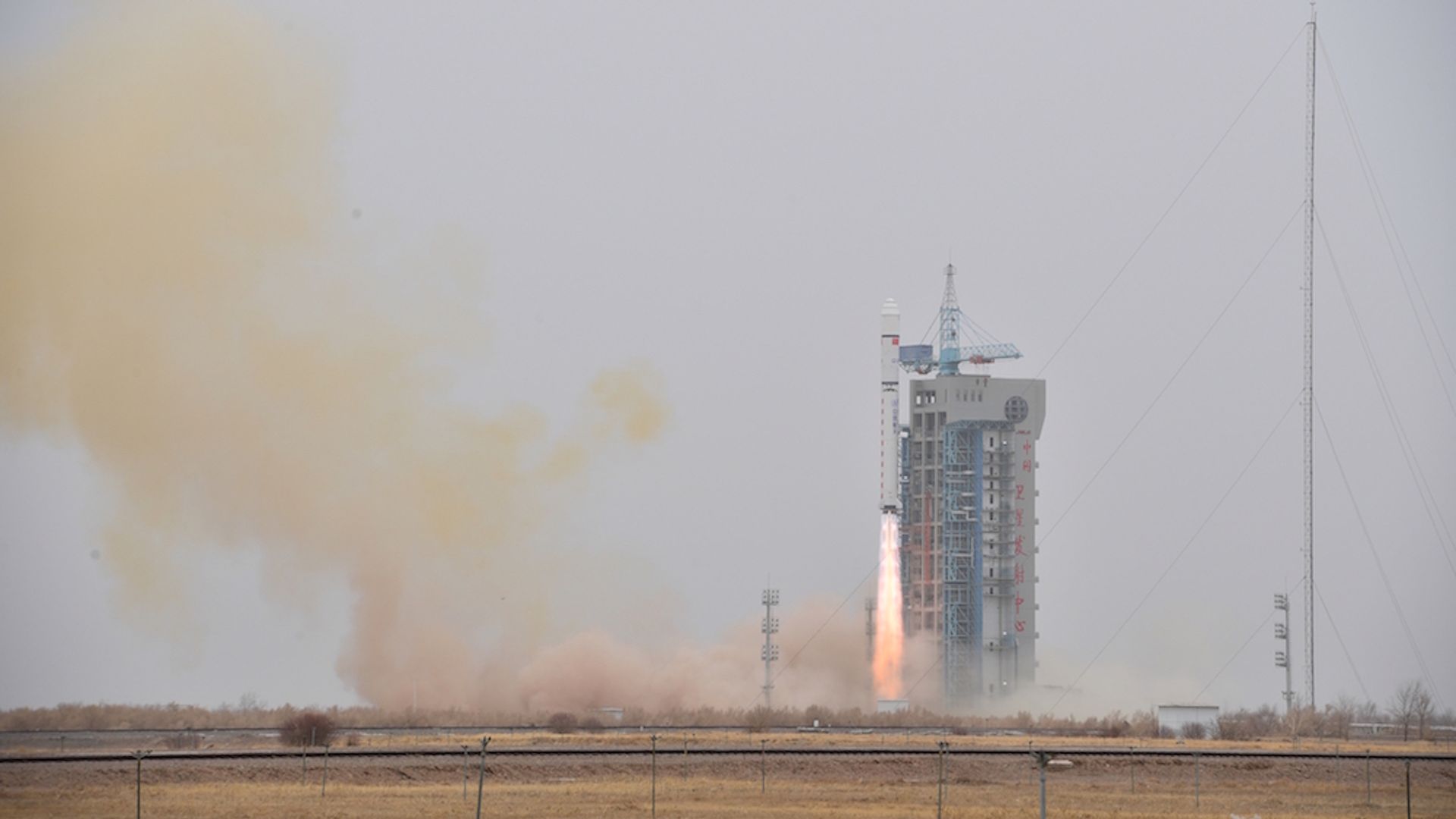
The Queqiao relay satellite is on its way to the far side of the moon after China launched it on Monday morning, reports Space.com. The satellite is a major component of China's mission to be the first country to explore the far side of the moon.
Why it matters: According to Axios science editor Andrew Freedman, China aims to explore the far side of the moon later this year. This new satellite is meant to provide a vital communications link between the eventual robotic assets on the lunar surface and controllers on Earth. The craft is also deploying a Dutch satellite to detect the weak radio signals from the early universe.
Since President Donald Trump rejected State Department appeals for more time to reach a supplemental understanding with the Europeans on Iran, Secretary of State Mike Pompeo has tried to make a virtue out of failure.
Yes, but: The policy he outlined in a speech this morning has almost no chance of working. It's likely to further alienate the U.S.'s European allies, boost China as a global economic and political power and gladden Iranian hardliners looking for more reason to restart proscribed nuclear activities and to continue their interventions in the Middle East.
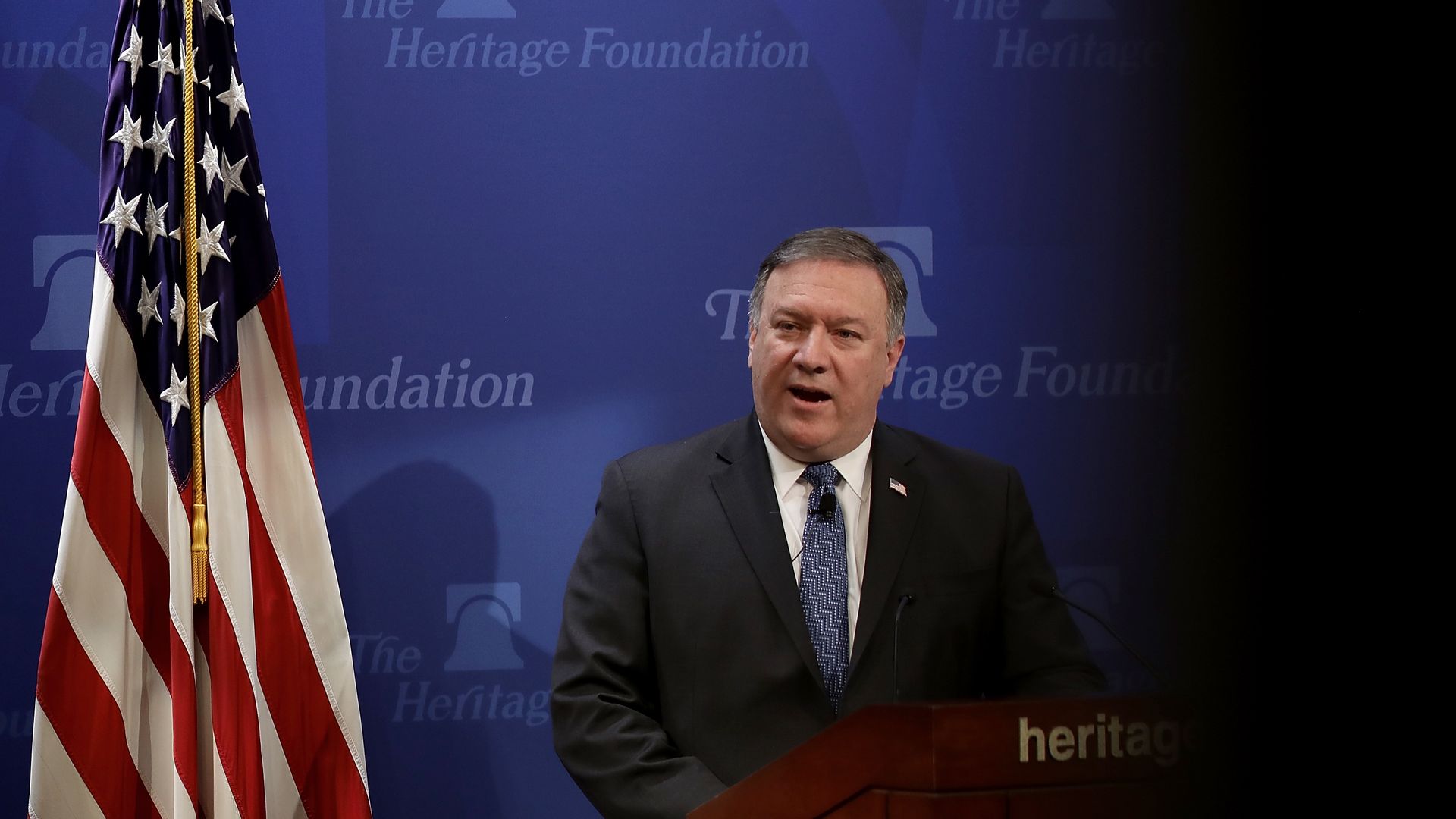
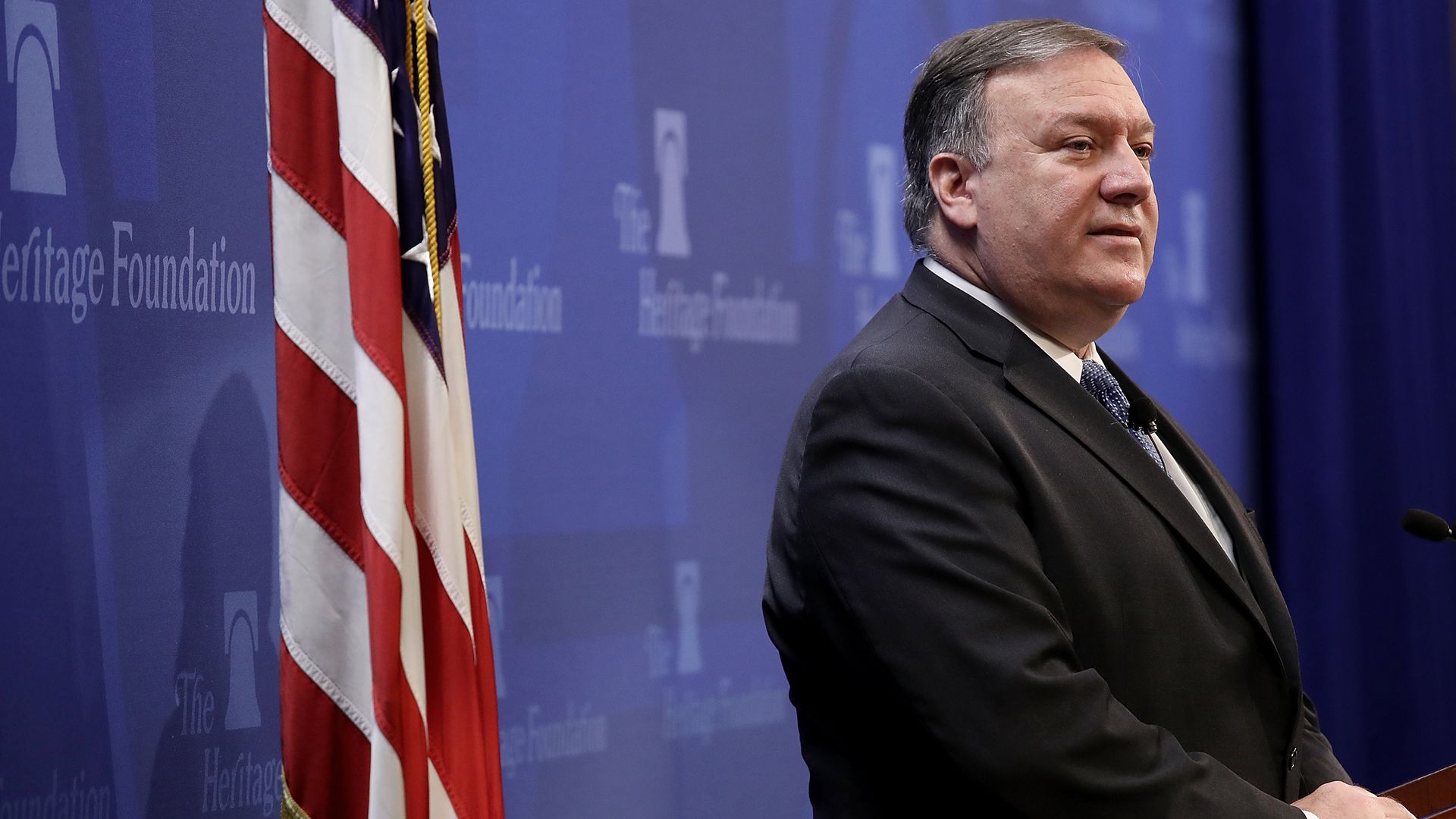
Secretary of State Mike Pompeo said the U.S. would impose the "strongest sanctions in history" on Iran, and take any steps necessary to keep the regime from acquiring nuclear weapons, in a speech intended to lay out "the path forward" after President Trump withdrew the U.S. from the Iran nuclear deal.
Why it matters: The list Pompeo laid out for any potential new agreement was long and, under current Iranian leadership, entirely unrealistic. Pompeo is trading in a policy of dealing with Iran in a limited capacity for one of applying maximum pressure to increase costs on the regime and, potentially, lead to regime change.
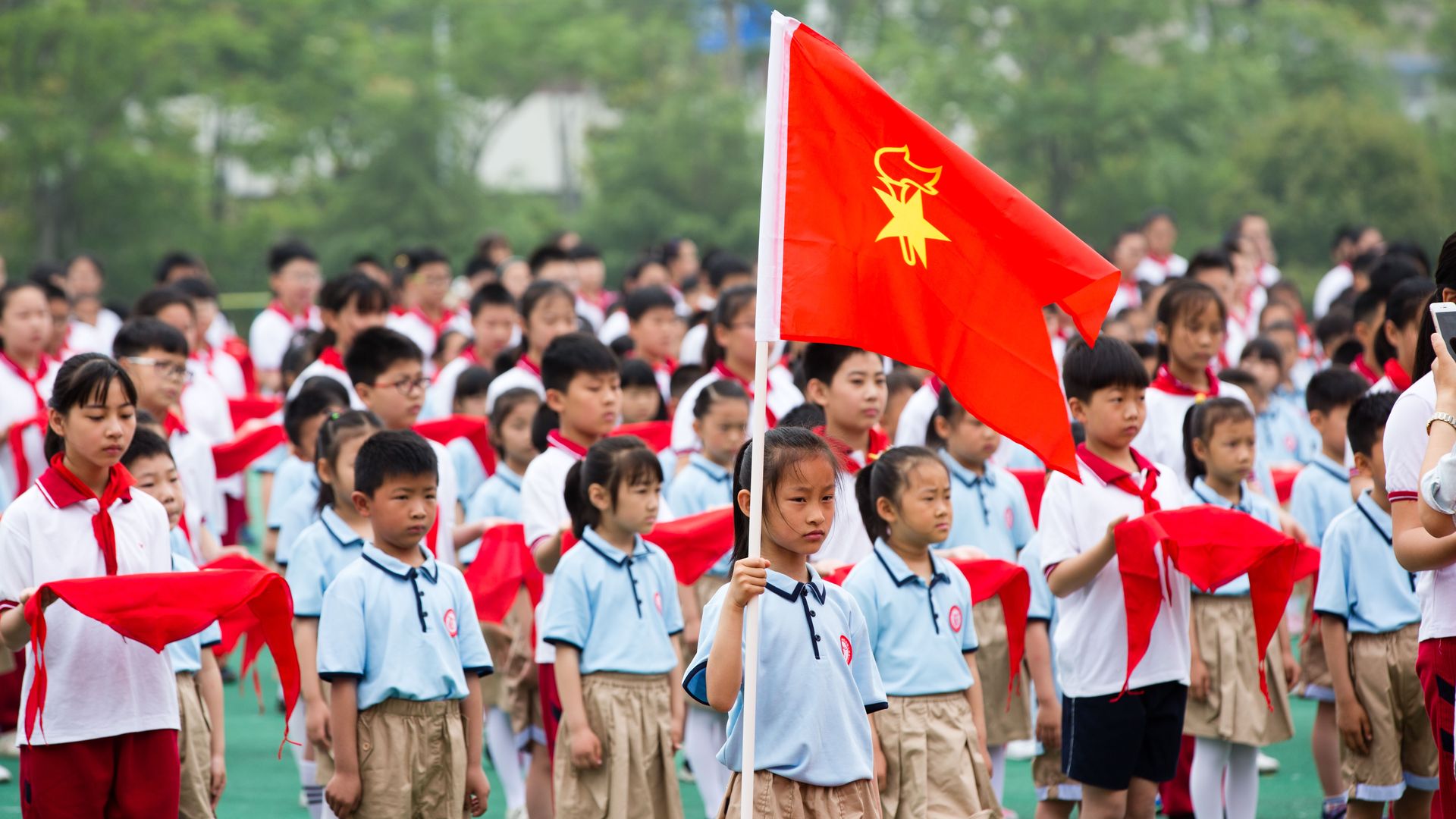
China is considering ending its four-decade long policy of limiting the number of children families can have, reports Bloomberg.
The big picture: China's birth limits have left the country with an aging population, a shortage of working-age citizens, and millions more men than women — all as the country's birth rate has declined for decades. This would be China's second shift on the policy after they permitted families to have two children in 2015.
Why it matters: China's energy thirst is massive. It's now the world's largest oil importer and second largest LNG importer, and also buys coal from abroad despite being the world's largest producer.
China has outlined strategies for 2018, 2025 and 2050 all designed to displace the United States as the dominant global economic and national security superpower.
Why it matters: While America dawdles and bickers, China is thinking long-term — and acting now, everywhere. There is no U.S. equivalent of a plan for 2025 or 2050 — or really for next year.