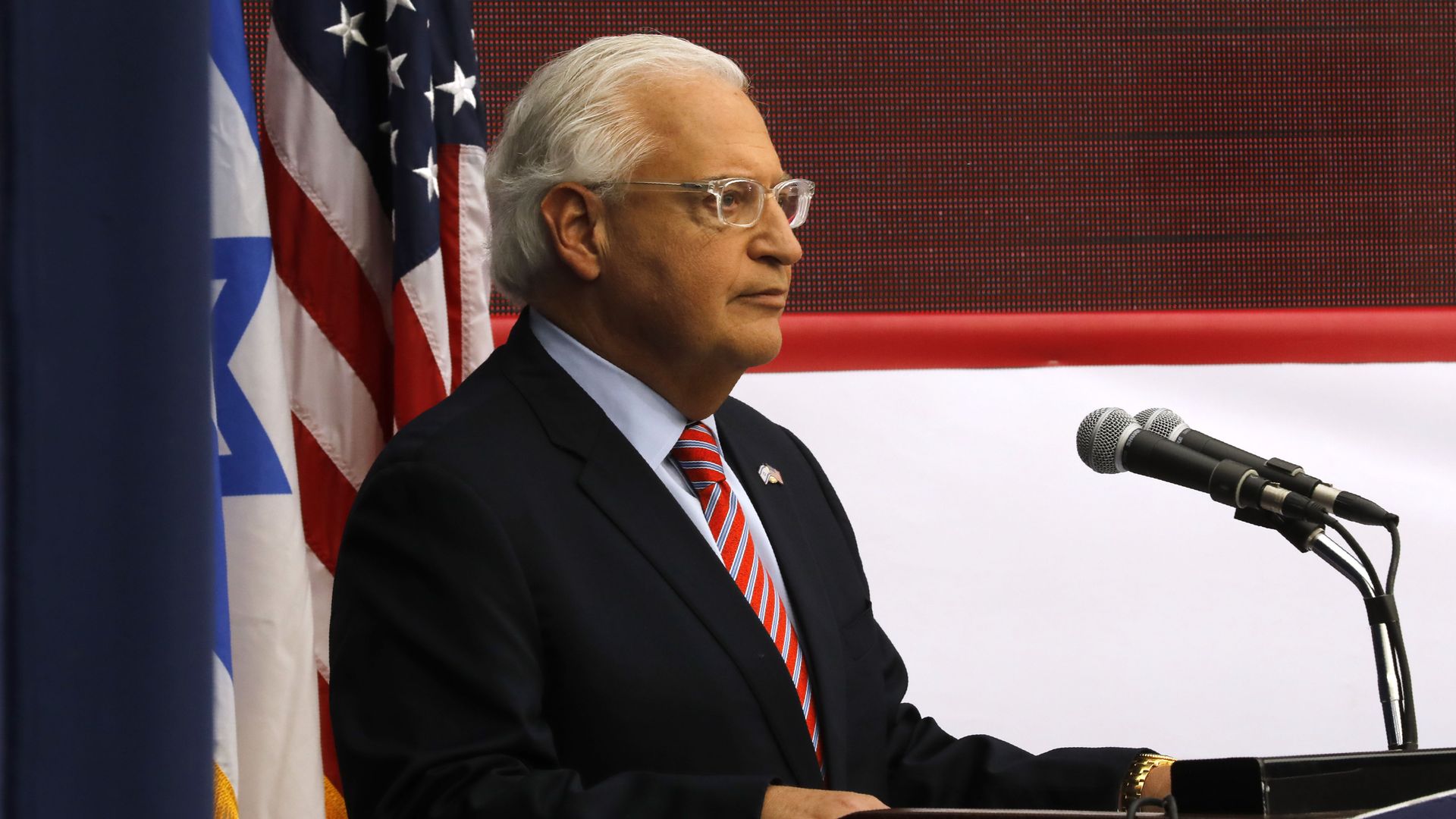
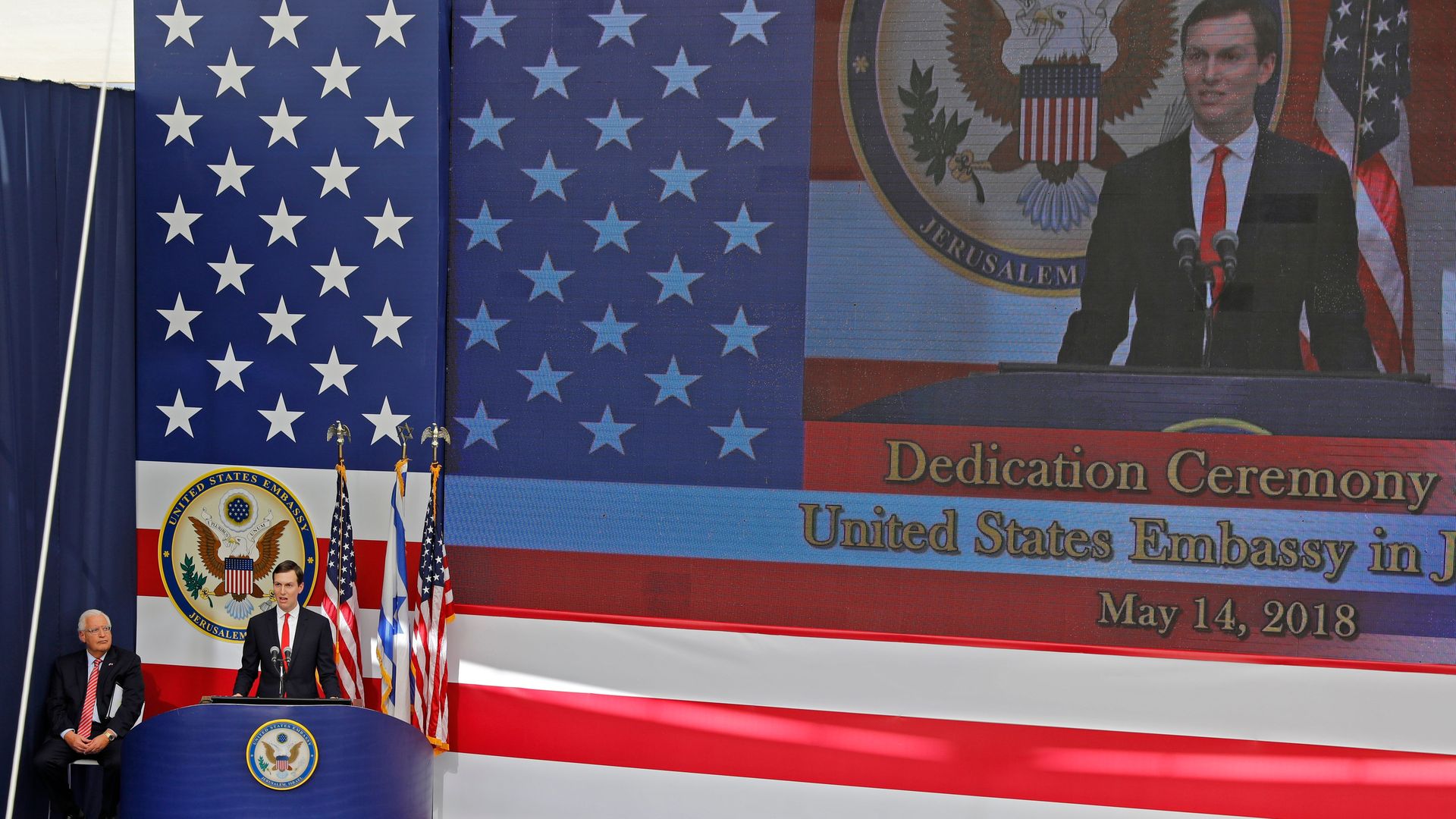
U.S. ambassador to Israel David Friedman told me today that it will be another few months before the White House launches its long awaited Middle East peace plan.
I interviewed Friedman today for Channel 10 News in his new office at the U.S. embassy in Jerusalem. Here are the key points from the interview (full transcript below):
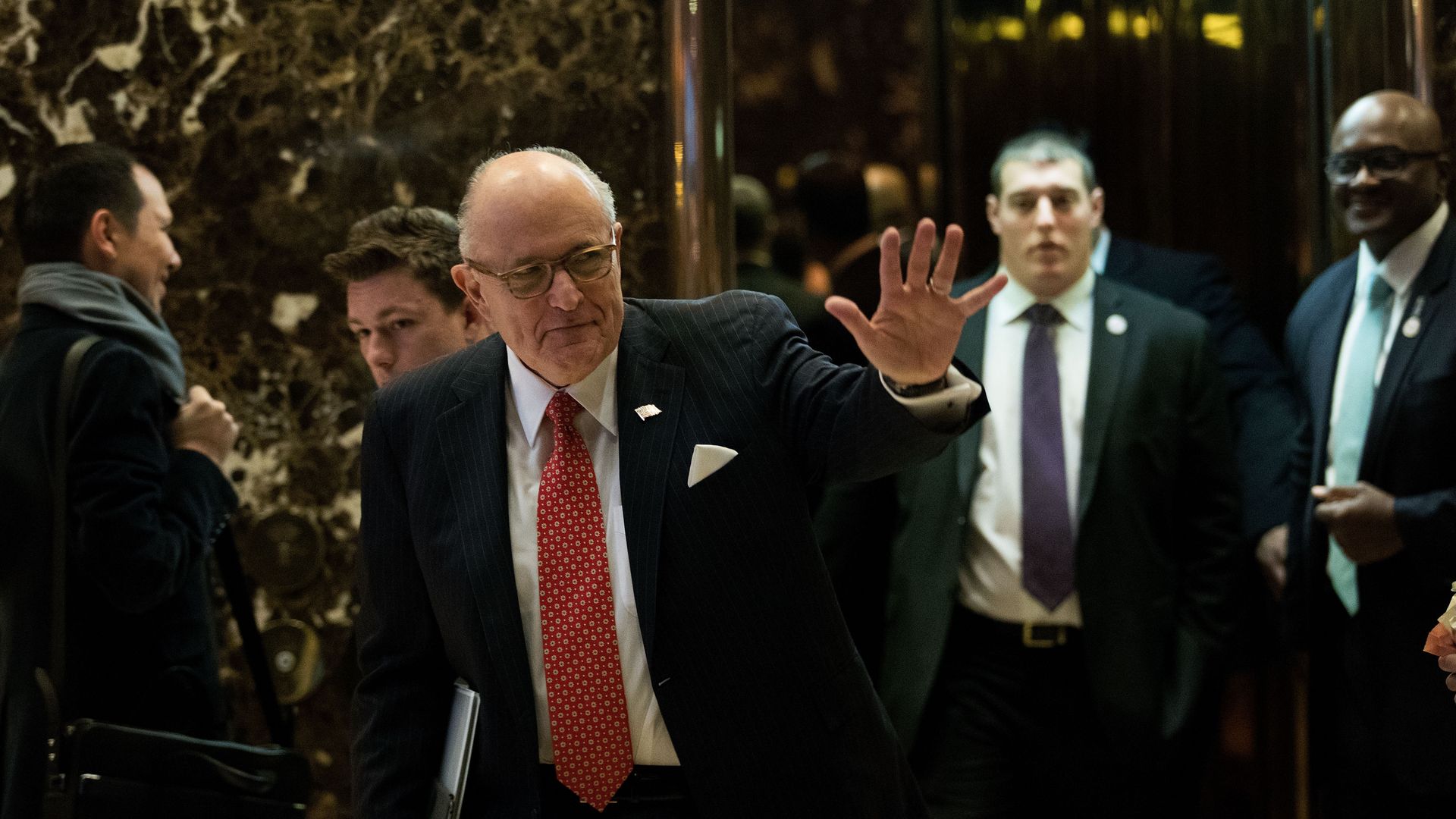
Walking back recent comments, President Trump’s lawyer Rudy Giuliani on Wednesday told the Washington Post’s Josh Dawsey he thinks Trump should sit down for an interview with special counsel Robert Mueller’s team.
The backdrop: The president said earlier this month that he would "love" to talk to Mueller regarding his ongoing investigation. But Trump's lawyers have been far more skeptical, and several have advised against it over concerns the president could fall into a "perjury trap." Just Tuesday, Giuliani told the Wall Street Journal that he thought that Trump could “talk himself into becoming a target” if he agreed to an interview.
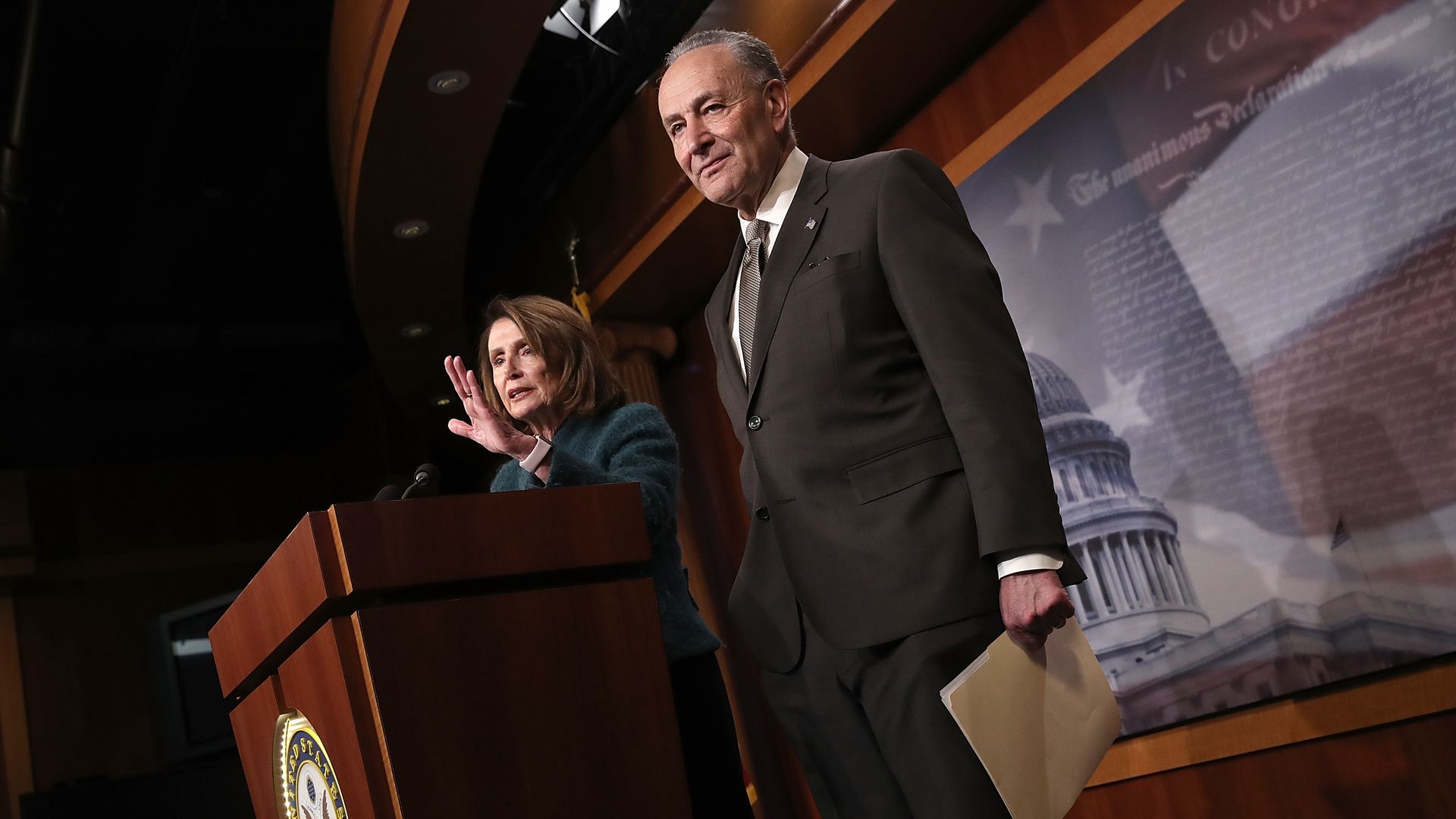
Democratic congressional leaders Rep. Nancy Pelosi and Sen. Chuck Schumer on Wednesday urged the FBI and Justice Department to include top lawmakers from both parties at a highly sensitive meeting about the Russia investigation, instead of the two House Republicans the White House invited.
This meeting is completely improper in its proposed form and would set a damaging precedent for our institutions and the rule of law.
— Pelosi and Schumer wrote in a letter to Deputy Attorney General Rod Rosenstein and FBI Director Christopher Wray
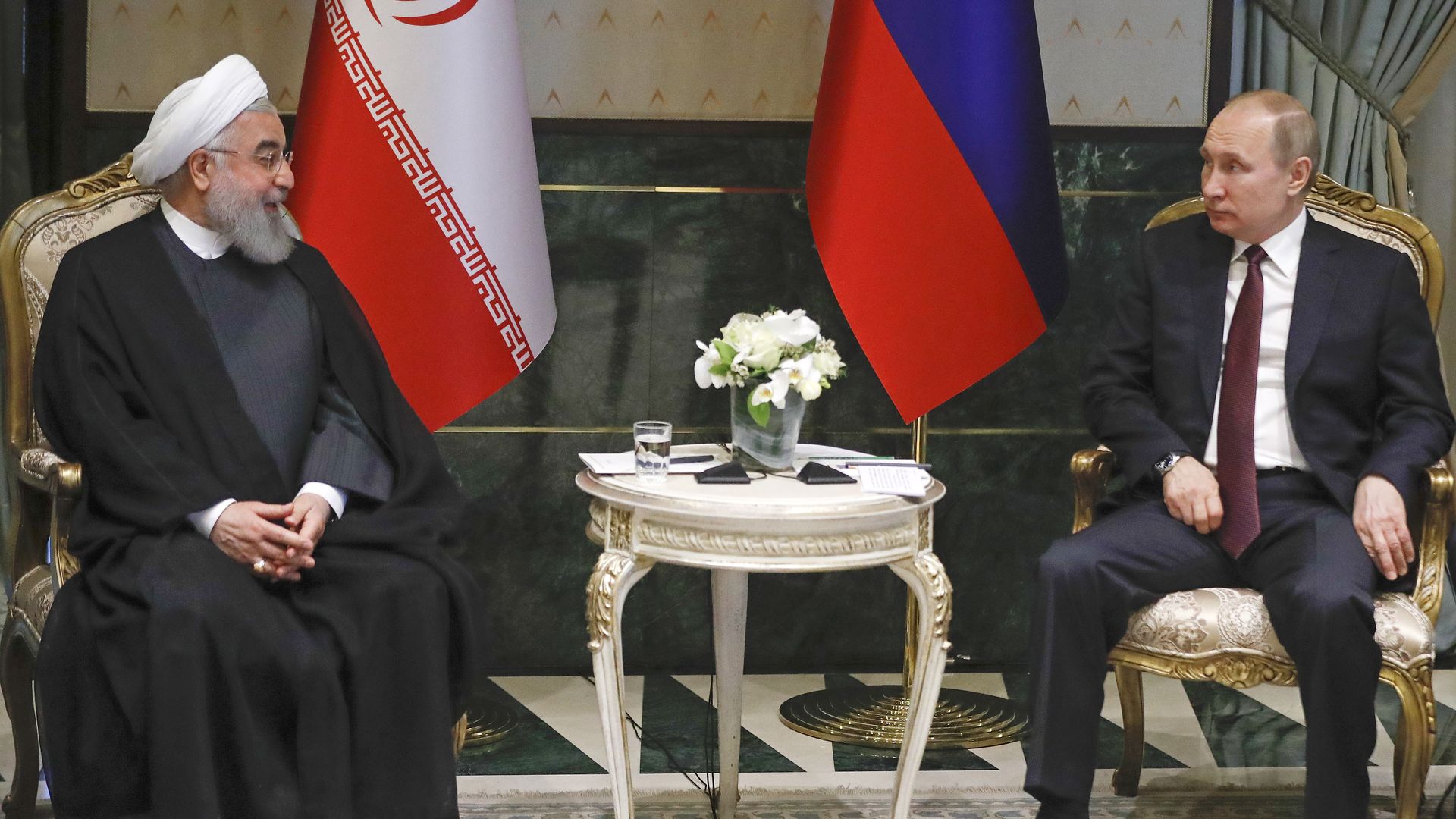
Russian President Vladimir Putin warned last week that all foreign forces would ultimately have to leave Syria — and his foreign ministry hastened to clarify that this specifically included Iranian troops and their proxies in Hezbollah. Tehran promptly reminded the world that “no one can tell us to leave Syria.”
Why it matters: Russia and Iran have both backed Syrian strongman Bashar al-Assad, and their support is a major reason he’s clung to power through seven years of war. But as the Syrian conflict grinds down, the post-war winds might begin to blow against Iran.
Both the Senate Banking Committee and the House Financial Services Committee yesterday approved bills to strengthen the Committee on Foreign Investment in the United States (CFIUS).
The big picture is that Congress wants to make it harder for Chinese companies and its government to access critical technology and infrastructure. It will certainly slow down cross-border M&A (if not reduce it), and make some U.S. investment firms less likely to accept co-investment from China.
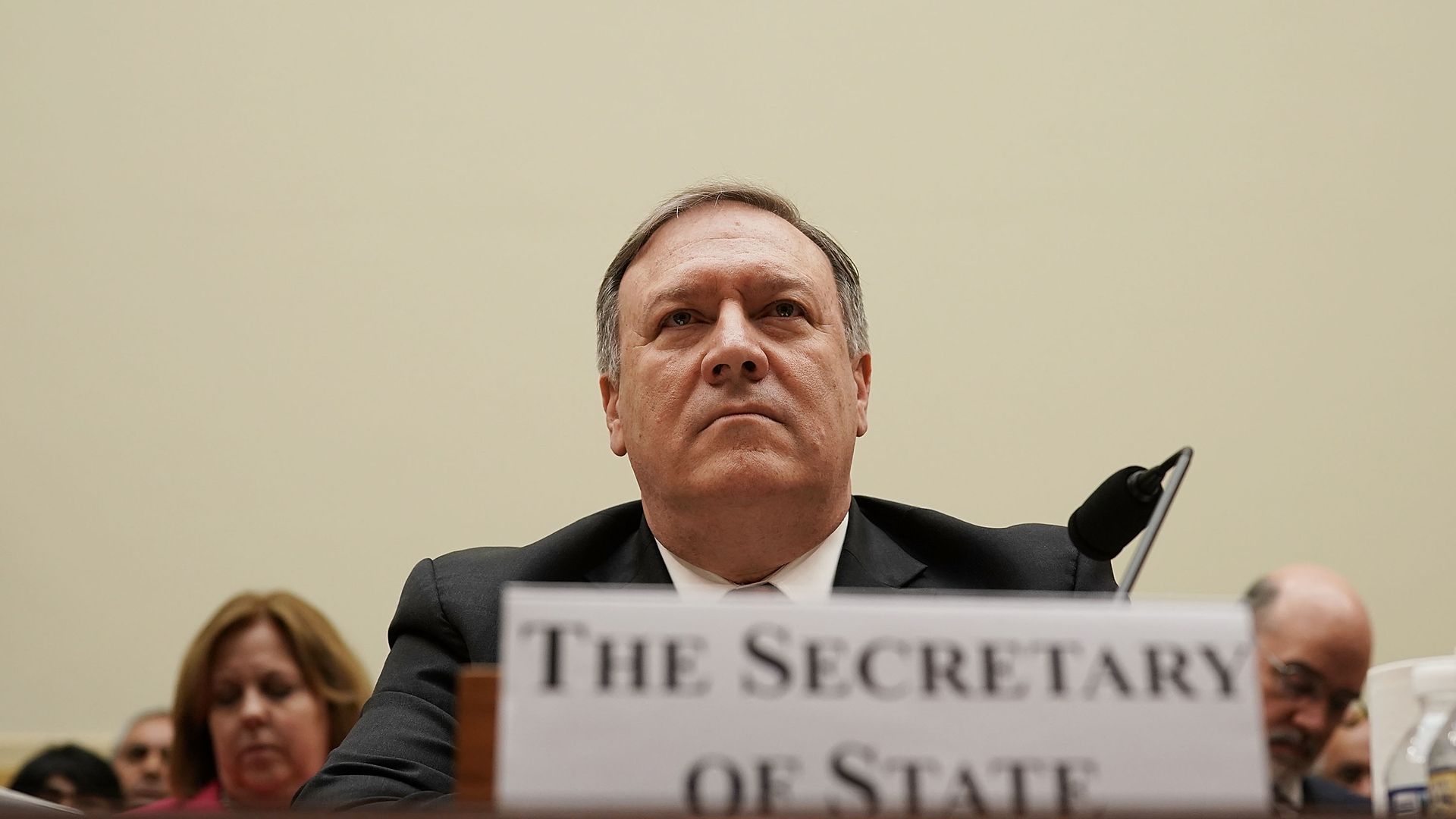
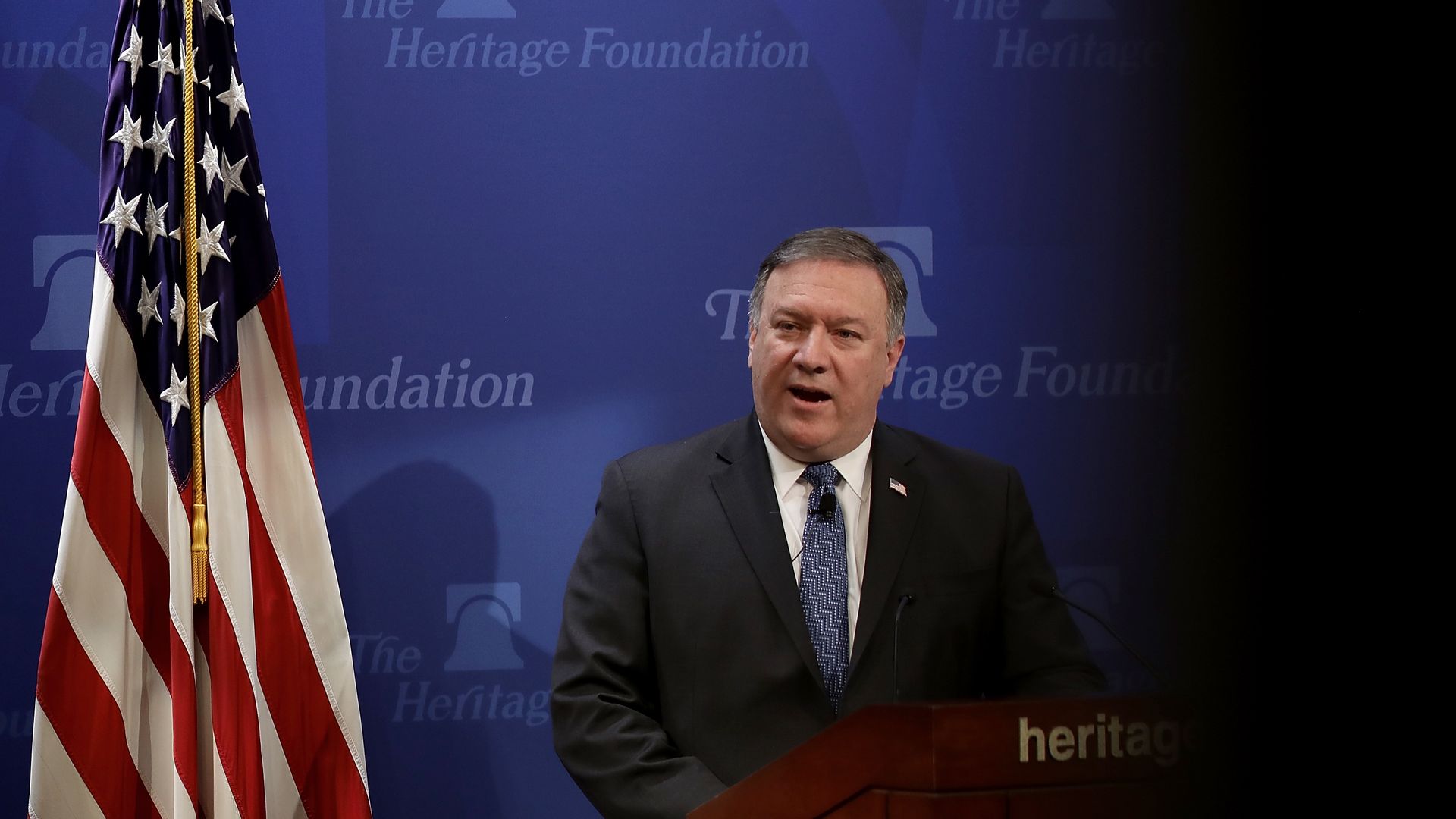
Secretary of State Mike Pompeo told members of the House Foreign Affairs Committee Wednesday morning that the administration will not tolerate Russian interference in 2018 elections and will take "appropriate counter measures" against any ongoing efforts.
Why it matters: This is a harder line stance than the President has taken on Russian interference in the election to date, who has expressed skepticism about the level of meddling from Moscow.
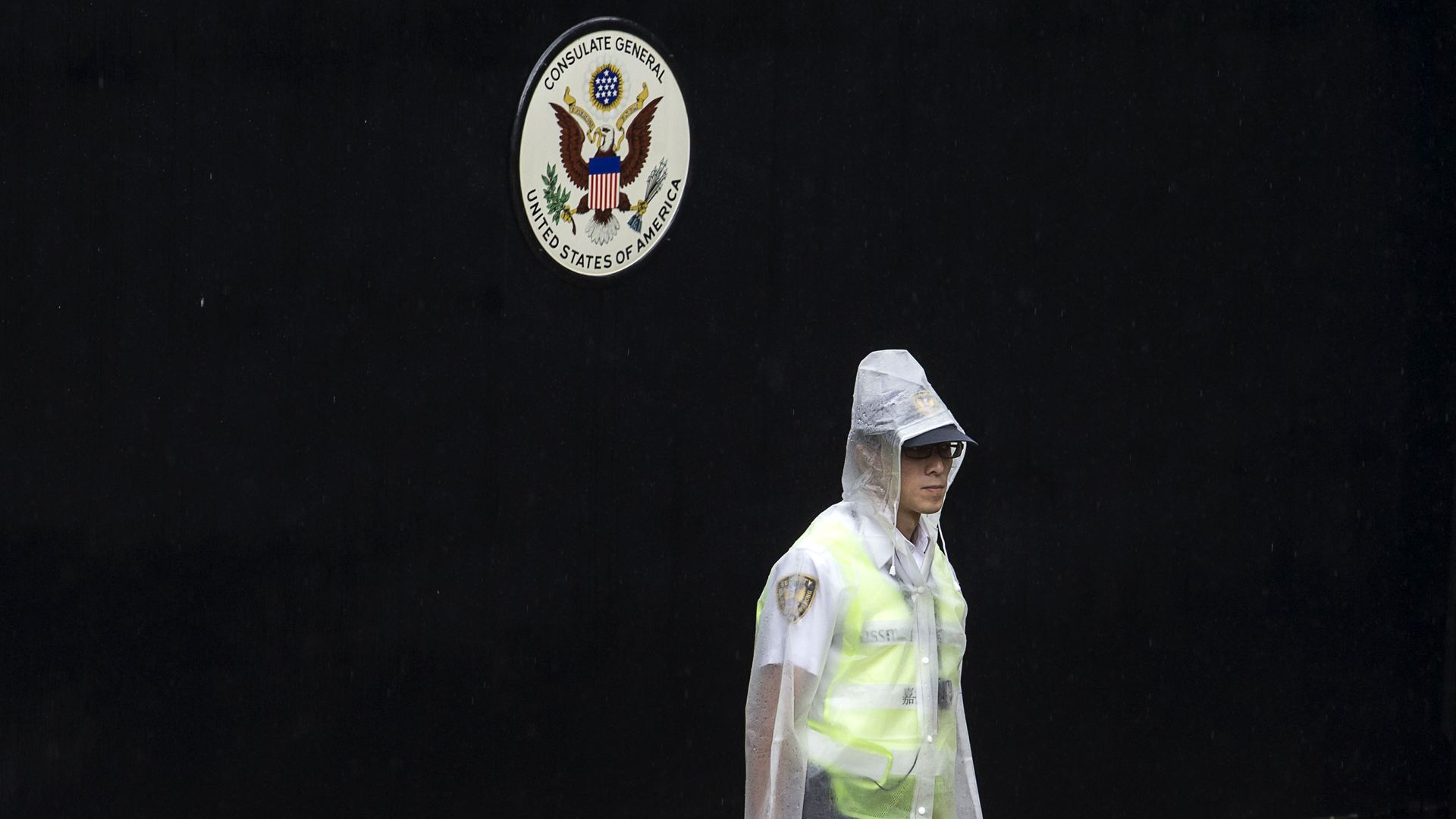
The U.S. Consulate in Guangzhou, China, issued a health alert on Wednesday after an employee "reported subtle and vague, but abnormal, sensations of sound and pressure." That employee was later diagnosed with a mild traumatic brain injury, per The Washington Post.
Why it matters: Though the health alert doesn't establish a link, the situation appears reminiscent of last year's issues in Cuba when multiple American diplomats and government employees were diagnosed with mild traumatic brain injuries due to a possible sonic attack.
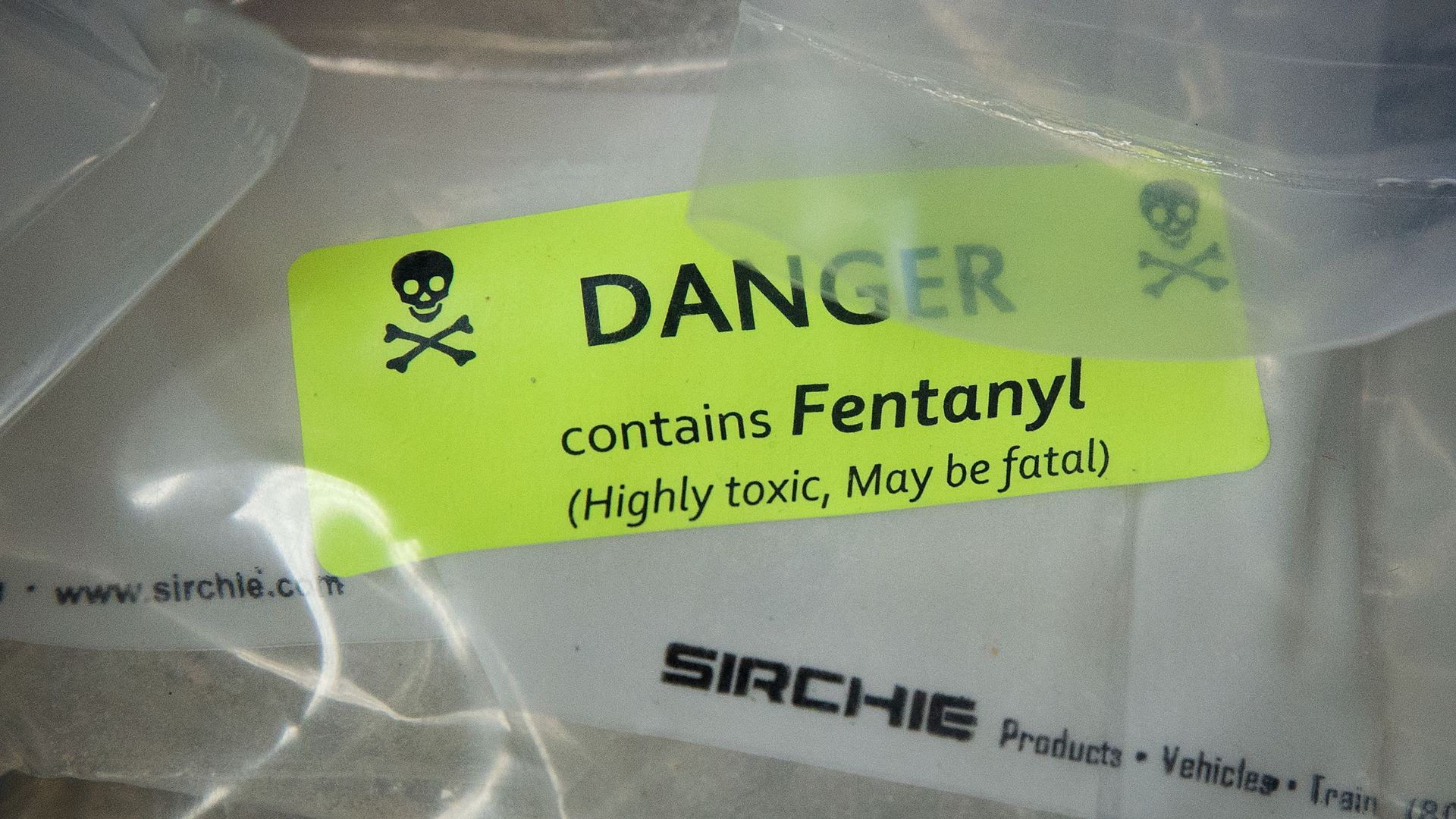
As the worst addiction crisis in American history has shifted from prescription painkillers to heroin and now to illegal synthetic opioids like fentanyl, the death toll and drug dealers' profits have risen together.
Some perspective from a Bloomberg dive into the fentanyl supply chain: A pair of undercover detectives were able to buy a kilogram of fentanyl from China for $3,800. Once turned into tablet form and resold on the street, that’s enough to yield more than $30 million in profit.
The White House "peace team" has essentially finished drafting the administration's Middle East peace plan, but White House officials told me the plan will not be presented during the month of Ramadan. Only when it ends — three weeks from now — will there be a decision regarding if, when and how to launch it.
The bottom line: That decision will be made by President Trump, and a White House official tells me they'll wait until "the time and circumstances are right." For a number of reasons, it's unclear when that might be.
Secretary of State Mike Pompeo struck an optimistic tone regarding the planned summit with North Korean leader Kim Jong-un and President Trump, saying the administration is "still working towards June 12th," despite the president's earlier skeptic tone towards the historic gathering.
"I wouldn’t care to predict whether it will happen, only to predict that we’ll be ready in the event that it does."
— Pompeo told reporters at a press conference Tuesday
The backdrop: This comes hours after President Trump dealt uncertainty into the anticipated meeting, saying "there's very substantial chance that it won’t work" if "certain conditions we want to happen" are not met ahead of the summit. Trump reinforced that "denuclearization must take place."
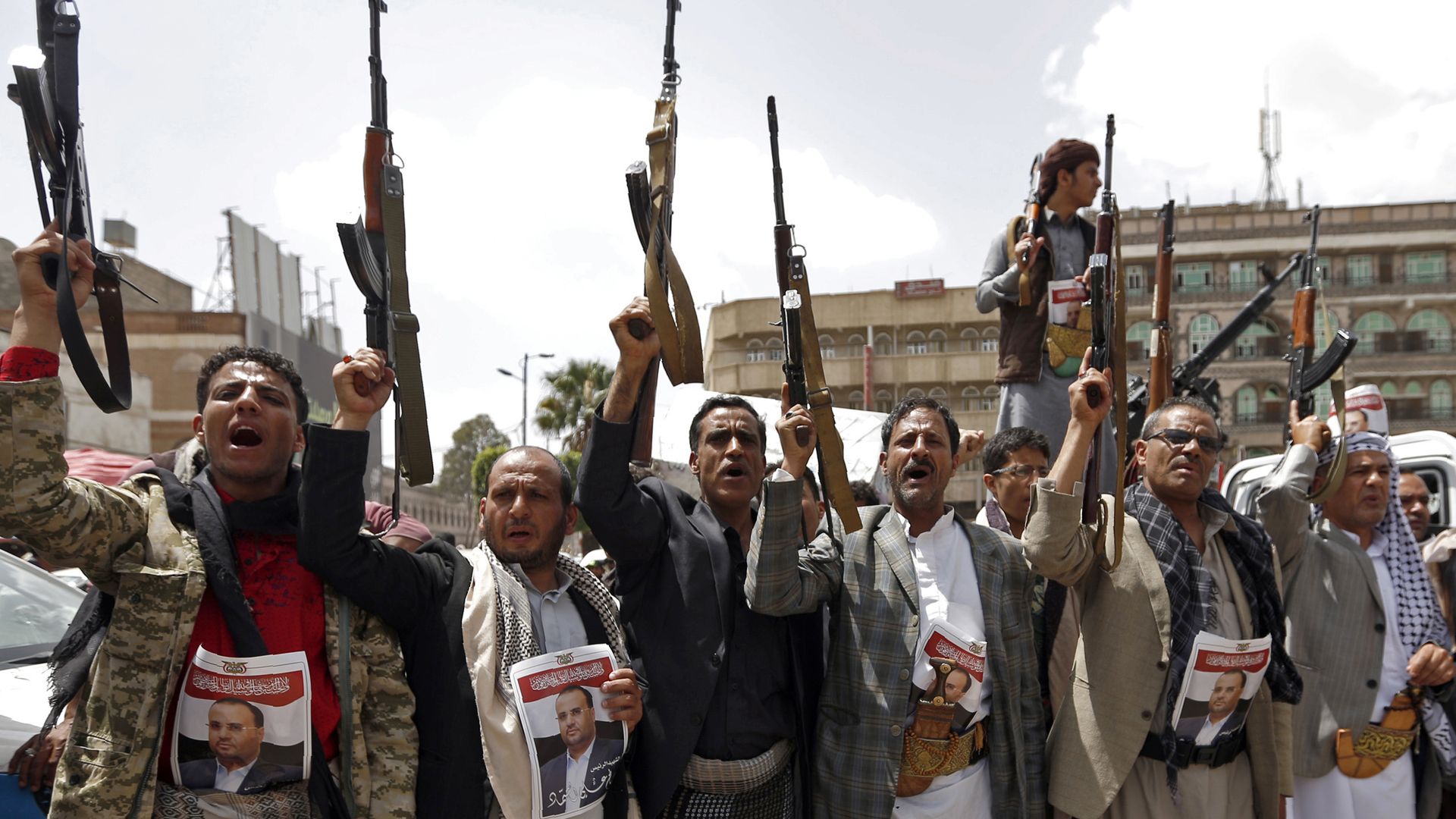
The Treasury Department announced on Tuesday sanctions against five Iranian individuals who have played a part in providing the Houthis in Yemen with "ballistic missile-related technical expertise...on behalf of the Islamic Revolutionary Guard Corps-Qods Force."
Flashback: On Monday, Secretary of State Mike Pompeo said, "sanctions are going back in full effect and new ones are coming. ... We will track down Iranian operatives...and we will crush them." Behnam Ben Taleblu, research fellow at the Foundation for Defense of Democracies, told Axios this is "reflective of a brief uptick" in designations against Iran, and could "convince U.S. adversaries and allies alike that Washington will enforce the sanctions it has reimposed on Iran.”
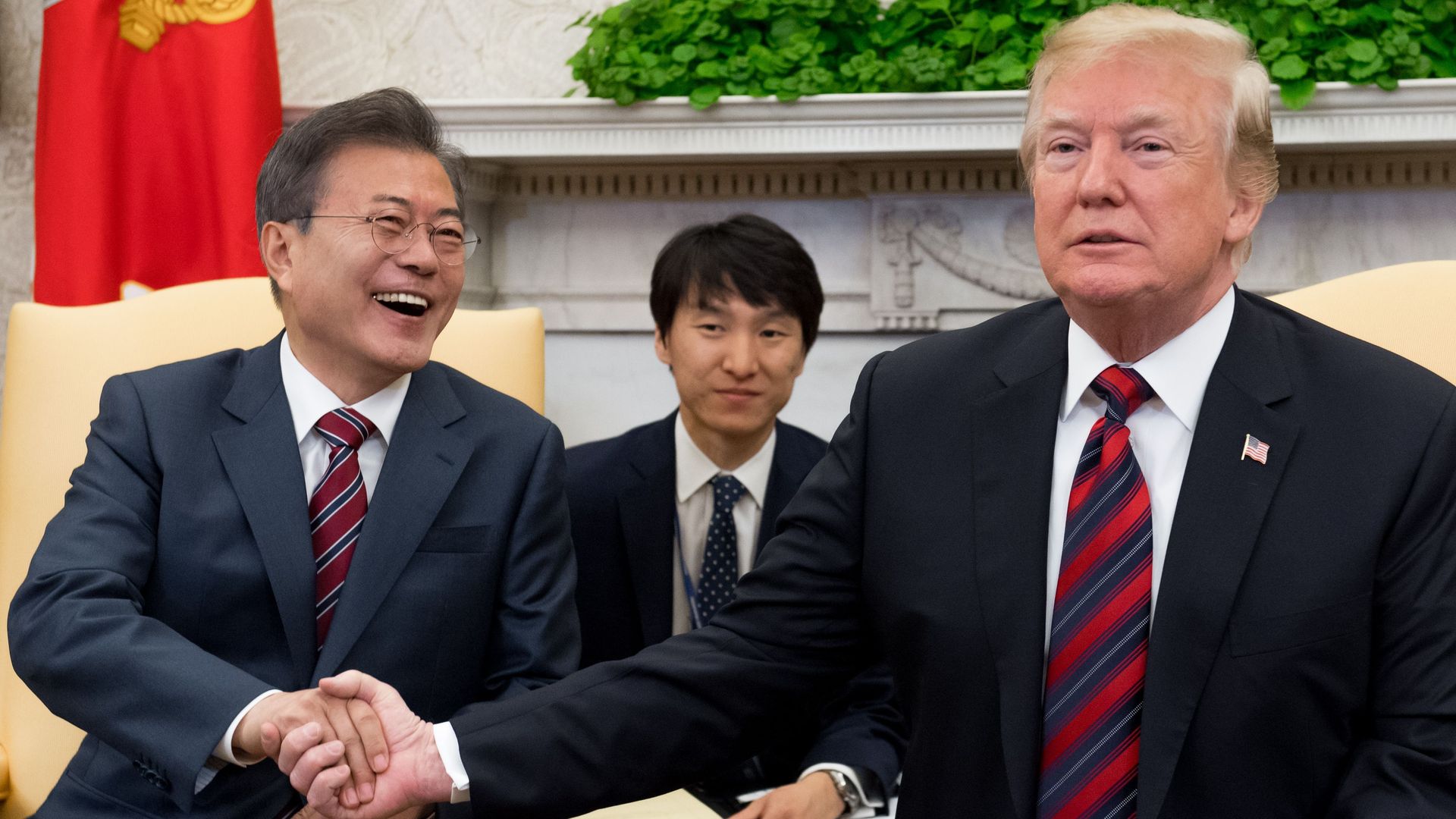
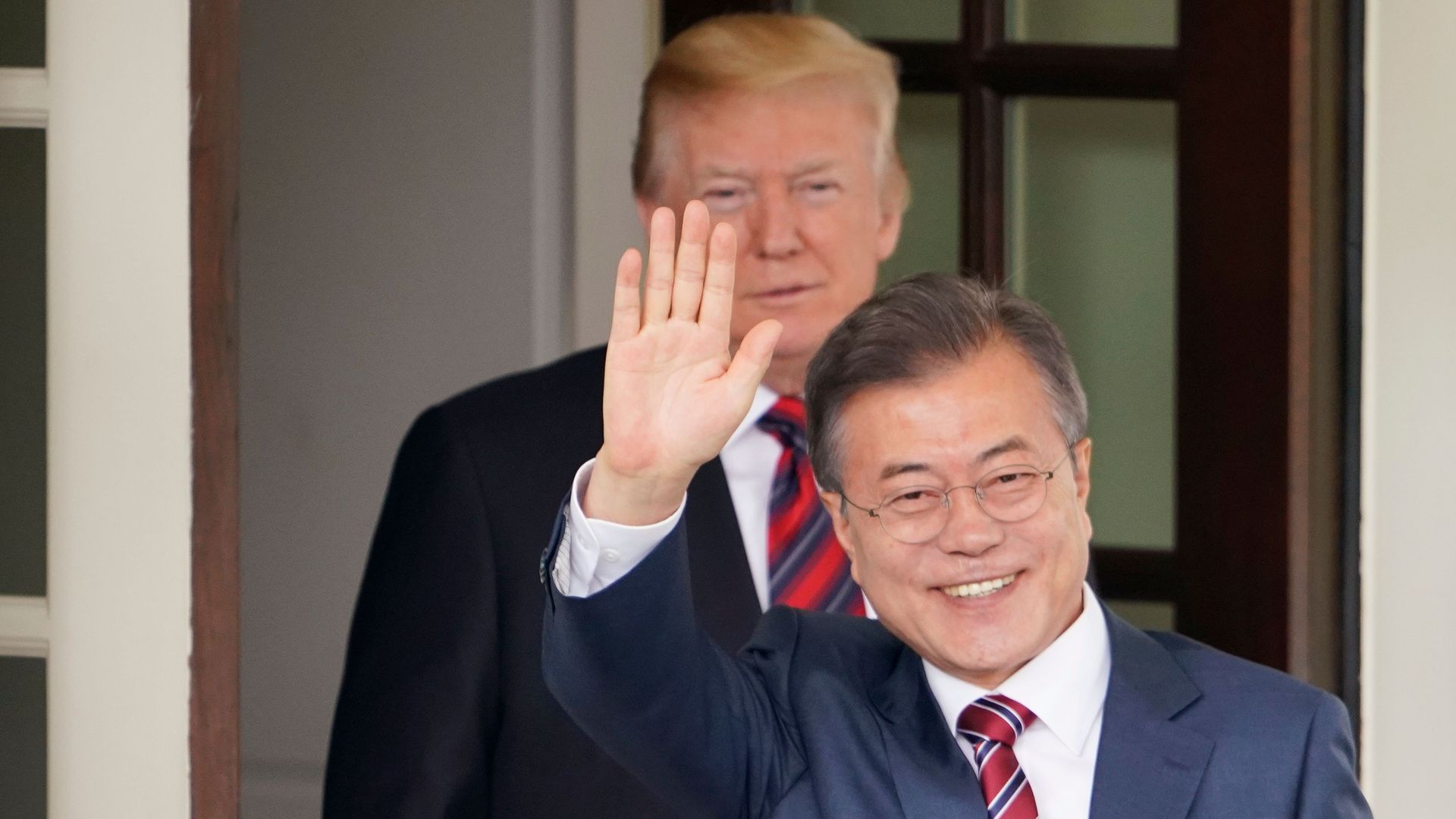
North Korea has been remarkably successful in using its negotiations to divide U.S. alliances in Northeast Asia, raising the stakes for South Korean President Moon Jae-in's White House visit today.
The backdrop: After a vibrant North-South summit at Panmunjom in April, Pyongyang has pivoted to shovel abuse onto its neighbor. The North canceled a promised meeting, assailed South Korea’s participation in military exercises, refused to invite South Korean reporters to the closure of its nuclear test site and demanded repatriation of North Koreans. Kim Jong-un is hoping Moon and Trump will blame each other for his bad behavior.
President Trump on Tuesday said that his summit with North Korea's Kim Jong-un may not go ahead as planned, adding that if the June 12 date does not hold, "maybe it will happen later.”
Why it matters: It wasn’t long ago that Trump and the North Koreans were trading threats of nuclear war. If the summit collapses, relations between the two countries could deteriorate quickly.
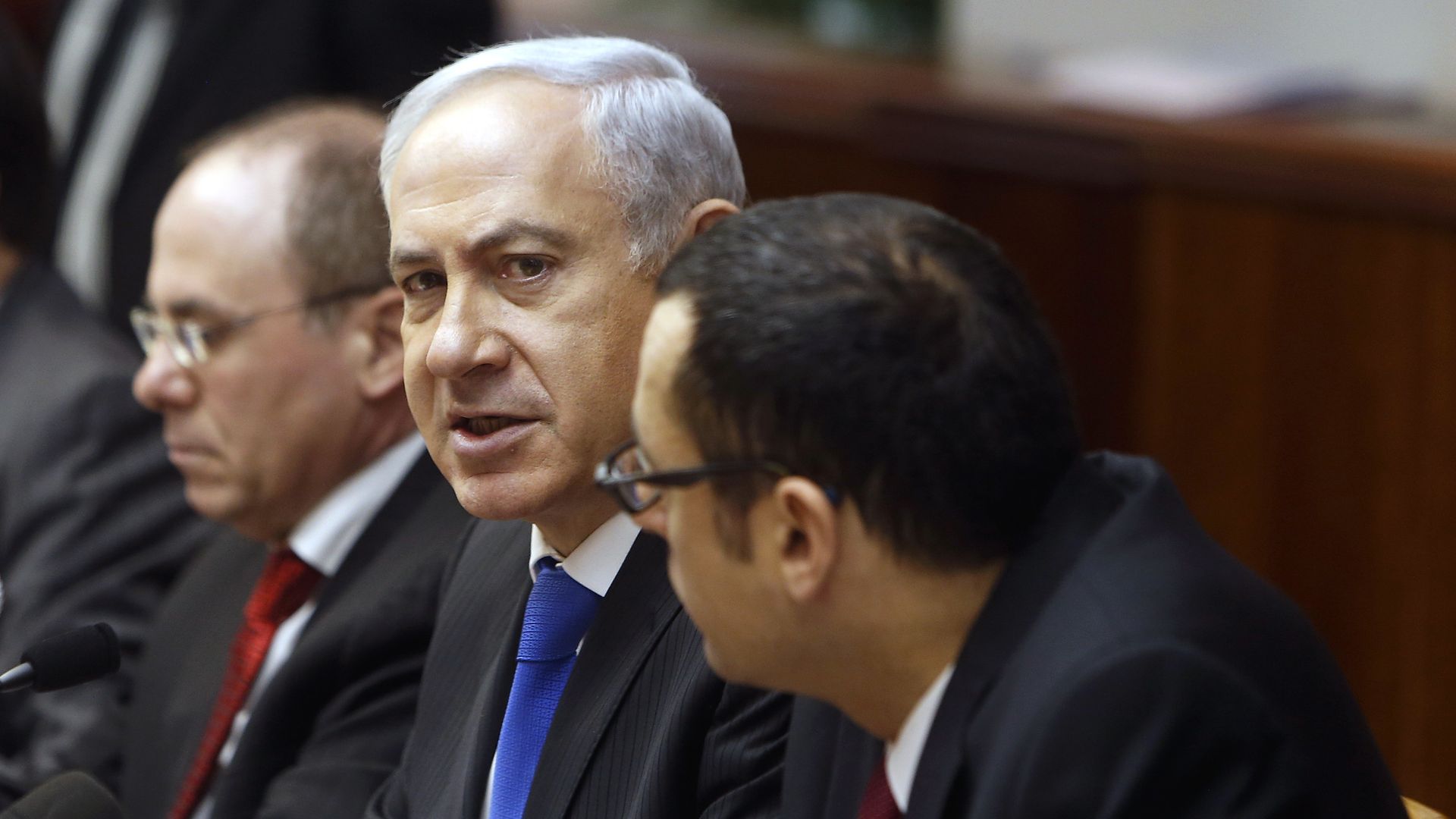
Israeli Prime Minister Benjamin Netanyahu has decided to move all security cabinet meetings from the prime minister's office to a high-tech underground secure bunker in Jerusalem which hosts the national crisis management center, Israeli officials tell me.
Why it matters: The decision comes as the threat of escalation with Iran is growing. The cold war between Israel and Iran turned hot in the last three months amid the struggle for influence in Syria. Israel increased its airstrikes against Iranian and pro-Iranian forces in Syria as part of an attempt to block and roll back Iranian military entrenchment in the war-torn country.
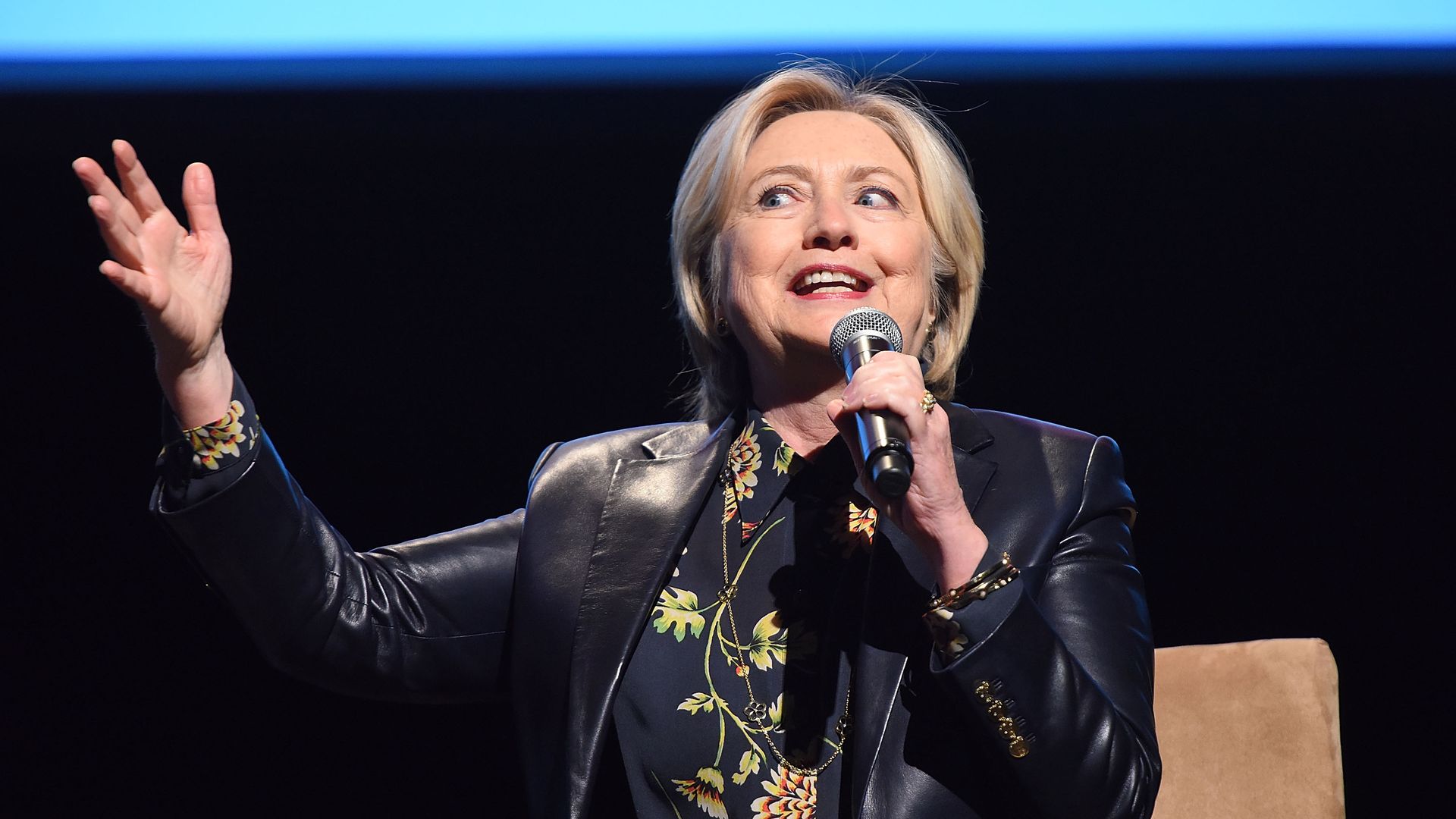
Hillary Clinton has had an on-again, off-again hiatus from the spotlight since her election loss in 2016 — and, over the past week, both she and her husband have found themselves in the full force of the media spotlight.
The big picture: Hillary's overtly political commencement speech at Yale over the weekend, coupled with a shocking flip on the Russia investigation from one of their closest aides has the Clintons back to dominating the headlines.