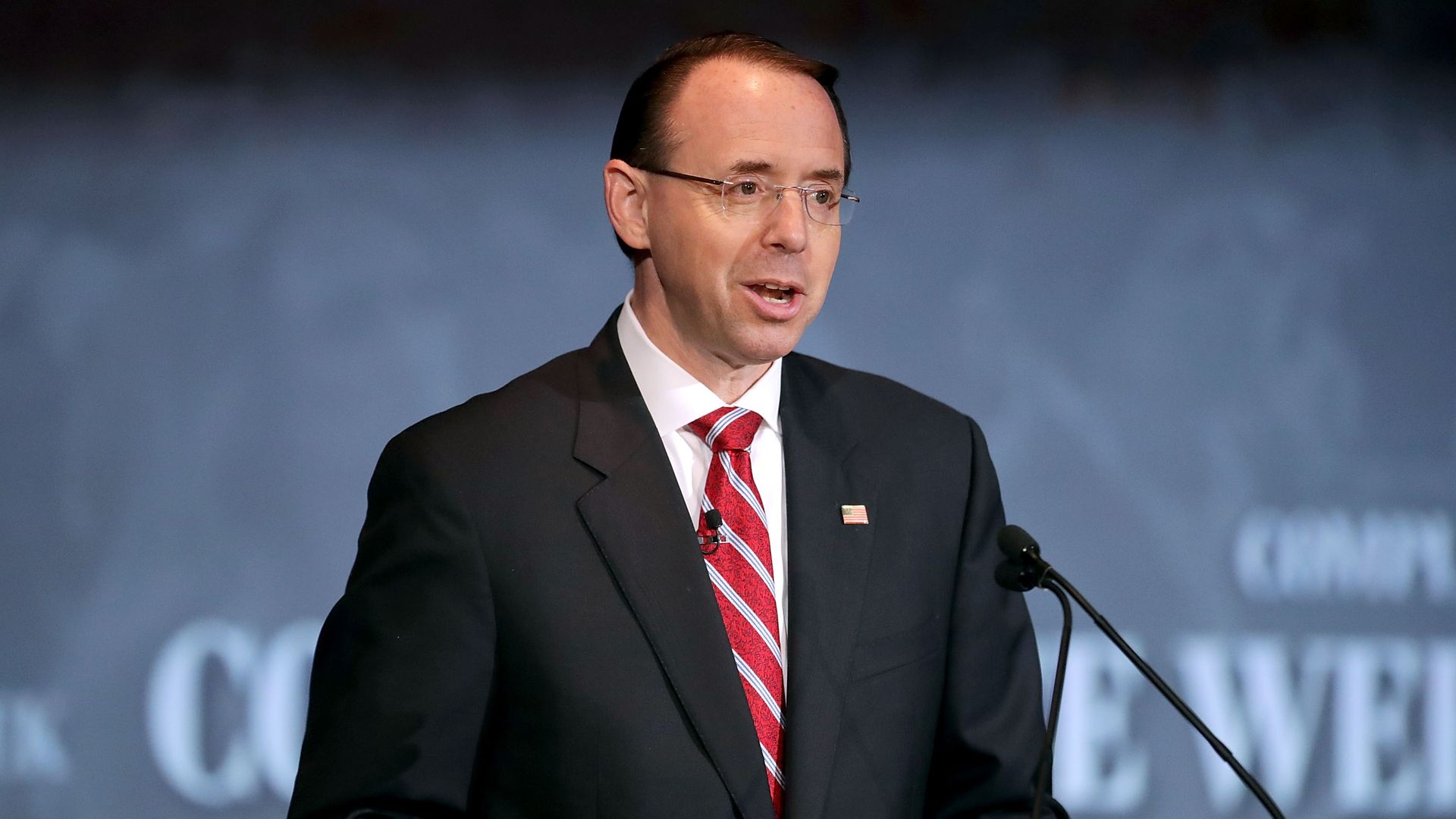
The Justice Department inspector general will investigate "any irregularities with the Federal Bureau of Investigation’s or the Department of Justice’s tactics concerning the Trump Campaign," per a statement from White House press secretary Sarah Sanders.
Between the lines: That's the outcome from President Trump's meeting with Deputy Attorney General Rod Rosenstein and FBI Director Christopher Wray this afternoon, and it's pretty much where the investigation was already headed as of Sunday. But there will also be a meeting with White House chief of staff John Kelly, intelligence agencies, and congressional leaders to review classified information.
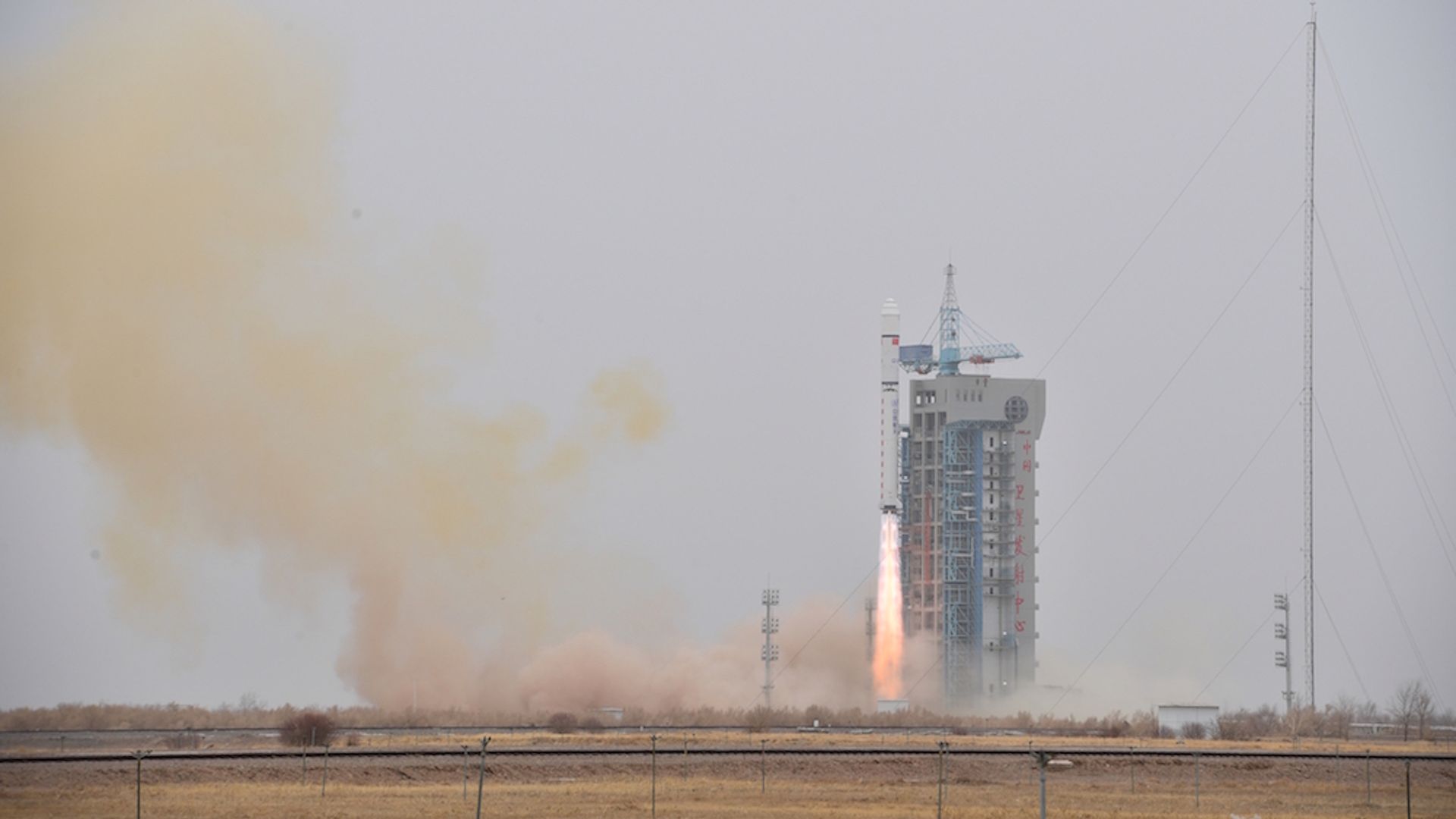
The Queqiao relay satellite is on its way to the far side of the moon after China launched it on Monday morning, reports Space.com. The satellite is a major component of China's mission to be the first country to explore the far side of the moon.
Why it matters: According to Axios science editor Andrew Freedman, China aims to explore the far side of the moon later this year. This new satellite is meant to provide a vital communications link between the eventual robotic assets on the lunar surface and controllers on Earth. The craft is also deploying a Dutch satellite to detect the weak radio signals from the early universe.
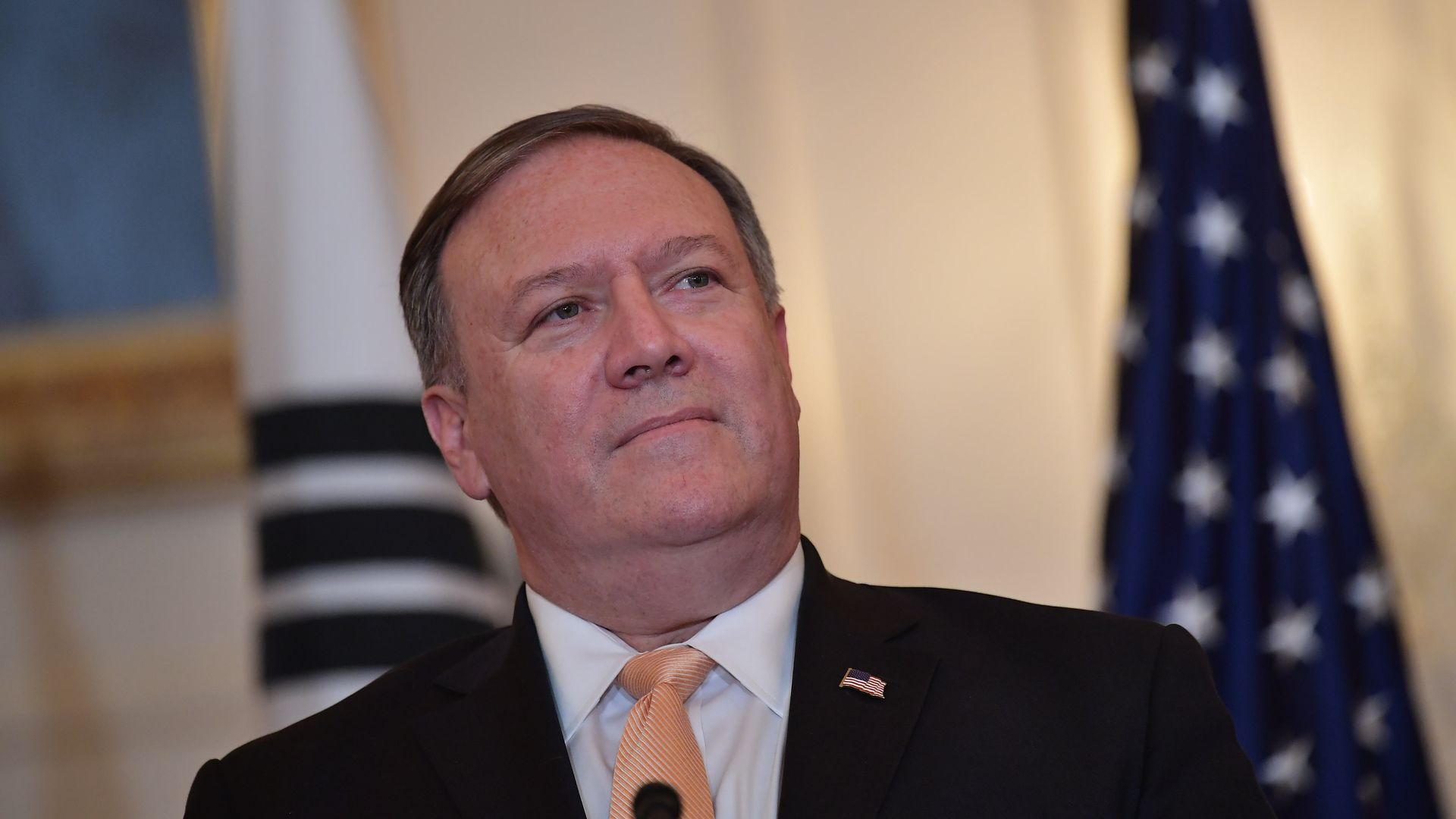
Since President Donald Trump rejected State Department appeals for more time to reach a supplemental understanding with the Europeans on Iran, Secretary of State Mike Pompeo has tried to make a virtue out of failure.
Yes, but: The policy he outlined in a speech this morning has almost no chance of working. It's likely to further alienate the U.S.'s European allies, boost China as a global economic and political power and gladden Iranian hardliners looking for more reason to restart proscribed nuclear activities and to continue their interventions in the Middle East.
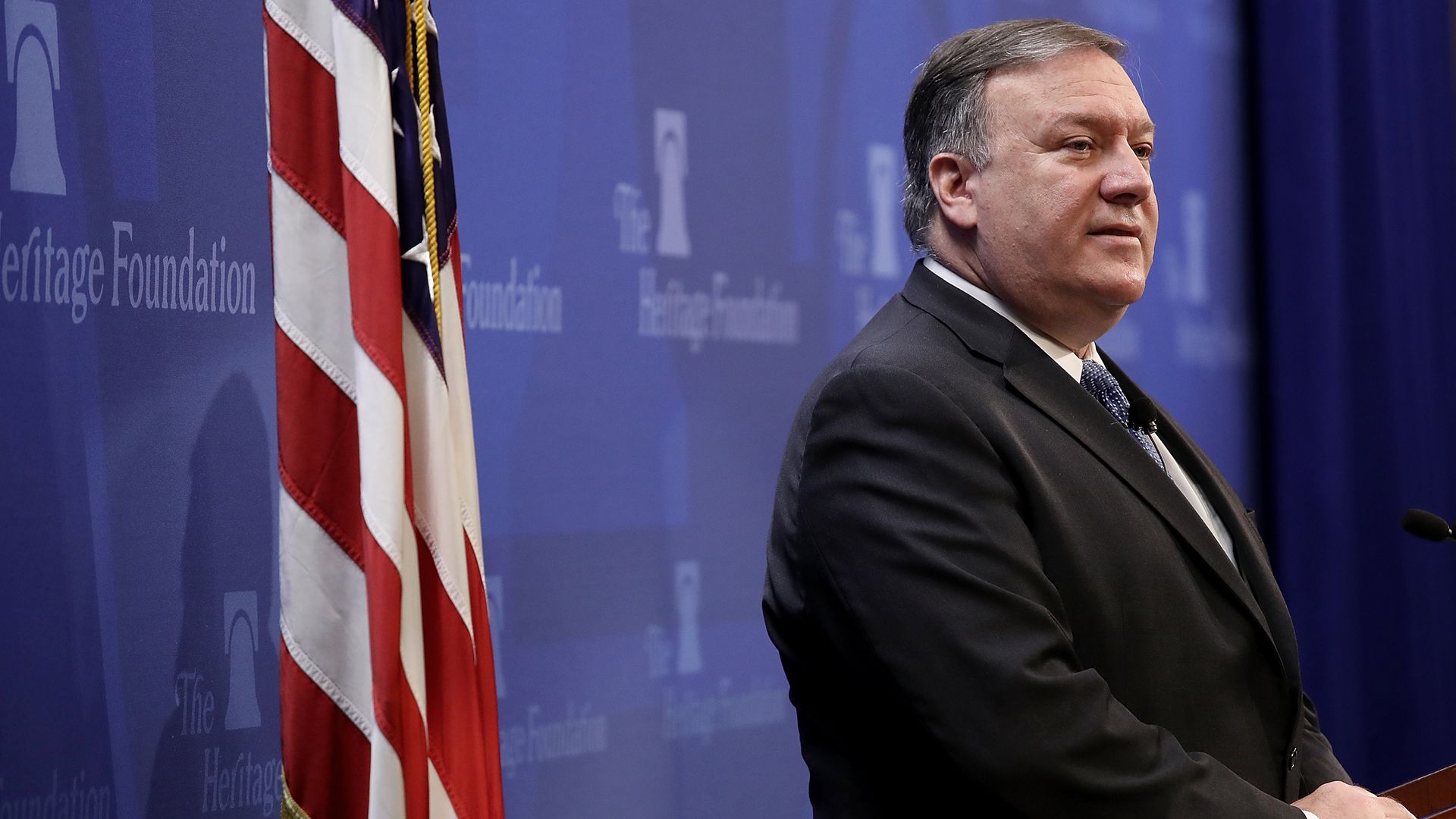
Secretary of State Mike Pompeo said the U.S. would impose the "strongest sanctions in history" on Iran, and take any steps necessary to keep the regime from acquiring nuclear weapons, in a speech intended to lay out "the path forward" after President Trump withdrew the U.S. from the Iran nuclear deal.
Why it matters: The list Pompeo laid out for any potential new agreement was long and, under current Iranian leadership, entirely unrealistic. Pompeo is trading in a policy of dealing with Iran in a limited capacity for one of applying maximum pressure to increase costs on the regime and, potentially, lead to regime change.
China is considering ending its four-decade long policy of limiting the number of children families can have, reports Bloomberg.
The big picture: China's birth limits have left the country with an aging population, a shortage of working-age citizens, and millions more men than women — all as the country's birth rate has declined for decades. This would be China's second shift on the policy after they permitted families to have two children in 2015.
Why it matters: China's energy thirst is massive. It's now the world's largest oil importer and second largest LNG importer, and also buys coal from abroad despite being the world's largest producer.
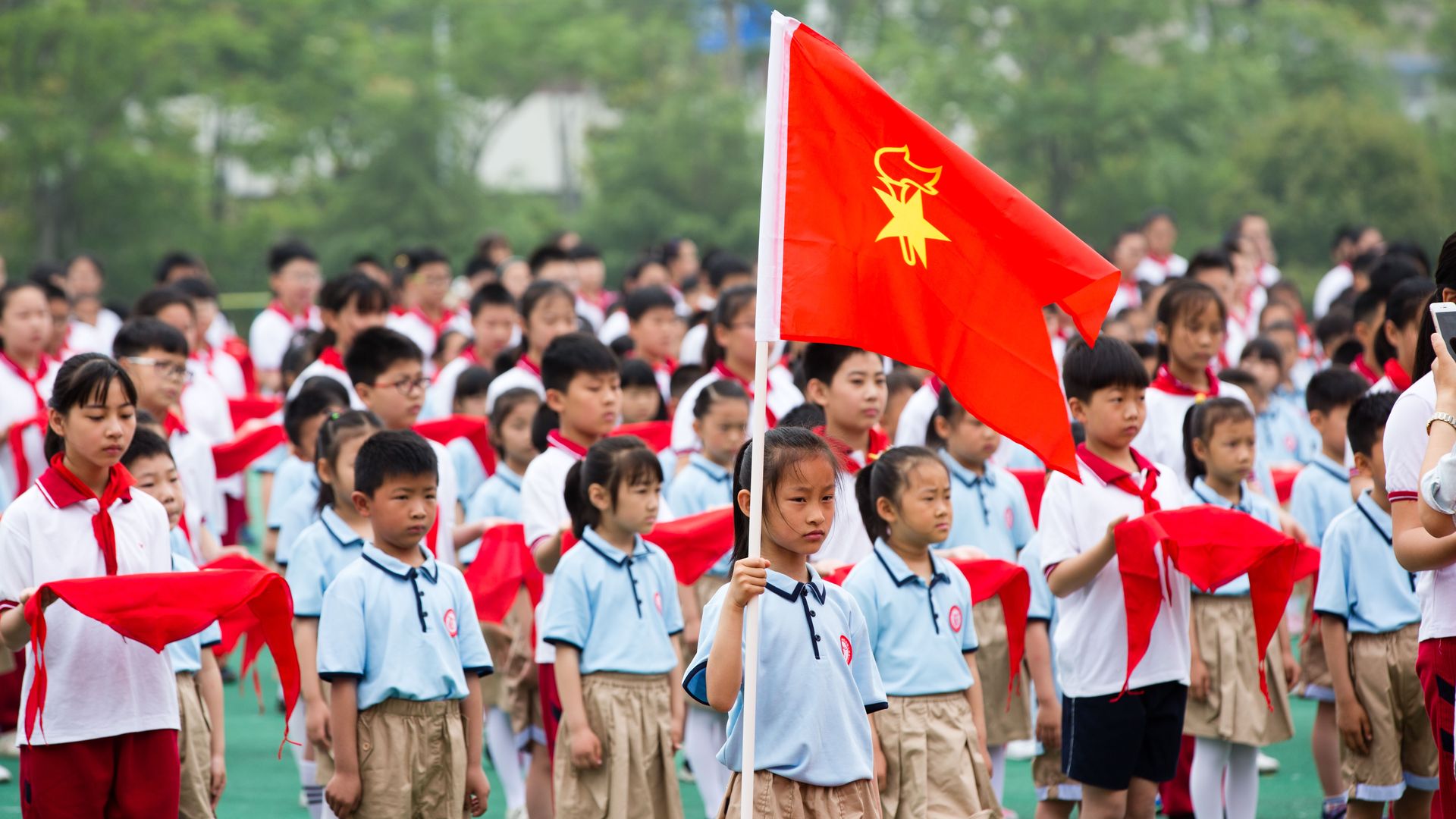
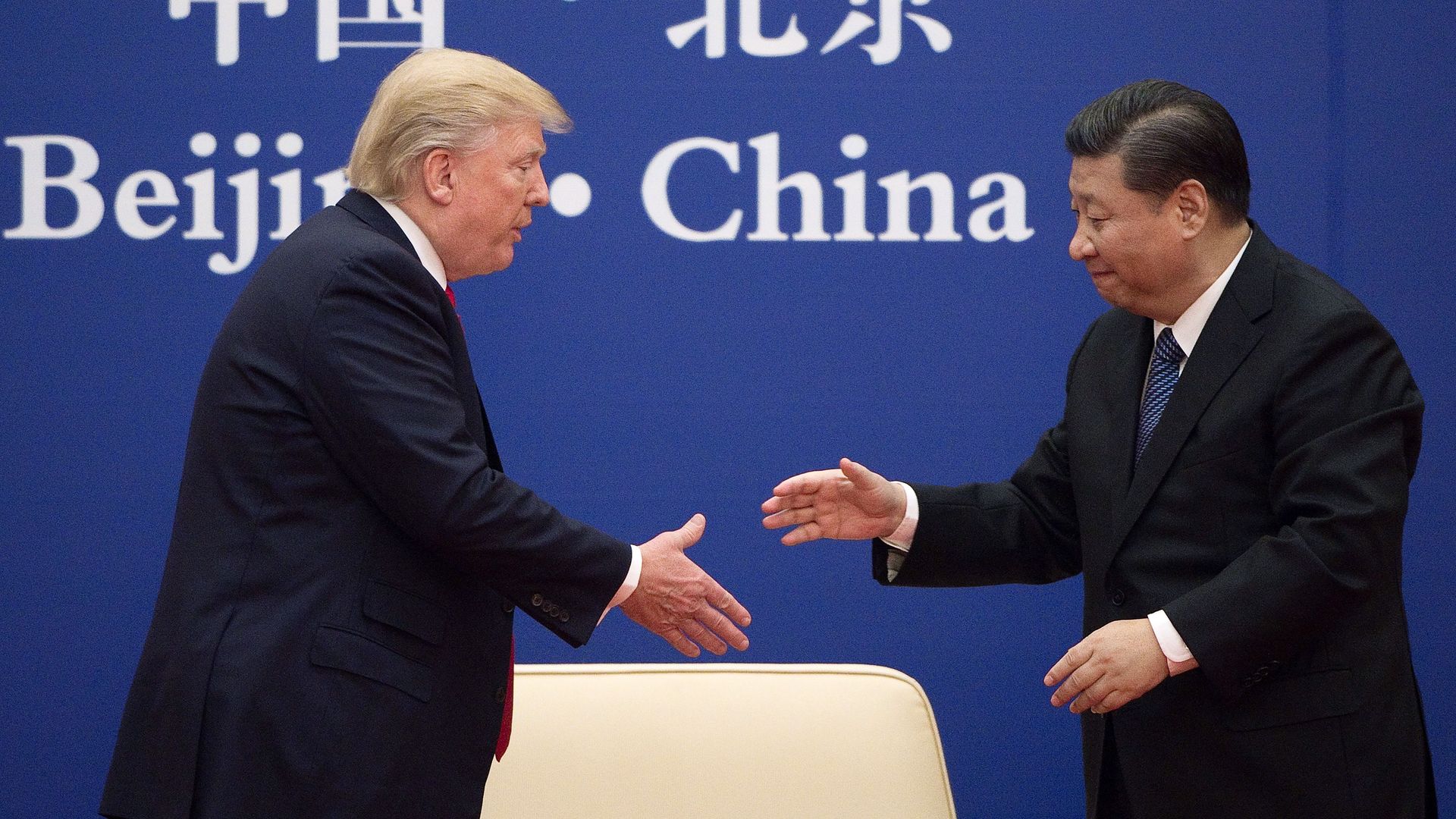
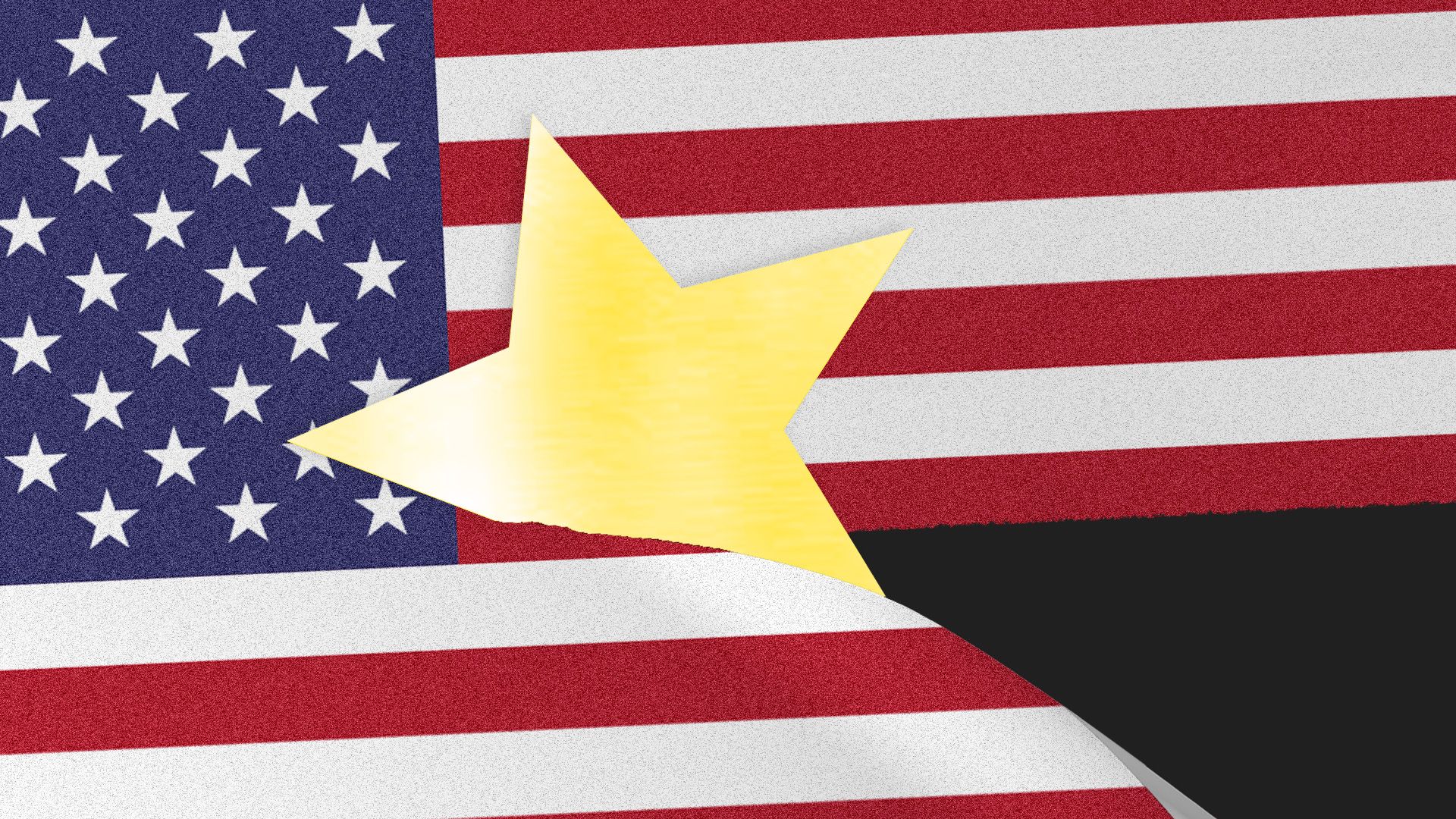
China has outlined strategies for 2018, 2025 and 2050 all designed to displace the United States as the dominant global economic and national security superpower.
Why it matters: While America dawdles and bickers, China is thinking long-term — and acting now, everywhere. There is no U.S. equivalent of a plan for 2025 or 2050 — or really for next year.
In a speech on Monday, Secretary of State Mike Pompeo will lay out the Trump administration's new diplomatic path on Iran now that the President has withdrawn America from the nuclear deal.
What we're hearing: It's Pompeo's first foreign policy speech since taking over as Secretary. A source with direct knowledge of the speech gave me a snippet: "Iran advanced its march across the Middle East during the JCPOA... It did so with house money, with wealth created by the West... This will not continue."
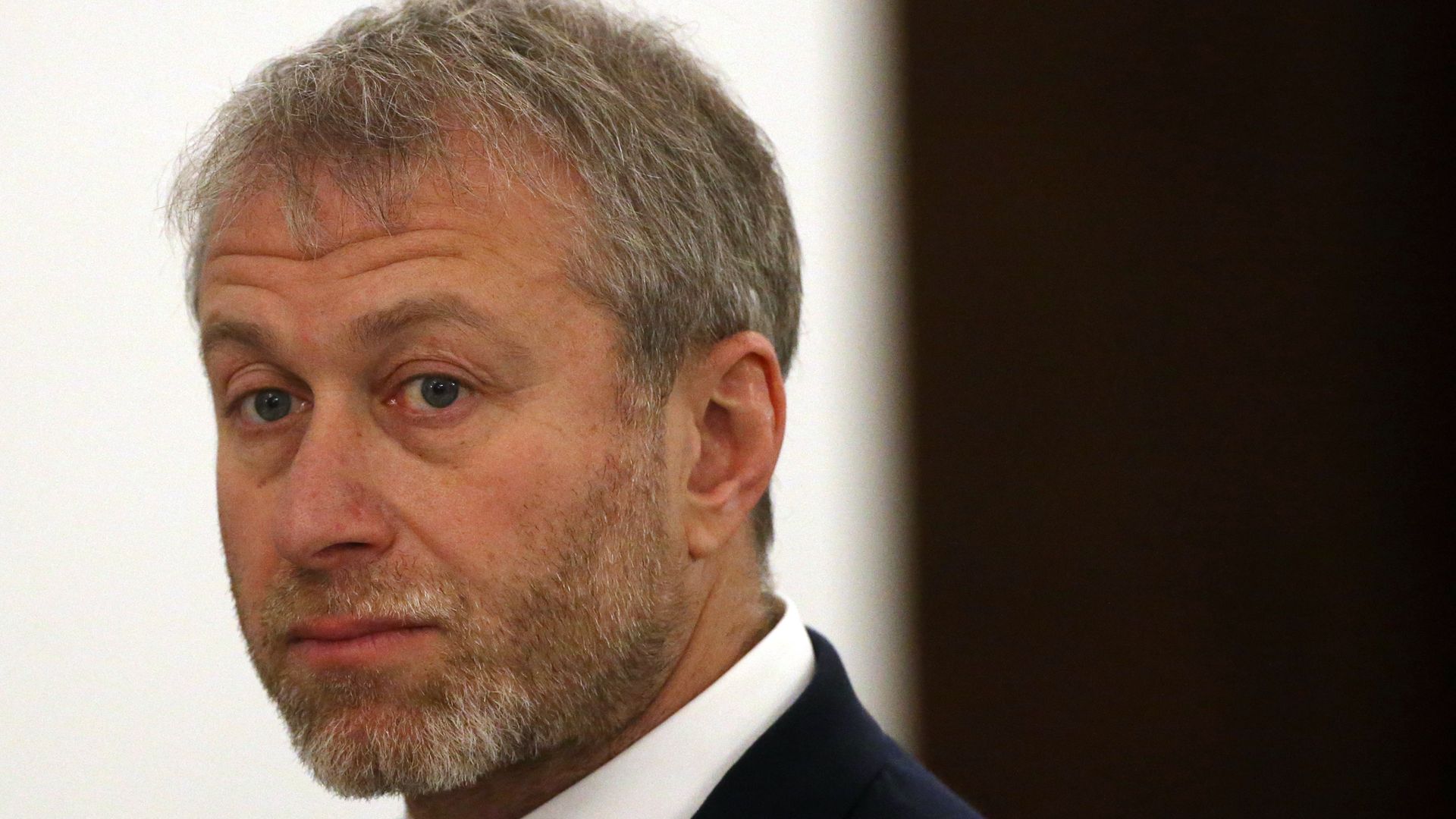
Authorities in the U.K. have yet to renew billionaire Russian oligarch and Chelsea F.C. owner Roman Abramovich's visa after its expiration last month, the Financial Times reports. The visa snafu forced him to miss his team's FA Cup win this weekend.
Why it matters: British officials have pondered cracking down against Russian oligarchs after ex-spy Sergei Skripal was poisoned. Conservative MP Bob Seely told the FT: "Either there is an innocent explanation [for the delay in Mr Abramovich’s visa], or the government is becoming less sympathetic to Russian oligarchs in the UK. Either way, denying visas to oligarchs is potentially important.”