The bottom line: Clapper, who was an intelligence officer in Korea in the 1980s and three decades later served as Barack Obama's presidential envoy on a high-stakes trip to Pyongyang, is deeply familiar with the challenges posed by North Korea. He told me Trump should still aim for direct talks with Kim Jong-un, but should stay quiet on the issue in the meantime.
It's now Kim Jong-un's move in the high-stakes game he and President Trump are playing, and neither side seems to know what the rules are.
Why it matters: The coming days could dictate whether we're headed for renewed dialogue, a nuclear standoff, or something in between. North Korea has just sent the first signal of how it will respond to Trump's decision to cancel the June 12 summit, saying it went against "the world's wishes" and a summit is urgently needed to resolve "grave hostile relations."
Trump had reportedly ordered the White House to release the Kim letter without consulting global allies in order to avoid potential leaks, per the Wall Street Journal, as Trump's leak-ridden communications team has been the subject of scrutiny and headlines in recent weeks.
The big picture: President Trump's decision to cancel the widely anticipated June 12 summit with North Korea Kim Jong-un has triggered backlash and outrage among international leaders who are bracing to see what’s next between Trump and Kim. This was billed as a historic summit but now, the Washington–Pyongyang standoff is prompting both sides to get back to basics.
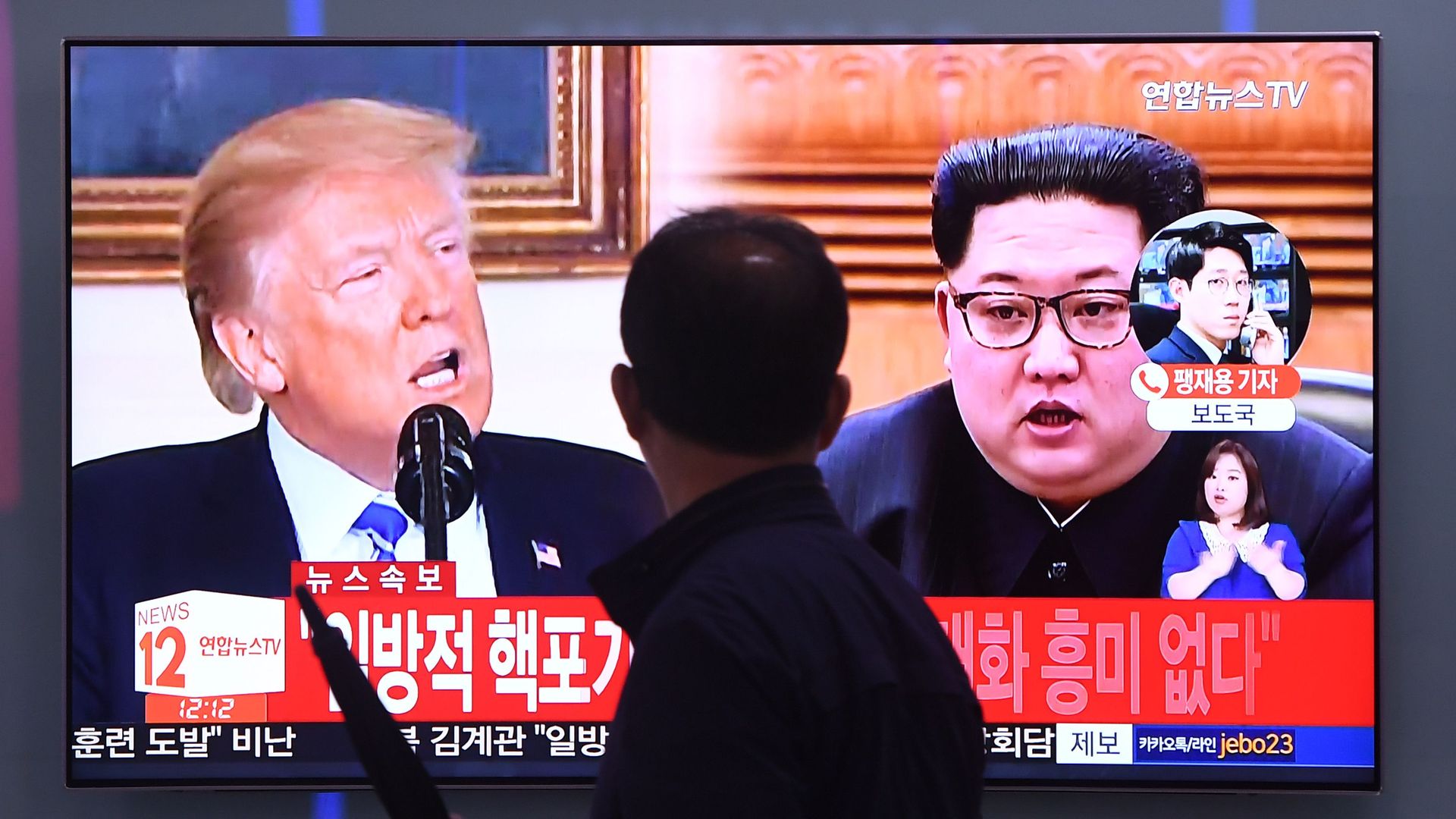
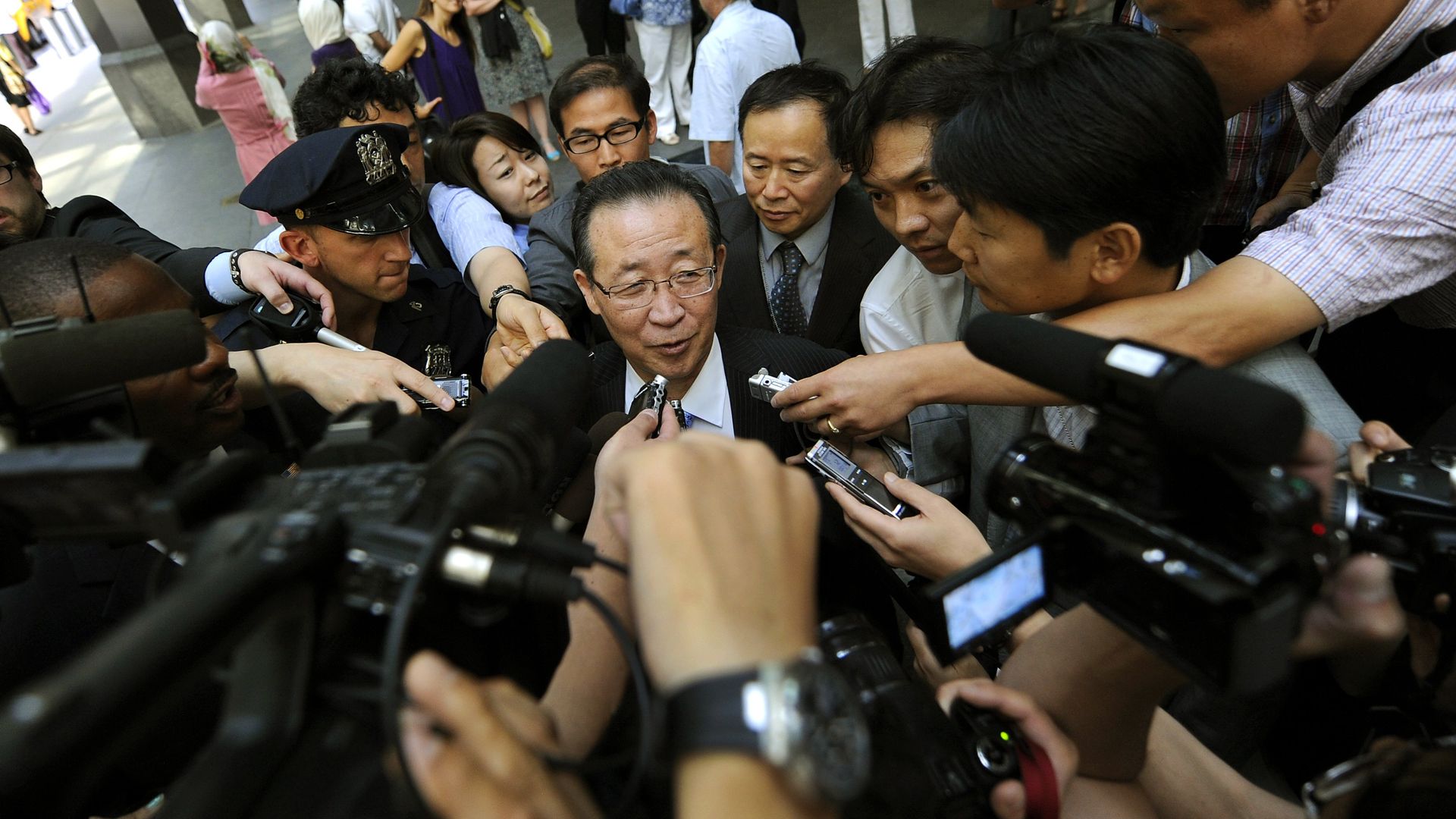
North Korean Vice Foreign Minister Kim Gye Gwan responded to President Trump's cancellation of the U.S.-North Korea summit on Thursday, saying the regime is ready to meet "at any time," the Washington Post reports. He said the summit is essential to dealing with "grave hostilities" between the two countries.
“Leader Kim Jong Un had focused every effort on his meeting with President Trump."
President Trump hasn’t shut the door on the possibility that a North Korea summit could still happen — but for now, he’s warning North Korea not to try anything.
Behind the scenes: A White House official told Axios’ Jonathan Swan: “They literally threatened nuclear war. …[N]o summit will work under these circumstances, when they’re literally threatening our people.”
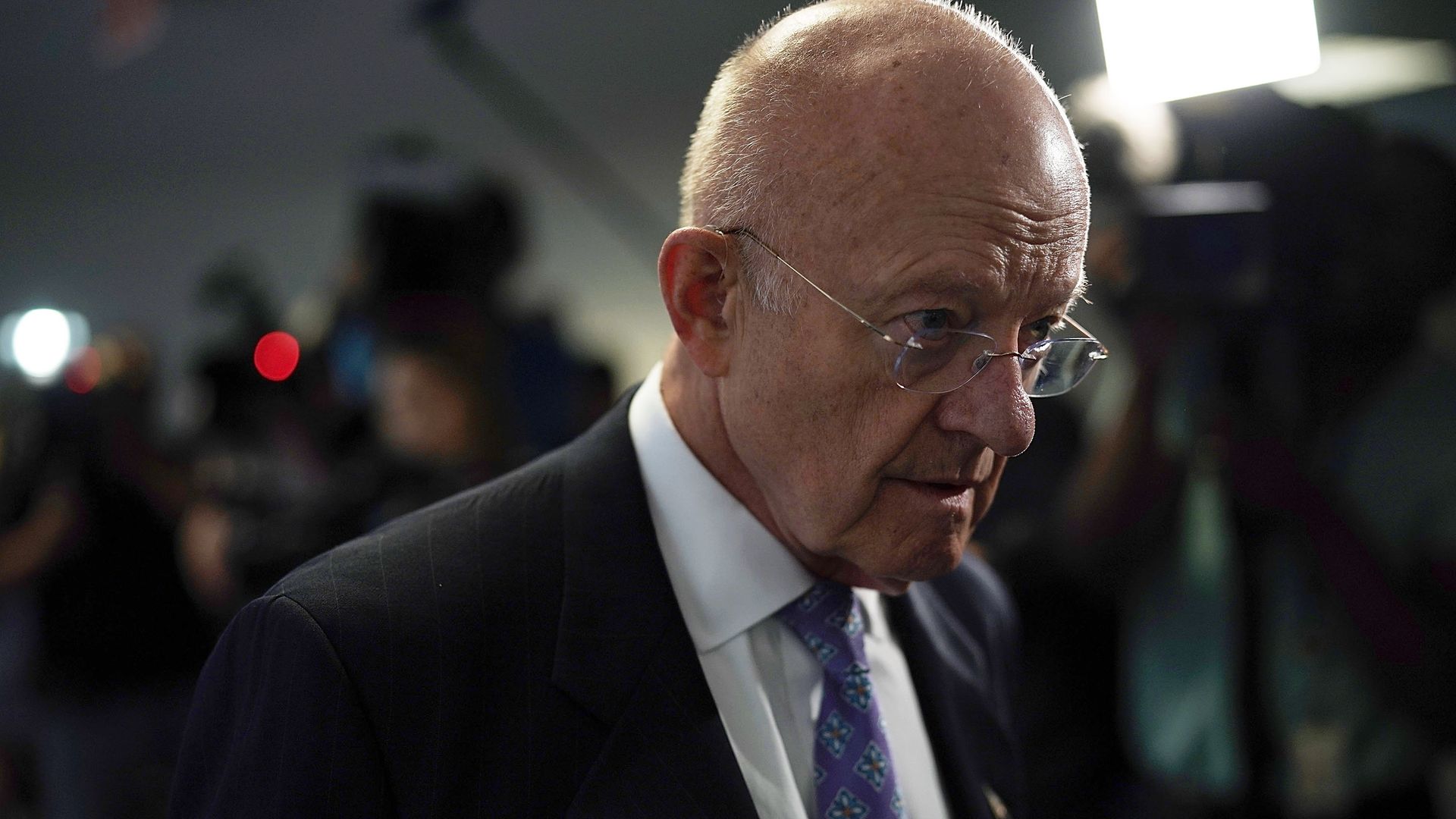
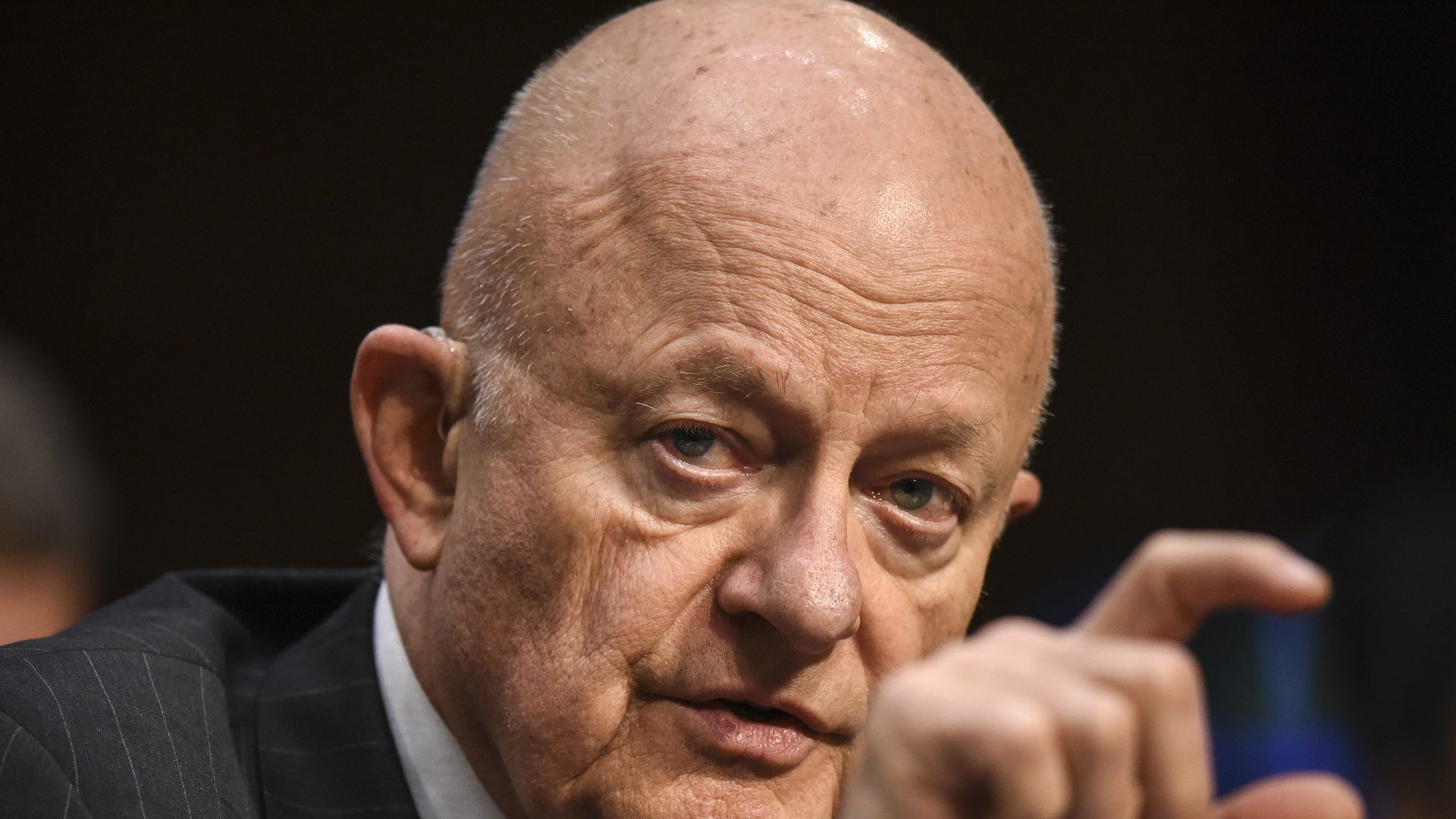
Former Director of National Intelligence James Clapper is promoting his new book, "Facts and Fears," this week, and his media appearances have caught the president's attention. I asked Clapper about Trump's latest tweet, claiming Clapper had "admitted that there was Spying in my campaign."
"He deliberately spun it, distorted it. I mean this is George Orwell — up is down, black is white, peace is war. That's exactly what I didn't say. I took aversion to the word spy, it was the most benign version of information gathering. The important thing is the whole reason the FBI was doing this was concern over what the Russians were doing to infiltrate the campaign, not spying on the campaign. Of course, he turned that completely upside-down in his tweet, as he is wont to do."
Distraught as much of the international community was over President Trump's withdrawal from the Iran nuclear deal, Latin American leaders may have seen it coming earlier than many. Since the campaign trail, Trump has set a new, highly disruptive tone for U.S. relations with the region.
Why it matters: With a few notable exceptions, Latin America sees itself as supporting the principles of the liberal international order, particularly cooperation on nuclear arms control. The U.S. withdrawal from the Iran deal will make it much harder for the region's leaders to sell their publics on the idea that the U.S. lives up to its commitments.
The cancellation of the widely anticipated Trump–Kim summit in Singapore represents the latest turn in a period of dramatic zig-zag diplomacy: Just a few months ago, the President was calling Kim "Little Rocket Man" and threatening to destroy his country, while Kim was testing missiles and talking about nuclear attacks.
The big picture: The future of North Korea policy is likely to look much like the past, and the recent spate of high-level engagement merely an aberration in the Washington–Pyongyang standoff.
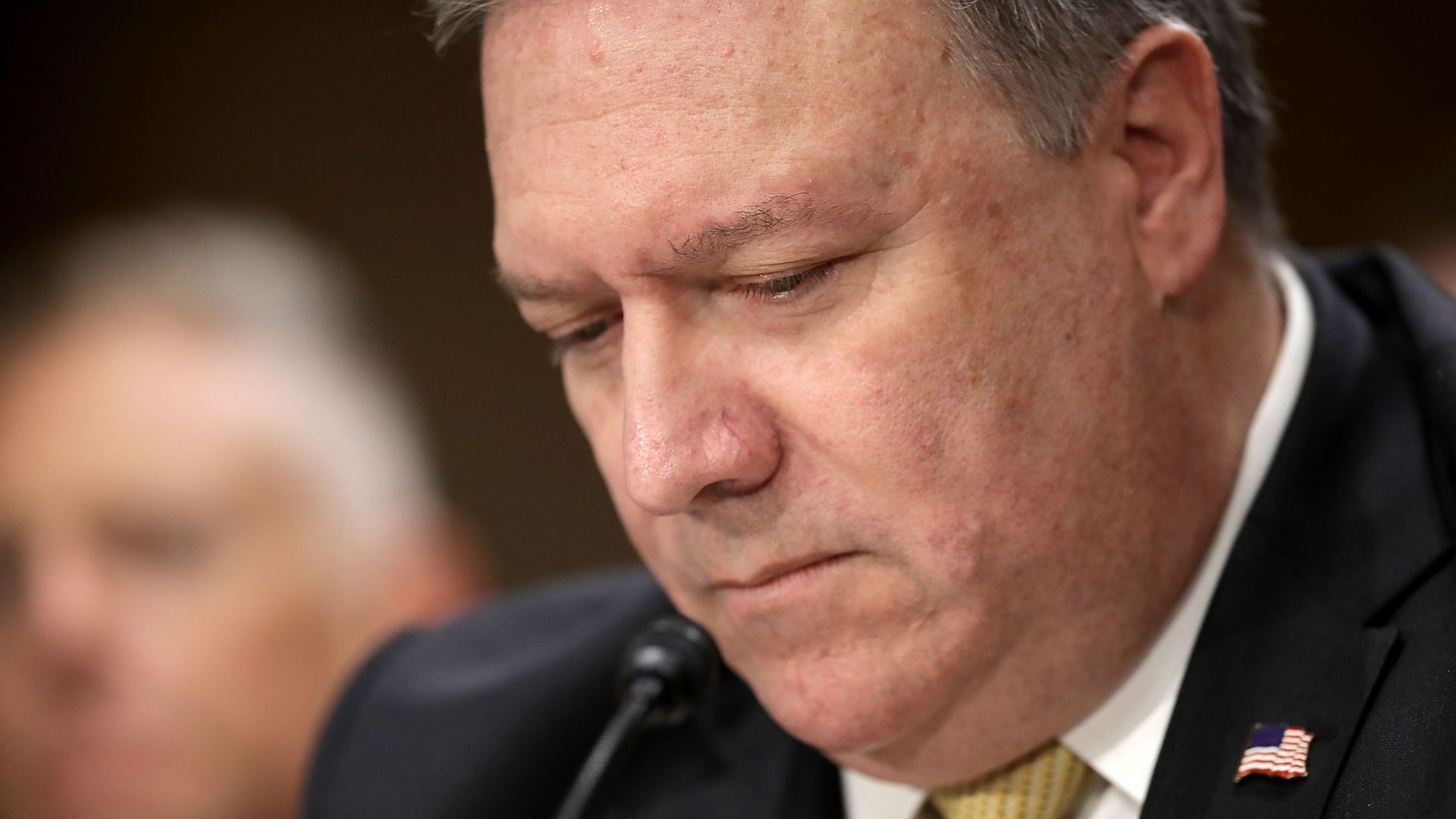
Secretary of State Mike Pompeo told the Senate Foreign Relations Committee that President Trump canceled the North Korea summit in part because North Korea wasn’t responding to inquiries about planning the details of the summit, and that he helped draft Trump's letter canceling the summit.
What Pompeo said: “Over the past many days, we have endeavored to do what Chairman Kim and I had agreed, which was to put teams, preparation teams together to begin to work to prepare for the summit and we have received no response to our inquiries from them.” He also raised the possibility of new sanctions against Pyongyang.
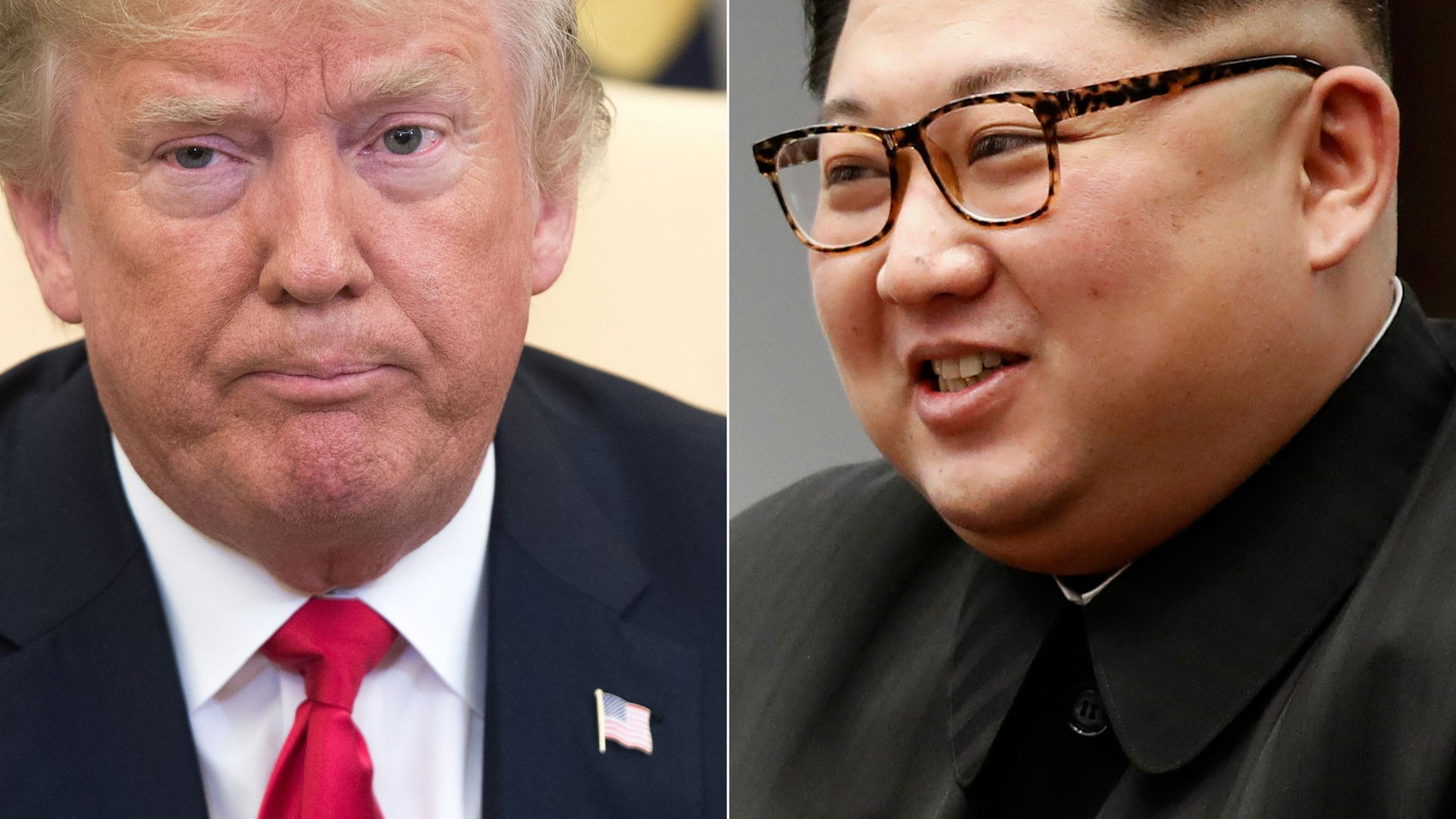
President Trump's cancellation of the June 12 nuclear summit with Kim Jong-un is unlikely to be the last word. Trump and Kim are engaged in a high-stakes game of chicken, with each convinced the other wants and needs the summit more. The cancellation is Trump’s response to Kim's taking denuclearization off the table. The ball is now back in Kim’s court.
Why it matters: Both leaders still likely want this meeting to happen. For Kim, the meeting itself is the message, granting him the legitimacy his father and grandfather sought but never secured. Meanwhile, Trump has so hyped his ability to succeed where his predecessors fell short that declaring preemptive failure would be a huge embarrassment.
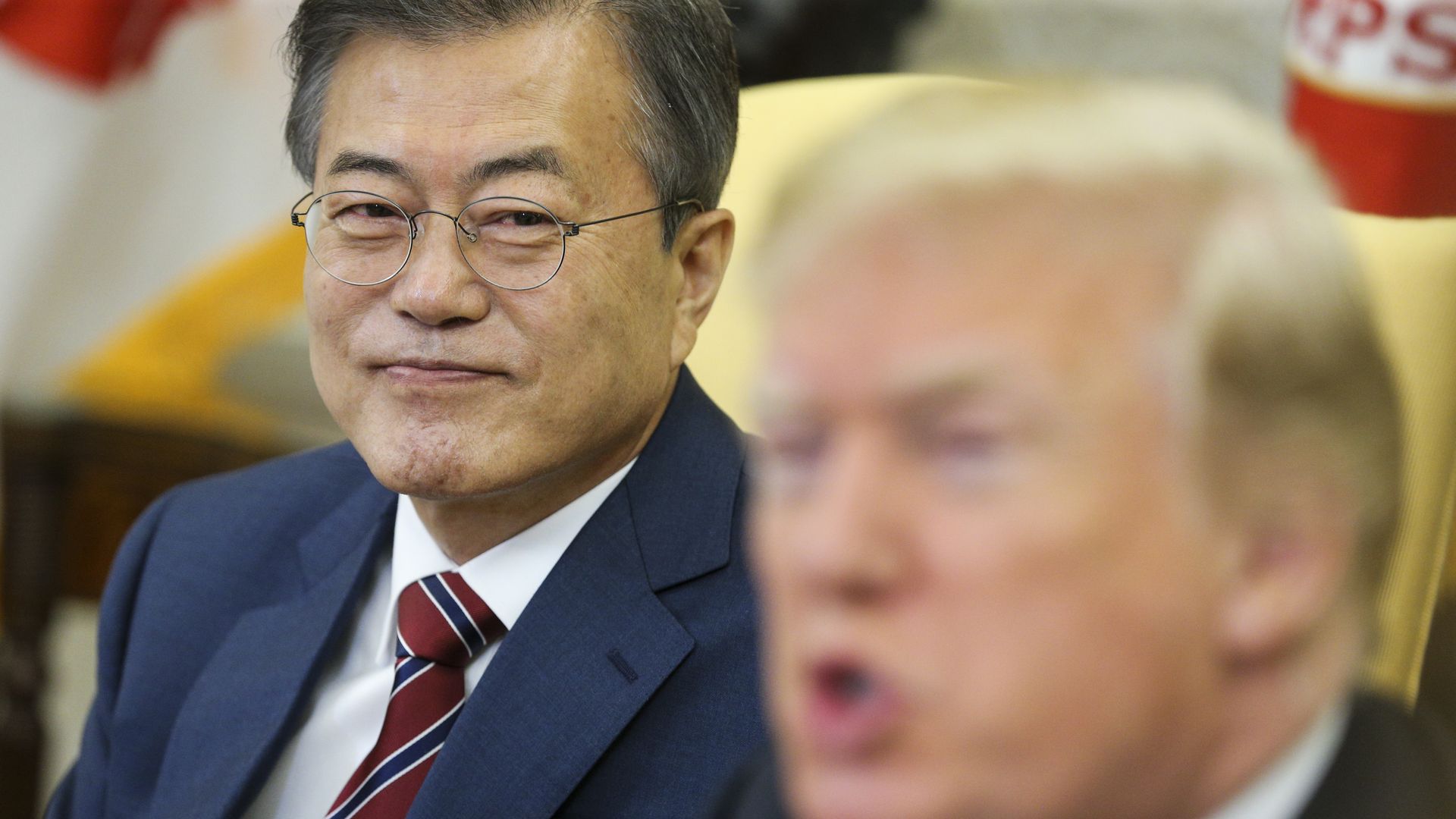
South Korean officials were blindsided by President Trump’s Thursday morning announcement that he was canceling the June summit with Kim Jong-un, per the AP. President Moon Jae-in said, "I am very perplexed and it is very regrettable" that the summit won't go ahead as planned.
What’s happening: At a late-night emergency meeting called to respond to Trump's announcement, Moon urged Trump to hold direct talks with Kim to resolve the standoff, per Yonhap. Moon only returned to South Korea yesterday after meeting with Trump at the White House to discuss the summit. He is now in a difficult position, as South Korea had planned to resume peace talks with the North.
President Trump’s abrupt decision to call off the scheduled June 12 summit with Kim Jung-un does not change the fundamental dynamics between the U.S. and North Korea: There was no way the summit could have succeeded so long as the Trump administration defined success as a North Korean agreement to total denuclearization.
Better that the summit was postponed than to have ended up in dramatic failure, which would have led some to conclude (incorrectly) that diplomacy had been tried and failed, leaving a dangerous and costly war as the only U.S. alternative.
Yes, but: The cancellation does highlight the lack of a viable U.S. strategy. Given the regime's resilience, allied with Chinese and Russian assistance, sanctions and war threats will not bring North Korea to its knees. Worse yet, there is the risk that North Korea could now increase the quality or quantity of its arms.
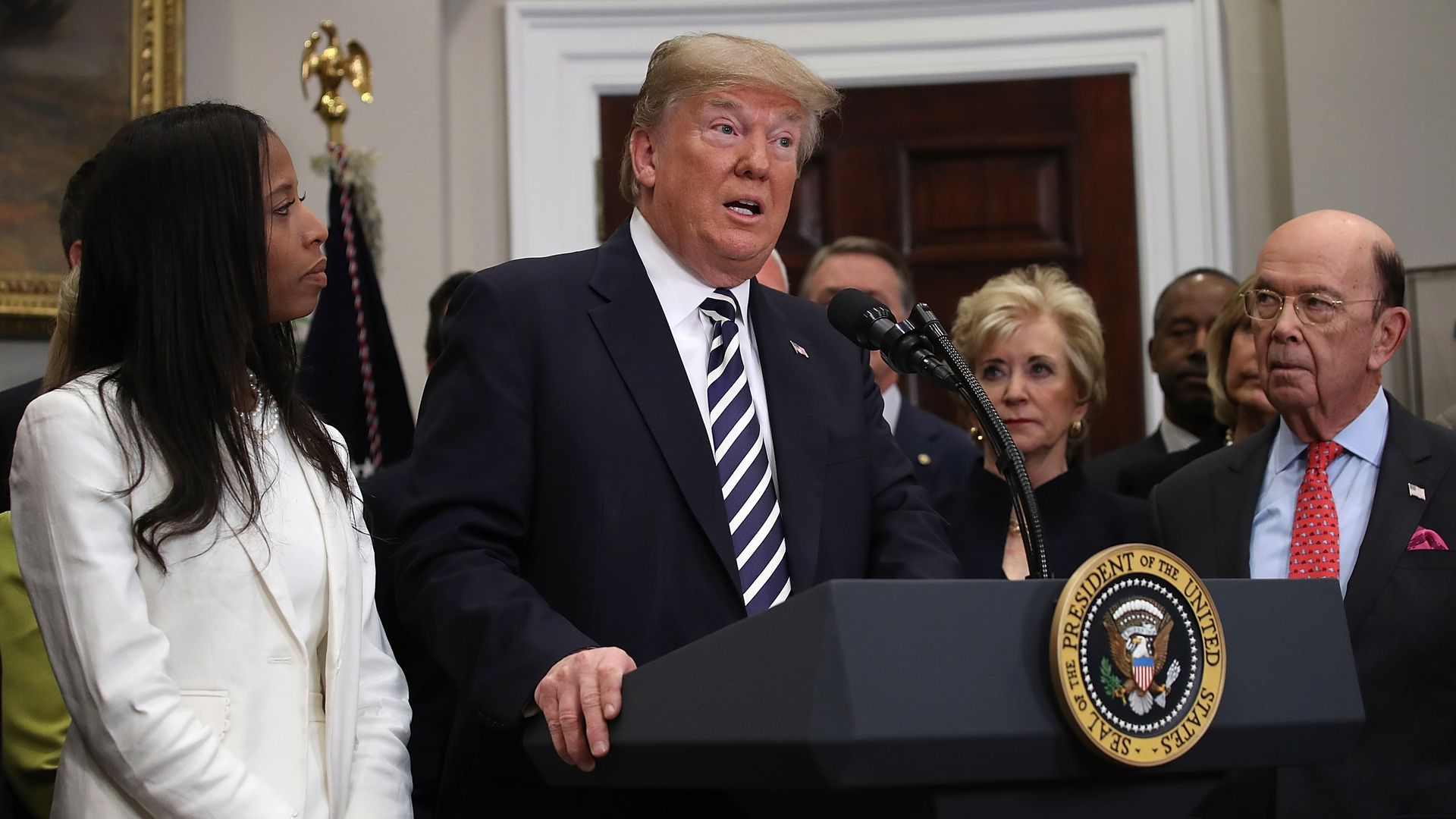
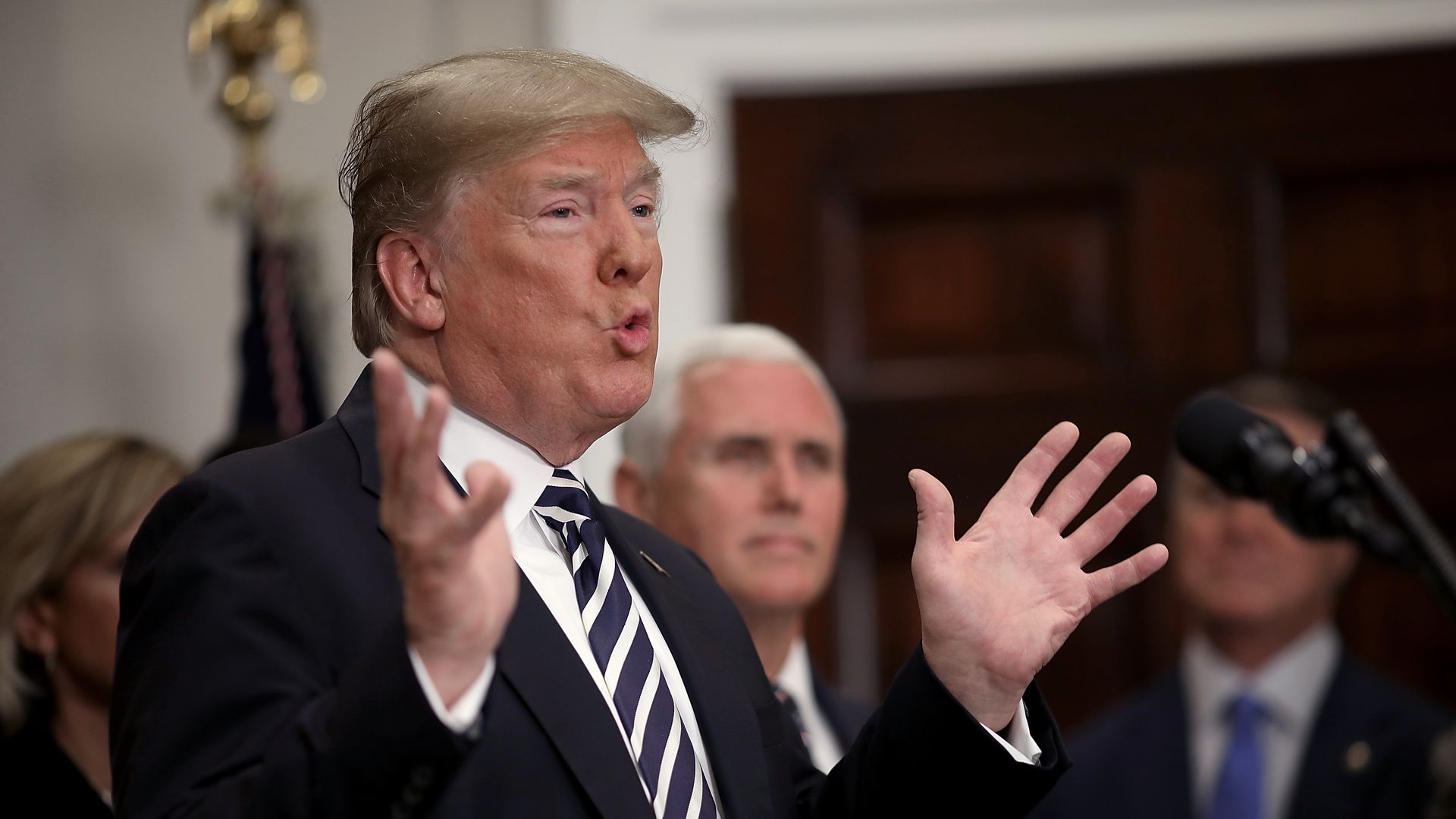
President Trump spoke at the White House today about his decision to cancel next month's planned summit with North Korean leader Kim Jong-un, saying that he had spoken to Defense Secretary Jim Mattis and the joint chiefs of staff who assured him that the U.S. military "is ready if necessary."
Yes, but: Trump didn't close the door entirely on meeting with Kim: "It’s possible that the existing summit could take place or a summit at some later date. Nobody should be anxious. We have to get it right."
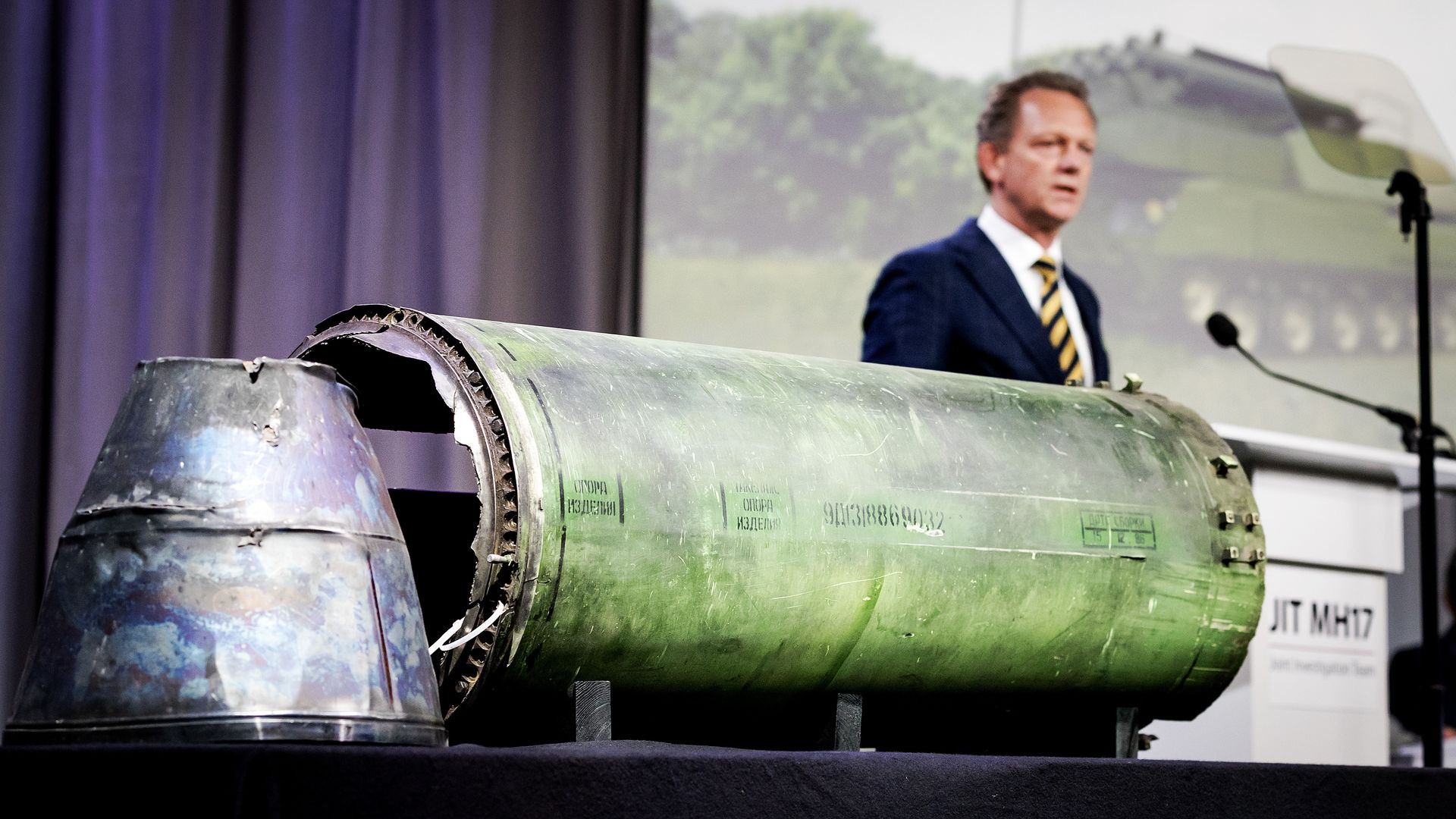
The missile that took down Malaysia Airlines Flight 17, which killed 298 people in 2014 was launched from Russia's 53rd anti-aircraft missile brigade from a farm near Pervomaisk, Ukraine, investigators announced Thursday.
Why it matters: This is the most specific information investigators have released to date on Russia's involvement in the incident, and it "raises questions such as to whether the brigade was actively involved in downing MH17," head prosecutor Fred Westerbeke said at the news conference, per CNN.
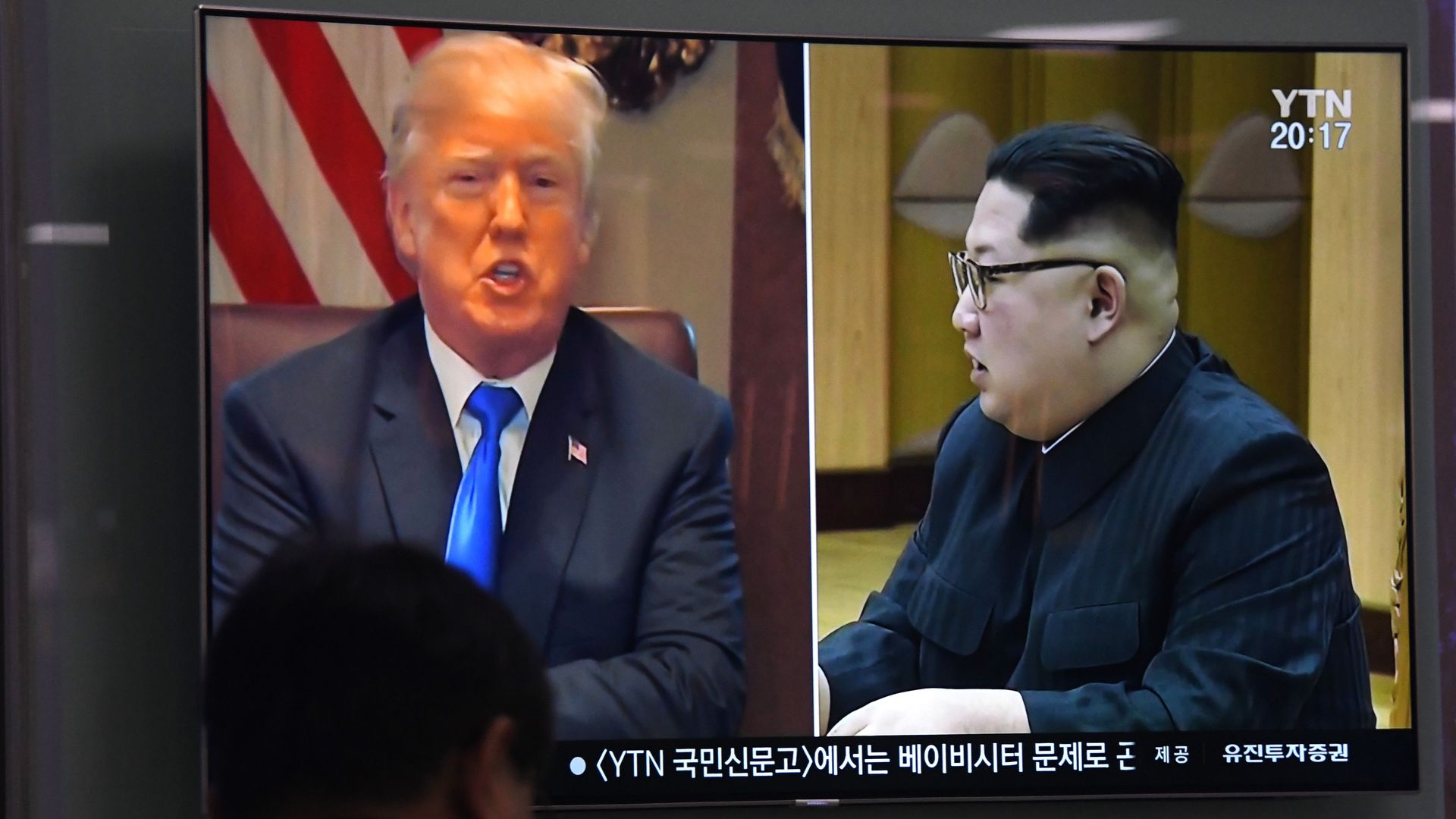
President Trump announced the cancellation of his scheduled June 12 summit with North Korean leader Kim Jong-un in a letter released this morning by the White House.
Between the lines: This had been billed as an unprecedented and historic summit, and a chance for a long-sought breakthrough with North Korea. Kim Jong-un had threatened to cancel it, and now President Trump has done it. He's saying he's open to meeting in future, but only on his terms. Markets fell sharply on the news, and tensions with Pyongyang are likely to ratchet up — and quickly.
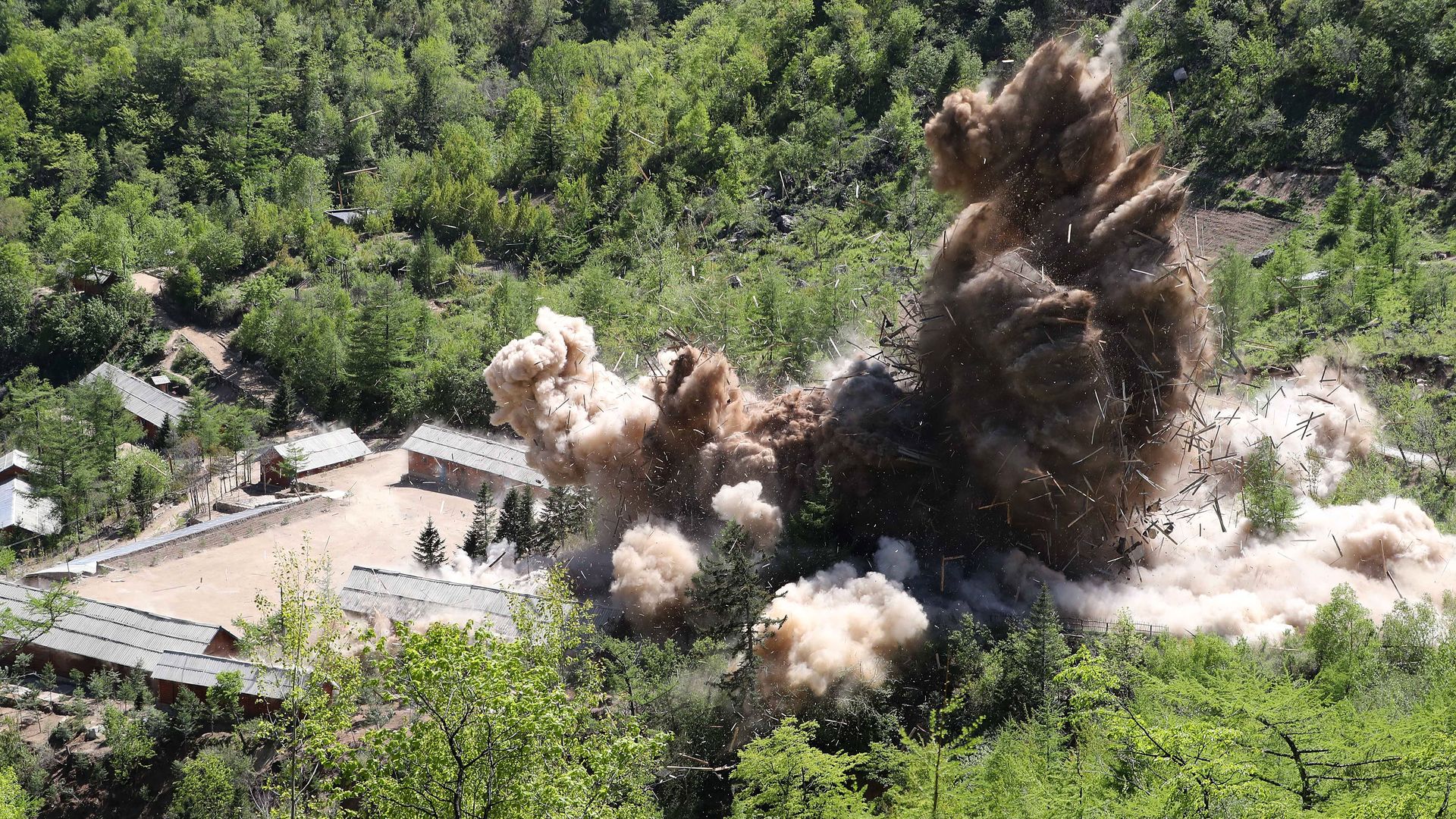
North Korea demolished its nuclear test site using a series of explosions as international journalists looked on ahead of North Korean leader Kim Jong-un's scheduled meeting with President Trump next month, AP reports.
But, but, but: International nuclear weapons inspectors weren't on hand for today's event, which leaves open the possibility that the move is reversible and doesn't signal a definite move toward North Korean denuclearization. It also shows North Korea signaling it is distancing itself from potential future verification, which is where conversations on denuclearization have fallen apart before.
A top North Korean official called Vice President Mike Pence a "political dummy" and threatened to call off the upcoming summit between President Trump and North Korean leader Kim Jong-un, reports the Wall Street Journal.
The big picture: Tensions between North Korea and the United States have risen following Korean officials announcing the country refuses to meet the United States’ demand of denuclearization. In an interview with Fox News earlier this week, Pence reiterated the administration’s stance on denuclearization for North Korea.


/2018/05/24/1527196484749.gif?w=3840)