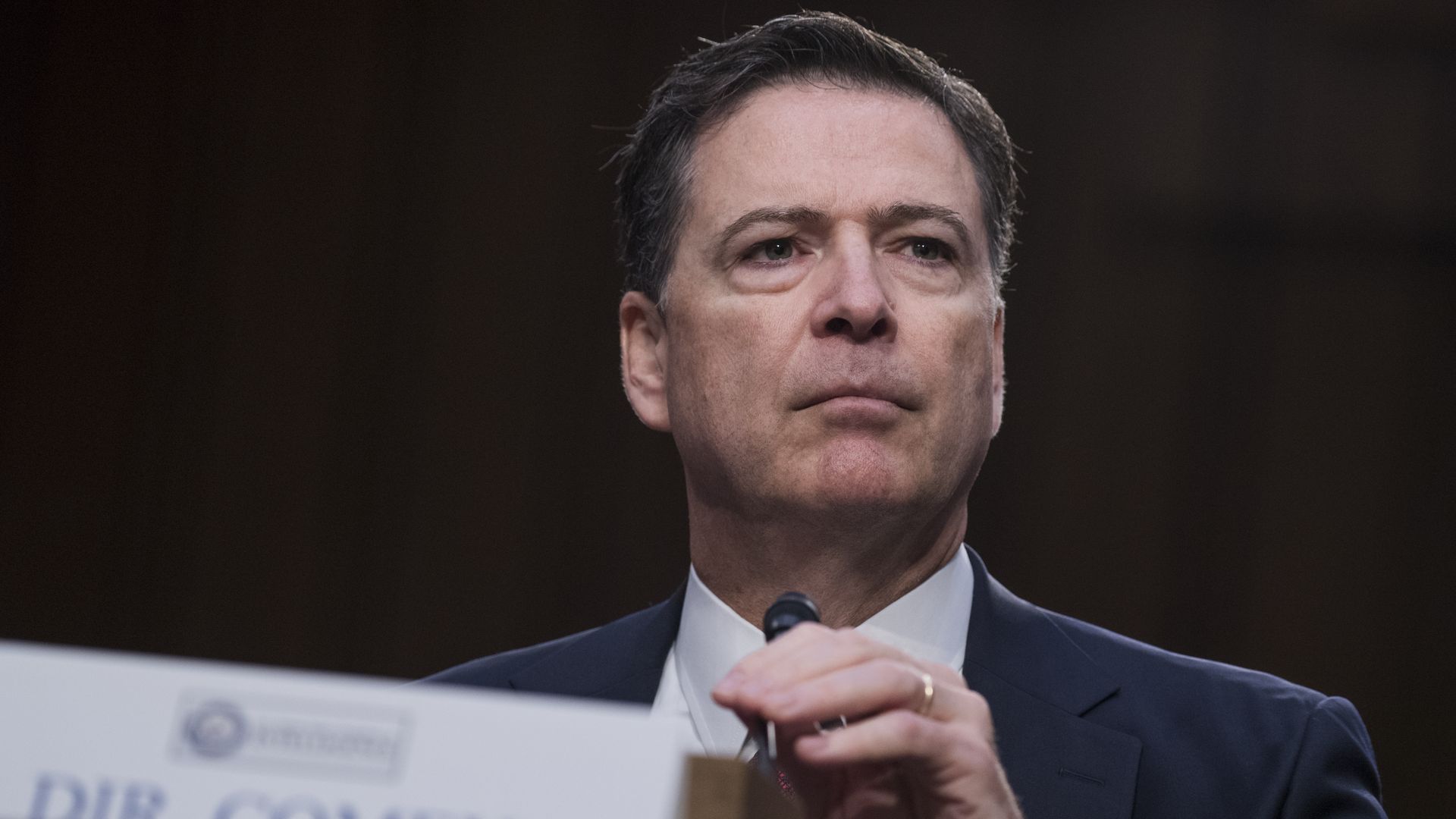
FBI agent Peter Strzok helped pen the first draft of the infamous Comey letter that reopened the investigation into Hillary Clinton's emails just 11 days before the 2016 election, according to emails obtained by CNN.
Why it matters: Strzok is currently at the center of a DOJ investigation into text messages exchanged between him and FBI lawyer Lisa Page, which several Republicans claim show bias for Hillary Clinton and against President Trump. But the release of the emails suggest he may have been more aggressive in his treatment of Hillary Clinton than previously thought.
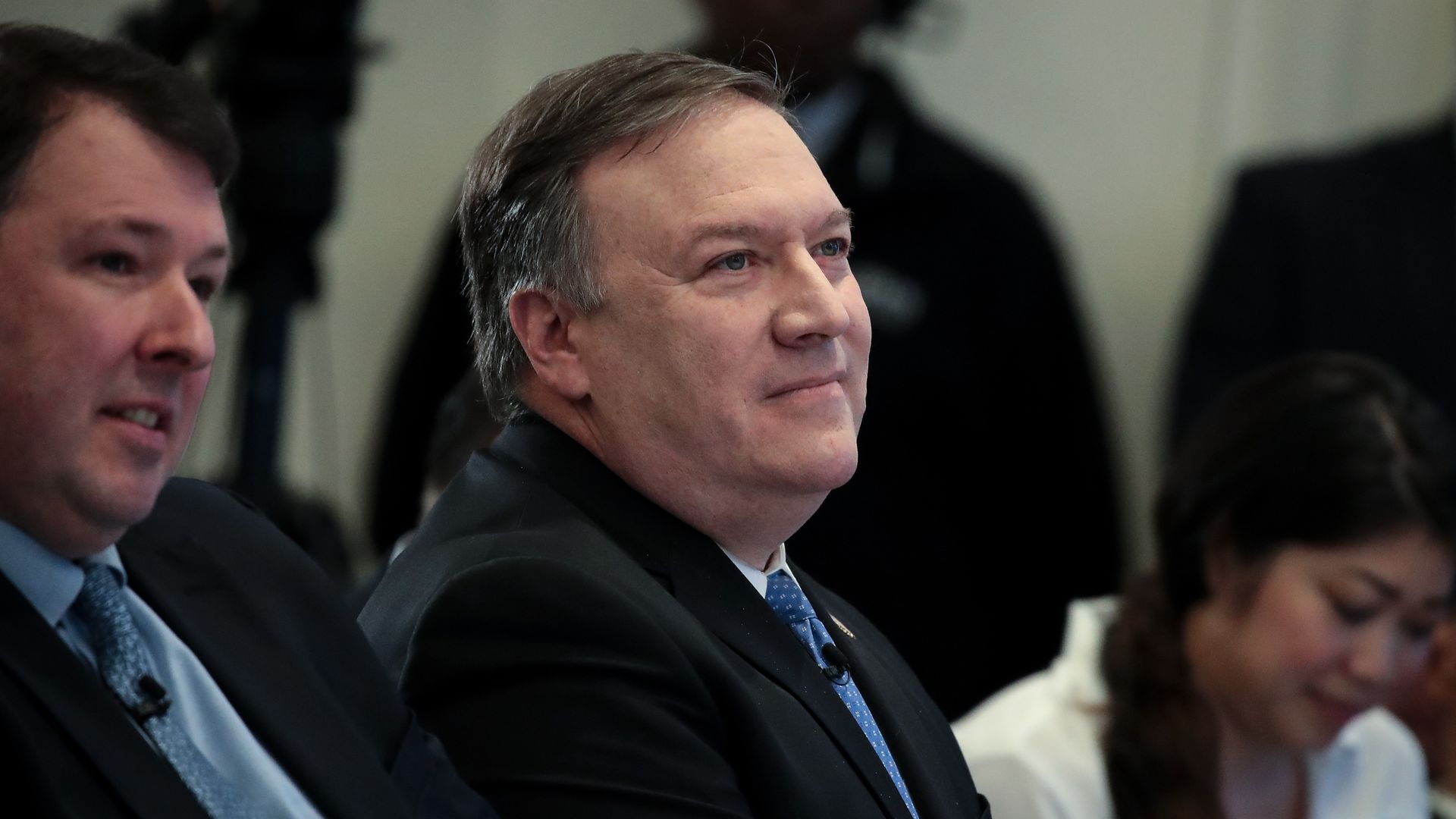
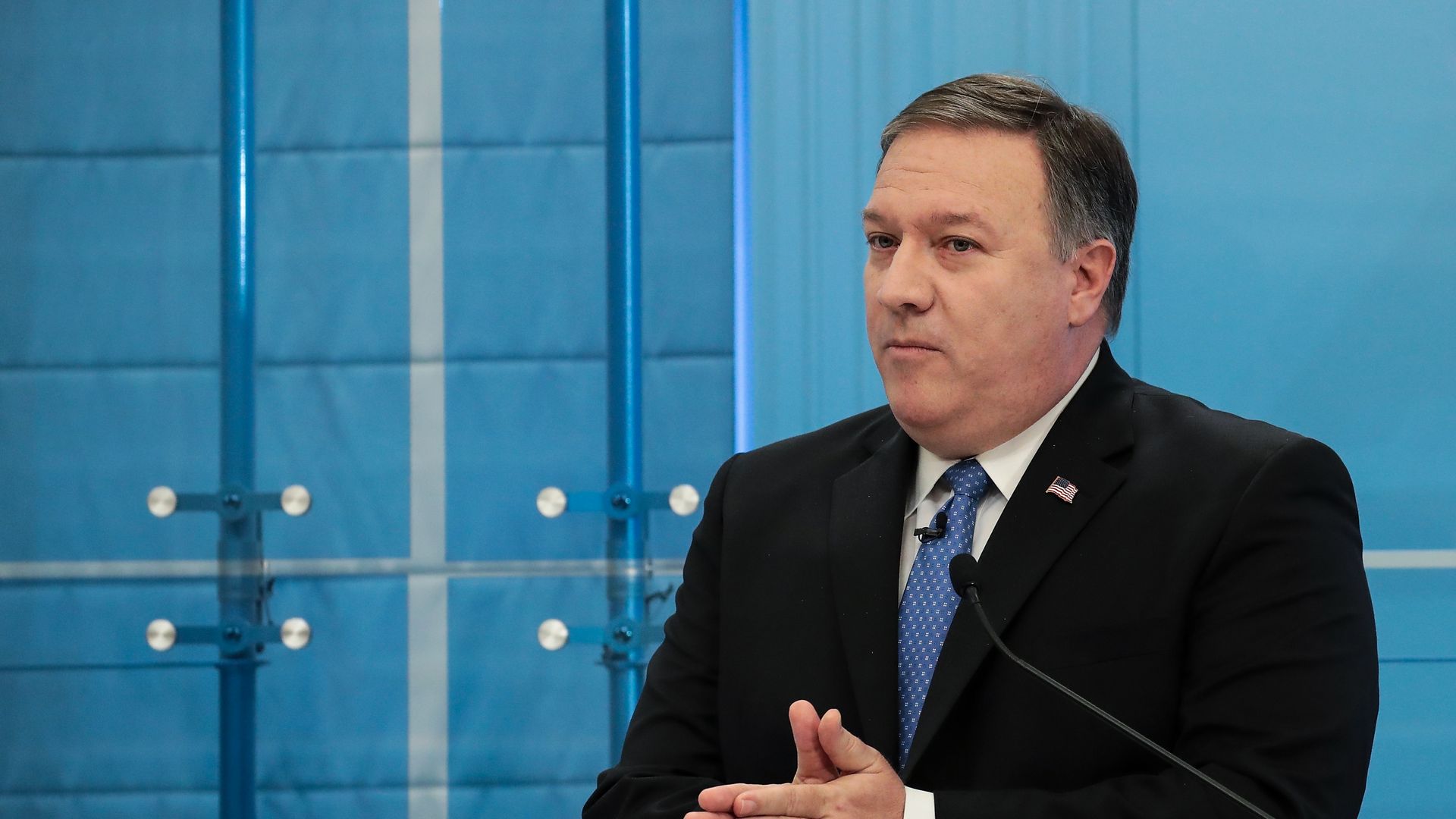
CIA Director Mike Pompeo met with two high-level Russian spy chiefs in Washington last week to discuss counterterrorism issues, according to The Washington Post. Pompeo met with the heads of the SVR, Russia's foreign intelligence service, and the FSB, the successor to the Soviet Union's KGB.
Why it matters: While meetings between top-level American and Russian spies aren't a new occurrence, intelligence officials told WaPo that it was unusual for a group of high-level Russians to visit a top American intelligence official on U.S. soil. Some U.S. intelligence officials said they're worried the encounter could leave Moscow with the sense that Trump administration officials are willing to move past Russian interference in the 2016 presidential election.
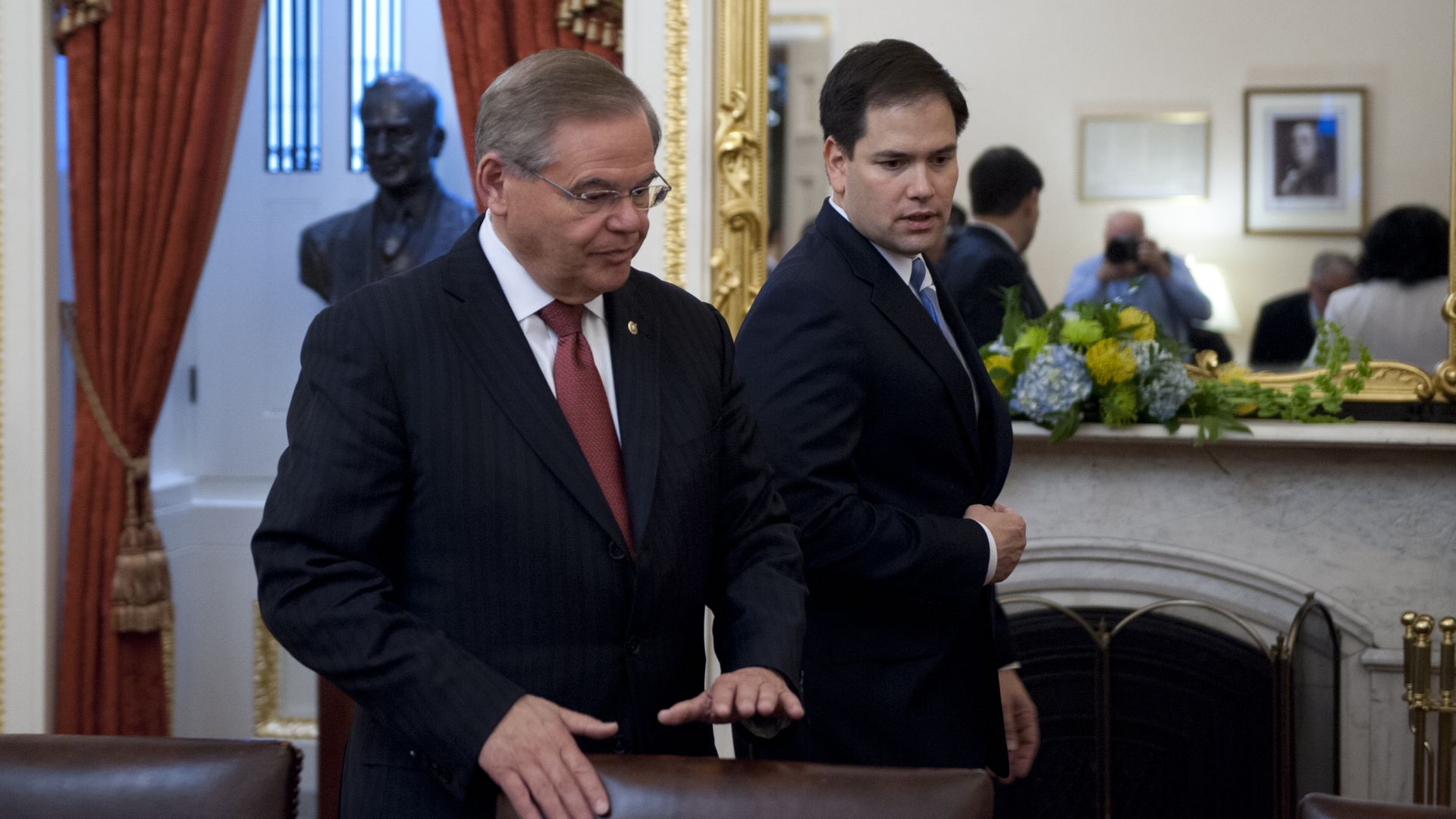
Sens. Marco Rubio (R-FL) and Bob Menendez (D-NJ) urged Secretary of State Rex Tillerson to raise the issue of potential Russian interference in upcoming Latin American elections — including July's presidential election in Mexico — during a trip to the region this week, per CBS News. The bipartisan legislators want to encourage Western Hemisphere allies to count on funding assistance from the United States to bolster the security of their democratic processes.
Why it matters: The senators argue that electoral systems in developing countries are less advanced than those here in the U.S., leaving them more vulnerable to foreign hacking and manipulation by hostile actors.
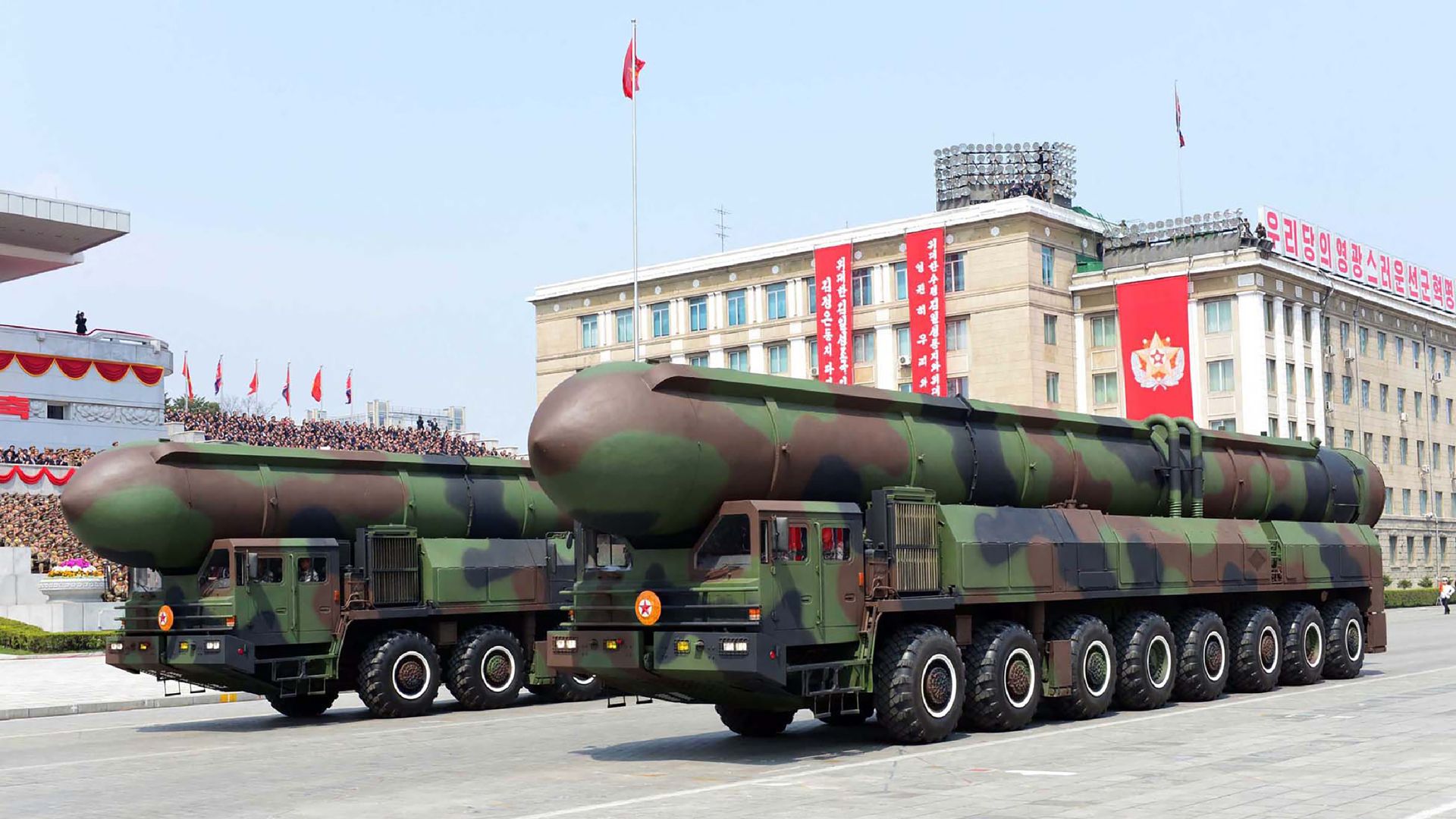
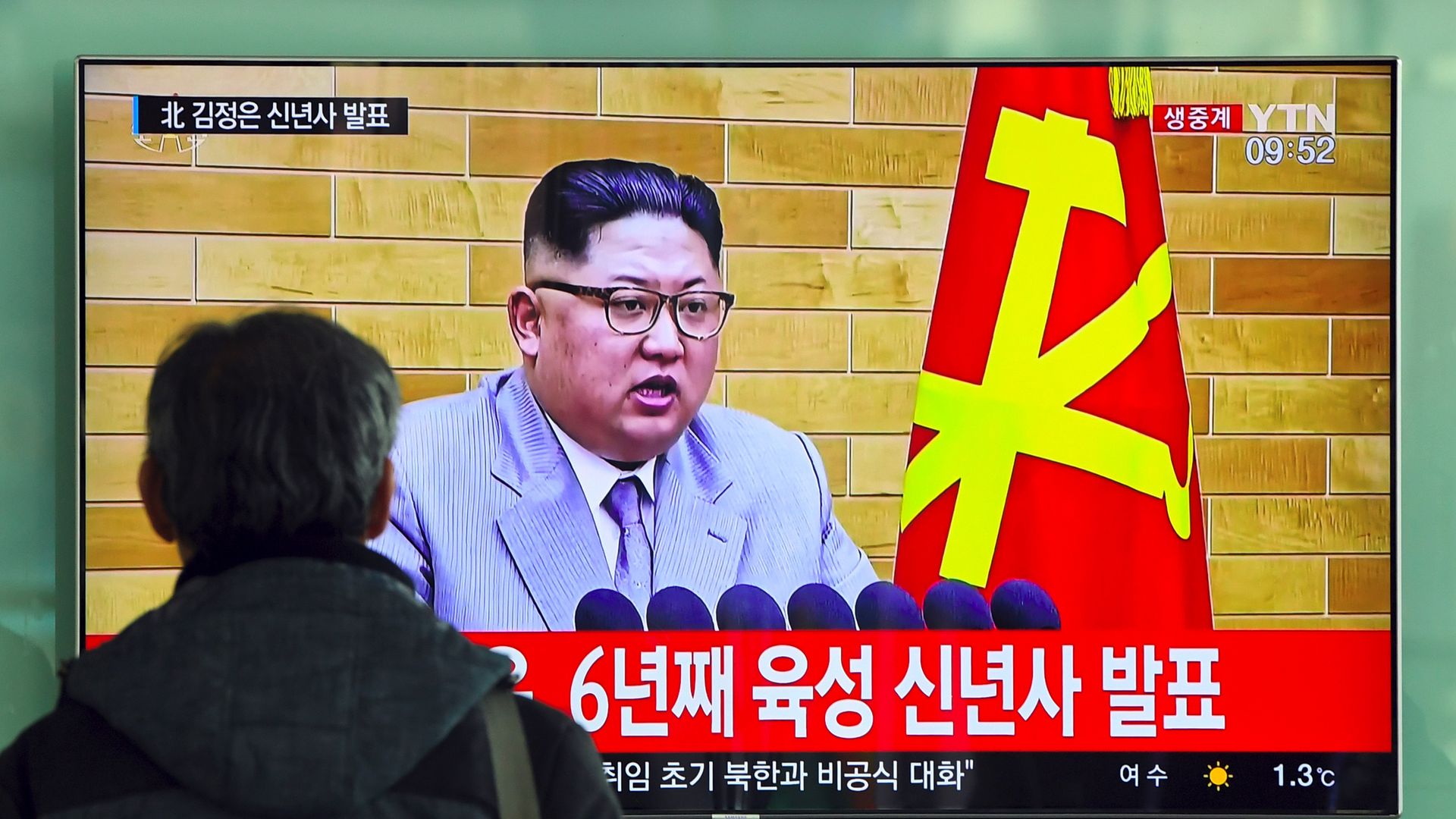
North Korea has plans to parade dozens of long-range missiles during a parade on the day before the Olympics is set to start, CNN’s Will Ripley and Joshua Berlinger report, citing diplomatic sources.
Context: The parade is on February 8th, North Korea's military anniversary.
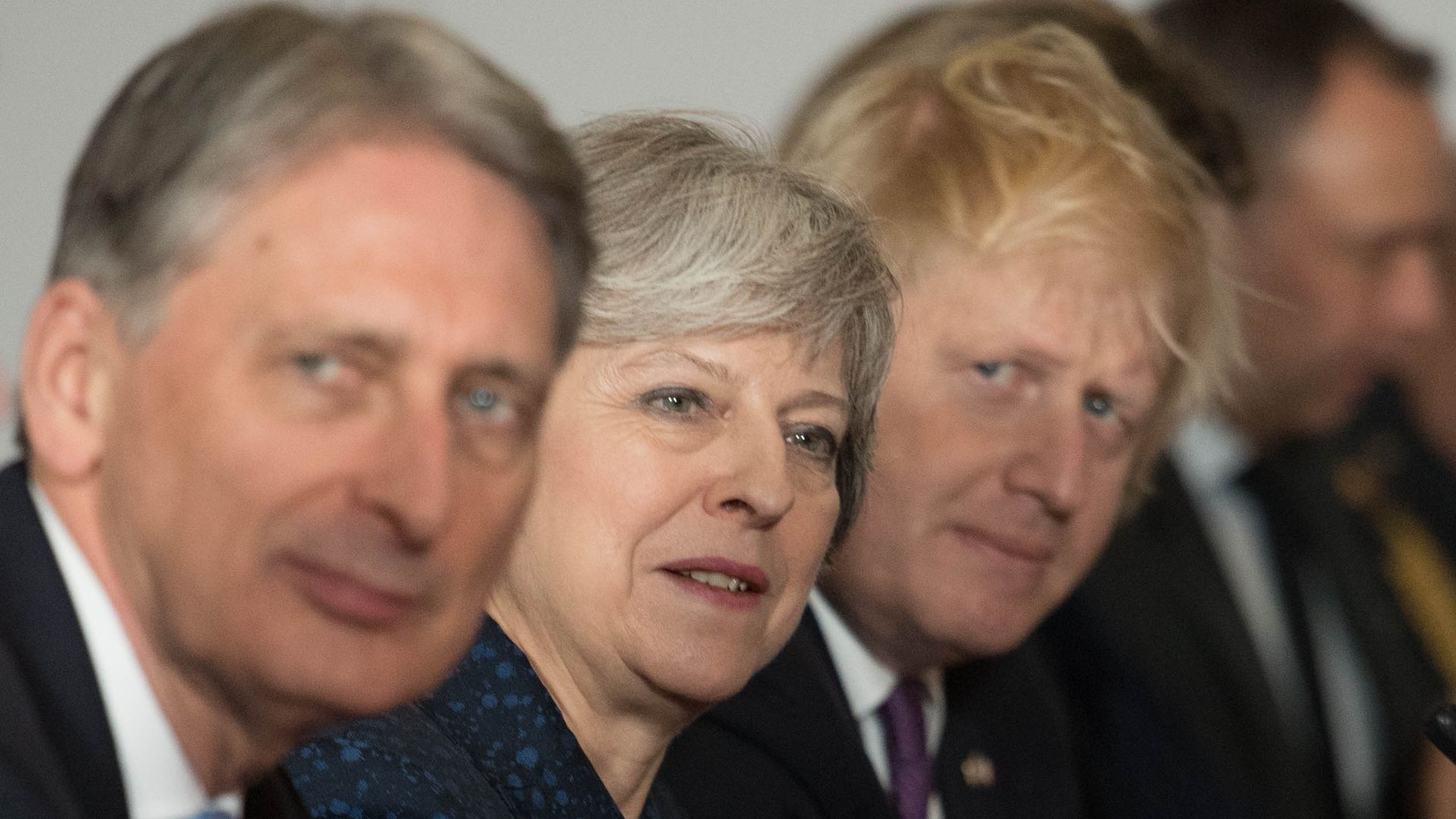
Newsstands in the U.K. are once again filled with headlines casting doubt on Theresa May's ability to stay on as prime minister. In large font on the front of today's Times of London: "May Faces Growing Calls to Quit." Today's Telegraph featured letters from readers striking a similar theme: it's time for May to step aside.
The latest: An internal U.K. government analysis leaked to BuzzFeed News anticipates a substantial economic hit for nearly all industries under each modeled Brexit scenario. That gives political ammunition to members of May's Conservative Party who hope for a "soft" Brexit. But May has been under fire in recent weeks from pro-Brexit Conservatives who believe her approach is already too soft.
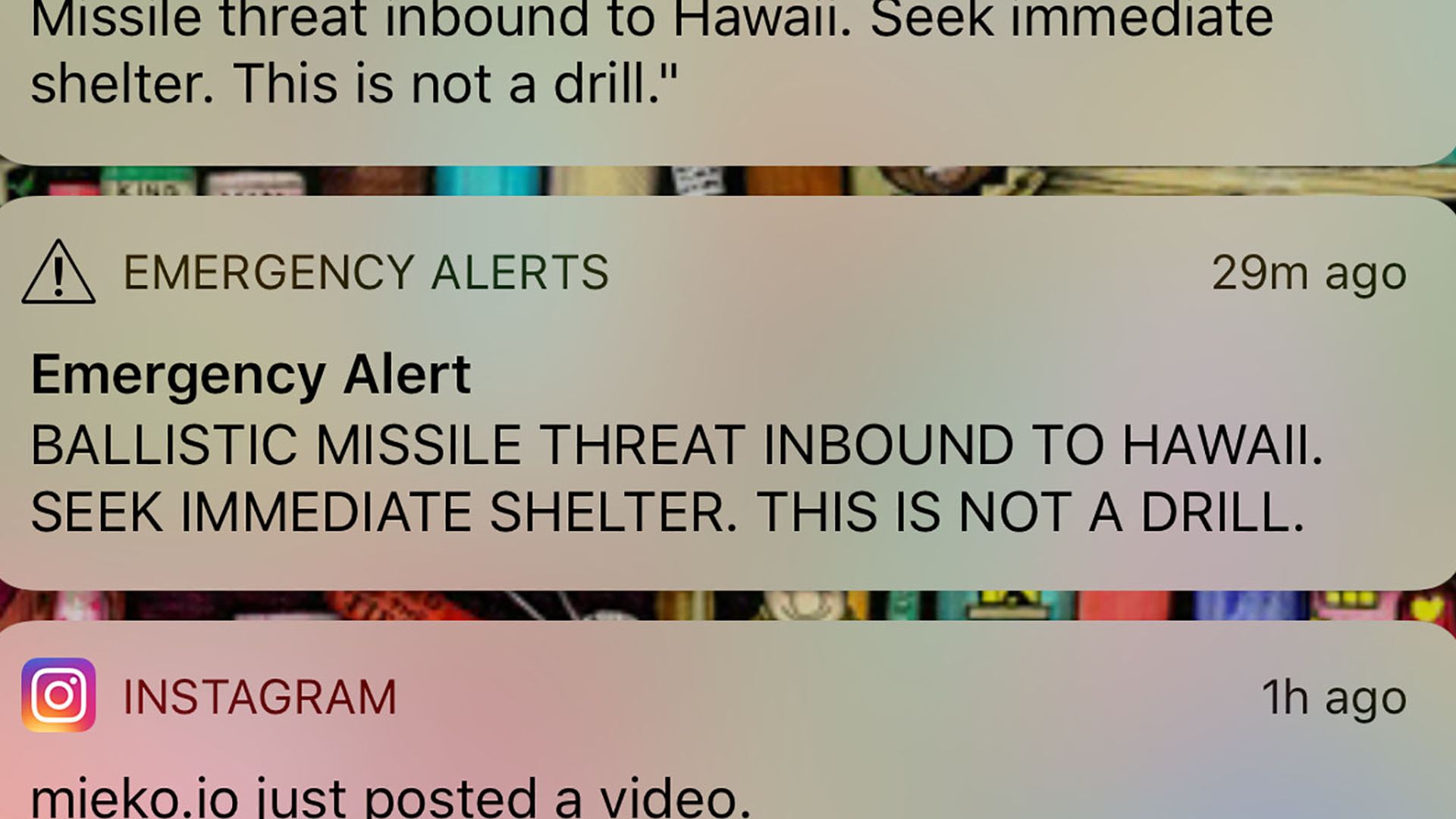
The false missile alert set off in Hawaii earlier this month has led to the resignation of emergency management administrator Vern Miyagi and the firing of the employee who sent the warning, according to the AP.
The moves come after the Federal Communications Commission said Tuesday that the employee who sent the alert claimed to have believed the threat was real. A recording that was played as part of a drill during a shift changeover accidentally included the words, "this is not a drill," according to the regulator.
The Trump administration's announcement yesterday that it won't be imposing new Russia sanctions has provoked considerable criticism, but many on Capitol Hill believe that reaction is overblown.
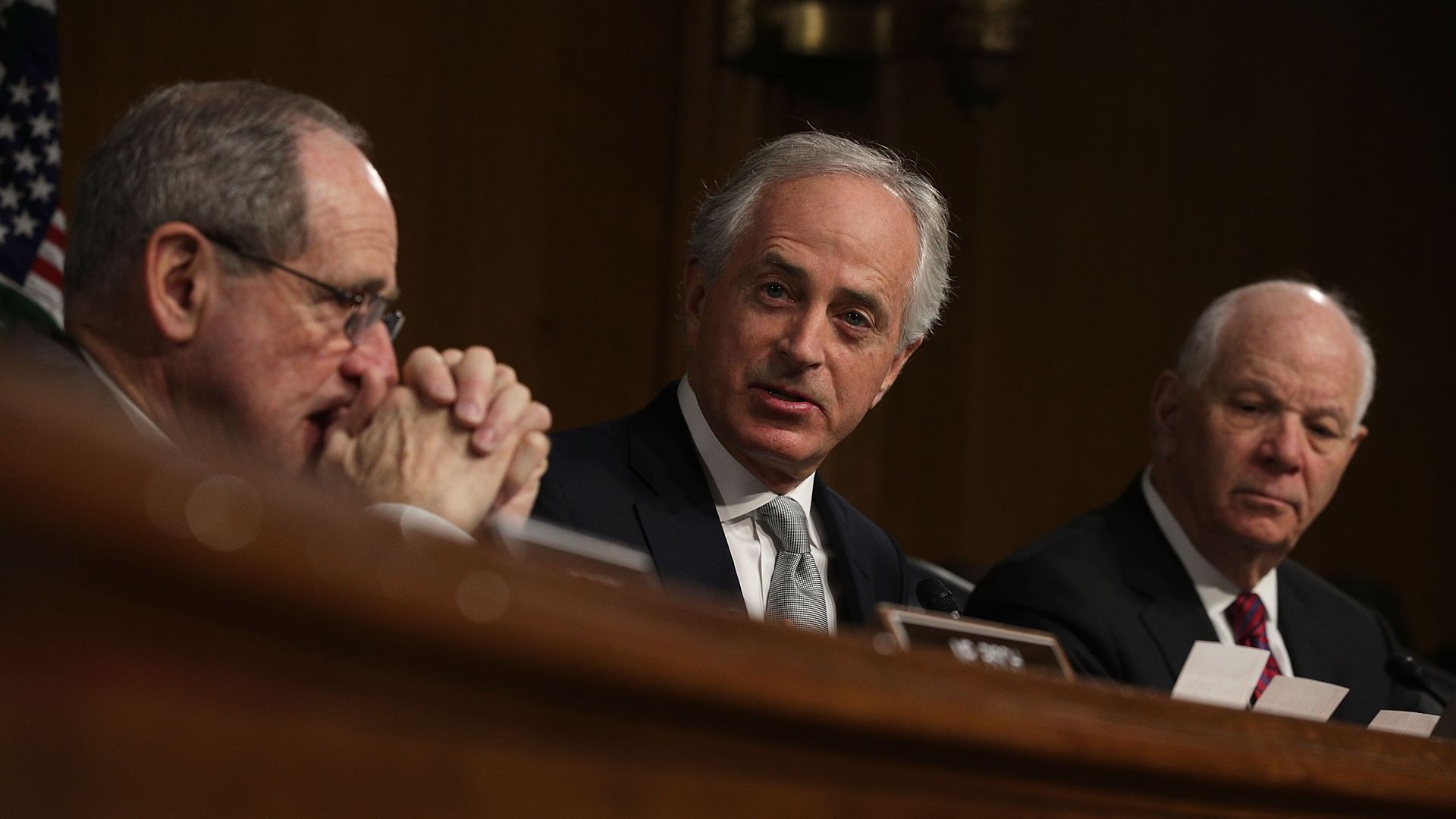
The big picture: Hawkish congressional Republicans who are unafraid to denounce Trump when they believe he's screwed up are genuinely not perturbed by what happened yesterday, sources close to them tell me. One source described the general reaction to the decision as "incorrect and hysterical." Sen. Bob Corker, an architect of the sanctions law, told reporters the process was just beginning and the administration is taking it "very seriously."
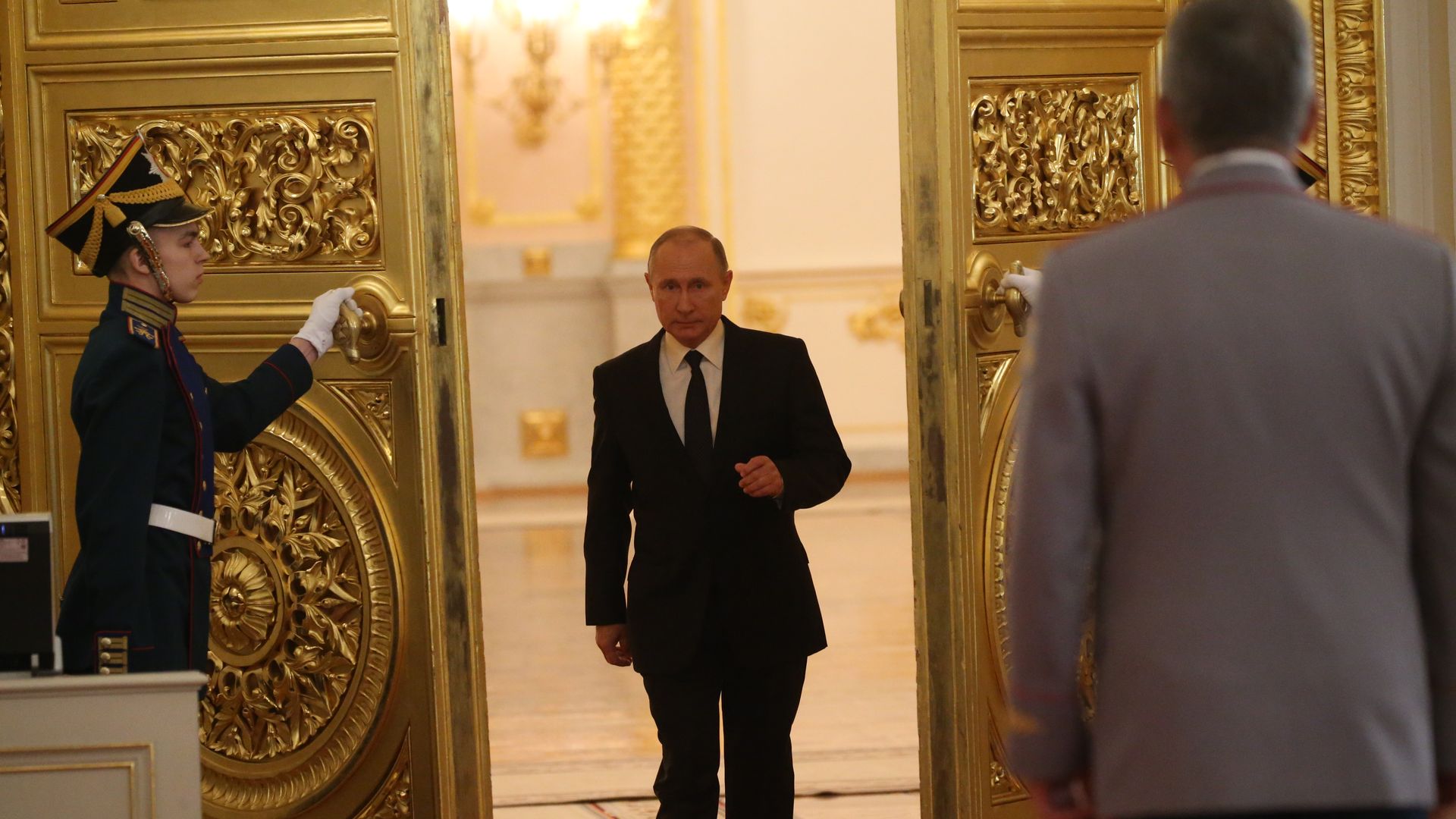
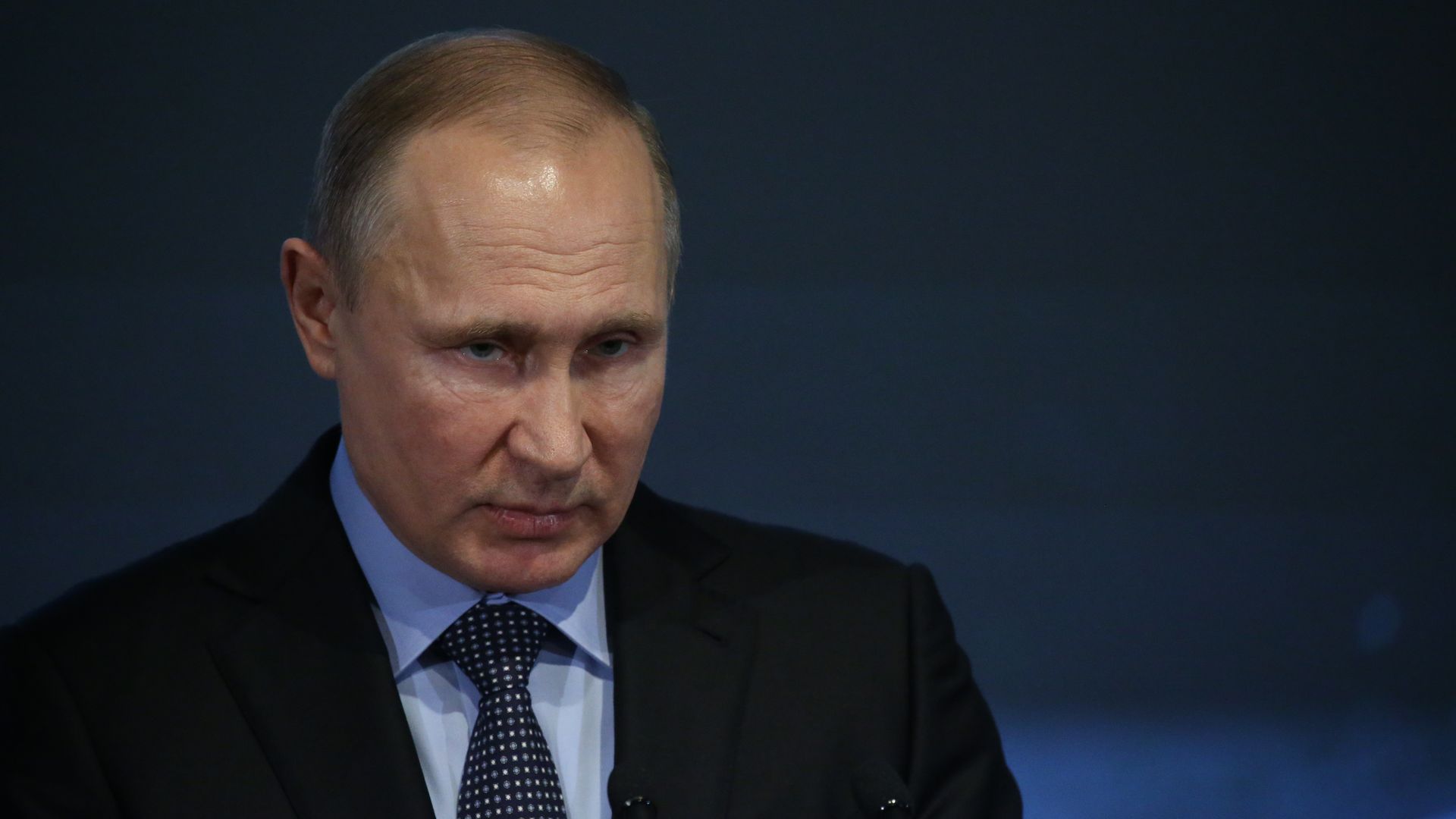
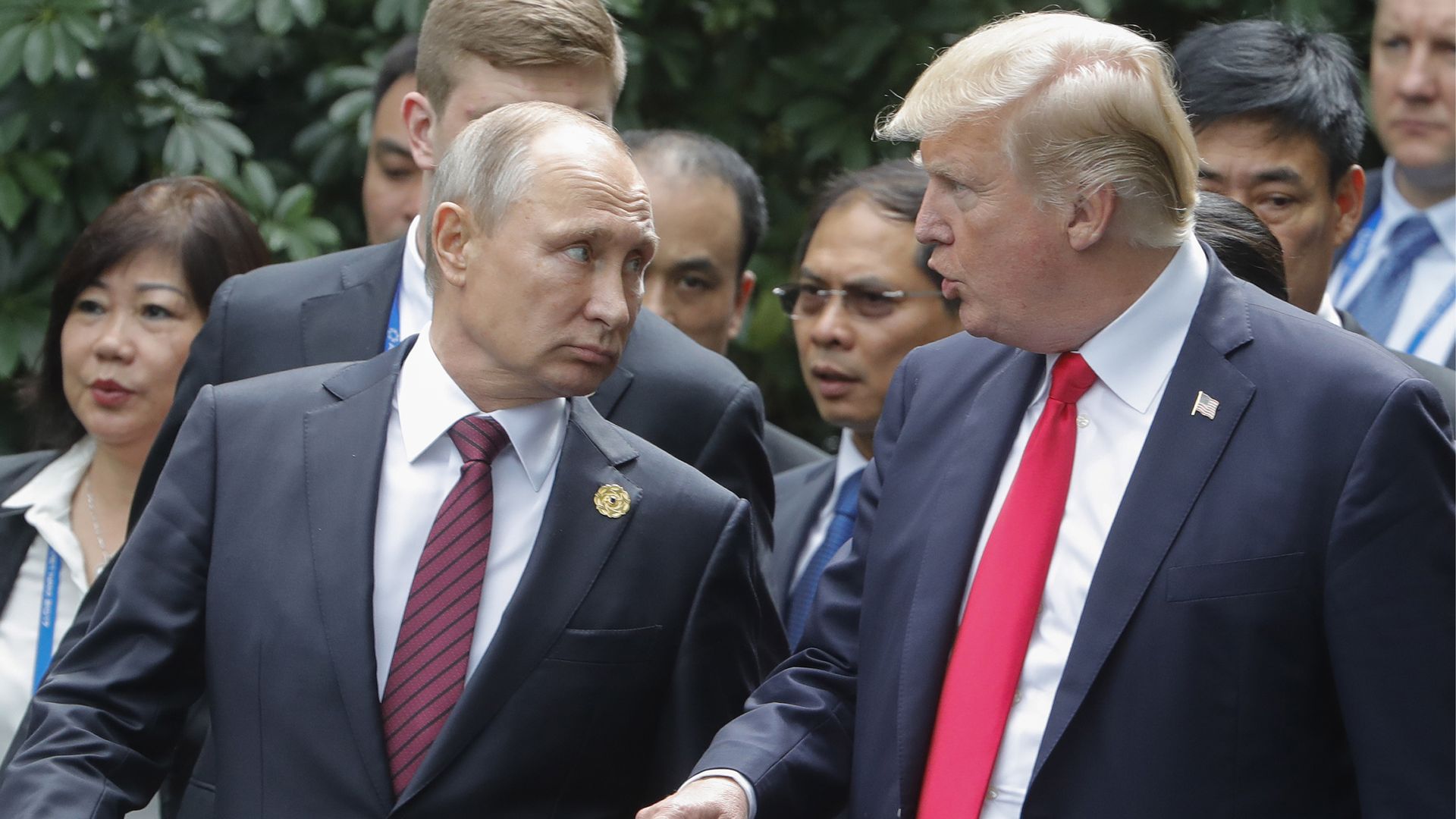
The Treasury Department has released a much anticipated list of Russian oligarchs and political figures as mandated under a sanctions law passed by Congress last year, but has not leveled any new sanctions. Vladimir Putin called the list's publication a "hostile act," but said he would "refrain" from taking any steps in response.
Why it matters: The list was ostensibly intended to name and shame those who were benefiting from their relationships with Putin. But all it offers is publicly available information, without repercussions. So don't be surprised if it doesn't lead any of the oligarchs to change their behavior.
North Korea has canceled one of its joint projects with South Korea in advance of the Winter Olympics next month over South Korean media reports which the North says have defamed its “sincere” measures for the Olympics, per the AP.
The big picture: The relationship between the North and the South, no matter the North’s proposal of a reunification, will include a fair amount of back-and-forth. Ministry officials expect a joint training session between the countries’ non-Olympic skiers at a ski resort in North Korea to go on as planned.
What's happening: The list was part of a "name and shame" effort against top Putin associates in retaliation for Russia’s interference in 2016's presidential election. There are no immediate penalties for the individuals listed.
The Trump administration will not at this time implement new sanctions under the law Congress passed near-unanimously in response to Russian election interference, the State Department announced. The sanctions would have hit companies doing business with Russian defense and intelligence agencies.
Heather Nauert, the State Dept. spokesperson, suggested in a statement that current sanctions are sufficient for the time being: "if the law is working, sanctions on specific entities or individuals will not need to be imposed because the legislation is, in fact, serving as a deterrent."
Why it matters: Trump resisted the sanctions in the first place, and the administration is certainly in no rush to implement them, having missed one deadline already and declined to take action this time around.
CIA Director Mike Pompeo told the BBC that he anticipates Russia will try to interfere in the 2018 midterm elections: "I have every expectation that they will continue to try and do that, but I'm confident that America will be able to have a free and fair election [and] that we will push back in a way that is sufficiently robust that the impact they have on our election won't be great."
The backdrop: The State Department just announced it will not add new sanctions on Russia under the law passed last year by Congress because the sanctions already in place were working as a deterrent.
One more thing: Pompeo said North Korea could have the capability to hit the U.S. with nuclear weapons "in a handful of months."